The best road cycling routes around Gallese
4.3
(58)
1,665
riders
101
rides
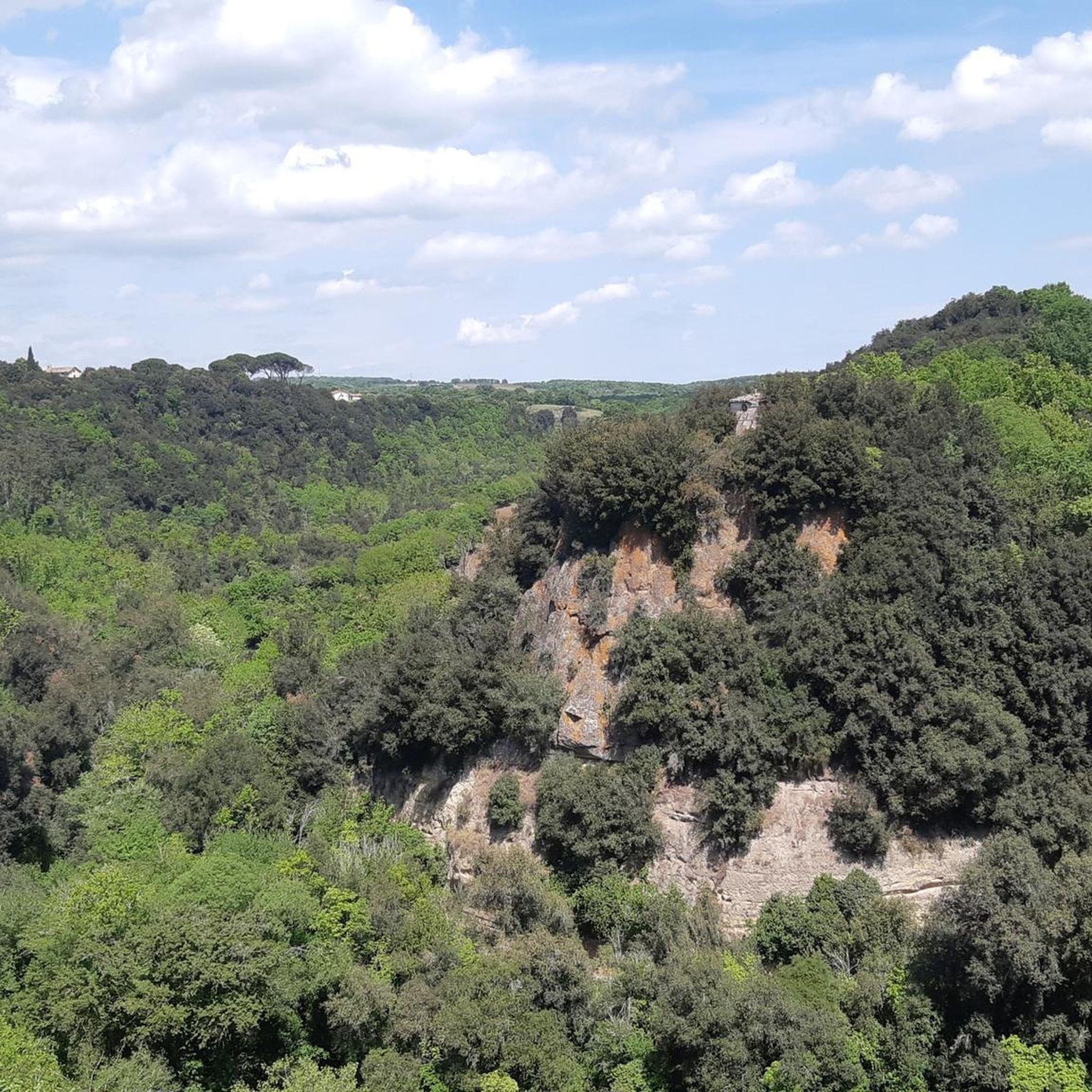
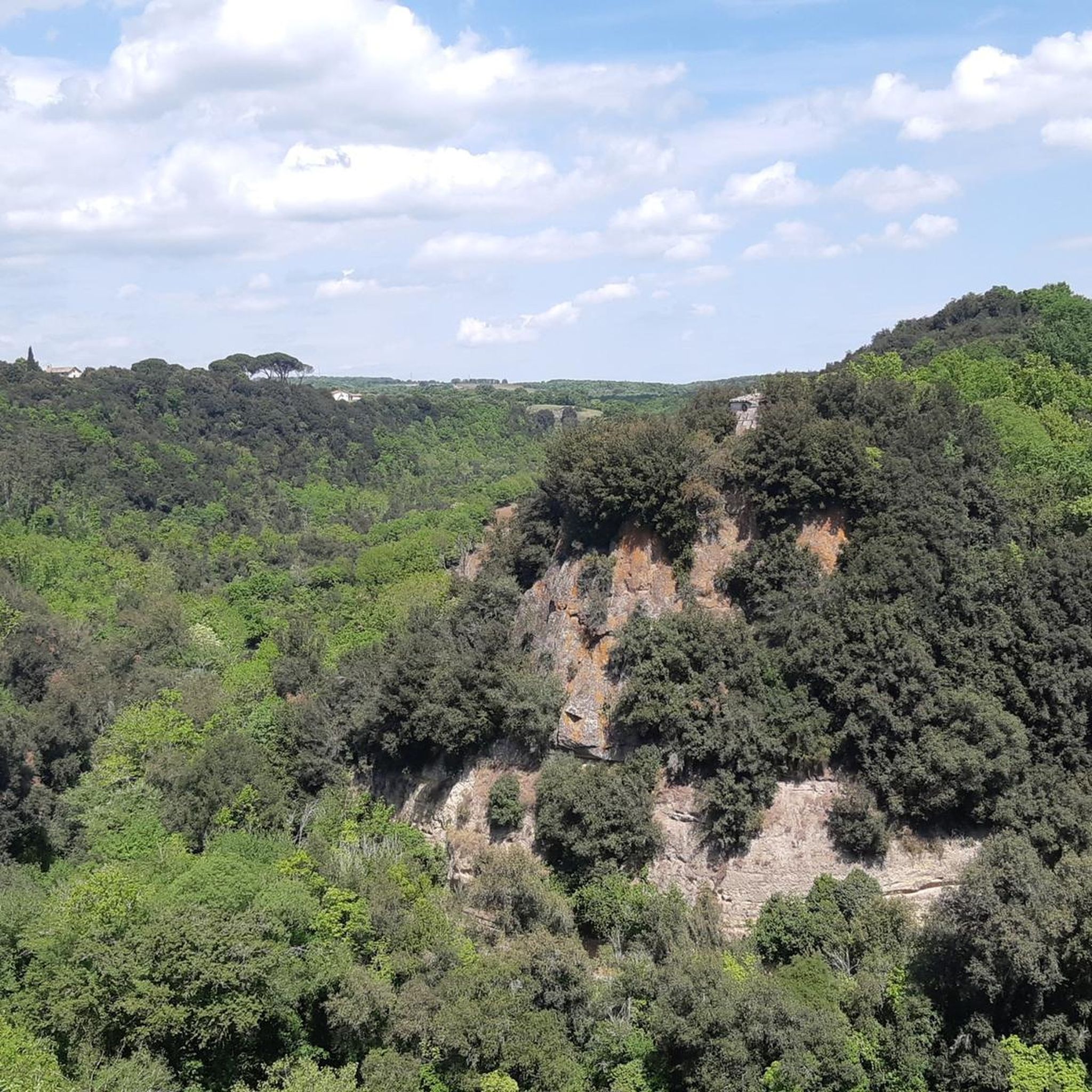
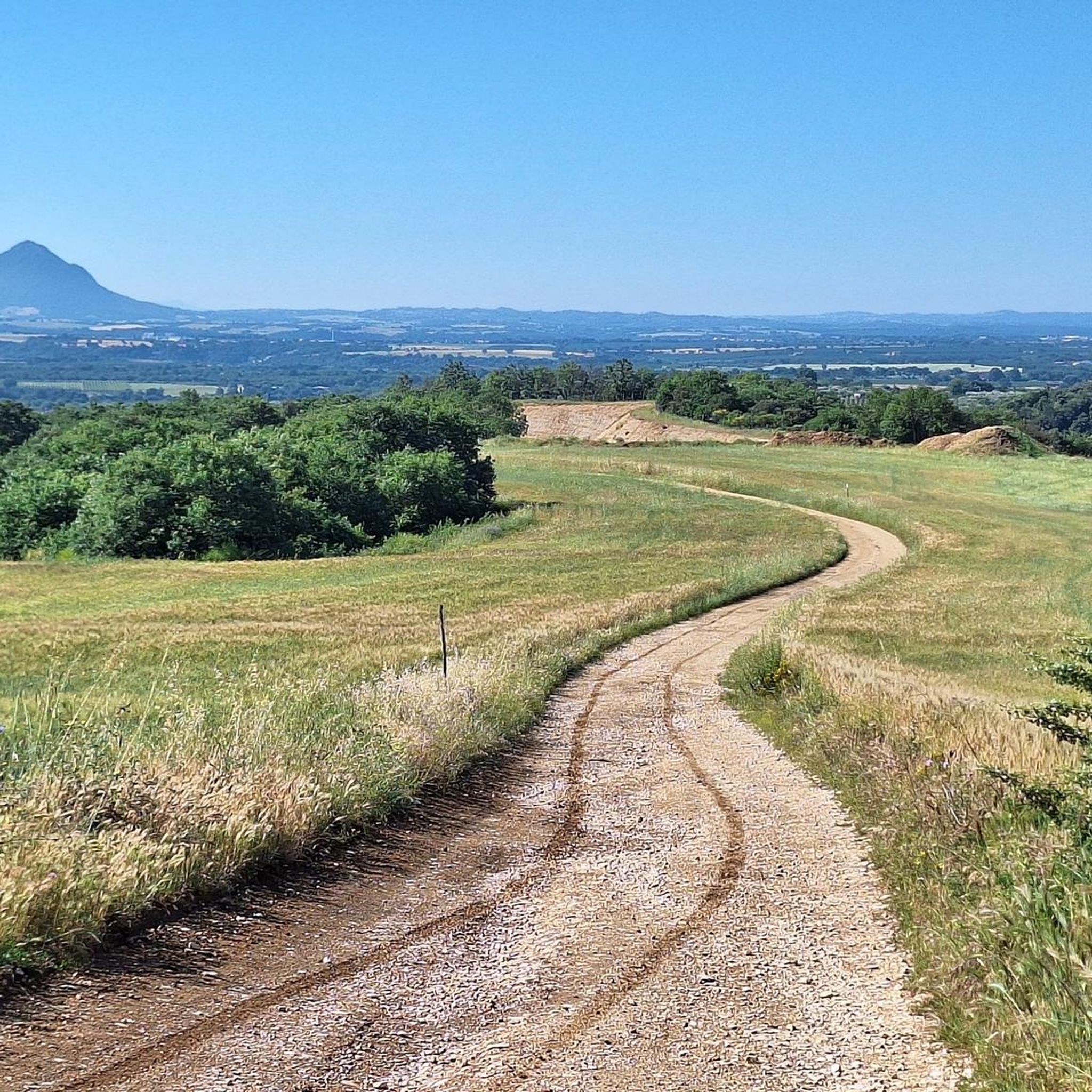
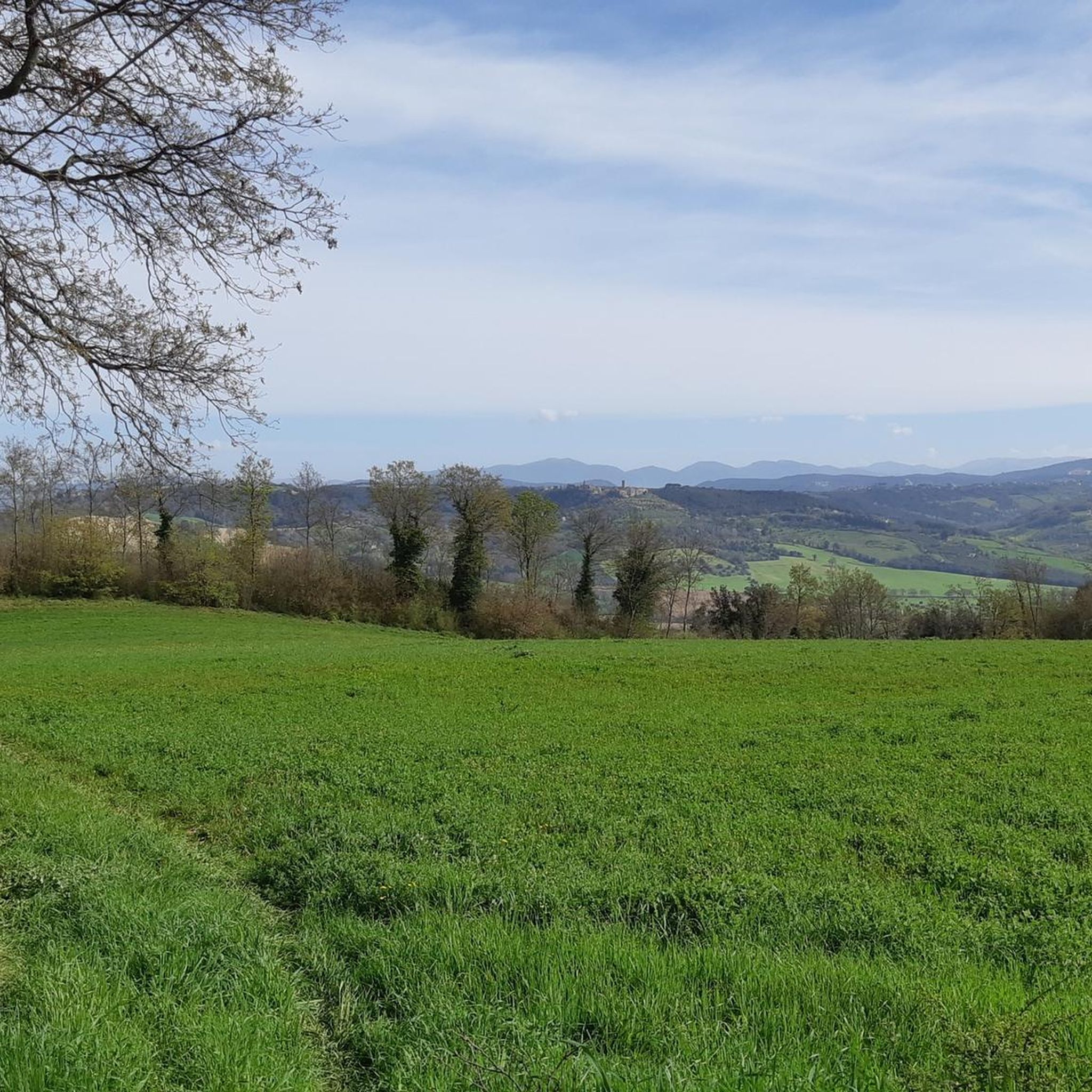
Road cycling routes around Gallese are set within Italy's Lazio region, characterized by its position on a tufa plateau overlooking the Tiber Valley. The terrain features rolling hills, extensive olive groves, and a mix of wooded areas and open countryside. This geological setting provides varied gradients suitable for road cycling, with routes often traversing historic medieval villages. The area is integrated into regional cycling networks, offering diverse landscapes for exploration.
Best road cycling routes around Gallese
- The most popular road…
Last updated: October 11, 2026
1
riders
36.4km
01:38
360m
360m
Moderate road ride. Good fitness required. Mostly well-paved surfaces and easy to ride.
5.0
(2)
30
riders
88.4km
04:21
1,220m
1,220m
Hard road ride. Very good fitness required. Mostly well-paved surfaces and easy to ride.

3.0
(1)
42
riders
60.4km
02:55
760m
760m
Moderate road ride. Good fitness required. Mostly well-paved surfaces and easy to ride.
5.0
(2)
21
riders
Hard road ride. Very good fitness required. Some segments of this route may be unpaved and difficult to ride.
14
riders
104km
05:29
1,800m
1,800m
Hard road ride. Very good fitness required. Mostly well-paved surfaces and easy to ride.
Get access to more routes and recommendations from other explorers.
Already have an account?
Our route recommendations are based on thousands of hikes, rides, and runs completed by other people on komoot.
Start today with a free account
Your next adventure awaits.

Tips from the Community

Viterbo lived its period of major splendor and power in the 13th century when it was chosen as the seat of the papacy instead of Rome, where powerful warring families made life too dangerous. Eight different popes lived in Viterbo making it is similar to Vatican City and Avignon in France. The longest papal conclave in history happened here from 1 December 1268 to 1 September 1271. Following Pope Clement IV's death, infighting between cardinals and political pressure led to a 34-month deadlock. The cardinals were locked up cum clave (hence the word conclave) inside the palace’s large Conclave Hall. In desperation the town’s population, who were feeding them and their entourages, eventually reduced the cardinals’ food and wine supplies, trying to speed up the election. Time wore on and they finally decided to remove the roof of the palace: in order to help the Holy Spirit come down and illuminate them, it was quipped. That worked.
0
0

Narni underground, with its legends, inspired Lewis Carroll for the creation of the Chronicles of Narnia
1
0

The Papal Palace in Viterbo served as the Vatican for the 24 years of the thirteenth century when the papacy moved there due to ongoing unrest in Rome.
0
0

This family-owned pizzeria in Viterbo has delicious and affordable pizza, made with fresh ingredients and baked in a wood-fired oven. The dough is a highlight, with its perfect texture and taste. It has a warm and friendly atmosphere which makes you feel at home.
2
0

Hamlet of the Municipality of Otricoli. The historic center is located at 314 m above sea level.
0
0

The Palace of the Popes, or Palazzo dei Papi, in Viterbo is a masterpiece of medieval architecture. Built in the 13th century, it served as a residence for the popes. The palace is an example of Gothic architecture and features beautiful vaulted halls, courtyards and an impressive tower that offers panoramic views of the city. The National Museum, with an extensive collection of medieval works of art, is housed in the beautiful spaces of the palace.
1
0

Palazzo dei Papi is a palace in Viterbo, northern Lazio, Italy. It is one of the city's most important monuments and is located next to the Duomo di Viterbo (Viterbo Cathedral). From 1257 to 1281 a total of eight popes resided in Viterbo almost without interruption. The commune's offer to build a palace as a curia seat for the popes contributed to this. This structure was built in sections from 1255 to 1266 and was given the name “Palace of the Popes” due to its use; today it is the Bishop's Palace. The first and longest conclave to date took place in Viterbo. In 1268, after the death of Pope Clement IV, the conclave began, which lasted a total of 1005 days (from November 30, 1268 to September 1, 1271). The number of cardinals was initially 20 and in the end only 16, as 3 cardinals died during this time and one left the conclave. On Bonaventure's advice, the cardinals were eventually confined to bread and water until a new pope was elected. On September 1, 1271, a non-cardinal was elected as the new pope. The chosen one, Tebaldo Visconti, an Italian from Piacenza, not even a priest, was at that time on a pilgrimage in the Holy Land (Acre). Visconti, then archdeacon of Liège, arrived in Viterbo on February 10, 1272, accepted the election, was ordained a priest and bishop on March 19, 1272 and was crowned as Pope Gregory X in Rome on March 27, 1272. In Viterbo. resident popes: Alexander IV, Pope from 1254 to 1261 (stable residence in Viterbo from 1257); Urban IV, Pope from 1261 to 1264 (divided his residence between Orvieto and Viterbo); Clement IV, Pope from 1265 to 1268 (almost always lived in Viterbo); Gregory X, Pope from 1271 to 1276 (Gregory Innocent V, Pope from January 21 to June 22, 1276 (stayed in Viterbo for two weeks, shortly after his election, and met Charles of Anjou there); Hadrian V, Pope from July 11, 1276 to August 18, 1276 (spent almost all of his short pontificate in the monastery next to the church of San Francesco alla Rocca); John XXI, Pope from September 15, 1276 to May 20, 1277 (almost always lived in Viterbo); Nicholas III, pope from 1277 to 1280 (divided his residence between Viterbo, Rome and Soriano nel Cimino); Martin IV, elected on February 22, 1281 (left Viterbo immediately after his election).
1
0

Details here: https://www.archeoares.it/musei/viterbo/polo-monumentale-colle-del-duomo/ Approx. 10€ entry; San Lorenzo is free
0
0
Frequently Asked Questions
What kind of terrain can I expect on road cycling routes around Gallese?
Road cycling routes around Gallese are characterized by rolling hills, extensive olive groves, and a mix of wooded areas and open countryside. The region is situated on a tufa plateau overlooking the Tiber Valley, providing varied gradients and scenic views. You'll often find routes traversing historic medieval villages.
Are there road cycling routes suitable for different skill levels?
Yes, the road cycling network around Gallese offers options for various ability levels. Out of over 100 available routes, you can find easy, moderate, and difficult options. For example, there are 10 easy routes, 56 moderate routes, and 41 difficult routes to choose from.
What are some notable natural features or landmarks I can see while cycling near Gallese?
The area is rich in natural beauty and historical sites. You can cycle past the dramatic Vie Cave of Corchiano, ancient Etruscan paths carved into the tufa rock. The Corchiano Waterfall is another striking natural attraction. The region also features the Pian Sant'Angelo Natural Monument and WWF Oasis, known for its wooded and tufaceous gorges.
Are there any challenging road cycling routes with significant climbs?
Yes, for experienced riders seeking a challenge, routes like the Hermitage of San Cataldo – Contigliano Alto loop from Civita Castellana-Magliano offer substantial elevation gain, with over 1790 meters of climbing over 104 kilometers. Another difficult option is the Corchiano – Amelia loop from Corchiano, which features over 1250 meters of ascent.
What do other cyclists say about road cycling in Gallese?
The road cycling routes around Gallese are highly rated by the komoot community, with an average score of 4.3 stars from over 50 reviews. Cyclists often praise the varied terrain, the integration into regional cycling networks, and the opportunity to explore historic medieval villages.
Can I find routes that pass through historic towns or villages?
Absolutely. Many routes are designed to connect charming historic towns. For instance, the Soriano nel Cimino – Historic Alleys of Orte loop from Vasanello winds through rolling hills and olive groves, connecting historic alleys. The Calvi dell'Umbria – Narni (Ancient Narnia) loop from Civita Castellana-Magliano also leads through varied terrain and historic towns, including Narni, known for its ancient history.
Are there any 'strade bianche' (white roads) suitable for road bikes near Gallese?
While the region is known for its rolling hills and varied terrain, the 'Terre di Tuscia' cycling route, which passes through the area, emphasizes secondary roads and dirt tracks with low traffic. These 'white-road' alternatives are often suitable for gravel and touring cyclists, and some sections may be accessible for road bikes depending on tire choice and conditions.
What is the best time of year to go road cycling around Gallese?
The Lazio region generally offers pleasant cycling conditions for much of the year. Spring and autumn are typically ideal, with mild temperatures and beautiful landscapes. Summers can be hot, especially in July and August, so early morning rides are recommended. Winters are generally mild, but check local weather for rain or colder spells.
Are there any family-friendly road cycling routes in the Gallese area?
While many road cycling routes involve moderate gradients and distances, some sections of regional networks or less trafficked secondary roads might be suitable for families with older children or those comfortable with road cycling. Look for routes with lower elevation gain and shorter distances, such as some of the 10 easy routes available.
Where can I find parking for cyclists in Gallese?
Gallese, being a historic hill town, has various parking options. You can typically find parking in and around the town center. It's advisable to check local signage for specific parking regulations and availability, especially during peak tourist seasons.
Can I combine road cycling with exploring historical sites or natural monuments?
Absolutely. The region is rich in history and natural beauty. Many routes pass close to or through significant sites. For example, you can visit the Corchiano Historic Village and Gorges, the Historic Center of Orte, or the ancient Roman Theatre of Ocriculum. The Via Francigena, an ancient pilgrimage route, also offers a blend of cultural heritage and natural beauty for cyclists.
Most popular attractions around Gallese

Get inspired with the komoot mobile app


Explore more
Browse the best Road cycling routes in other regions.
