The best cycling routes around Monteverdi Marittimo
4.4
(1165)
10,000
riders
177
rides
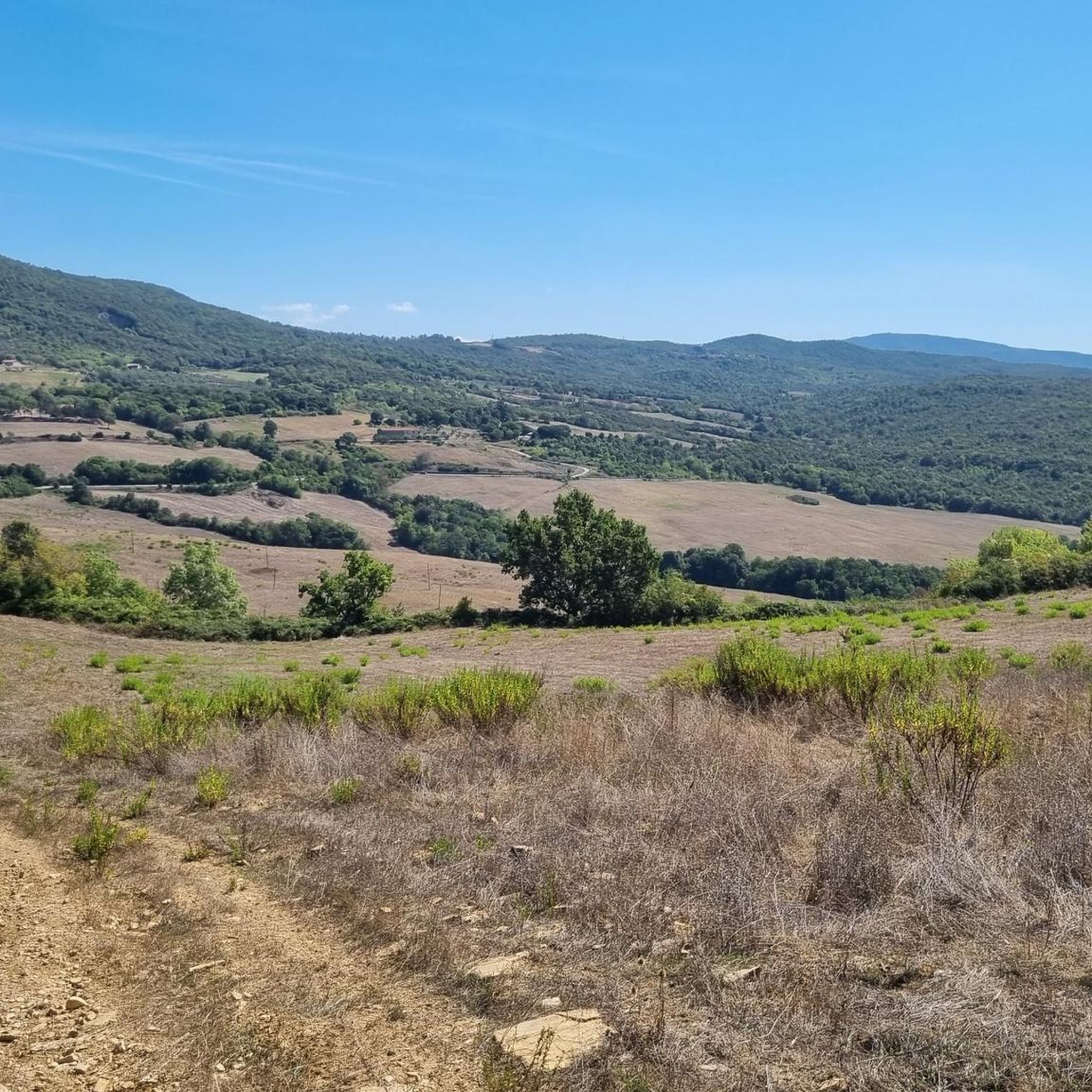
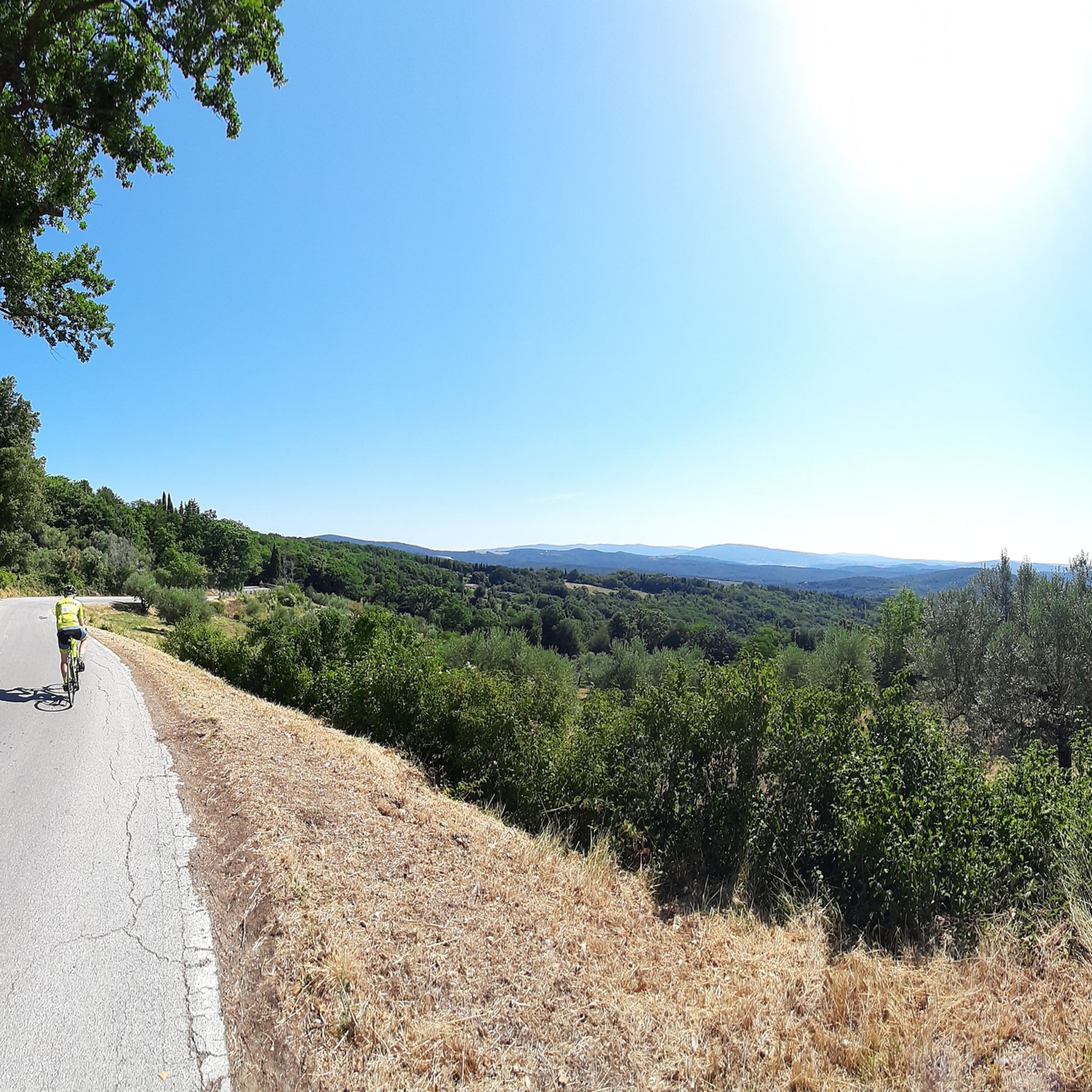
Touring cycling routes around Monteverdi Marittimo traverse a landscape characterized by rolling hills, dense Mediterranean vegetation, and historic villages. The region features varied terrain, including paved country roads winding through olive groves and vineyards, alongside more challenging ascents. Elevation changes are common, offering panoramic views of the Tuscan countryside. The area provides a mix of shaded sections and open stretches, suitable for different cycling preferences.
Best touring cycling routes around Monteverdi Marittimo
- The most popular touring cycling route is Historic Village of Sassetta – View of Sassetta loop from Monteverdi Marittimo, a 32.7 miles (52.7 km) trail that takes 3 hours 25 minutes to complete. This difficult route offers views of the historic village of Sassetta.
- Another top favourite among local touring cyclists is Avenue of Pines – Viale dei Pini loop from Frassine, a difficult 39.3 miles (63.2 km) path. This route features a notable avenue of pines and significant elevation gain.
- Local touring cyclists also love the Alimentari Mucci & Staccioli – Drinking water fountain loop from Poggio della Chiesa, a 12.6 miles (20.3 km) trail leading through local points of interest, often completed in about 1 hour 22 minutes.
- Touring cycling around Monteverdi Marittimo is defined by rolling hills, historic villages, and Mediterranean vegetation. The network offers options for easy, moderate, and difficult routes, catering to various skill levels.
- The routes in Monteverdi Marittimo are highly rated by the komoot community with an average score of 4.2 stars from over 900 reviews. More than 8,000 touring cyclists have used komoot to explore Monteverdi Marittimo's varied terrain.
Last updated: September 1, 2026
4.3
(27)
222
riders
41.5km
02:51
650m
650m
Hard bike ride. Very good fitness required. Mostly paved surfaces. Suitable for all skill levels.
4.8
(16)
73
riders
35.9km
02:19
480m
480m
Hard bike ride. Very good fitness required. Mostly paved surfaces. Suitable for all skill levels.

Sign up for free
4.8
(8)
118
riders
58.1km
03:49
760m
760m
Hard bike ride. Very good fitness required. Mostly paved surfaces. Suitable for all skill levels.
4.6
(7)
54
riders
62.1km
04:18
890m
890m
Hard bike ride. Very good fitness required. Mostly paved surfaces. Suitable for all skill levels.
4.3
(4)
12
riders
Moderate bike ride. Good fitness required. Mostly paved surfaces. Suitable for all skill levels.
Get access to more routes and recommendations from other explorers.
Sign up for free
Already have an account?
Our route recommendations are based on thousands of hikes, rides, and runs completed by other people on komoot.
Start today with a free account
Your next adventure awaits.
Login or Signup
Tips from the Community

From Castagneto Carducci, a medieval village perched on the hills of the Etruscan Coast, the view spans an extraordinary panorama encompassing the Tuscan countryside, the pine forest, and the Ligurian and Tyrrhenian Seas. On clear days, the horizon opens up to reveal the islands of the Tuscan Archipelago and even the coasts of Corsica.
0
0
The branch for Valpiana from the Strada della Marsiliana is a secondary road link immersed in the countryside of Massa Marittima, highly appreciated for cycling routes
0
0

Sassetta is a small and authentic medieval village perched in the hinterland of the Etruscan Coast, in the province of Livorno, in the heart of the Val di Cornia. Inhabited by about 400 people, this village is distinguished by its stone houses, the tradition of old charcoal burners, and the presence of the characteristic red marble.
1
0
The Panoramic Road connecting Monteverdi Marittimo to Canneto is an asphalted hilly route of about 3.6 km. It offers breathtaking views of the Tuscan woods and valleys. It is a route immersed in nature, with gentle slopes, ideal for cyclists and motorcyclists looking for a shaded and less busy path. The route winds through the Colline Metallifere in the territory of Pisa. Length: Approximately 3.6 km Elevation gain: 104 meters. Average gradient: 2.9%
2
0

Cheese cellar in small grocery stores - hidden - sensational
0
0

Delicious, nice to sit, but expensive in relation.
1
0
The Archaeological Museum is housed in the ancient Palazzo del Podestà (1225), which overlooks the Piazza del Duomo of Massa Marittima. The collection is organized into sections, ordered chronologically from the lower paleolithic to the etruscan age; the main piece of the prehistoric collection is the eneolithic statue-stele of Vado all’Arancio, the only find of its type in Maremma; the etruscan finds come mainly from excavations carried out at the village of Lago dell’Accesa, they are mainly kitchenware, loom weights, fishing weights and bricks; also present are the funerary trousseaux found in the necropolises, especially pottery (figulina clay and bucchero), bronze fibulae, iron pot stands, iron and bronze weapons. On the ground floor, an educational section is set up with a life-size reconstruction of typical caves: a paleolithic and an eneolithic one. Guided tours and educational activities, organization of cultural events and film screenings are available.
1
0
Massa Marittima stands proudly enclosed within a well-preserved city wall. It is a town that has received the Orange Flag from the Touring Club and is rich in medieval artistic testimonies, even though its origins are probably Etruscan. The small streets that cross the hill lead to a magical place where the harmony of the lines amazes, surprises, and invites contemplation. The history of Massa Marittima is closely linked to the silver, copper, and pyrite mines of the Colline Metallifere, exploited since the early metal ages and then especially in the Etruscan and medieval periods.
3
0
Frequently Asked Questions
How many touring cycling routes are available around Monteverdi Marittimo?
There are over 140 touring cycling routes around Monteverdi Marittimo, offering a wide range of options for various skill levels and preferences. The komoot community has explored more than 8,000 of these routes.
Are there easy touring cycling routes suitable for beginners or families?
Yes, Monteverdi Marittimo offers a good selection of easier routes. There are 20 routes classified as easy, perfect for beginners or families looking for a more relaxed ride. A moderate option that leads through local points of interest is the Alimentari Mucci & Staccioli – Drinking water fountain loop from Poggio della Chiesa.
What kind of terrain can I expect on touring cycling routes in Monteverdi Marittimo?
The terrain around Monteverdi Marittimo is characterized by rolling hills, dense Mediterranean vegetation, and historic villages. You'll find a mix of paved country roads winding through olive groves and vineyards, alongside more challenging ascents. Elevation changes are common, providing panoramic views of the Tuscan countryside.
Are there any long-distance touring cycling routes in the area?
Yes, for those seeking longer rides, Monteverdi Marittimo has several routes over 50 km. One notable long-distance option is the difficult Avenue of Pines – Viale dei Pini loop from Frassine, which covers 63.2 km and features significant elevation gain.
What are some interesting landmarks or sights I can see along the cycling routes?
Many routes pass through or near charming historic villages and offer scenic viewpoints. For example, the Historic Village of Sassetta – View of Sassetta loop from Monteverdi Marittimo provides views of the historic village of Sassetta. You can also explore nearby attractions like the Biancane Nature Park or the Bolgheri Oasis Nature Reserve.
Are there circular touring cycling routes available?
Most of the touring cycling routes around Monteverdi Marittimo are designed as loops, allowing you to start and end at the same point. Examples include the Canneto Historic Center – Church of San Lorenzo, Canneto loop from Ristorante Pratella and the Historic Village of Sassetta – View of Sassetta loop from Ristorante Pratella.
What do other touring cyclists enjoy most about cycling in Monteverdi Marittimo?
The touring cycling routes in Monteverdi Marittimo are highly rated by the komoot community, with an average score of 4.2 stars from over 900 reviews. Cyclists often praise the varied terrain, the beautiful Tuscan landscapes, and the opportunity to explore historic villages and natural attractions.
When is the best season for touring cycling in Monteverdi Marittimo?
The best seasons for touring cycling in Monteverdi Marittimo are typically spring (April to June) and autumn (September to October). During these months, the weather is generally mild and pleasant, with less intense heat than summer and fewer crowds, making for ideal cycling conditions.
Are there any routes that are less crowded?
While popular routes can see more traffic, many of the 148 routes offer a chance to explore quieter parts of the region. Opting for routes that start from smaller villages or exploring during off-peak hours can help you find a more serene cycling experience.
Can I find routes with significant elevation gain for a challenging ride?
Absolutely. Monteverdi Marittimo's landscape includes numerous challenging ascents. For instance, the Avenue of Pines – Viale dei Pini loop from Frassine features over 1300 meters of elevation gain, providing a demanding workout for experienced touring cyclists.
Are there any specific points of interest or natural monuments to look out for?
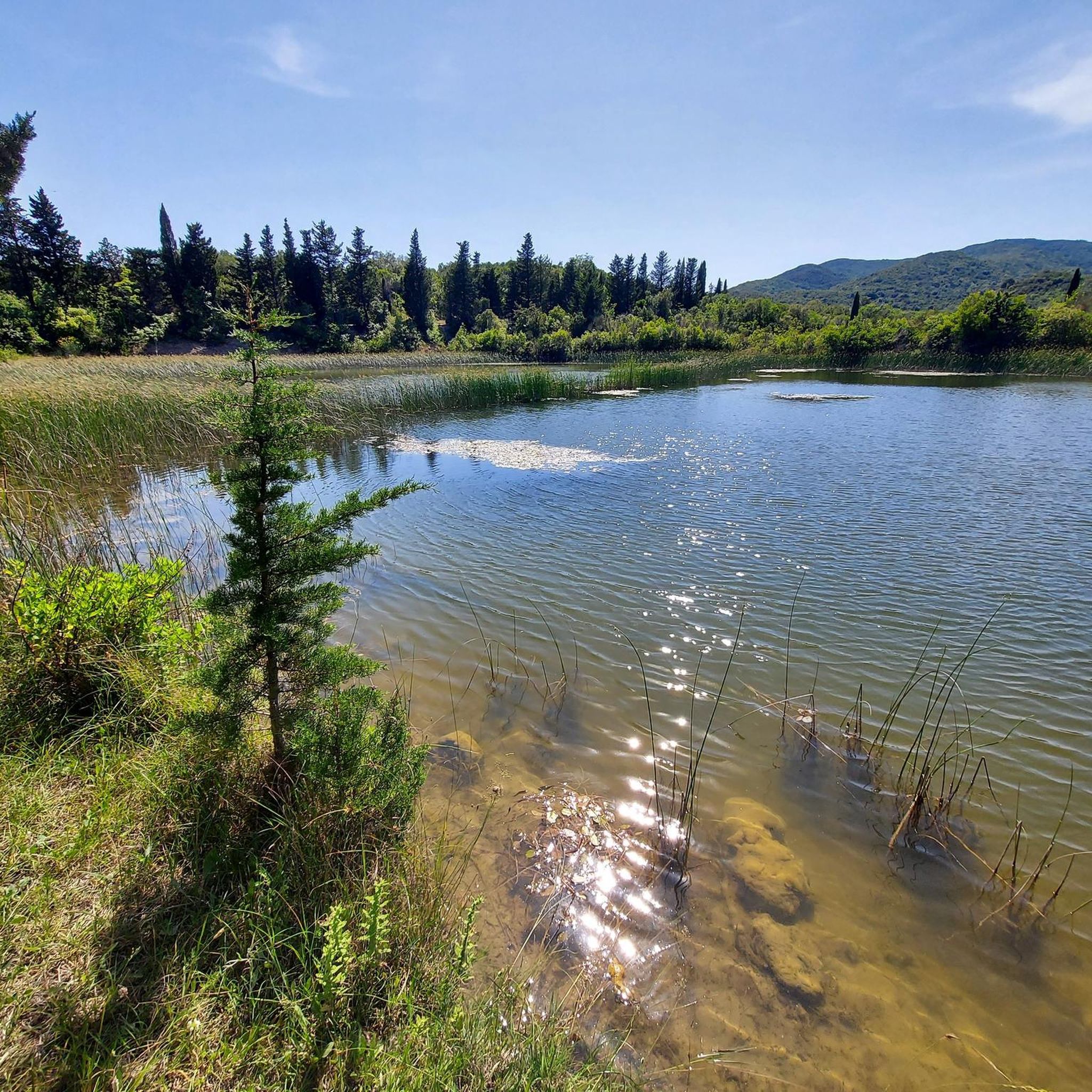
Beyond the historic villages, the region offers natural beauty. You might encounter highlights like the Fosso Linaglia Pond or the unique geothermal area around the Pond in the Monterotondo Marittimo Geothermal Area. These natural spots can provide a refreshing break during your ride.
Most popular routes around Monteverdi Marittimo
Most popular attractions around Monteverdi Marittimo

Get inspired with the komoot mobile app


Explore more
Browse the best Cycling routes in other regions.
