The best running trails around Sinalunga
4.3
(7)
184
runners
33
runs
Jogging routes Sinalunga traverse the heart of Tuscany's Valdichiana Senese, characterized by rolling hills, expansive olive groves, and dense woodlands. The region offers a diverse landscape for running, from undulating countryside paths to historic rural settings. These trails provide varied elevation changes and scenic backdrops for different running experiences.
Best jogging routes around Sinalunga
- The most popular jogging route is Sinalunga Wall – Historic Center of Sinalunga loop from Sinalunga, a 7.5 miles (12.1 km) trail that takes about…
Last updated: October 11, 2026
36
runners
12.2km
01:21
240m
240m
Moderate run. Good fitness required. Mostly paved surfaces. Suitable for all skill levels.
18
runners
12.9km
01:30
30m
30m
Moderate run. Good fitness required. Mostly paved surfaces. Suitable for all skill levels.

3.5
(2)
11
runners
6.25km
00:39
70m
70m
Moderate run. Good fitness required. Mostly paved surfaces. Suitable for all skill levels.
5.0
(1)
9
runners
11.8km
01:19
40m
40m
Moderate run. Good fitness required. Mostly paved surfaces. Suitable for all skill levels.
6
runners
9.42km
01:07
240m
240m
Moderate run. Good fitness required. Mostly paved surfaces. Suitable for all skill levels.
Get access to more routes and recommendations from other explorers.
Already have an account?
Our route recommendations are based on thousands of hikes, rides, and runs completed by other people on komoot.
Start today with a free account
Your next adventure awaits.
Popular around Sinalunga
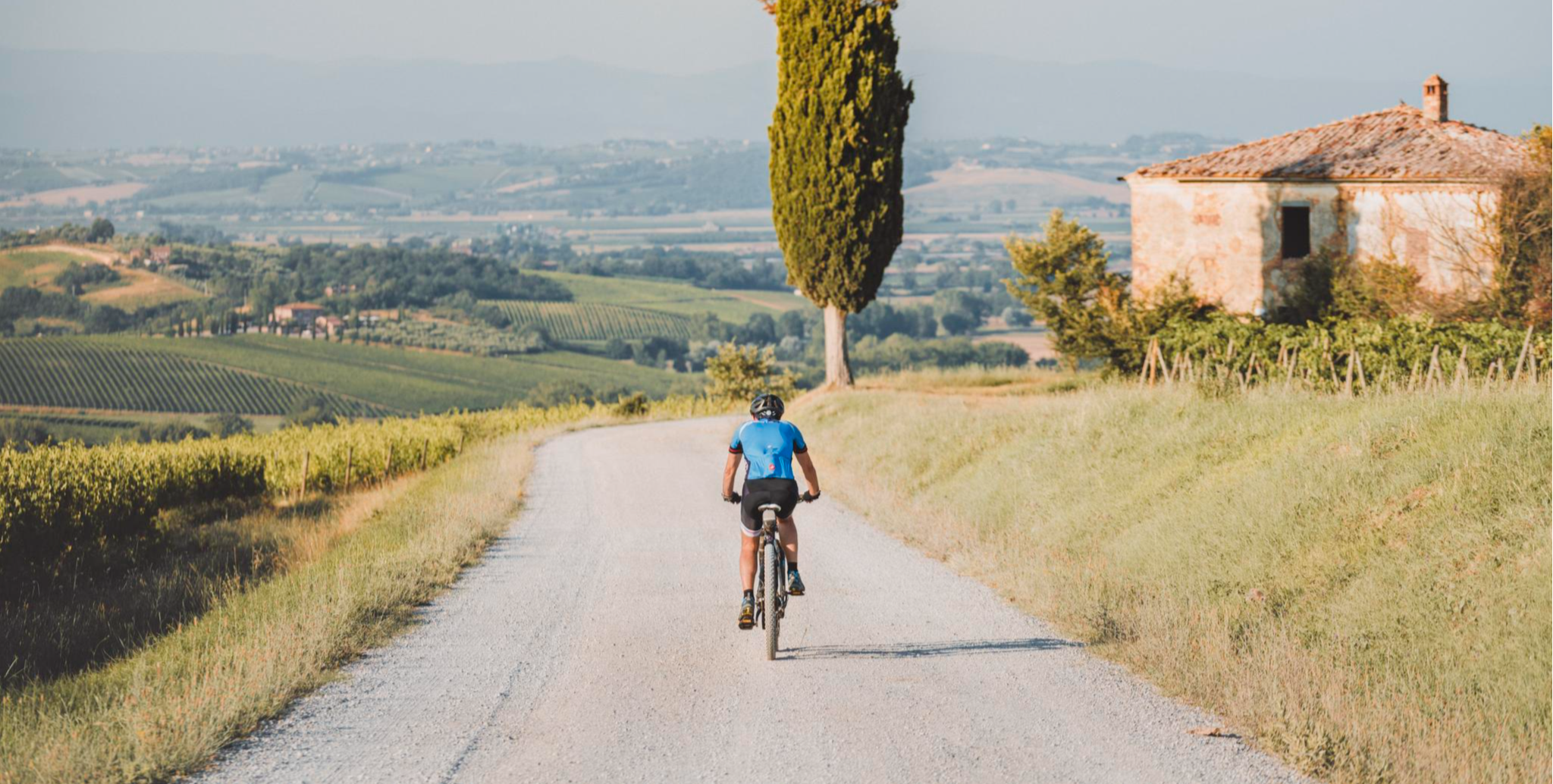
200 km in Valdichiana Senese – ride through the centuries in Tuscany
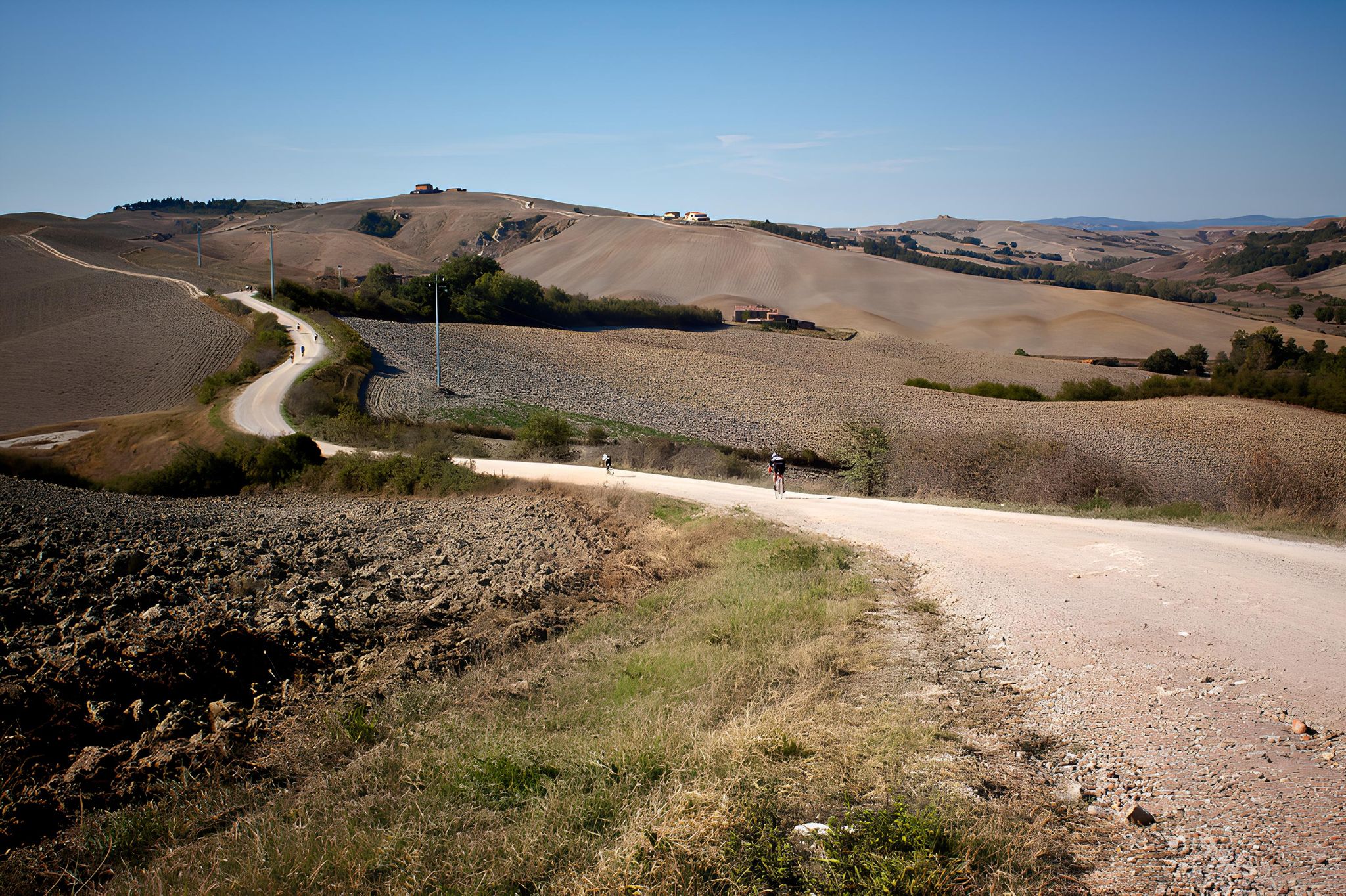
Via Lauretana - Tuscan crete, castles and vineyards
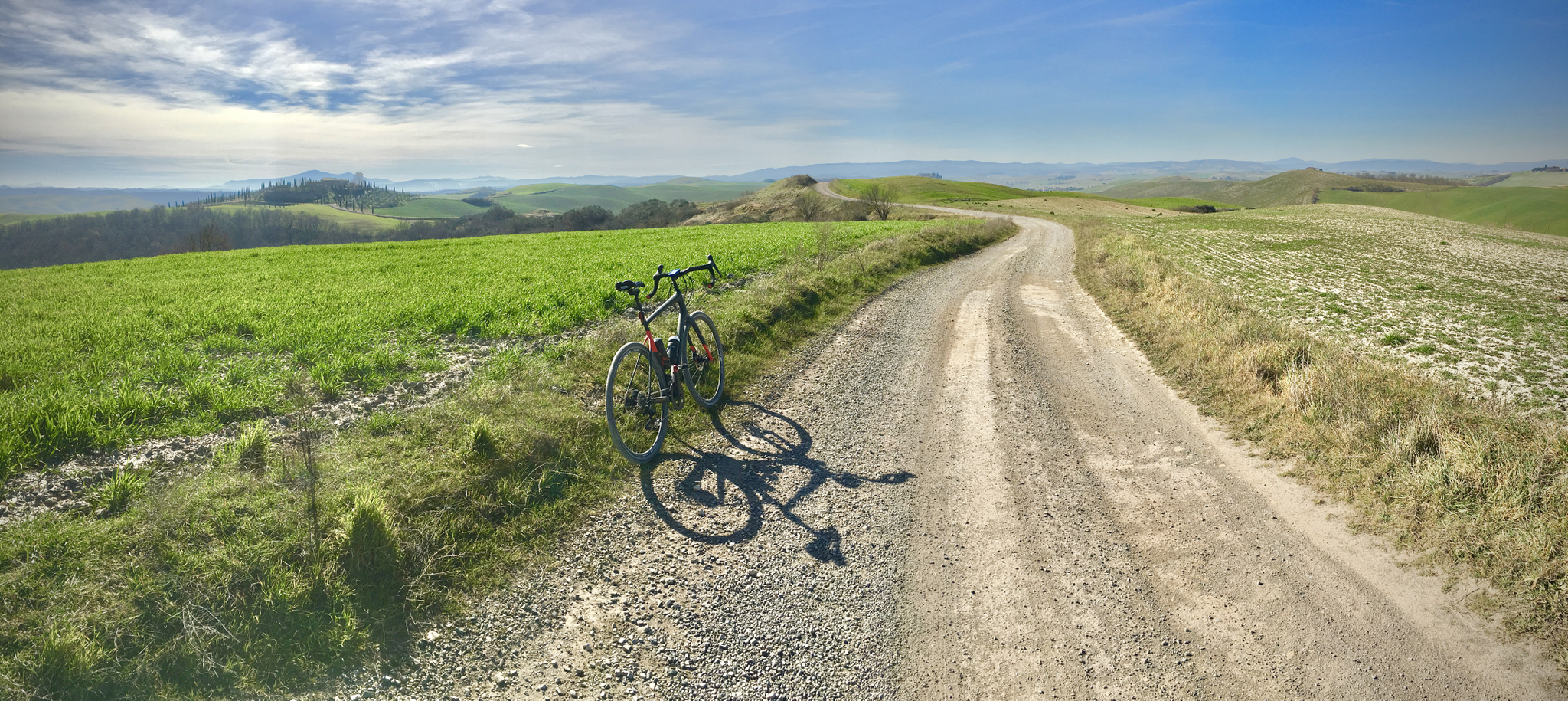
Cycling between Siena and Cortona – la Via Lauretana in Tuscany
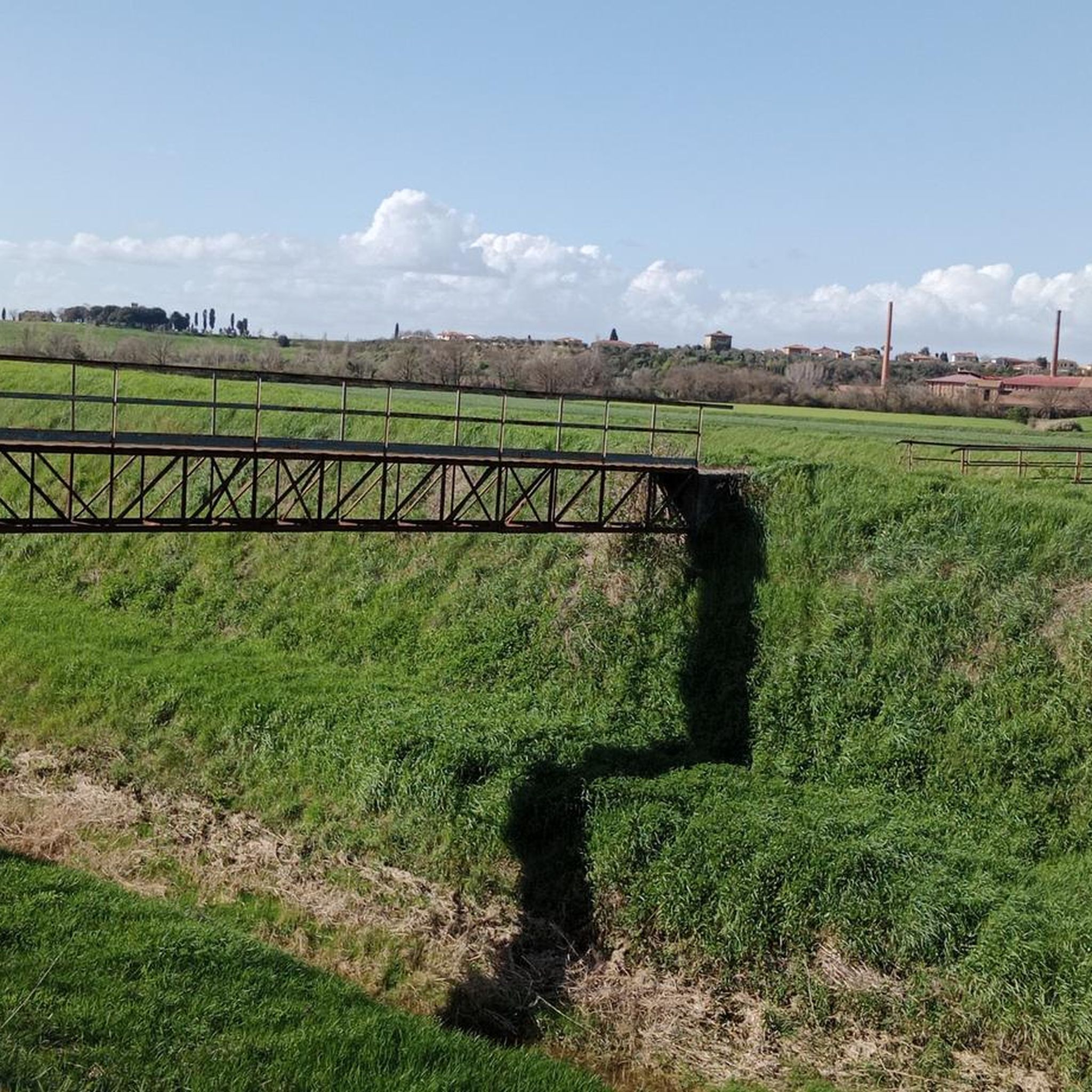
Road Cycling Routes around Sinalunga
Cycling around Sinalunga
MTB Trails around Sinalunga

Gravel biking around Sinalunga
Hiking around Sinalunga
Other adventures around Sinalunga


Tips from the Community

Tenuta La Fratta, a harmonious example of integration between architecture and landscape, revolves around the 16th-century villa attributed to Baldassarre Peruzzi, enriched by an Italian garden, an ancient well, and the Church of San Michele, which houses a fresco by Sodoma. It is also a symbolic place for the enhancement of the Chianina breed, of which it has been a historic selection center recognized since 1934.
0
0
The Collegiata di San Martino, in the center of Sinalunga, is an important church for the town's history. Externally, it presents simple lines, while the interior is richer, with various valuable works of art. It testifies to the religious and cultural life of the community over the centuries, remaining a landmark for the village to this day.
0
0

Tip: Have a coffee or an ice cream at Bar l'Angolo. The staff is friendly and cheerful, and there are shady spots under the trees.
0
0

La Fratta stands on what was once one of the most important roads of ancient Rome: the consular Via Cassia, and more precisely, halfway between the mansio (a sort of post station) Manliana and ad Mensulas. The first reliable reference to La Fratta dates back to 1208 in Giovanni Antonio Pecci's "Historical, Political, Civil, and Natural Memoirs of the Cities, Lands, and Castles Subject to the City of Siena." In the document, La Fratta is referred to as "Fratta di Bettacchino," belonging to a Count Gualfredi, certainly from a branch of the Scialenghi family. Pecci names him "Della Valle," but he may have simply been Count Gualfredi of Guardavalle, which during this period had the characteristics of a walled town and was the residence of the Podestà: a true center, therefore, and not simply a rural settlement. From the mid-13th century, a process of decline began, most likely triggered by involvement in a military action. Pecci reports, without further comment, the resolution of December 28, 1271, by which the General Council removed the Podestà's residence from Fratta. At that time, Fratta was ruled by Ugolino Tacco of the Pecorai family. Not content with simple banditry against travelers who happened to be within range, he decided to attack a castle of the Republic: that of Torrita. Siena responded; in 1285, he was captured, tried, and executed. Fratta passed into the hands of his young son Ghino, who, believing the sentence handed down to his father to be disproportionate, vowed revenge. Chronicles report that Siena's interventions became increasingly pressing, forcing him to flee to the Val d'Orcia. Followed by a number of loyal followers, he attacked and occupied the castle of Radicofani, giving rise to the legend of Ghino di Tacco: the bandit who robbed merchants and bankers, nobles and prelates, without distinction: as long as they were wealthy. The Fratta farm, still very extensive, included until the end of the last century numerous holdings between Bettolle and the mountains of Abbadia Sicille, assuming an important role, as a "farm," in the agricultural economy and rural society of this part of the Valdichiana, where, at least until the 1950s, agriculture represented the main source of income for the majority of the community. In terms of production, it is impossible to forget the breeding of Chianina cattle, since Fratta was one of the three farms called to form the first selection groups for this "breed," and many of the largest breeding herds come from this farm. These lands, artifices created by man with an orderly and evocative arrangement of the soil through the use of mixed cultivation: the typical small rectangles, often separated by rows of vines, and the respect for nature and the peculiarities of the territory and the environment, have long testified to the ideal of Italian history and natural integration. of man with the environment that surrounds him.
0
0

Sinalunga is a Tuscan municipality located on the hills between the Val di Chiana and the Valle dell'Ombrone. It has Etruscan origins and its historic center is characterized by crenellated walls, stone houses and picturesque alleys. The Collegiate Church of San Martino and the Praetorian Palace are worth a visit. Sinalunga is also known for the Chianina cattle breed, typical of the area.
2
0

Municipality in the province of Siena. The historic center perched at the top of the town is worth a visit.
2
2

A steep wall to get the old town of Sinalunga. Not long but quite strong, with an average gradient of 13%
0
0
Frequently Asked Questions
How many running routes are available around Sinalunga?
There are over 25 running routes around Sinalunga, offering a diverse range of experiences. These include easy paths, moderate trails, and more challenging runs through the scenic Tuscan landscape.
What kind of terrain can I expect on running trails in Sinalunga?
You can expect a varied terrain in Sinalunga, characterized by rolling Tuscan hills, expansive olive groves, and dense woodlands. Many routes feature historic rural landscapes and the famous 'white roads' of Tuscany, which are gravel paths. You'll find both paved surfaces, especially around town centers, and natural trails.
Are there easy running routes suitable for beginners in Sinalunga?
Yes, Sinalunga offers several easy running routes perfect for beginners. While most routes are moderate, there are at least 3 easy trails available. These typically feature less elevation gain and more accessible paths, allowing for a gentle introduction to running in the region.
Can I find circular running routes in Sinalunga?
Many of the running routes in Sinalunga are circular, allowing you to start and finish in the same location. For example, the Sinalunga Wall – Historic Center of Sinalunga loop from Sinalunga is a popular circular route that combines physical activity with sightseeing.
Are there any family-friendly running paths in Sinalunga?
For families, the paths around Lake Montepulciano, a short drive from Sinalunga, are excellent for walking and cycling and cater to all ages. Within Sinalunga itself, routes like the Sinalunga Wall – Historic Center of Sinalunga loop from Sinalunga offer a moderate, largely paved experience suitable for active families.
Are dogs allowed on the running trails around Sinalunga?
Generally, dogs are welcome on most rural trails and paths in the Sinalunga area, especially in the open countryside and woodlands. However, if you plan to run in specific nature reserves like the Archaeological Natural Park of Belverde or the Pietraporciana Nature Reserve, it's always best to check local regulations regarding pets.
What are some scenic landmarks or natural features I can see while running in Sinalunga?
While running in Sinalunga, you can encounter a variety of scenic landmarks and natural features. You might pass through historic villages like Scrofiano, or enjoy panoramic views of the Valdichiana from the 'balcony' of Sinalunga itself. The Sentiero della Bonifica offers a long, flat route through an agricultural landscape, while the wider region boasts natural parks and reserves like the Wood of the Hermitage of the Maddalena.
Where can I park when accessing running trails in Sinalunga?
Parking is generally available in or near the starting points of many routes. For trails beginning in town centers like Sinalunga, Bettolle, or Scrofiano, you'll typically find public parking areas. For more rural trailheads, roadside parking might be an option, but it's advisable to check specific route details on komoot for precise parking information.
What is the best time of year for running in Sinalunga?
The best time of year for running in Sinalunga is typically during the spring (April-May) and autumn (September-October). During these seasons, the weather is pleasantly mild, and the Tuscan landscape is at its most vibrant, with blooming wildflowers in spring and rich colors in autumn. Summers can be hot, and winters can be cooler and wetter, though still runnable.
Are there any longer, more challenging running routes in the Sinalunga area?
Yes, for those seeking a greater challenge, Sinalunga offers several longer and more demanding routes. The Farnetella – Historic Center of Sinalunga loop from Sinalunga is a difficult 17.2 km (10.7 mi) trail with significant elevation gain. The rolling Tuscan hills naturally provide opportunities for varied and challenging workouts.
What do other runners enjoy the most about jogging in Sinalunga?
The running routes in Sinalunga are highly rated by the komoot community, with an average score of 3.7 stars. Runners often praise the picturesque Tuscan scenery, the variety of terrain from historic centers to tranquil olive groves, and the opportunity to combine physical activity with exploring charming villages and natural beauty.
Can I combine running with exploring local culture or history in Sinalunga?
Absolutely! Many running routes in Sinalunga offer a unique blend of physical activity and cultural exploration. The Sinalunga Wall – Historic Center of Sinalunga loop from Sinalunga, for instance, takes you directly through the historic center, allowing you to experience the town's charm. The region's 'Historic rural landscapes' also mean you'll often run through areas with well-preserved traditional settings.
Are there any dedicated paths for running, like a 'greenway' or cycle path?
Yes, the Sentiero della Bonifica is a dedicated cycling and pedestrian path, approximately 62 km long, that connects Arezzo to Chiusi and passes through the heart of the Etruscan world. This well-maintained and protected route is excellent for longer, uninterrupted jogs through an agricultural landscape, offering a smooth surface for runners.
Most popular attractions around Sinalunga

Get inspired with the komoot mobile app


Explore more
Browse the best Running Trails & Routes in other regions.
