Top 11 Castles around Castiglione D'Orcia
Best castles around Castiglione D'Orcia are situated in the Val d'Orcia region of Tuscany, an area known for its medieval history and scenic landscapes. The region features a variety of castles, from ancient strongholds to well-preserved residences, many offering panoramic views of the surrounding countryside. These historical sites reflect centuries of strategic importance and cultural development along routes like the Via Francigena. Castiglione D'Orcia itself is a medieval hamlet with a rich past, providing a historical context for the nearby…
Last updated: July 1, 2026
Tower of Vignoni Alto
Highlight • Castle
Translated by Google •
Tip by

Spedaletto Castle
Highlight • Castle
Source: artsandculture.google.com/entity/castle-of-spedaletto/g11b5m68f7b?hl=en
Translated by Google •
Tip by
Sign up now to discover places like this
Get recommendations on the best single tracks, peaks, & plenty of other exciting outdoor places.
Sign up for free
Montalcino Fortress
Highlight • Castle
Translated by Google •
Tip by

Tentennano Fortress
Highlight • Castle
Translated by Google •
Tip by

Castello Tricerchi
Highlight • Castle
Località Altesi, 53024 Montalcino SI
linktr.ee/castellotricerchi_
05771912361
Translated by Google •
Tip by

Sign up for free to discover even more castles around Castiglione D'Orcia.
Sign up for free
Already have an account?
Start today with a free account
Your next adventure awaits.
Login or Signup

Tips from the Community

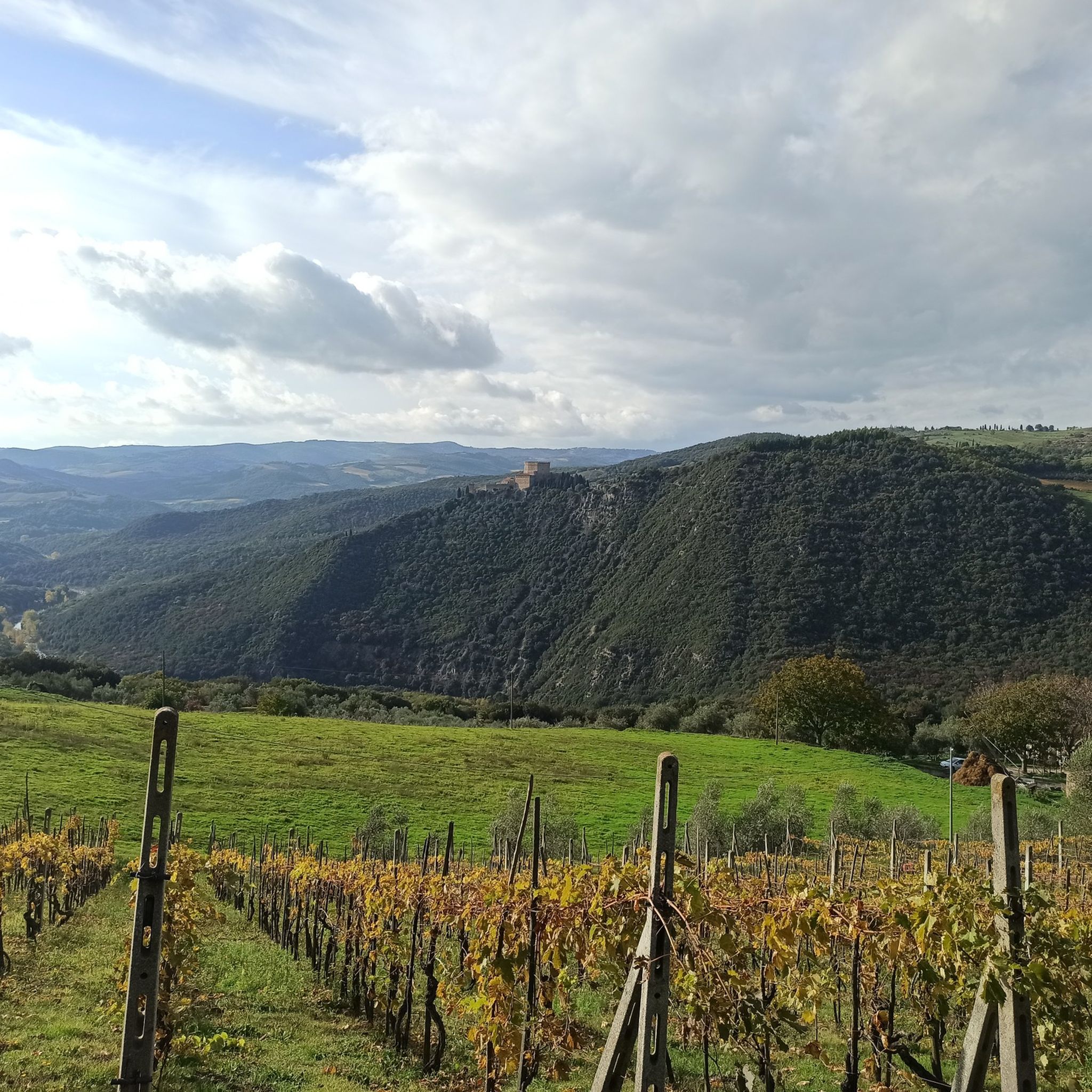
Castello Tricerchi extends over 400 hectares on the northern slopes of Montalcino , 13 of which are dedicated to Sangiovese Grosso , and suited to the production of Brunello and Rosso di Montalcino . At the center of the property stands the Castle, completed in 1441 by the Tricerchi family , and today the home and company headquarters of their direct descendants, the Squarcia family. – 1290 – The Tricerchi family was part of the Sienese oligarchy and a member of the Government of the Nine: the council of nine noble families who governed the city of Siena. – 1330 – The Tricerchi family became supervisors of the Biccherne, a magistracy of Siena that dealt with the finances of the Republic, and was headed by the Monks of San Galgano. – 1441 – The Tricerchi family completes Castello Tricerchi in Montalcino, on the Via Francigena. – 1569 – Under the Grand Duchy of Tuscany, by appointment of the Medici family of Florence, the Tricerchi family were elevated to the rank of nobility, carrying out important public functions in the city of Siena and obtaining the administration of Montalcino. – 1600 – Spanish domination, Tricerchi Castle a point of reference for pilgrims travelling to Rome. – 1700 – Construction of the chapel dedicated to the Virgin of the Veil, which houses a fragment of the Virgin's Veil and the accompanying Papal Bull. In the same year, the family received a plenary indulgence. – 1800 – the castle and its properties passed from Maddalena (Nena) to her firstborn Julio Squarcia, founder of the current family. Tricerchi Castle was built in the 13th century on the Via Francigena in Montalcino by the Altesi family and completed in 1441 by the Tricerchi family. The 6,000-square-meter structure is a typical example of medieval fortified keep architecture, featuring numerous decorative motifs attributed to Baldassarre Peruzzi, a well-known artist of the period. Over the centuries, the castle served as a refuge and protection for those who, along the Via Francigena, made their pilgrimage to Rome. In the 17th century, the chapel, originally located within the fortified walls, was moved to the end of the avenue and dedicated to the Virgin of the Veil. A fragment of the Veil, certified by papal bull, is still kept inside. With Ministerial Decree 1982, Tricerchi Castle was declared part of Italy's historical and artistic heritage.
0
0

Both castle ruins can be visited for a total of 6 euros. (Prices 10/25) It's worth it
1
0

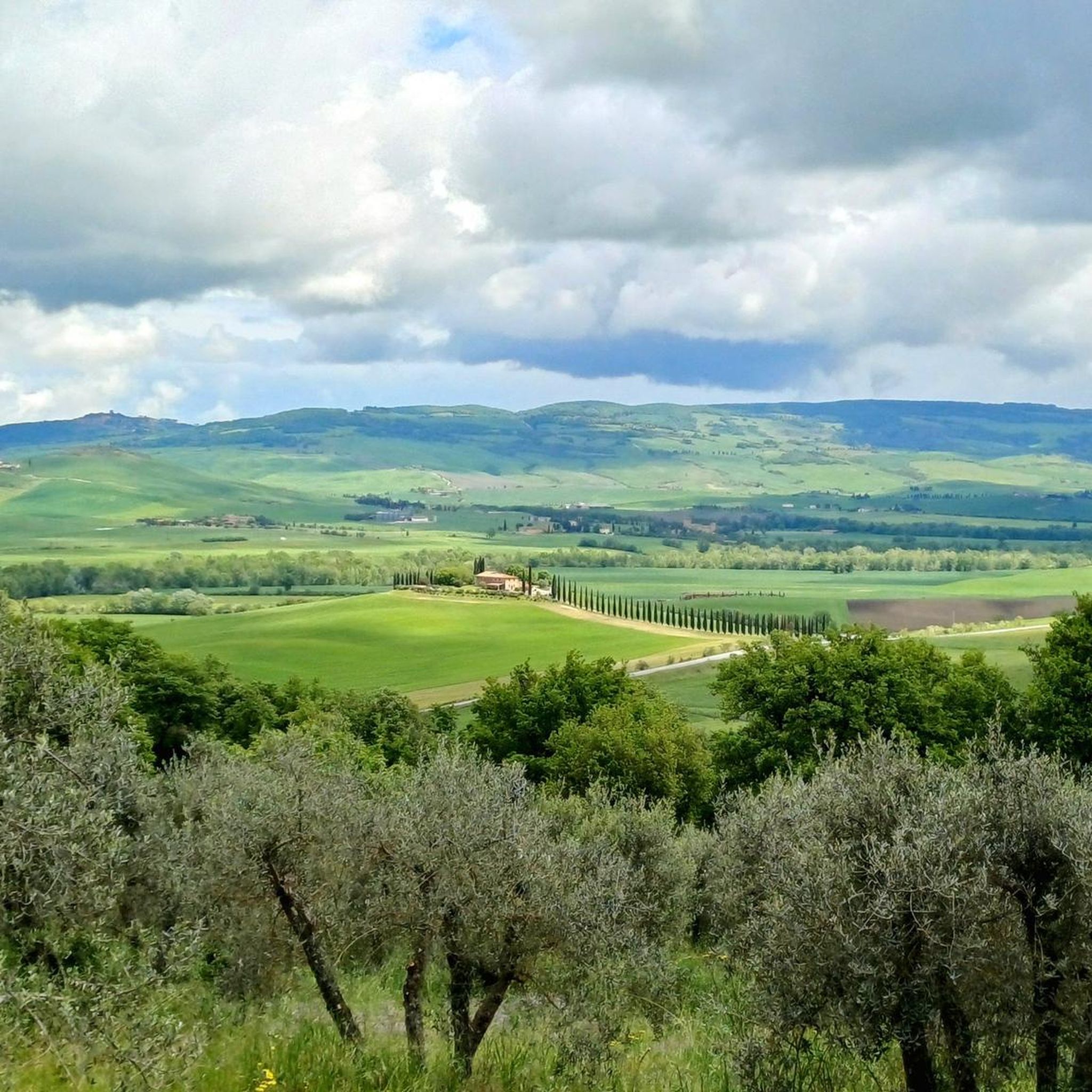
A small paradise in the Tuscan hills, in the heart of the Val d'Orcia, just a few minutes from Pienza....
0
0

zero tourists and peace of mind, to get there a very challenging climb with peaks of 21%
1
0

Closed from 1 p.m. to 2:30 p.m. For €6.00, you can visit it together with the tower—it's definitely worth it.
1
0
Fantastic views for € 6.00 (2025) in combination with Rocca d' Orcia.
2
0

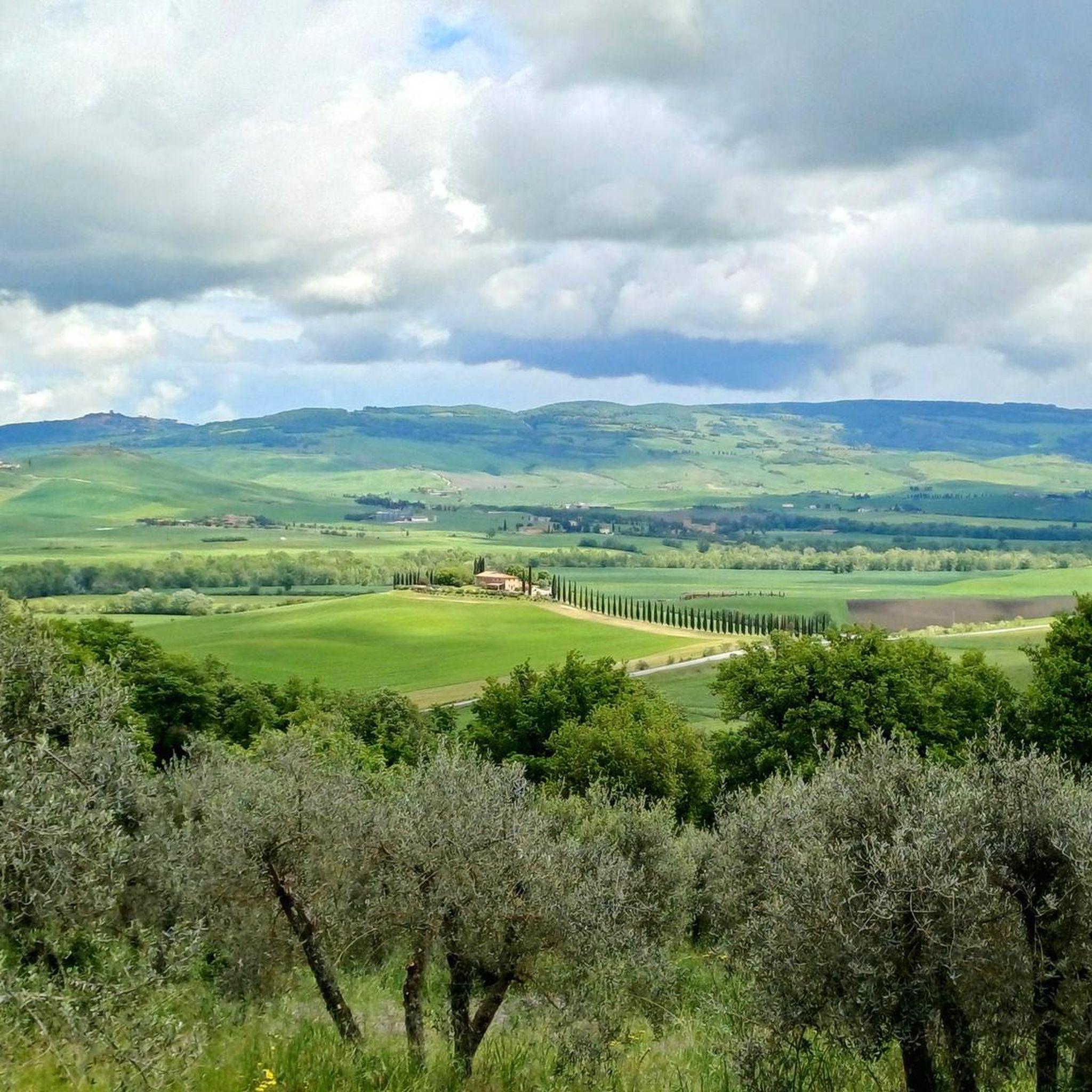
The Castello di Spedaletto is a remarkable castle located in the Val d'Orcia, right along the road that leads from Pienza to Bagno Vignoni. This old castle, which was extensively rebuilt in the Middle Ages, has been fortified and provided with a walled enclosure. The walled front door dates from 1446. It is now an agriturismo, run by Laura and her family, offering an unforgettable stay in the heart of the Val d'Orcia.
1
0
In the current village is still visible a tall tower, formerly the keep, reduced in height with a high chamfered base and topped by a 'redondone' (dripstone) to delimit its vertical feature and a small window on each side. Within the walled circuit is the church of San Biagio, of Romanesque origin.
1
0
Frequently Asked Questions
Which castles offer the best panoramic views of Val d'Orcia?
For breathtaking panoramic views, visit the Tentennano Fortress (also known as Rocca di Tentennano) in Rocca d'Orcia. It offers unparalleled vistas of the Val d'Orcia, a UNESCO World Heritage Site, extending to the Amiata Mountains. Another excellent spot is the Montalcino Fortress, where the panorama from its ramparts stretches across the Val d'Orcia to Monte Amiata and the Maremma hills.
Are there family-friendly castles to visit in the Castiglione D'Orcia area?
Yes, several castles are suitable for families. The Spedaletto Castle is noted as family-friendly and operates as an agriturismo, offering a unique experience. The Montalcino Fortress is also categorized as family-friendly, providing historical exploration with impressive views.
What historical insights can I gain from visiting these castles?
The castles in this region offer deep historical insights. The Tower of Vignoni Alto dates back to the 11th century and was once a possession of the Abbey of Sant'Antimo. The Rocca di Tentennano, built between the 11th and 12th centuries, served as a crucial sentinel on the Via Francigena. The Rocca Aldobrandesca, with origins in the 10th century, showcases early medieval history and power struggles, with recent archaeological finds including an 11th-12th century church.
Are there any castles that offer accommodation or unique experiences?
Yes, the Castello di Ripa d'Orcia offers a unique experience as a restored historic residence providing tourist accommodation in B&B rooms and self-catering apartments. It's also an active winery, producing its own acclaimed red wines and extra virgin olive oil, which guests can taste. Additionally, Spedaletto Castle operates as an agriturismo, offering an unforgettable stay in the heart of the Val d'Orcia.
What outdoor activities can I do near the castles?
The Castiglione D'Orcia area is excellent for outdoor activities. You can find numerous routes for gravel biking, mountain biking, and road cycling. For example, there are challenging gravel biking routes like the 'Pienza – Historic Village of Radicofani loop' and moderate road cycling routes such as the 'Spedaletto Castle – View of Val d'Orcia loop'. Explore more options on the Gravel biking around Castiglione D'Orcia, MTB Trails around Castiglione D'Orcia, and Road Cycling Routes around Castiglione D'Orcia guide pages.
What is the best time of year to visit the castles in Val d'Orcia?
The Val d'Orcia region, including its castles, is beautiful throughout the year. Spring (April-May) and autumn (September-October) offer pleasant weather for exploring and hiking, with vibrant landscapes. Summer can be warm but is ideal for enjoying the longer daylight hours. Winter visits can be charming, offering a quieter experience, though some facilities might have reduced hours.
Are there any castles that are particularly well-preserved or restored?
The Castello di Ripa d'Orcia is notably well-preserved, maintaining many of its original features like a high square keep and crenelated enclosures. It underwent careful restoration in 1990. The Rocca Aldobrandesca also saw significant restoration and consolidation efforts completed in August 2023, making the entire complex accessible to the public.
What do visitors enjoy most about the castles in this region?
Visitors frequently praise the spectacular panoramic views, especially from sites like the Tentennano Fortress and Radicofani Fortress. The historical significance and the opportunity to explore medieval architecture are also highly valued. Many appreciate the unique charm of the villages surrounding the castles and the blend of history with the stunning natural beauty of the Val d'Orcia.
Can I find cafes or restaurants near the castles?
Yes, many of the castles are located near or within charming medieval villages that offer amenities. For instance, the village of Rocca d'Orcia, home to the Rocca di Tentennano, has a preserved medieval urban structure worth exploring. The Castello di Ripa d'Orcia features an on-site restaurant serving local specialties. The Spedaletto Castle also operates as an agriturismo with dining options.
What are the accessibility options for reaching these castles?
Most castles in the Val d'Orcia region are best accessed by car, as public transport options can be limited, especially to smaller villages or hilltop fortresses. Parking is generally available in or near the villages. For example, the Radicofani Fortress involves a climb, often on a dirt road, rewarding visitors with incredible landscapes.
Are there any 'hidden gem' castles or less-known sites worth visiting?
While not entirely 'hidden,' the Rocca Aldobrandesca in Castiglione d'Orcia offers a fascinating glimpse into early medieval history. Its extensive ruins and recent restoration efforts, including archaeological discoveries of an 11th-12th century church, provide a rich experience for those interested in deeper historical exploration beyond the more prominent fortresses.
Most popular routes around Castiglione D'Orcia
Most popular attractions around Castiglione D'Orcia

Get inspired with the komoot mobile app


Explore more
Looking for the best castles somewhere else? Discover other guides around Castiglione D'Orcia:
