Attractions and Places To See around Castel San Niccolò - Top 20
Best attractions and places to see around Castel San Niccolò, a picturesque municipality in the Casentino valley of Tuscany, offers a rich blend of historical landmarks, cultural sites, and natural beauty. The fortified village is perched on a rocky spur overlooking the Solano stream, with the broader area surrounded by extensive forests, including parts of the Casentino Forests National Park. Visitors can explore ancient castles, historic churches, and museums that document the local heritage. The region features diverse landscapes, from river valleys to mountain areas like Pratomagno.
Best attractions and places to see around Castel San Niccolò
- The most popular attractions is Pratomagno Summit Cross, a summit that features a steel truss construction. It offers panoramic views of the two Valdarnese and Casentinese fronts.
- Another must-see spot is Vallombrosa Abbey, a religious building located in the center of the Vallombrosa forest. This Benedictine abbey, founded by San Giovanni Gualberto, is surrounded by beech and fir forests.
- Visitors also love Camaldoli Hermitage, a religious building founded around 1025 AD by the hermit friar Romualdo. The hermitage is immersed in a centuries-old beech forest within the National Park of the Casentinesi Forests.
- Castel San Niccolò is known for its historical landmarks, cultural sites, and natural features. The area offers a variety of attractions to see and explore, from ancient castles and churches to museums and mountain summits.
- The attractions around Castel San Niccolò are appreciated by the komoot community, with over 250 upvotes and 149 photos shared across 11 highlights.
Last updated: October 9, 2026
Camaldoli Hermitage
Highlight • Religious Site
Translated by Google •
Tip by

Vallombrosa Abbey
Highlight • Religious Site
There is a small monastery shop for souvenirs, honey, cream etc.
There is a playground for the kids. Rest areas and also a restaurant / snack is nearby.
en.m.wikipedia.org/wiki/Vallombrosa_Abbey
Translated by Google •
Tip by

Sign up now to discover places like this
Get recommendations on the best single tracks, peaks, & plenty of other exciting outdoor places.
Castelfranco di Sopra
Highlight • Historical Site
Walking through the village, you'll encounter unexpected treasures: the Palazzo Comunale with its 14th-century fresco of the Madonna del Latte, the Church of San Filippo Neri with works from the school of Andrea del Sarto, and, a little further on, the evocative Torre d'Arnolfo, a 14th-century medieval gate with the Florentine lily carved in stone. A village rich in history, art, and surprising views.
Translated by Google •
Tip by

Pratomagno Summit Cross
Highlight • Summit
The inauguration took place in 1928; the idea for its construction had come up two years earlier as part of the celebrations of the 700th anniversary of the death of Saint Francis of Assisi. In the almost 100 years of its existence, the cross has required repairs/maintenance several times, and so it is to be hoped that it will continue to crown the summit and serve as a widely visible sign of blessing for the country and its people.
Translated by Google •
Tip by

Parish Church of Santa Maria Assunta, Stia
Highlight • Religious Site
Translated by Google •
Tip by

Sign up for free to discover even more attractions around Castel San Niccolò.
Already have an account?
Start today with a free account
Your next adventure awaits.
Popular around Castel San Niccolò
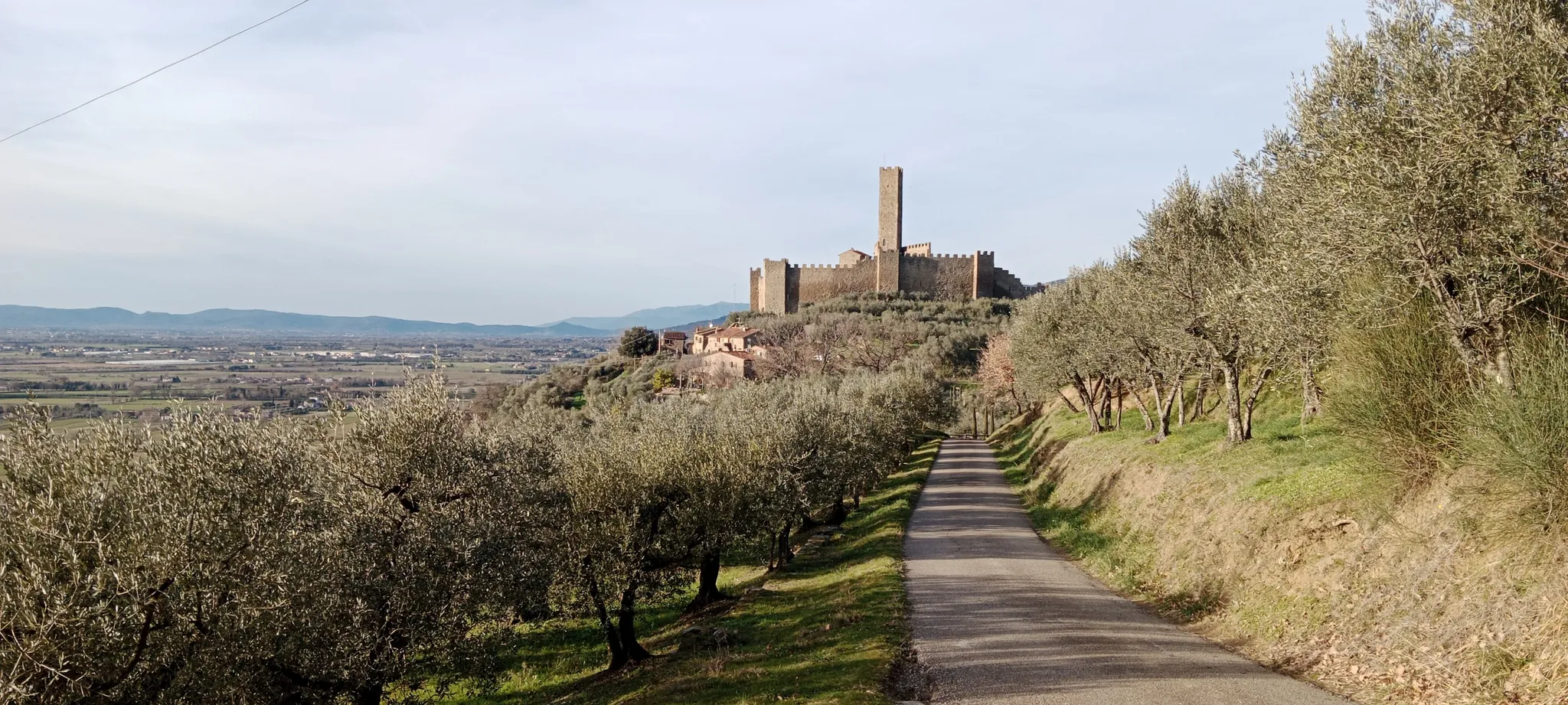
Terre di Arezzo by e-bike – between art and nature in Tuscany
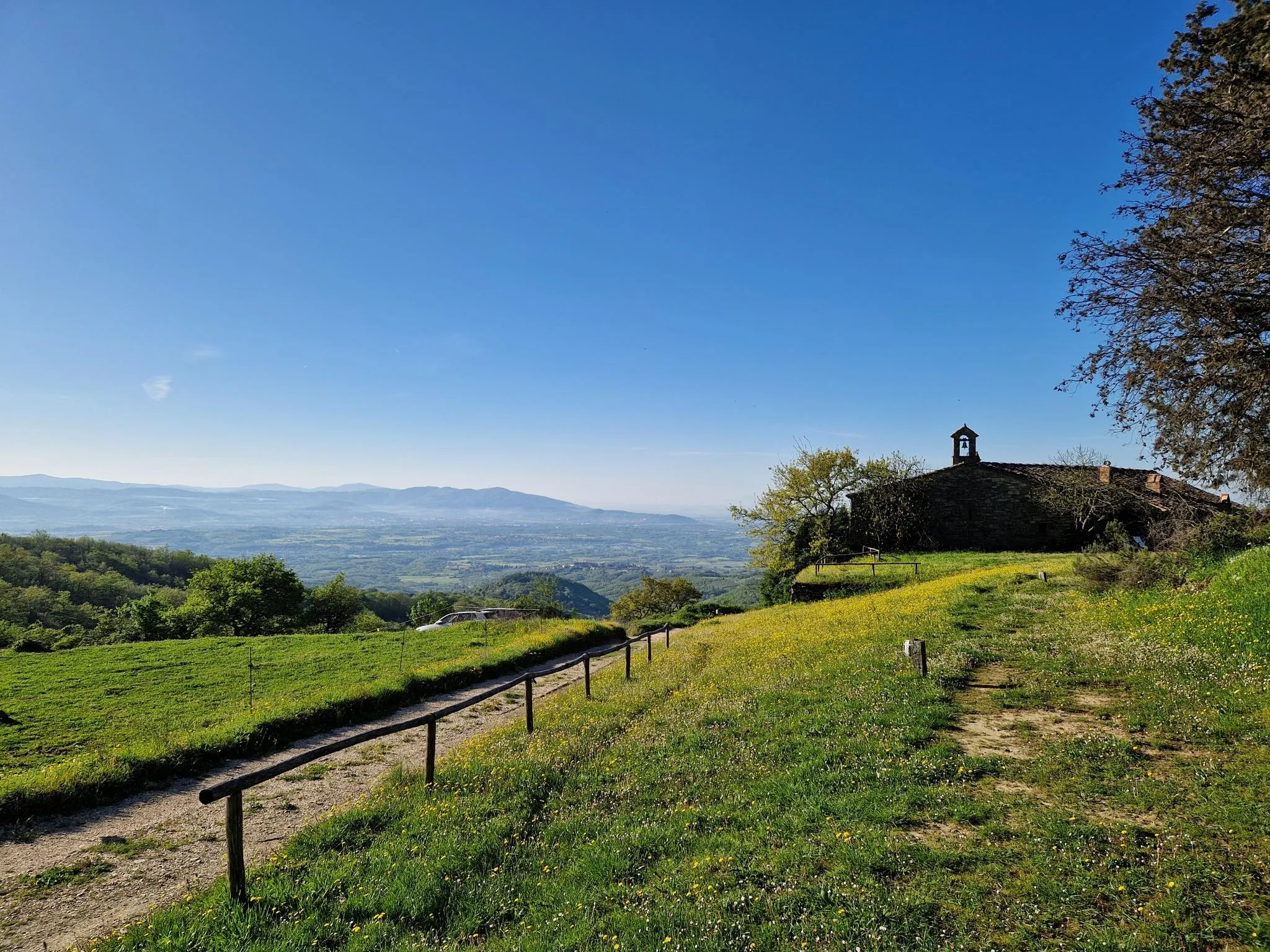
Arezzo and its valleys – between Tuscany’s art, vineyards and villages
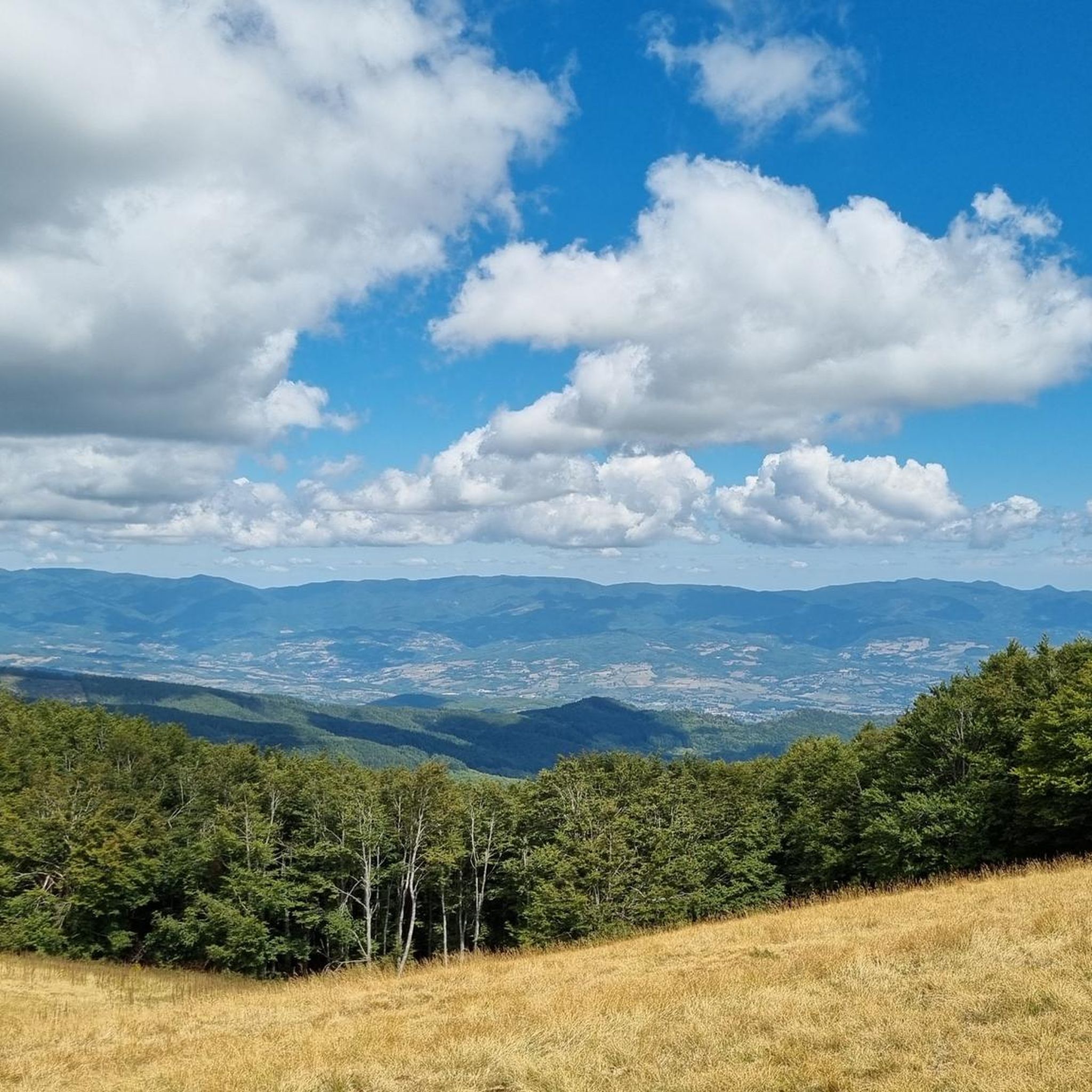
Hiking around Castel San Niccolò
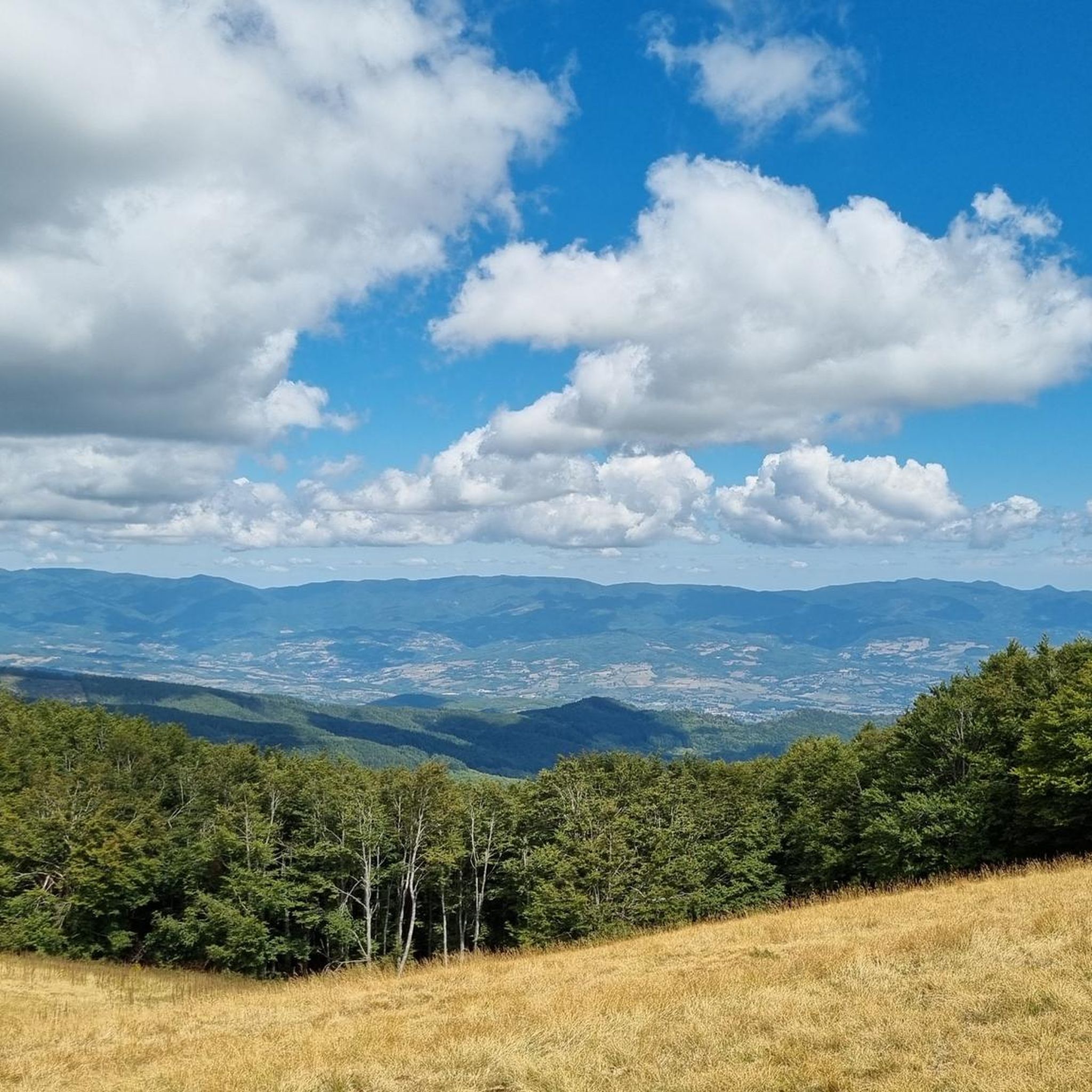
Road Cycling Routes around Castel San Niccolò
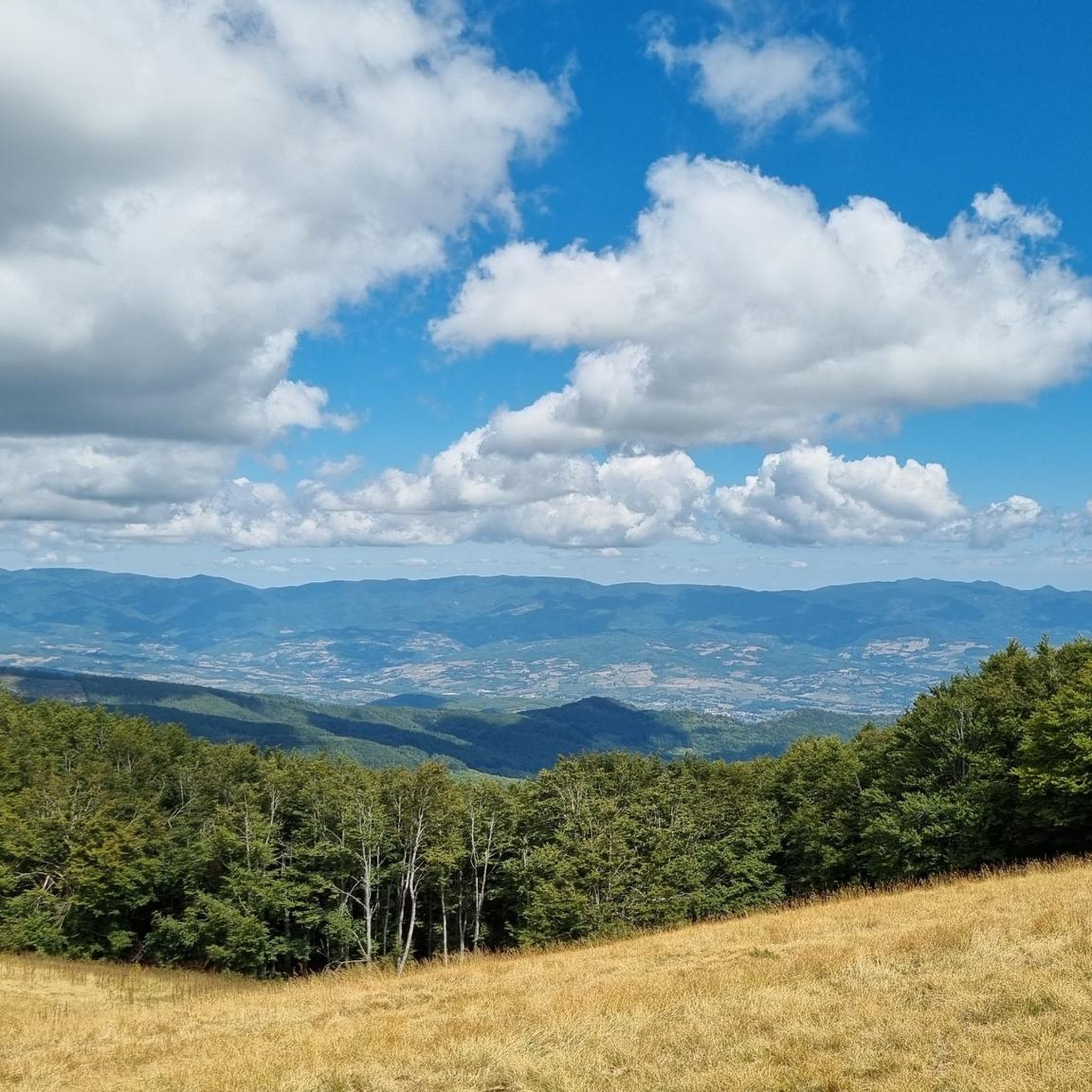
MTB Trails around Castel San Niccolò
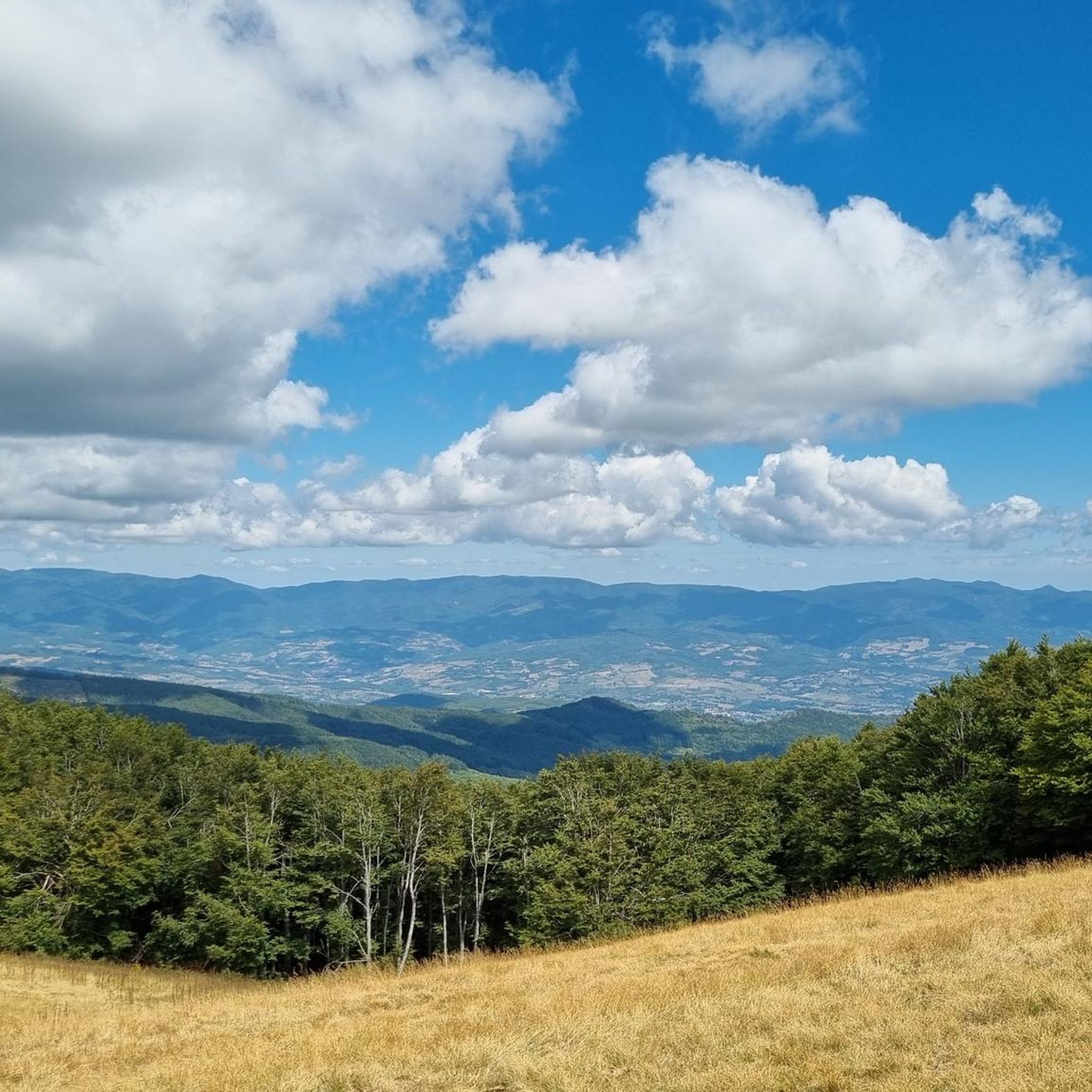
Cycling around Castel San Niccolò
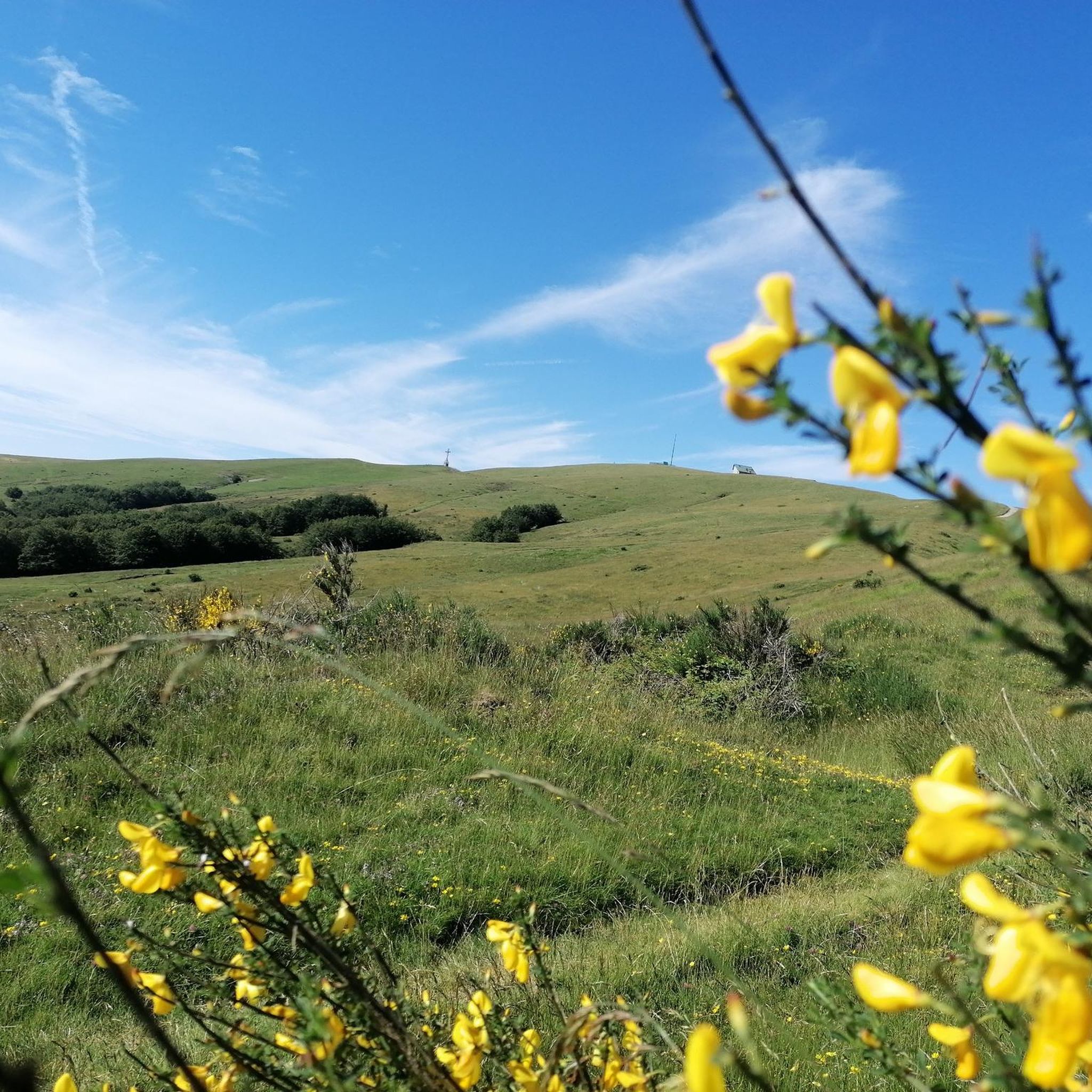
Running Trails around Castel San Niccolò

Gravel biking around Castel San Niccolò

Tips from the Community

Castelfranco di Sopra is a charming medieval village in the province of Arezzo, a member of the "Borghi più Belli d'Italia" (Most Beautiful Villages in Italy). It is certainly worth a visit!
0
0

Castelfranco di Sopra is one of Florence's fascinating "new lands," with its historic center still designed according to the typical medieval layout of orthogonal streets and a central square. From here, splendid views open up over the famous Balze del Valdarno, landscapes that even captivated Leonardo da Vinci. Walking through the village, you'll encounter unexpected treasures: the Palazzo Comunale with its 14th-century fresco of the Madonna del Latte, the Church of San Filippo Neri with works from the school of Andrea del Sarto, and, a little further on, the evocative Torre d'Arnolfo, a 14th-century medieval gate with the Florentine lily carved in stone. A village rich in history, art, and surprising views.
1
0


"The Feast of the Assumption is a warning sign: detach yourselves a little from the earth! And Mother Church reminds us that on this feast we should ask God for the grace to strive for the things of heaven. But this day also answers a question that many people ask themselves today: don't we also have a right to the things of this earth, a right to rest, to pleasure, a right to follow the latest fashion if it pleases us? Yes, we have this right, but within certain limits!" (Albino LUCIANI / Pope John Paul I.)
2
0

The Parish Church of Stia is not only a place of high historical and architectural value. Very valuable works of art of various kinds are also preserved here, spanning a period of five centuries. The oldest and most valuable work is a Madonna and Child on a panel dating back to 1280/90. (From the beautiful Casentino https://www.ilbelcasentino.it/pievedistia.html#:~:text=La%20Pieve%20di%20Stia%20non,su%20tavola%20databile%201280%2F90.)
0
0

In the main square of Stia there is the beautiful Parish Church of Santa Maria Assunta
2
0
Located at the end of the road that goes up from Tosi or Reggello, the Vallombrosa Abbey, founded by San Giovanni Gualberto, is located in the center of the forest of the same name in a pleasant and fascinating place.
4
0

The hermitage of Camaldoli was founded around 1025 AD by the hermit friar Romualdo, today San Romualdo. At the beginning the structure had five cells for hermits and a church for common prayer. Today there are twenty cells and the most "recent" dates back to 1743. Over the centuries, other common structures have been built: the refectory, the library and the guesthouse. All the cells are built following the model of the first cell of San Romualdo, still visible although incorporated by the library: it is a small house with a garden surrounded by walls. The internal spaces of the hermitage can only be visited during guided tours; the timetables can be found on the Camaldoli community website.
1
1
Frequently Asked Questions
What historical landmarks can I explore in Castel San Niccolò?
Castel San Niccolò is rich in history. You can visit the 11th-century Castel San Niccolò Castle, perched on a rocky spur, offering panoramic views and housing a display of farming tools. Other significant historical sites include the Podesteria, the old town hall, and the Logge del Grano, a covered market in Strada in Casentino. Don't miss the Borgo alla Collina Castle, also from the 11th century, which provides access to the 10th-century Oratory of St. Agata.
Are there any notable religious sites or churches to visit?
Yes, the area features several beautiful religious sites. The Camaldoli Hermitage, founded around 1025 AD, is immersed in a centuries-old beech forest. Another significant site is the Vallombrosa Abbey, a Benedictine abbey surrounded by beech and fir forests. In Strada in Casentino, you'll find the 12th-century Romanesque Church of St. Martino in Vado (Pieve di Strada), known for its architecture and 14th-century frescoes. The Oratory of the Most Holy Visitation in Matteotti Square also features a notable 1580 painting by Santi di Tito.
What museums are available to learn about the local culture and history?
Castel San Niccolò offers several museums that delve into the region's heritage. The Museum of the Town of Castel San Niccolò (Museo della Civiltà Castellana), located in the old parish church of Saint Nicholas, showcases local history and culture. The Museum of Stone Carving (Museo della pietra lavorata) in Strada documents the area's stone heritage and stonemasonry. In Cetica, you can explore the Museum of the Carbonaio and the Bank of Memory, which preserve local traditions and products like the red potato.
What natural features and viewpoints can I find in the area?
The region boasts stunning natural beauty and panoramic viewpoints. The Pratomagno Summit Cross offers extensive views of the Valdarnese and Casentinese fronts. The fortified village of Castel San Niccolò itself is perched on a rocky spur overlooking the Solano stream. From Borgo alla Collina, you can admire the vast Casentino Forests National Park. The Consuma Pass also provides beautiful views of the Casentinesi Forest National Park.
Are there family-friendly attractions around Castel San Niccolò?
Yes, several attractions are suitable for families. The Vallombrosa Abbey has a playground nearby and offers a monastery shop. The Parish Church of Santa Maria Assunta, Stia is located in a nice little place where you can visit the center and swim in the river. The Consuma Pass is also considered family-friendly, offering rest areas and a restaurant.
What outdoor activities, like hiking, are available near Castel San Niccolò?
The area is excellent for outdoor enthusiasts. You can find numerous hiking trails, including routes to the Pratomagno Summit Cross. For more detailed hiking options, explore the Hiking around Castel San Niccolò guide, which includes trails like the 'Panorama of Prati – Pratomagno Summit Cross loop from Cetica' and 'Pratomagno Summit Cross – View of Croce del Pratomagno loop from Cetica'.
Can I find mountain biking or running trails in the vicinity?
Absolutely. The region offers diverse terrain for both mountain biking and running. For mountain biking, check out the MTB Trails around Castel San Niccolò guide, featuring routes like 'Metato di Vallombrosa – Secchieta Wind Turbines loop from Strada in Casentino'. Runners can explore the Running Trails around Castel San Niccolò guide, with options such as 'Climb to Croce di Pratomagno and Monte Pianellaccio — Ring tour'.
What is the best time of year to visit Castel San Niccolò?
Castel San Niccolò offers attractions year-round. The spring and autumn months are ideal for hiking and exploring historical sites, with pleasant temperatures and vibrant landscapes. Summer is popular for enjoying the natural beauty, especially in higher altitude areas like Pratomagno, and the Consuma Pass is a popular summer health resort. Winter can offer a different charm, particularly in the forested areas, though some higher trails might require appropriate gear.
Are there any unique local traditions or products to discover?
Yes, Cetica, a mountain area within the municipality, is known for preserving local traditions and products. The Museum of the Carbonaio and the Bank of Memory specifically highlight these, including the cultivation of the red potato. You can also see an Ancient Communal Bread Oven by strolling through the village alleys, offering a glimpse into traditional life.
Where can I find information about the broader Casentino region?
Castel San Niccolò is nestled in the picturesque Casentino valley. For more general information about the region, including its towns and villages, you can visit the official tourism website for Tuscany: visittuscany.com.
What are some hidden gems or less-known spots in the area?
Beyond the main attractions, consider visiting the restored Romanesque Bridge in Cetica over the Solano stream, offering a glimpse into ancient engineering. The hamlet of Bagno di Cetica, known since ancient times for its healthy cold water baths, is another interesting, less-frequented spot about 3 km from Cetica.
Most popular routes around Castel San Niccolò
Most popular attractions around Castel San Niccolò

Get inspired with the komoot mobile app


Explore more
Still not found the Highlight you’re looking for? See guides of the top attractions in other regions:
