Attractions and Places To See around Lucignano - Top 20
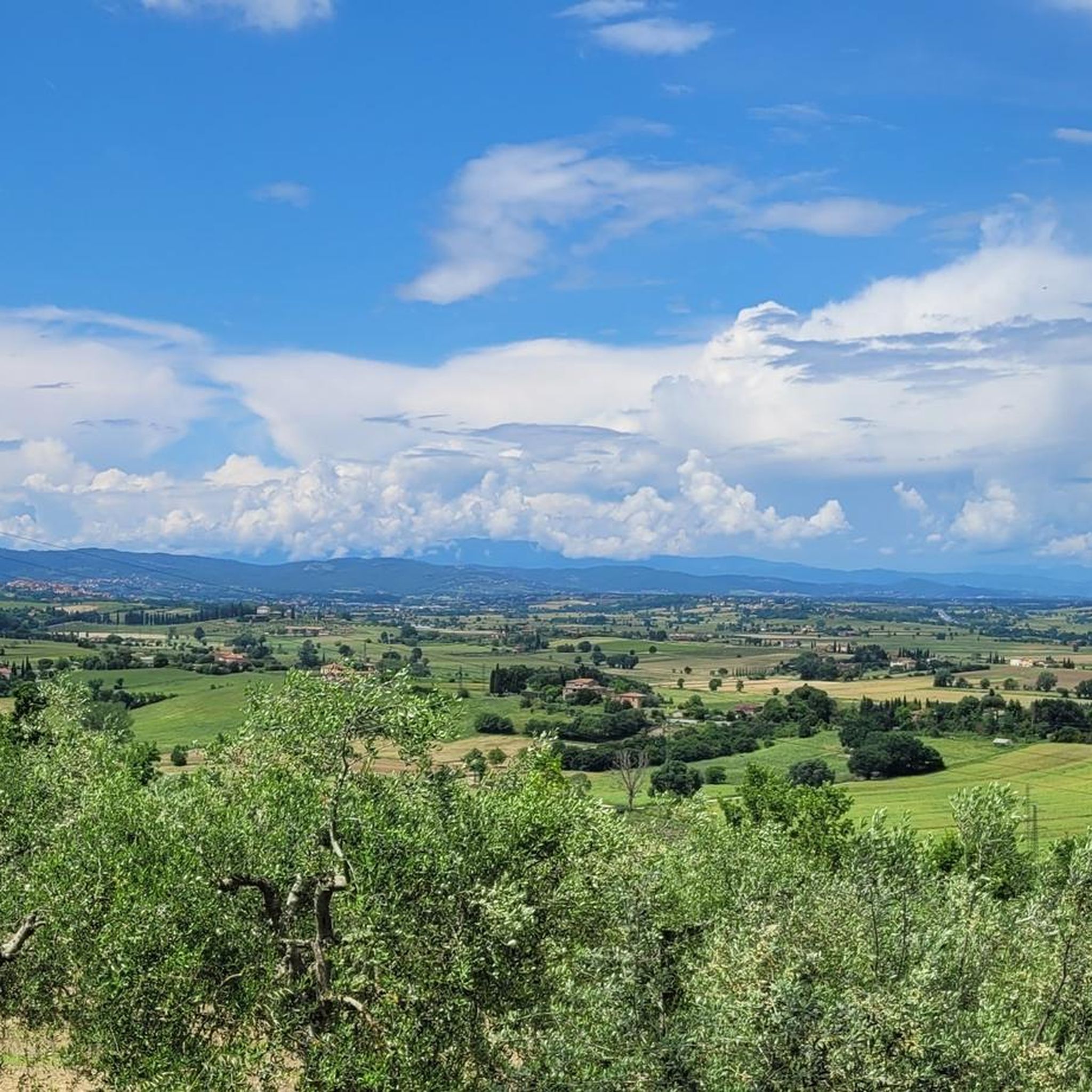
Best attractions and places to see around Lucignano include historical landmarks, cultural sites, and natural features. Lucignano is a medieval hill town in Tuscany, known for its unique elliptical, concentric ring layout. The town offers views of the surrounding Val di Chiana, characterized by olive groves, vineyards, and rolling hills. Its urban planning, with streets arranged in concentric rings, is a notable point of interest.
Best attractions and places to see around Lucignano
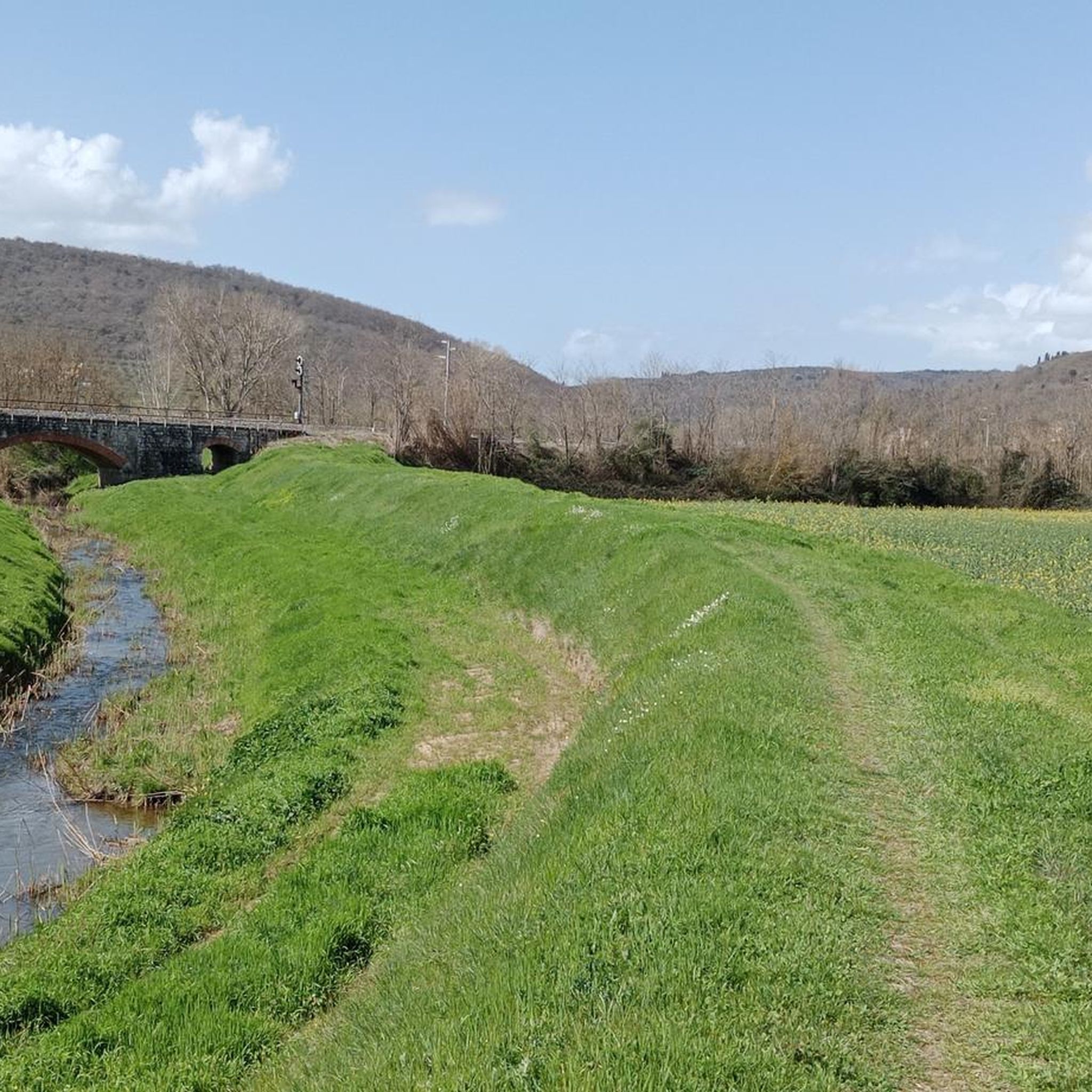
- The most popular attractions is Sentiero della Bonifica, a cycle way that follows the Canale Maestro della Chiana. This 62-kilometer cycle and pedestrian itinerary connects Arezzo to Chiusi, passing through natural and historical landscapes.
- Another must-see spot is Sogna, a settlement perched on the hills of the Valdambra. Visitors can experience the medieval atmosphere of the village, which includes the Church of San Tommaso and offers views of the valley.
- Visitors also love Colonna del Grillo, a man-made monument. This Leopoldine column indicates the direction of Arezzo and is part of a series of stone memorials commissioned by Grand Duke Leopold II of Lorraine.
- Lucignano is known for its historical sites, cycle ways, and charming settlements. The area offers a variety of attractions to see and explore, from ancient monuments to scenic routes.
- The attractions around Lucignano are appreciated by the komoot community, with more than 40 upvotes and 21 photos shared by visitors.
Last updated: October 23, 2026
Sentiero della Bonifica
Highlight (Segment) • Cycleway
Translated by Google •
Tip by

Borgo di Modanella
Highlight • Settlement
Translated by Google •
Tip by

Sign up now to discover places like this
Get recommendations on the best single tracks, peaks, & plenty of other exciting outdoor places.
Bonifica Trail
Highlight (Segment) • Cycleway
Translated by Google •
Tip by

Sogna
Highlight • Settlement
Walking through the narrow streets, you can still feel the medieval atmosphere of the village, dominated by the Church of San Tommaso, documented as early as the 11th century. A quiet and evocative place, perfect for a break amidst history and views of the valley.
Translated by Google •
Tip by

Church of Saints Peter and Andrew (Chiesa dei Santi Pietro e Andrea), Trequanda
Highlight • Religious Site
Showing Translation
Tip by

Sign up for free to discover even more attractions around Lucignano.
Already have an account?
Start today with a free account
Your next adventure awaits.
Tips from the Community

The white and ochre checkered facade of the Church of Saints Peter and Andrew dominates the main square of Trequanda. Among the most significant works is the fresco with the evocative "Ascension" by Sodoma.
0
0

Sogna is a small village perched on the hills of the Valdambra, built around an ancient Ubertini castle. Today, only a few traces remain of the fortifications, destroyed during the long wars between Florence and Siena. Walking through the narrow streets, you can still feel the medieval atmosphere of the village, dominated by the Church of San Tommaso, documented as early as the 11th century. A quiet and evocative place, perfect for a break amidst history and views of the valley.
1
0

The Southern part is quite overgrown, but so far still doable!
0
0

Località Modanella is a small village, or frazione, within the municipality of Rapolano Terme in the province of Siena, Tuscany. It is renowned for the Castello di Modanella, a medieval castle that stands as the focal point of the area. The castle's origins date back to the 12th century when it was constructed by the noble Cacciaconti family. In the 14th century, ownership transitioned to the Piccolomini family, who maintained possession for several centuries. The castle has undergone various modifications over the years but has retained its fortress-like appearance. Its architectural features include a well-preserved outer wall with towers featuring sloped bases. Within the castle grounds, the courtyard boasts a charming loggia and gardens, offering a glimpse into its historical grandeur. Adjacent to the castle is the Church of San Giovanni Evangelista, a medieval structure that once fell under the patronage of the Piccolomini family. In the 19th century, the church underwent a restoration that imparted a neoclassical facade, while its interior reflects 17th-century renovations. Notable artworks within the church include "The Supper at Emmaus," attributed to Raffaello Vanni, and a revered 1657 wooden crucifix, which is central to a local festival held annually on the first Friday of March. Today, Castello di Modanella and its surrounding estate span approximately 630 hectares. The meticulously restored farmhouses within the estate serve as accommodations for visitors seeking tranquility and a historical ambiance in the heart of Tuscany. The preservation of the entire village, including the castle, church, a
0
0

The cycle paths are mostly unpaved, but they always lead through beautiful landscapes away from traffic
0
0

fourteenth-century medieval church in Romanesque/Gothic style; the façade decorated with a checkerboard pattern in tuff and travertine is particular; inside, among other things, a 15th century altarpiece by Giovanni di Paolo representing the Madonna and Child and Saint Bernardino of Siena between Saints Sebastian and Clement
0
0

The Sentiero della Bonifica is a cycle and pedestrian itinerary that follows the Canale Maestro della Chiana, a hydraulic work that transformed the Val di Chiana from a swamp to a fertile agricultural territory. The complete route, 62 kilometers long, connects Arezzo to Chiusi through natural and historical landscapes, among lakes, villages and Etruscan remains. The path is suitable for all types of bicycles and for those who love traveling slowly, discovering the riches of an authentic land.
2
1

Place of worship and prayer Piazza Giuseppe Garibaldi, 14, 53020 Trequanda SI 0577662124
1
0
Frequently Asked Questions
What unique historical attractions can I find within Lucignano itself?
Lucignano is renowned for its unique elliptical, concentric ring layout. Within the town, you can visit the Palazzo Comunale Museum, which houses the famous Golden Tree of Lucignano (L'Albero d'Oro), a magnificent Gothic reliquary. Other notable sites include the Church of San Francesco with its 14th-century frescoes, and the Collegiata Church of San Michele Arcangelo, featuring an elliptical travertine staircase that mirrors the town's shape. Don't miss walking along the ancient 14th-century walls and through its well-preserved gates like Porta San Giovanni.
Are there any notable natural features or scenic viewpoints around Lucignano?
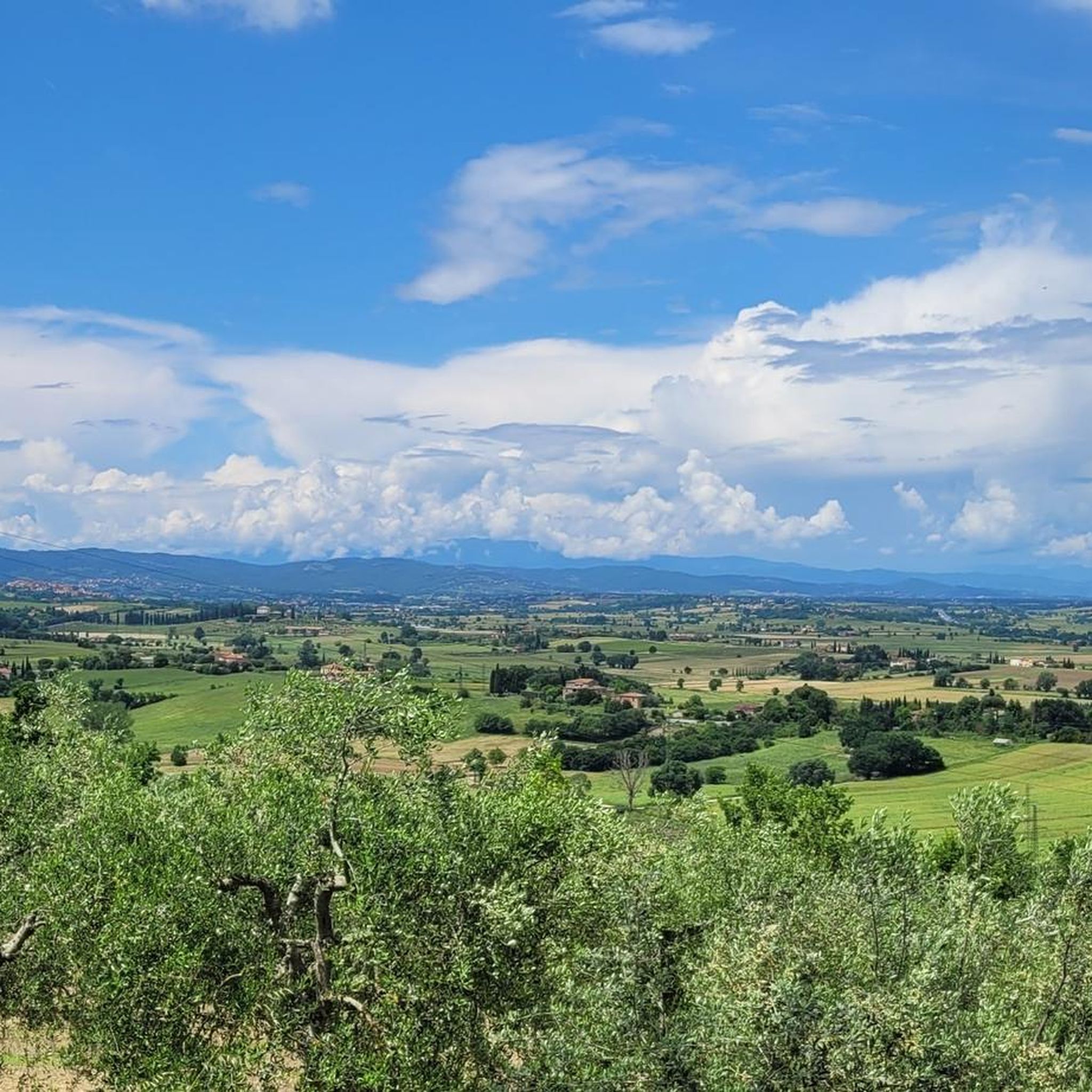
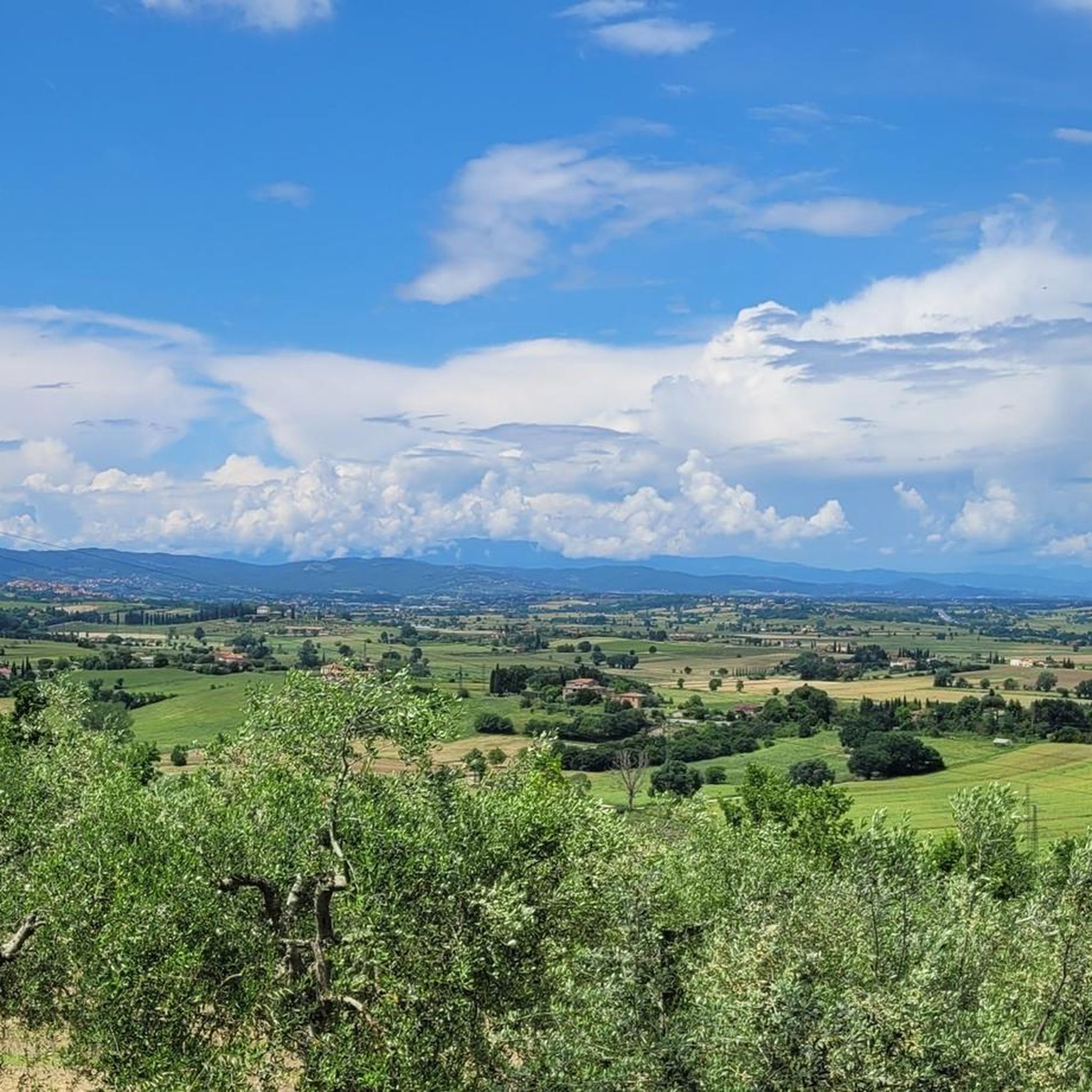
Yes, Lucignano sits atop a hill, offering breathtaking panoramic views of the surrounding Val di Chiana, characterized by olive groves, vineyards, and rolling Tuscan hills. For a specific highlight, Sogna, a settlement perched on the hills of the Valdambra, provides excellent views of the valley. Additionally, the Riserva Naturale Val di Chiana, a short drive away, offers diverse wildlife and scenic trails.
What outdoor activities or trails are recommended near Lucignano?
The area around Lucignano is excellent for outdoor activities. The Sentiero della Bonifica is a popular 62-kilometer cycle and pedestrian itinerary that follows the Canale Maestro della Chiana, connecting Arezzo to Chiusi through natural and historical landscapes. For more structured routes, you can explore various hiking trails around Lucignano, including easy loops like the 'Museo di Lucignano – Rustic Courtyard Seating Area loop' or moderate ones like the 'Calcione Waterfall and Lake loop'.
Are there family-friendly attractions or activities in the Lucignano area?
Yes, several attractions and activities cater to families. The Sentiero della Bonifica is a family-friendly cycle and pedestrian path suitable for all ages. Within Lucignano, Il Giardino della Rocca is a picturesque park with open spaces for picnics and a playground. The Riserva Naturale Val di Chiana also offers scenic trails perfect for family hikes.
What cultural or historical sites can I visit just outside the main town of Lucignano?
Beyond the town walls, you can visit the Sanctuary of the Madonna delle Querce, attributed to the renowned 16th-century architect Giorgio Vasari. Another significant historical site is Borgo di Modanella, a small village renowned for the Castello di Modanella, a medieval castle with origins dating back to the 12th century, offering a glimpse into historical grandeur.
What is the best time of year to visit Lucignano for sightseeing and outdoor activities?
The spring (May) and autumn (late November to early December) seasons offer unique experiences. In May, Lucignano hosts the vibrant Maggiolata Festival, celebrating nature with flower displays, parades, and traditional food. From late November to early December, the Fiera dell'Olio Nuovo celebrates the new olive oil harvest with tastings and local products. These periods generally offer pleasant weather for both sightseeing and outdoor activities.
Where can I find local artisan products or unique souvenirs in Lucignano?
Lucignano is known for its local artisan shops and boutiques. You can find handcrafted ceramics, ironworks, honey, jam, olive oil, and local wines, including Vin Santo. Exploring the small shops within the historic center allows you to discover traditional wares created by local artists.
Is Lucignano accessible for visitors with mobility challenges?
While Lucignano is a medieval hill town with cobblestone streets, some attractions are more accessible. The Colonna del Grillo, a man-made monument, is noted as wheelchair accessible. When planning your visit, it's advisable to check specific venues for their accessibility features, as the historic nature of the town can present challenges.
What options are available for cycling enthusiasts near Lucignano?
Cycling enthusiasts have several options. The Sentiero della Bonifica is a popular cycle path suitable for all types of bicycles. For more challenging rides, you can explore various road cycling routes or MTB trails around Lucignano, with routes ranging from moderate to difficult, such as the 'Tuscan Landscapes – Lucignano Historic Center loop' or the 'Lucignano Historic Center – Diga del Calcione loop'.
What makes Lucignano's town planning unique?
Lucignano is famous for its distinctive urban planning, characterized by streets arranged in perfect concentric rings. These rings lead to the religious and political buildings at the town's heart, creating a captivating spiral effect. This unique layout has earned it the nickname 'the pearl of the Valdichiana'.
What do visitors particularly enjoy about the attractions around Lucignano?
Visitors appreciate the blend of history, natural beauty, and tranquility. The Sentiero della Bonifica is praised for being a 'nice, pleasant bike route' and 'perfect for graveling'. The village of Sogna is loved for its medieval atmosphere and valley views. Overall, the area is enjoyed for its authentic Tuscan charm and the opportunity to discover rich historical and natural landscapes.
Most popular attractions around Lucignano

Get inspired with the komoot mobile app


Explore more
Still not found the Highlight you’re looking for? See guides of the top attractions in other regions:
