The best walks and hikes around Castel Focognano
4.5
(1269)
4,840
hikers
267
hikes
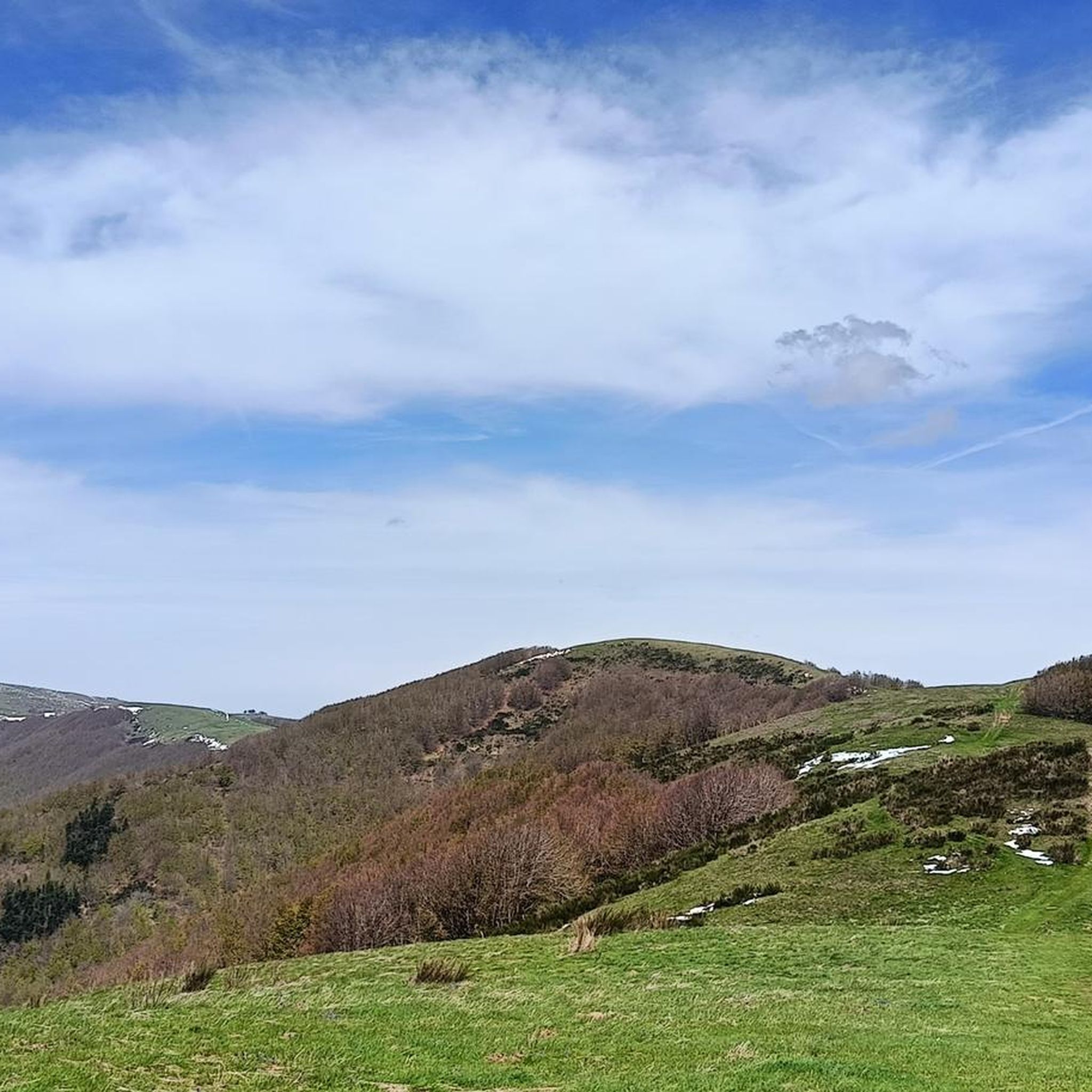
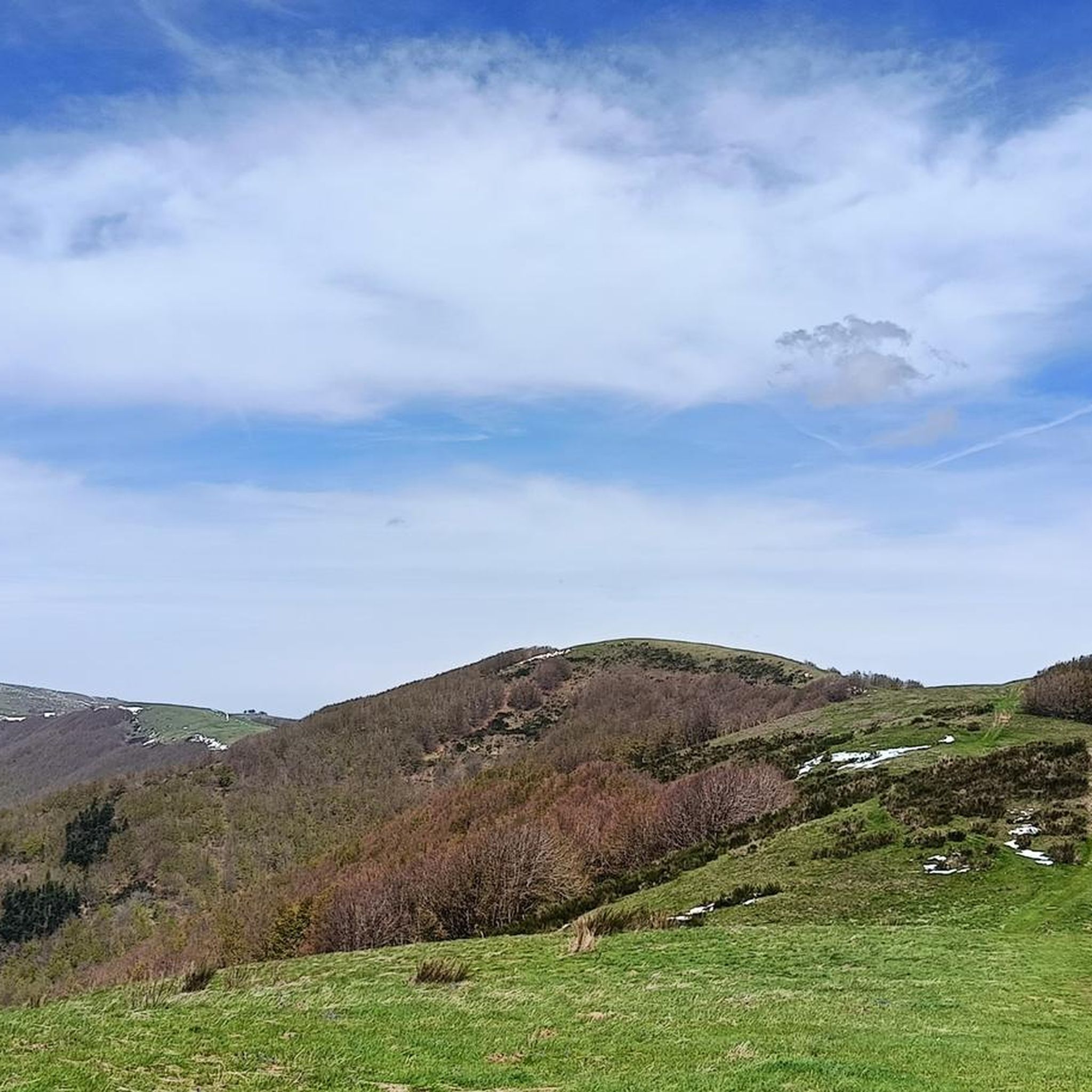
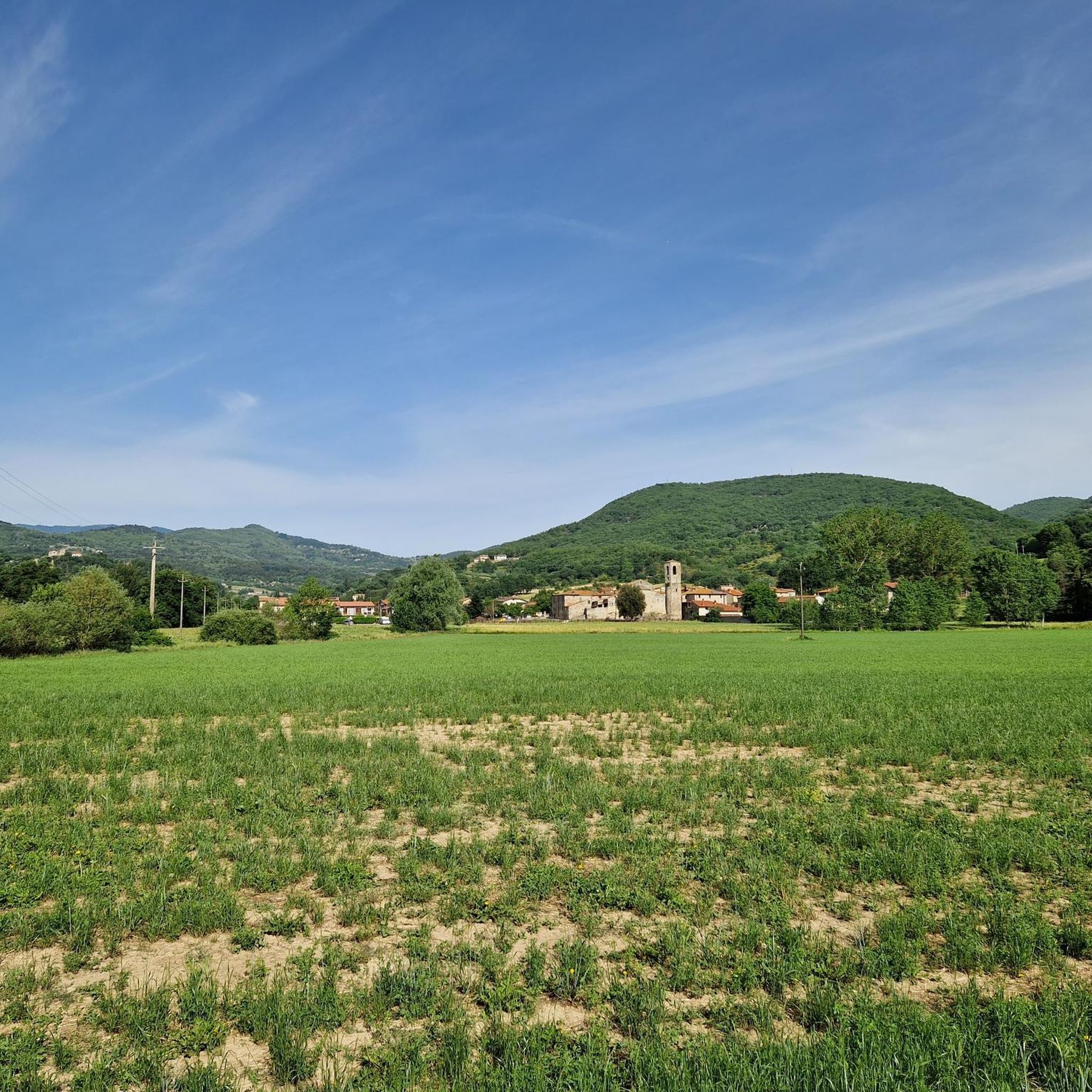
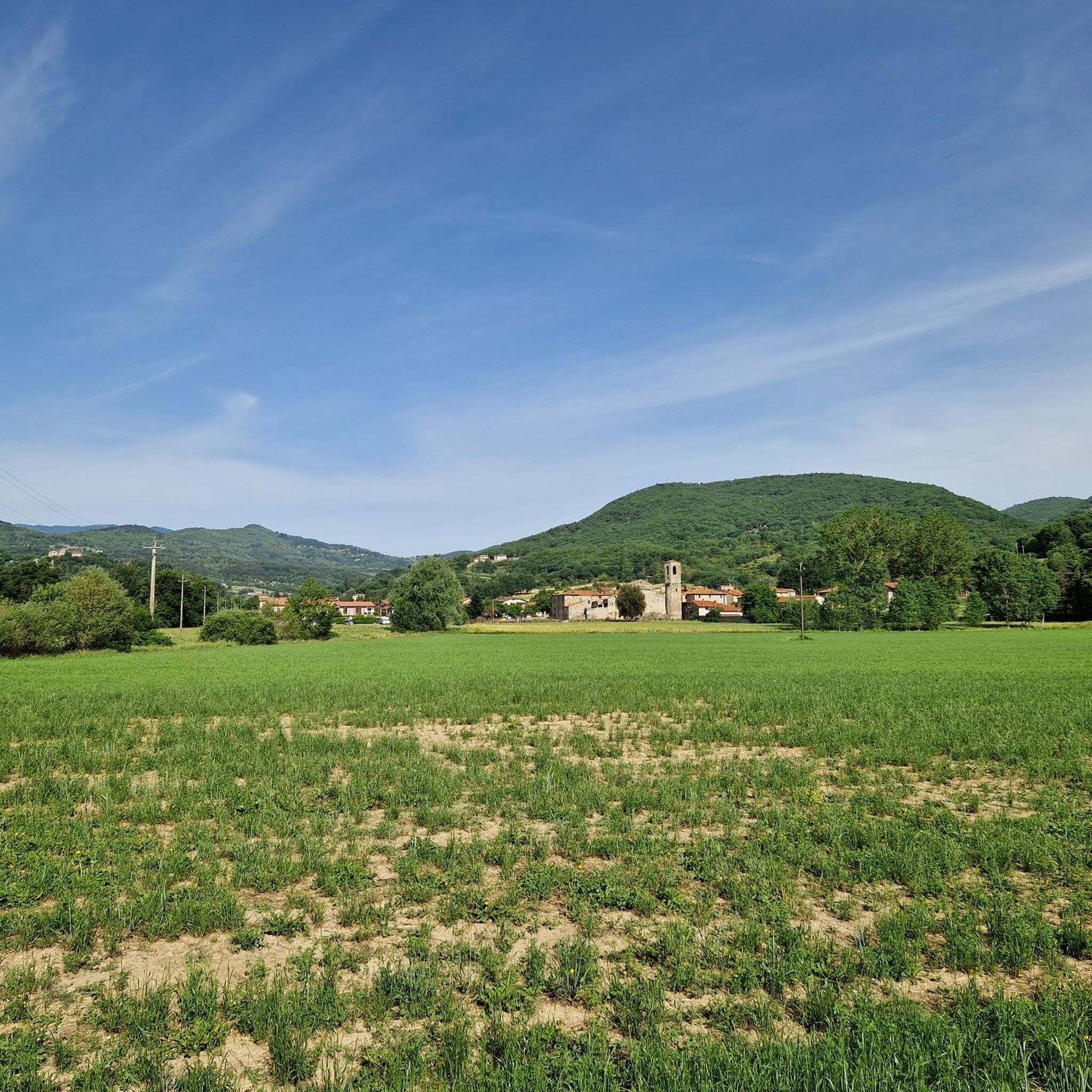
Hiking around Castel Focognano offers diverse landscapes within the Casentino region of Tuscany, situated on the eastern side of the Pratomagno mountain range. The area is characterized by extensive Casentino forests, including ancient trees, beechwoods, and silver fir forests, particularly within the Casentino Forests National Park. The imposing Pratomagno ridge provides challenging terrain, while the Arno Valley offers gentler paths. Hikers can also encounter limestone cliffs and waterfalls, such as the Acquafredda Waterfall.
Best hiking trails around Castel Focognano
- The…
Last updated: June 29, 2026
4.8
(14)
44
hikers
14.1km
04:53
660m
660m
Moderate hike. Good fitness required. Mostly accessible paths. Sure-footedness required.
3.6
(5)
18
hikers
19.2km
05:09
220m
220m
Hard hike. Very good fitness required. Easily-accessible paths. Suitable for all skill levels.

Sign up for free
3.5
(2)
5
hikers
7.19km
02:40
360m
370m
Moderate hike. Good fitness required. Mostly accessible paths. Sure-footedness required.
4.7
(3)
17
hikers
5.45km
01:39
190m
190m
Easy hike. Great for any fitness level. Easily-accessible paths. Suitable for all skill levels.
3.6
(5)
17
hikers
10.3km
02:39
50m
50m
Moderate hike. Good fitness required. Easily-accessible paths. Suitable for all skill levels.
Get access to more routes and recommendations from other explorers.
Sign up for free
Already have an account?
Our route recommendations are based on thousands of hikes, rides, and runs completed by other people on komoot.
Start today with a free account
Your next adventure awaits.
Login or Signup

Tips from the Community

Here you can walk along this easy trail, immersing yourself in nature and enjoying the splendid, breathtaking views.
1
0

Along the Pratomagno ridge, between Monte Lori and Croce, a sword embedded in the rock adds a touch of legend to the route. This symbol invites you to pause and admire the endless panorama, capturing the timeless essence of the vast high-altitude meadows.
0
0

The abbey, also known as Fonte Benedetta, was the first Benedictine monastery in Casentino, founded between 983 and 996 by two German hermits, Pietro and Eriprando, probably on a Roman transit road that connected the Valdarno to Casentino. The monastery had already seen great development in the 11th century and then in the following one, which lasted until the end of the 14th century, which led it to increase its material assets and to have jurisdiction over many churches and castles in Casentino and especially in Valdarno. In 1193 the presence of a hospital owned by the abbey in Pratovalle is attested.[1] In the 15th century the monastery entered a phase of decline and already in 1425 it was entrusted to the Vallombrosan monks who, however, were unable to halt its decline and gradual abandonment. At the end of the 17th century the Abbey was already compromised in several parts. By then abandoned, during the Napoleonic period the Abbey passed to the Marquises Corsi of Florence and, from 1811, to the Cassi family of Capraia, who neglected to maintain the buildings, so that by the early 20th century the Abbey was in ruins. In 1968, restoration of what remained was undertaken, completed in 1974, which restored the architectural remains and made the area accessible again. (Source: https://it.wikipedia.org/wiki/Abbazia_di_Santa_Trinita_in_Alpe )
0
0
The monument is made up of an upper part formed by the circular mausoleum and a lower part, accessible by continuing along the downhill road, formed by the chapel.
0
0
Ugo Tarchi, Florentine architect and art historian, created an imposing mausoleum which stands at the foot of the Castle of the Counts Guidi and looks out over the Campaldino plain, where Dante Alighieri fought in 1289. The War Memorial was erected in honor of the fallen young men who fought in the First World War against the Austro-Hungarian army. The client of the Monument was Francesco Gatteschi and the work was built between 1927 and 1937. On 12 June 1938 the Monument was inaugurated with a ceremony presided over by the highest officials of the Arezzo fascist hierarchy. (Source: https://www.centrostoricopoppi.it/attrazioni-turistiche/#monumento-ai-caduti-1-guerra-mondiale)
0
0
Church of San Marco and San Lorenzo The Church of San Marco and San Lorenzo, as can be seen from the name, has two owners since it is the recognition of two ancient churches: the historic Church of San Marco from 1250, which stood in place of the current church and the archaic church of San Lorenzo. The rector of the church of San Lorenzo, Don Francesco Rilli, took care of the reconstruction of the contemporary church, and the building was consecrated on 5 September 1784 by the Arezzo Bishop Niccolò Marcacci. The origins of the Church are contemporary with the nearby Castello dei Guidi and the Badia di San Fedele. (Source: https://www.centrostoricopoppi.it/attrazioni-turistiche/#chiesa-di-san-marco-e-san-lorenzo)
0
0
In front of the Church of San Marco and San Lorenzo, in the center of the village of Poppi, is the Oratory of the Madonna del Morbo, better known as the Church of the Madonna del Morbo The Church was built between 1651 and 1659 based on a design by the doctor from Poppi Francesco Folli, in honor of the Madonna who had protected the people of Poppi from the plague that broke out in the surrounding areas. The same plague, that of 1628, described by Alessandro Manzoni in the historical novel "The Betrothed". The oratory, as can be seen from the Statute, is "owned by the people of Poppi", as it was built at the expense of the population who intended, in this way, to thank the Madonna for having saved the population of Poppi from the disease. (Source: https://www.centrostoricopoppi.it/attrazioni-turistiche/#chiesa-della-madonna-del-morbo)
0
0
The church of San Fedele was originally a small chapel dedicated to San Rocco (protector of Poppi). ... The church today is also called Badia. It was built by Abbot Rudolph II in 1185. It is the largest church in the Casentino and dates back to the Lombard era, it was the first parish church of Poppi. Between 970 and 980 the choice as patron saint of San Fedele, a soldier of the Theban Legion under Diocletian near Saint Maurice. Blessed Torello has a particular connection with the Abbey of San Fedele because it was the church of reference for this hermit saint who lived in the 13th century. Born in Poppi in 1202, Torello remained an orphan and for the people of Poppi he is the official patron saint of the town and they celebrate him with a solemn procession on 16 March. (Source: https://www.centrostoricopoppi.it/attrazioni-turistiche/#badia-san-fedele-e-san-torello)
0
0
Frequently Asked Questions
How many hiking trails are available around Castel Focognano?
There are over 240 hiking routes around Castel Focognano. These trails offer a wide range of experiences, from gentle walks through the Arno Valley to more challenging ascents in the Pratomagno mountain range.
What are the different difficulty levels of hikes in the area?
The hiking trails around Castel Focognano cater to all abilities. You'll find approximately 75 easy routes, 137 moderate routes, and 36 difficult routes, ensuring there's a suitable path for every fitness level.
Are there any easy or family-friendly hikes in Castel Focognano?
Yes, there are many easy routes perfect for families or those new to hiking. An example is the Pratomagno Summit Cross – Varco ai Gioghi loop from Croce di Pratomagno, an easy 2.7 km path offering panoramic views. The Casentino Forests National Park also features 'Nature Trails' designed for observation, with informative boards about the local environment.
Can I find circular hiking routes around Castel Focognano?
Many of the trails in the region are designed as loops, allowing you to start and end at the same point. For instance, the Hiking loop from Fonte allo Squarto is a moderate 11.2 km circular route, and the Hiking loop from Gello Biscardo is an easy 5.4 km option.
Are there any hikes that feature waterfalls or significant natural landmarks?
Yes, the region boasts beautiful natural features. The View from Pratomagno – Acquafredda Waterfall loop from I Piani is a moderate 7.2 km hike that takes you to the scenic Acquafredda Waterfall. You can also explore the extensive Casentino forests, known for their ancient trees, beechwoods, and silver fir forests.
What historical or cultural attractions can I see while hiking?
The area is rich in history. Hikers can discover Etruscan ruins at Pieve a Socana, visit charming mountain villages like Carda with its historic Church of SS. Flora and Lucilla, or explore medieval remnants such as the Ronda Tower. The Casentino forests also host significant monastic sites like the La Verna Sanctuary, a pilgrimage site associated with St. Francis.
What do other hikers enjoy most about hiking in Castel Focognano?
The area is highly rated by the komoot community, with an average score of 4.6 stars from over 1,100 reviews. Hikers often praise the diverse landscapes, from the tranquil Casentino forests to the panoramic views from the Pratomagno ridge, and the well-maintained trails that cater to various skill levels.
Is public transport available to reach hiking trailheads?
While specific public transport connections to every trailhead can vary, Castel Focognano is part of the broader Tuscany region. For detailed information on local bus services or train connections to nearby towns, it's advisable to check regional transport schedules. Many trails are accessible by car, with parking often available near starting points.
When is the best time of year to go hiking in Castel Focognano?
The region offers great hiking opportunities throughout the year. Spring and autumn provide pleasant temperatures and vibrant scenery, with blooming wildflowers or colorful foliage. Summer is ideal for higher altitude trails in the Pratomagno. Even winter hiking is possible, especially on lower elevation paths, offering a different, serene experience of the Casentino forests.
Are there any specific viewpoints or panoramic spots on the trails?
Absolutely. The Pratomagno ridge is renowned for its breathtaking panoramic views. The Pratomagno Summit Cross – Varco ai Gioghi loop, for example, offers stunning vistas. Many trails ascend to points where you can overlook the Arno Valley and the surrounding Tuscan landscape.
Are dogs allowed on the hiking trails in Castel Focognano?
Generally, dogs are welcome on most hiking trails in the Castel Focognano area, especially in the Casentino forests. However, it's always recommended to keep them on a leash, particularly in protected areas like the Casentino Forests National Park, to protect wildlife and ensure a pleasant experience for all hikers. Always check specific park regulations if venturing into designated nature reserves.
Most popular routes around Castel Focognano
Most popular attractions around Castel Focognano

Get inspired with the komoot mobile app


Explore more
Browse the best Hikes in other regions.
