Attractions and Places To See around Anghiari - Top 20
Best attractions and places to see around Anghiari include a rich tapestry of historical, cultural, and natural sites. This medieval hilltop town in eastern Tuscany is known for its well-preserved streets, ancient buildings, and stunning surrounding landscapes. Visitors can explore its intact medieval walls, numerous churches, and museums detailing its strategic history. The area also offers natural beauty, including the Monti Rognosi Natural Reserve and the scenic Tiber Valley.
Best attractions and places to see around Anghiari
- The most popular…
Last updated: October 10, 2026
Piazza Grande in Arezzo
Highlight • Historical Site
Translated by Google •
Tip by

Hermitage of Montecasale
Highlight • Religious Site
Translated by Google •
Tip by

Sign up now to discover places like this
Get recommendations on the best single tracks, peaks, & plenty of other exciting outdoor places.
Santa Maria della Pieve, Arezzo
Highlight • Religious Site
Translated by Google •
Tip by

Church of San Severo
Highlight • Religious Site
Translated by Google •
Tip by

Cerbaiolo Hermitage
Highlight • Religious Site
Translated by Google •
Tip by

Sign up for free to discover even more attractions around Anghiari.
Already have an account?
Start today with a free account
Your next adventure awaits.
Popular around Anghiari
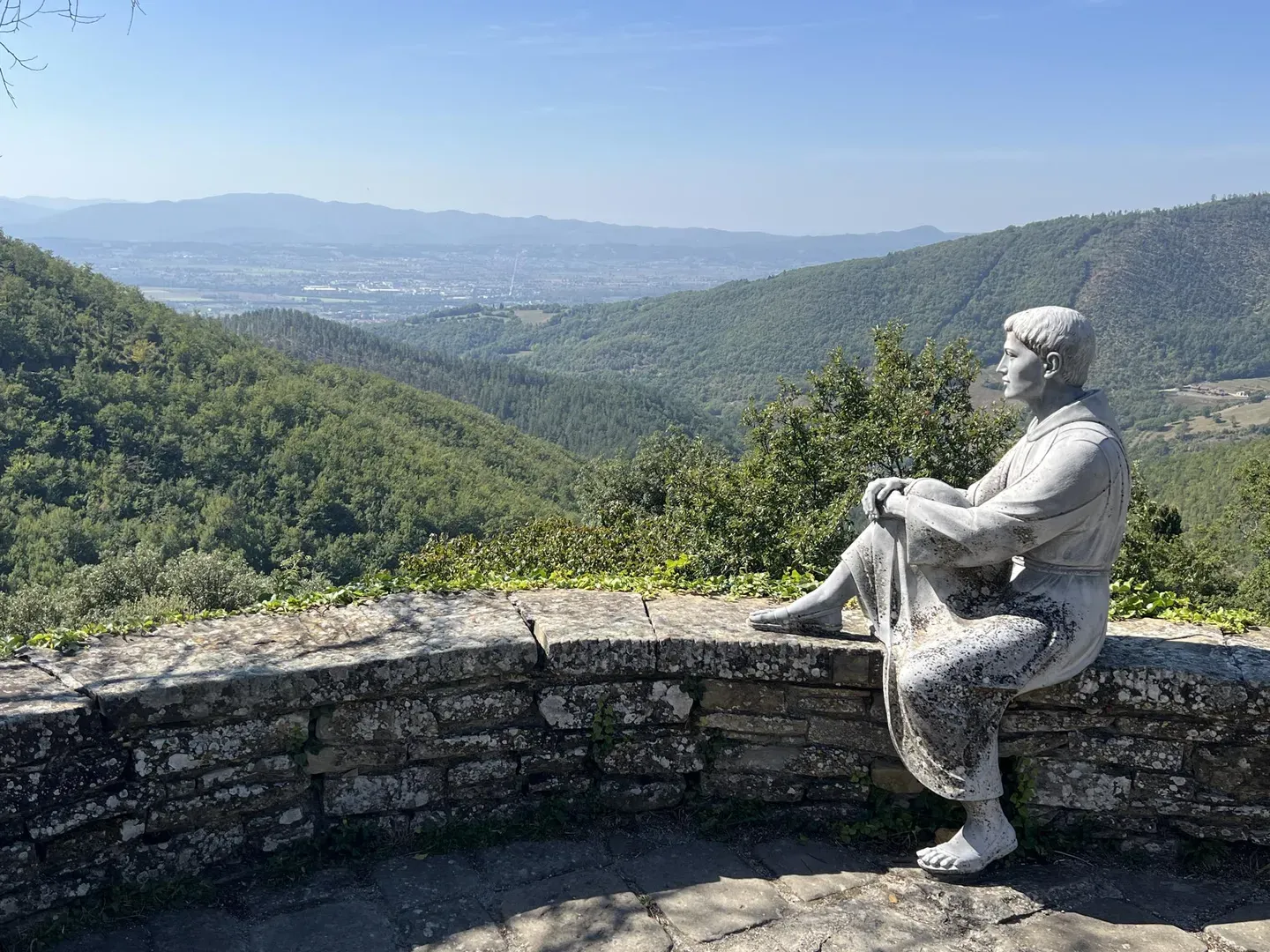
Way of St Francis in Tuscany – itineraries of Arezzo and Province
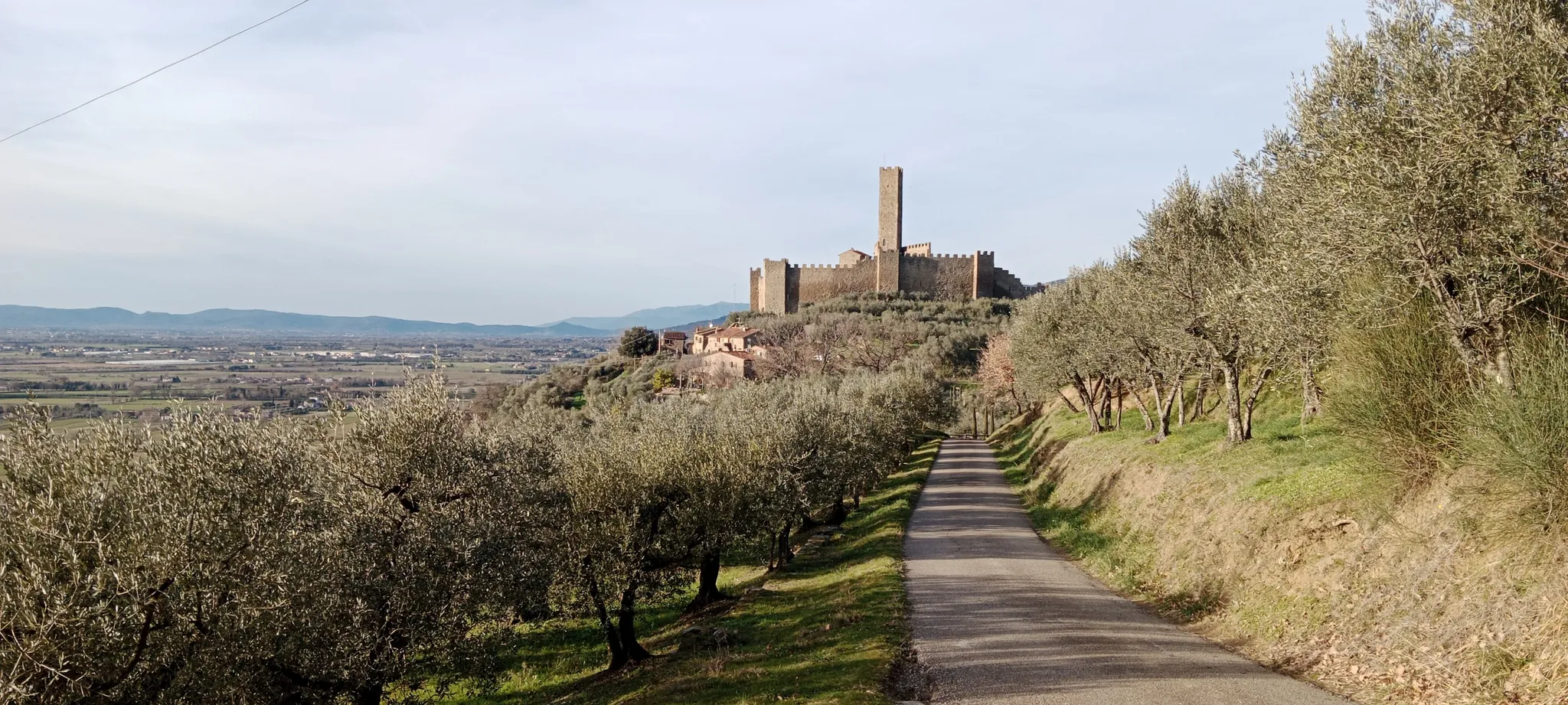
Terre di Arezzo by e-bike – between art and nature in Tuscany
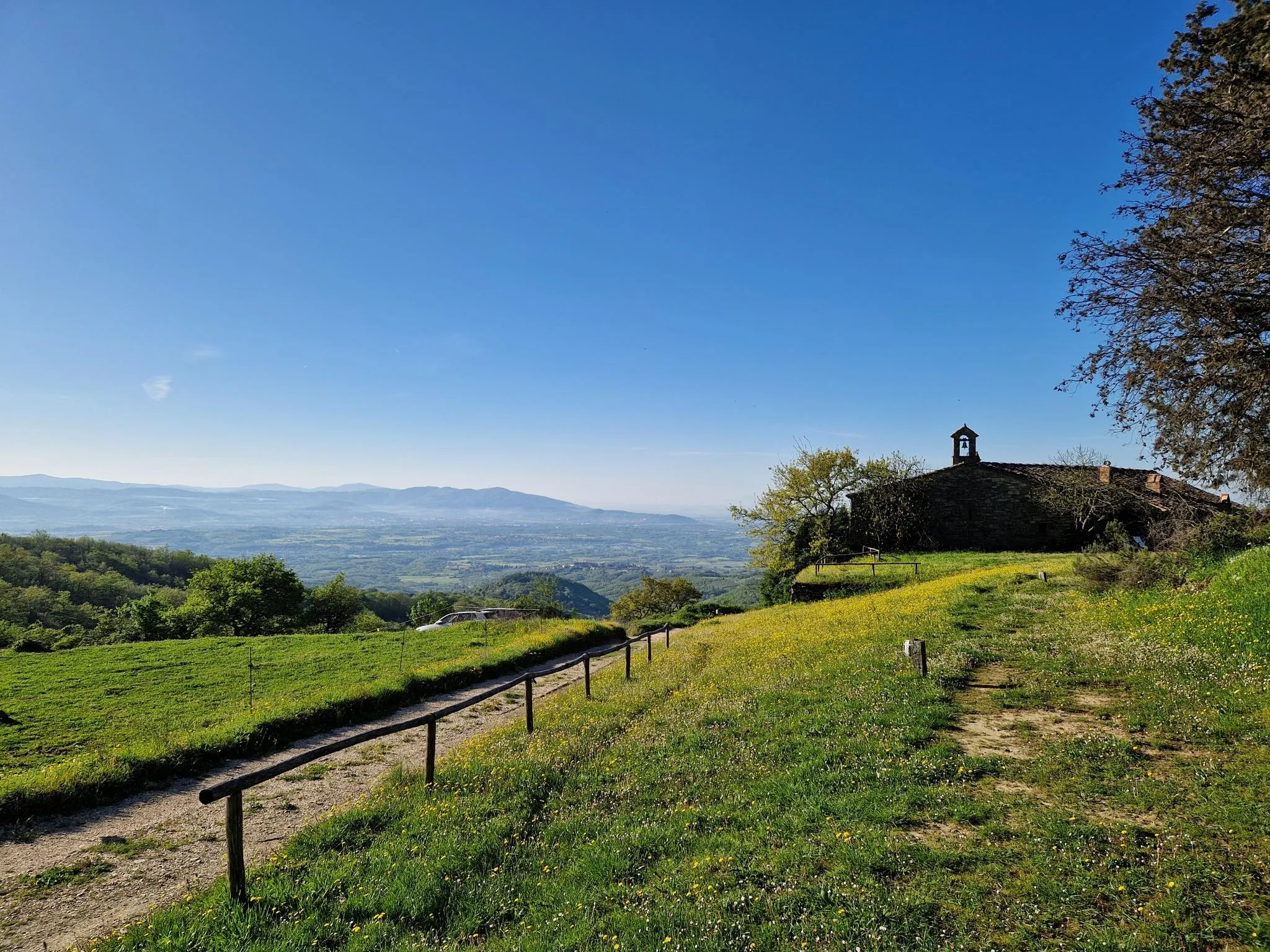
Arezzo and its valleys – between Tuscany’s art, vineyards and villages
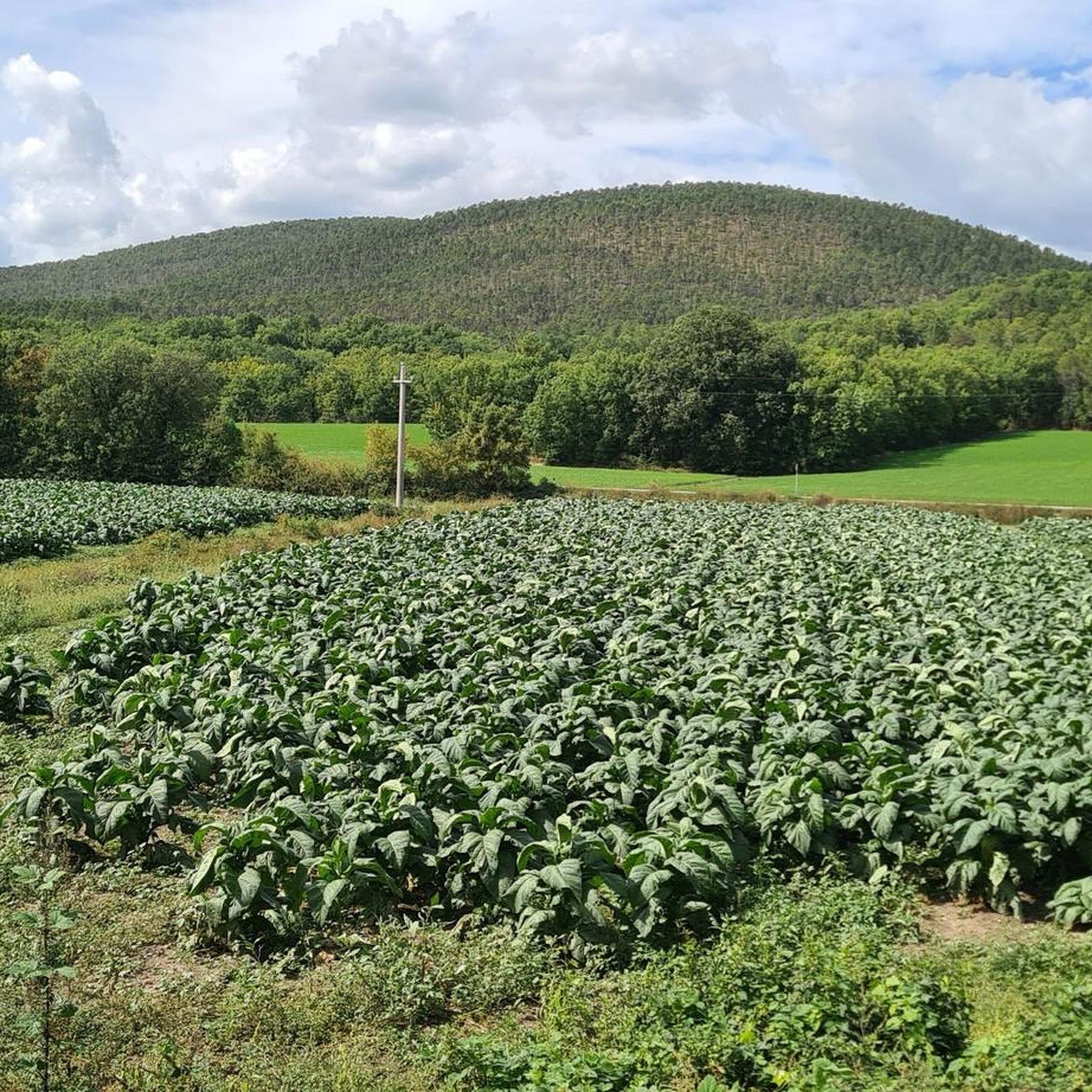
Road Cycling Routes around Anghiari
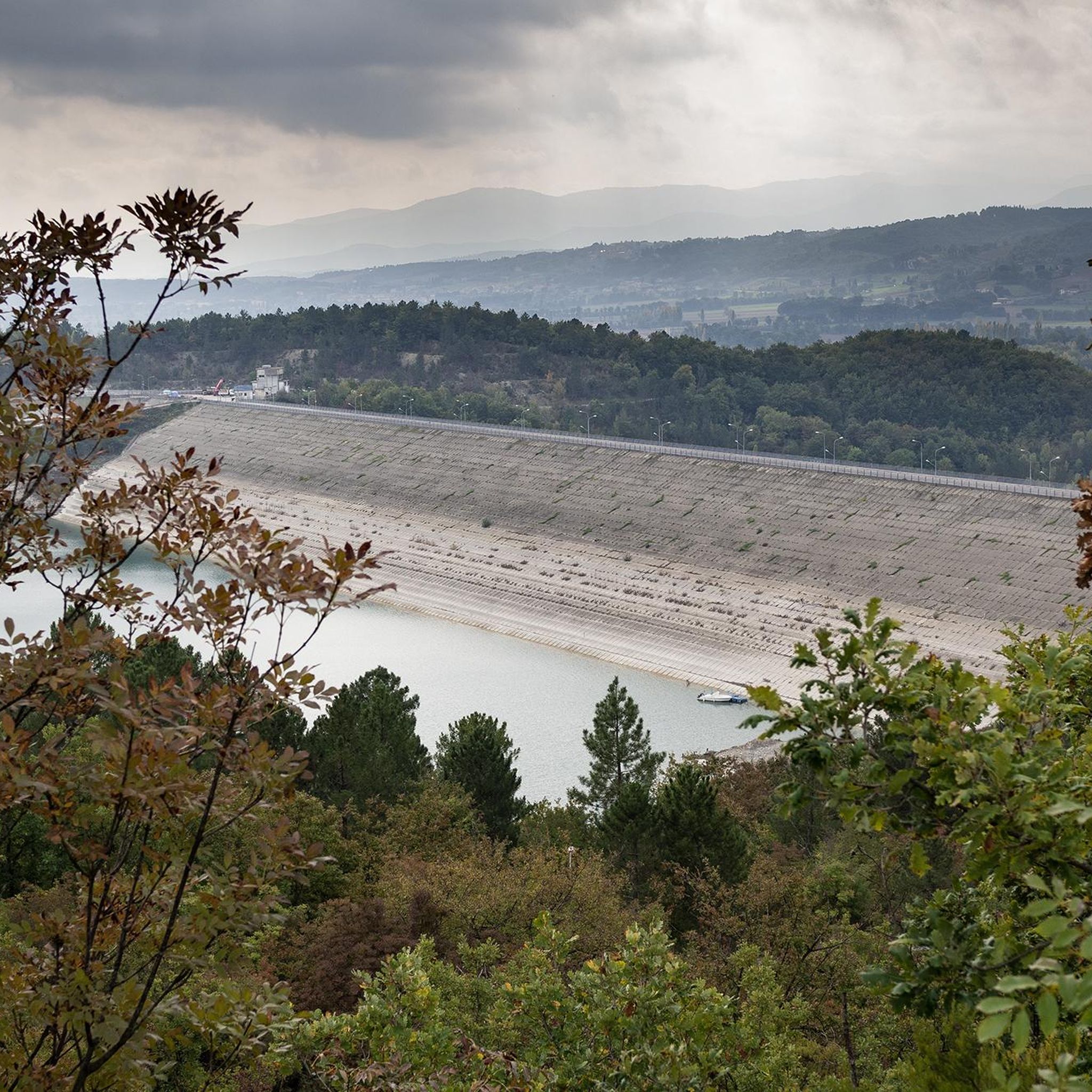
Cycling around Anghiari
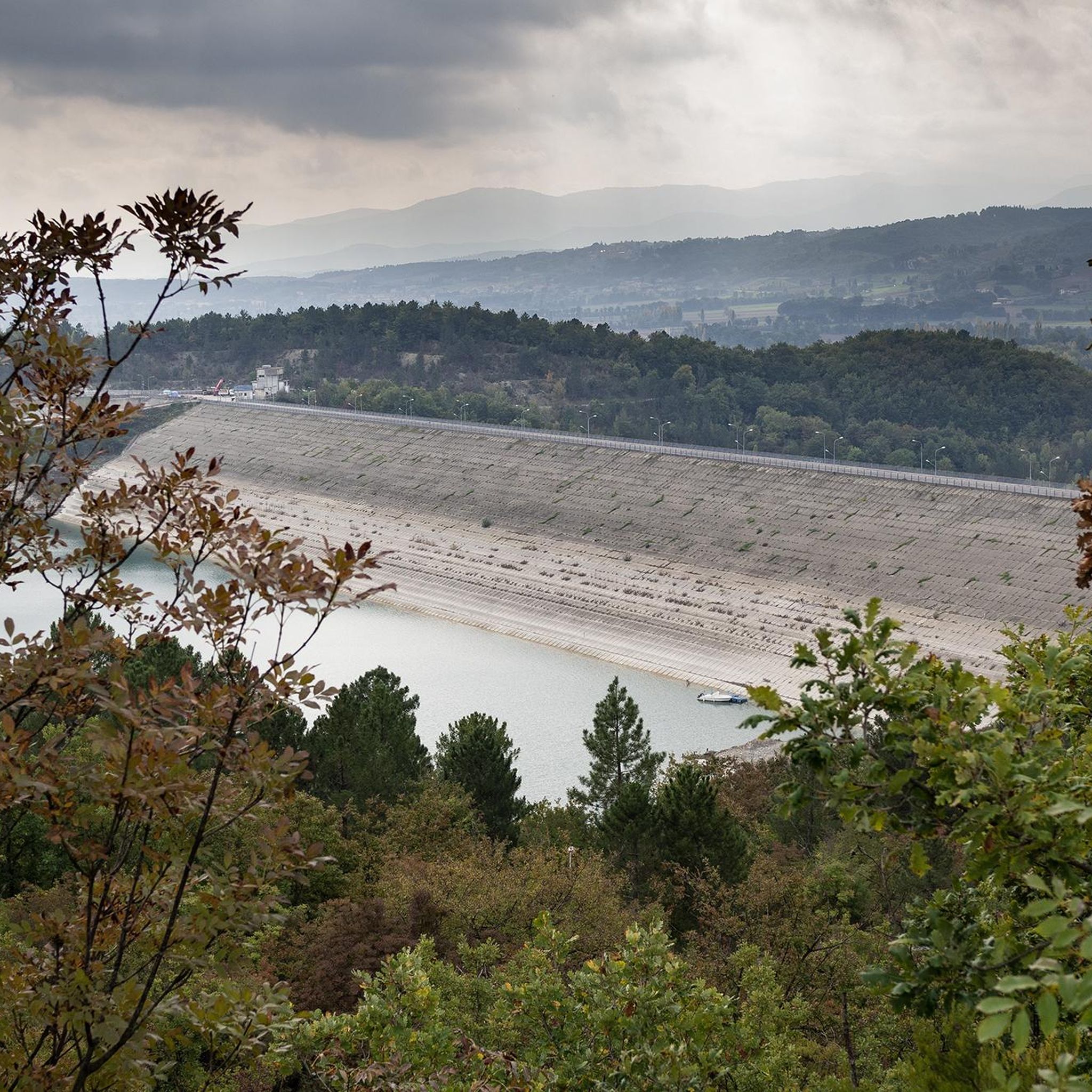
Hiking around Anghiari
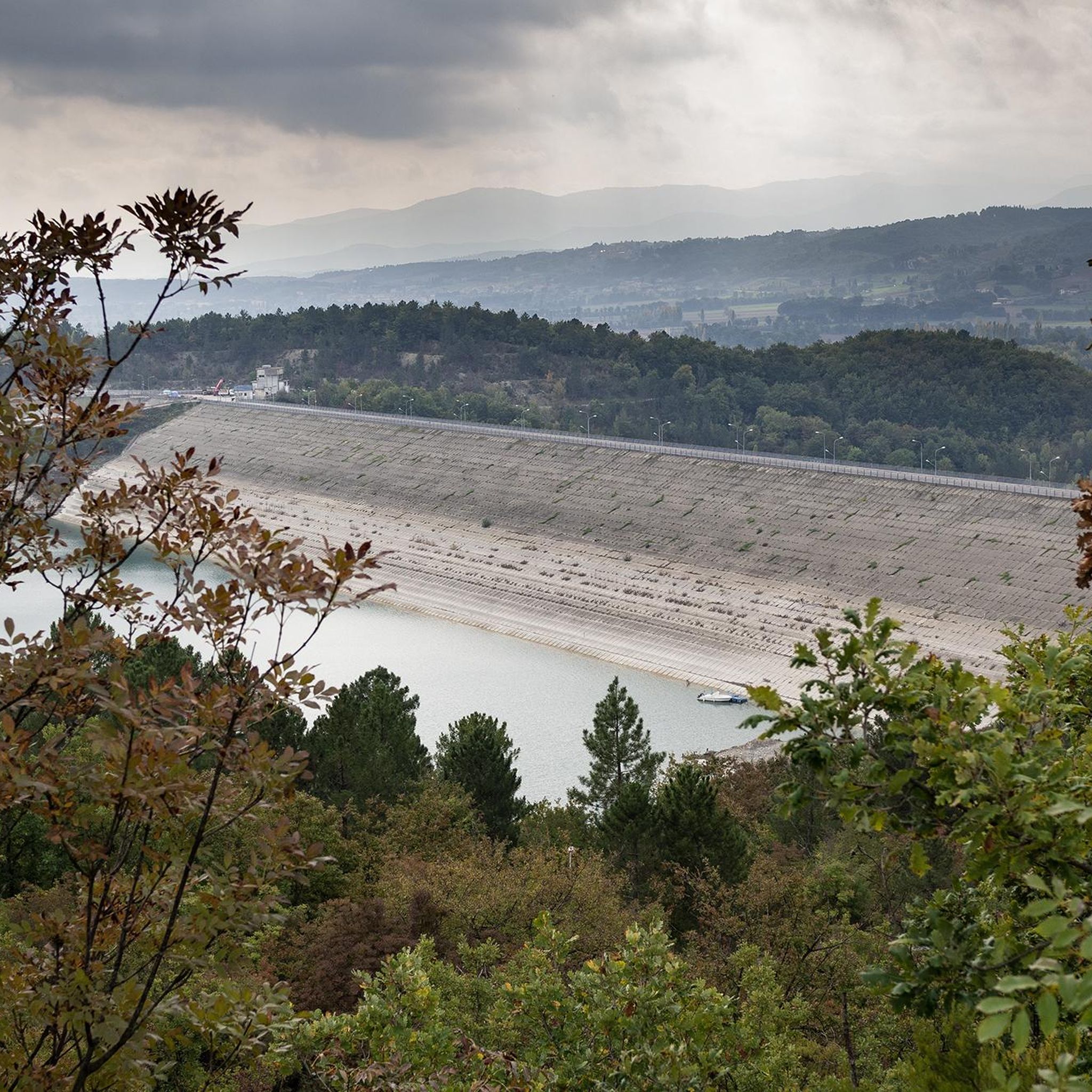
MTB Trails around Anghiari
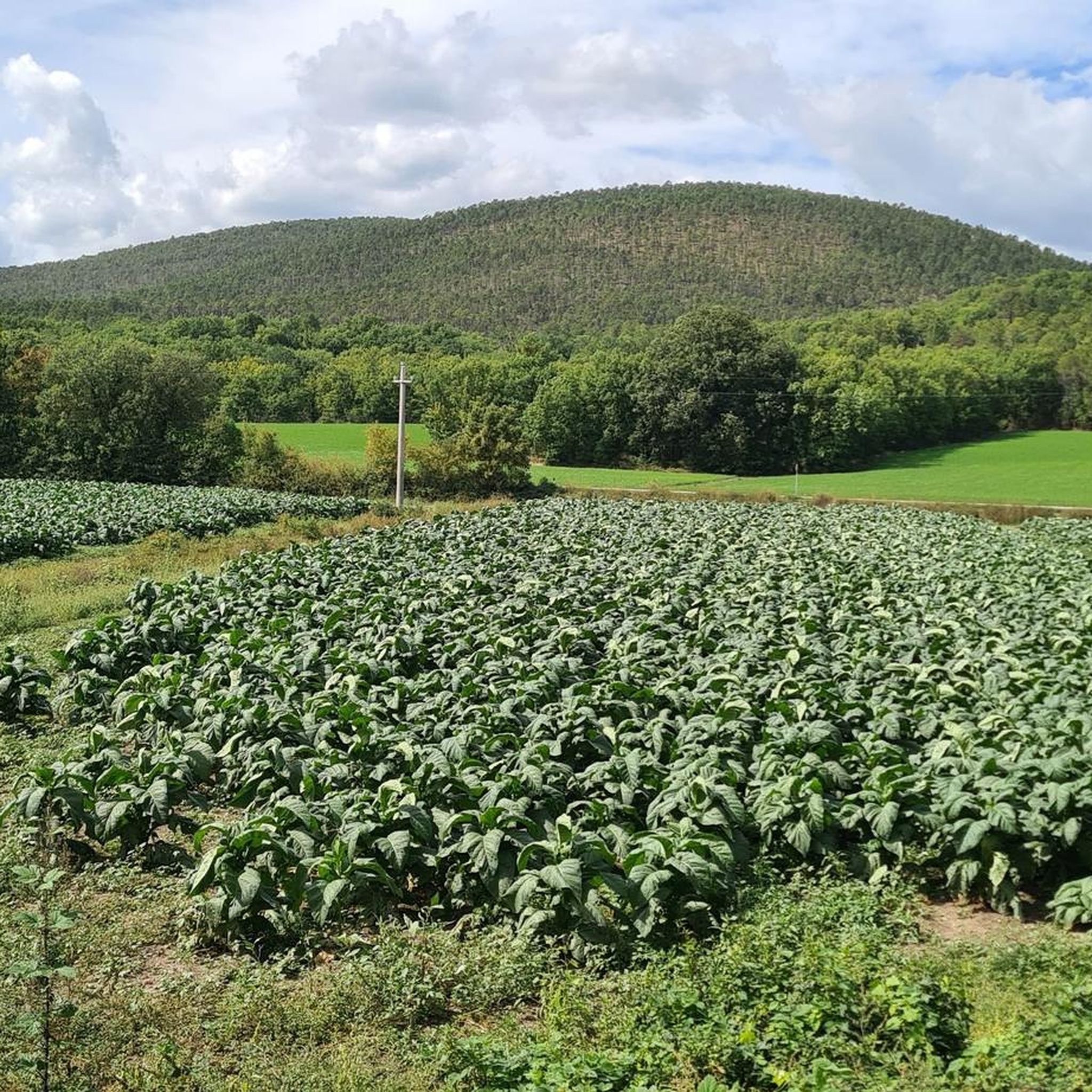
Running Trails around Anghiari

Gravel biking around Anghiari
Other adventures around Anghiari

Tips from the Community

It is one of the symbols of Arezzo
2
0

Sunset at Piazza Grande
3
1

Splendid Franciscan hermitage... well preserved and full of charm and history
0
0

Arezzo: Art and History in Tuscany Arezzo's narrow streets transported me back in time. Ancient walls told tales of the Etruscans and Romans. In the Piazza Grande, millennia merged into a unique experience. Arezzo is a cultural gem in the heart of Tuscany. With 100,000 inhabitants, the city retains its medieval charm. Etruscan roots and Roman influences shape the cityscape. The city has witnessed many wars and upheavals. Founded by the Etruscans and later conquered by the Romans, Arezzo became an important trading center. Arezzo's eventful history makes it a fascinating travel destination. Visitors experience a rich past and cultural diversity here. Text / Source: Toskanaitalien.de, your website about Tuscany https://www.toskanaitalien.de/arezzo/#:~:text=Arezzo%20is%20a%20cultural%20jewel%20in%20the%20heart%20of%20Tuscany.,cityscape.%20The%20city%20experienced%20many%20wars%20and%20changes.
16
1
The Piazza Grande, Arezzo In 1200, the Piazza Grande in Arezzo was still unpaved and stretched from the Red Tower of the Palazzo Comunale on Via Pellicceria to the Borgunto and eastward to the Palazzo del Popolo. At that time, the square was twice its current size and surrounded by the towers of the old noble families. However, the destructive work of Cosimo de' Medici, who transformed the city into a fortress, led to the demolition of many historic buildings and even the burial of the ancient Roman forum. This necessitated a restoration project, including the construction of the loggias, which was entrusted to Giorgio Vasari. Vasari began work in 1572 but died the following year. The work was completed according to the original design under the supervision of Alfonso Parigi. The loggias feature architectural ornamentation in sandstone typical of Arezzo, while the column bases are made of Rapolano travertine, the same material used for the staircase of the Palazzo della Fraternita. The portico is covered with cross vaults, and the windows are surmounted by tympana with classical frames. Text / Source: L'Ortica - Director Gino Perticai || Arezzo City Council Press Office https://www.lortica.it/2024/08/23/piazza-grande-di-arezzo-storia-architettura-e-altre-curiosita-dal-medioevo-al-rinascimento/
15
1

Very nice from the outside, going inside is also worth it
2
0

A suggestive place surrounded by greenery. Worth a visit
0
0

Beautiful to do by mountain bike or trekking in the seasons from spring to autumn without snow or ice
3
0
Frequently Asked Questions
What historical sites can I explore in Anghiari?
Anghiari is rich in history. You can wander through its intact medieval walls and narrow streets, discovering landmarks like the Palazzo Pretorio and the impressive Campano Bell Tower. Don't miss walking along the ancient Via di Ronda to see gates such as the San Martino Gate and the Florentine Gate. For a central historical experience, visit Piazza Grande, known for its architectural evolution and historical significance.
Are there any museums in Anghiari focusing on its history and art?
Yes, Anghiari offers several museums. The Museum of the Battle and History of Anghiari, housed in Palazzo Marzocco, details the town's past, including the famous Battle of Anghiari. The Palazzo Taglieschi State Museum showcases a prestigious collection of sacred and secular art, while the Popular Tradition Museum provides context to Anghiari's artistic heritage.
What religious buildings are notable in Anghiari and its surroundings?
Anghiari boasts a rich religious heritage. Within the town, you can visit the ancient Church of Santo Stefano (7th century), the Church of Sant'Agostino, and the Church of Santa Maria delle Grazie. Nearby, the Badia di San Bartolomeo and the Convent and Church della Croce di Anghiari are also significant. For a unique experience, consider visiting the Cerbaiolo Hermitage, with Benedictine origins and ties to Saint Francis, or the Hermitage of Montecasale, another important Franciscan site.
What natural attractions can I find near Anghiari?
Beyond its historical core, Anghiari is surrounded by natural beauty. The Monti Rognosi Natural Reserve, a 156-hectare area, offers rugged mountain territory with rich flora and fauna and marked trails for hiking. The town is also situated in the scenic Tiber Valley (Valtiberina Toscana), providing beautiful hilly landscapes, vineyards, and panoramic views.
Are there opportunities for hiking or cycling near Anghiari's attractions?
Absolutely! The area around Anghiari is excellent for outdoor activities. You can find numerous routes for hiking, road cycling, and touring cycling. For example, popular hiking trails include 'View of Montone loop from Anghiari' and 'View of Anghiari loop from Anghiari'. For more details on routes and their difficulty, explore the dedicated guides for Hiking around Anghiari, Road Cycling Routes around Anghiari, and Cycling around Anghiari.
What are some family-friendly attractions in Anghiari?
Families will enjoy exploring the historic center of Anghiari, with its charming streets and medieval atmosphere. Piazza Grande is a great starting point, offering an open space to experience the town's history. The various museums, like the Museum of the Battle and History of Anghiari, can also be engaging for older children interested in local history.
Can I visit any castles in the vicinity of Anghiari?
Yes, the region around Anghiari is dotted with historical castles. While some, like the Castle of Montauto, are private, they offer stunning views and are popular for events. Other significant and well-preserved examples include the Castle of Galbino and the Castle of Sorci, the latter even hosting a traditional restaurant. These castles reflect the area's rich medieval past.
What is the best time of year to visit Anghiari for sightseeing and outdoor activities?
Anghiari is beautiful throughout the year, but for sightseeing and outdoor activities like hiking and cycling, the seasons from spring to autumn are generally ideal. The weather is pleasant, allowing for comfortable exploration of the town's historical sites and the natural reserves without the extreme heat of summer or the potential snow and ice of winter.
What do visitors enjoy most about Anghiari?
Visitors consistently praise Anghiari for its authentic medieval charm, well-preserved architecture, and the sense of stepping back in time. The picturesque streets, artisan shops, and stunning views of the Tuscan landscape are frequently highlighted. The rich history, particularly around the Battle of Anghiari, and the serene atmosphere of its religious sites like the Cerbaiolo Hermitage, also leave a lasting impression.
Are there any viewpoints or scenic spots in Anghiari?
Anghiari, being a hilltop town, offers numerous scenic viewpoints. The town's medieval walls and elevated position provide panoramic vistas of the surrounding Tiber Valley and the rolling Tuscan hills. Specific highlights like the Church of San Severo and the Hermitage of Montecasale are also noted for their beautiful views, making them excellent spots for photography and enjoying the landscape.
Is Anghiari accessible for visitors with mobility challenges?
While Anghiari is a medieval hilltop town with narrow, winding streets that can be challenging, some areas are more accessible. For instance, Piazza Grande is noted as wheelchair accessible. It's advisable to check specific attraction details or contact local tourism offices for the most up-to-date information on accessibility for individual sites.
Most popular routes around Anghiari
Most popular attractions around Anghiari

Get inspired with the komoot mobile app


Explore more
Still not found the Highlight you’re looking for? See guides of the top attractions in other regions:
