Attractions and Places To See around Sellano - Top 20
Best attractions and places to see around Sellano include historical landmarks, cultural sites, and natural features within the Valnerina Valley. This Umbrian town is characterized by its medieval origins, religious architecture, and serene landscapes. Visitors can explore ancient structures, historic centers, and natural springs that define the region. The area offers a blend of historical depth and natural beauty for exploration.
Best attractions and places to see around Sellano
- The most popular attractions is Tunnel Entrance on the Spoleto–Norcia Railway…
Last updated: October 9, 2026
Historic Center of Trevi
Highlight • Historical Site
Translated by Google •
Tip by

Tunnel Entrance on the Spoleto–Norcia Railway Path
Highlight • Structure
Translated by Google •
Tip by

Sign up now to discover places like this
Get recommendations on the best single tracks, peaks, & plenty of other exciting outdoor places.
Clitunno Springs
Highlight • Lake
Dream apartments, treat yourself to the relaxation you deserve.
A gastronomic experience in the Parco della Poesia and a garden with …
Translated by Google •
Tip by

Rasiglia Springs and Waterfalls
Highlight • Waterfall
Translated by Google •
Tip by

Rasiglia – The Village of Streams
Highlight • Settlement
Translated by Google •
Tip by

Sign up for free to discover even more attractions around Sellano.
Already have an account?
Start today with a free account
Your next adventure awaits.
Tips from the Community

If you pass by, stop, it's a beautiful place. The entrance to the park is paid but it's a magical place. In summer, however, there are a lot of people
0
0
lots of people in the summer season
0
0
Beautiful place to stop and walk in the park (even if it has a fee).
0
0

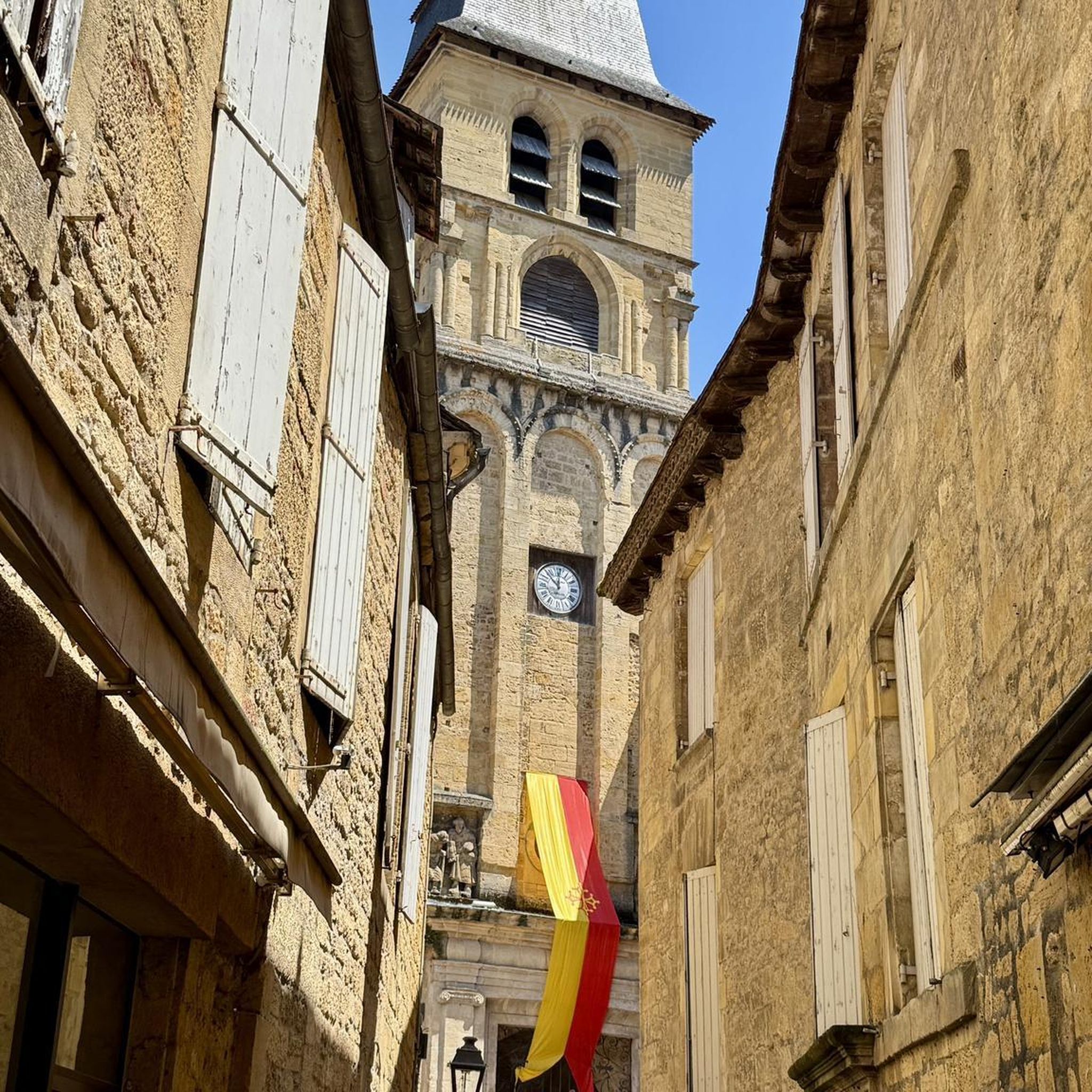
Trevi's historic center retains the charm of its medieval alleys, narrow and winding, weaving between stone houses and ancient buildings. These streets were designed not only to connect squares and gates, but also to defend the city, creating sheltered and safe routes. The houses feature small doorways and windows, while stairways and arches connect different levels, following the hilly terrain. Walking through the alleys, you'll experience a secluded atmosphere, filled with unexpected glimpses and silhouettes of rooftops and bell towers. Every corner tells stories of daily life, shops, markets, and medieval traditions, making the village a true journey into the past.
0
0

RASIGLIA, 648 meters above sea level, is located about 17 km above Foligno. Recently known as the "Borgo dei Streams" or the "Venice of Umbria" due to the streams that flow through the small village.
0
0

A WONDERFUL SMALL VILLAGE THAT WILL LEAVE YOU OPEN-MOUTHED
0
0

The Park - Fonti del Clitunno, Ristorante Pizzeria, Campello Sul Clitunno A body of water with a circumference of just over 400 meters and an area of almost 10,000 square meters, this small lake is home to numerous plant species that contribute to the fame of the Fonti del Clitunno. Moss, seagrass, water horsetail, sedge, curled brosca, giant shrimp, marsh forget-me-not, and water nasturtium, also known as watercress, are just some of the plants found in the pond. Around the banks are the trees that characterize the surroundings, most notably the cypress poplar, covered in dense foliage in summer. Then there's the weeping willow, whose spread dates back to the fashion that spread this plant in Paris in the 1840s, which is said to have shaded Napoleon's tomb on Saint Helena. Text / Source: Fonti del Clitunno - Ristorante Pizzeria, Campello Sul Clitunno https://www.fontidelclitunno.it/
15
0
Fonti del Clitunno - Ristorante Pizzeria, Campello Sul Clitunno Dream apartments, treat yourself to the relaxation you deserve. A gastronomic experience in the Parco della Poesia and a garden with tables for pampering yourself. From here, O Clitumnus, the white herds and the bull, the greatest holocaust, have repeatedly dipped into your sacred waters, bringing Roman triumphs to the temples of the gods. History Have you ever seen the Fonti del Clitunno? If not, and I don't think so, otherwise you would have told me about it, go and see. "I saw it recently and regret having done it too late." Thus wrote Pliny the Younger to a friend, and his advice still holds true today. The Fonti del Clitunno as we see them today are different from those of the first century, during Pliny's time. A violent earthquake in 444 AD changed the face of the area and was likely the cause of the narrowing of the Clitunno River, which had previously been navigable. The layout of the Clitunno springs as we see them today is thanks to the patient work of Paolo Campello della Spina, who, between 1860 and 1865, removed the earth to make room for the pond and encouraged the growth of vegetation that still characterizes the Clitunno springs today. A few years later, Giosue Carducci wrote the barbaric ode "Alle Fonti del Clitunno." Text/Source: Fonti del Clitunno - Ristorante Pizzeria, Campello Sul Clitunno https://www.fontidelclitunno.it/
15
0
Frequently Asked Questions
What historical sites can I explore in Sellano?
Sellano's historic center retains its medieval character with narrow streets, stone houses, and remnants of defensive walls and gates like Porta dell'Annunziata. You can also visit the Palazzo Comunale, a medieval building with a 16th-century façade. Nearby, the meticulously restored medieval hamlet of Castello di Postignano and the ancient Montesanto Castle offer further historical insights. Don't miss the Historic Center of Trevi, a medieval village with Roman remains and historic churches.
Are there any natural attractions or scenic spots near Sellano?
The region is rich in natural beauty, particularly the Valnerina Valley with its forests of ilex and oak trees, and the crystal-clear waters of the Vigi River. You can visit the picturesque Waterfalls on the River Rote, or the renowned Clitunno Springs, a natural monument known for its clear waters and diverse plant species. The landscape also features green highlands, pastures, and natural healing springs.
What unique outdoor experiences does Sellano offer?
For an adventurous experience, Sellano is home to the highest Tibetan bridge in Europe, offering spectacular scenic views. You can also explore the former Spoleto–Norcia railway path, which has been converted into a pedestrian and cycle path. The Tunnel Entrance on the Spoleto–Norcia Railway Path is a highlight, featuring tunnels, including one over 400 meters long, providing a distinctive journey.
Are there family-friendly activities or places to visit in the Sellano area?
Yes, several attractions are suitable for families. The Clitunno Springs offer a beautiful park setting for a leisurely visit. The charming Rasiglia – The Village of Streams, with its numerous streams and waterfalls flowing through the village, is a unique and engaging spot for all ages. The Historic Center of Trevi also provides an interesting historical exploration for families.
Where can I find trails for outdoor activities like running or cycling near Sellano?
The Sellano area is excellent for outdoor enthusiasts. You can find numerous trails for various activities. For running, explore routes like the 'Monte Aguzzo – Lecceta di Sassovivo loop' or 'Infinity Pool at Il Collaccio loop' by checking the Running Trails around Sellano guide. Cyclists can enjoy routes such as 'Stradone Verso Cesi – Castello di Verchiano loop' or 'Infinity Pool at Il Collaccio loop' in the Cycling around Sellano guide. For gravel biking, consider routes like 'Enchanted Plains – Colfiorito Regional Park loop' from the Gravel biking around Sellano guide.
What are some notable churches or religious sites in Sellano?
Sellano is home to several significant religious buildings. The principal church is the Church of Santa Maria (Chiesa di Santa Maria Assunta), dating back to the 12th century. The Church of San Francesco (also known as Madonna della Croce) is notable for its octagonal Greek cross plan. Other important churches include the Collegiata di San Pietro e Paolo, the 14th-century Church of Santa Maria Novella in Commoro, and the 13th-century Church of San Sebastiano in Pupaggi, which features Romanesque architecture and frescoes.
What local crafts or traditional products is Sellano known for?
Sellano has a rich tradition of local crafts. The hamlet of Villamagina is particularly renowned for its long-standing tradition of producing handmade files and rasps, a craft dating back to the 1700s. The region also has a strong heritage in wrought iron handicrafts, showcasing the skill of local artisans.
Are there any places to enjoy local gastronomy or produce in Sellano?
Absolutely! Sellano is celebrated for its local gastronomic products. The area is famous for prized Umbrian black truffles, various local cheeses, lentils, potatoes, and authentic Norcia ham. You can also find delicious seasonal produce such as chestnuts and mushrooms, reflecting the rich agricultural heritage of the Valnerina Valley.
What is 'Rasiglia – The Village of Streams' and where is it located?
Rasiglia – The Village of Streams is a charming medieval village, often nicknamed the 'Venice of Umbria,' located about 17 km from Foligno. It's famous for the numerous streams and waterfalls that flow directly through the village, creating a unique and picturesque setting. The waters of the Menotre river are channeled, forming an intricate network of reservoirs and cascades among the houses and shops.
Is there a good place for swimming or relaxing by the water near Sellano?
Yes, Lake Vigi, with its crystal-clear waters, is an ideal spot for bathing and relaxation. The serene environment makes it a perfect place to unwind and enjoy the natural beauty of the region. Additionally, the Clitunno Springs offer a tranquil setting with clear waters, though primarily for appreciation rather than swimming.
What do visitors enjoy the most about the attractions around Sellano?
Visitors particularly appreciate the blend of historical charm and natural beauty. The Historic Center of Trevi is loved for its medieval character and historic buildings. The Spoleto–Norcia Railway Path is highly praised for its scenic beauty and unique tunnels. The Clitunno Springs are cherished for their clear waters and tranquil park setting, while Rasiglia Springs and Waterfalls captivate with their unique village layout and flowing water features.
What are the Clitunno Springs known for?
The Clitunno Springs are a renowned natural monument, celebrated for their exceptionally clear waters and the diverse plant species that thrive within and around them. This body of water, with a circumference of over 400 meters, has inspired poets and writers throughout history, including Pliny the Younger and Giosuè Carducci, who praised its beauty and tranquility.
Most popular routes around Sellano
Most popular attractions around Sellano

Get inspired with the komoot mobile app


Explore more
Still not found the Highlight you’re looking for? See guides of the top attractions in other regions:
