Attractions and Places To See around Seui - Top 20
Best attractions and places to see around Seui include a blend of historical, cultural, and natural sites. This medieval village is situated at approximately 800 meters altitude in the mountainous Barbagia di Seulo region of Sardinia, on the southern slopes of the Gennargentu massif. The area features distinctive architecture, extensive forests, and numerous caves and waterfalls. It offers a range of experiences from ancient archaeological sites to natural monuments.
Best attractions and places to see around Seui
- The most popular…
Last updated: June 22, 2026
Summit of Punta La Marmora
Highlight • Summit
Translated by Google •
Tip by

Punta La Marmora summit cross
Highlight • Summit
Translated by Google •
Tip by

Sign up now to discover places like this
Get recommendations on the best single tracks, peaks, & plenty of other exciting outdoor places.
Sign up for free
Is Tostoinus Nuragic Village
Highlight • Historical Site
Translated by Google •
Tip by

Perda e Liana
Highlight • Natural Monument
Translated by Google •
Tip by

Stone Hut in the Monti del Gennargentu
Highlight • Mountain Hut
Source: it.wikipedia.org/wiki/Nuraghe
Translated by Google •
Tip by
Sign up for free to discover even more attractions around Seui.
Sign up for free
Already have an account?
Start today with a free account
Your next adventure awaits.
Login or Signup

Tips from the Community

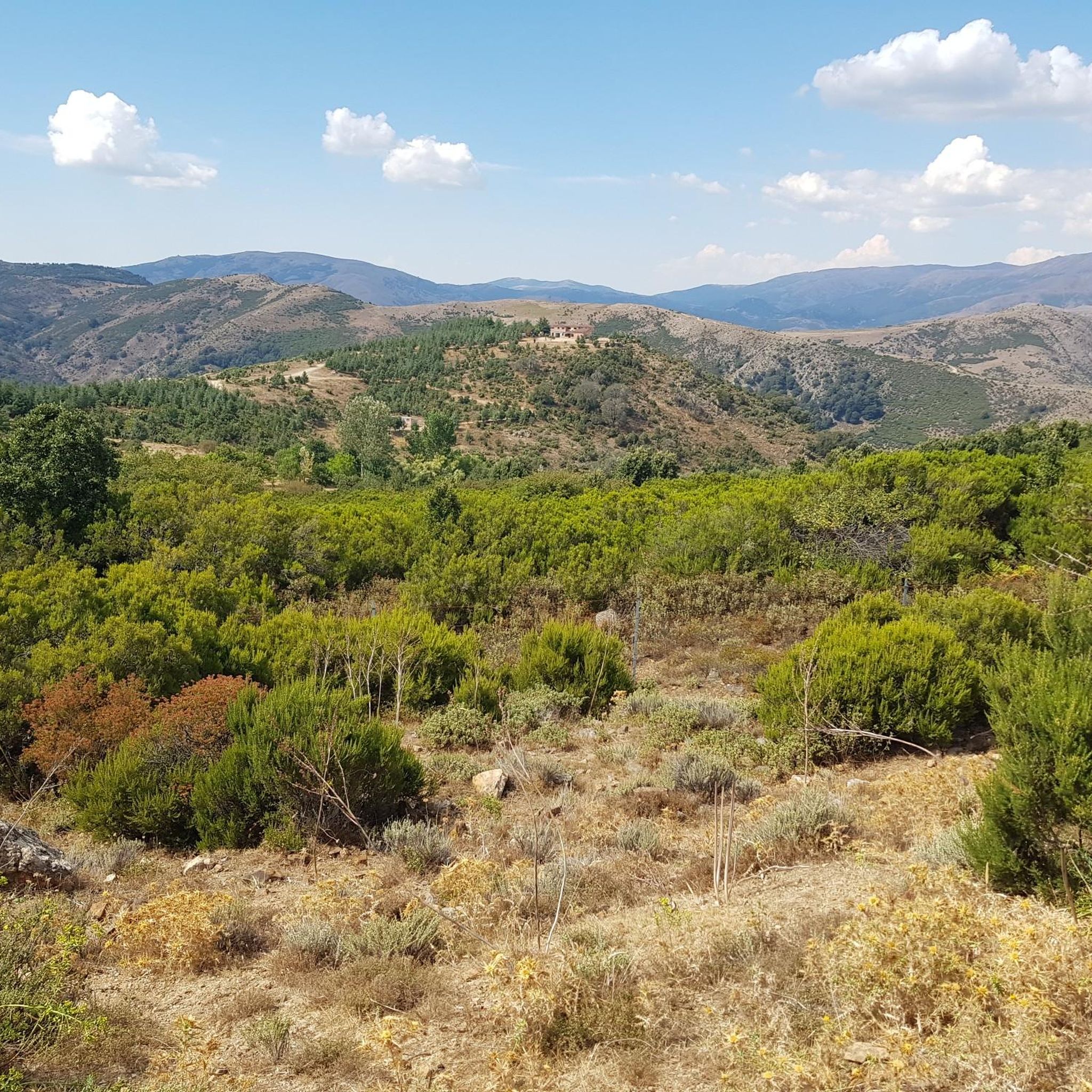
Great view. Beautiful area.
0
0
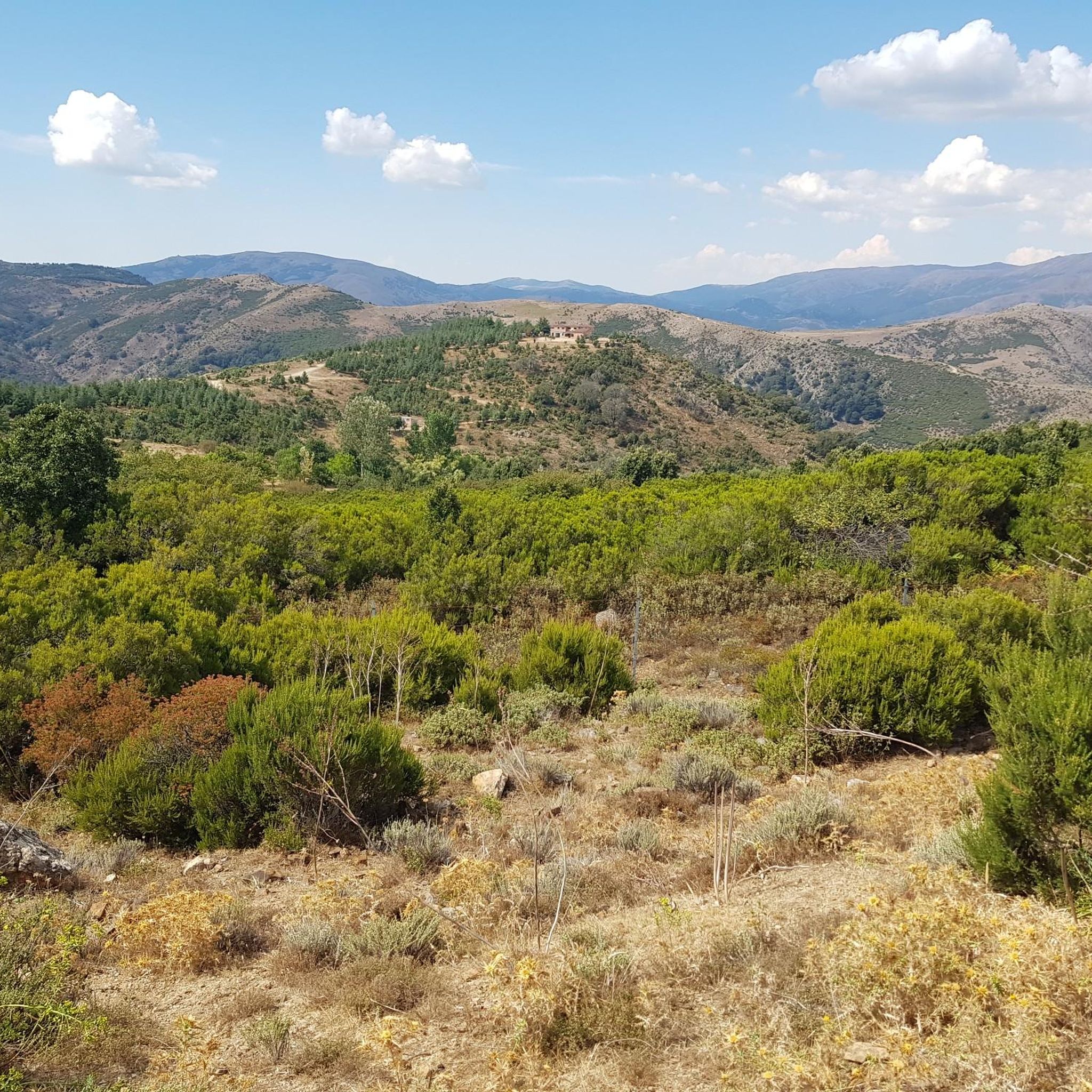
Great view. Beautiful area.
0
0

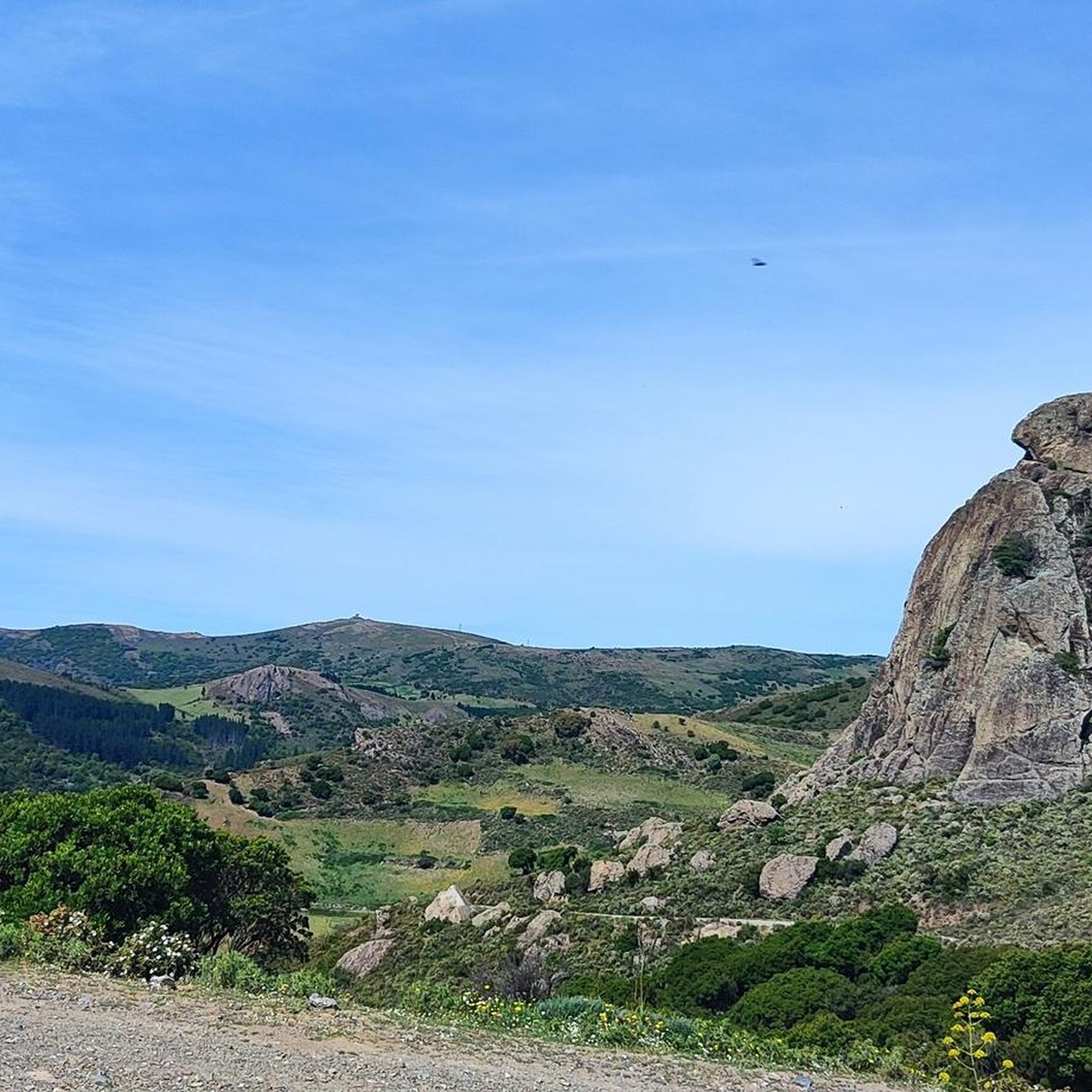
A uniquely shaped, towering tower, a natural monument, symbol of Ogliastra, and a key morphological feature of central-eastern Sardinia. Perhaps once a gathering place for the Nuragic peoples, it later became, in popular legend, the entrance to the underworld. It protrudes from the earth like a giant finger reaching toward the sky and, especially in this wild area, is a landmark visible from afar for hikers. Perda 'e Liana is an extraordinary rock formation declared a natural monument in 1993. The peculiar "mountain," known in Sardinian as Taccu or Tonneri, rises in the Gairo Sant'Elena area: it is the greatest witness to the erosive effects of weathering that have been affecting the vast limestone cover of Ogliastra on the border with Barbagia di Seulo for several million years. Erosion gradually isolated the "tower," forming its base. It is the highest (1293 m) of the numerous Ogliastra limestone mountains, the northern foothills of the Tonneri plateau, about two kilometers away, to which it is connected by the s'Arcu 'e su Pirastu Trottu pass. Perhaps in ancient times, they formed a single mountain ridge. Source and further information: https://www.sardegnaturismo.it/de/entdecken/perda-e-liana
0
0

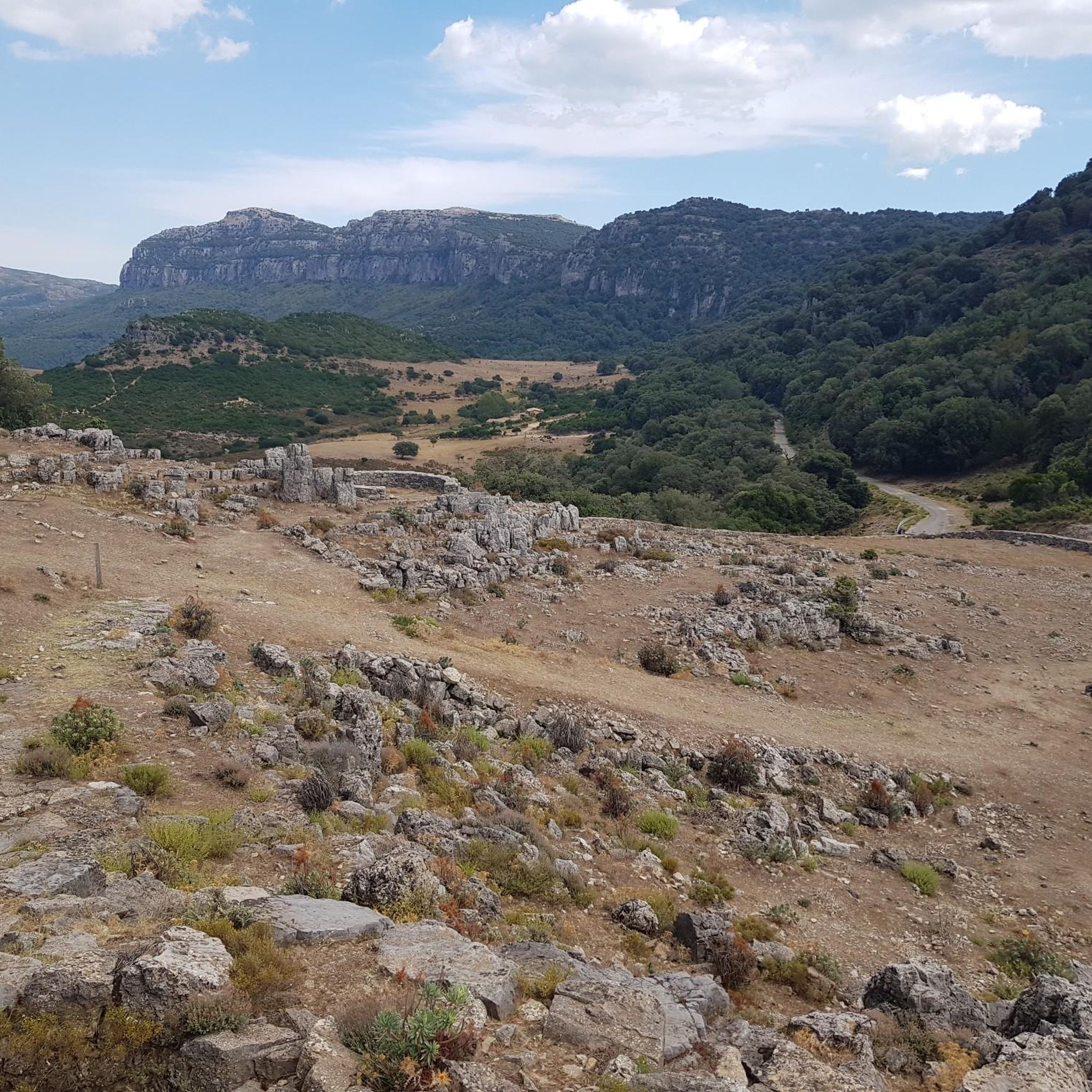
The German-language television series "Treasures of the World - Heritage of Humanity" – which I highly recommend – dedicates a 15-minute segment to the UNESCO World Heritage Site of the "NURAGHI" in Sardinia and the traditional shepherds' song known there as "Canto a Tenore." The accompanying text for the program states: "Over seven thousand round towers made of stone blocks weighing several tons are scattered throughout Sardinia. Often, only the stumps of these megalithic structures, called nuraghi, remain. The first were built around 1400 BC. Small stones were placed between the massive blocks, a construction method that made the stone towers resistant to collapse." This article (episode 413 of the series) is available in the ARD Mediathek at the following link =>> https://www.ardmediathek.de/video/schaetze-der-welt/sardinien/3sat/Y3JpZDovL3N3ci5kZS8xNTg4MzM5MA
0
0

Not a Nuraghi, but a wonderfully maintained rest area!
0
0
It may not be obvious that Sardinia's highest mountain is crowned by an imposing summit cross, but it seems completely natural to the mountain hiker. A base made of natural stone from the surrounding area forms the lower level of this small sacred monument. A round column bears the Latin inscription "Ave Crux spes unica" (loosely translated "Hail [Holy] Cross, [our] only hope") and continues further up - almost seamlessly - into the longitudinal beam of the cross. Like many other summit crosses, it is comparatively simple in its design and has no corpus, but is certainly dignified.
2
0

With an all-mountain mountain bike you can do almost everything on the bike, both uphill and downhill
1
0
The German-language television series “Treasures of the World – Heritage of Humanity” – which I fully recommend in my opinion – devotes a quarter of an hour to the UNESCO world cultural heritage of the “NURAGHI” in Sardinia and the traditional shepherd’s song there, known as “Canto a Tenore”. The text accompanying the program says “Over seven thousand round towers made of stone pieces weighing tons are scattered all over Sardinia. Often only the stumps of these megalithic buildings, called nuraghi, remain. The first were around 1400 BC. Built. Small stones were placed between the mighty blocks, a construction method that made the stone towers collapse-proof.” This article (episode 413 of the series) is available in the ARD media library under the following link: https://www.ardmediathek.de/video/schaetze-der-welt/sardinien/3sat/Y3JpZDovL3N3ci5kZS8xNTg4MzM5MA
3
1
Frequently Asked Questions
What natural attractions can I explore around Seui?
The region around Seui offers diverse natural beauty. You can visit the Perda e Liana natural monument, a uniquely shaped rock formation resulting from millions of years of erosion. The Montarbu Forest is another significant natural oasis, home to diverse flora like the rare wild peony and wildlife such as golden eagles and mouflon. Don't miss the impressive Cascata Middai (Middai Waterfall), a 50-meter high waterfall within the Montarbu forest.
Are there any historical or archaeological sites to visit in Seui?
Yes, Seui is rich in history. Explore the Is Tostoinus Nuragic Village, an ancient settlement featuring the unique construction of Nuraghi. You can also discover Nuraghe Ardasai, located at 1000 meters altitude, with its central tower and remains of a hut village. The village itself boasts a Spanish Prison built in 1647 and several historic churches like the Parish Church of Santa Maria Maddalena.
What cultural experiences does Seui offer?
Seui is considered a 'village-museum' with a rich cultural heritage. You can visit the Palazzina Liberty, an Art Nouveau building housing art and popular traditions, or Casa Farci, a museum dedicated to writer Filiberto Farci. The Civic Gallery in the s'Omu Comunali Civic Palace features valuable 17th-century paintings from the Caravaggio school.
Can I find any industrial archaeology sites near Seui?
Absolutely. The Corongiu Anthracite Mine, discovered in 1827, was a significant source of wealth for over a century. Today, you can explore the deserted mining village and a coal washer structure. Additionally, the Trenino Verde (Green Train) offers a unique journey through the natural landscape on a historic narrow-gauge railway line.
What is the highest point I can reach for views around Seui?
The highest point is the Summit of Punta La Marmora, which is the highest peak in Sardinia at 1,834 meters. From here, you can enjoy panoramic views across the entire island, and on clear days, even see the silhouettes of Corsica. The hike to the summit is challenging but rewarding, crossing forests, meadows, and boulder terrain.
Are there any family-friendly attractions in the area?
Yes, the Is Tostoinus Nuragic Village is a family-friendly historical site, offering a glimpse into ancient Sardinian history with a shady rest area. Exploring the medieval village streets of Seui itself can also be an engaging activity for families, with its unique architecture and varying front entrance heights.
What kind of outdoor activities, like hiking or cycling, can I do near Seui?
The area around Seui is excellent for outdoor activities. For mountain biking, you can find routes like 'Verso il nuraghe Aradasai sui monti del Gennargentu' or 'Grotta de is Janas – Funtana e S'Orroli loop'. Running enthusiasts can explore trails such as 'Taccu Isàra - Sentiero Italia Loop'. Road cyclists have options like 'Gairo Village – Ardasai Nuraghe loop'. You can find more details on these and other routes in the MTB Trails around Seui, Running Trails around Seui, and Road Cycling Routes around Seui guides.
Are there any caves or unique geological formations to visit?
Yes, the region is rich in natural caves and ravines. The Montarbu forest contains a notable cave in Cerasia, measuring 850 meters, with parts accessible to the public. You can also visit Grotta Is Janas, a cave known for its legend of fairies and impressive stalagmites and stalactites. The sinkhole of Su Stampu is another geological feature to admire during the climb to Punta Margiani Pubusa.
What is the best time of year to visit Seui for outdoor activities?
For hiking to the Summit of Punta La Marmora, the months from June to September are ideal. However, Punta La Marmora is considered a year-round hiking destination for those seeking adventure. Generally, spring and autumn offer pleasant temperatures for exploring the natural and historical sites without the peak summer heat.
What is the significance of the Montarbu Forest?
The Montarbu Forest is a luxuriant remnant of the holm-oak woods that once covered the entire territory of Seui. It's a vital naturalistic oasis spanning approximately 2800 hectares, featuring vertical rock faces, valleys with streams and waterfalls. It serves as a wildlife sanctuary for species like the golden eagle, deer, fallow deer, and mouflon, and is home to the rare wild peony, known as 'gennargentu rose'.
Is there an abandoned village nearby that I can explore?
Yes, you can visit Gairo Vecchio (Abandoned Village). This former town center was almost completely destroyed by flooding in October 1951 and subsequently abandoned. It now stands as a collection of ruins, offering a poignant glimpse into the region's past and the impact of natural events.
What should I know if I plan to hike to the Summit of Punta La Marmora?
The hike to the Summit of Punta La Marmora is about 15.5 kilometers and takes approximately three and a half to four and a half hours. It's crucial to be well-prepared: wear sturdy hiking boots, carry enough water, and use sun protection. The route offers an incredible variety of landscapes, including forests, meadows, and challenging boulder terrain.
Most popular attractions around Seui

Get inspired with the komoot mobile app


Explore more
Still not found the Highlight you’re looking for? See guides of the top attractions in other regions:
