Top 11 Natural Monuments around Ceresole Alba
Best natural monuments around Ceresole Alba showcase a landscape shaped by both natural processes and historical human interaction. The region, located in Piedmont, Italy, features unique natural attractions such as extensive fishponds and specific botanical sites. These areas provide habitats for diverse flora and fauna, including rare plant species and local aquatic life. Ceresole Alba offers a variety of natural features for exploration.
Best natural monuments around Ceresole Alba
- The most popular natural monuments is Castagna Granda Monumental Chestnut Tree…
Last updated: June 26, 2026
Pralormo Castle
Highlight • Castle
Translated by Google •
Tip by

La Castagna Granda
Highlight • Natural Monument
Translated by Google •
Tip by

Sign up now to discover places like this
Get recommendations on the best single tracks, peaks, & plenty of other exciting outdoor places.
Sign up for free
Bosco del Merlino
Highlight • Forest
The Merlino forest, located in the municipality of Caramagna Piemonte, is the most recent of the Piedmont nature …
Translated by Google •
Tip by

Lanca di San Michele and Bosco del Gerbasso Nature Reserve
Highlight • Forest
Showing Translation
Tip by

Sanctuary of the Piloni of Montà
Highlight • Religious Site
Translated by Google •
Tip by
Sign up for free to discover even more natural monuments around Ceresole Alba.
Sign up for free
Already have an account?
Start today with a free account
Your next adventure awaits.
Login or Signup
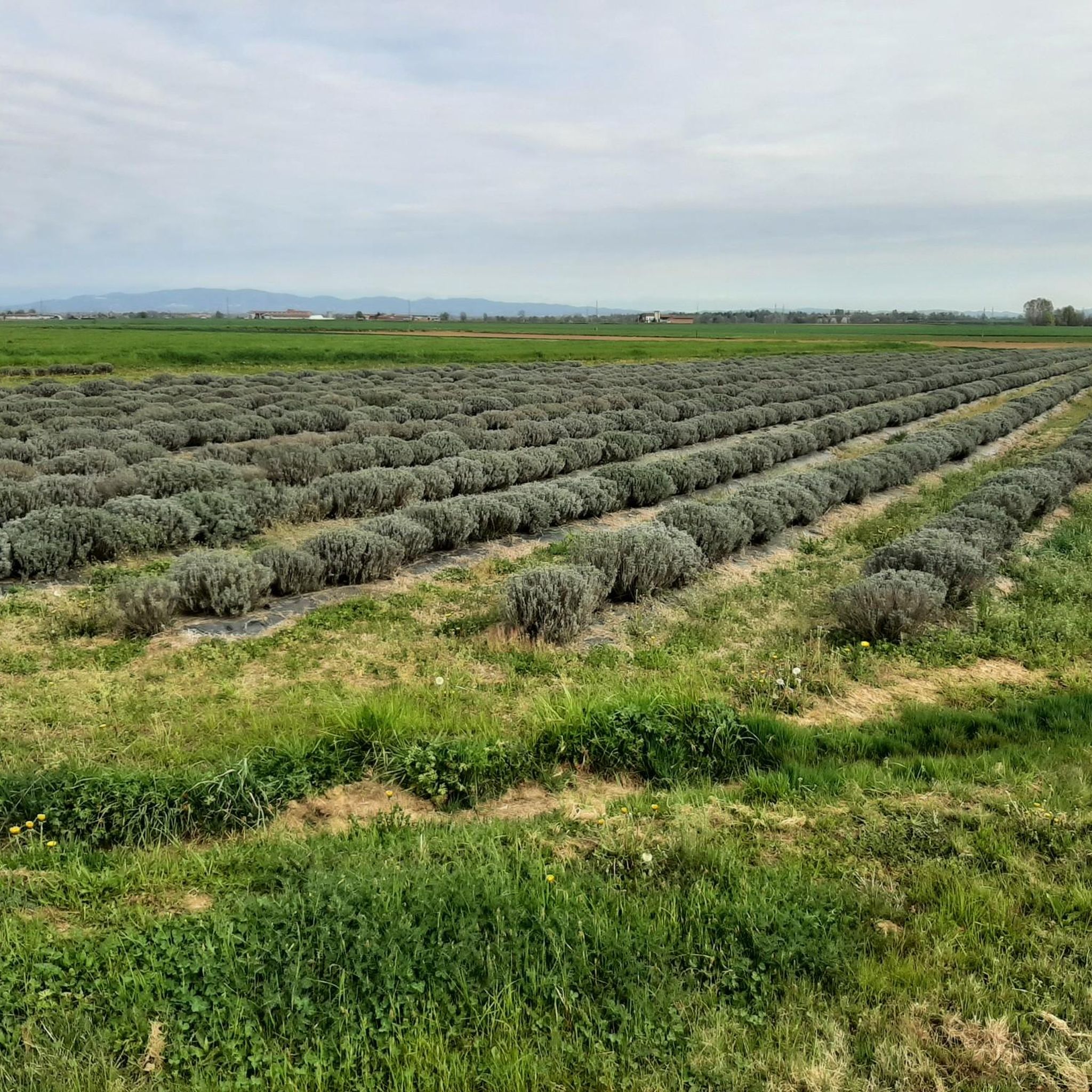
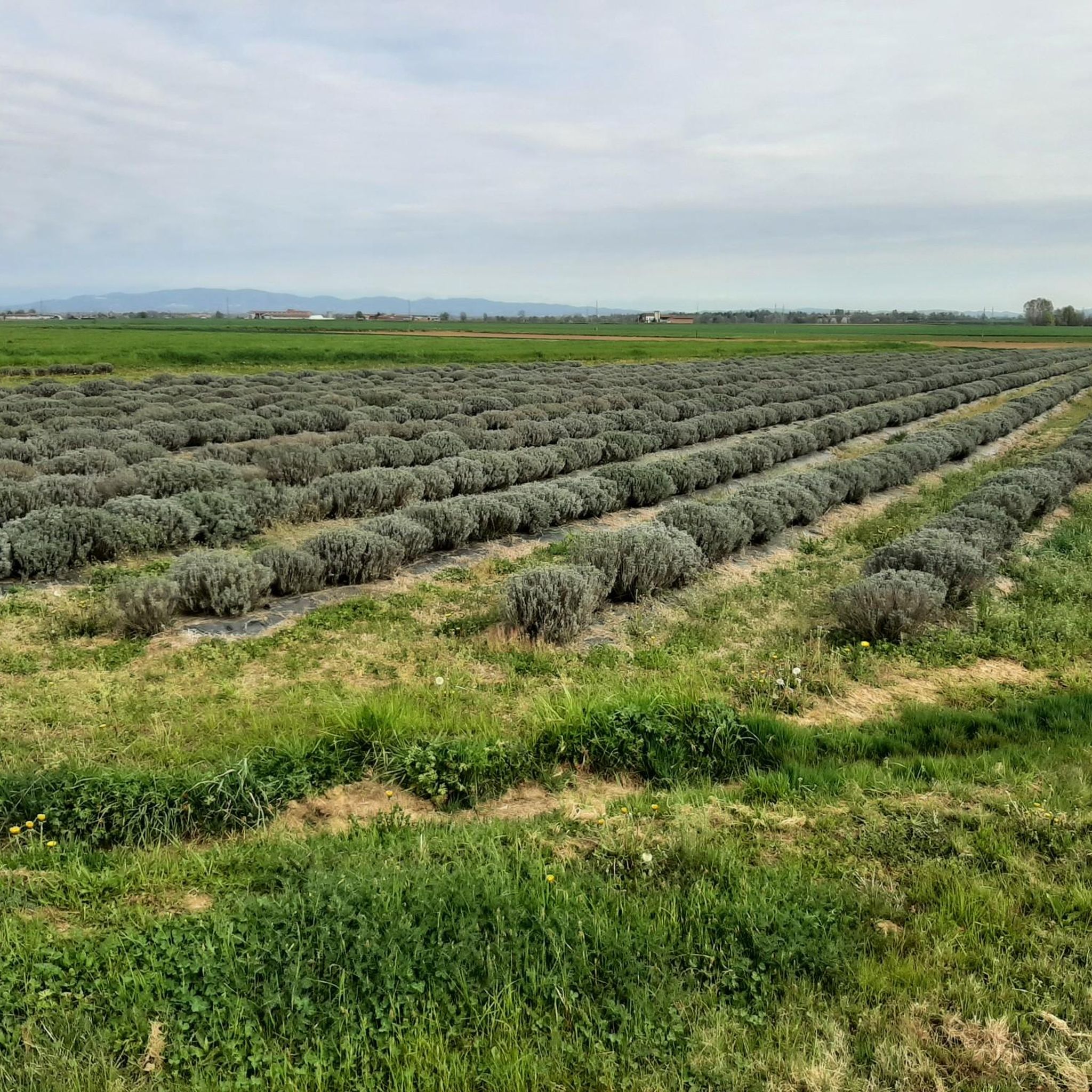
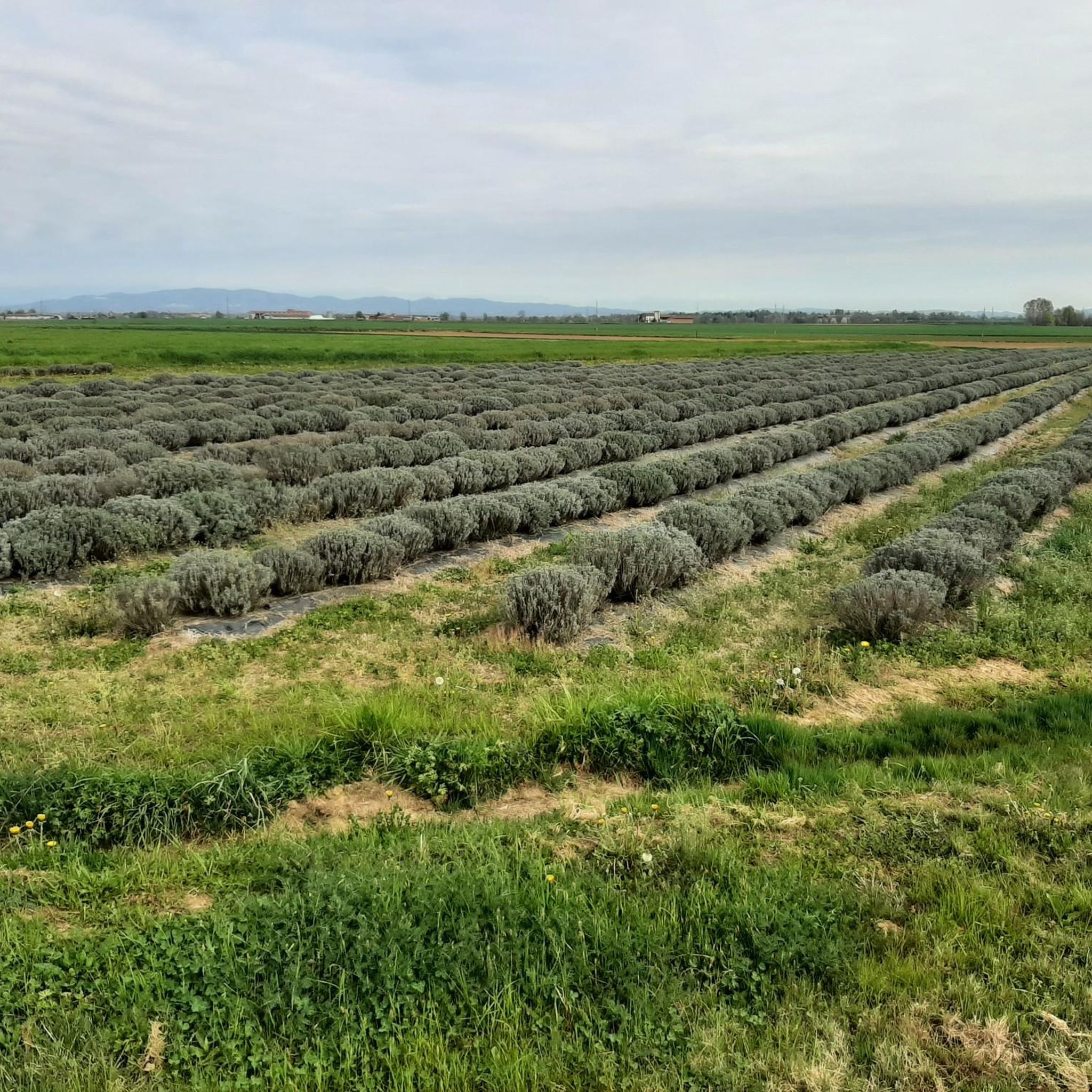

Tips from the Community

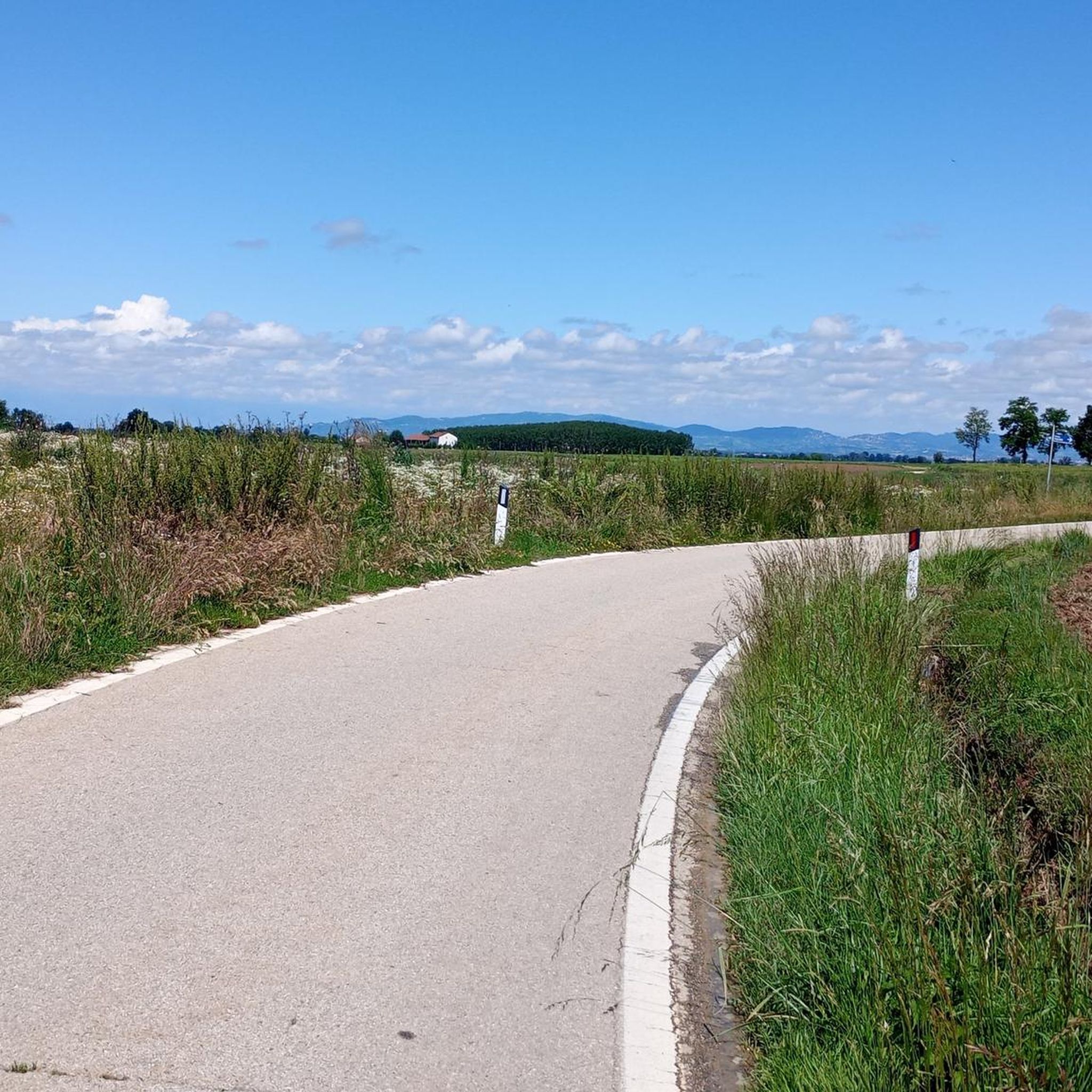
Can easily be tackled with a gravel bike 🚴🏽
1
0

Castle in the town center, known for its tulip display in spring 🌷
0
0

This trail has two entrances and a slight elevation gain. If you arrive in San Grato and drive up, the hike takes just over an hour, and the chestnut tree is located along the way and is clearly visible.
0
0

Very nice circular route
0
0
A short walk from the historic center of Carmagnola lies a protected area of great natural interest: La Lanca di San Michele, an ancient riverbed, now abandoned, which has transformed into a beautiful wetland rich in flora and fauna typical of the river environment, and the Bosco del Gerbasso where, thanks to valuable scientific work, a strip of the original Po Valley floodplain forest has been recreated. Inside, there is a beach, picnic area, observation points, and many other points of interest.
0
0


Frequently Asked Questions
What unique natural features can I discover in Ceresole d'Alba?
Ceresole d'Alba is home to several distinctive natural features. You can explore the impressive fields of Fior di Loto (Lotus Flower), particularly vibrant in July and August, where the flowers grow almost two meters high. The region is also known for its extensive network of over a hundred artificial "Peschiere" (fishponds), which are vital habitats for diverse aquatic life and rare plant species. Additionally, don't miss monumental trees like the Castagna Granda Monumental Chestnut Tree, a centuries-old specimen with a circumference exceeding 10 meters, and the protected Bosco del Merlino forest.
Are there any family-friendly natural monuments to visit in Ceresole d'Alba?
Yes, several natural monuments in Ceresole d'Alba are suitable for families. Both the La Castagna Granda and the Castagna Granda Monumental Chestnut Tree are easily accessible along the Castagna Granda Path, offering a pleasant experience for all ages. The Bosco del Merlino, a protected forest, also provides a gentle natural setting for family outings. The fishponds, with their rich biodiversity, can also be an engaging educational experience for children.
What is the best time of year to visit the natural monuments in Ceresole d'Alba?
The best time to visit depends on what you wish to see. For the spectacular blooming of the Fior di Loto, plan your visit for July and August. The fishponds and forests are generally enjoyable throughout the warmer months, from spring to early autumn, when biodiversity is most active. While the lotus flowers disappear in winter, the monumental trees and forest paths can still offer a serene experience, especially on crisp, clear days.
What kind of wildlife can I spot around the natural monuments?
The Peschiere (fishponds) are particularly rich in wildlife. They are primarily known for raising tench (Tinca gobba dorata), a local culinary delicacy. These ponds are also a significant habitat for various wetland species and host several plant species at risk of extinction. The Bosco del Merlino, as a protected forest, supports a diverse array of forest flora and fauna typical of the Po valley low plain.
Are there hiking or cycling trails near the natural monuments?
Absolutely. Ceresole d'Alba offers a variety of outdoor activities. For hiking, you can explore trails like the moderate Battle of Ceresole d'Alba Trail or the easy Carandi Trail. Cyclists can enjoy routes such as the easy Sommariva Bosco - Ceresole loop or the moderate Chapel of the Holy Family loop. You can find more details and routes on the Hiking around Ceresole Alba and Cycling around Ceresole Alba guide pages. For gravel biking, routes like the challenging Stura – Arco del Belvedere loop are available on the Gravel biking around Ceresole Alba guide.
Where can I find parking when visiting the natural monuments?
Parking availability varies by location. For the Sanctuary of the Piloni of Montà, there is a large parking lot available. When visiting the monumental chestnut trees like La Castagna Granda, they are easily accessible along the Castagna Granda Path, which typically has designated parking areas nearby for trail access. It's advisable to check specific access points for the Fior di Loto and Peschiere, which are often located near rural roads or farm access points.
Are there any historical or cultural sites near the natural monuments?
Yes, Ceresole d'Alba blends natural beauty with historical significance. The Peschiere (fishponds) themselves are integral to the region's cultural heritage, having been dug centuries ago for irrigation and fish farming. Nearby, you can visit the Sanctuary of the Piloni of Montà, a religious and historical site featuring a Romanesque church and chapels. The Pralormo Castle, a medieval fiefdom, is also within reach and hosts events like the Messer Tulipano exhibition.
What makes the Fior di Loto of Ceresole unique?
The Fior di Loto of Ceresole is unique due to the impressive growth of its Nelumbo Nucifera (sacred lotus) flowers, which can reach almost two meters in height with leaves up to 80 centimeters wide. Unlike typical water lilies, these lotus flowers rise significantly above the water. They also exhibit remarkable resilience, surviving harsh winters, and possess a natural self-cleaning property known as the 'lotus effect.' Efforts to transplant them elsewhere have been unsuccessful, suggesting a unique combination of local conditions, such as the clay soil and shallow water of the fishponds, contributes to their thriving presence.
Can I bring my dog to the natural monuments?
Generally, natural outdoor areas like the monumental chestnut trees and the Bosco del Merlino are dog-friendly, provided dogs are kept on a leash and owners clean up after them. For specific sites like the Fior di Loto or the Peschiere, it's always best to observe local signage or guidelines, especially in areas with sensitive ecosystems or private land. Historical sites like Pralormo Castle or the Sanctuary of the Piloni may have specific rules regarding pets in indoor or sacred areas.
What do visitors enjoy most about the natural monuments around Ceresole d'Alba?
Visitors frequently express appreciation for the immersive natural experience. The monumental chestnut trees, such as La Castagna Granda, are described as 'truly wonderful' and 'impressive,' offering a sense of total immersion in nature. The serene beauty of the Bosco del Merlino and the unique spectacle of the Fior di Loto are also highly valued for their captivating displays. The overall tranquility and the opportunity to connect with nature are recurring themes in visitor feedback.
Are there any easy hiking trails suitable for beginners near the natural monuments?
Yes, there are options for beginner hikers. The Castagna Granda Path, which leads to the Castagna Granda Monumental Chestnut Tree, is described as a 'very simple' path. Additionally, the Carandi Trail, listed under Hiking around Ceresole Alba, is rated as 'easy,' making it a good choice for those new to hiking or looking for a relaxed walk.
Most popular routes around Ceresole Alba
Most popular attractions around Ceresole Alba

Get inspired with the komoot mobile app


Explore more
Extend your search for the best caves by checking out these guides of the top ones around Ceresole Alba:
