Attractions and Places To See around Montalenghe - Top 20
Best attractions and places to see around Montalenghe include a charming village set in a hilly position, surrounded by chestnut and acacia woods. It serves as a base for exploring the historical and natural heritage of the Canavese region in Piedmont, Italy. The area is characterized by the Ivrea Morainic Amphitheater, offering picturesque landscapes and panoramic views. Montalenghe itself features a medieval castle and various cultural sites, complemented by numerous historical castles and natural sites in its surroundings.
Best attractions…
Last updated: July 2, 2026
Mazzè Castle
Highlight • Castle
It has been private since the late 1970s. It enjoys a splendid view of the Dora Baltea.
Translated by Google •
Tip by

Lake Candia
Highlight • Lake
Translated by Google •
Tip by

Sign up now to discover places like this
Get recommendations on the best single tracks, peaks, & plenty of other exciting outdoor places.
Sign up for free
Church of Santo Stefano in Candia
Highlight • Religious Site
Translated by Google •
Tip by

Agliè - the historic town center
Highlight • Historical Site
Translated by Google •
Tip by

Sanctuary of the Blessed Virgin of Sorrows of Cuceglio
Highlight • Religious Site
Translated by Google •
Tip by

Sign up for free to discover even more attractions around Montalenghe.
Sign up for free
Already have an account?
Start today with a free account
Your next adventure awaits.
Login or Signup

Tips from the Community

Lake Candia (in Piedmontese lagh ëd Candia), located in the municipality of Candia, in the Canavese area, about thirty kilometers from Turin, is the last highly natural lake basin in the Piedmontese Po Valley, before the mountain barrier represented by the Western Alps.
0
0

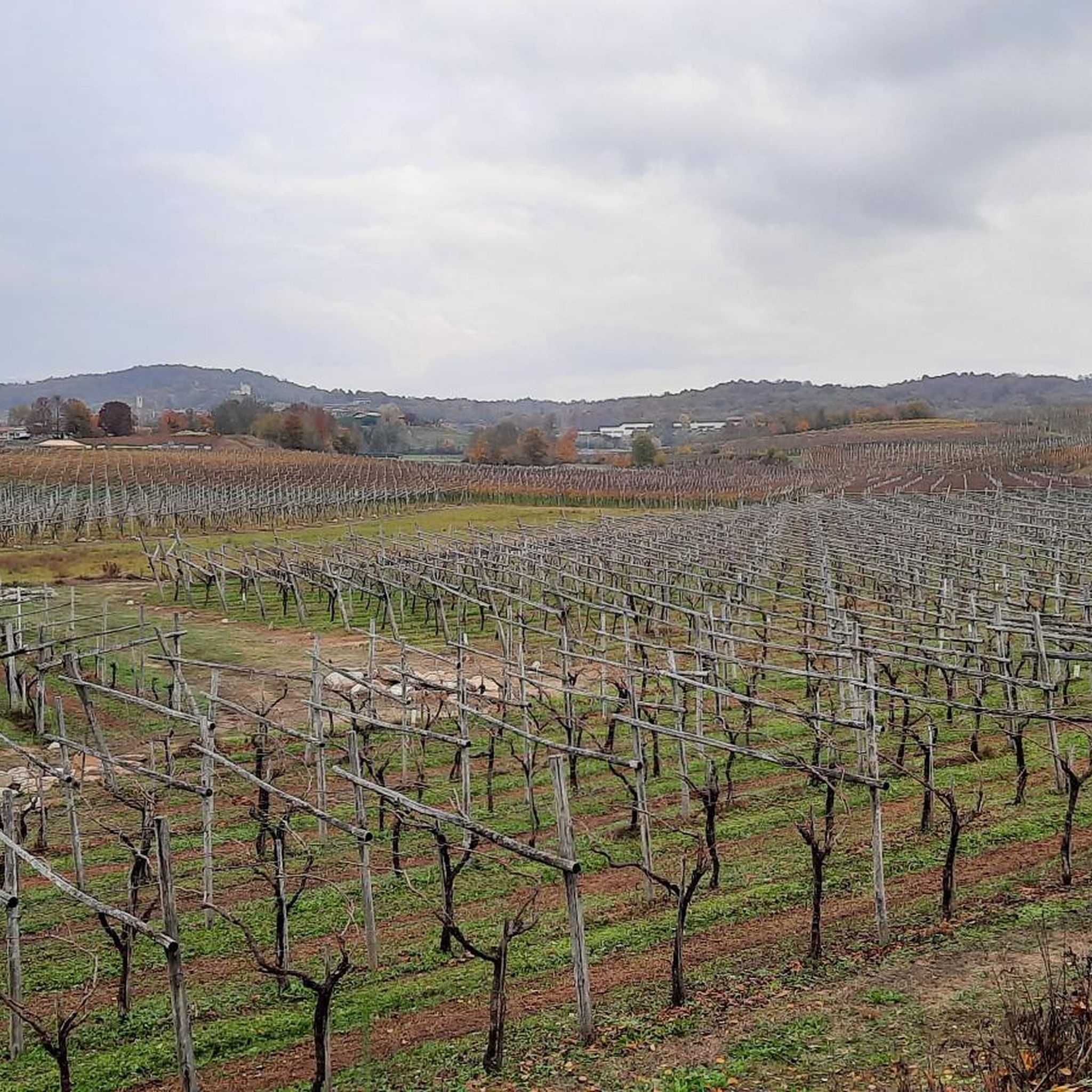
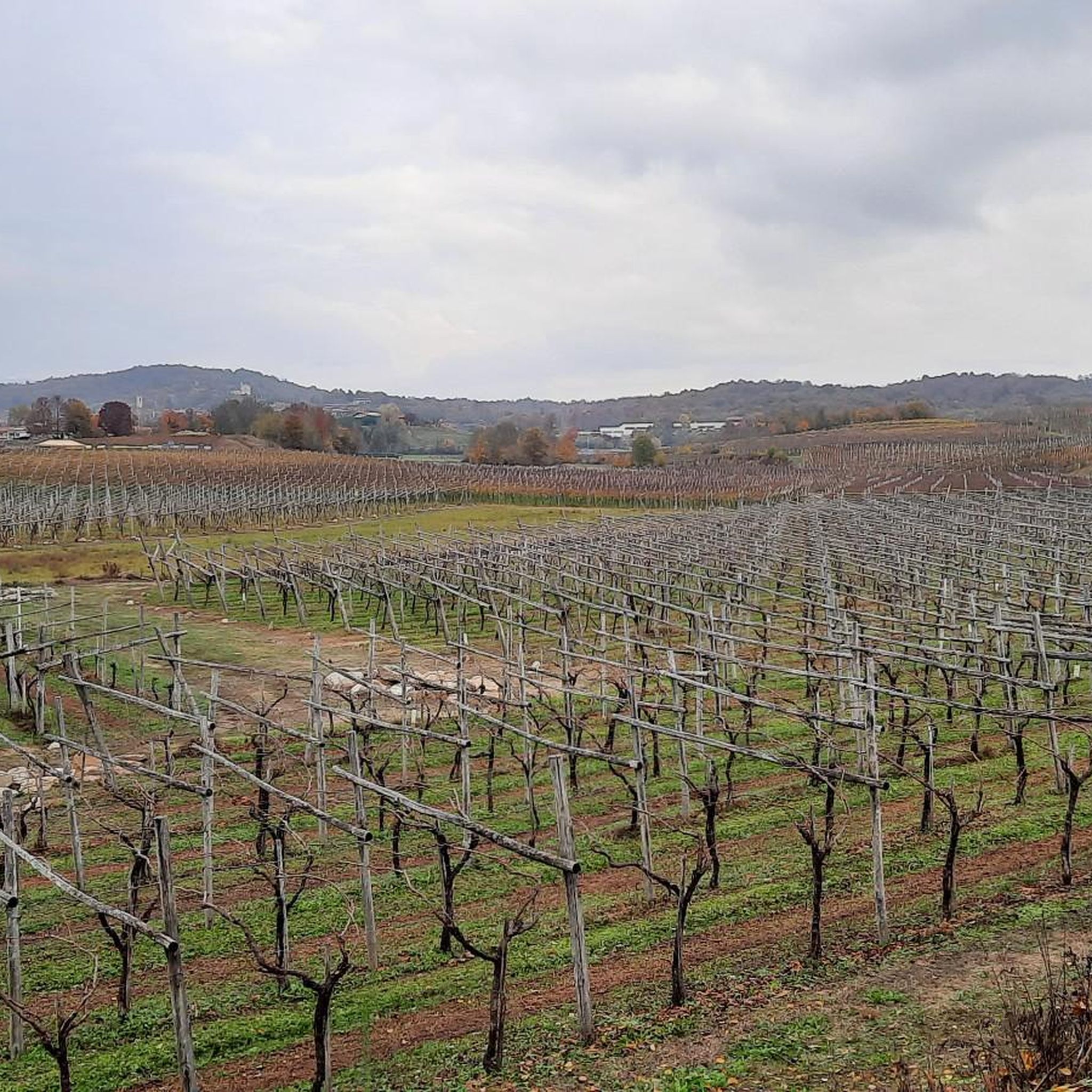
The area depicted in these images is located a short distance from the parking lot where it's best to leave your car and explore (on foot or by bike) the countless trails that surround the lake. This is one of the few truly accessible areas along the entire perimeter because, perhaps to protect the lake's fragile ecosystem, the trail that circles it is kept at a constant distance. In any case, aside from the lake, the entire surrounding rural area is worth a visit, still pleasantly unspoiled. A trip in autumn is highly recommended for the myriad colors of the vegetation. Both cyclists and walkers should be careful, as I didn't notice any distinction between trails reserved for mountain bikes and those reserved for pedestrians; many secondary paths have dead ends!
0
0

Beautiful old town with imposing buildings and views of the mountains.
0
0

we were lucky enough to find it open and so in addition to the bike ride, there was also a Christian visit to the crypt
0
0

The castle is beautiful but not open to visitors. The view from the park in the square in front of the nearby church is beautiful...
0
0
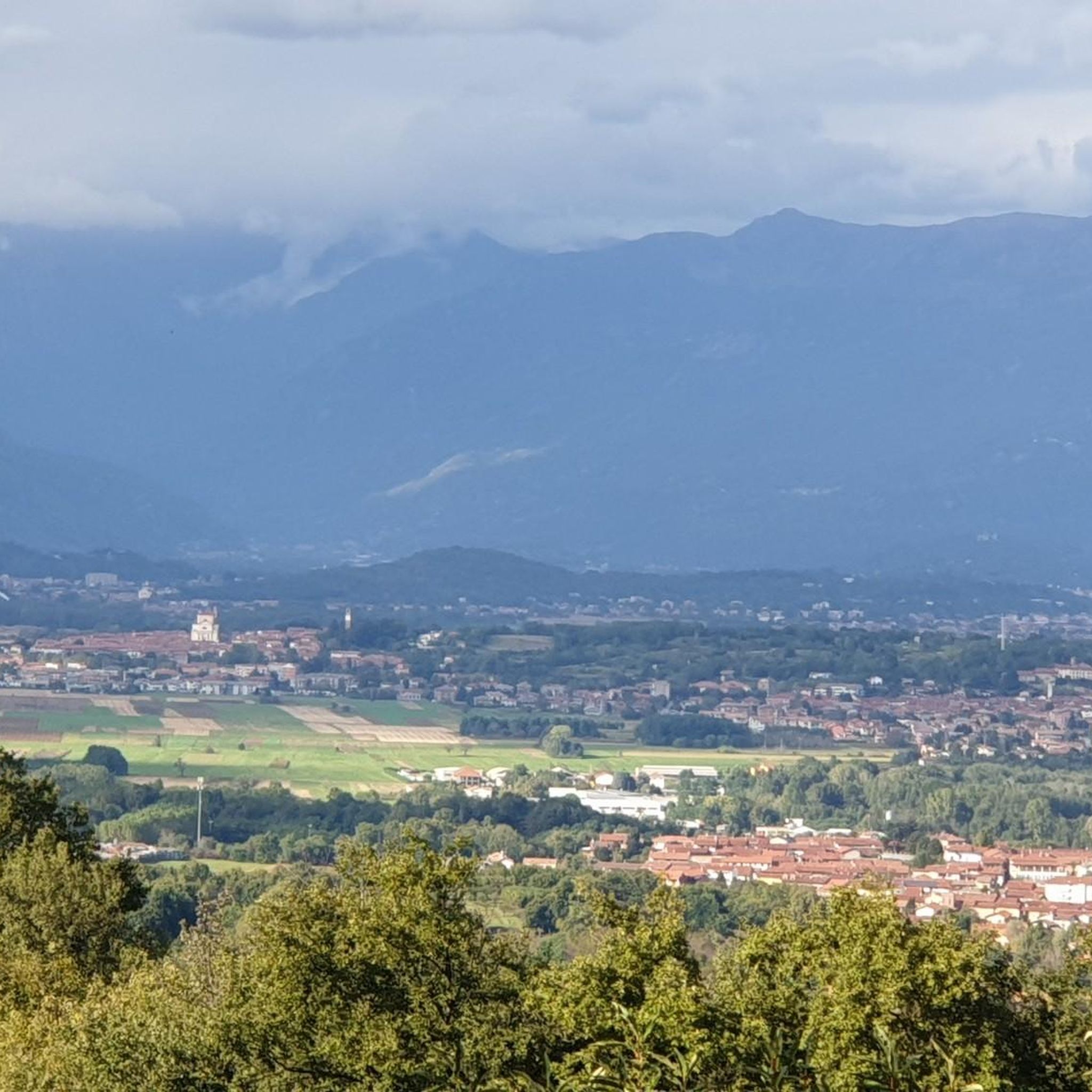
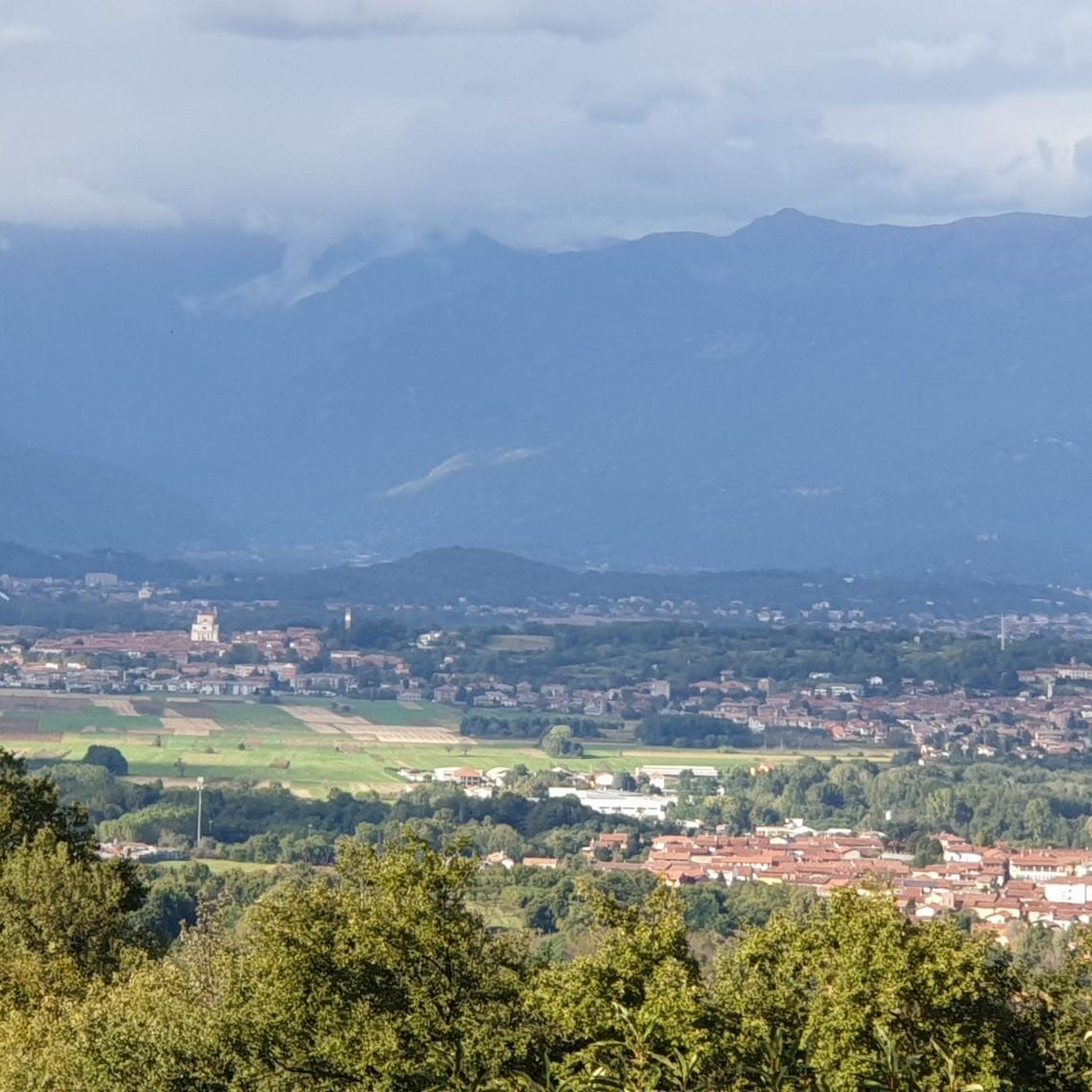
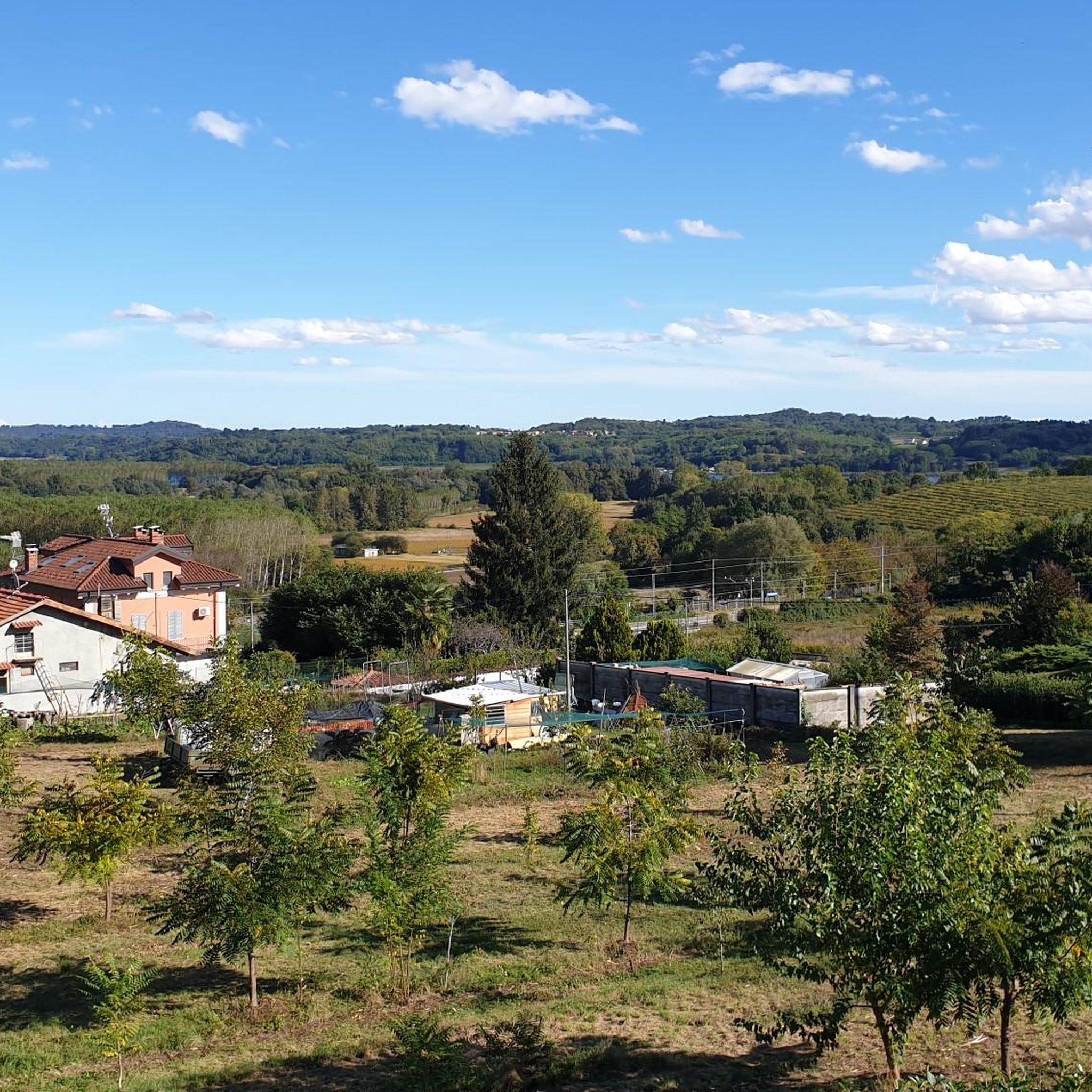
View from the park on the Dora river, on the dam and on the surrounding villages: Villareggia - Cigliano - Saluggia and on clear days up to the Monferrato hills
0
0
A photo on the park's pier is a must. Stunning view...
0
0

Agliè, an enchanting village in the heart of Canavese, boasts a thousand-year history that has its roots in the Roman era. The original nucleus, probably located on the hills of the current hamlet of Santa Maria delle Grazie, was known as "Macunciacum" and depended on the Abbazia Fruttuaria di San Benigno. Agliè, as a fortified village, emerges in documents in 1141, when the feudal lords of Canavese divided the territory. The town became one of the lands of the San Martino di Rivarolo and Agliè, a family that would profoundly mark the history of the village. Despite the feudal struggles that raged in the region, Agliè maintained relative stability, even if it was not immune to looting and devastation. With the arrival of the Savoy, Agliè experienced a period of growth and development. In 1448, the village obtained municipal statutes, a sign of autonomy and recognition. The most emblematic figure of this period was Count Filippo San Martino di Agliè, a man of culture and prominent politician. Minister of Cristina of France, regent of the Duchy of Savoy, Filippo transformed the castle of Agliè into a sumptuous residence, enriching it with works of art and gardens. Today, Agliè is a village that preserves its historical and artistic charm intact. The Ducal Castle, with its gardens and richly decorated rooms, is an unmissable destination for visitors. The streets of the village, with their stone houses and noble palaces, tell the story of a place that has managed to preserve its identity over the centuries.
0
0
Frequently Asked Questions
What natural features can I explore around Montalenghe?
Montalenghe is situated within the impressive Ivrea Morainic Amphitheater, offering picturesque landscapes formed by ancient glaciers. You can visit the Lake Candia, which is part of a Natural Park and offers opportunities for physical activity around its perimeter. Within Montalenghe itself, you'll find the Antica fonte di Lussana, an ancient spring, and the Pietra del Vais, an interesting erratic boulder.
What historical castles can I visit in the Montalenghe area?
The region around Montalenghe is rich in historical castles. Notable ones include the Mazzè Castle, which offers splendid views of the Dora Baltea. Other significant castles in the surrounding Canavese region are the Castello Ducale in Agliè, Castello di Foglizzo, Castello di Parella, Castello di Pavone, Castello di Montalto Dora, Castello Vescovile, and Castello d'Azeglio. Montalenghe also has its own suggestive Medieval Castle and the Villa Seicentesca detta Castello.
Are there any religious sites of interest near Montalenghe?
Yes, there are several religious sites. In Montalenghe, you can visit the Chiesa di San Pietro and the Parrocchiale della Madonna delle Grazie e dei Santi Pietro e Paolo. Nearby, the Church of Santo Stefano in Candia is a Romanesque building reachable by road or paths, and the Sanctuary of the Blessed Virgin of Sorrows of Cuceglio offers panoramic views from its Baroque-style church.
What unique cultural insights can I find within Montalenghe itself?
Montalenghe offers a glimpse into local culture through its Vasca del Broi e Murales, which are paintings, decorations, and architectural elements depicting life and characters of the village. The Priorato San Carlo Borromeo - Fraternità San Pio X is another cultural site of interest within the village.
What do visitors particularly enjoy about the attractions around Montalenghe?
Visitors appreciate the historical significance and scenic views. For instance, the Mazzè Castle is loved for its medieval charm and splendid views of the Dora Baltea. Lake Candia is popular with families, especially in summer, for its natural beauty and opportunities for physical activity. The Church of Santo Stefano in Candia is noted for its accessibility and picnic facilities.
Are there family-friendly attractions around Montalenghe?
Absolutely. Lake Candia is a popular spot for families, especially in summer, offering a natural park setting. The historic town center of Agliè is also considered family-friendly, with its charming streets and Ducal Castle. Many of the religious buildings, like the Sanctuary of the Blessed Virgin of Sorrows of Cuceglio, are accessible and offer pleasant surroundings.
What outdoor activities, like cycling or hiking, can I do near Montalenghe's attractions?
The area around Montalenghe is excellent for outdoor activities. You can find numerous routes for road cycling, touring bicycles, and gravel biking. For example, there are easy road cycling loops like the 'Agliè Ducal Castle loop from San Giorgio Canavese' or more challenging gravel biking routes around Lake Candia. You can explore various cycling routes in the area by visiting the Road Cycling Routes around Montalenghe, Cycling around Montalenghe, and Gravel biking around Montalenghe guides.
Are there easy walking paths or trails suitable for a relaxed outing?
Yes, for a relaxed outing, you can walk around Lake Candia, which offers a path within its Natural Park. The Church of Santo Stefano in Candia is also reachable via a comfortable road or a network of paths, making it suitable for an easy walk with picnic opportunities.
What is the best time of year to visit Montalenghe for outdoor activities?
The Canavese region, including Montalenghe, is particularly pleasant for outdoor activities from spring through autumn. Summer is popular for visiting Lake Candia. The mild weather during these seasons is ideal for exploring castles, natural sites, and enjoying cycling or walking routes.
Are there attractions around Montalenghe that offer parking facilities?
Many attractions in the region are accessible by car and offer parking. For example, the Church of Santo Stefano in Candia has convenient parking a little further downstream. When visiting castles or natural parks, parking is generally available nearby, though it's always good to check specific location details.
Are there any accessible attractions for visitors with mobility needs?
While specific accessibility details for all attractions are not provided, many of the historical sites and natural areas in the region are generally accessible to varying degrees. For instance, the Church of Santo Stefano in Candia is reachable via a comfortable road. It's advisable to check with individual sites for detailed accessibility information before your visit.
Where can I find cafes or places to eat near the attractions?
The historic town centers, such as Agliè, will typically have cafes and restaurants. Smaller villages like Montalenghe will have local establishments. For attractions like Church of Santo Stefano in Candia, there are picnic tables in the outside area, suggesting it's a good spot to bring your own food or find options in nearby Candia Canavese.
Are there any hidden gems or less-known spots worth discovering in Montalenghe?
Beyond the main castles, consider exploring the local cultural elements within Montalenghe itself, such as the Vasca del Broi e Murales, which offer unique insights into local life. The Antica fonte di Lussana and the Pietra del Vais are also interesting natural features that might be less frequented than the larger attractions.
Most popular routes around Montalenghe
Most popular attractions around Montalenghe

Get inspired with the komoot mobile app


Explore more
Still not found the Highlight you’re looking for? See guides of the top attractions in other regions:
