Attractions and Places To See around Burolo - Top 20
Best attractions and places to see around Burolo include a mix of historical landmarks and natural features within the Metropolitan City of Turin, Piedmont. The area provides access to diverse natural and cultural attractions. Visitors can explore ancient defensive structures, unique natural monuments, and significant archaeological sites. This region offers a variety of outdoor experiences and historical insights.
Best attractions and places to see around Burolo
- The most popular attractions is Gate Tower and Corner Tower of Piverone, a…
Last updated: May 9, 2026
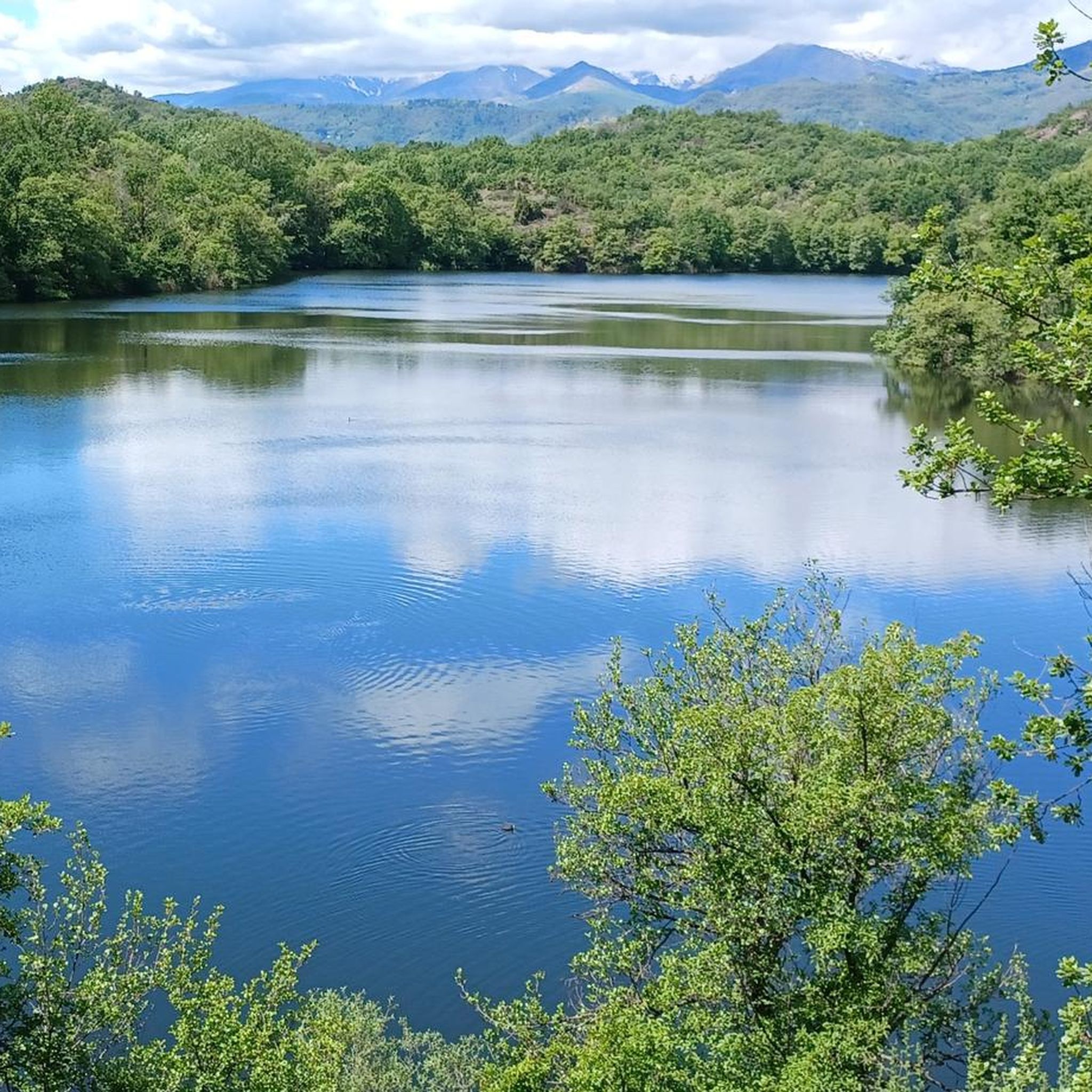
Lake Pistono and the Archaeological Park of the Stilt Houses
Highlight • Lake
Translated by Google •
Tip by

The Dancing Lands
Highlight • Natural Monument
Translated by Google •
Tip by

Sign up now to discover places like this
Get recommendations on the best single tracks, peaks, & plenty of other exciting outdoor places.
Sign up for free
Ivrea Historic Centre and the Dora Baltea Riverside
Highlight • Historical Site
Translated by Google •
Tip by

Bessa Gold Mining Archaeological Site
Highlight • Natural Monument
It is located between Biella and Ivrea, included in the municipalities …
Translated by Google •
Tip by

Gate Tower and Corner Tower of Piverone
Highlight • Historical Site
*Ancient shelter of which the access tower to the village (clock tower) and the north-east corner tower of the walls, from the 13th century, have …
Translated by Google •
Tip by
Sign up for free to discover even more attractions around Burolo.
Sign up for free
Already have an account?
Start today with a free account
Your next adventure awaits.
Login or Signup

Tips from the Community

Must do, at least once, interesting place.
1
0

It is a unique place of its kind. In a rather small and circumscribed area 2 steps from the Montalto lake (also called "Rabbit" lake) there is an area with a very dark soil composed of water, peat, earth and medium-sized trees. Especially when the ground is wet or it has rained previously if you jump on the surface, it moves creating small waves making the surrounding trees dance. A real show! You can reach the dancing lands from 2 different dirt tracks. For those with good technical skills the entry or exit paths in both directions are also fun to pedal.
0
0

Regardless of whether you reach the Serra di Ivrea or not, even wandering around these lakes, taking advantage of the good signage present, pays off! There is a nice variety of environments and paths, from single track to dirt road, ending on cobblestone sections, never too banal, especially in the wet... the lake environments are beautiful, given that most of these lakes are not very urbanized, the stilt houses rebuilt on the shore of Lake Pistono are very beautiful, they certainly deserve a stop. Places also suitable for children, given that in the lake area the differences in altitude are very modest... just watch out for hikers, because the paths are open to everyone!
2
0

Passage made during Erratico Gravel
0
0

In this beautiful peat bog in Montaldo Dora there is a very particular natural phenomenon, which gives the place its name. The Terre Ballerine are in fact called this way because of the particular consistency of the ground, which makes those who walk on it feel like they are walking on a mattress.
1
0


Monuments and places of interest: *Ancient shelter of which the access tower to the village (clock tower) and the north-east corner tower of the walls, from the 13th century, have been preserved *Church of Gesiùn, ruins of the ancient church of Livione, dating back to the 10th century *Romanesque bell tower of San Pietro di Subloco, dating back to the 10th century *Parish Church of Saints Peter and Lawrence
7
0
Ivrea, the cradle of the Olivetti company and its famous typewriters, is located on the right bank of the Dora Baltea, west of the Serra di Ivrea, the largest moraine wall in Europe. The silhouette of a 14th century castle rises above the city. In the upper town there is also the originally Romanesque Duomo, which was renovated in the 19th century. On the other bank of the Dora, near Via Jervis, the old Olivetti factories have been converted into Musea dell'Architecture Moderna.
8
0
Frequently Asked Questions
What unique natural phenomena can I experience near Burolo?
Near Burolo, you can visit The Dancing Lands, a fascinating natural monument where the soil, composed of peat, rests on water. Walking or jumping on it creates an elastic, moving sensation, and nearby plants will sway. It's a truly unique experience.
What historical landmarks can I explore in and around Burolo?
Burolo and its surroundings are rich in history. You can explore the Gate Tower and Corner Tower of Piverone, which are preserved 13th-century defensive structures including the village's clock tower. Other ancient sites include the ruins of the Church of Gesiùn and the Romanesque Bell Tower of San Pietro di Subloco, both dating back to the 10th century.
Are there any archaeological sites worth visiting near Burolo?
Yes, two significant archaeological sites are easily accessible. The area around Lake Pistono and the Archaeological Park of the Stilt Houses features a full-scale reconstruction of an ancient village from 6500 years ago. Additionally, the Bessa Gold Mining Archaeological Site, located between Biella and Ivrea, is a vast nature reserve with a 'lunar appearance' due to large mounds of stones left from ancient Roman gold mining activities.
What kind of outdoor activities are available near Burolo?
The region around Burolo offers diverse outdoor activities. You can find numerous routes for road cycling, gravel biking, and mountain biking. For example, there are challenging road cycling routes like 'Burnel di Nomaglio – Village of Andrate loop from Burolo' and moderate mountain bike trails such as 'Ciucarun and Bastia Tower Loop via Serra di Ivrea'. You can explore these and more on the dedicated guides for Road Cycling Routes around Burolo, Gravel biking around Burolo, and MTB Trails around Burolo.
Are there family-friendly attractions around Burolo?
Absolutely. Many attractions are suitable for families. Lake Pistono and the Archaeological Park of the Stilt Houses offers both natural beauty and an engaging historical reconstruction. The Dancing Lands provide a fun, interactive natural experience. The Bessa Gold Mining Archaeological Site is also marked as family-friendly, offering a unique landscape to explore. Even the Ivrea Historic Centre is considered family-friendly, with its castle and riverside walks.
What is there to see in Ivrea, which is near Burolo?
Ivrea, a neighboring municipality, is a significant cultural hub. Its Historic Centre and the Dora Baltea Riverside features a 14th-century castle and a Romanesque Duomo. Ivrea is also known as the birthplace of the Olivetti company, with former factories now converted into a Museum of Modern Architecture. The 'Industrial City of the 20th Century' has been recognized as a UNESCO World Heritage site.
What do visitors enjoy most about the attractions near Burolo?
Visitors particularly enjoy the unique experiences offered. For The Dancing Lands, the sensation of walking on elastic ground due to the peat bog is often highlighted as impressive and worth trying. At Lake Pistono, the splendid views of the lake and Montalto castle are frequently praised, along with the detailed information provided at the archaeological park.
Are there any long-distance walking or cycling routes passing through the Burolo region?
Yes, the historic Via Francigena, an ancient pilgrimage route stretching from Canterbury to Rome, passes through this region. It offers a scenic journey through lakes, vineyards, and villages, showcasing Romanesque and medieval art, making it ideal for long-distance hiking or cycling enthusiasts.
What is the Bessa Gold Mining Archaeological Site and what makes it unique?
The Bessa Gold Mining Archaeological Site is a vast nature reserve between Biella and Ivrea. Its uniqueness comes from its 'lunar appearance,' characterized by large mounds of stones. These mounds are the result of extensive gold mining by the Ictimuli, exploited by the Romans over two millennia ago, making it one of the largest open-pit gold mines in the ancient world. It's also part of the Serra moraine, considered the largest in Europe.
What kind of historical structures can be found in Piverone near Burolo?
In Piverone, you can find well-preserved 13th-century defensive structures, including the Gate Tower and Corner Tower. The access tower to the village, also known as the clock tower, and the north-east corner tower of the walls are notable examples. The village also features the ruins of the ancient Church of Livione (Church of Gesiùn) and the Romanesque bell tower of San Pietro di Subloco, both from the 10th century.
What is the best time to visit Burolo for outdoor activities?
While specific monthly climate data isn't provided, Piedmont generally experiences pleasant weather for outdoor activities during spring (April-June) and autumn (September-October). These seasons offer milder temperatures, making them ideal for exploring historical sites, hiking, and cycling without the intense heat of summer or the chill of winter.
Most popular attractions around Burolo

Get inspired with the komoot mobile app


Explore more
Still not found the Highlight you’re looking for? See guides of the top attractions in other regions:
