Attractions and Places To See around Mühlbach - Rio Di Pusteria - Top 20
Best attractions and places to see around Mühlbach - Rio Di Pusteria, a village in South Tyrol, is situated between the Eisacktal and Pustertal valleys. This region features a blend of historical landmarks, natural landscapes, and cultural sites. It serves as a gateway to the Val Pusteria, offering access to alpine pastures, valleys, and historical village centers. The area provides opportunities for exploring both natural features and man-made monuments.
Best attractions and places to see around Mühlbach - Rio Di Pusteria
- The most popular attractions is Pfitscherjoch Border Crossing, a mountain pass that marks the border between Austria and Italy. After a hike, visitors can cross the boundary stone to South Tyrol amidst mountain scenery.
- Another must-see spot is Fane Alm, a settlement and community alpine pasture. It consists of residential huts, hay huts, cattle stables, a small church, and three alpine taverns, maintaining its rustic character.
- Visitors also love Pfitscherjochhaus / Rifugio Passo di Vizze, a hut located at 2,276 meters above sea level. It offers refreshment services with typical cuisine and overnight stay options.
- Mühlbach - Rio Di Pusteria is known for its historical sites, alpine villages, and mountain passes. The region offers a variety of attractions to see and explore, from ancient fortresses to natural viewpoints.
- The attractions around Mühlbach - Rio Di Pusteria are appreciated by the komoot community, with over 1500 upvotes and more than 740 photos shared across 143 highlights.
Last updated: October 9, 2026
Pfitscherjoch Border Crossing
Highlight • Mountain Pass
Translated by Google •
Tip by

Pfitscherjochhaus / Rifugio Passo di Vizze
Highlight • Mountain Hut
Translated by Google •
Tip by

Sign up now to discover places like this
Get recommendations on the best single tracks, peaks, & plenty of other exciting outdoor places.
Fane Alm
Highlight • Settlement
It was founded in the Middle Ages when the plague was raging in the country and people found protection from the plague in the remote high valley.
The alpine village remained intact even after the plague subsided and the population returned to the valley and has survived to this day.
Translated by Google •
Tip by

Mühlbacher Klause Castle
Highlight • Castle
Translated by Google •
Tip by

Covered wooden bridge over the Rienz
Highlight • Bridge
Translated by Google •
Tip by

Sign up for free to discover even more attractions around Mühlbach - Rio Di Pusteria.
Already have an account?
Start today with a free account
Your next adventure awaits.
Popular around Mühlbach - Rio Di Pusteria
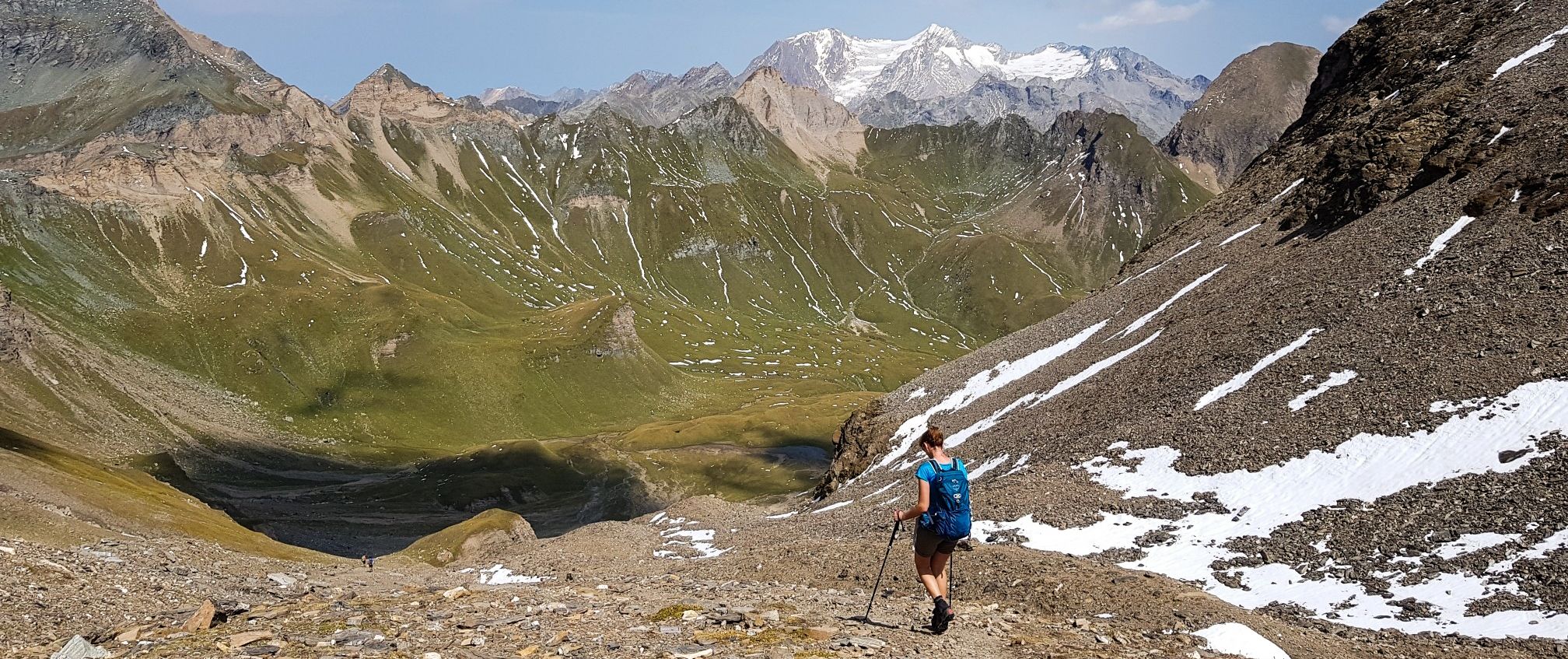
The Pfunderer High Route – Alpine. Solitary. Breathtaking.
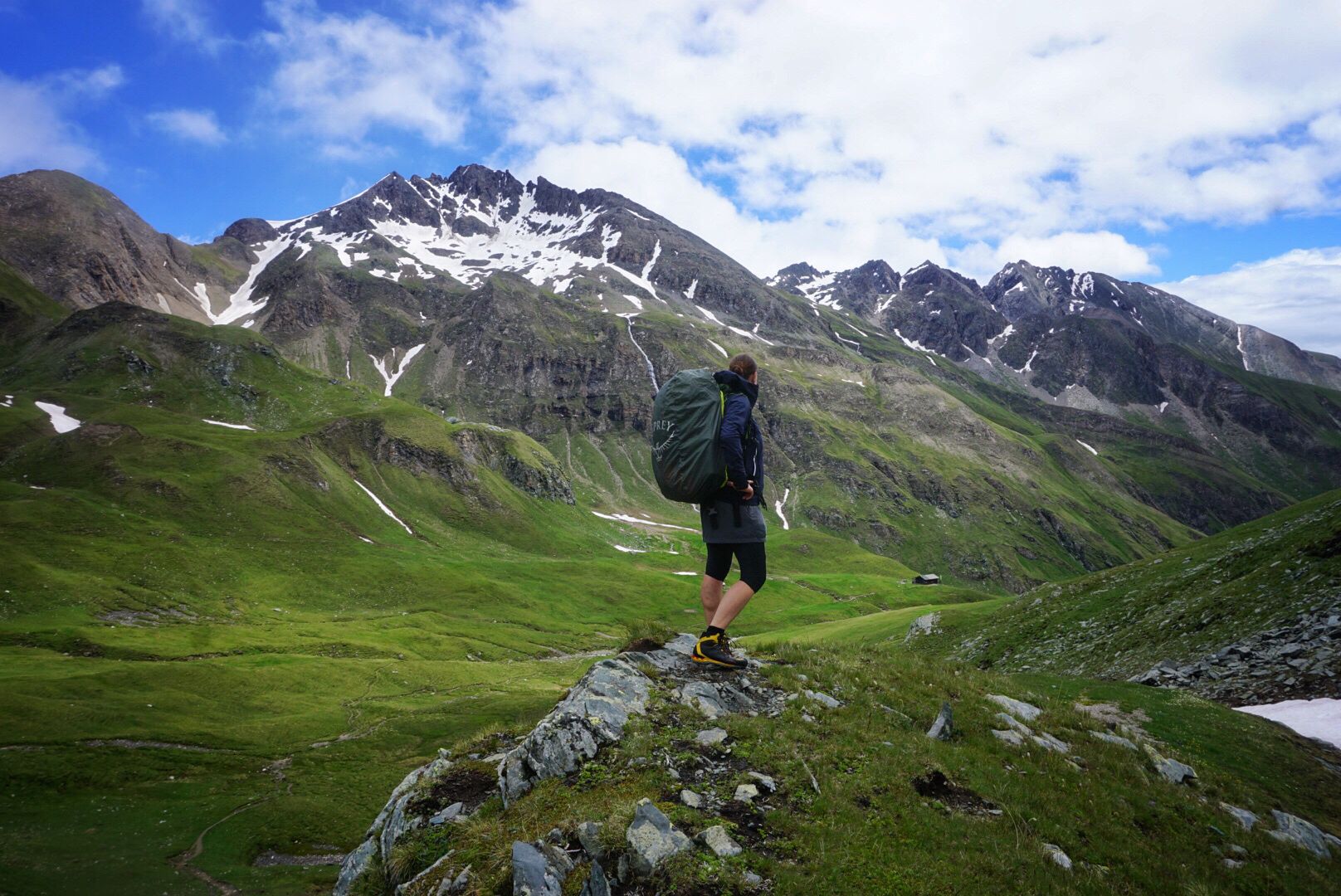
Pfunderer Mountain Trail in South Tyrol – high alpine hiking
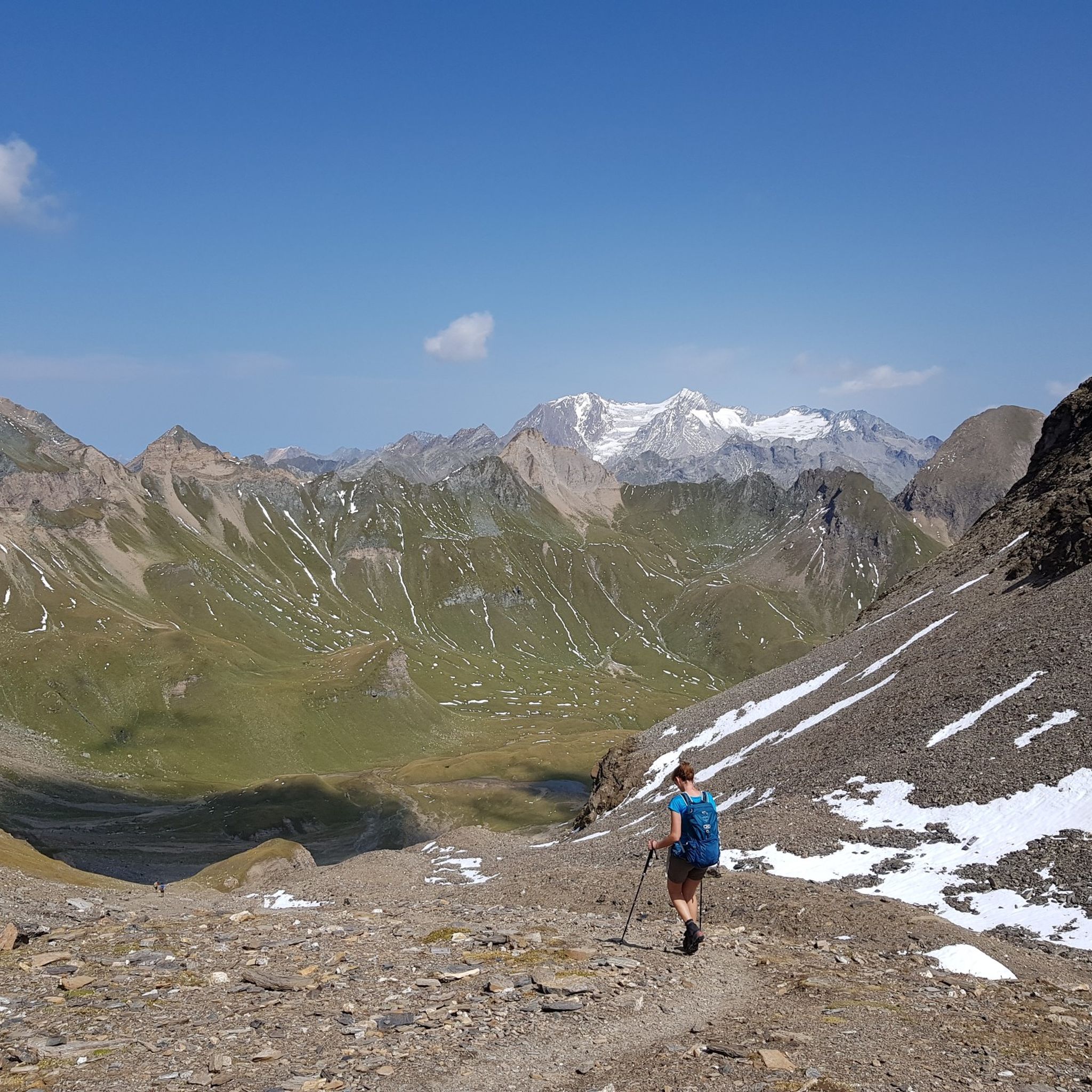
Hiking around Mühlbach - Rio Di Pusteria
MTB Trails around Mühlbach - Rio Di Pusteria
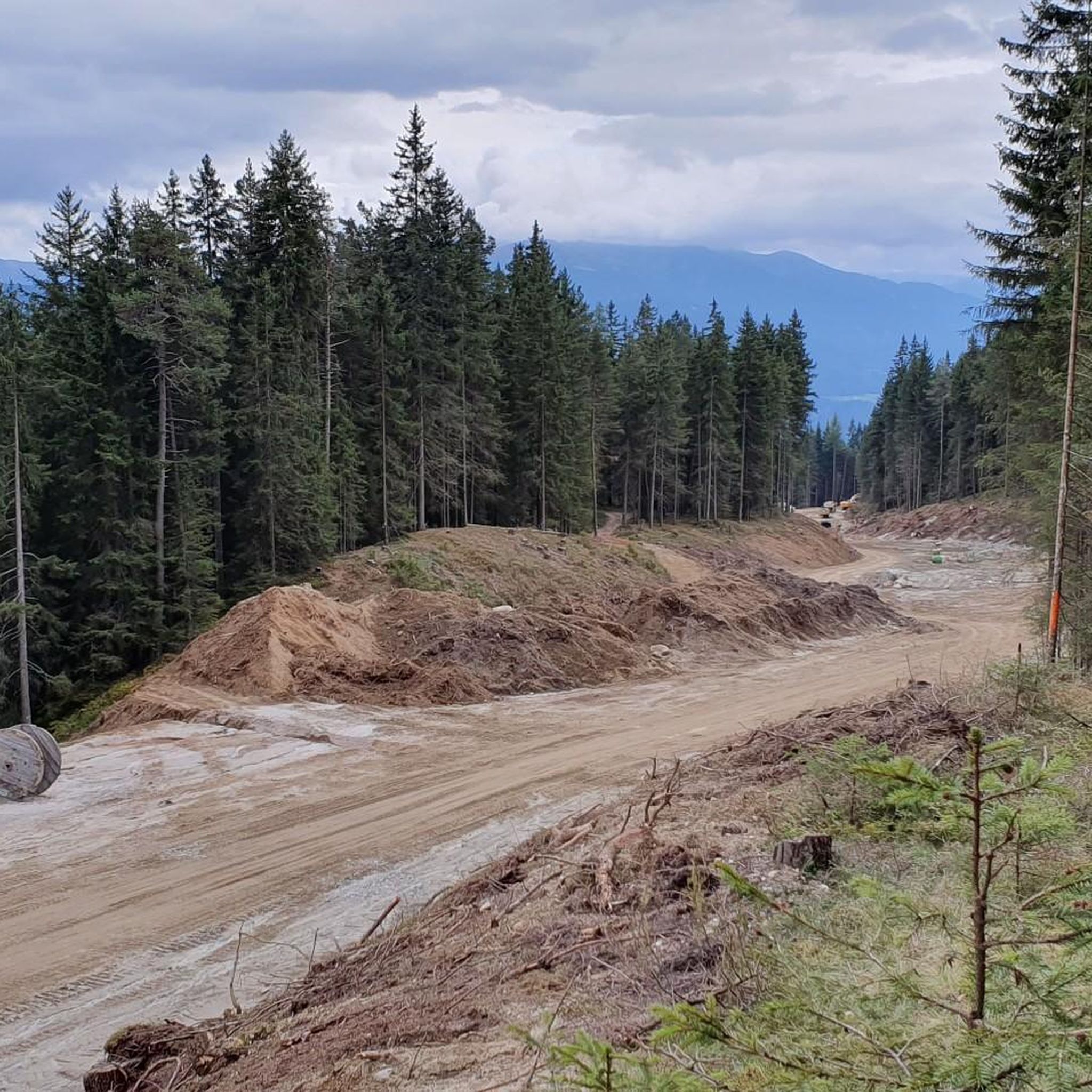
Cycling around Mühlbach - Rio Di Pusteria
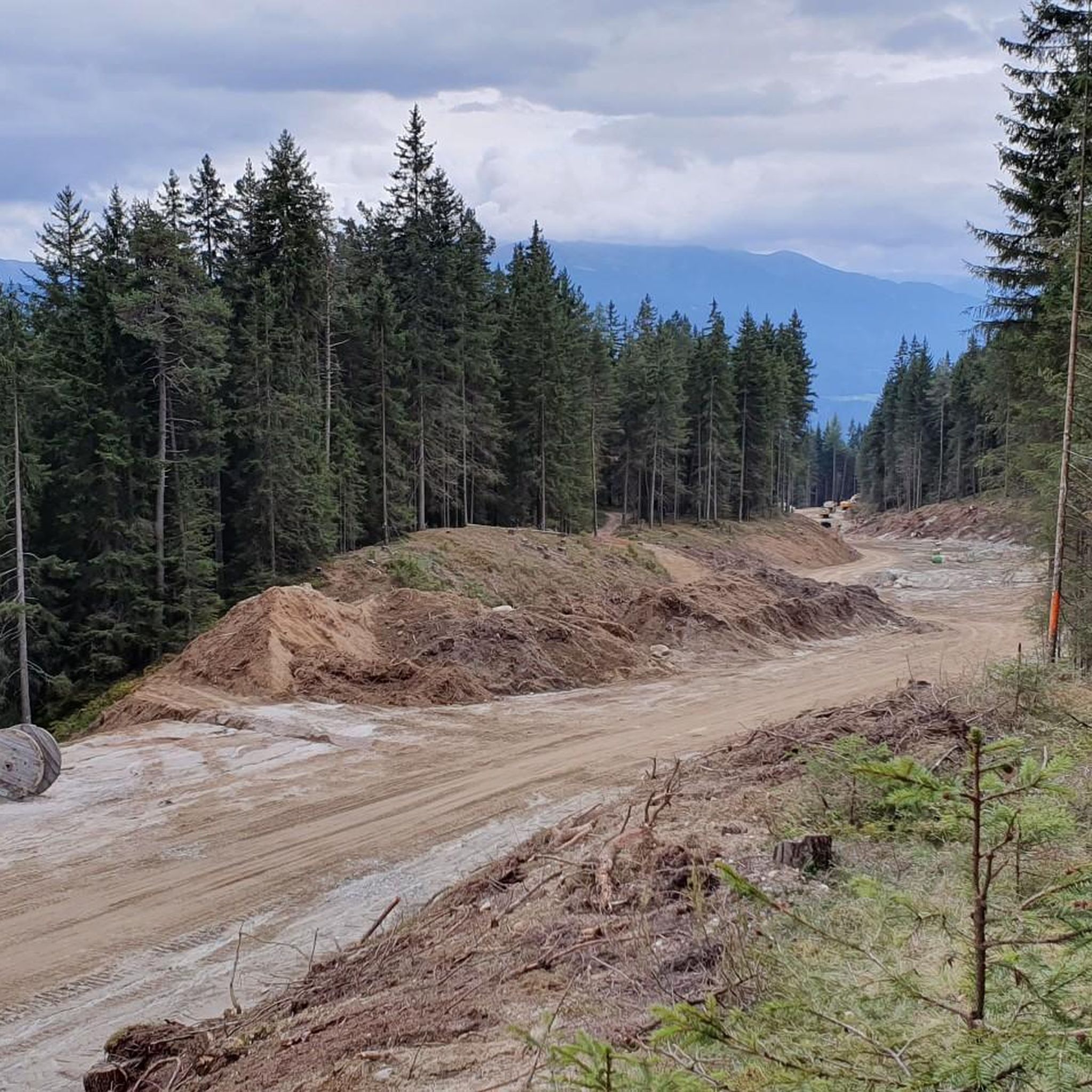
Road Cycling Routes around Mühlbach - Rio Di Pusteria
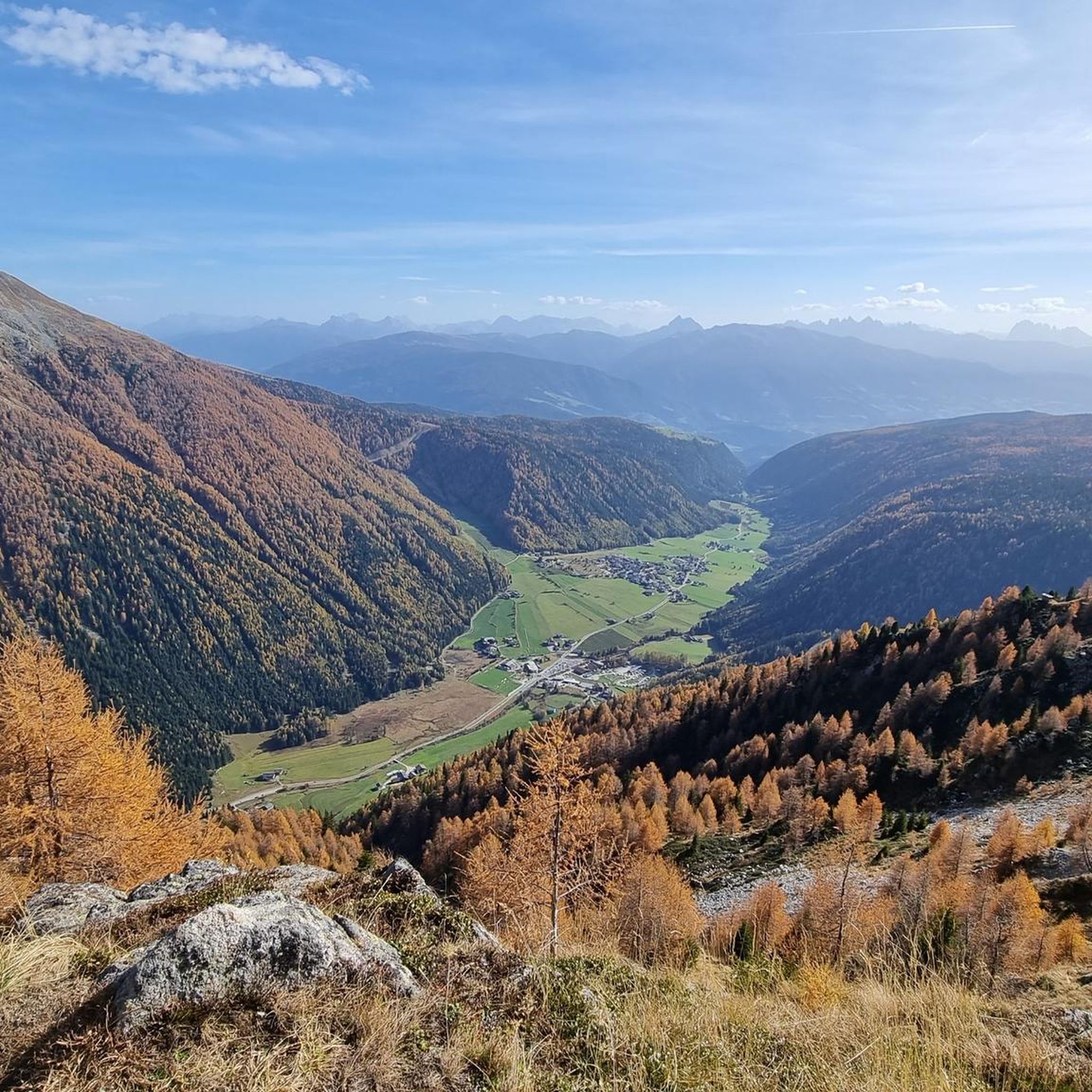
Running Trails around Mühlbach - Rio Di Pusteria
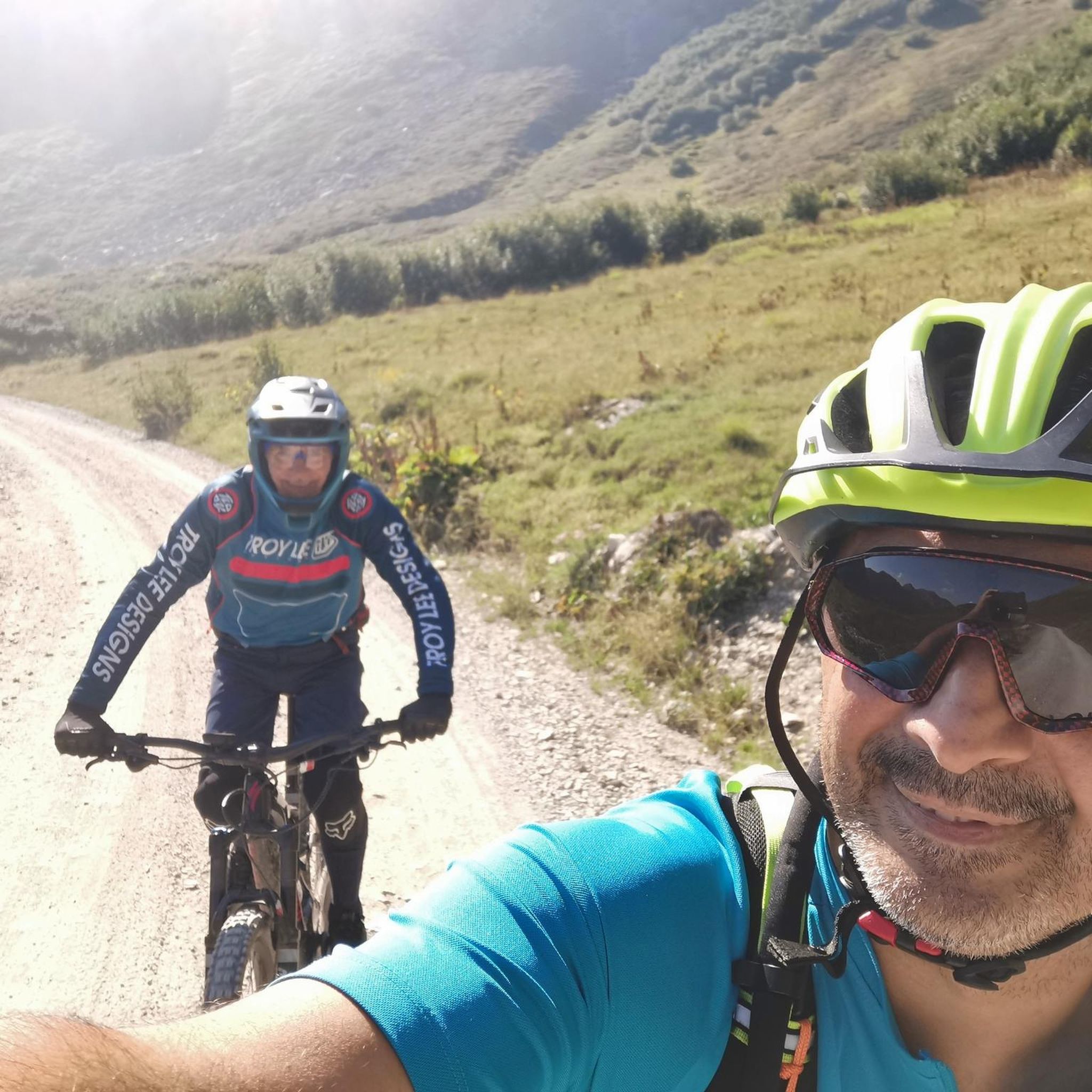
Mountain Hikes around Mühlbach - Rio Di Pusteria
Gravel biking around Mühlbach - Rio Di Pusteria
Other adventures around Mühlbach - Rio Di Pusteria


Tips from the Community

The Rifugio Passo di Vizze is located at 2,276 meters above sea level on the Italian-Austrian border, in the Ötztal Alps. It offers a refreshment service with typical cuisine and the possibility of overnight stays. It is open seasonally and for updated information on opening periods and reservations, we recommend visiting the official website of the refuge: www.pfitscherjochhaus.com
1
0

Unfortunately closed: no viewing
4
0
The Rienz rises at the foot of the Three Peaks at an altitude of around 2200 m and flows into the Eisack near Brixen at an altitude of 565 m after around 80 kilometers of river. With a catchment area of over 2143 km², it drains the Pustertal and is thus the most important tributary of the Eisack. The highest elevation in its catchment area is at 3498 m (Dreiherrenspitz). The largest tributaries of the Rienz are the Pragser Bach, Gsieser Bach, Antholzer Bach, Ahr, Gader, Pfunderer Bach and Lüsner Bach.
4
0

Until a few years ago, anyone who wanted to spend a holiday in the Pusteria Valley from Brenner or Salorno was forced to drive through the ruins of the Klusa of Rio Pusteria. Today, traffic no longer flows directly through this fortress.
4
0
These covered wooden bridges are always beautiful and impressive.
5
0

Great cycle paths with signage and a fantastic panorama.
5
0


Frequently Asked Questions
What are the main historical attractions in Mühlbach - Rio di Pusteria?
The region is rich in history. You can explore the imposing 15th-century Mühlbacher Klause Castle, which served as a strategic toll station and barricade. Guided tours are available from June to September, and it sometimes hosts medieval events. Another significant historical site is Fane Alm, an alpine village founded in the Middle Ages that served as a refuge during the plague. The historic village center of Mühlbach itself features stately manors and narrow streets, reflecting its past as a medieval trading hub.
Are there any family-friendly activities or attractions in the area?
Yes, Mühlbach - Rio di Pusteria offers several family-friendly options. The Mühlbacher Klause Castle occasionally hosts events like medieval knight games that are fun for all ages. Fane Alm, with its rustic alpine village setting and three taverns, is also considered family-friendly. The Gitschberg Jochtal Hiking and Skiing Area is a paradise for families in summer, offering numerous hiking paths. Additionally, the Rio di Pusteria Outdoor Pool provides a refreshing option on warm days.
What natural features and viewpoints can I explore around Mühlbach - Rio di Pusteria?
The region boasts stunning natural beauty. The Pfitscherjoch Border Crossing offers breathtaking mountain scenery and the unique experience of crossing the boundary stone into South Tyrol. The Vals Valley, home to Fane Alm, provides a wonderful landscape ideal for hiking. The Gitschberg Jochtal area is known for its idyllic alpine pastures and panoramic views. You can also find great views from the Pfitscherjochhaus / Rifugio Passo di Vizze, located at 2,276 meters above sea level.
What kind of hiking opportunities are available near Mühlbach - Rio di Pusteria?
Mühlbach - Rio di Pusteria is an excellent base for hiking. The Gitschberg Jochtal Hiking and Skiing Area offers countless paths through alpine pastures. For a unique experience, consider the hike to the Pfitscherjoch Border Crossing. You can find various routes, including challenging mountain hikes like the Brixner Hut – Wilder See loop or Fane Alm loops, by exploring the Mountain Hikes around Mühlbach - Rio Di Pusteria guide.
Are there cycling paths or mountain biking trails in the region?
Yes, the area is well-suited for cycling. The Pustertal Cycle Path starts directly in Mühlbach and extends to Lienz in Austria, offering a great option for cyclists. Alternatively, the Valle Isarco Cycle Path leads towards Brennero or Bolzano. For mountain biking enthusiasts, there are numerous trails, including routes like the Brixen Old Town loop or the Jochtal Hut – Stoanamandl Summit loop. Discover more options in the MTB Trails around Mühlbach - Rio Di Pusteria guide or the Gravel biking around Mühlbach - Rio Di Pusteria guide.
What is the best time of year to visit Mühlbach - Rio di Pusteria?
The best time to visit largely depends on your preferred activities. Summer (June to September) is ideal for hiking, cycling, and exploring the alpine pastures, with attractions like Mühlbacher Klause Castle offering guided tours. The Gitschberg Jochtal area is perfect for summer outdoor activities. In winter, the Gitschberg Jochtal transforms into an extensive skiing area, offering winter sports opportunities.
Can I find places to eat and drink near the attractions?
Absolutely. Fane Alm is home to three alpine taverns, offering a rustic dining experience. The Pfitscherjochhaus / Rifugio Passo di Vizze provides refreshment services with typical cuisine and is a great stop after a hike. The historic village center of Mühlbach itself has welcoming squares and various establishments. When visiting Brixen Old Town, you'll find many cafes and restaurants, including highly-rated ice cream parlors.
What is the Gitschberg Jochtal area known for?
The Gitschberg Jochtal area is a versatile destination, renowned as a paradise for families, hikers, and nature lovers in summer, with countless hiking paths and idyllic alpine pastures. In winter, it transforms into an extensive skiing area. It's also a gateway to cultural attractions like the Museum of Mountain Photography and the MMM Corones on the local mountain, Plan de Corones.
What is the significance of the Pfitscherjoch Border Crossing?
The Pfitscherjoch Border Crossing is a mountain pass that marks the border between Austria and Italy. It's a highlight for hikers, offering a unique experience of crossing a national border amidst beautiful mountain scenery. After a hike, visitors can reach the boundary stone to South Tyrol and continue to the Pfitscherjochhaus / Rifugio Passo di Vizze for refreshments.
Are there any notable churches or religious sites in Mühlbach - Rio di Pusteria?
Yes, the village is home to several significant ecclesiastical buildings. These include the Parish Church of Saint Helena, the Chapel of St. Florian, and the Mariahilf-chapel. These sites offer a glimpse into the region's religious heritage and architectural beauty.
What is the Historic Trail of Mühlbach?
The Historic Trail of Mühlbach offers a walk through 750 years of the village's past. It provides insights into the rich history of Mühlbach - Rio di Pusteria, allowing visitors to discover its evolution and significant historical points at their own pace.
What is Fane Alm and why is it a popular attraction?
Fane Alm is often called the most beautiful alpine village in South Tyrol. It's a community alpine pasture in the Vals Valley, comprising residential huts, hay huts, cattle stables, a small church, and three alpine taverns. Its popularity stems from its well-preserved rustic charm, historical significance as a refuge during the plague, and its picturesque setting amidst spectacular mountain scenery.
Most popular routes around Mühlbach - Rio Di Pusteria
Most popular attractions around Mühlbach - Rio Di Pusteria

Get inspired with the komoot mobile app


Explore more
Still not found the Highlight you’re looking for? See guides of the top attractions in other regions:
