Attractions and Places To See around Palestro - Top 20
Best attractions and places to see around Palestro are found in the Lomellina plain, a region rich in history and natural beauty. Situated along the Sesia River, Palestro is known for its historical significance as the site of a pivotal battle in the Second Italian War of Independence. The area also features sections of the Via Francigena, an ancient pilgrimage route. Visitors can explore a landscape characterized by flat plains and rice fields.
Best attractions and places to see around…
Last updated: July 2, 2026
Church of San Valeriano, Robbio
Highlight • Religious Site
A church …
Tip by

Hospitale Sancti Eusebi
Highlight • Rest Area
Translated by Google •
Tip by
Sign up now to discover places like this
Get recommendations on the best single tracks, peaks, & plenty of other exciting outdoor places.
Sign up for free
Nicorvo
Highlight • Settlement
Translated by Google •
Tip by
Basilica of Saint Andrew of Vercelli
Highlight • Religious Site
Translated by Google •
Tip by
Pedestrian and Cycle Bridge over the Cavo Crocettone
Highlight • Bridge
The Ponte ciclopedonale sul Cavo Crocettone in Vercelli, Italy, is a bicycle and pedestrian bridge. This bridge provides a safe passage for both cyclists and …
Translated by Google •
Tip by
Sign up for free to discover even more attractions around Palestro.
Sign up for free
Already have an account?
Start today with a free account
Your next adventure awaits.
Login or Signup

Tips from the Community

Church of San Valeriano
0
0


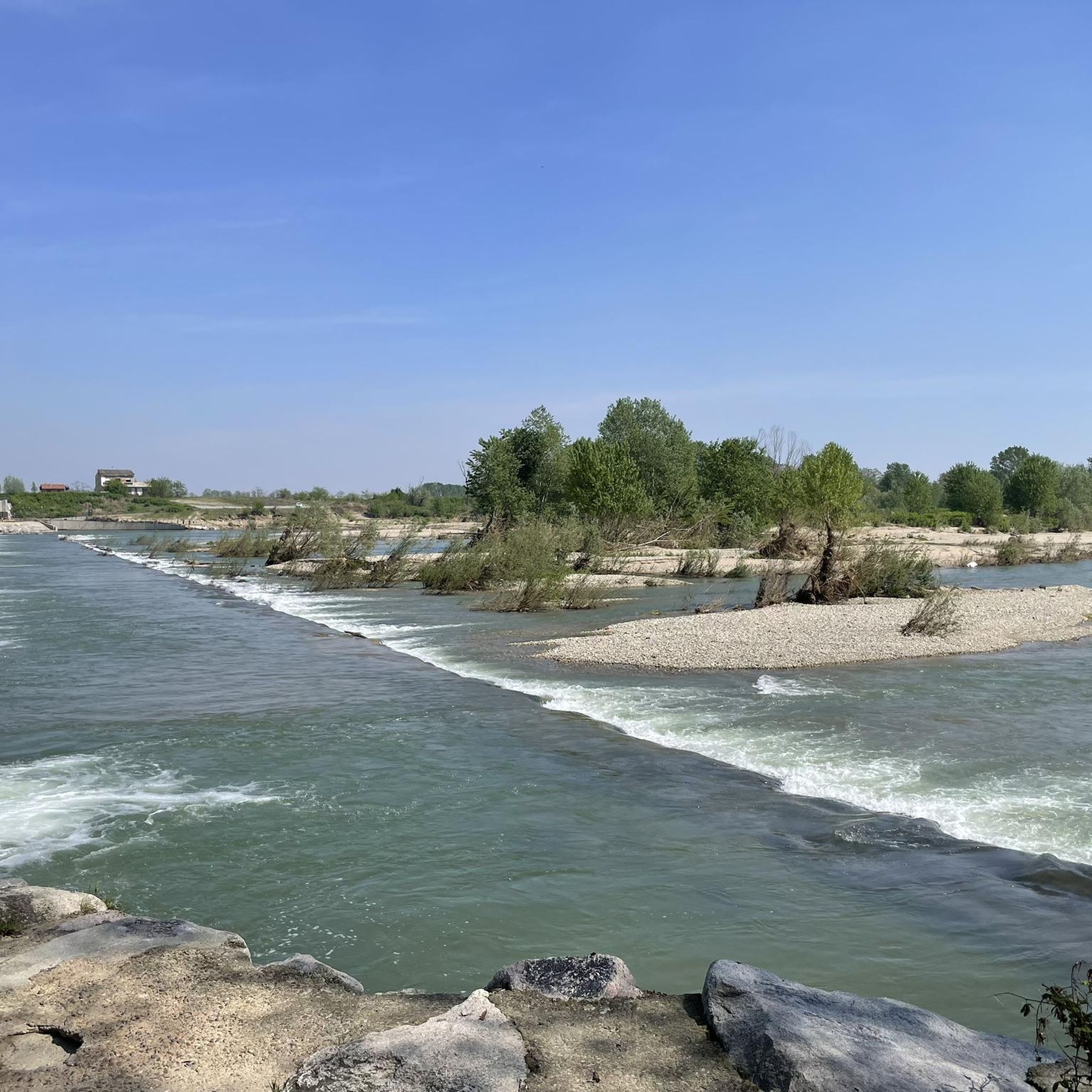
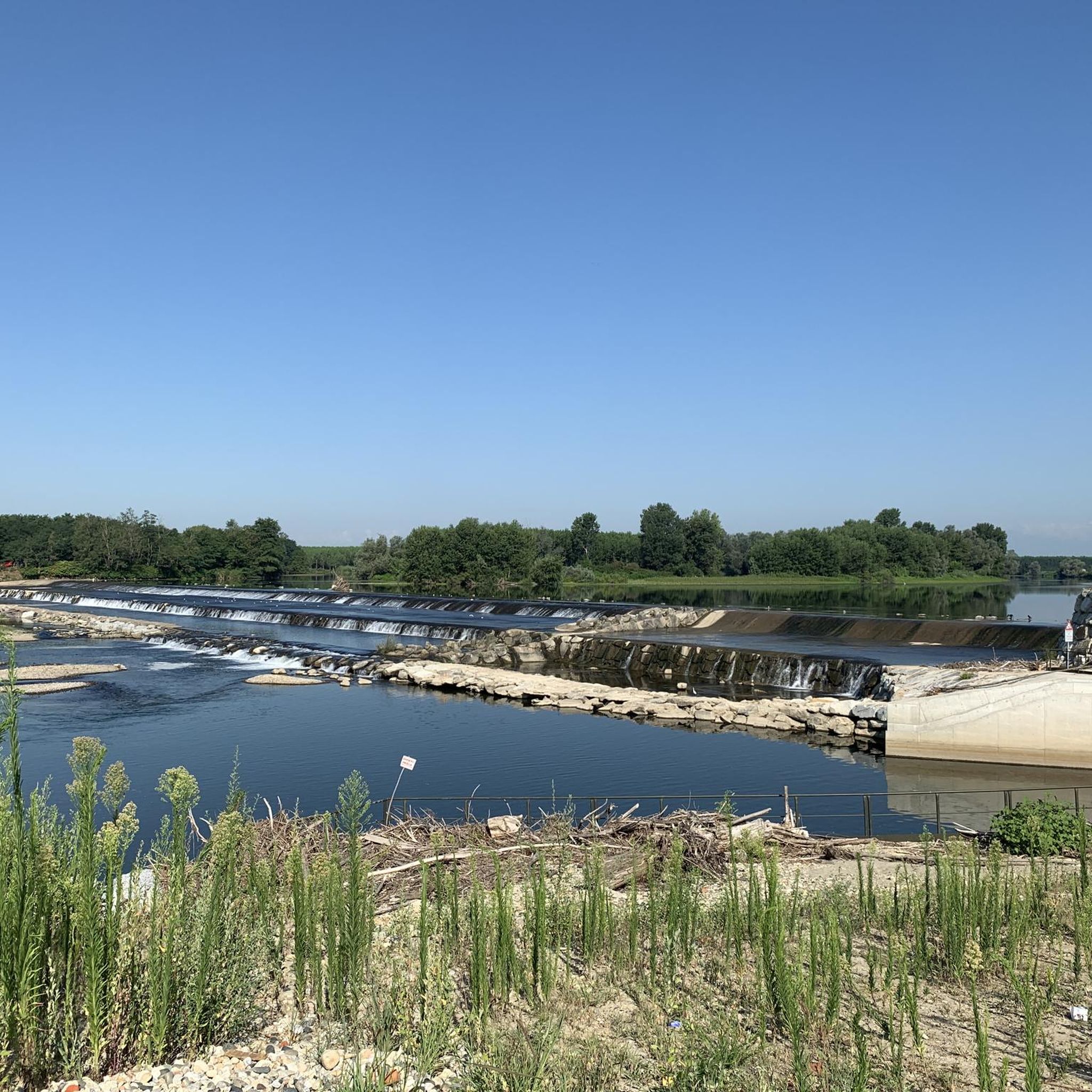
The work 🚧 is finished, and now the bridge is passable again. The previous stretch is often muddy 💩 after the rains.
0
1
Medieval monument in Robbio (12th century), it has preserved its simple Romanesque decoration. Entirely in terracotta, it stood near the gate of San Pietro, on the road to Mortara, and there was an adjoining hospital, mentioned in the chronicles as early as the 13th century.
0
0


A historically important route is the stretch of the Via Francigena in Lomellina which, coming from Robbio, crosses the entire town and allows you to pass by the eighteenth-century sanctuary of the "Madonnina" and the parish church of S. Terenziano (seventeenth century). The route is marked by volunteers to facilitate the passage of pilgrims. In the village there is a hospice near the parish house run by volunteers. As you pass in front of the "Madonnina", it is possible to notice a majestic and centuries-old magnolia behind it. Wikipedia
3
0
Nicorvo is a charming comune in the Italian province of Pavia, located in the Lombardy region. With a population of 385 inhabitants and an area of 8.2 km², it is located in the northern part of the Lomellina, near the left bank of the Agogna river. The economy of Nicorvo is mainly based on agriculture, with a particular focus on rice cultivation,
3
0
Hospitale Sancti Eusebi in Vercelli, Italy, is a welcoming place for pilgrims on the Via Francigena. This hostel is open all year round for pedestrians and cyclists. Please note that there is no reception for pilgrims on horseback. For group reception, you must book in advance. The opening hours are from 14:00 to 22:00. In the winter months (October-February) hot water is available for showers and heating is provided on one floor of the accommodation (kitchen + room with 6 beds). It is recommended to bring a warm sleeping bag. Within a radius of 200 meters you will find a church, a bus stop, an ATM, a bar/restaurant, a supermarket, a pharmacy and a residential area. Within 1 kilometer you will find the train station and the hospital. Smoking is prohibited throughout the property and pets are not allowed. The reception is only open during fixed hours. For direct contact you should look up the contact details on the internet. The Hospitale Sancti Eusebi offers a simple and welcoming place for pilgrims following the Via Francigena.
8
0
Frequently Asked Questions
What historical sites can I visit in Palestro?
Palestro is rich in history, particularly related to the Second Italian War of Independence. You can visit the Ossuary of Palestro, which houses the remains of those who fell during the Battle of Palestro in 1859. Additionally, explore various Commemorative Plaques and Battle Sites throughout the landscape to retrace the decisive engagement where Piedmontese troops defeated the Austrian Empire.
Are there any significant religious buildings to see around Palestro?
Yes, several notable religious sites are in the area. The Church of San Valeriano, Robbio, is a Romanesque-style church documented since the 12th century and located along the Via Francigena. In Palestro itself, the Church of San Martino di Tours is a spiritual heart with a Lombard Gothic façade and artworks from different eras. Further afield, the Basilica of Saint Andrew of Vercelli is a significant example of Romanesque-Gothic architecture.
What natural features characterize the area around Palestro?
The area around Palestro is defined by the Lomellina plain and the Sesia River. The flat landscape transforms into reflective rice fields in spring, offering scenic views. These rice paddies are a prominent feature, providing unique routes for cycling and nature walks, and are home to various water birds like herons and egrets.
What outdoor activities can I do near Palestro?
The flat terrain of the Lomellina plain is ideal for cycling and nature walks. You can explore the rural landscape and rice fields. For specific routes, consider the cycling routes around Palestro or the hiking trails, which include paths through rice paddies and along the Sesia River.
Is Palestro located on the Via Francigena pilgrimage route?
Yes, Palestro lies along the Lombardy section of the Via Francigena, an ancient pilgrimage route to Rome. It serves as a recognized stop for pilgrims, and the Parish Priest of Palestro is the official keeper of the pilgrim's credential stamp. You can also find pilgrim facilities like Hospitale Sancti Eusebi nearby.
Are there any family-friendly attractions or activities around Palestro?
Many of the historical and religious sites, such as the Basilica of Saint Andrew of Vercelli, are considered family-friendly. Additionally, the settlement of Nicorvo, known for its agriculture and rice cultivation, offers a charming environment for families to explore. The flat landscape is also suitable for easy family walks and bike rides.
What is the best time of year to visit Palestro for outdoor activities?
The spring months are particularly beautiful when the rice fields fill with water, creating a reflective landscape. This period is excellent for cycling and nature walks. The annual civil and religious ceremony at the Ossuary of Palestro is held on the last Sunday of May, which could be a good time to visit for those interested in local commemorations.
Are there any accessible trails or attractions for visitors with mobility considerations?
The settlement of Nicorvo is noted as wheelchair accessible. The generally flat terrain of the Lomellina plain also makes many of the rural roads and paths suitable for easier walks and cycling, though specific accessibility information for all trails should be verified.
Where can I find places to rest or picnic during a walk or cycle ride?
The Pedestrian and Cycle Bridge over the Cavo Crocettone once featured a rest area, ideal for a picnic break. While its current state might be overgrown, it still offers a passage for cyclists and pedestrians. The rural landscape generally provides many opportunities for informal stops.
What is the significance of the rice fields around Palestro?
The rice fields are a defining characteristic of the Lomellina plain, where Palestro is located. Agriculture, particularly rice cultivation, is a primary economic activity in the region, as seen in places like Nicorvo. These fields create a unique and picturesque landscape, especially in spring, and offer scenic routes for outdoor exploration.
Can I find accommodation or facilities for pilgrims in the area?
Yes, as Palestro is on the Via Francigena, facilities for pilgrims are available. The Hospitale Sancti Eusebi in Vercelli is a welcoming hostel open year-round for pedestrians and cyclists. It provides basic amenities, and it's recommended to book in advance for groups and bring a warm sleeping bag during winter months.
Most popular routes around Palestro
Most popular attractions around Palestro

Get inspired with the komoot mobile app


Explore more
Still not found the Highlight you’re looking for? See guides of the top attractions in other regions:
