Attractions and Places To See around Stroppiana - Top 20
Attractions and places to see around Stroppiana are primarily rooted in its agricultural landscape and historical heritage. This small comune in the Province of Vercelli, Piedmont, is characterized by extensive rice paddies, a defining natural feature of the Po Valley. The area offers insights into local history through its religious and historical sites. Stroppiana provides a glimpse into a tranquil Italian agricultural town.
Best attractions and places to see around Stroppiana
- The most popular attractions is Hospitale Sancti Eusebi,…
Last updated: October 11, 2026
Basilica of Saint Andrew of Vercelli
Highlight • Religious Site
Translated by Google •
Tip by

Po River at Bosco della Pastrona
Highlight • River
Translated by Google •
Tip by

Sign up now to discover places like this
Get recommendations on the best single tracks, peaks, & plenty of other exciting outdoor places.
Hospitale Sancti Eusebi
Highlight • Rest Area
Translated by Google •
Tip by
Sesia River Crossing
Highlight • River
Translated by Google •
Tip by

Sant'Agnese Church and Museo Borgogna, Vercelli
Highlight • Religious Site
Translated by Google •
Tip by
Sign up for free to discover even more attractions around Stroppiana.
Already have an account?
Start today with a free account
Your next adventure awaits.


Tips from the Community


Hospitale Sancti Eusebi in Vercelli, Italy, is a welcoming place for pilgrims on the Via Francigena. This hostel is open all year round for pedestrians and cyclists. Please note that there is no reception for pilgrims on horseback. For group reception, you must book in advance. The opening hours are from 14:00 to 22:00. In the winter months (October-February) hot water is available for showers and heating is provided on one floor of the accommodation (kitchen + room with 6 beds). It is recommended to bring a warm sleeping bag. Within a radius of 200 meters you will find a church, a bus stop, an ATM, a bar/restaurant, a supermarket, a pharmacy and a residential area. Within 1 kilometer you will find the train station and the hospital. Smoking is prohibited throughout the property and pets are not allowed. The reception is only open during fixed hours. For direct contact you should look up the contact details on the internet. The Hospitale Sancti Eusebi offers a simple and welcoming place for pilgrims following the Via Francigena.
9
0
After the Galeria Sabauda in Turin, this museum has the largest art collection in Piedmont with work by Italian, Flemish and Dutch masters from the 15th to the 19th century. Special are the frescoes from churches in the region and paintings by Piedmontese Renaissance painters.
1
0
This beautiful church was built in 1220, during a prosperous period. The style is a combination of Northern Gothic (vertical towers and octagonal bell tower) and the typical style from the Po Valley (triangular gable, arches and use of brick). The facade, a colorful whole of stone and marble, is flanked by high towers and has three vaulted porches; The tympanums are probably by sculptor Benedetto Antelami. The very massive bell tower (right) dates from the 15th century. The sober interior with three naves has a choir with wooden inlay and the funerary monument (14th century) of Tomasso Gallo, first abbot of the basilica (second chapel in the right transept). The left aisle leads to the monastery buildings and to the cloister, which offers beautiful views of the complex.
8
0
The Hospitale Sancti Eusebi in Vercelli, Italy, is a welcoming place for pilgrims on the Via Francigena. This hostel is open all year round to pedestrians and cyclists. Please note that there is no reception for pilgrims on horseback. You must book in advance for group reception. Opening hours are from 2:00 PM to 10:00 PM. In the winter months (October-February) hot water is available for showers and heating is provided on one floor of the accommodation (kitchen + room with 6 beds). It is recommended to bring a warm sleeping bag. Within a radius of 200 meters you will find a church, a bus stop, an ATM, a bar/restaurant, a supermarket, a pharmacy and an inhabited area. The train station and hospital are within 1 kilometer. Smoking is prohibited throughout the property and pets are not allowed. The reception is only open at fixed times. For direct contact you have to look for the contact details on the internet. The Hospitale Sancti Eusebi offers a simple and welcoming place for pilgrims following the Via Francigena
2
0

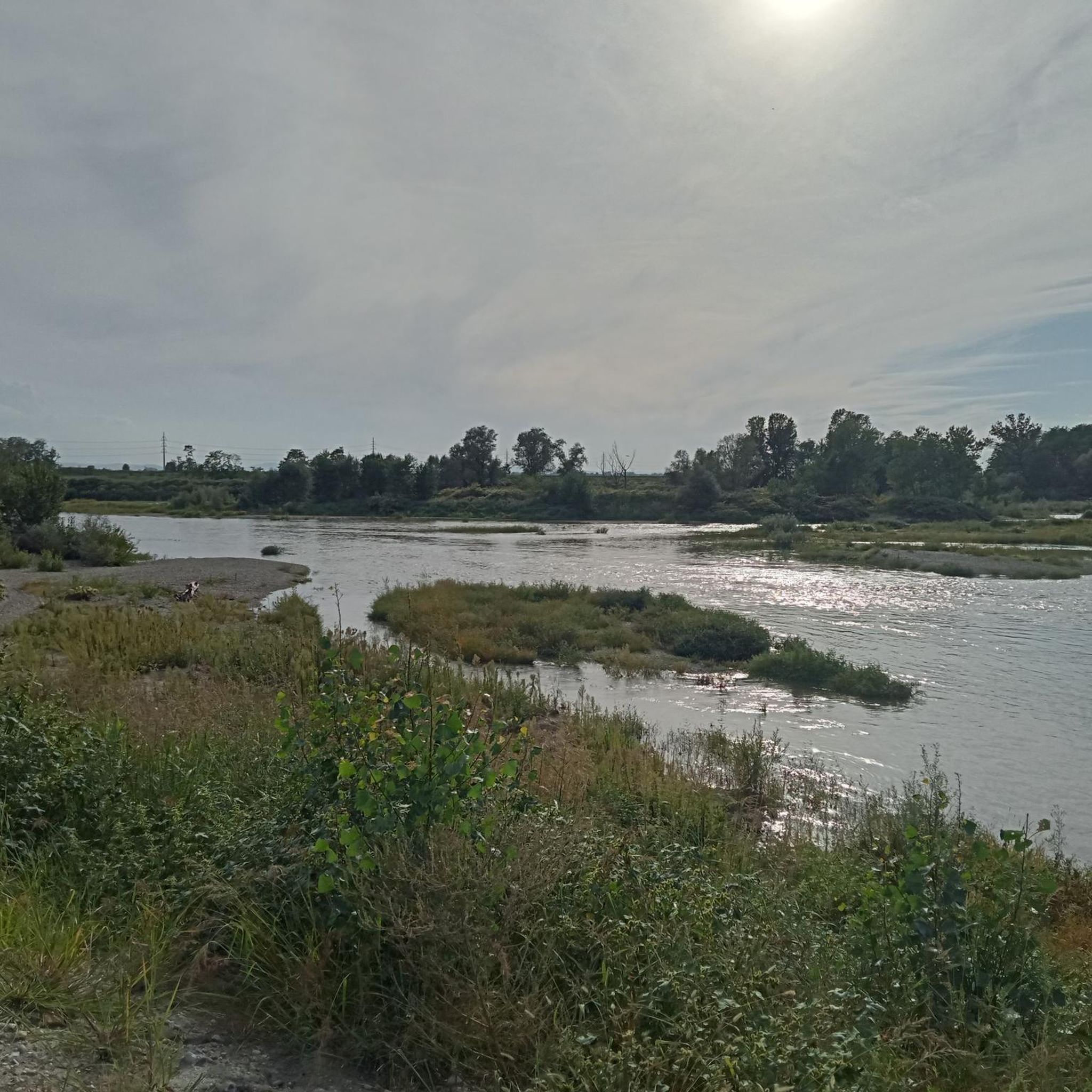
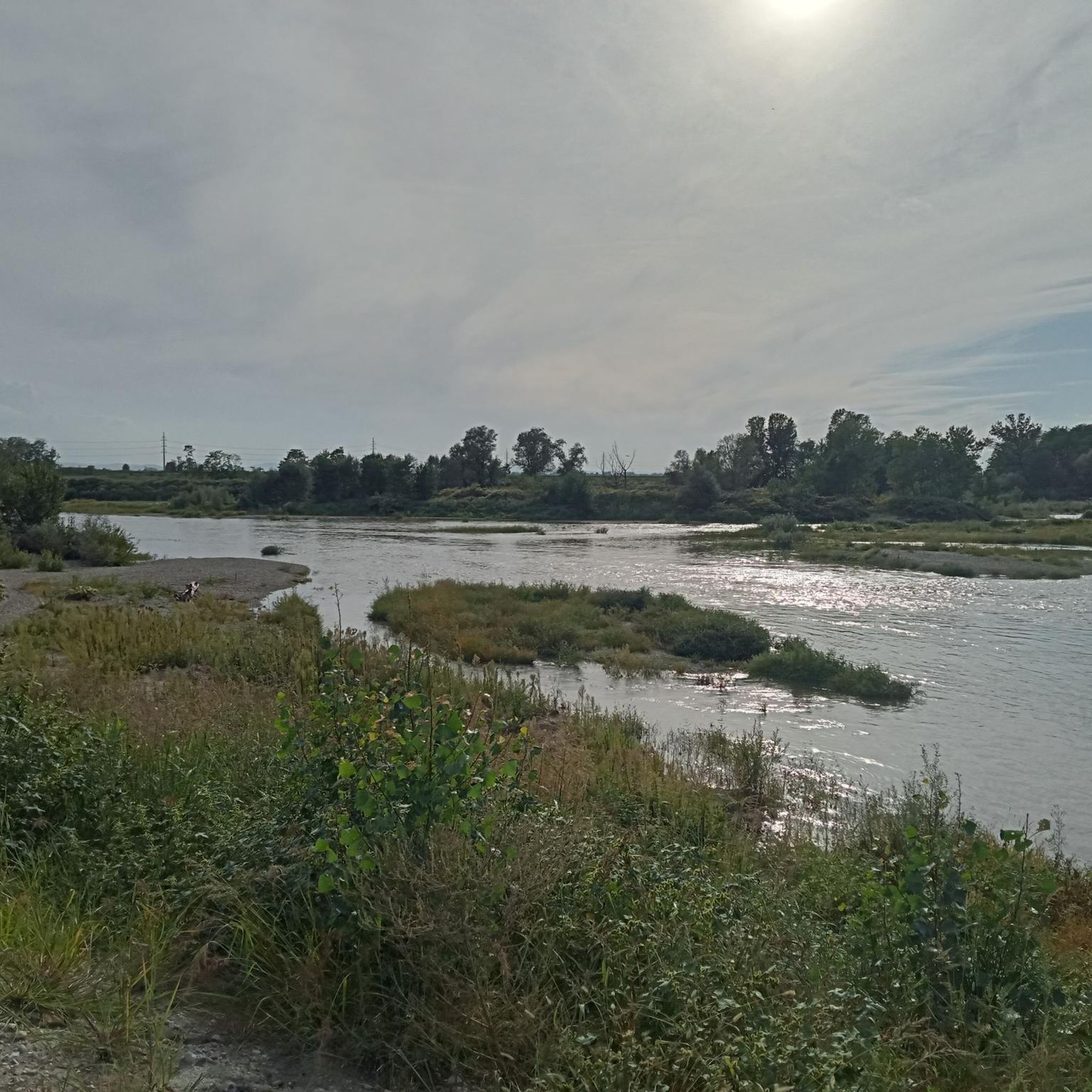
The Bosco della Pastrona, a green area of approximately 50 hectares, connects the river with the city of Casale Monferrato. Partly managed by the Po Park, it includes a picnic area and a mountain biking and running trail called "Kintana". This 10 km route was inaugurated in May 2014 after a redevelopment period supported by the Piedmont Region and private volunteers. Thanks to an agreement with the Municipality of Casale Monferrato, the area is managed by private individuals for maintenance and the organization of events. Currently managed by the non-profit association "Fiab Monferrato Bike", the route is challenging but accessible to all. The terrain is suitable for all seasons, except for adverse weather conditions. During the excursion, you can enjoy the flora and fauna along the Po and choose where to stop at the technical points. The route has three rings with different levels of difficulty and connections to other paths, starting from the Monferrato Castle and ending at the pier. The management of the area involves the local community and offers an opportunity to reconnect with the Po river.
1
0

In addition to the Basilica of Sant' Andrea and the Cathedral of Sant' Eusebio, also interesting are the Avogadro Tower, Piazza Cavour with its porticoes, the statue of Cavour and the nearby Torre dell'Angelo visible from the square.
2
0

The Basilica of Sant'Andrea is one of the most important and well-known monuments in Vercelli. It is the first Gothic monument in Piedmont, one of the earliest in Italy in this style, an example of Romanesque-Gothic architecture, in which local Romanesque and the novelties of Cistercian Gothic coexist. It has the dignity of a minor basilica. It was begun in 1219 by the will of Cardinal Guala Bicchieri and completed in 1227. Source: Wikipedia
4
0
Frequently Asked Questions
What historical and cultural sites can I visit in Stroppiana?
Stroppiana offers a glimpse into its historical and cultural heritage through several sites. You can explore the Parish Church of San Michele, dating back to 1760 with its Baroque facade and 18th-century organ. Another notable religious site is the Church of Santa Marta, which also features a Baroque facade and houses the Chapel of the Holy Sepulchre. Additionally, the ruins of the Old Castle (Castrum Plenum), cited in documents as early as 1394, hold archaeological significance.
What natural features define the landscape around Stroppiana?
The landscape around Stroppiana is primarily defined by its extensive rice paddies. Located in the Vercelli area, approximately 90% of the agricultural production is dedicated to rice, making these fields a prominent scenic feature, especially when flooded. The town is also situated on the left bank of the Marcova stream, which irrigates these fields.
Are there any significant religious buildings or pilgrim accommodations nearby?
Yes, the area is home to significant religious sites and pilgrim accommodations. The Basilica of Saint Andrew of Vercelli, built in 1220, is a must-see spot showcasing early Gothic architecture in Italy. For pilgrims, the Hospitale Sancti Eusebi in Vercelli provides a welcoming place for those on the Via Francigena, offering simple accommodation for pedestrians and cyclists year-round.
What outdoor activities are available near Stroppiana?
The region around Stroppiana offers various outdoor activities, particularly for those interested in exploring the agricultural landscape and river areas. You can find numerous routes for jogging, hiking, and mountain biking. For example, you can explore running trails like the 'Bosco Lanino loop from Vercelli' or embark on hiking routes such as the 'Sesia River Crossing Walk'. Mountain biking enthusiasts can find MTB trails that offer views of the Po River and surrounding areas.
Can I find routes for running or cycling near Stroppiana?
Absolutely. There are several routes for running and cycling in the vicinity. For running, you can find trails like the 'Anfiteatro romano loop from Vercelli' or the 'Bosco Lanino loop from Carengo' within the Running Trails around Stroppiana guide. Cyclists can also utilize the Pedestrian and Cycle Bridge over the Cavo Crocettone, which is part of the Via Francigena and offers a safe passage for bike rides.
Are there family-friendly attractions or activities in the area?
While Stroppiana itself is a tranquil agricultural town, nearby Vercelli offers family-friendly historical sites. The Basilica of Saint Andrew of Vercelli is considered family-friendly, offering an educational experience with its unique architecture. Additionally, exploring the central Piazza Cavour in Vercelli provides a pleasant environment for families to stroll and enjoy the historic city center.
What is the best time to visit Stroppiana for outdoor activities?
The Vercelli area, including Stroppiana, is known for its rice paddies. Visiting when the fields are flooded, typically in late spring or early summer, offers a unique scenic experience. This period is also generally pleasant for outdoor activities like cycling and hiking before the peak summer heat.
Where can I observe local birdlife and enjoy river views?
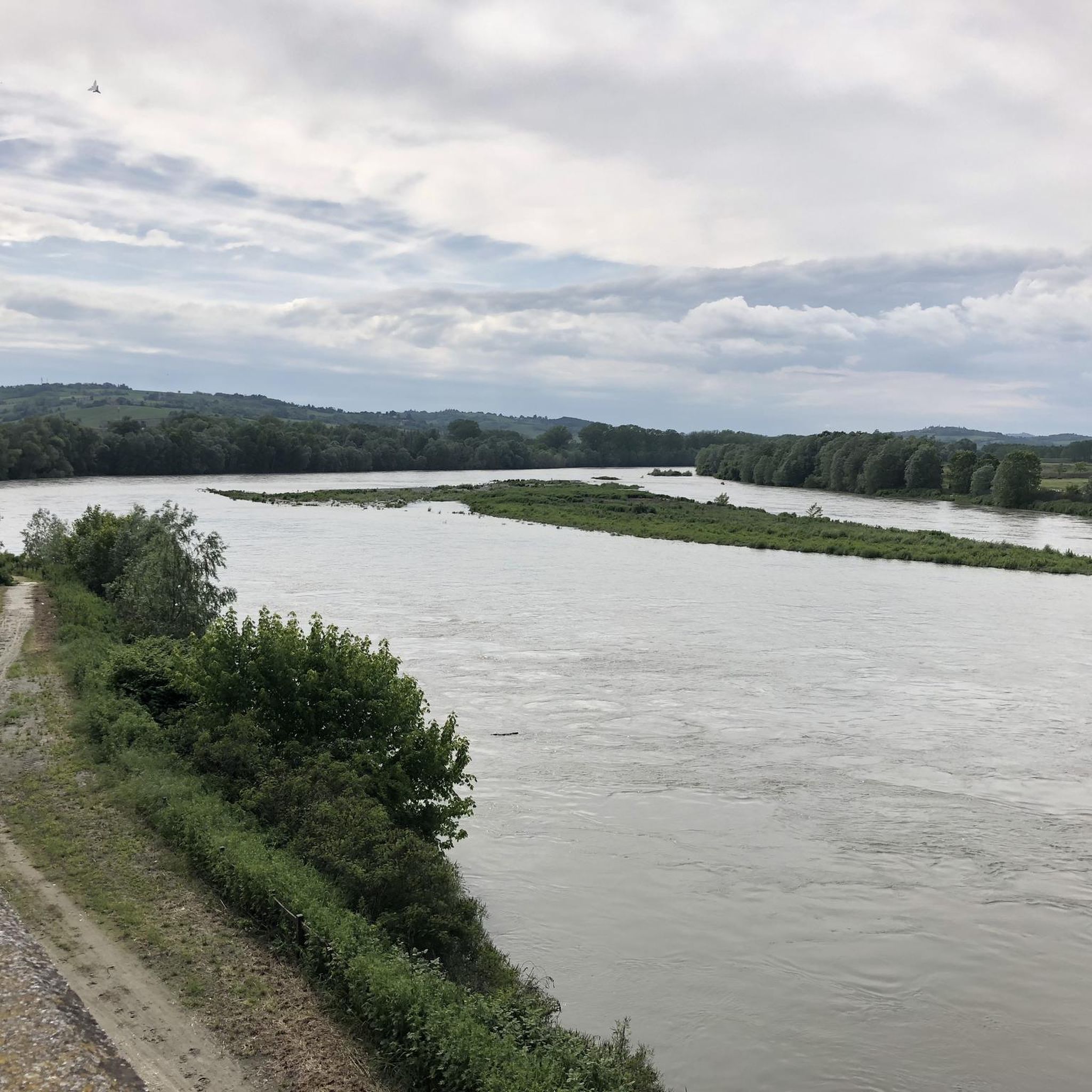
For observing local birdlife and enjoying river views, the Bridge over the Sesia River is an excellent spot. It offers wonderful views of the Sesia River and the surrounding rice fields, where you can often spot birds like egrets, herons, and ibises. The Sesia River itself is a significant waterway in the Piedmont region.
What do visitors enjoy the most about the attractions around Stroppiana?
Visitors particularly appreciate the blend of historical and natural beauty. The Hospitale Sancti Eusebi is valued for its welcoming atmosphere for pilgrims, while the Basilica of Saint Andrew of Vercelli is admired for its stunning architecture and historical significance. The scenic views from the Bridge over the Sesia River, especially of the rice fields and birdlife, are also highly praised.
Are there any easy hiking trails near Stroppiana?
Yes, there are easy hiking options available. For instance, the 'Cathedral of Saint Eusebius – Amedeo Avogadro Monument loop from Billiemme' is an easy route within the Hiking around Stroppiana guide. These trails often provide a gentle way to experience the local landscape without significant difficulty.
What is the significance of the rice paddies in Stroppiana?
The rice paddies are a defining feature of Stroppiana and the broader Vercelli area. They represent a dominant agricultural activity, with approximately 90% of the town's agricultural production dedicated to rice. Beyond their economic importance, they create a unique and picturesque landscape, especially when flooded, contributing significantly to the region's natural and scenic character.
Most popular routes around Stroppiana
Most popular attractions around Stroppiana

Get inspired with the komoot mobile app


Explore more
Still not found the Highlight you’re looking for? See guides of the top attractions in other regions:
