The best walks and hikes around Collobiano
3.9
(37)
165
hikers
39
hikes
Hiking around Collobiano offers tranquil, rural walks through a landscape characterized by flat terrain and extensive rice fields. The region is bordered by the Cervo and Elvo torrents, which converge nearby, providing opportunities for riverside strolls. Isolated farmhouses are scattered throughout the agricultural areas, adding to the rural charm. This geographical setting provides a distinct experience for those seeking leisurely exploration rather than challenging mountain hikes.
Best hiking trails around Collobiano
- The most popular hiking route is Sentiero Novara Stage…
Last updated: July 1, 2026
12.6km
03:11
20m
20m
Moderate hike. Good fitness required. Easily-accessible paths. Suitable for all skill levels.
4.9
(15)
25
hikers
5.98km
01:31
20m
20m
Easy hike. Great for any fitness level. Easily-accessible paths. Suitable for all skill levels.

Sign up for free
4.2
(9)
18
hikers
7.01km
01:47
10m
10m
Easy hike. Great for any fitness level. Easily-accessible paths. Suitable for all skill levels.
3.0
(3)
6
hikers
11.4km
02:53
20m
20m
Moderate hike. Good fitness required. Easily-accessible paths. Suitable for all skill levels.
6
hikers
Moderate hike. Good fitness required. Easily-accessible paths. Suitable for all skill levels.
Get access to more routes and recommendations from other explorers.
Sign up for free
Already have an account?
Our route recommendations are based on thousands of hikes, rides, and runs completed by other people on komoot.
Start today with a free account
Your next adventure awaits.
Login or Signup

Tips from the Community

Small and enchanting church with a beautiful cloister inside
0
0

The cathedral of Sant’Eusebio, patron saint of Vercelli and Piedmont, boasts ancient origins, but its current appearance is the result of numerous restorations. In Roman times, there was a necropolis here where San Teonesto, the first Christian martyr of Vercelli, a victim of Diocletian's persecutions, was buried. Next to him, Sant’Eusebio was laid to rest in his honor. Tradition has it that the basilica was founded by Emperor Theodosius I, but the barbarian invasions caused serious damage, requiring subsequent reconstruction work. Thanks to its position on the Via Francigena, the cathedral has become a fundamental stop for pilgrims over the centuries, a testimony made evident by the precious relics preserved inside, including those of Thomas Beckett.
3
0

Between Greggio and San Nazzaro Sesia, the Cavour canal is about to enter the siphon that makes it pass under the Sesia river. Thanks to this little bridge-lock between the fields, it can be crossed with ease.
0
0

Magnificent outing in the rice fields of the Po 😊
0
0

This beautiful church was built in 1220, during a prosperous period. The style is a combination of Northern Gothic (vertical towers and octagonal bell tower) and the typical style from the Po Valley (triangular gable, arches and use of brick). The facade, a colorful whole of stone and marble, is flanked by high towers and has three vaulted porches; The tympanums are probably by sculptor Benedetto Antelami. The very massive bell tower (right) dates from the 15th century. The sober interior with three naves has a choir with wooden inlay and the funerary monument (14th century) of Tomasso Gallo, first abbot of the basilica (second chapel in the right transept). The left aisle leads to the monastery buildings and to the cloister, which offers beautiful views of the complex.
7
0
The Duomo di Vercelli, also known as the Cattedrale di Sant'Eusebio, is the most important religious building in Vercelli. This cathedral, dedicated to Saint Eusebius, the patron saint of Vercelli, has a rich history and impressive architecture. The origins of the Duomo date back to the Paleochristian era. Near the cemetery of San Teonesto, the alleged first Christian martyr of Vercelli, a basilica was built between the 5th and 6th centuries. This replaced the original cathedral, Santa Maria Maggiore, which was located elsewhere in the city. The current Duomo is a result of several construction phases. It combines elements of Mannerism, Baroque, Neoclassical and Eclecticism. Architects such as Pellegrino Tibaldi and Benedetto Alfieri contributed to its construction. The interior houses notable works of art, including the monumental Ottonian Crucifix. Inside the Duomo there are treasures such as: The Ottonian crucifix: an impressive crucifix. *The Madonna dello Schiaffo: a painting with a special legend. *Reliquaries and the treasury with jewels and precious fabrics. *Baroque altars and beautiful organs.
6
0

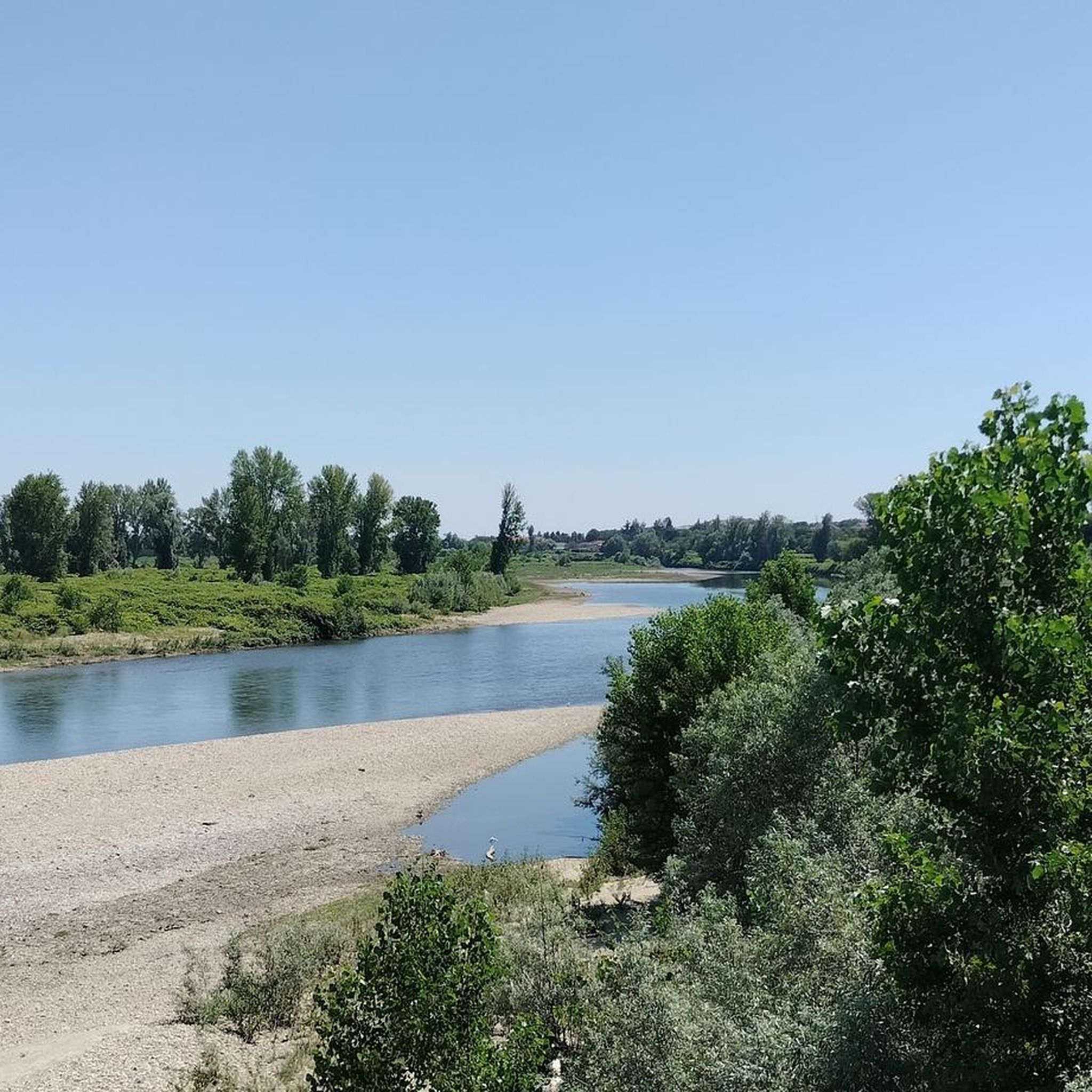
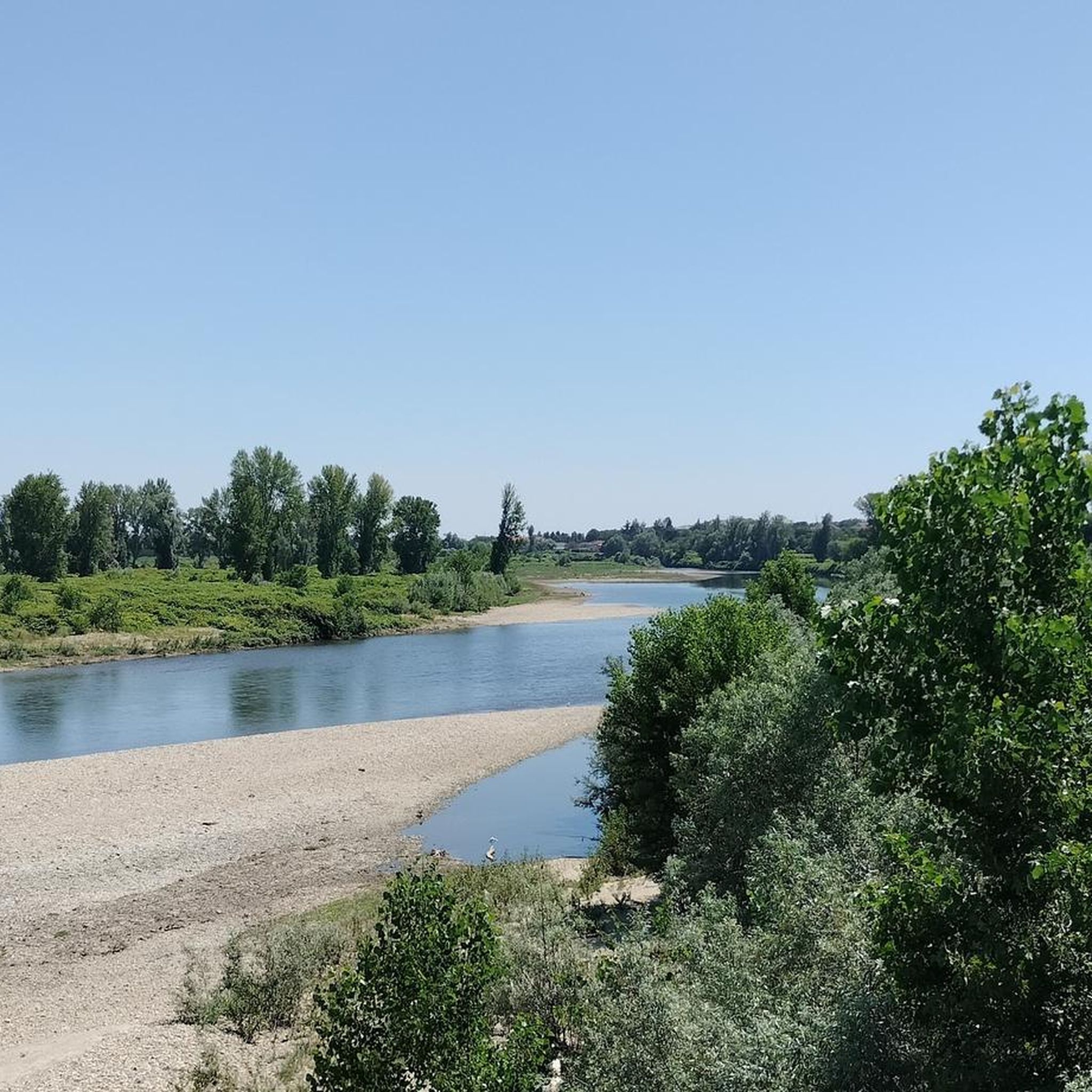
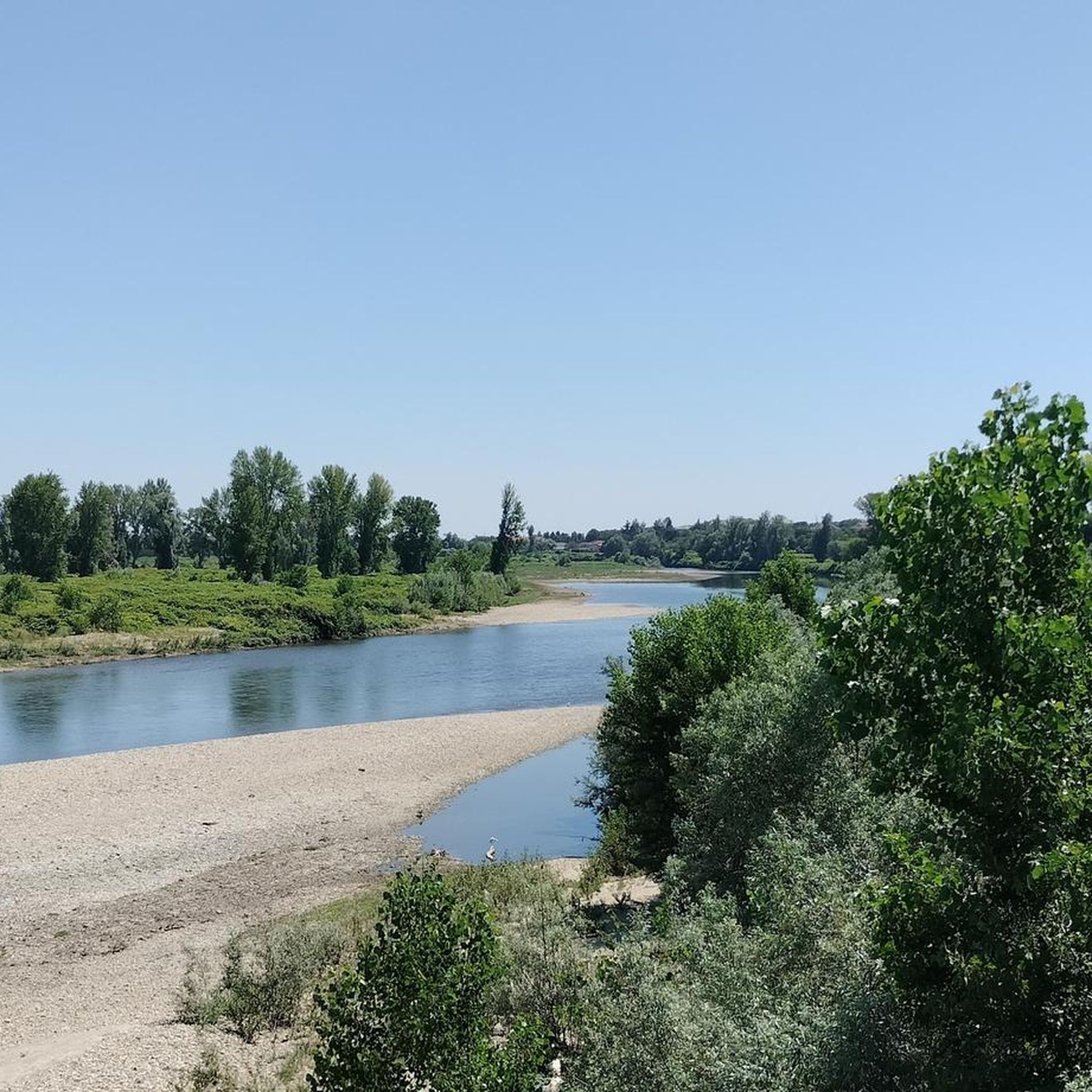
The Lame del Sesia park extends over an area of approximately 900 hectares along a stretch of almost 8 kilometers of the Sesia river, located between the provinces of Novara and Vercelli. The river environment, enriched by blades, meanders, bodies of water, woods, gravels and sands, constitutes an important natural oasis in stark contrast to the surrounding landscape characterized by rice monoculture.
2
0

In addition to the Basilica of Sant' Andrea and the Cathedral of Sant' Eusebio, also interesting are the Avogadro Tower, Piazza Cavour with its porticoes, the statue of Cavour and the nearby Torre dell'Angelo visible from the square.
0
0
Frequently Asked Questions
How many hiking trails are available around Collobiano?
There are over 30 hiking routes in the Collobiano area, offering a variety of options for exploring the local landscape.
What kind of terrain can I expect on hikes around Collobiano?
The terrain around Collobiano is predominantly flat, characterized by extensive rice fields and agricultural land. You'll find tranquil, rural walks rather than challenging mountain climbs, with minimal elevation gain.
Are there any easy hiking trails suitable for beginners in Collobiano?
Yes, Collobiano offers many easy trails perfect for beginners or those seeking a relaxed walk. For example, the Former Church of Saint Victor – Fountain loop from Vercelli is an easy 5.7 km path that gently winds through the countryside.
When is the best time of year to go hiking in Collobiano?
The spring and autumn months are ideal for hiking in Collobiano, offering pleasant temperatures and beautiful scenery as the rice fields change colors. Summers can be warm, while winters are generally mild but may have cooler, damp conditions.
Are there any circular hiking routes in the Collobiano area?
Yes, several circular routes are available. The Hiking loop from Albano Vercellese is an easy 7.5 km loop, and the Fountain – Roundabout with Fountain loop from Vercelli offers a moderate 11.1 km circular walk through rice fields.
What natural features can I see while hiking near Collobiano?
Hikes around Collobiano often feature extensive rice fields, offering unique agricultural landscapes. You'll also encounter the Cervo and Elvo torrents, which converge nearby, providing opportunities for riverside strolls. Isolated farmhouses are scattered throughout the rural areas, adding to the charm.
Are there any historical landmarks or attractions to visit along the trails?
While hiking, you might encounter historical points of interest. The region is home to the historic Castello Avogadro and the ancient Church of San Giorgio. Additionally, nearby attractions include the Hospitale Sancti Eusebi and the Basilica of Saint Andrew of Vercelli.
Is Collobiano a good destination for family-friendly hikes?
Yes, Collobiano is well-suited for family-friendly hikes due to its predominantly flat and easy trails. The tranquil rural setting and minimal elevation make it enjoyable for all ages, allowing for leisurely exploration of the rice fields and countryside.
What do other hikers enjoy most about hiking in Collobiano?
The area is highly rated by the komoot community, with an average score of 3.9 stars from over 29 reviews. Reviewers often praise the peaceful atmosphere, the unique scenery of the rice fields, and the accessibility of the trails for relaxed walks.
Are there options for public transport to reach hiking trailheads in Collobiano?
Information on specific public transport links directly to trailheads in Collobiano is limited. It is generally recommended to check local bus schedules or consider driving, especially for reaching more rural starting points.
Where can I find parking for hiking trails in Collobiano?
While specific parking areas for individual trailheads are not detailed, parking is typically available in the village centers or near popular starting points for walks. It's advisable to check local signage upon arrival.
Are there any longer, moderate hikes available for more experienced hikers?
Yes, for those looking for a longer walk, the Sentiero Novara Stage 2: From Casaleggio to San Nazzaro is a moderate 12.6 km trail. Another option is the Monument to Galileo Ferraris – Roundabout with Fountain loop from Vercelli, which is 11.8 km.
Most popular routes around Collobiano
Most popular attractions around Collobiano

Get inspired with the komoot mobile app


Explore more
Browse the best Hikes in other regions.
