Attractions and Places To See around Scopello - Top 20
Best attractions and places to see around Scopello include mountain passes, summits, and religious buildings, offering diverse experiences for visitors. This region, primarily known for its natural landscapes, provides opportunities for exploring high-altitude trails and panoramic viewpoints. The area features a blend of challenging and intermediate routes, making it suitable for various outdoor activities.
Best attractions and places to see around Scopello
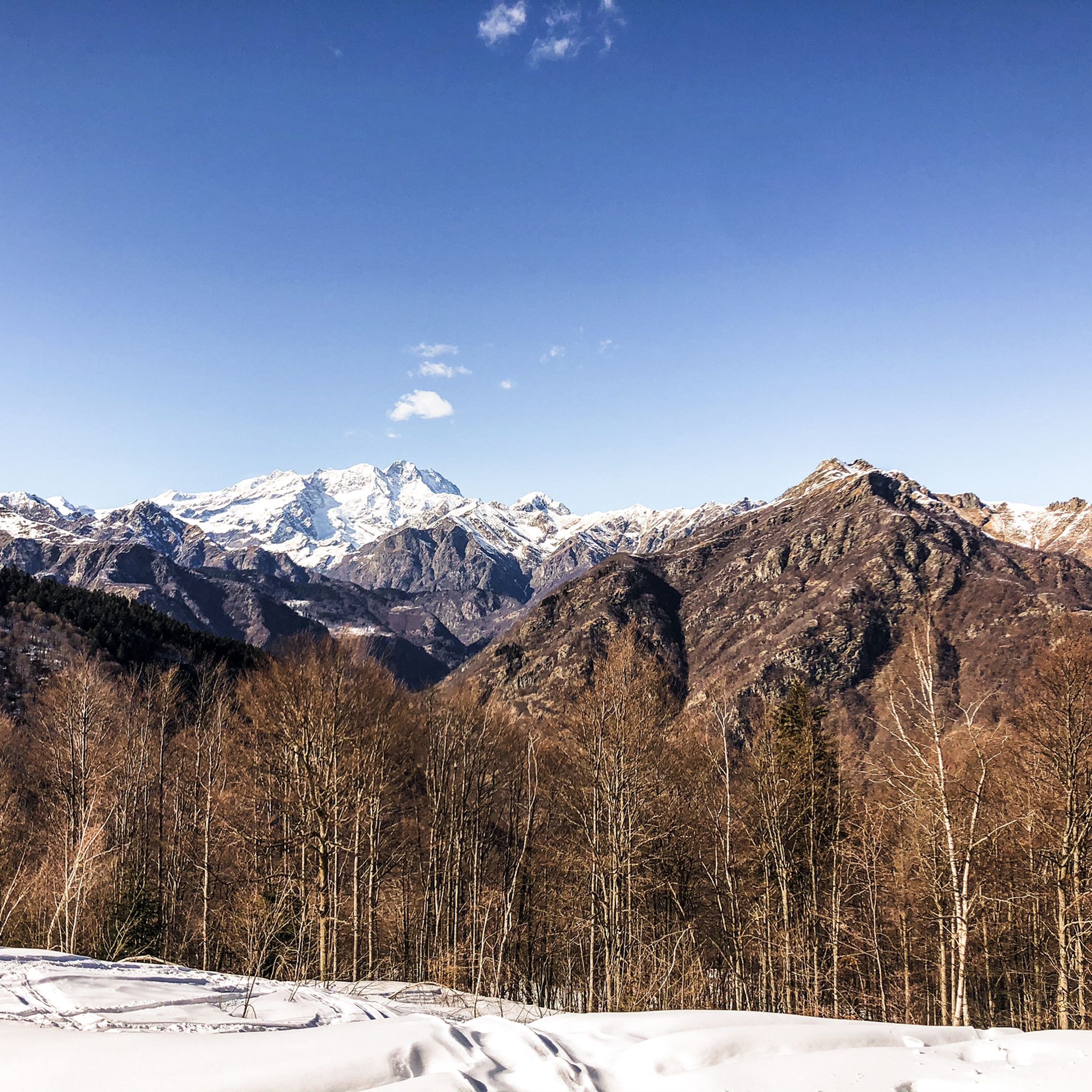
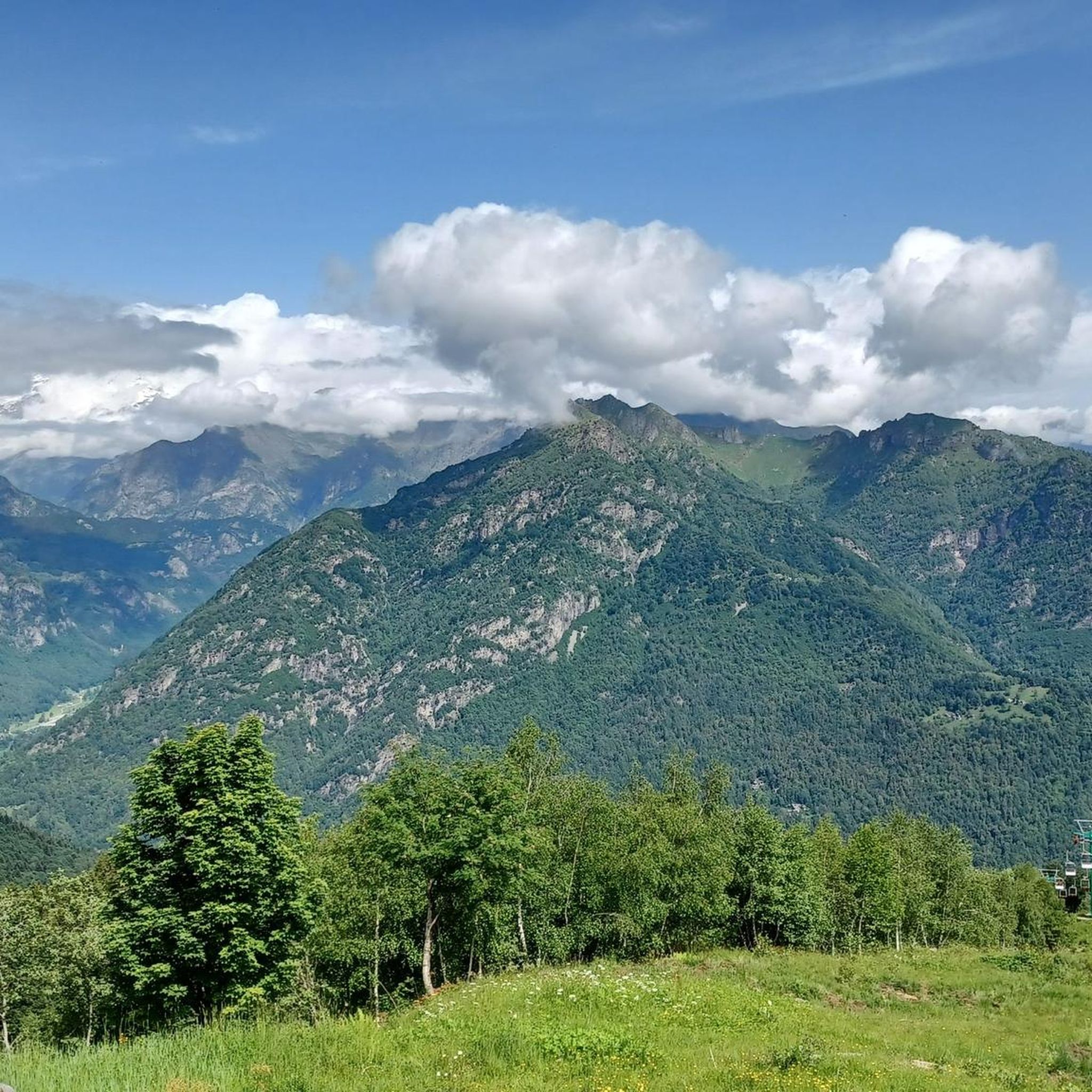
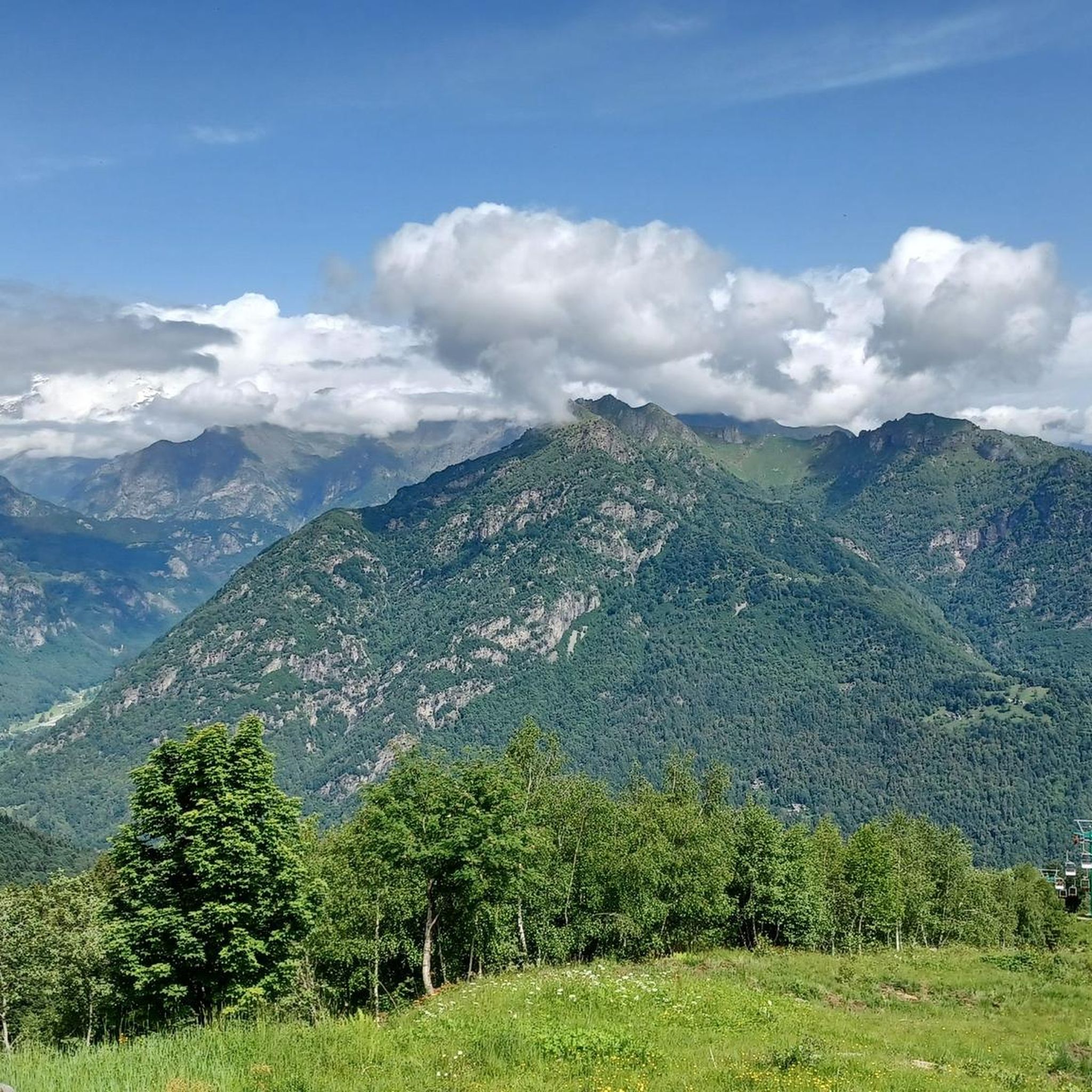
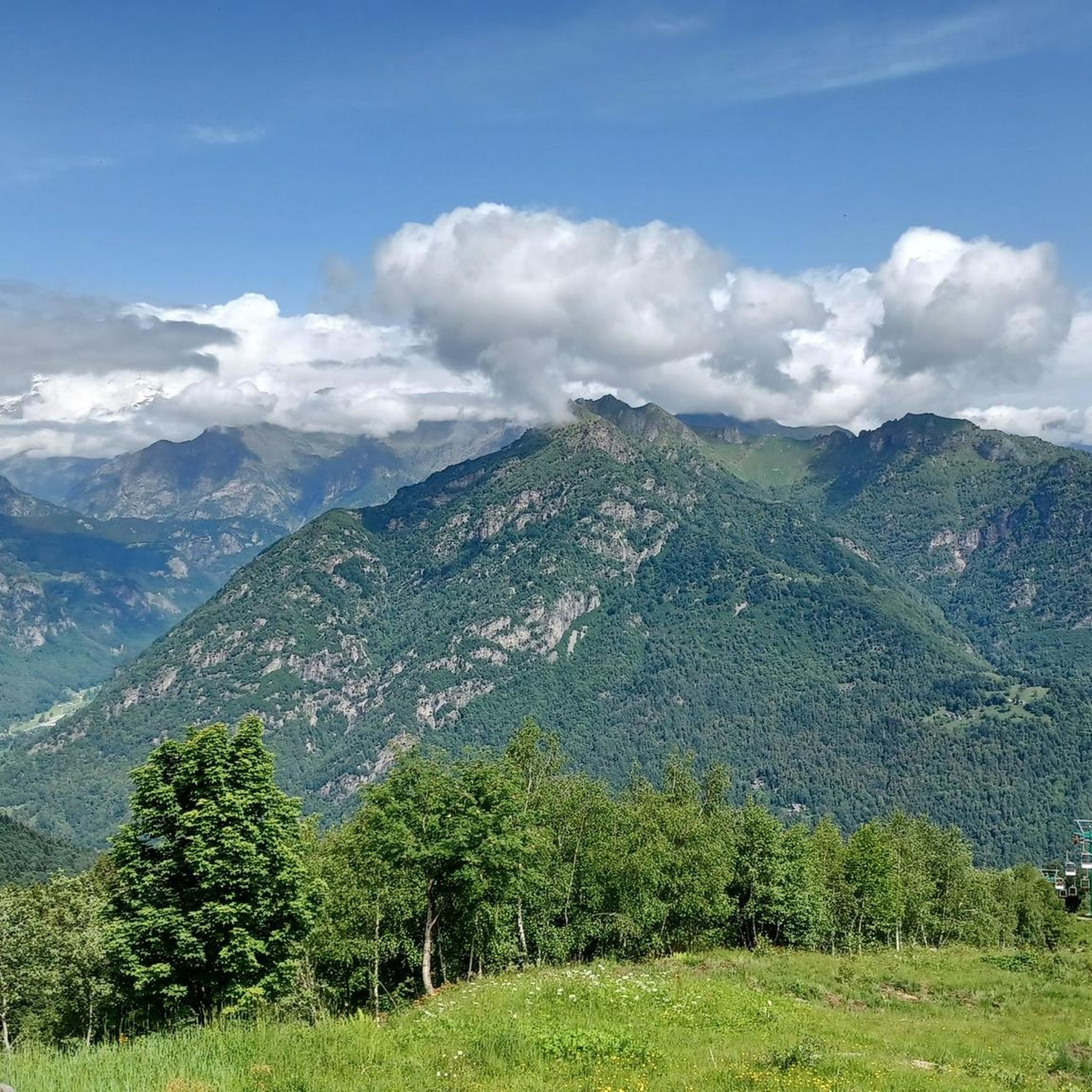
- The most popular attractions is Bocchetto Sessera Pass, a mountain pass that connects the Strona valley with the Sessera valley. It is a very panoramic point at the base of Monte Marca.
- Another must-see spot is Bec d'Ovaga, a summit offering exceptional panoramas. From its peaks, the view extends over the entire Valsesia and the eastern side of Monte Rosa.
- Visitors also love Rifugio Spanna-Osella, a hut located at Bec d'Ovaga. This refuge provides an unexpected panorama over a good stretch of the lower Valsesia.
- Scopello is known for its mountain passes, summits, and religious buildings. The area offers a variety of trails and viewpoints to explore.
- The attractions around Scopello are appreciated by the komoot community, with 230 upvotes and 81 photos shared by visitors.
Last updated: June 22, 2026
Bocchetto Sessera Pass
Highlight • Mountain Pass
Showing Translation
Tip by

Bec d'Ovaga
Highlight • Summit
Translated by Google •
Tip by

Sign up now to discover places like this
Get recommendations on the best single tracks, peaks, & plenty of other exciting outdoor places.
Sign up for free
Rifugio Spanna-Osella
Highlight • Mountain Hut
Translated by Google •
Tip by

Alpe Noveis
Highlight • Climb
Source: idiaridellabicicli.com/alpe-noveis
Translated by Google •
Tip by

Santuario di San Giovanni d'Andorno
Highlight • Religious Site
Translated by Google •
Tip by
Sign up for free to discover even more attractions around Scopello.
Sign up for free
Already have an account?
Start today with a free account
Your next adventure awaits.
Login or Signup

Tips from the Community

the road has nice climbs, but it is all or almost all in the woods, it is really a nice route.
0
0

The **Passo (or Bocchetto) di Bocchetto Sessera is an alpine pass located in the Biella Alps, in the Province of Biella (Piedmont, Italy). It connects the Valle dello Strona di Mosso with the Val Sessera, between the mountains Monte Marca (1,558 m) and Monticchio (1,697 m).
14
0

Chapel, refuge and on the left, the white dot, is the summit cross.
0
0

A pleasant climb with a very steep 2 km between Viera and Piane. After a short climb, we've arrived! The road to Ailoche is closed due to a landslide. The road, aside from the very rough asphalt at the top, was in excellent condition!
0
0

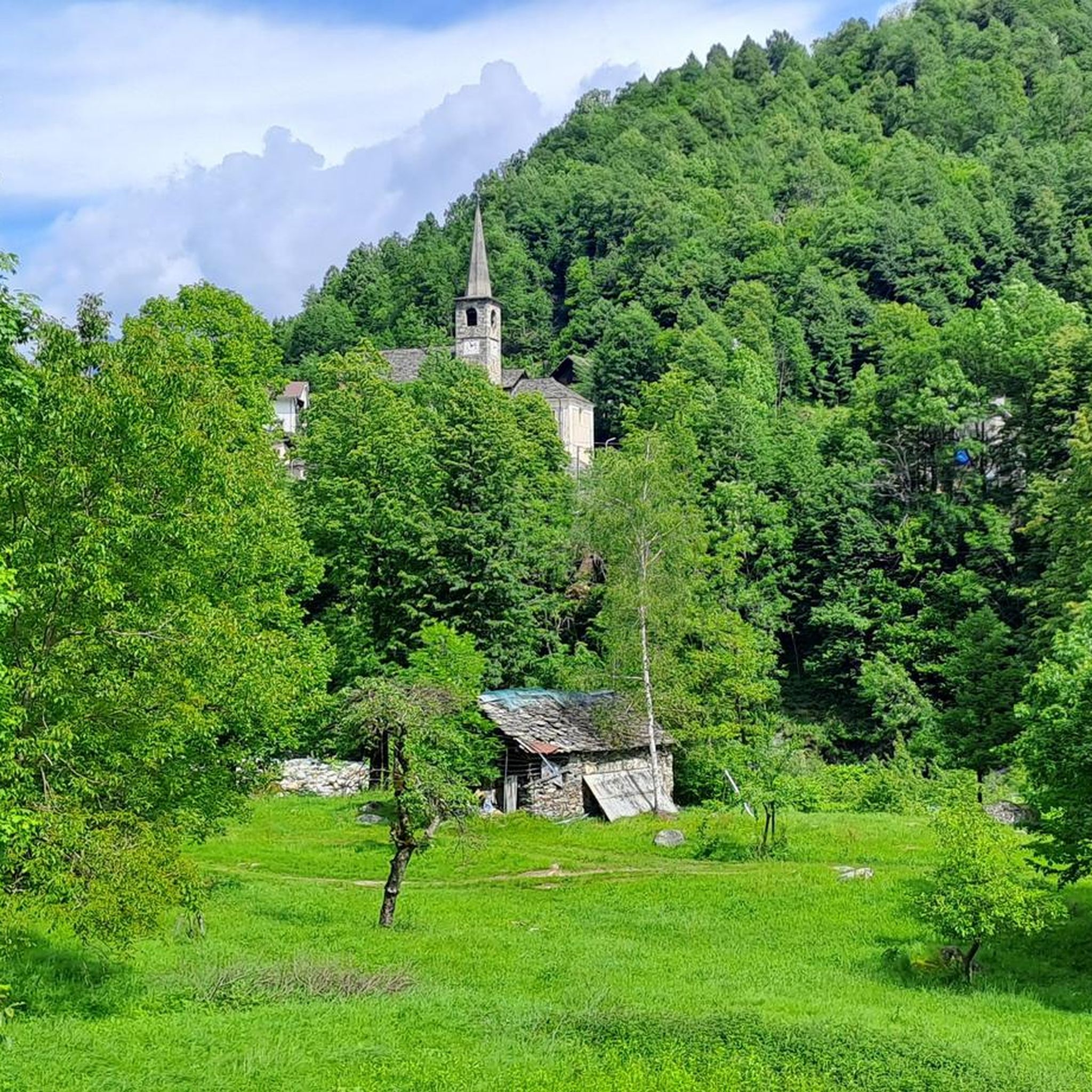
It is part of the network of mountain sanctuaries in the Biella area. One of the few dedicated to St. John the Baptist.
0
0

Main entrance to the Oasi Zegna, from which many paths start, including the "Bosco del Sorriso" path and others
2
0

Interesting climb and much harder than the more famous Oropa; the central 4.5 km are almost all above 10%. The road surface is terrible and often full of rocky debris, if possible, go down the Coggiola side which, although also in bad condition, is still better.
4
0

My favorite route for both "training" climbs (when I was young) and, more frequently, to enjoy a climb all through the woods, therefore bearable even in July-August, with the arrival at the refuge that instead opens up to the eyes an unexpected panorama over a good stretch of the lower Valsesia. The climb to the summit, behind the refuge, then reveals, on clear days, M. Rosa and many other peaks. I tried two excursions, starting from the refuge. The first, continue to sella Vazzosa (short exposed sections, be very careful!) and then to Massale, then always on a trail on the crest to Castello del Gavala, there be very careful for short exposed sections and to find the right passage to descend from the summit to the path just below that will lead to Luotto and finally to Tovo or even just to sella Rosetta, and then go to the Gilodi-Ca'Mea refuge. Many km and altitude difference (1700 m approx.), to be organized in company and with two cars, one in Casavei and the other in Ca' Mea, with a lot of necessary training. An easier tour of approx. 1050 m of altitude difference, but which requires a good sense of direction, maps and GPS, is to go down the southern ridge in front of the Spanna refuge, always continue without going down the sides, paying attention to some rare paint on the trunks, until you come across a dirt road at an altitude of 1250, at the hairpin bend, not far from Alpe Passarina. From there the dirt road leads to Sella di Parone and finally to Casavei, altitude difference reduced to approx. 850 m. But at that storm the adventure becomes beautiful by leaving the dirt road and taking a path, always vs. south and remaining on the crest (wooded), which leads below partly maintained and partly ruined mountain pastures, first to Arcacce, from which you leave the crest to turn left and then find Tereggia, Pometto, Uccello alps, descending to the dirt road of Pra Personale that leads to Locarno, from there go back up to Casavei, and it is this climb to Casavei/Narpone that brings the difference in altitude to about 1050-1060 m Almost absolutely to be done with those who have already done this descent as it is easy to get lost. I did it and discovered it a first time with a few mistakes and retraced my steps to then find the right passages, all easy and always on wooded slopes, since then I have memorized it and once every year or two it gives me great satisfaction to do this ring again. Get a Geo4Map map n.2
0
0
Frequently Asked Questions
What natural attractions can I explore near Scopello?
Scopello is renowned for its stunning natural beauty. A must-visit is Lo Zingaro Nature Reserve, Sicily's first natural reserve, offering pristine coastline, diverse flora, and numerous secluded beaches like Cala Mazzo di Sciacca and Cala dell'Uzzo. You can also admire the dramatic limestone sea stacks known as the Faraglioni di Scopello, especially beautiful near the historic Tonnara.
Are there historical landmarks to visit in Scopello?
Yes, Scopello boasts several significant historical sites. The iconic Tonnara di Scopello, a 13th-century tuna fishery, offers insight into the region's past. The heart of the village is the 18th-century fortified Baglio di Scopello, now home to charming shops and cafes. For panoramic views and a glimpse into defensive history, visit Torre Bennistra, a 17th-century watchtower.
What are some popular viewpoints around Scopello?
For exceptional panoramas, consider hiking to Bec d'Ovaga, a summit offering views over the entire Valsesia and the eastern side of Monte Rosa. Another great spot is Bocchetto Sessera Pass, which provides a very panoramic point at the base of Monte Marca. The Torre Bennistra also offers stunning coastal vistas.
What kind of hiking trails are available near Scopello?
The area around Scopello offers a variety of hiking trails, from intermediate to challenging. You can find routes that lead to summits like Bec d'Ovaga or through scenic passes like Bocchetto Sessera Pass. The nearby Lo Zingaro Nature Reserve features popular coastal trails with access to secluded coves. For more detailed options, explore the Hiking around Scopello guide.
Are there any religious buildings or sanctuaries worth visiting?
Yes, the region features notable religious sites. The Santuario di San Giovanni d'Andorno is a beautiful sanctuary dedicated to St. John the Baptist, with a history dating back to 1512. Another significant site is the Santuario del Mazzucco, nestled in a beech forest, which is part of the Sanctuary circuit along the path of San Carlo.
What outdoor activities can I do near Scopello's attractions?
Beyond exploring attractions, Scopello is excellent for outdoor activities. Hiking is popular, especially in Lo Zingaro Nature Reserve. You can also find numerous running trails and road cycling routes that allow you to discover the scenic landscapes. The clear waters around the Faraglioni and various beaches are perfect for swimming and snorkeling.
What are some family-friendly activities in Scopello?
Families can enjoy relaxing days at the various beaches, such as Guidaloca Beach, known for its peaceful atmosphere. Exploring the historic Baglio di Scopello offers a charming experience with its cafes and shops. The Santuario di San Giovanni d'Andorno is also noted as a family-friendly historical site.
What is the best time to visit Scopello?
The best time to visit Scopello generally depends on your preferred activities. For hiking and exploring natural reserves like Lo Zingaro, spring (April-May) and early autumn (September-October) offer pleasant temperatures. For swimming and beach activities, the summer months (June-August) are ideal, though it can be busier.
Are there any huts or refuges for hikers in the area?
Yes, hikers can find facilities like Rifugio Spanna-Osella, located at Bec d'Ovaga. This refuge provides an unexpected panorama over a good stretch of the lower Valsesia and can be a great stop for refreshment during your excursion. Always check if it's open before planning your trip.
What do visitors enjoy most about the attractions around Scopello?
Visitors frequently praise the exceptional panoramas from summits like Bec d'Ovaga and the scenic beauty of passes like Bocchetto Sessera Pass. The well-maintained sanctuaries, such as San Giovanni d'Andorno, are also highly appreciated for their historical and spiritual significance. The blend of challenging and intermediate routes for outdoor activities is also a highlight.
Where can I find secluded beaches for swimming and snorkeling?
Scopello is known for its crystal-clear waters and secluded coves. Within Lo Zingaro Nature Reserve, you'll find stunning options like Cala Rossa, Cala Berretta, and Cala dell'Uzzo, which reward hikers with spectacular scenes and clear waters perfect for swimming and snorkeling. These are often less crowded due to their accessibility requiring a hike or boat.
What is the significance of the Tonnara di Scopello?
The Tonnara di Scopello is a historic tuna fishery dating back to the 13th century. It was once a bustling center for tuna processing and now serves as an open-air museum, offering a unique glimpse into Sicily's traditional tuna fishing industry. Its picturesque setting against towering sea stacks makes it a highly iconic and photographed spot.
Most popular routes around Scopello
Most popular attractions around Scopello

Get inspired with the komoot mobile app


Explore more
Still not found the Highlight you’re looking for? See guides of the top attractions in other regions:
