Attractions and Places To See around Balmuccia - Top 20
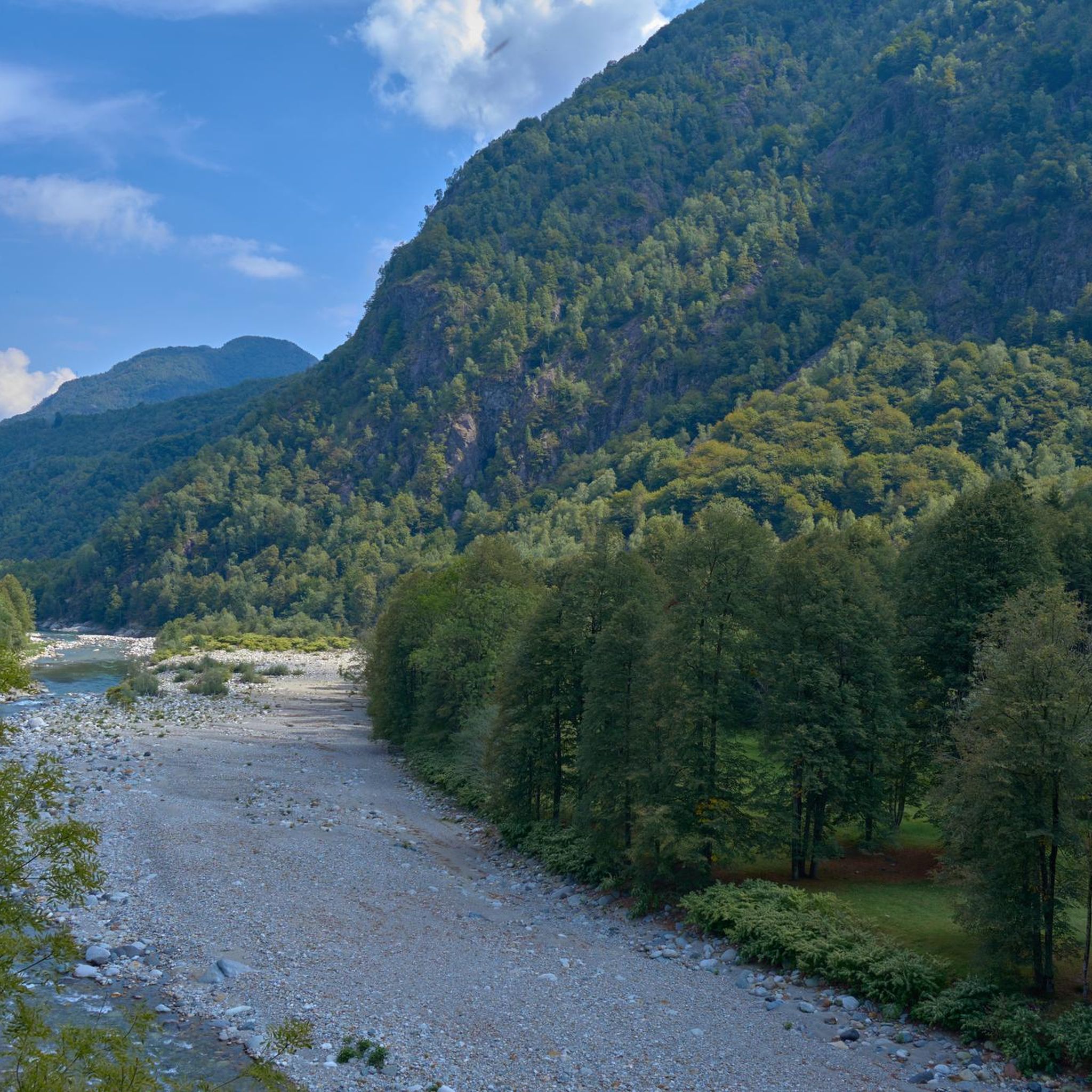
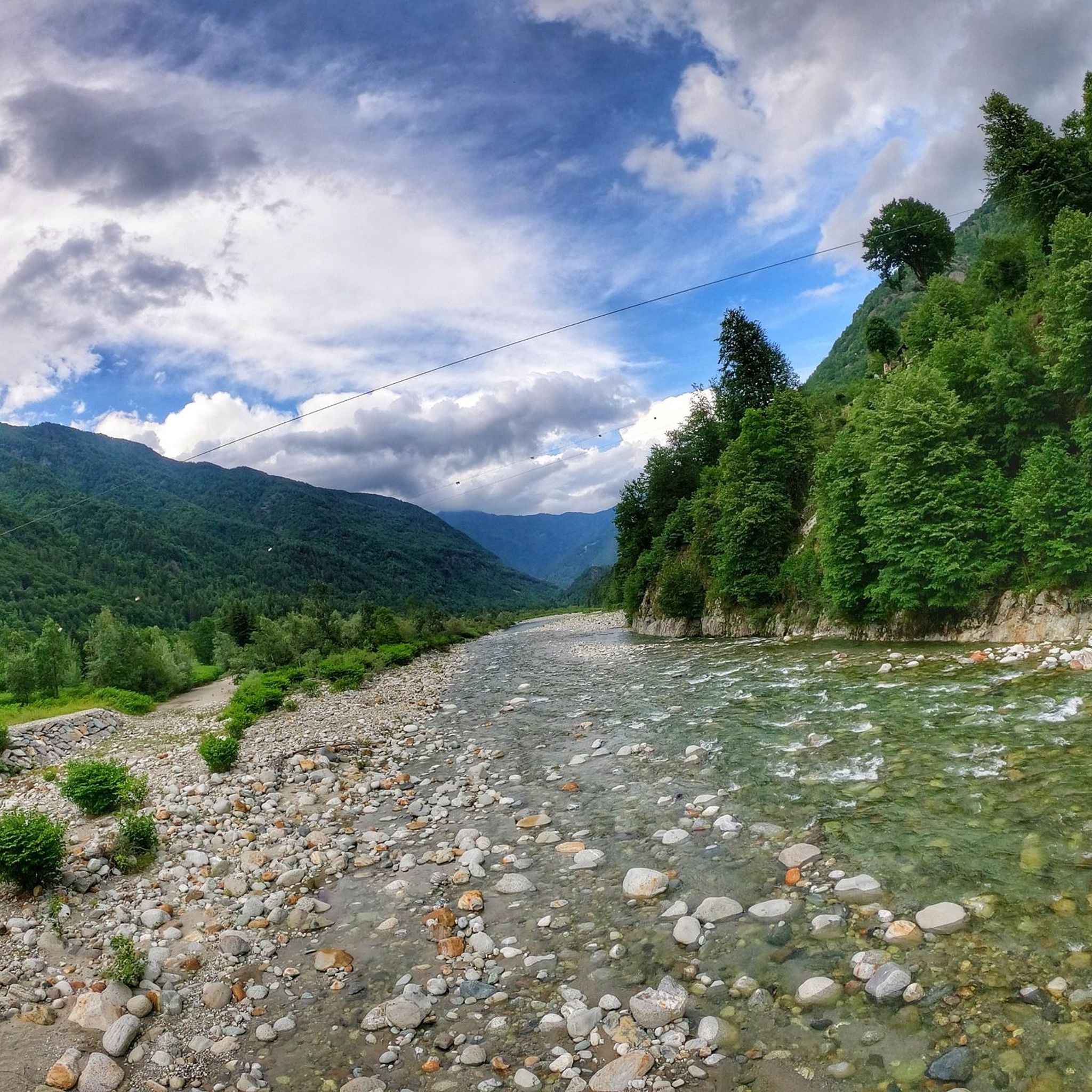
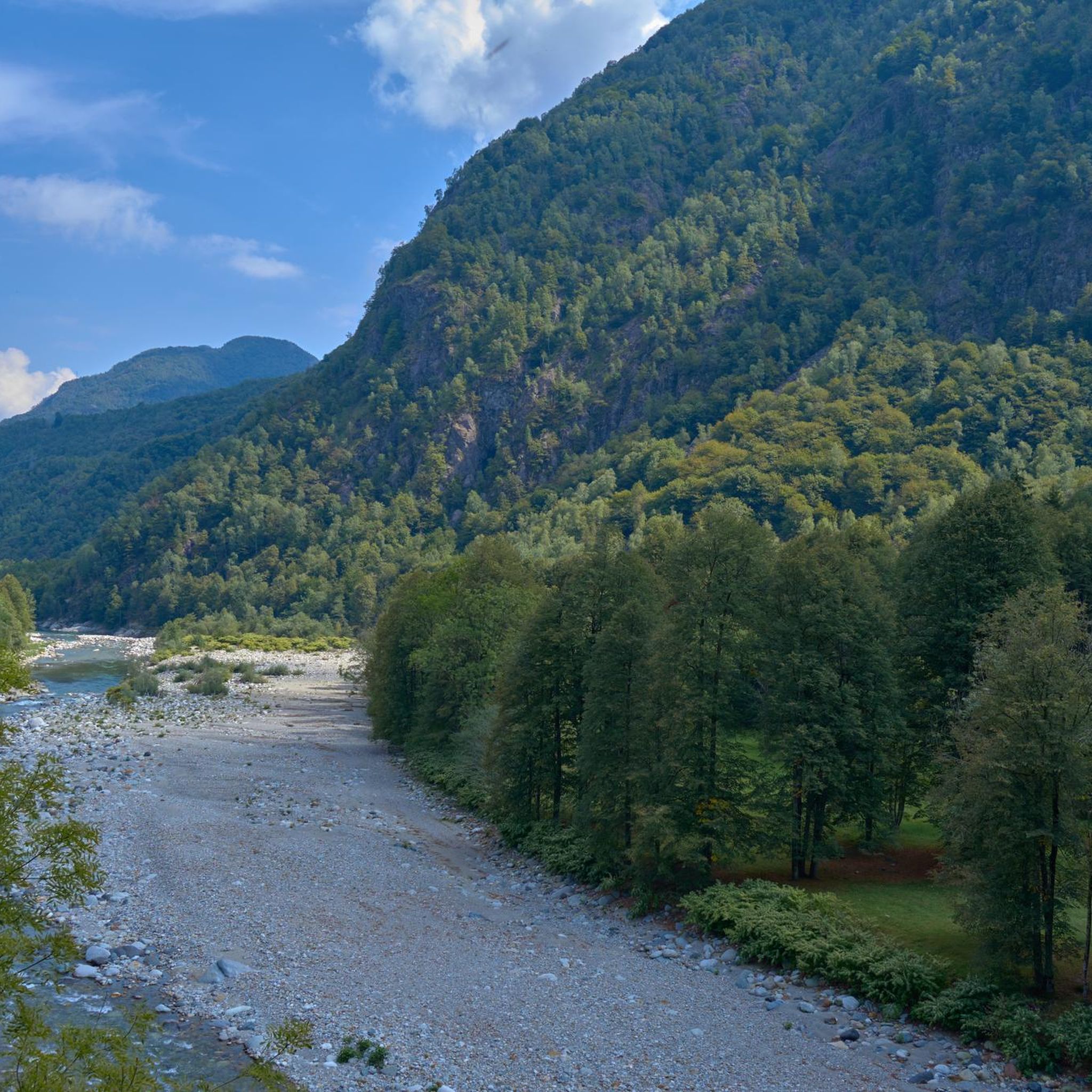
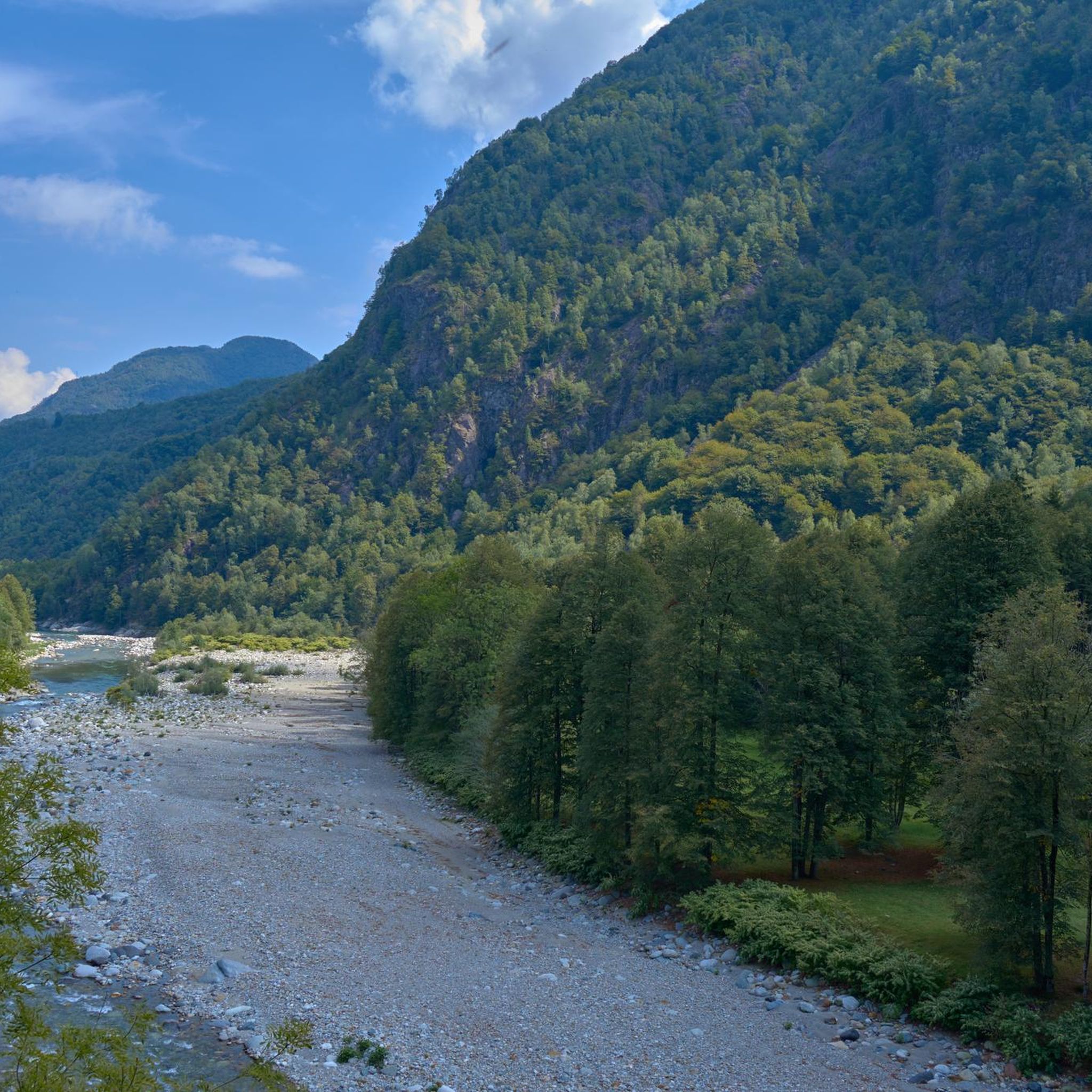
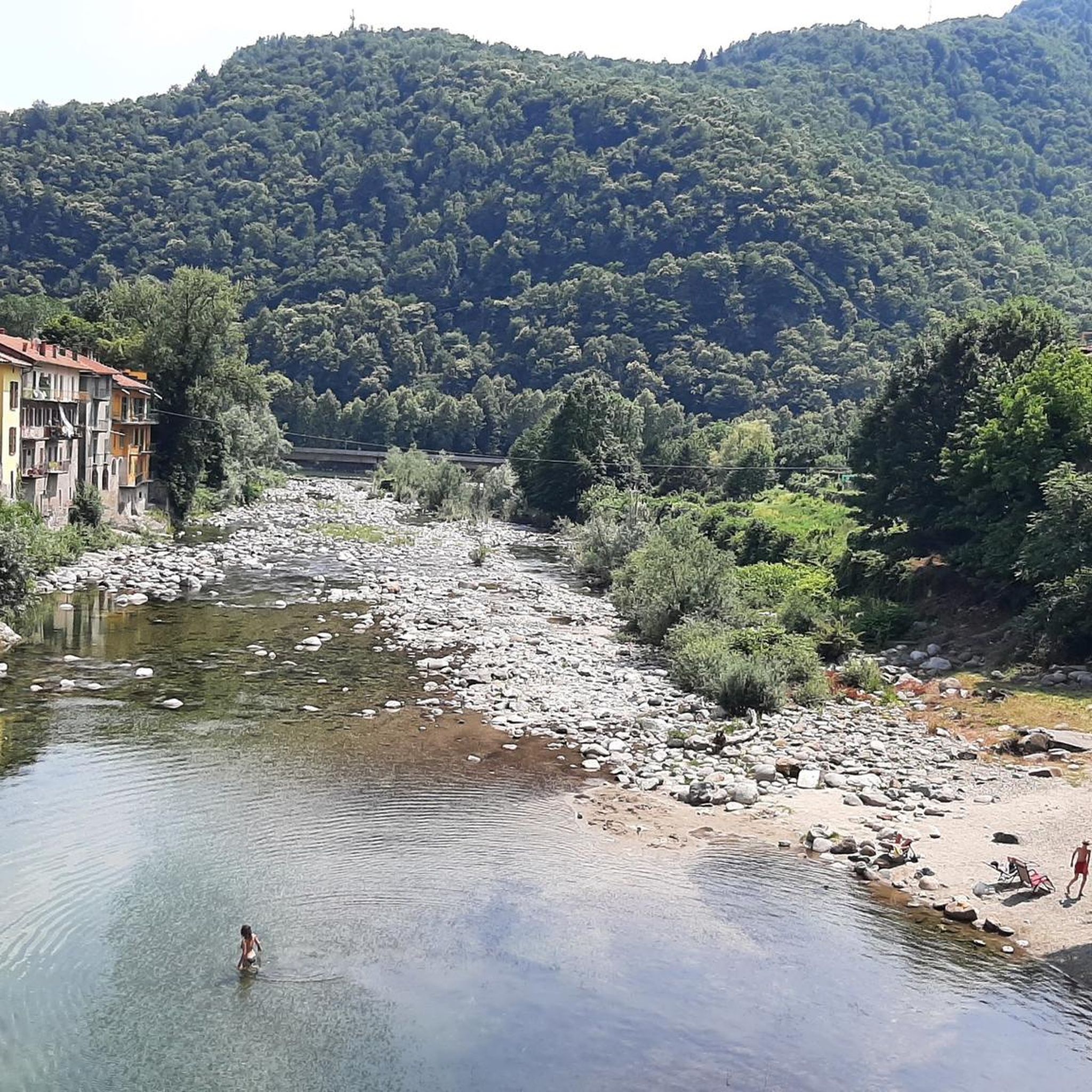
Best attractions and places to see around Balmuccia include a blend of historical sites, unique natural features, and opportunities for outdoor activities. The village is situated at the confluence of the Sesia River and the Sermenza stream, serving as a gateway to the Val Sermenza. It is surrounded by mountains like the Denti del Gavala and the Dinelli, offering a dramatic backdrop. Balmuccia is also notably located within the area of the Valsesia Super Volcano, where the deepest part of…
Last updated: July 2, 2026
Sacro Monte di Varallo
Highlight • Religious Site
If you want to …
Translated by Google •
Tip by

Alpe Baranca Hut
Highlight • Mountain Hut
Translated by Google •
Tip by

Sign up now to discover places like this
Get recommendations on the best single tracks, peaks, & plenty of other exciting outdoor places.
Sign up for free
Bec d'Ovaga
Highlight • Summit
Translated by Google •
Tip by

Chapel of Our Lady of Loreto
Highlight • Religious Site
Translated by Google •
Tip by

Rifugio Spanna-Osella
Highlight • Mountain Hut
Translated by Google •
Tip by

Sign up for free to discover even more attractions around Balmuccia.
Sign up for free
Already have an account?
Start today with a free account
Your next adventure awaits.
Login or Signup
Tips from the Community

Chapel, refuge and on the left, the white dot, is the summit cross.
0
0

The German-language television series "Treasures of the World - Heritage of Humanity" – which I highly recommend – is dedicated to short film segments on UNESCO World Heritage sites from all continents and eras. This includes the "Sacri Monti" in northern Italy (there are eight of these "Sacred Mountains" in Piedmont, and a ninth in Lombardy), which are presented to culture-loving viewers in a 15-minute segment. This can be accessed in the ARD Media Library at the following link =>> https://www.ardmediathek.de/video/schaetze-der-welt/heilige-berge-in-piemont-italien-folge-396/3sat/Y3JpZDovL3N3ci5kZS84ODgxMzc2
0
0

My favorite route for both "training" climbs (when I was young) and, more frequently, to enjoy a climb all through the woods, therefore bearable even in July-August, with the arrival at the refuge that instead opens up to the eyes an unexpected panorama over a good stretch of the lower Valsesia. The climb to the summit, behind the refuge, then reveals, on clear days, M. Rosa and many other peaks. I tried two excursions, starting from the refuge. The first, continue to sella Vazzosa (short exposed sections, be very careful!) and then to Massale, then always on a trail on the crest to Castello del Gavala, there be very careful for short exposed sections and to find the right passage to descend from the summit to the path just below that will lead to Luotto and finally to Tovo or even just to sella Rosetta, and then go to the Gilodi-Ca'Mea refuge. Many km and altitude difference (1700 m approx.), to be organized in company and with two cars, one in Casavei and the other in Ca' Mea, with a lot of necessary training. An easier tour of approx. 1050 m of altitude difference, but which requires a good sense of direction, maps and GPS, is to go down the southern ridge in front of the Spanna refuge, always continue without going down the sides, paying attention to some rare paint on the trunks, until you come across a dirt road at an altitude of 1250, at the hairpin bend, not far from Alpe Passarina. From there the dirt road leads to Sella di Parone and finally to Casavei, altitude difference reduced to approx. 850 m. But at that storm the adventure becomes beautiful by leaving the dirt road and taking a path, always vs. south and remaining on the crest (wooded), which leads below partly maintained and partly ruined mountain pastures, first to Arcacce, from which you leave the crest to turn left and then find Tereggia, Pometto, Uccello alps, descending to the dirt road of Pra Personale that leads to Locarno, from there go back up to Casavei, and it is this climb to Casavei/Narpone that brings the difference in altitude to about 1050-1060 m Almost absolutely to be done with those who have already done this descent as it is easy to get lost. I did it and discovered it a first time with a few mistakes and retraced my steps to then find the right passages, all easy and always on wooded slopes, since then I have memorized it and once every year or two it gives me great satisfaction to do this ring again. Get a Geo4Map map n.2
0
0

The sacred mountain presents itself as a fascinating garden-park and a majestic rural Via Crucis, which winds along the slope of a hill. At the same time, it resembles a fortified city, with mighty walls, a monumental entrance gate and two squares that evoke ancient Jerusalem. However, people do not live here, but paintings and statues. On this rocky spur above Varallo, at the end of the 15th century, the Franciscan friar Bernardino Caimi designed a small holy land: a series of rural buildings that reproduce the most significant places in the life of Christ, animated by sculpted and painted scenes, created starting in 1486.
2
0
I don't count the times... everything is easy, pay attention from the refuge to the summit, a few meters here and there of steep rock, no stumbling or getting distracted, very dangerous. Done well, however, it is for everyone. I have done the return trip several times along the southern ridge, right in front of the refuge, rare signs for almost 400 meters of altitude difference, stay on the ridge on the back of the ridge until you exit at 1250 meters of altitude on the road that ends on the right at Alpe Passarina and on the left goes down to Selle di Parone and further on to Casavei. Instead of going down the road, I have taken the path several times (on the hairpin bend where it comes out) that, here too, staying on the back of the ridge, turning left when it ends, and paying attention to the few signs on the plants, goes down to the ancient Arcacce Alps, then Pometto (ruins), Uccello (ruins), Pra, where the dirt road begins and some renovated farmhouses, then Parone etc.
1
0
The patronage of this shrine, dedicated to the Madonna, refers to the town of LORETO. This is one of the large and important Marian pilgrimage sites in Europe, along with LOURDES in the French Pyrenees and FATIMA in Portugal. Unlike the other two places mentioned, however, Loreto is not known for apparitions of the Mother of God. Here, pilgrims can show something very tangible: Mary's childhood home in Nazareth (Israel). Her parents - not mentioned by name in the biblical writings of the New Testament - are mentioned in apocryphal traditions: Saint ANNA and Saint JOACHIM are thus the grandparents of Jesus Christ (their common memorial day in the calendar of saints is July 26). When the time of the Christian kingdoms in the Holy Land came to an end towards the end of the 13th century, crusaders probably dismantled the venerated building in Nazareth and brought it to Europe. But this very sober assumption is contradicted by a much more interesting legend: According to it, four angels carried out the translation and flew the house over the Mediterranean.
6
0

A place of worship and prayer.
20
0

The chapel of the Madonna di Loreto stands in an isolated position upon entering Varallo. It is of particular artistic interest for the elegance of its Renaissance architecture and for the extensive external and internal decorative apparatus. Some of these decorations are the work of Gaudenzio Ferrari, executed between 1514 and 1521.
2
0
Frequently Asked Questions
What historical and cultural sites can I visit in Balmuccia?
Balmuccia offers several notable historical and cultural sites. You can explore the 16th-century Parish Church of St. Margaret, the adjacent Ossuary Chapel with its striking frescoes, and the historic Social Theatre, which reopened in 2008. The village itself is a point of interest, preserving traditional Valsesian architecture with harmonious slate roofs. Additionally, the Sanctuary of the Madonna dei Dinelli is a small sanctuary with local historical significance.
What unique natural features can I explore around Balmuccia?
Balmuccia is uniquely situated within the area of the Valsesia Super Volcano, active 290 million years ago, where the deepest part of this ancient geological formation can be observed. The village also lies at the confluence of the Sesia River and the Sermenza Stream, a defining natural feature. The surrounding mountainous landscape, including the peaks of the Denti del Gavala and the ridges of the Dinelli, offers dramatic views and an evocative character.
Are there opportunities for hiking near Balmuccia?
Yes, the mountainous terrain around Balmuccia provides ample opportunities for hiking. You can find trails connecting Balmuccia to places like Alpe Cavurgo (1,350 m). For more options, explore the various routes in the Hiking around Balmuccia guide, which includes trails like the Pizzo Tracciora Summit Trail or the Historic mule track to San Lorenzo Church.
What water sports can I do on the Sesia River?
The Sesia River is renowned for various aquatic activities. It's a popular spot for fishing, kayaking, canoeing, and rafting, catering to both thrill-seekers and nature lovers.
Is Balmuccia suitable for cycling enthusiasts?
Absolutely. The Balmuccia-Alagna Valsesia Cycle Path offers a medium-difficulty route, passing through artistic and cultural sites while providing scenic views of Monte Rosa and the Sesia valley. For more road cycling options, check out the Road Cycling Routes around Balmuccia guide.
Are there any family-friendly attractions or activities in Balmuccia?
While Balmuccia itself offers cultural sites like the Parish Church of St. Margaret and the Mastallone Bridge, which are suitable for families, the broader region has more to offer. The Sacro Monte di Varallo, a UNESCO World Heritage site, is considered family-friendly and offers an engaging way to experience history through its 45 stations and over 800 figures.
What is the <a href="https://www.komoot.com/highlight/5712147" target="_blank" rel="noopener">Sacro Monte di Varallo</a> and why is it significant?
The Sacro Monte di Varallo is a religious building and a UNESCO World Heritage site. It portrays the entire story of Jesus Christ through 45 stations, featuring more than 800 lifelike figures. It's a significant cultural and historical landmark, offering a unique and immersive experience that typically requires 1 to 2 hours to explore fully.
Can I find mountain huts for overnight stays or refreshments near Balmuccia?
Yes, there are mountain huts in the vicinity. The Alpe Baranca Hut is located in an enchanting setting where the Via Alpina and the GTA (Great Crossing of the Alps) pass, making it an excellent stopping and overnight point. Another option is Rifugio Spanna-Osella, which offers refreshments and beautiful panoramas. It's advisable to check if they are open and make reservations if planning an overnight stay.
What kind of panoramic views can I expect from the summits around Balmuccia?
From summits like Bec d'Ovaga, the panorama is exceptional. The view extends over the entire Valsesia, the eastern side of Monte Rosa, and other distant peaks such as Alphubel and Stralhorn, as well as lakes like Orta, Maggiore, and Varese. These viewpoints offer breathtaking vistas of the surrounding Alps and valleys.
What is the best time of year to visit Balmuccia for outdoor activities?
The summer months are ideal for outdoor activities in Balmuccia. During this time, you can enjoy hiking, cycling, and water sports on the Sesia River. The weather is generally favorable for exploring the mountainous terrain and enjoying the natural beauty of the Valsesia valley.
What is the significance of the Valsesia Super Volcano in Balmuccia?
Balmuccia is uniquely positioned within the area of the ancient Valsesia Super Volcano, which was active approximately 290 million years ago. This location is particularly significant because it's where the deepest part of this super volcano, estimated to be 25 km deep, can be observed. It offers a rare geological insight into the Earth's ancient past.
Are there running trails available near Balmuccia?
Yes, for those who enjoy running, there are several trails in the area. You can find options like the loop from Pila to Alpe Casarolo or the circular tour in the Alta Valsesia and Alta Val Strona Natural Park. More details can be found in the Running Trails around Balmuccia guide.
Most popular attractions around Balmuccia

Get inspired with the komoot mobile app


Explore more
Still not found the Highlight you’re looking for? See guides of the top attractions in other regions:
