Attractions and Places To See around Portescusi/Portoscuso - Top 20
Best attractions and places to see around Portescusi/Portoscuso, a coastal town on the southwestern coast of Sardinia, offers a blend of historical landmarks and natural beauty. The region features a rocky, rugged coastline interspersed with sandy beaches and Mediterranean maquis. It is known for its rich mining heritage and cultural sites.
Best attractions and places to see around Portescusi/Portoscuso
- The most popular attractions is Nebida Belvedere Walk, a trail that offers a coastal path from Nebida to Masua. This hiking trail provides views of the former processing plant for zinc ore and other mining remnants.
- Another must-see spot is Porto Corallo Cove, a beach characterized by reddish pebbles that contrast with the green and turquoise sea. This isolated and peaceful place is accessible via a scenic trail.
- Visitors also love La Marmora Ore Washing Plant, a historical site overlooking the sea of Nebida, built in 1897 for the treatment of lead and zinc. It is considered one of the most important examples of industrial archaeology in the region.
- Portescusi/Portoscuso is known for its historical sites, natural beaches, and scenic coastal trails. The area offers a variety of attractions to see and explore, from ancient industrial monuments to secluded coves.
- The attractions around Portescusi/Portoscuso are appreciated by the komoot community, with 106 upvotes and 115 photos shared.
Last updated: October 9, 2026
Nebida Belvedere Walk
Highlight (Segment) • Trail
Translated by Google •
Tip by

Porto Corallo Cove
Highlight • Beach
Translated by Google •
Tip by

Sign up now to discover places like this
Get recommendations on the best single tracks, peaks, & plenty of other exciting outdoor places.
La Marmora Ore Washing Plant
Highlight • Historical Site
The mine experienced a flourishing period in the first half of the 20th century, interrupted only by the two world wars, with its peak in the 1930s. However, it declined with the great mining crisis of the seventies, leading Nebida to become depopulated.
Translated by Google •
Tip by
Tratalias–Sant'Antioco Cycle Path
Highlight (Segment) • Cycleway
Translated by Google •
Tip by

Vacca Point
Highlight • Beach
Translated by Google •
Tip by

Sign up for free to discover even more attractions around Portescusi/Portoscuso.
Already have an account?
Start today with a free account
Your next adventure awaits.
Popular around Portescusi/Portoscuso
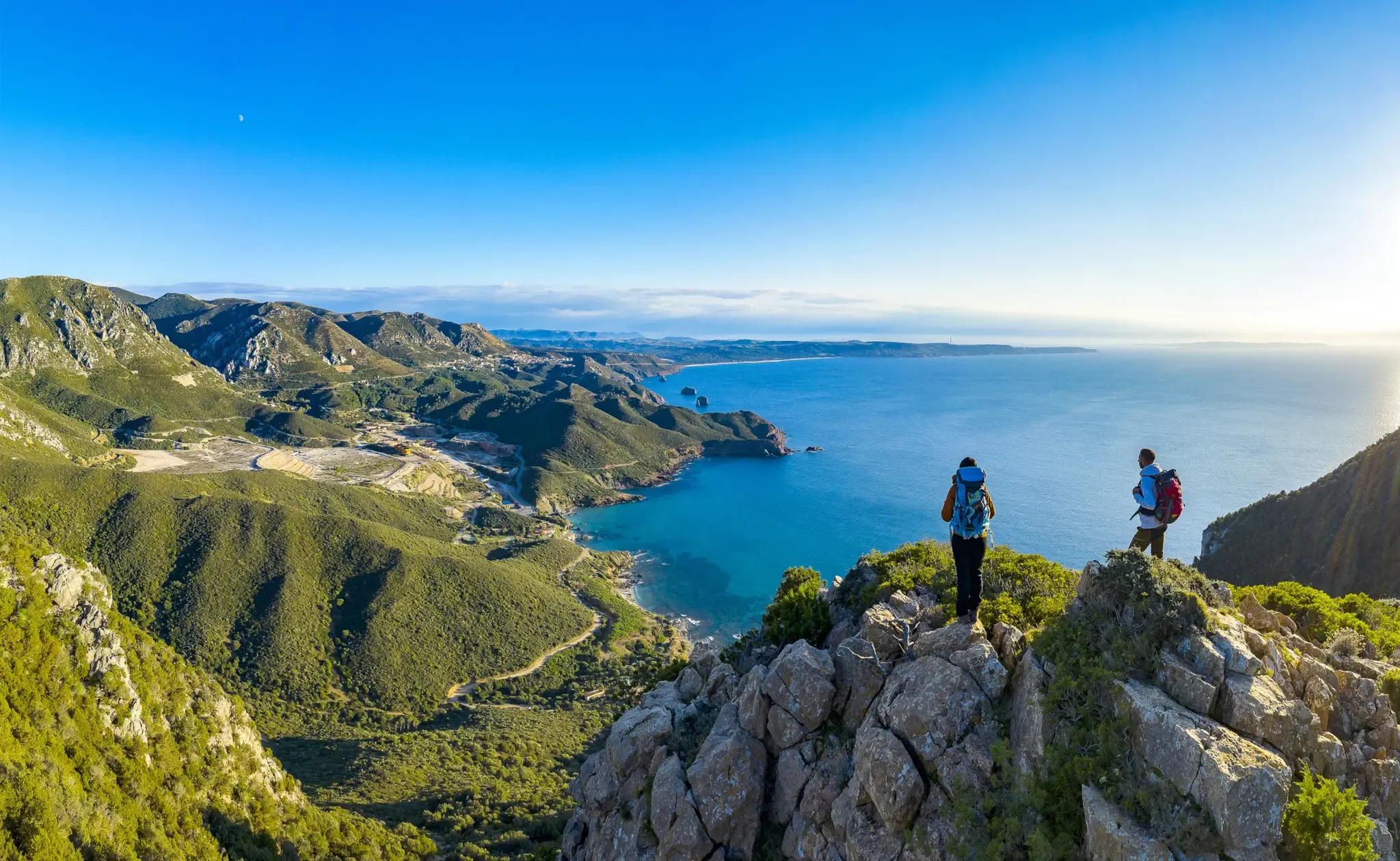
Cammino Minerario di Santa Barbara – memories of ancient Sardinia
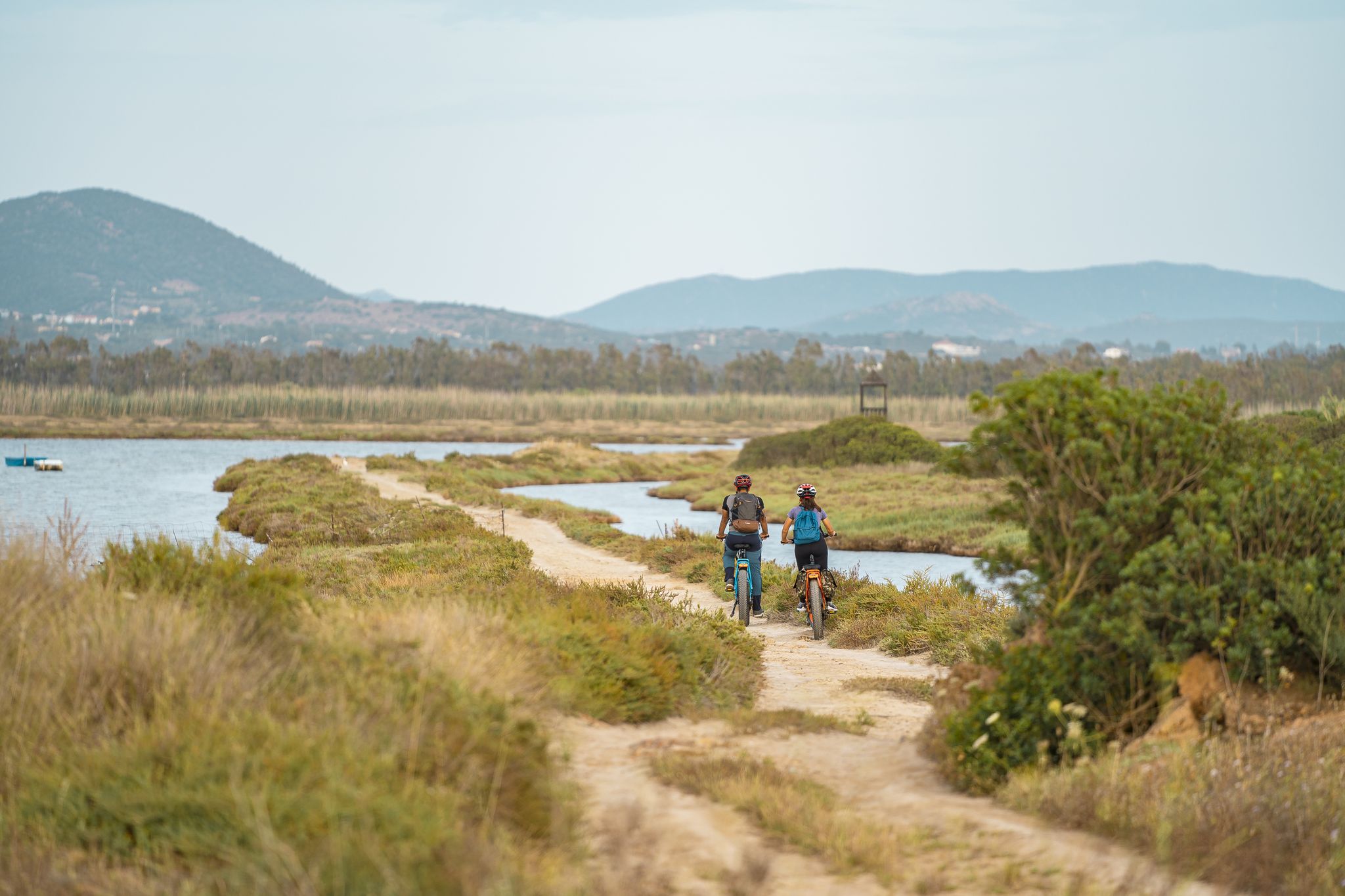
Ciclovia del Cammino Minerario di Santa Barbara
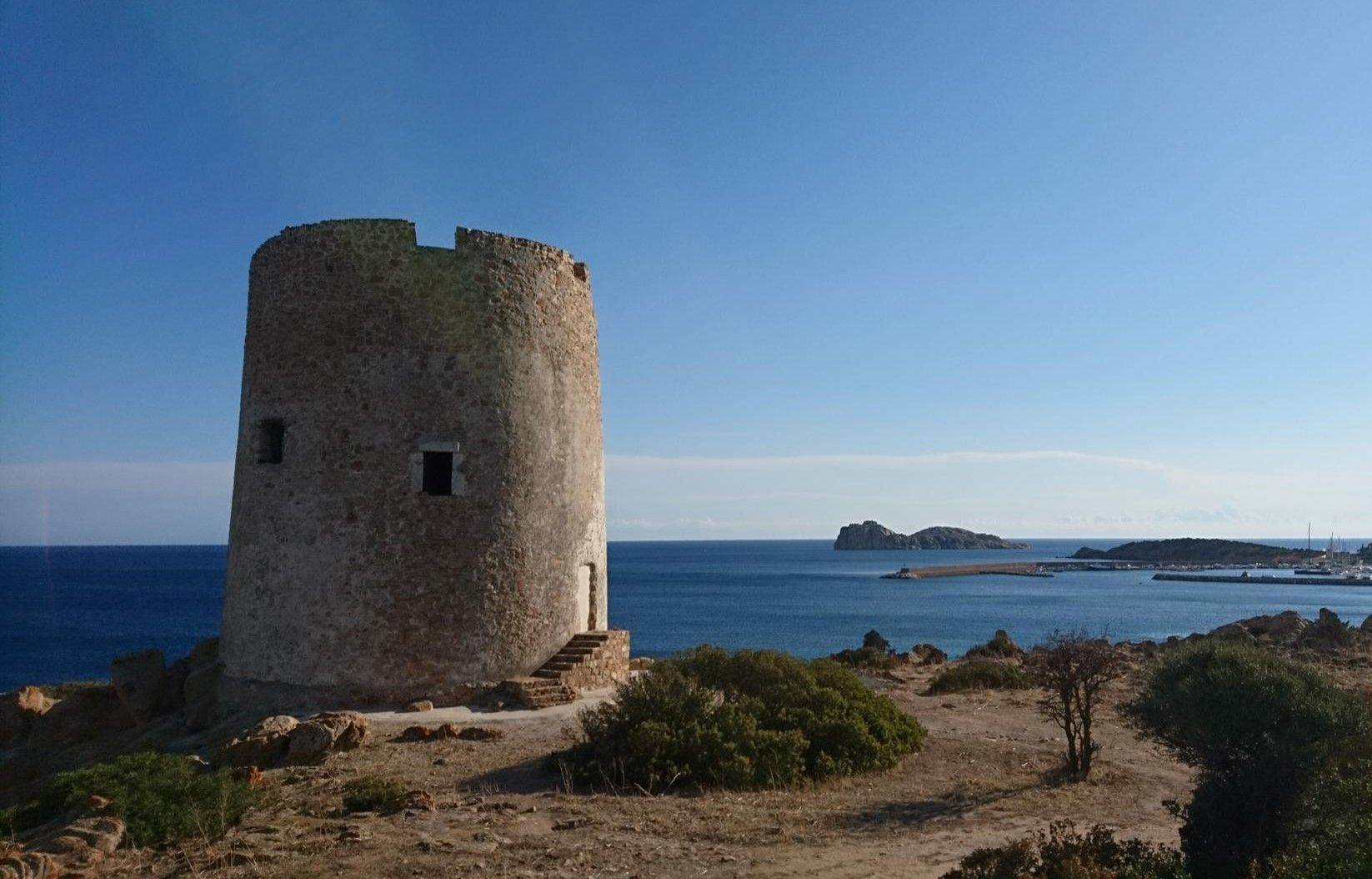
Portoscuso to Cagliari on the Via del Martirio – Cammino 100 Torri
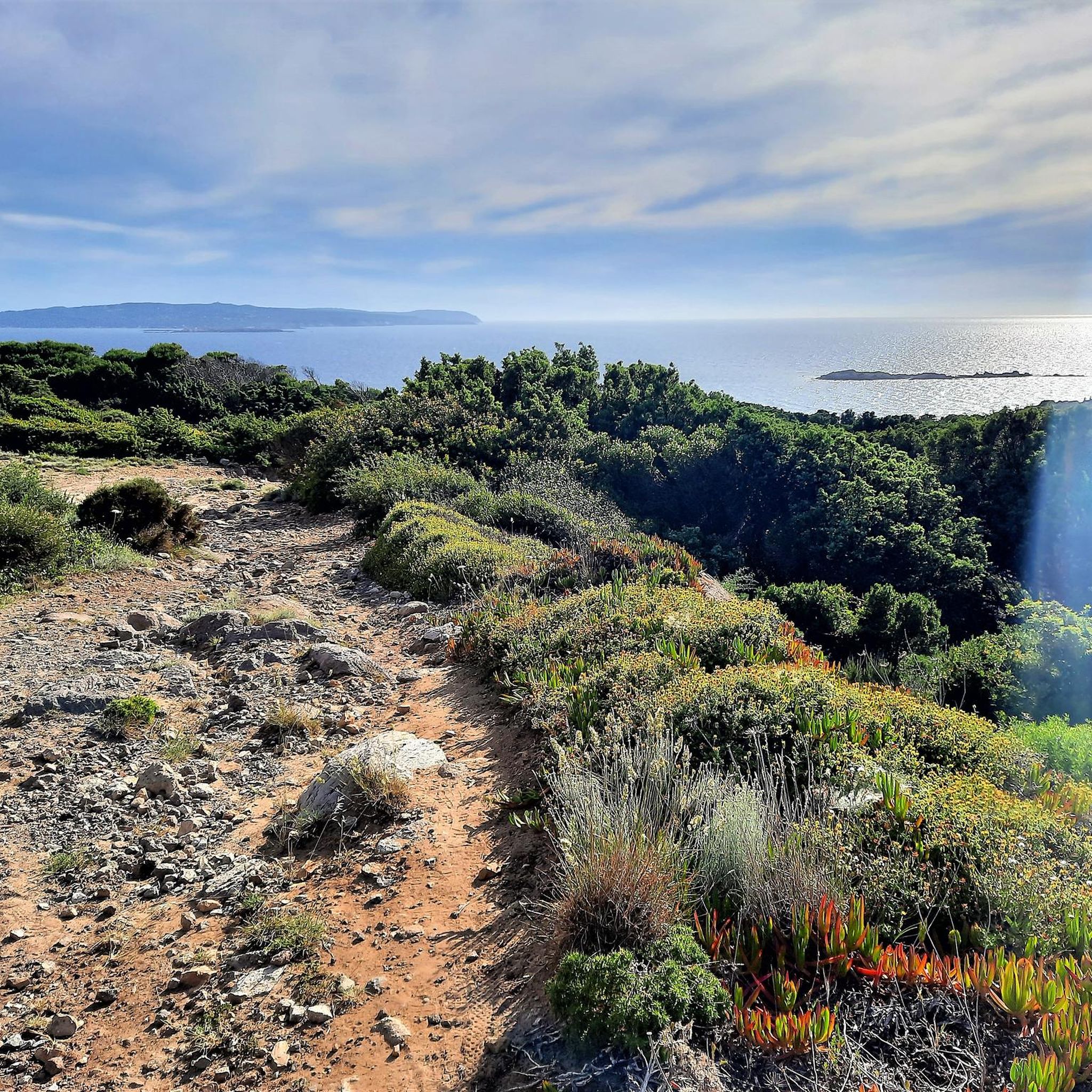
Hiking around Portescusi/Portoscuso
Road Cycling Routes around Portescusi/Portoscuso
MTB Trails around Portescusi/Portoscuso
Cycling around Portescusi/Portoscuso
Running Trails around Portescusi/Portoscuso

Gravel biking around Portescusi/Portoscuso
Other adventures around Portescusi/Portoscuso


Tips from the Community

This is the most beautiful stretch of the cycle path that connects Tratalias and the island of Sant'Antioco. Here you cycle through the Santa Caterina pond, on a very narrow strip of sand surrounded by the sea. A unique cycle path!
1
0

If you stroll along the Belvedere, definitely go down the stairs👍
1
0
From here you can see the ruins of Lamarmora
0
0

Beautiful, sheltered little bay with great red rocks. You can swim here, but you should watch out for sea urchins because of the rocks. Hardly any shade, small pebble beach.
1
0

The Sardinian word “nébida” means fog. Is that the namesake?
2
0
The laveria La Marmora is a former processing plant for zinc ore, which was mined in the Iglesiente until the 1970s. It is one of the greatest industrial monuments in the Iglesiente. There are other witnesses to mining in Nebida, and there is an old shaft above the town. In the area there is an old mine "s'acquq resi", which was in operation until the 1980s.
1
0
The laveria La Marmora is a former processing plant for zinc ore, which was mined in the Iglesiente until the 1970s. It is one of the greatest industrial monuments in the Iglesiente. There are other witnesses to mining in Nebida, and there is an old shaft above the town. In the area there are old mines "s'acquq resi", which were in operation until the 1980s.
6
0
Frequently Asked Questions
What are the best beaches and coves to visit around Portoscuso?
The Portoscuso area offers a variety of beautiful beaches and secluded coves. You can enjoy the popular sandy beach of Portopaglietto, or explore the clear waters of Is Canelles and Cala della Ghinghetta. For a more secluded experience, visit Porto Corallo Cove, known for its reddish pebbles and tranquil atmosphere, accessible via a scenic trail. Other notable spots include Spiaggia di Saraceno, Cala Piscine, and the rugged Spiaggia di Bue Marino.
Are there any historical landmarks or cultural sites in Portoscuso?
Yes, Portoscuso is rich in history. The iconic 16th-century Spanish Tower (Torre di Portoscuso) is a prominent landmark. You can also visit the historic Tonnara di Su Pranu, an old tuna works dating back to the 1500s, which still hosts traditional tuna fishing rituals. The Church of Madonna of Itria, with its ancient artworks, and the charming Portoscuso Historical Center are also worth exploring.
What outdoor activities can I do near Portoscuso?
The region around Portoscuso is excellent for outdoor enthusiasts. You can enjoy running on trails like the 'Sa Caletta loop' or 'Cape Altano – Spanish Tower of Portoscuso loop'. For cycling, consider the Tratalias–Sant'Antioco Cycle Path, which offers stunning views over the Santa Caterina pond. There are also various gravel and road cycling routes available. For more details on routes, check out the running, gravel biking, and road cycling guides for the area.
Are there any hiking trails with scenic views?
Absolutely. The Nebida Belvedere Walk is a highly recommended coastal path from Nebida to Masua, offering breathtaking views of the sea and remnants of the region's mining past, such as the former zinc ore processing plant. The area also features dramatic scenic cliffs along Costa Crobettana.
What is the best time of year to visit Portoscuso?
Portoscuso is enjoyable throughout much of the year, but the spring (May-June) and late summer (August) offer unique cultural experiences. May and June are when the traditional 'Le Mattanze' tuna fishing ritual takes place, and the Sagra del Granchio (Crab Festival) is held in June. Mid-August features the Arrusteddara (grilled fish festival). These periods combine pleasant weather with vibrant local events.
Are there family-friendly attractions or activities in Portoscuso?
Yes, families can enjoy the sandy beaches like Portopaglietto for swimming and relaxation. The Tratalias–Sant'Antioco Cycle Path is also a great family-friendly option for a leisurely bike ride with scenic views. Exploring the Portoscuso Historical Center and enjoying local festivals can also be fun for all ages.
What can I learn about the mining history of the region?
The Sulcis Iglesiente region, where Portoscuso is located, has a significant mining heritage. You can visit the La Marmora Ore Washing Plant in Nebida, a remarkable example of industrial archaeology. Other sites include the Miniera di Serbariu, which houses the Museum of Coal, and the Museo dell'Arte Mineraria, showcasing mining machinery and galleries. The Cammino Minerario di Santa Barbara also offers routes exploring this rich past.
Can I take a boat trip from Portoscuso?
Yes, boat excursions are a popular way to explore the coast. From the Portoscuso Tourist Port, you can take trips to witness the impressive Pan di Zucchero sea stack, explore ancient tuna fishing routes, and even see the historic Porto Flavia Mine from the water. The port also serves as a connection point for ferries to Isola di San Pietro and Carloforte.
Are there any archaeological sites nearby?
The area around Portoscuso has a long history of human habitation, with several archaeological sites. You can visit the Sito archeologico del Monte Sirai, an intact Phoenician and Punic settlement. Other sites include the Neolithic burial caves of Domus de Janas of Guroneddu and the Punic Necropolis in San Giorgio, which contains sepultures dating back to 770-750 BC.
What do visitors enjoy most about the attractions around Portoscuso?
Visitors particularly appreciate the stunning coastal scenery, the blend of historical industrial monuments with natural beauty, and the opportunities for outdoor activities. The coastal paths, like the Nebida Belvedere Walk, are highly praised for their views and the chance to discover hidden coves and historical sites along the way. The unique reddish pebbles of Porto Corallo Cove also leave a lasting impression.
Is it possible to visit other islands from Portoscuso?
Yes, the Portoscuso Tourist Port provides crucial ferry connections to Isola di San Pietro and its main town, Carloforte. These are popular destinations known for their beauty and charm, offering a great day trip option from Portoscuso.
Most popular routes around Portescusi/Portoscuso
Most popular attractions around Portescusi/Portoscuso

Get inspired with the komoot mobile app


Explore more
Still not found the Highlight you’re looking for? See guides of the top attractions in other regions:
