Top 9 Mountain Passes around Calasca-Castiglione
Mountain passes around Calasca-Castiglione, located in the Anzasca Valley, offer access to routes with historical significance and alpine vistas. The area features challenging hiking trails that connect different valleys and regions. These passes served as ancient trade and migration routes, notably for Walser settlers. Visitors can explore a landscape characterized by high-altitude paths and traditional alpine architecture.
Best mountain passes around Calasca-Castiglione
- The most popular mountain passes is Golden Madonna Statue at Monte Moro Pass, a man_made_monument located at…
Last updated: July 10, 2026
Golden Madonna Statue at Monte Moro Pass
Highlight • Monument
Translated by Google •
Tip by

Colle d'Egua
Highlight • Mountain Pass
Translated by Google •
Tip by

Sign up now to discover places like this
Get recommendations on the best single tracks, peaks, & plenty of other exciting outdoor places.
Sign up for free
Bocchetta di Rimella
Highlight • Mountain Pass
Translated by Google •
Tip by
Monte Moro Pass Trail Section
Highlight (Segment) • Trail
Translated by Google •
Tip by

View of Monte Rosa
Highlight (Segment) • Viewpoint
Translated by Google •
Tip by
Sign up for free to discover even more mountain passes around Calasca-Castiglione.
Sign up for free
Already have an account?
Start today with a free account
Your next adventure awaits.
Login or Signup
Popular around Calasca-Castiglione

Other adventures around Calasca-Castiglione

Tips from the Community

Was worshipped by smugglers
0
0

The Monte Moro Pass is located on the border between Switzerland and Italy, connecting the Saas Valley in Valais to the Anzasca Valley in Piedmont. The unique feature of this pass is that it is accessible via a medieval mule track. The route and photos are available at: https://treksrandos.fr/alpes/valais/alpes-pennines/col-de-monte-moro/
0
1

Pass connecting Valle Barranca, Valsesia and Valle Anzasca. Suggestive step in a very fascinating wild area.
0
0

When the golden statue emerges from the fog... great!
0
1

Prime location to look forward to. Enjoy the beautiful 360° panoramic views. At an altitude of 2,239 meters, this is your reward for standing here.
3
0

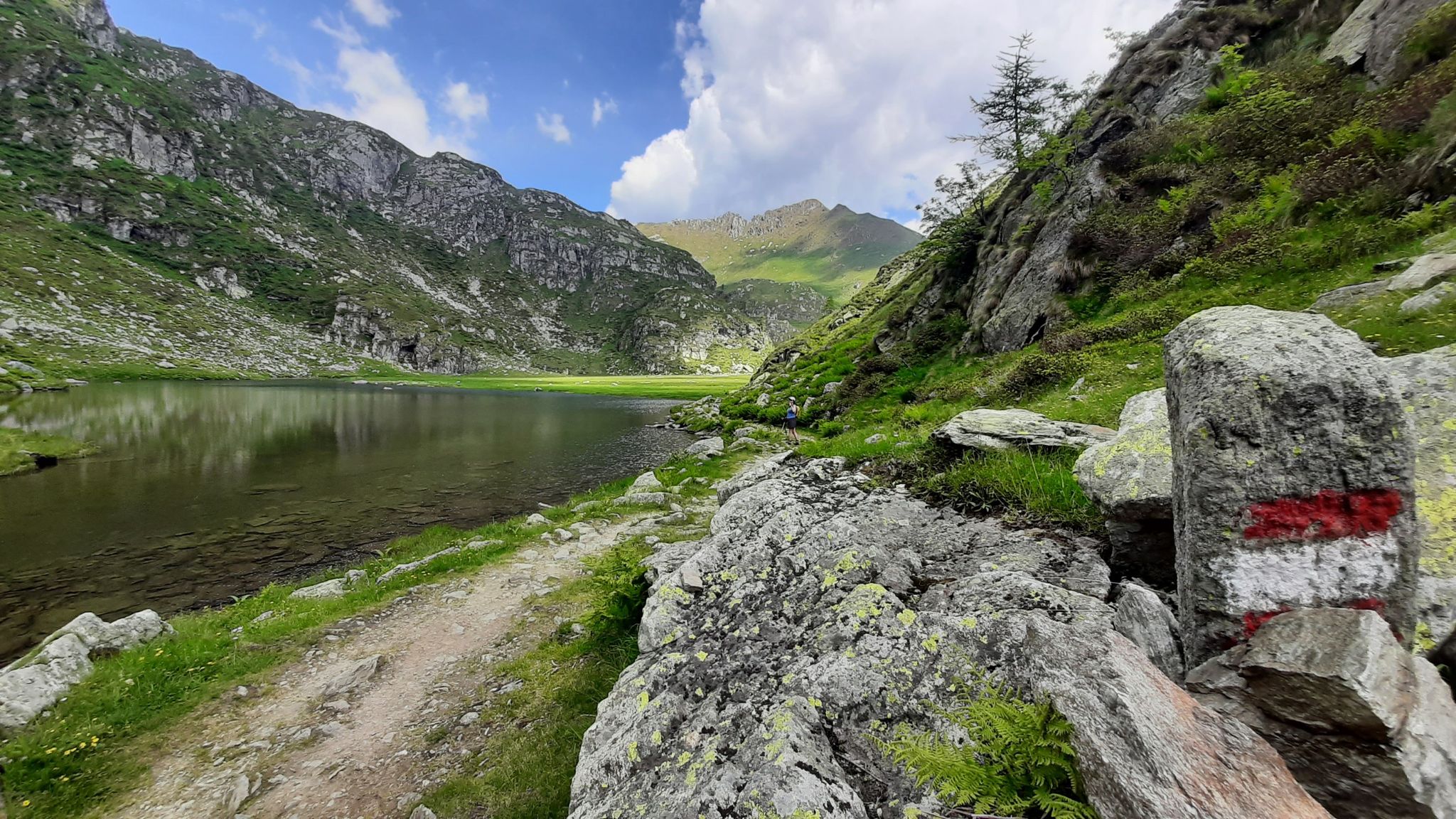
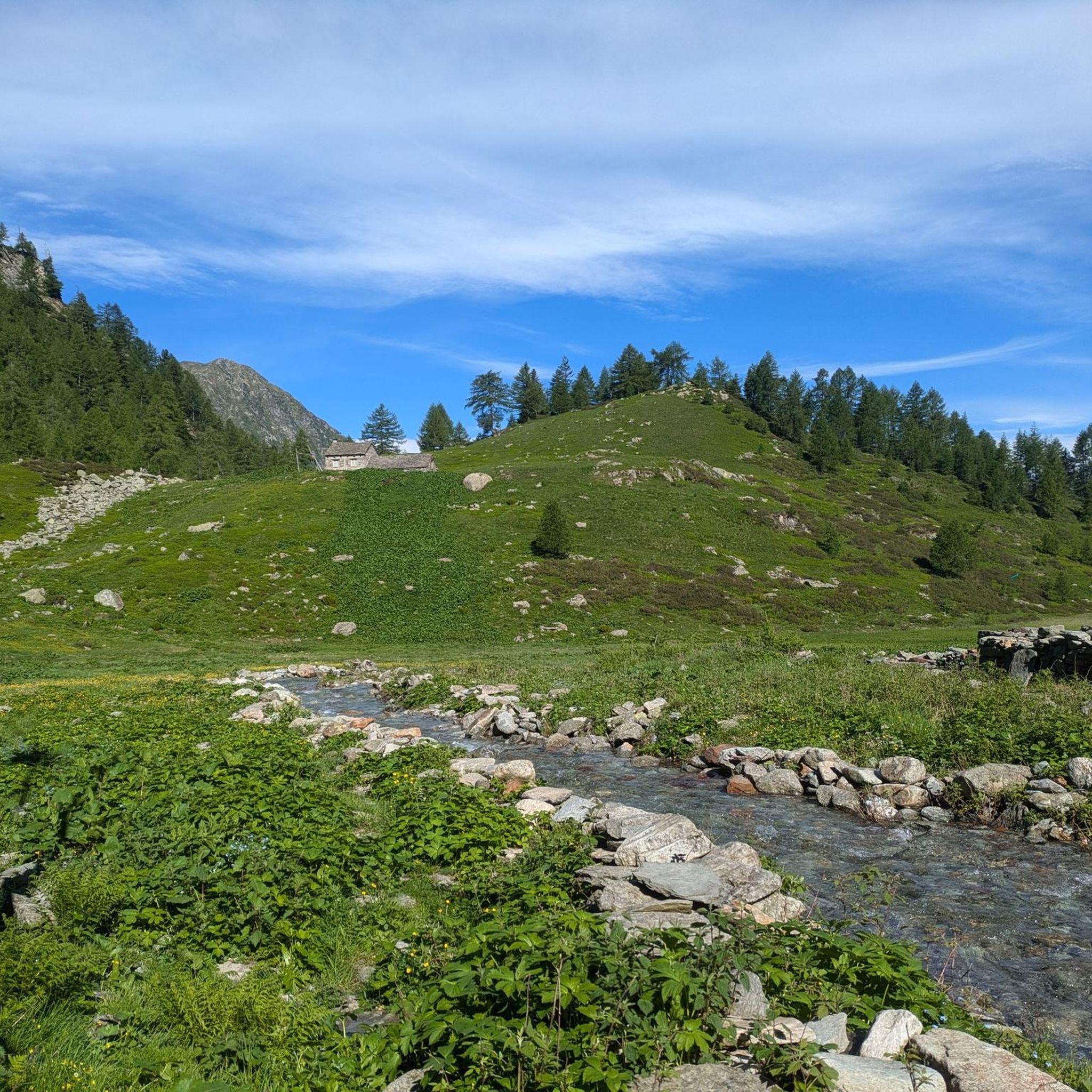
Colle d'Egua, at 2,239 meters above sea level, is a connection between Fobello and Carcoforo, known for the magnificent panorama it offers on Monte Rosa, which here exhibits all its peaks exceeding 4,000 metres. In this area there is also a bivouac that bears the same name as the hill. The surrounding trails vary between easy and technical sections, but most of them are suitable for running. The shortest route to reach this splendid panorama is from Carcoforo, but it is also possible to take a longer itinerary starting from Ceppo Morelli.
6
0
The Monte Moro pass, located at 2,868 meters above sea level on the border between Italy and Switzerland, is characterized by the presence of the Madonnina placed on a rock spur, which represents the symbol of the pass. From here you have a wonderful view, with Italy on one side and the Saas Valley, Switzerland, on the other. You can admire the imposing east face of Monte Rosa. I advise you to arrive early, as after midday the clouds tend to lift from Italy. The terrain on both sides is not particularly technical, except for the summit itself, where there are chains to aid passage.
5
0
Frequently Asked Questions
What are the most notable mountain passes around Calasca-Castiglione?
The region around Calasca-Castiglione, nestled in the Anzasca Valley, offers access to several remarkable mountain passes. Among the most notable are the Passo del Monte Moro, known for its panoramic views and the Golden Madonna statue, and the Passo del Turlo, a historically significant route for Walser settlers. Another accessible pass from the area is Passo Salarioli.
What makes Passo del Monte Moro a significant destination?
Passo del Monte Moro, situated at 2,868 meters on the border between Italy and Switzerland, is renowned for its unparalleled panoramic views, including the majestic east face of the Monte Rosa massif and the vast Mattmark dam. It features a striking three-meter-high golden statue of the Madonna and is accessible via a cable car from Macugnaga, making it easier for visitors to reach. It's also a vital segment of the Monte Rosa Tour.
What is the historical significance of Passo del Turlo?
Passo del Turlo is a significant historical route, once used by Walser settlers in the 14th century for trade and migration between valleys. Its name, 'Türli,' means 'little door,' describing its narrow appearance. The pass features an ancient mule track, later transformed into a military road, and forms part of the demanding Monte Rosa Tour. Along the route, hikers can find the Emiliano Lanti bivouac.
Are there challenging hiking trails near Calasca-Castiglione's mountain passes?
Yes, many of the mountain passes in the area offer challenging hiking experiences. For instance, the Passo del Turlo is part of the demanding Monte Rosa Tour, attracting experienced hikers and ski mountaineering enthusiasts. The journey to Passo Salarioli also involves a demanding itinerary with significant elevation gain. You can find more challenging routes in the Mountain Hikes around Calasca-Castiglione guide.
What kind of natural features can I expect to see along these passes?
The mountain passes around Calasca-Castiglione offer diverse natural beauty. Along the Passo del Turlo, you can hike through larch groves, past the scenic Turlo lakes, and Alpe Grafenboden, which is adorned with gentians and alpine forget-me-nots in spring. Passo del Monte Moro provides breathtaking views of the Monte Rosa massif and the Mattmark dam, with the picturesque Emerald Lake near its summit.
What is the best time to visit the mountain passes in this region?
The best time to visit the mountain passes around Calasca-Castiglione is generally during the warmer months, from late spring to early autumn. This period offers the most favorable weather for hiking and enjoying the alpine scenery. In spring, you might observe local fauna like ibex and see alpine flowers in bloom. Some passes, like Passo del Turlo, are also popular for ski mountaineering in winter.
Can I find any cultural or historical sites along the mountain passes?
Yes, the passes are rich in cultural and historical significance. Passo del Turlo follows an ancient mule track used by Walser settlers for centuries. Passo del Monte Moro is recognized as an important border crossing and trade route dating back to the Middle Ages. The route to Passo Salarioli passes through charming hamlets, allowing exploration of traditional alpine architecture and votive chapels, offering glimpses into rural life and historical connections to the Antrona Valley.
What outdoor activities are available near these mountain passes?
Beyond exploring the passes themselves, the region offers a variety of outdoor activities. You can find numerous hiking trails, including those that are part of long-distance routes like the Sentiero Italia and Via Alpina. For more options, explore the Hiking around Calasca-Castiglione guide. Cycling routes are also available, as detailed in the Cycling around Calasca-Castiglione guide.
What do visitors enjoy most about the mountain passes around Calasca-Castiglione?
Visitors frequently highlight the breathtaking panoramic views, especially from Passo del Monte Moro, which offers stunning vistas of the Monte Rosa massif. The challenging yet rewarding hikes, the historical significance of ancient routes like Passo del Turlo, and the opportunity to experience the unique alpine culture and nature are also highly appreciated. The komoot community has shared 82 photos and given 80 upvotes across various highlights in the area.
Are there any refuges or resting points along the mountain pass routes?
Yes, for those undertaking longer or more challenging routes, there are resting points available. Along the Passo del Turlo, hikers can find the Emiliano Lanti bivouac at 2,150 meters, which serves as a useful resting point. From Passo Salarioli, it's possible to descend to Alpe La Colma, where a refuge is managed during the summer months, offering a place for rest and further exploration.
How can I learn more about the Walser culture associated with these passes?
The Walser people played a significant role in the history of these mountain passes. Passo del Turlo, for example, was a crucial route for Walser settlers in the 14th century. To delve deeper into the Walser heritage, you can explore resources like the Visit Valsesia Vercelli website, which provides information on the Alagna and Colle del Turlo area, deeply connected to Walser history.
Most popular routes around Calasca-Castiglione
Most popular attractions around Calasca-Castiglione

Get inspired with the komoot mobile app


Explore more
See even more epic mountain passes by checking out these guides around Calasca-Castiglione:
