The best cycling routes around Settime
4.4
(257)
2,023
riders
189
rides
Touring cycling routes around Settime, located in Italy's Piedmont region, traverse a landscape characterized by rolling hills and continuous ups and downs on paved roads. The area is blanketed in vineyards, forming part of the UNESCO World Heritage landscape of Monferrato. Cyclists can explore diverse natural backdrops including woods, fields, and hills, often with the distant Alps providing a scenic backdrop. Winding secondary roads in the Asti area allow for peaceful journeys through nature and historic villages.
Best touring cycling…
Last updated: June 24, 2026
5.0
(4)
26
riders
89.3km
06:10
1,350m
1,350m
Hard bike ride. Very good fitness required. Mostly paved surfaces. Suitable for all skill levels.
4.0
(1)
9
riders
Hard bike ride. Very good fitness required. Mostly paved surfaces. Suitable for all skill levels.

Sign up for free
7
riders
73.9km
04:47
850m
850m
Hard bike ride. Very good fitness required. Mostly paved surfaces. Suitable for all skill levels.
3.0
(1)
6
riders
31.2km
02:02
330m
330m
Moderate bike ride. Good fitness required. Mostly paved surfaces. Suitable for all skill levels.
3.0
(1)
7
riders
138km
09:23
1,910m
1,910m
Hard bike ride. Very good fitness required. Mostly paved surfaces. Suitable for all skill levels.
Get access to more routes and recommendations from other explorers.
Sign up for free
Already have an account?
Our route recommendations are based on thousands of hikes, rides, and runs completed by other people on komoot.
Start today with a free account
Your next adventure awaits.
Login or Signup
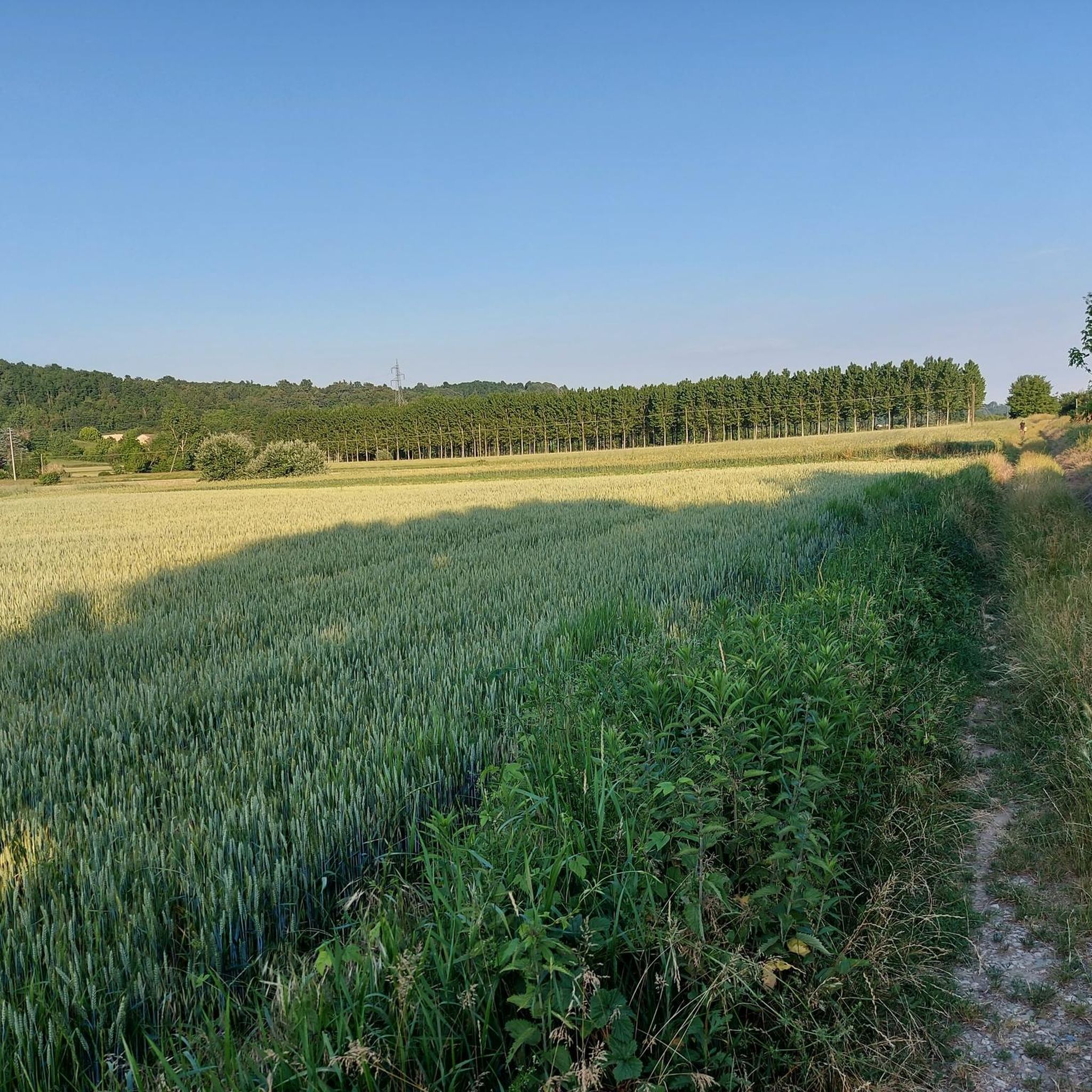
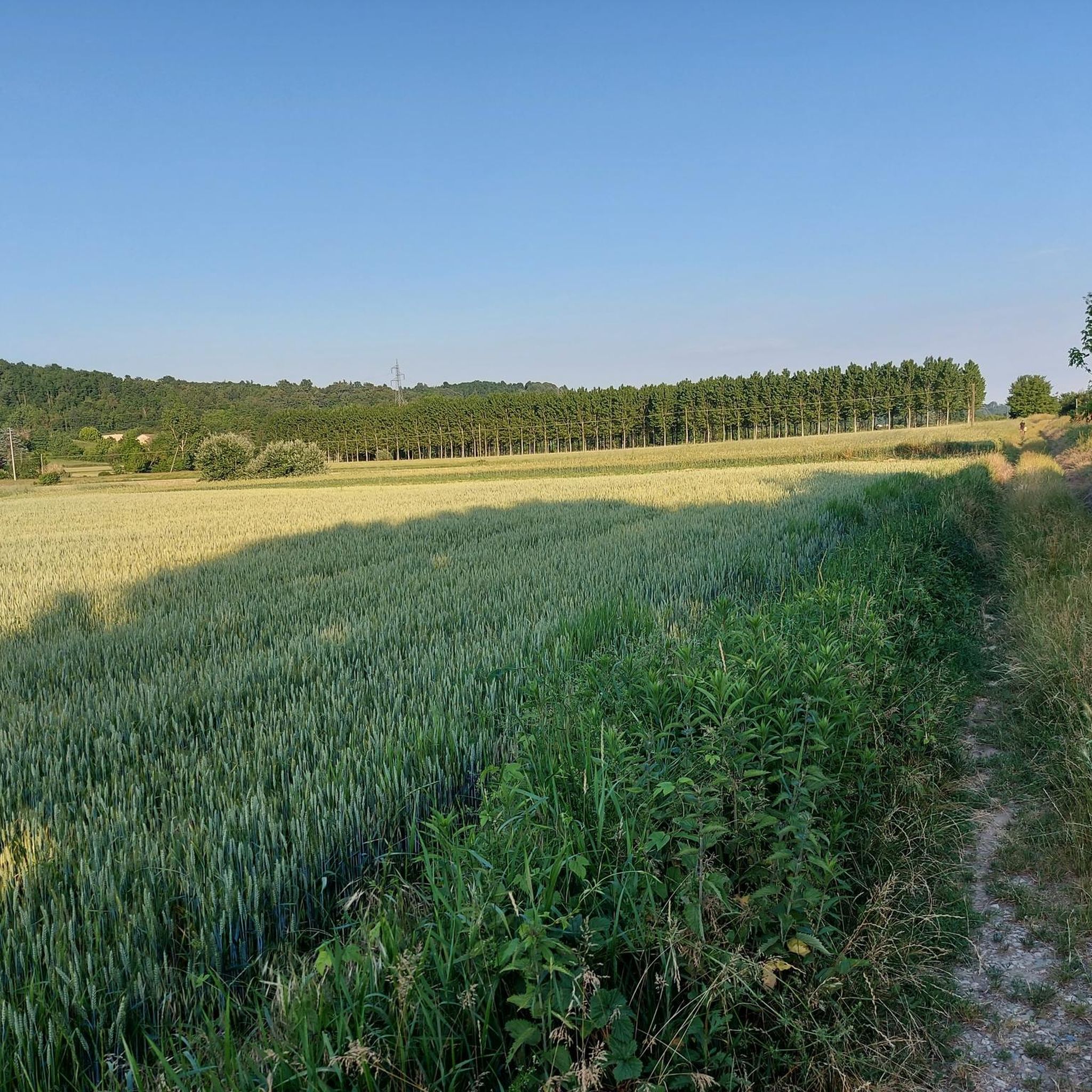
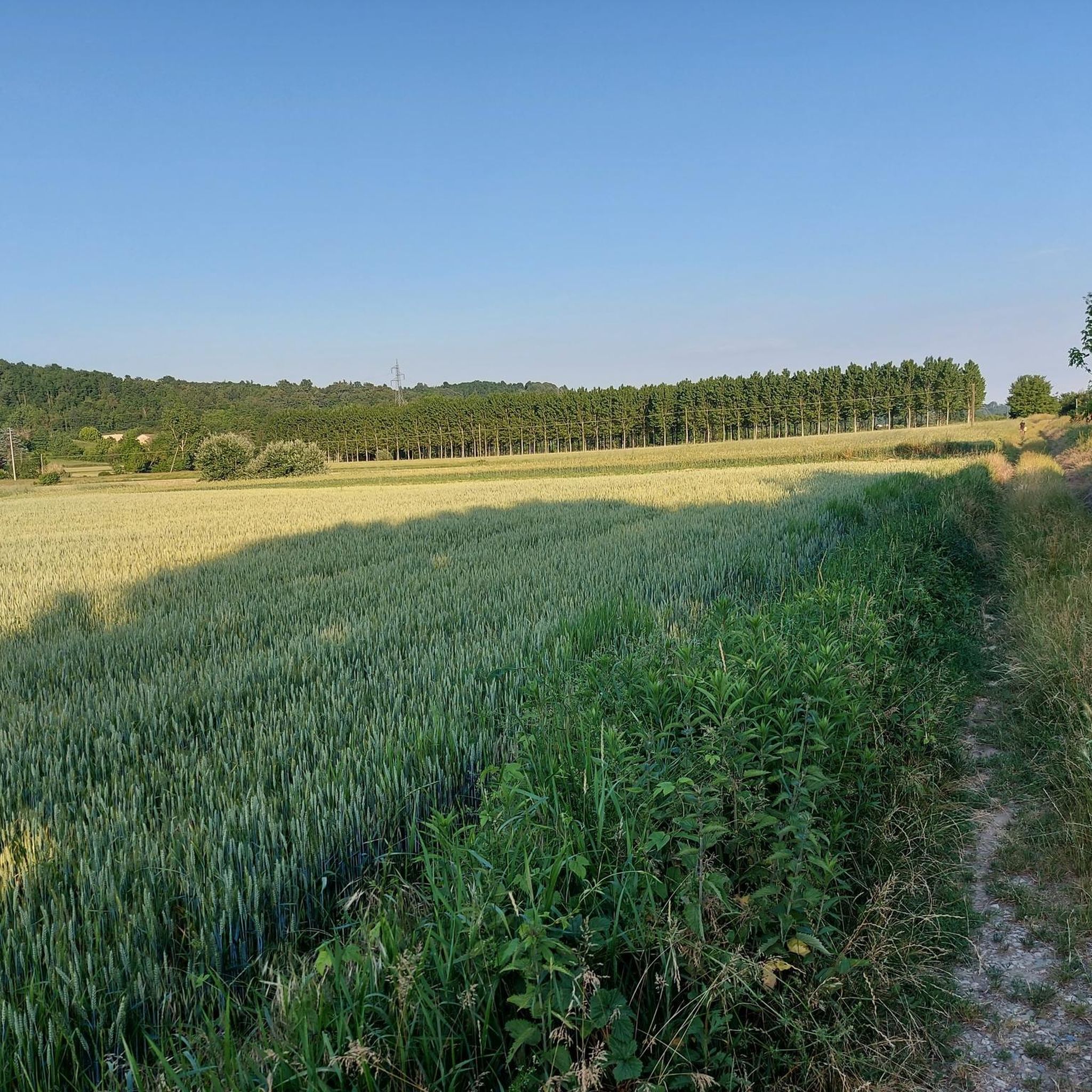
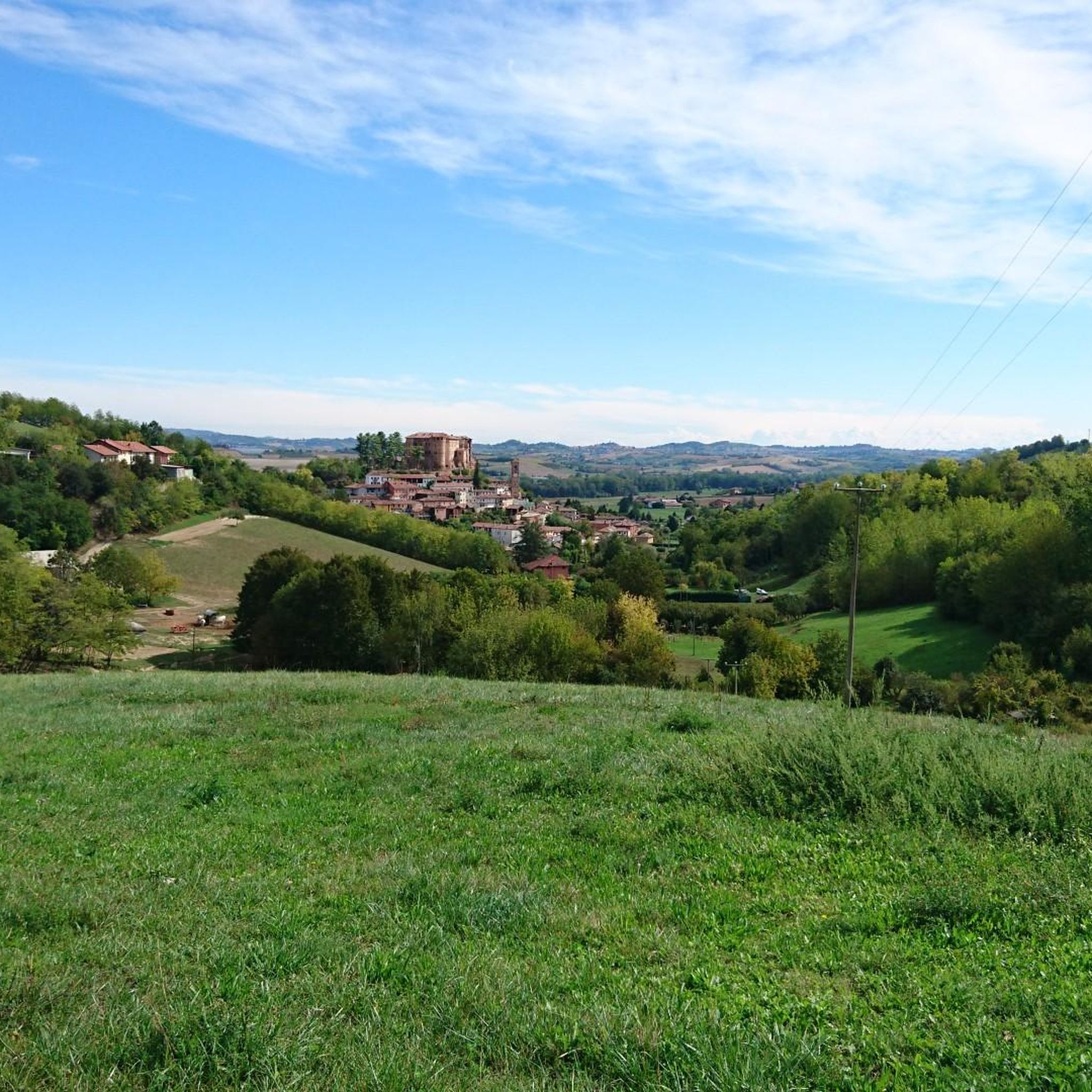

Tips from the Community

The Valle Bormida is a valley in northwestern Italy that extends between Piedmont and Liguria, following the course of the Bormida river, a tributary of the Tanaro.
11
0

The Castle of Monastero Bormida was not originally built as a defensive structure but as a Benedictine monastery, founded around 1050 by monks from the Abbey of Fruttuaria, called by the Aleramici Marquises to reclaim the lands devastated by Saracen raids. The 27-meter tower still visible today was originally the bell tower, and the river flowing a few meters from the southern tower confirms the non-military nature of the building. In 1393, the Benedictines abandoned the monastery, and its feudal history began: the fief passed to the Del Carretto marquises, who in the 15th century added the first defensive structures, transforming it into a castle. The building is a quadrangular structure with an internal courtyard, protected by towers on multiple sides and connected to the former bell tower by a small suspension bridge. On the south facade, there is a two-arched Renaissance loggia with a small stone column. Inside, the rooms on the main floor—transformed in the 17th century—feature mosaic floors and sail and cross vaults with frescoes of floral and geometric motifs. The castle later passed to the Della Rovere family and subsequently to the Genoese Polleri family, finally becoming the property of the Municipality starting in 1880. Today it is open to visitors and is part of the regional circuit "Castelli Aperti".
0
0

At the end of the uphill main street stands the large parish church.
0
0

The Basilica of San Giovanni Bosco stands on Colle Don Bosco, in the hamlet of Morialdo, a hamlet of Castelnuovo Don Bosco, in the province of Asti, and is part of the Archdiocese of Turin. Dedicated to Saint John Bosco, it was erected between 1961 and 1966 on the site adjacent to the Cascina Biglione-Damevino, the saint's birthplace.
0
0
The ROMANESQUE BRIDGE dates back to the 14th century. Through the characteristic Vicolo del Droc—where one of the city gates once stood and where the entrance to an ancient oven can still be seen—you reach the Romanesque bridge over the Bormida River, still in use. It represents one of the most interesting works of medieval civil engineering in the valley, and its counterpart, in Spigno, is the similar bridge at the Abbey of San Quintino. Both were built by Benedictine monks. It is a massive humpbacked structure with four spans. The Monastero bridge was the only one passable year-round from the lower valley: Acqui did not have one.
16
0
Exceptional view of Roccaverano.
6
0

Beautiful old arched bridge.
3
1

Very interesting tour with many pleasant variations
0
0
Frequently Asked Questions
How many touring cycling routes are available around Settime?
There are over 150 touring cycling routes available around Settime, offering a wide range of options for different skill levels. You'll find routes traversing the region's characteristic rolling hills and vineyard-covered landscapes.
What is the overall difficulty level of touring cycling routes in Settime?
The touring cycling routes around Settime offer a mix of difficulties. While there are 14 easy routes and 65 moderate options, the majority, 73 routes, are considered difficult. This reflects the region's terrain of continuous ups and downs on paved roads, providing a good challenge for experienced cyclists.
What do other touring cyclists say about the routes around Settime?
The touring cycling routes around Settime are highly regarded by the komoot community, with an average rating of 4.4 stars from over 250 reviews. Cyclists frequently praise the picturesque vineyard landscapes, the quiet secondary roads, and the engaging challenge of the rolling hills.
When is the best time of year to go touring cycling in Settime?
The best time for touring cycling in Settime is generally during spring and autumn. These seasons offer pleasant temperatures for riding through the rolling hills and vineyards, avoiding the heat of summer and the colder, potentially wetter conditions of winter. The autumn also provides stunning views of the changing foliage in the Monferrato landscape.
What kind of terrain can I expect on touring cycling routes near Settime?
Touring cycling routes near Settime are characterized by rolling hills and continuous ups and downs on paved roads. You'll primarily traverse a UNESCO World Heritage landscape blanketed in vineyards, interspersed with woods, fields, and historic villages. The winding secondary roads ensure a peaceful journey, often with the distant Alps forming a scenic backdrop.
Are there any challenging touring cycling routes for experienced riders?
Yes, Settime offers numerous challenging routes. For instance, the Cardona – Panorama of Villadeati loop from Settime-Cinaglio-Mombarone is a difficult 45.3-mile (72.9 km) path with over 1,100 meters of elevation gain, providing extensive views across varied terrain. Another demanding option is the Corsione Viewpoint – Monument to King Umberto I loop from Montechiaro d'Asti, a 35.1-mile (56.4 km) route through vineyard-covered hills.
Are there any circular touring cycling routes around Settime?
Many touring cycling routes around Settime are designed as loops, allowing you to start and end in the same location. A popular example is the Bike loop from Montechiaro d'Asti, a 24.2-mile (38.9 km) trail that offers dynamic riding through the region's characteristic rolling hills.
What natural features or monuments can I see along touring cycling routes?
Along touring cycling routes near Settime, you can discover several natural monuments and historical sites. Notable natural features include the Sulphur Fountain of San Dionigi and the Astigiano Paleontological Park. You might also encounter the WWF Oasis Villa Paolina, offering a glimpse into the local biodiversity.
Are there any historical or cultural landmarks to explore while cycling?
Yes, the Settime area is rich in historical and cultural landmarks. You can visit the Viatosto Church and View of the Hills of Asti, or the Church of Saints Nazarius and Celsus. The San Secondo Church in Cortazzone and the Cave Dwellings of Mombarone also offer fascinating insights into the region's past.
Are there family-friendly touring cycling routes in the Settime area?
While many routes in Settime feature rolling hills and can be challenging, there are 14 routes classified as easy, which may be suitable for families looking for less strenuous rides. These routes often follow quieter secondary roads through vineyards and fields, providing a pleasant experience for all ages. Always check the route's elevation profile and distance to ensure it matches your family's ability.
Can I bring my dog on touring cycling routes near Settime?
Many touring cycling routes in the Settime area, particularly those on quiet paved roads through rural landscapes, are suitable for cycling with a dog, provided your dog is accustomed to cycling alongside or in a trailer. Always ensure your dog's safety and comfort, especially on longer routes or during warmer weather. Check local regulations for specific areas, though generally, there are no restrictions on well-behaved dogs on public paths.
Are there routes that pass through historic villages or offer cultural experiences?
Absolutely. The region around Settime is dotted with historic villages and cultural sites. Routes often lead through charming hilltop villages like Berzano di San Pietro, Montaia, and Cortazzone. You can also find Romanesque treasures such as the Santa Maria di Vezzolano abbey, offering a cultural dimension to your ride. The Basilica of Saint John Bosco – Village of Camerano Casasco loop from Settime-Cinaglio-Mombarone is an example of a route that connects significant cultural points.
What are the options for parking near touring cycling trailheads in Settime?
Parking is generally available in and around the villages that serve as starting points for touring cycling routes, such as Settime, Montechiaro d'Asti, and Cortandone. As many routes utilize secondary roads, you can often find convenient parking in village centers or designated areas. It's advisable to check specific starting points for detailed parking information.
Most popular attractions around Settime

Get inspired with the komoot mobile app


Explore more
Browse the best Cycling routes in other regions.
