Attractions and Places To See around Castel Boglione - Top 20
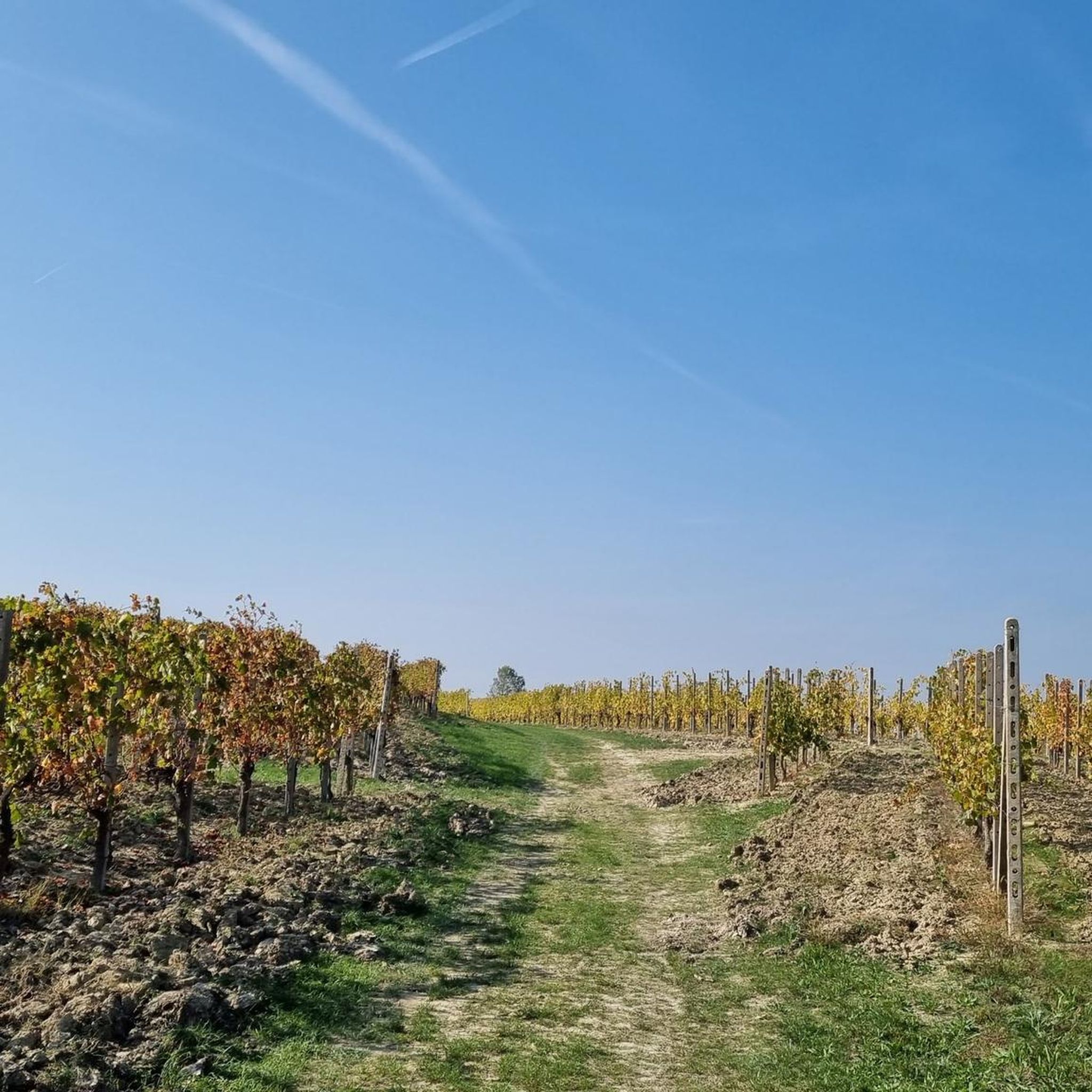
Best attractions and places to see around Castel Boglione include historical sites, natural features, and cultural experiences within the scenic Monferrato hills. This Italian town is recognized for its viticulture, with expansive vineyards defining the landscape and contributing to its cultural significance. Visitors can explore a blend of historical landmarks and natural beauty, primarily centered around its prestigious wine production. The area offers a tranquil setting for those interested in history, nature, and the traditions of Italian winemaking.
Best attractions…
Last updated: August 30, 2026
Roman Aqueduct of Acqui Terme
Highlight • Historical Site
Translated by Google •
Tip by

La Bollente Hot Spring Fountain
Highlight • Natural Monument
Translated by Google •
Tip by

Sign up now to discover places like this
Get recommendations on the best single tracks, peaks, & plenty of other exciting outdoor places.
Sign up for free
Monastero Bormida
Highlight • Settlement
Translated by Google •
Tip by

Main Square of Castelnuovo Calcea
Highlight • Settlement
cittaecattedrali.it/it/bces/313-chiesa-di-s-stefano-castelnuovo-calcea-at
Translated by Google •
Tip by

Bubbio Village and Church of San Grato
Highlight • Settlement
Translated by Google •
Tip by
Sign up for free to discover even more attractions around Castel Boglione.
Sign up for free
Already have an account?
Start today with a free account
Your next adventure awaits.
Login or Signup
Tips from the Community

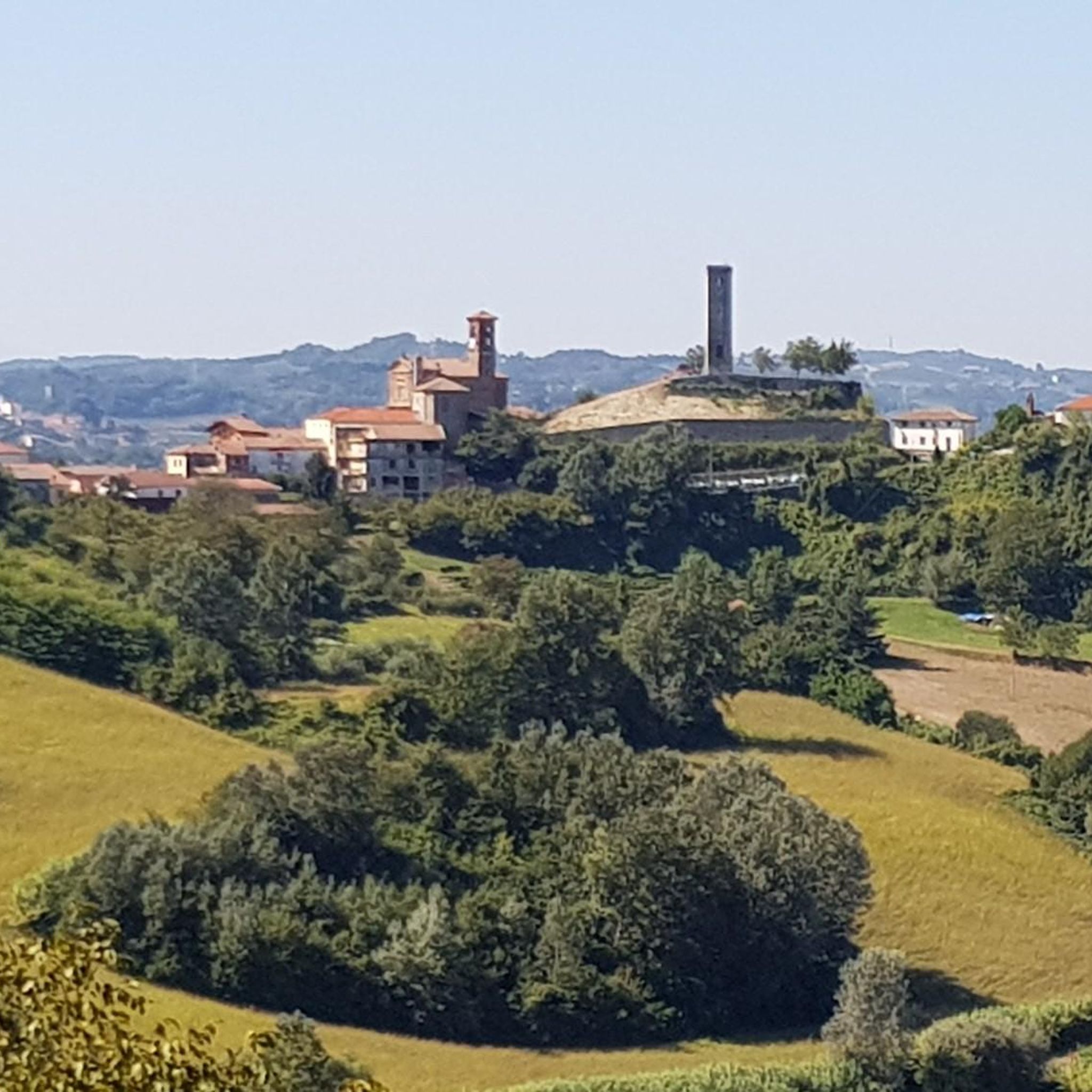
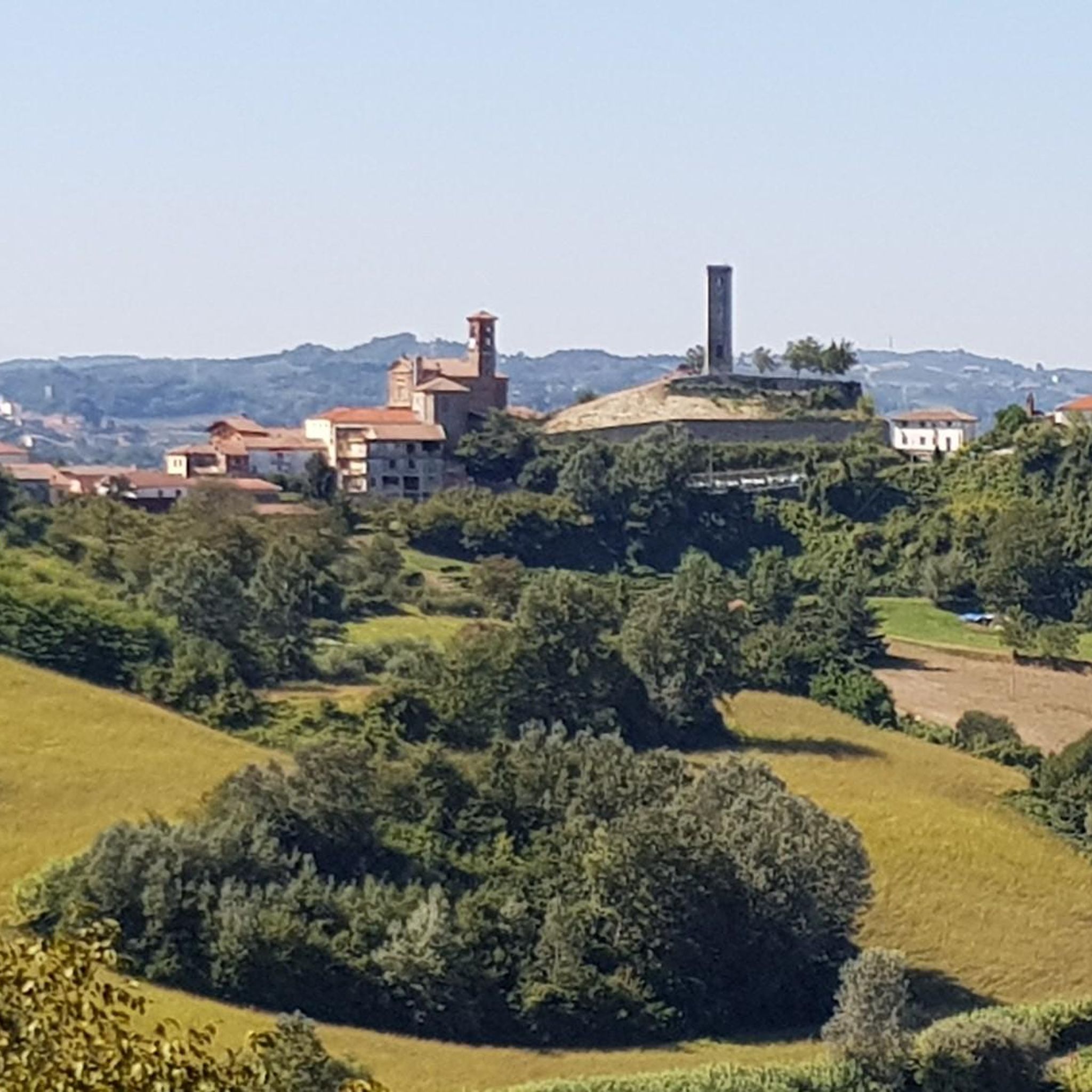
Monastero Bormida is a charming Italian medieval village located in the province of Asti, in Piedmont, nestled in the picturesque landscapes of the Langa Astigiana. The village was founded around the year 1050, when a group of Benedictine monks was called by Marquis Aleramo to clear and repopulate the lands devastated by Saracen raids.
0
0

The Castle of Monastero Bormida was not originally built as a defensive structure but as a Benedictine monastery, founded around 1050 by monks from the Abbey of Fruttuaria, called by the Aleramici Marquises to reclaim the lands devastated by Saracen raids. The 27-meter tower still visible today was originally the bell tower, and the river flowing a few meters from the southern tower confirms the non-military nature of the building. In 1393, the Benedictines abandoned the monastery, and its feudal history began: the fief passed to the Del Carretto marquises, who in the 15th century added the first defensive structures, transforming it into a castle. The building is a quadrangular structure with an internal courtyard, protected by towers on multiple sides and connected to the former bell tower by a small suspension bridge. On the south facade, there is a two-arched Renaissance loggia with a small stone column. Inside, the rooms on the main floor—transformed in the 17th century—feature mosaic floors and sail and cross vaults with frescoes of floral and geometric motifs. The castle later passed to the Della Rovere family and subsequently to the Genoese Polleri family, finally becoming the property of the Municipality starting in 1880. Today it is open to visitors and is part of the regional circuit "Castelli Aperti".
1
0

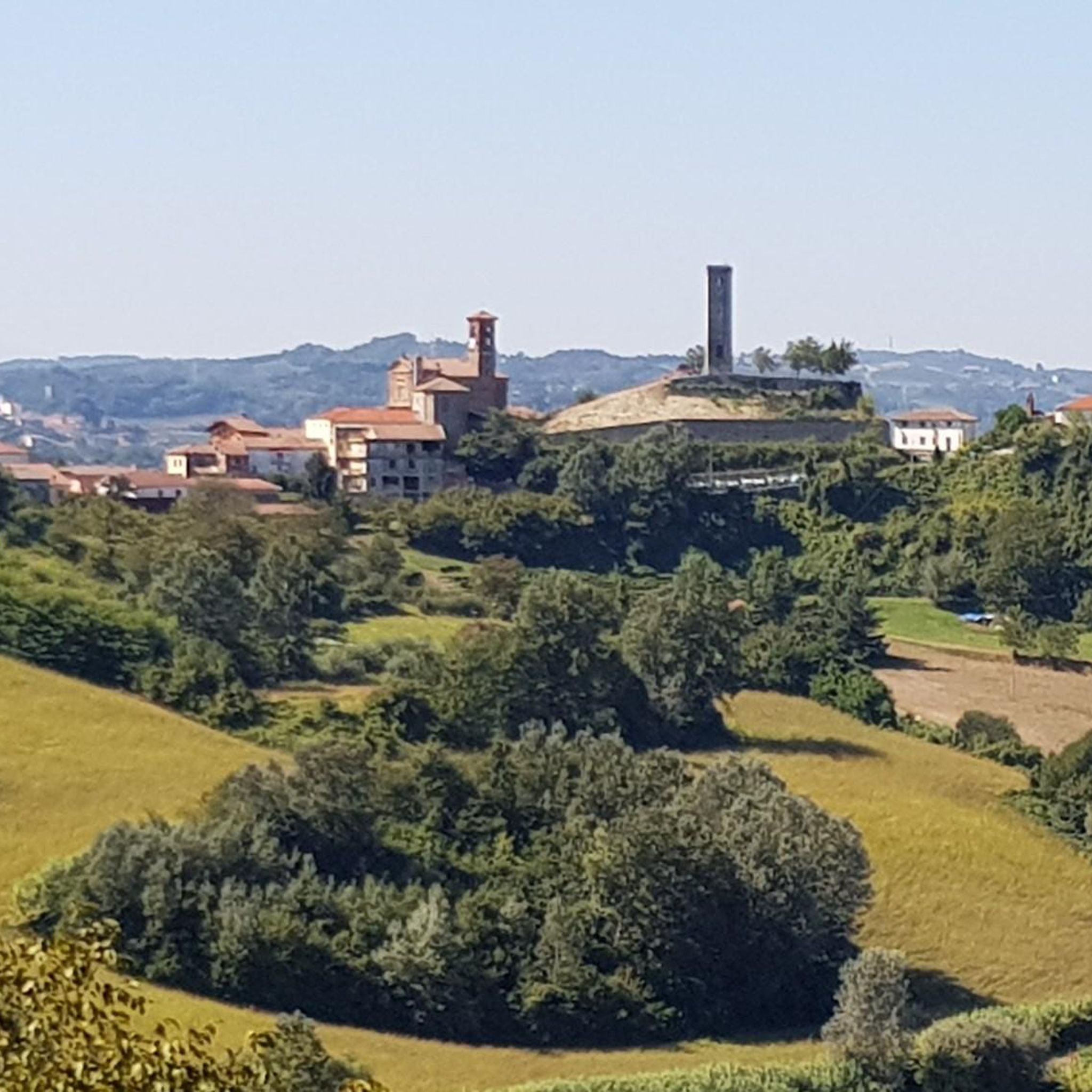
Castelnuovo Calcea, located in the heart of the Monferrato Astigiano, has ancient origins linked to the Ligurian Statielli, Celts, and Gauls, before Roman colonization (Castrum Novum ad Calcea). The medieval village, known for its castle, destroyed several times starting in 1155, was a fiefdom of the Marquises of Incisa, the Trotti family, and finally the Savoy family in 1735.
0
0

Thermal spring in the city center
0
0

Beautiful old arched bridge.
4
1

Cycle path out of the city
1
0

With a plaque for the "Martyrs of Freedom": Ferrero Domenico Ferruccio from Castelnuovo was a partisan in the Giustizia & Liberta formations, killed in action on March 26, 1945, during the fighting in Agliano, not far from here. http://intranet.istoreto.it/partigianato/dettaglio.asp?id=35746 Bianco Luigi Loris was a farmer from Castelnuovo and a partisan in an autonomous unit. He was captured during a clearing operation on December 6, 1944, and deported to Germany. He died during the death march from Flossenbürg to Dachau. https://israt.it/banche-dati/deportati-politici-astigiani.html https://www.pietredellamemoria.it/pietre/monumento-ai-caduti-di-castelnuovo-calcea/
0
0

Thermal water fountain located in the center of an elegant square that well represents the nature of the city's waters
1
0
Frequently Asked Questions
What historical sites can I explore around Castel Boglione?
The region around Castel Boglione is rich in history. You can visit the impressive Roman Aqueduct of Acqui Terme, an ancient structure dating back to the first century AD. Another significant historical site is Monastero Bormida, where the current castle stands on the site of an original monastery from around 1050. Within Castel Boglione itself, you'll find the ruins of the Oratory of the Confraternity of the Battuti order, the Shrine of Our Lady of the Courtyard built in 1726, and the Church of San Sebastian from the 18th-19th centuries.
Are there any unique natural features or viewpoints to discover?
Yes, Castel Boglione is nestled in the scenic Monferrato hills, offering breathtaking panoramic views of the vine-covered landscape. A unique spot is the La Bollente Hot Spring Fountain in Acqui Terme, where sulphurous-salty-bromine-iodine water gushes at 74.5 °C from an octagonal shrine-temple. For a distinctive viewpoint, visit the Big Bench (Panchina Gigante) at Bricco Garitta in the Gianola region, which provides 360-degree views.
What cultural experiences related to wine can I find in Castel Boglione?
Castel Boglione is deeply rooted in viticulture. The town is home to numerous wineries and firms involved in wine production, offering an immersive experience into the authentic Monferrato atmosphere. A unique cultural highlight is its production of Kosher wine, making it a national and international reference point for this specific type of wine.
What are some charming villages or settlements to visit nearby?
Several charming settlements are worth exploring. Monastero Bormida has a rich history, with its castle corresponding to an ancient monastery. You can also visit Bubbio Village and Church of San Grato, known for its preserved urban features and suggestive views. Another option is the Main Square of Castelnuovo Calcea, featuring its Town Hall and the 17th-century Parish Church of Santo Stefano.
Are there family-friendly attractions around Castel Boglione?
Many attractions in the area are suitable for families. Historical sites like the Roman Aqueduct of Acqui Terme and natural wonders such as La Bollente Hot Spring Fountain are generally enjoyed by all ages. Exploring the charming villages like Monastero Bormida and Bubbio Village also offers engaging experiences for families.
What outdoor activities, like cycling, are available near these attractions?
The Monferrato region is excellent for cycling. You can find various routes for different cycling styles. For general cycling, explore options like the 'Sculptures of Montabone – Vineyards of Monferrato loop' or the 'Borgomale Castle – View of the Alpine Arc loop'. More details are available in the Cycling around Castel Boglione guide.
Are there options for gravel biking or road cycling routes?
Absolutely. For gravel biking, consider routes such as 'Roccaverano – Monastero Bormida loop' or 'Canelli – Costigliole d'Asti Castle loop'. You can find more information in the Gravel biking around Castel Boglione guide. Road cyclists can enjoy routes like the 'Monferrato Big Benches Loop' or 'Canelli – Monastero Bormida loop'. Check the Road Cycling Routes around Castel Boglione guide for detailed routes.
What local traditions or gastronomy can I experience in the region?
The broader Monferrato region, including areas near Castel Boglione, celebrates local folklore and peasant culture through various events. For instance, the annual Polentone festival and games of memory in Bubbio reflect these traditions. Gastronomically, the region is known for local delicacies such as Robiola di Roccaverano D.O.P., a renowned goat cheese available in nearby Roccaverano.
What is the Parish Church of the Sacred Heart and Our Lady of the Assumption known for?
The Parish Church of the Sacred Heart and Our Lady of the Assumption is a prominent landmark in Castel Boglione, notable for its unique blend of architectural styles. Built in the early 20th century, it features Gothic, Baroque, Neoclassical, and Neo-Romanesque elements, with Art Nouveau decorations inside. Its Latin cross plan, main nave, two side aisles, and octagonal dome make it a significant architectural site.
What do visitors enjoy most about the attractions around Castel Boglione?
Visitors appreciate the blend of natural beauty, historical depth, and cultural richness. The scenic vineyards and rolling Monferrato hills provide a tranquil backdrop for exploration. The historical sites offer a glimpse into the past, while the local wine culture provides unique experiences. The komoot community has shared over 46 photos and given more than 100 upvotes, highlighting the area's appeal for its diverse attractions and evocative setting.
Are there any religious buildings of historical significance in Castel Boglione?
Yes, Castel Boglione features several historically significant religious buildings. Besides the prominent Parish Church of the Sacred Heart and Our Lady of the Assumption, you can visit the ancient Shrine of Our Lady of the Courtyard, constructed in 1726, and the Church of San Sebastian, built between the 18th and 19th centuries. The ruins of the Oratory of the Confraternity of the Battuti order also offer a glimpse into the town's past religious structures.
Most popular routes around Castel Boglione
Most popular attractions around Castel Boglione

Get inspired with the komoot mobile app


Explore more
Still not found the Highlight you’re looking for? See guides of the top attractions in other regions:
