The best cycling routes around Seelingstädt
4.6
(2685)
8,030
riders
22
rides
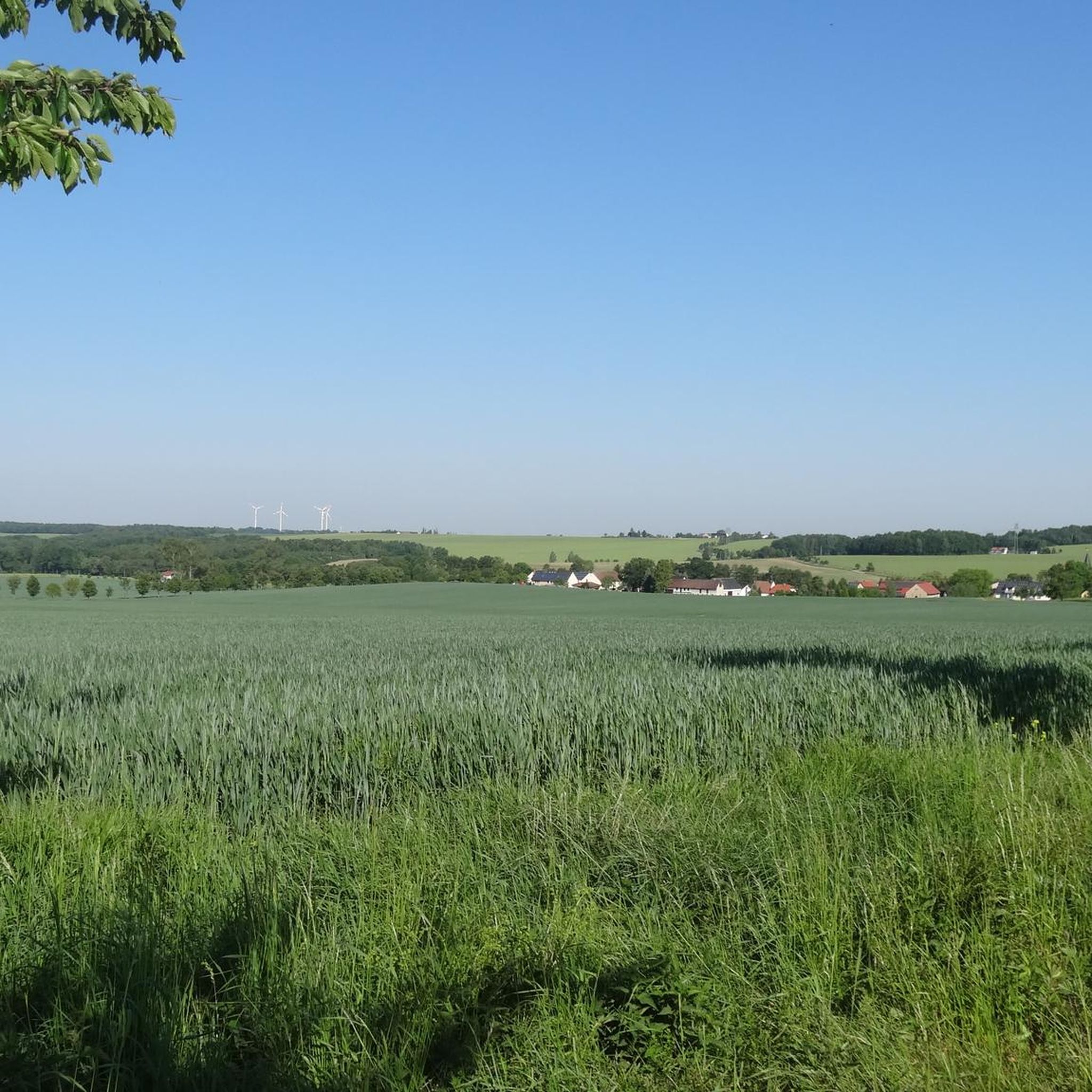
Touring cycling around Seelingstädt offers diverse landscapes, characterized by river features and scenic routes. The region features the White Elster Riverbank, where the river converges with sandstone rock, creating unique natural settings. Numerous bridges and varied terrain provide an engaging backdrop for cycling, with routes often incorporating picturesque views. The area's elevation changes are generally gentle, making it suitable for a range of cycling abilities.
Best touring cycling routes around Seelingstädt
- The most popular touring cycling route is Posterstein Castle…
Last updated: October 13, 2026
4.6
(10)
35
riders
39.9km
02:28
360m
360m
Moderate bike ride. Good fitness required. Mostly paved surfaces. Suitable for all skill levels.
5.0
(3)
7
riders
Easy bike ride. Great for any fitness level. Mostly paved surfaces. Suitable for all skill levels.

5.0
(40)
12
riders
Moderate bike ride. Good fitness required. Mostly paved surfaces. Suitable for all skill levels.
5.0
(2)
9
riders
26.6km
01:45
220m
220m
Moderate bike ride. Good fitness required. Mostly paved surfaces. Suitable for all skill levels.
5.0
(1)
4
riders
Moderate bike ride. Good fitness required. Mostly paved surfaces. Suitable for all skill levels.
Get access to more routes and recommendations from other explorers.
Already have an account?
Our route recommendations are based on thousands of hikes, rides, and runs completed by other people on komoot.
Start today with a free account
Your next adventure awaits.
Tips from the Community

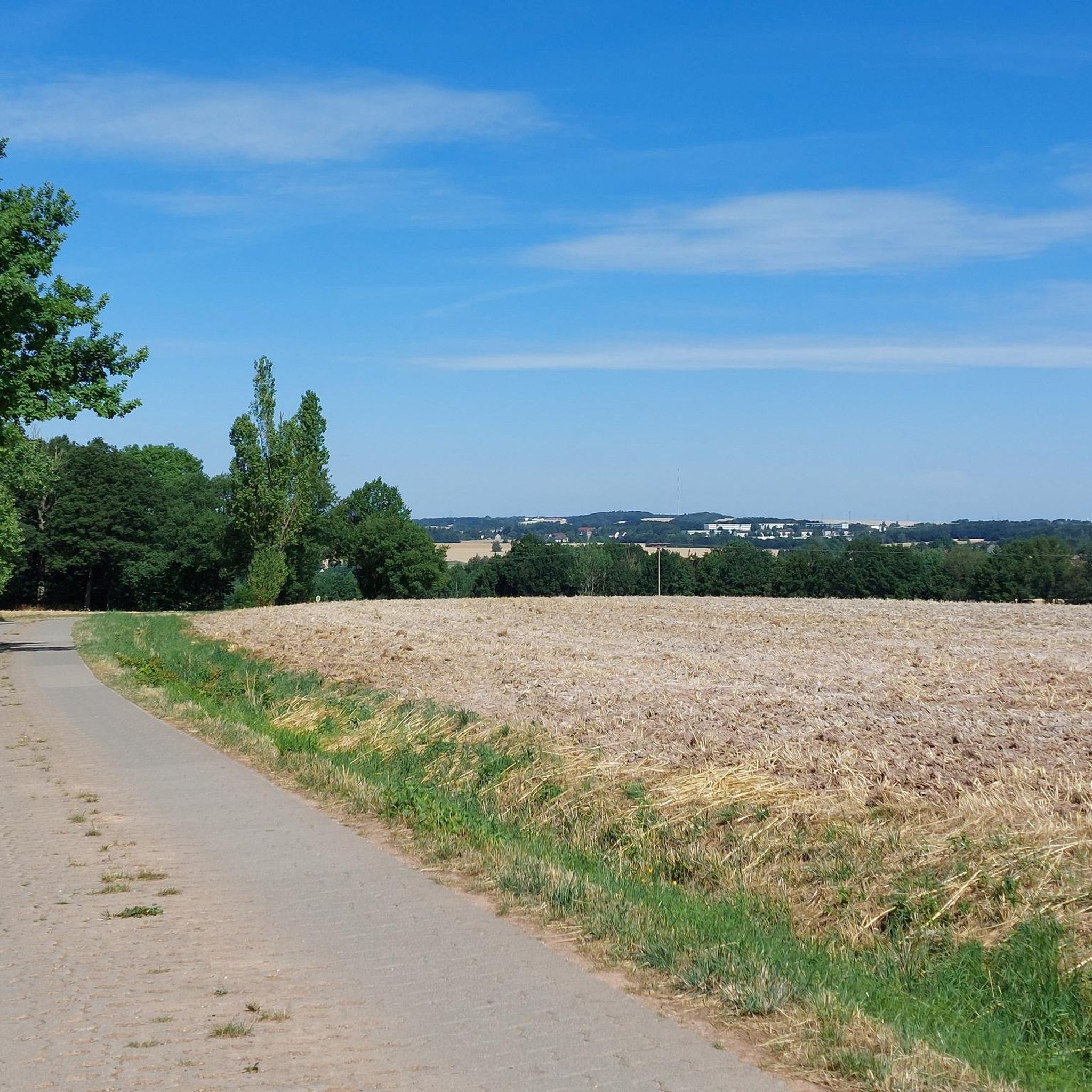
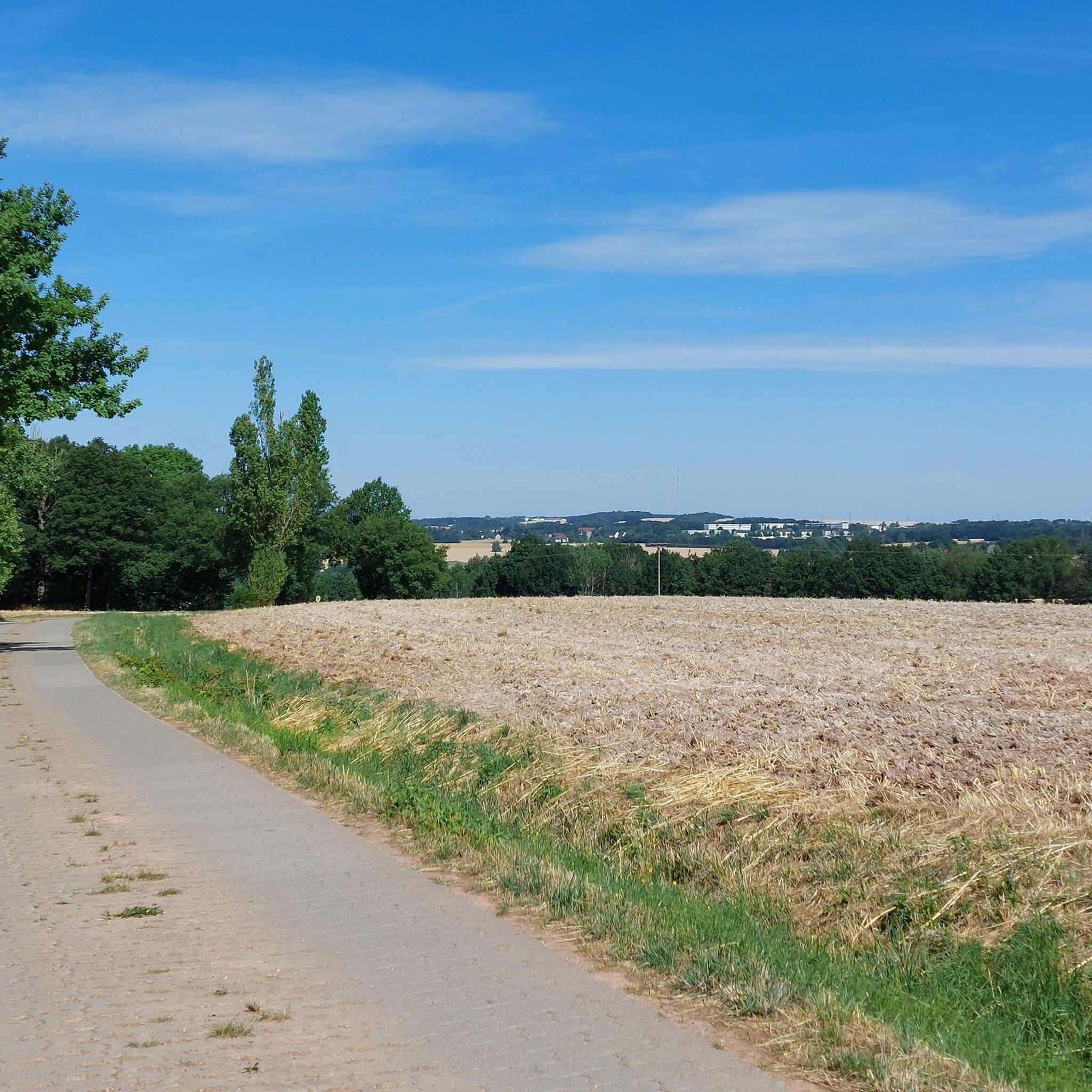
The measuring point (in the middle of the field) on the Glasberg was in the 19th century station 123 of the Royal Saxon Triangulation. "The Royal Saxon Triangulation (here with its historical proper name) is a land survey carried out between 1862 and 1890 in the territory of the Kingdom of Saxony, with the simultaneous creation of a trigonometric network. The aim was to scientifically and geodetically accurately capture the state territory and to create the basis for the production of accurate maps by establishing permanently marked fixed points. The Großenhainer baseline was determined as the scale-defining basis." - https://de.wikipedia.org/wiki/K%C3%B6niglich-S%C3%A4chsische_Triangulirung From the Oberalbertsdorf station, the neighboring stations Fuchsberg, Hospitalberg, Sorge, and Reust were sighted. Today, not all sightlines still exist, but the place offers a fantastic view of the mountains of the Westerzgebirge and Vogtland.
1
0
The church tower, visible from afar, was a station of the Royal Saxon Triangulation in the 19th century. "The Royal Saxon Triangulation (here with its historical proper name) is a state survey carried out between 1862 and 1890 in the territory of the Kingdom of Saxony, with the simultaneous creation of a trigonometric network. Its aim was to scientifically and geodetically accurately record the state territory and to create the basis for the production of precise map series by establishing permanently marked fixed points. The Großenhain baseline was determined as the scale-defining basis." - https://de.wikipedia.org/wiki/K%C3%B6niglich-S%C3%A4chsische_Triangulirung There were sight lines to the station from the neighboring stations Reust, Fuchsberg, Oberalbertsdorf, Hospitalberg, Carlshöhe, Kuhberg, and Stelzen. The church is one of the few buildings in the village that still exist and have not fallen victim to the mining landscape. A corresponding information board shows the landscape change.
0
0

Very beautiful castle, but the German Agricultural Museum is also super interesting. In various places in the town, you can visit the knight's estate, the farmstead, the bakery, etc. with interiors and be transported to the era.
12
0
An absolute highlight in the new Ronneburg landscape is the dragon's tail bridge 👌🏻.
9
0
Always worth a visit 😊. Highly recommended for many outdoor sports activities with beautiful views.
9
0

These windmills are simply and always impressive, regardless of their design!
0
0

A hall church with a recessed choir. A turret with a small spire. Inside, an altarpiece from 1514 and a formerly floating, now kneeling, baptismal font from the 18th century.
0
0

Dragon's Tail Bridge closed until the end of 2025 for renovation work https://ronneburg.de/neue-landschaft/erlebnisbruecke-drachenschwanz/
2
1
Frequently Asked Questions
How many touring cycling routes are available around Seelingstädt?
There are over 20 touring cycling routes around Seelingstädt, offering a variety of options for different skill levels and preferences.
What is the general difficulty level of touring cycling routes in Seelingstädt?
The touring cycling routes in Seelingstädt are generally accessible, with 11 easy routes and 11 moderate routes. There are no difficult routes listed, making the area suitable for a wide range of cyclists.
What kind of terrain can I expect on touring cycling routes near Seelingstädt?
You can expect diverse landscapes characterized by river features and scenic routes. The area includes the White Elster Riverbank, where the river converges with sandstone rock, creating unique natural settings. Elevation changes are generally gentle, providing a pleasant cycling experience.
Are there any circular touring cycling routes in the Seelingstädt area?
Yes, many routes around Seelingstädt are designed as loops. For example, you can try the Crossroads at Trinzig Signpost loop from Seelingstädt, an easy 5.9 miles (9.5 km) path, or the more moderate Posterstein Castle – New Landscape Ronneburg loop from Braunichswalde, which is 24.8 miles (39.9 km).
What natural features can I explore while touring cycling around Seelingstädt?
The region is rich in natural beauty, particularly along the White Elster Riverbank with its unique convergence of river and sandstone. You can also explore various gorges, such as Gorge Near Eulamühle or Krümmetal, which are part of the scenic Elstertal Valley.
Are there any historical landmarks or unique bridges to see on a touring cycling route?
Absolutely. A notable highlight is the Wünschendorf (Elster) Covered Bridge, Germany's only preserved wooden covered bridge of its kind. Nearby, in Ronneburg, you can also find the impressive Dragon's Tail Bridge, one of Germany's longest wooden bridges. These structures often feature in local cycling routes.
Are there any specific viewpoints along the touring cycling routes?
Yes, you can find several scenic viewpoints. For instance, the View of the Elstertal and Weiße Elster from the Wünschendorf Quarry Cliff offers stunning panoramas. Another great spot is the Turmhütte Observation Tower, providing elevated views of the surrounding landscape.
Are there family-friendly touring cycling routes in Seelingstädt?
Yes, the area offers several easy routes suitable for families. The Crossroads at Trinzig Signpost loop from Seelingstädt is a shorter, pleasant ride. Additionally, the Sprotte Water Adventure Trail Suspension Bridge, with its interactive activities, makes for an engaging stop for families on a cycling tour.
What do other touring cyclists enjoy the most about touring cycling in Seelingstädt?
The area is highly rated by the komoot community, with an average score of 4.8 stars from over 70 reviews. Cyclists often praise the diverse landscapes, the picturesque river features, and the numerous bridges that make for engaging and scenic rides.
Are there places to rest or eat along the touring cycling routes?
Yes, you can find spots to rest and refuel. The Weidmannsruh Inn is a known establishment. There's also the Nöbdenitz Tea House by the Pond and the At the Tischberg Shelter, offering places to pause and enjoy the surroundings.
Can I find routes that pass by lakes or water bodies?
Yes, the region features several water bodies that can be incorporated into your cycling tours. The Forebay of Koberbach Dam – View Towards Blankenhain loop from Zwirtzschen is an example of a route that includes a dam forebay. You might also encounter the Schlötenteich, a lake that offers a tranquil setting.
What is a good moderate route for touring cycling in Seelingstädt?
A popular moderate option is the Traditional inn in Selingstädt – Church in Gauern loop from Braunichswalde. This 11.5 miles (18.6 km) trail leads through local villages and scenic countryside, typically completed in about 1 hour 10 minutes.
Most popular routes around Seelingstädt
Most popular attractions around Seelingstädt

Get inspired with the komoot mobile app


Explore more
Browse the best Cycling routes in other regions.
