Attractions and Places To See around Bubbio - Top 20
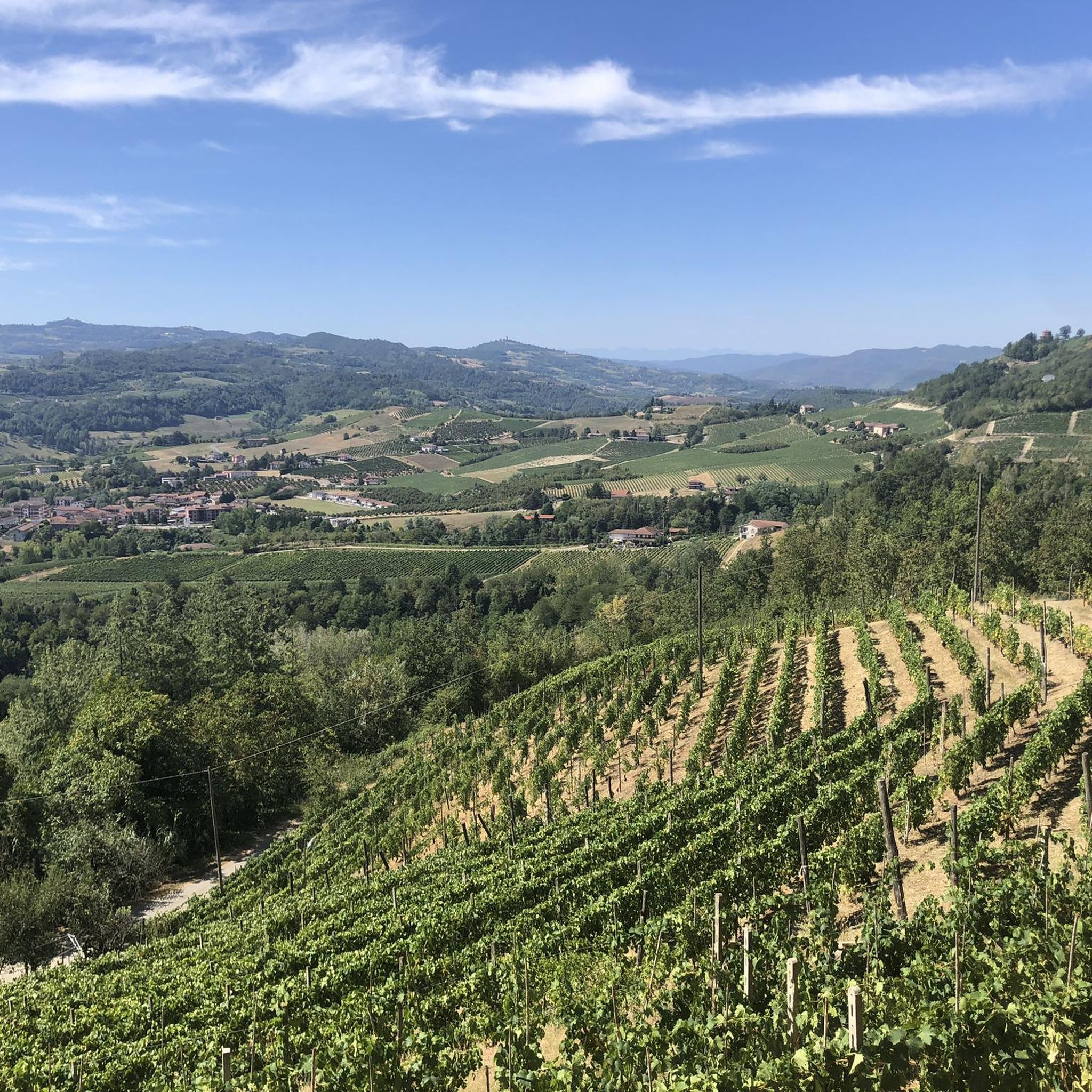
Best attractions and places to see around Bubbio, a village in Italy's Piedmont region, offer a blend of historical sites, cultural experiences, and natural beauty. The area is set amidst vineyard and wooded hills, providing suggestive views and forming part of a UNESCO World Heritage site recognized for its winemaking landscapes. Bubbio serves as a fortified balcony overlooking the lower Bormida Valley, with its historic village structure and surrounding natural features. This region provides opportunities to explore historical landmarks and scenic panoramas.
Best attractions and places to see around Bubbio
- The most popular attractions is Monastero Bormida, a settlement founded by Benedictine monks around 1050. Its current castle corresponds to the site of the original monastery, and it offers a particular charm when seen from its medieval bridge.
- Another must-see spot is Roccaverano, a settlement that is one of the highest elevations in the area. Visitors can enjoy a 360° panorama of the surrounding hills and the Alpine arc from the town, which also features the remains of a castle and an 18th-century church.
- Visitors also love Cortemilia, a medieval village divided by the Bormida river. It is known for its hazelnut production and vineyards, and features a historic fortress and a former Franciscan convent.
- Bubbio is known for its historical sites, settlements, and viewpoints. The region offers a variety of attractions to see and explore, from ancient castles to panoramic natural landscapes.
- The attractions around Bubbio are appreciated by the komoot community, with 69 upvotes and 58 photos shared by visitors.
Last updated: August 30, 2026
Monastero Bormida
Highlight • Settlement
Among the typical dishes of Monastero Bormida we certainly remember polenta (an opportunity to taste it is during the Polentonissimo Festival, which takes place on the second Sunday of March from afar) 1573 and puccia (polenta cooked in a vegetable broth).
Translated by Google •
Tip by

Roccaverano
Highlight • Settlement
Translated by Google •
Tip by
Sign up now to discover places like this
Get recommendations on the best single tracks, peaks, & plenty of other exciting outdoor places.
Sign up for free
Cortemilia
Highlight • Settlement
Translated by Google •
Tip by

Bubbio Village and Church of San Grato
Highlight • Settlement
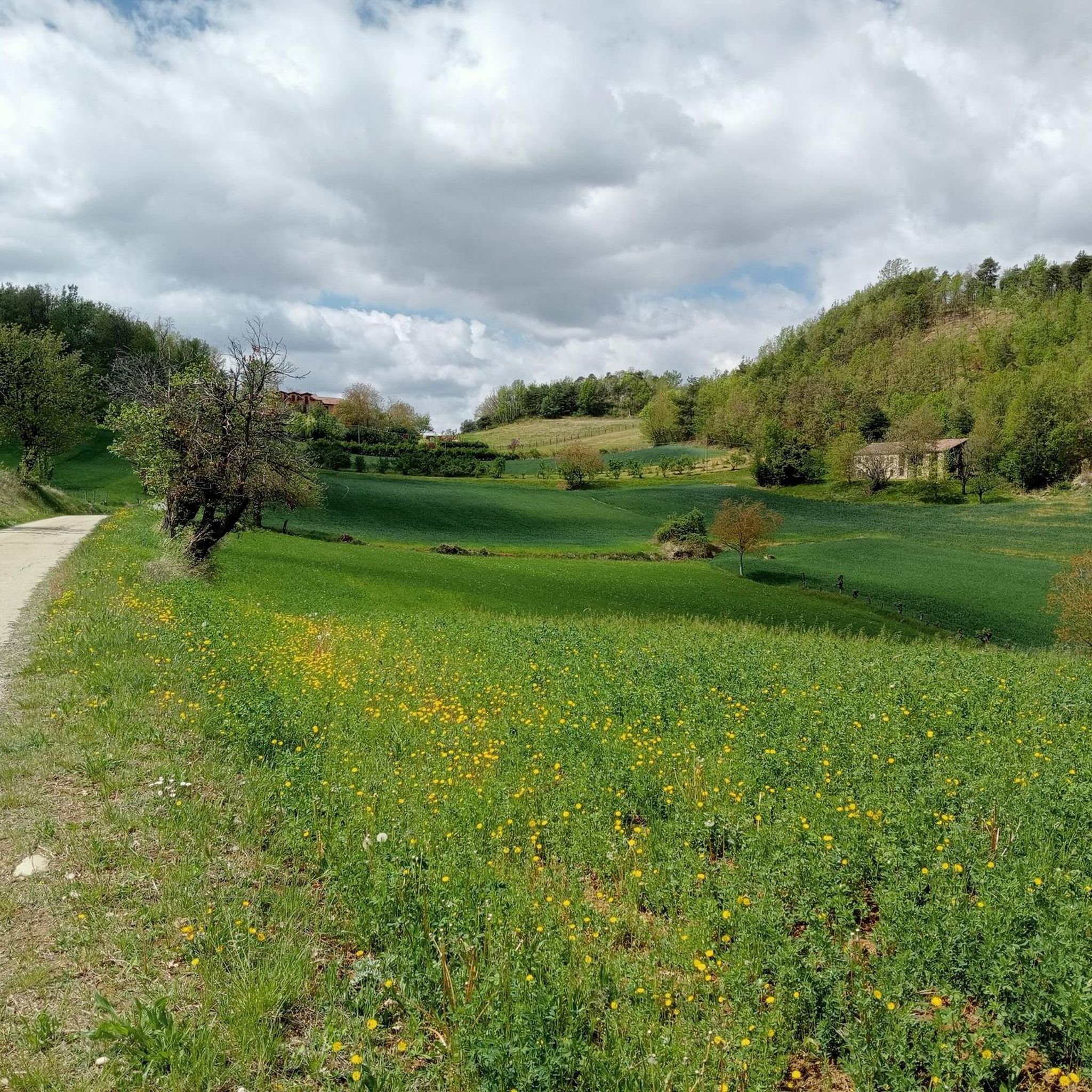
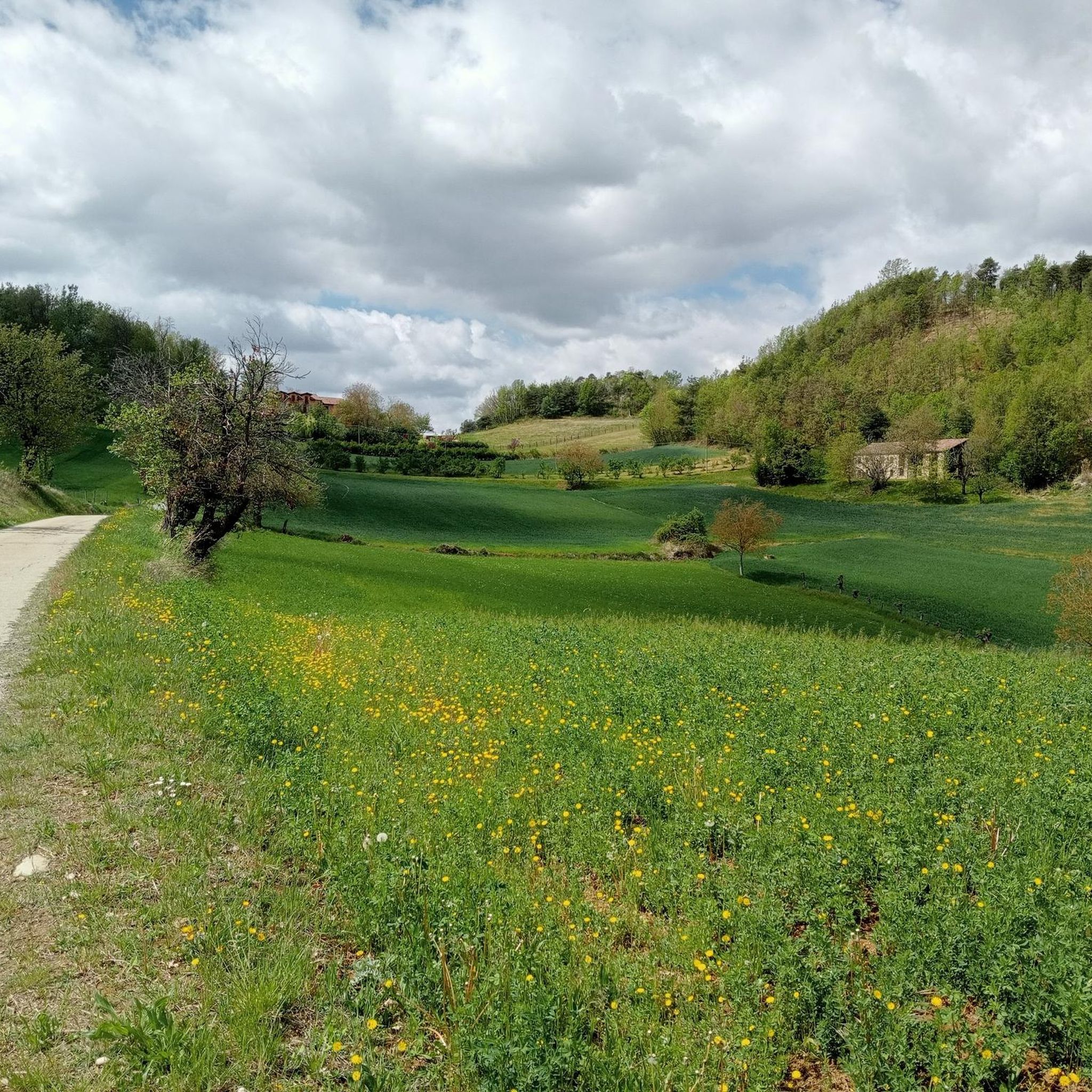
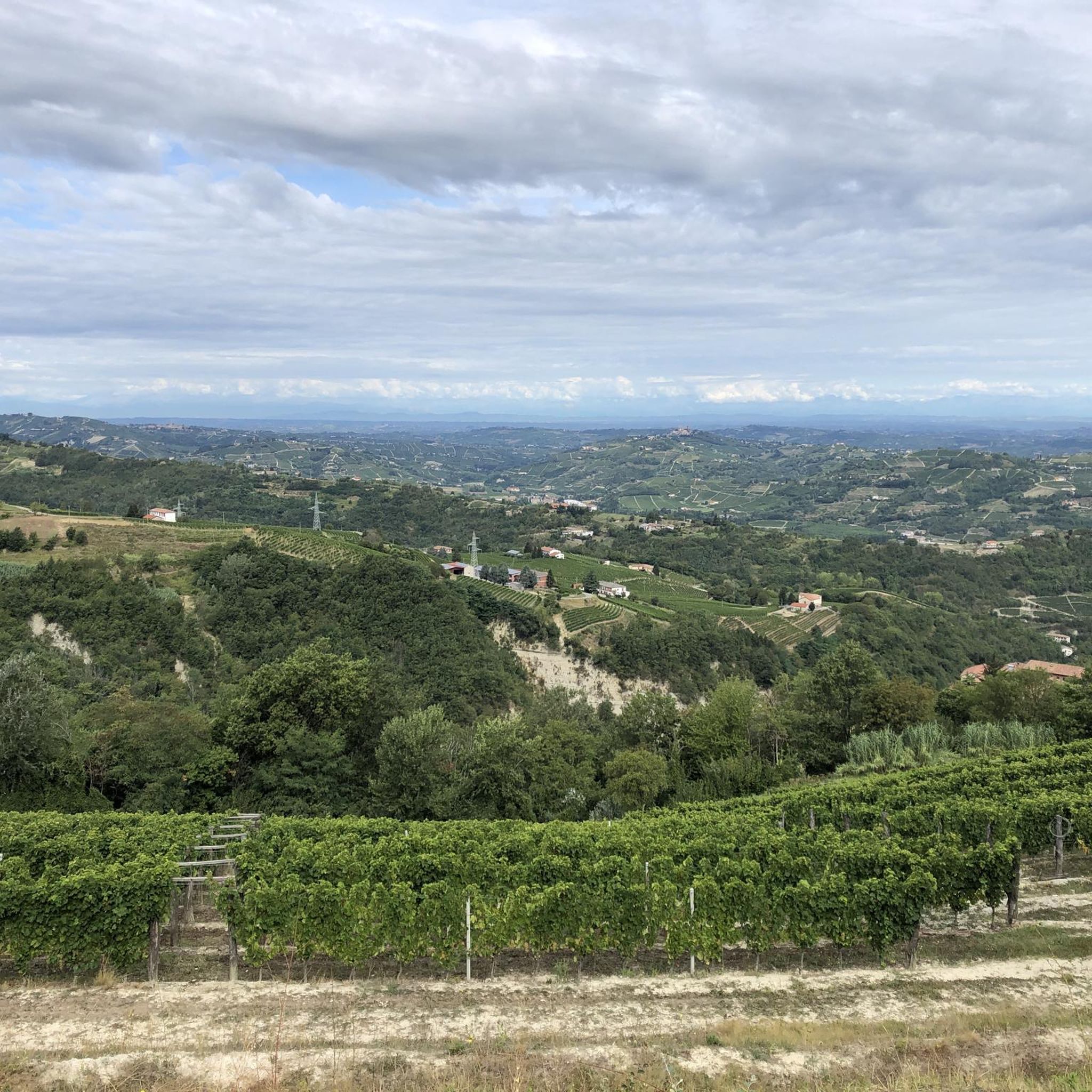
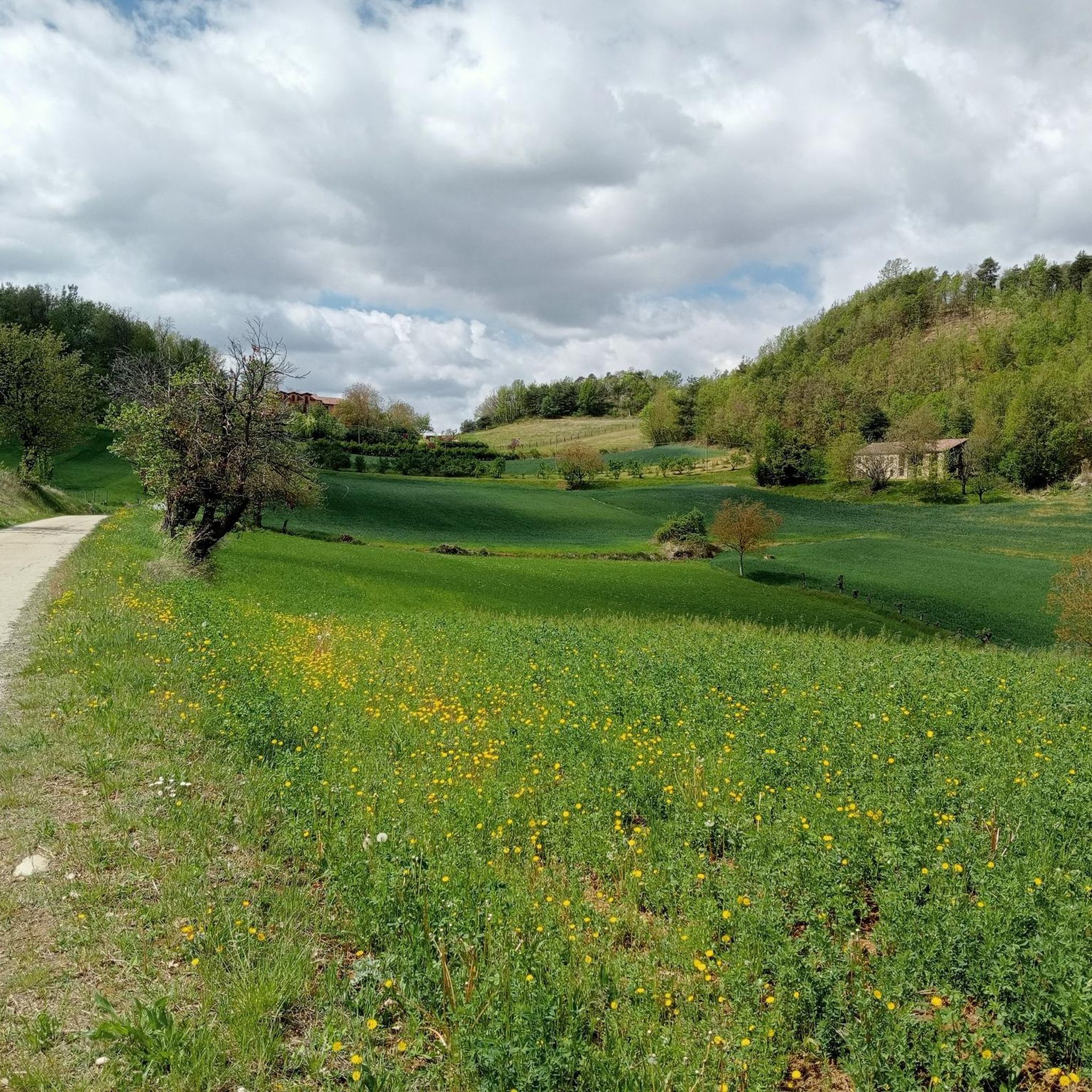
And then the landscape, the incredible cloister of vineyard or wooded hills that can be appreciated from the square of the octagonal church of San Grato, built in the mists of time so that the patron saint would avoid the hail from damaging the crops below.
Small great stories of faith and tradition, of folklore and peasant culture, which also relive in the annual Polentone festival, in the challenge of the villages with the games of memory, in the renewed custom of egg song.
Translated by Google •
Tip by
Cesare Pavese Literary Panel, Piazza, Santo Stefano Belbo
Highlight • Monument
Translated by Google •
Tip by
Sign up for free to discover even more attractions around Bubbio.
Sign up for free
Already have an account?
Start today with a free account
Your next adventure awaits.
Login or Signup

Tips from the Community

Monastero Bormida is a charming Italian medieval village located in the province of Asti, in Piedmont, nestled in the picturesque landscapes of the Langa Astigiana. The village was founded around the year 1050, when a group of Benedictine monks was called by Marquis Aleramo to clear and repopulate the lands devastated by Saracen raids.
0
0
Roccaverano is a charming and authentic Italian municipality located in the province of Asti, in Piedmont. At about 800 meters above sea level, it stands on the hill that divides the Bormida valleys and is the highest inhabited center in the entire Asti region. This picturesque medieval village is internationally famous for two main reasons: its rich historical heritage and the production of the renowned Robiola di Roccaverano DOP
0
0

The Castle of Monastero Bormida was not originally built as a defensive structure but as a Benedictine monastery, founded around 1050 by monks from the Abbey of Fruttuaria, called by the Aleramici Marquises to reclaim the lands devastated by Saracen raids. The 27-meter tower still visible today was originally the bell tower, and the river flowing a few meters from the southern tower confirms the non-military nature of the building. In 1393, the Benedictines abandoned the monastery, and its feudal history began: the fief passed to the Del Carretto marquises, who in the 15th century added the first defensive structures, transforming it into a castle. The building is a quadrangular structure with an internal courtyard, protected by towers on multiple sides and connected to the former bell tower by a small suspension bridge. On the south facade, there is a two-arched Renaissance loggia with a small stone column. Inside, the rooms on the main floor—transformed in the 17th century—feature mosaic floors and sail and cross vaults with frescoes of floral and geometric motifs. The castle later passed to the Della Rovere family and subsequently to the Genoese Polleri family, finally becoming the property of the Municipality starting in 1880. Today it is open to visitors and is part of the regional circuit "Castelli Aperti".
1
0

Santo Stefano Belbo was immortalized by the writing of Cesare Pavese, an intellectual who, through his works, particularly The Moon and the Bonfires, narrated the history and traditions of a town, immortalizing its people and making its places legendary. A poet, translator, editor, and writer, he is considered one of the greatest and most important Italian intellectuals of the 20th century.
4
0

Beautiful old arched bridge.
4
1

Roccaverano is one of the highest elevations in the area, from the town you can enjoy a 360° panorama of both the surrounding hills and the mountains of the Alpine arc (guaranteed view, in good weather, from Monte Rosa to the Maritime Alps!) The road that goes up from Vesime is quite regular, with gradients that almost never exceed 9%, furthermore I found it pleasantly free of traffic (I went up on a Saturday) The central square is very beautiful, dominated by the remains of the castle and the eighteenth-century church, the bar/restaurant is also strategic, perfect for a beer or a snack. An ideal place for a stop, before taking the road back.
1
0

"Castle" of Monastero Bormida Place of tourist, historical, architectural and cultural interest Piazza Castello, 1, 14058 Monastero Bormida AT http://www.comune.monasterobormida.at.it/ 014488450
4
0

in the square there is a beautiful panel which tells the story of Pavese in summary and with fragments taken from his works: it is worth a short stop and then perhaps going deeper by visiting the various places located in the surrounding area "He didn't envy cars, he knew that in a car you travel through but you don't know a land. On foot, ..you really go into the countryside, take paths and skirt the vineyards, see everything. It's the same difference as looking at water and jumping into it. Cesare Pavese - The beautiful summer
1
0
Frequently Asked Questions
What historical sites can I explore in and around Bubbio?
Bubbio itself is rich in history, with the Bubbio Village and Church of San Grato showcasing 14th-century urban features and the historic Castello di Bubbio. Nearby, you can visit Monastero Bormida, founded by Benedictine monks, where the current castle stands on the site of the original monastery. The medieval village of Cortemilia also features a historic fortress and a former Franciscan convent. Don't miss the Torre dei Contini in Canelli, a medieval tower offering panoramic views.
Are there any viewpoints or scenic panoramas near Bubbio?
Yes, Bubbio offers several stunning viewpoints. From the square of the Church of San Grato in Bubbio, you can appreciate the incredible cloister of vineyard and wooded hills. For a truly expansive view, head to Roccaverano, one of the highest elevations in the area, which provides a 360° panorama of the surrounding hills and the Alpine arc, stretching from Monte Rosa to the Maritime Alps on clear days. The Torre dei Contini in Canelli also offers breathtaking views of the surrounding hills.
What outdoor activities can I do near Bubbio?
The region around Bubbio is ideal for outdoor activities amidst its rolling hills and vineyards. You can find numerous routes for cycling, running, and mountain biking. For cycling enthusiasts, there are routes like the 'View of the Vineyard – Cassinasco Tower loop from Bubbio' which is 22.4 km long. Runners can explore trails such as the 'Monastero Bormida loop from Monastero Bormida' (11.5 km, moderate difficulty). Mountain bikers have options like the 'Bike Park Il Falchetto – Discesa Romildo MTB Trail loop from Loazzolo' (25.2 km, difficult). You can find more details and routes on the dedicated guides for Cycling around Bubbio, Running Trails around Bubbio, and MTB Trails around Bubbio.
Are there family-friendly attractions around Bubbio?
Yes, several attractions in the area are suitable for families. The village of Bubbio itself, with its historic streets and the Church of San Grato, offers a pleasant exploration. Monastero Bormida, with its castle and medieval bridge, is also considered family-friendly. The medieval village of Cortemilia, known for its hazelnuts and vineyards, provides a charming setting for a family outing. Additionally, the Torre dei Contini is accessible to all and offers engaging views.
What natural features characterize the landscape around Bubbio?
Bubbio is nestled within the picturesque Langhe Astigiane and Monferrato region, a UNESCO World Heritage site. The area is defined by its incredible cloister of vineyard and wooded hills, offering suggestive views. Bubbio itself is described as a 'fortified balcony' overlooking the lower Bormida Valley, providing impressive vistas over vineyards and woods. The rolling hills and the Bormida river are prominent natural elements that shape the beautiful scenery.
What local products or cuisine is Bubbio known for?
The region around Bubbio is renowned for its local culinary delights. Cortemilia, a nearby village, is famous for its hazelnut production and Dolcetto wine. In Bubbio itself, the Pasticceria Andrea e Franco is known for its 'ammarettini' and highly-regarded chocolate cream. The area also celebrates its peasant culture and traditions, such as the annual Polentone festival in Bubbio.
What is the 'Polentone festival' in Bubbio?
The Polentone festival is an annual event in Bubbio that celebrates local traditions and peasant culture. It's an opportunity to taste polenta, a typical dish of the region, and experience the folklore and community spirit of the village. The festival often includes a challenge between villages and traditional games.
Can I visit a castle in Bubbio?
Yes, Bubbio is home to the 13th-century Castello di Bubbio. While much of the ancient manor was damaged in the 17th century, the original west-facing tower remains. The castle underwent a 19th-century reconstruction, transforming it into a grand manor with frescoed rooms and formal reception areas, retaining its historic features while exuding neo-medieval elegance.
Are there any museums related to wine or grappa nearby?
Yes, in nearby Canelli, you can visit the Museo Bocchino e Cantine Contratto, located in the cellars of the famous grappa producer. It showcases materials used for grappa distillation throughout different historical periods. Another option is the Museo 'Bersano' delle Contadinerie e Stampe antiche del vino, which offers insights into wine processing and life in ancient Piedmontese farmhouses, alongside a collection of historical iconography.
What makes Monastero Bormida a significant attraction?
Monastero Bormida was founded around 1050 by Benedictine monks and its current castle corresponds to the site of the original monastery. It features a quadrangular Baroque structure with a 27-meter-high Lombard-style tower. Visitors particularly appreciate its charm when viewed from its medieval bridge, and it's known for traditional dishes like polenta, especially during the Polentonissimo Festival.
What is special about Cortemilia?
Cortemilia is a medieval village divided by the Bormida river into two districts. It's renowned for its production of the 'tonda gentile' hazelnut and its terraced vineyards, from which Dolcetto wine is obtained. The village also features a historic fortress with visible portions of its walls and a cylindrical tower, as well as a former Franciscan convent said to have been commissioned by St. Francis himself.
What do visitors enjoy most about the attractions around Bubbio?
Visitors frequently praise the blend of historical charm and natural beauty. The picturesque views from places like the Church of San Grato and the 360° panoramas from Roccaverano are highly appreciated. The historical significance of sites like Monastero Bormida and the quaint atmosphere of medieval villages like Cortemilia also receive positive feedback. The komoot community has shared 58 photos and given 69 upvotes, highlighting the visual appeal and engaging experiences available.
Most popular attractions around Bubbio

Get inspired with the komoot mobile app


Explore more
Still not found the Highlight you’re looking for? See guides of the top attractions in other regions:
