The best cycling routes around Olmo Gentile
4.6
(144)
1,275
riders
88
rides
Touring cycling around Olmo Gentile offers routes through the hilly terrain of the Langa Astigiana, characterized by vineyards, hazelnut groves, and ancient rural settlements. The region provides expansive views of the distant Alpine Massif and a network of winding roads. These routes often traverse gentle hills and forests, connecting historical villages. The landscape features well-preserved rural architecture, including stone farmhouses and dry stone walls.
Best touring cycling routes around Olmo Gentile
- The most popular touring cycling route is Vengore Tower…
Last updated: October 4, 2026
4.0
(4)
25
riders
Hard bike ride. Very good fitness required. Mostly paved surfaces. Suitable for all skill levels.
5.0
(3)
20
riders
51.8km
03:48
1,130m
1,120m
Hard bike ride. Very good fitness required. Mostly paved surfaces. Suitable for all skill levels.

5.0
(2)
18
riders
Hard bike ride. Very good fitness required. Mostly paved surfaces. Suitable for all skill levels.
4.3
(4)
21
riders
41.5km
03:01
910m
910m
Hard bike ride. Very good fitness required. Mostly paved surfaces. Suitable for all skill levels.
5.0
(1)
9
riders
35.8km
02:36
800m
800m
Hard bike ride. Very good fitness required. Mostly paved surfaces. Suitable for all skill levels.
Get access to more routes and recommendations from other explorers.
Already have an account?
Our route recommendations are based on thousands of hikes, rides, and runs completed by other people on komoot.
Start today with a free account
Your next adventure awaits.
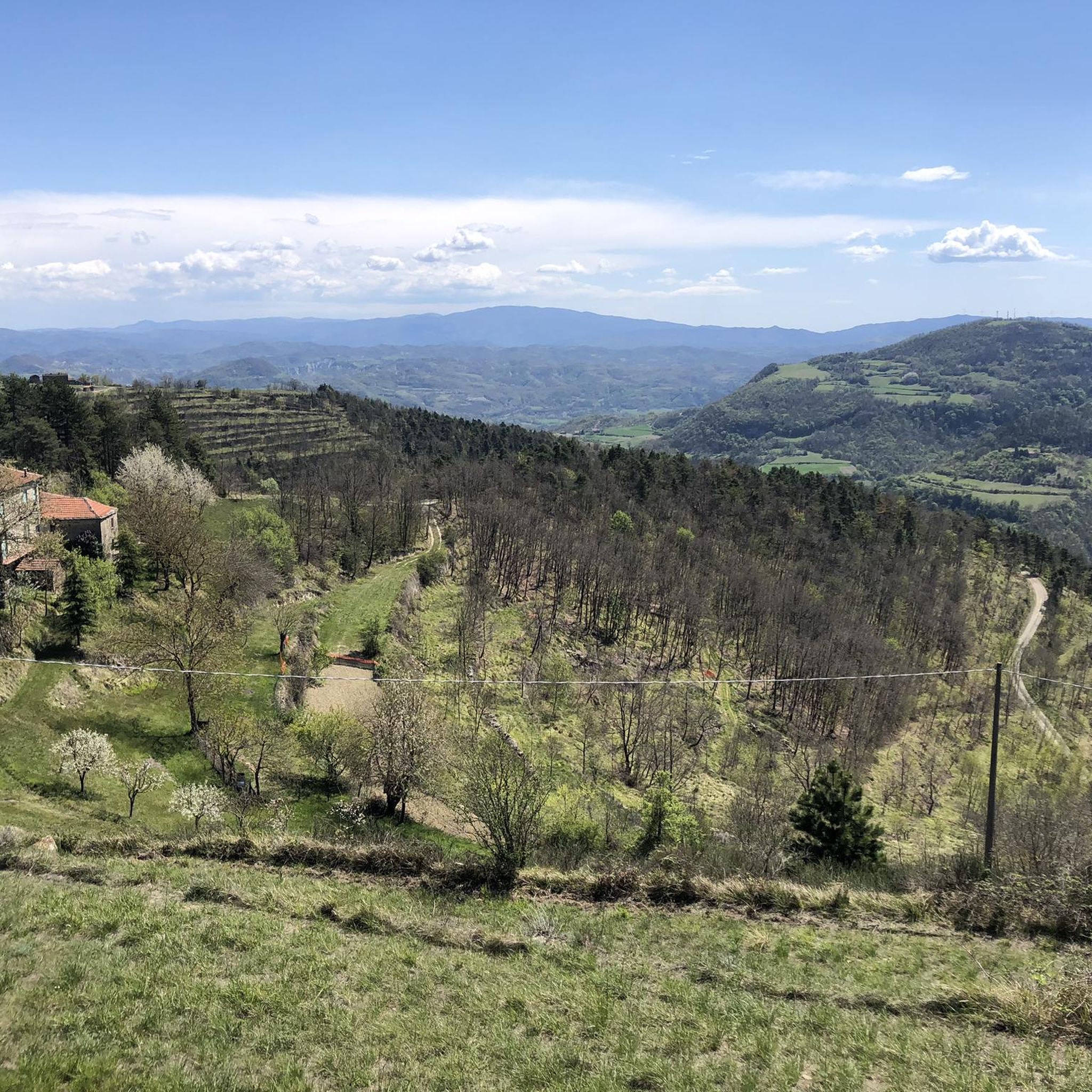
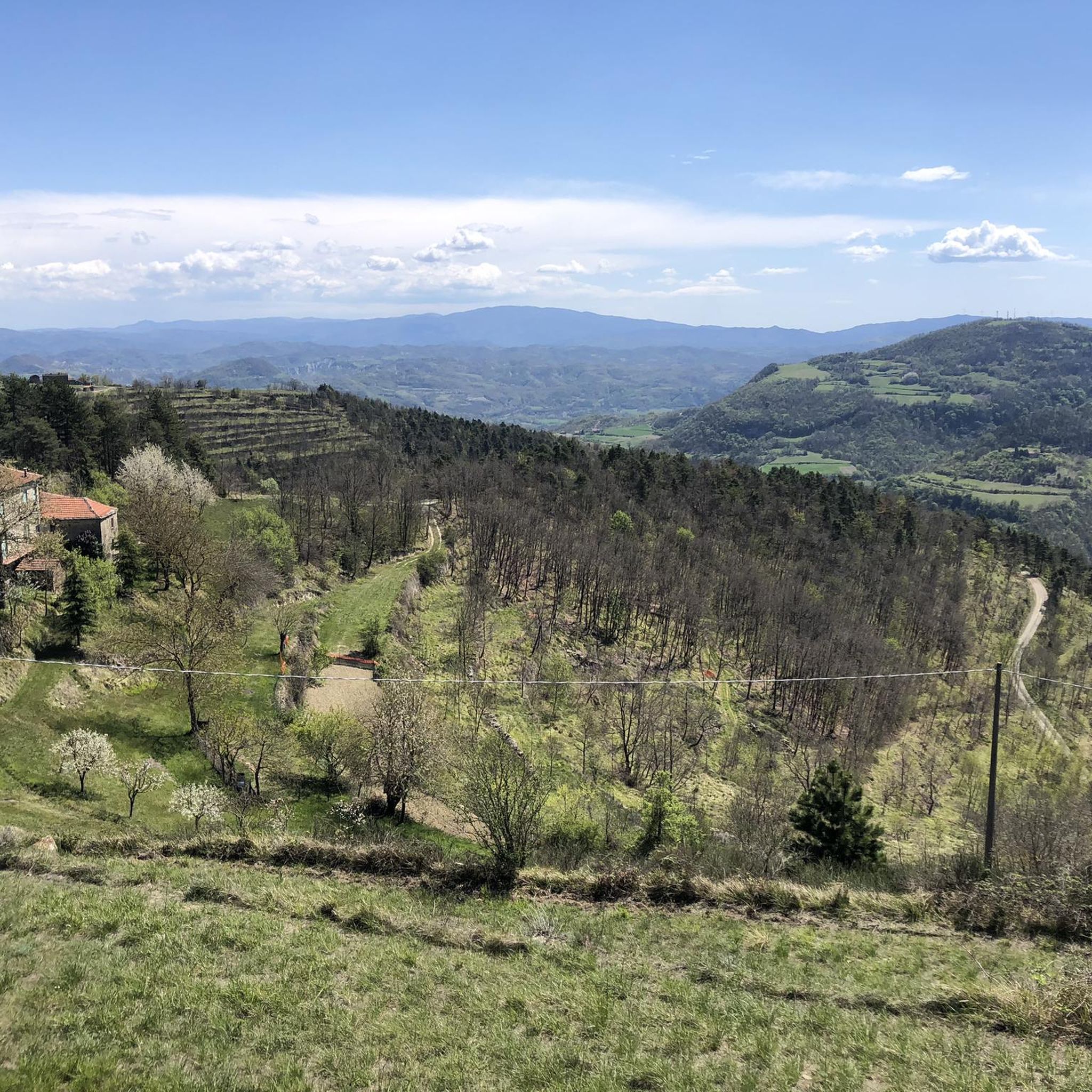
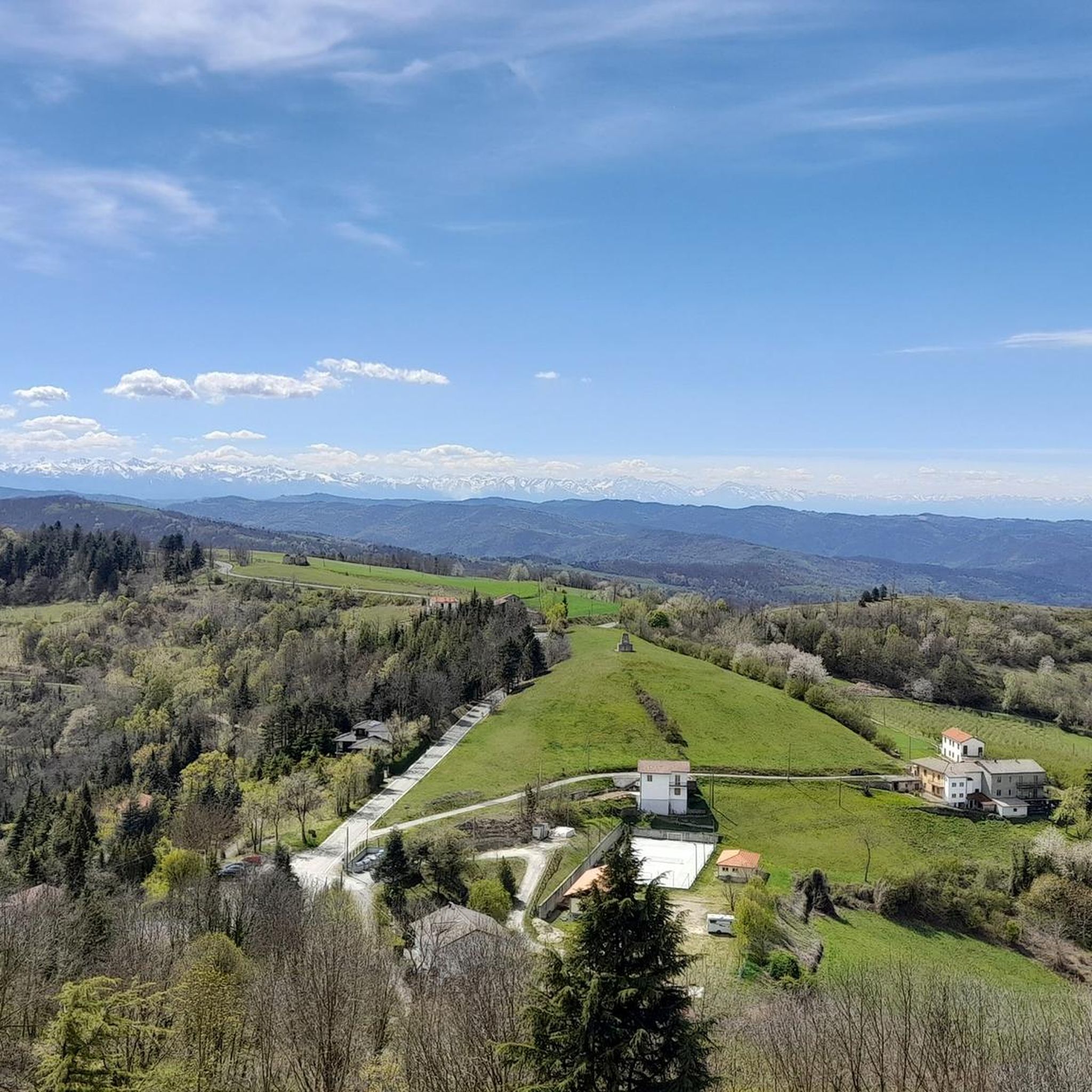
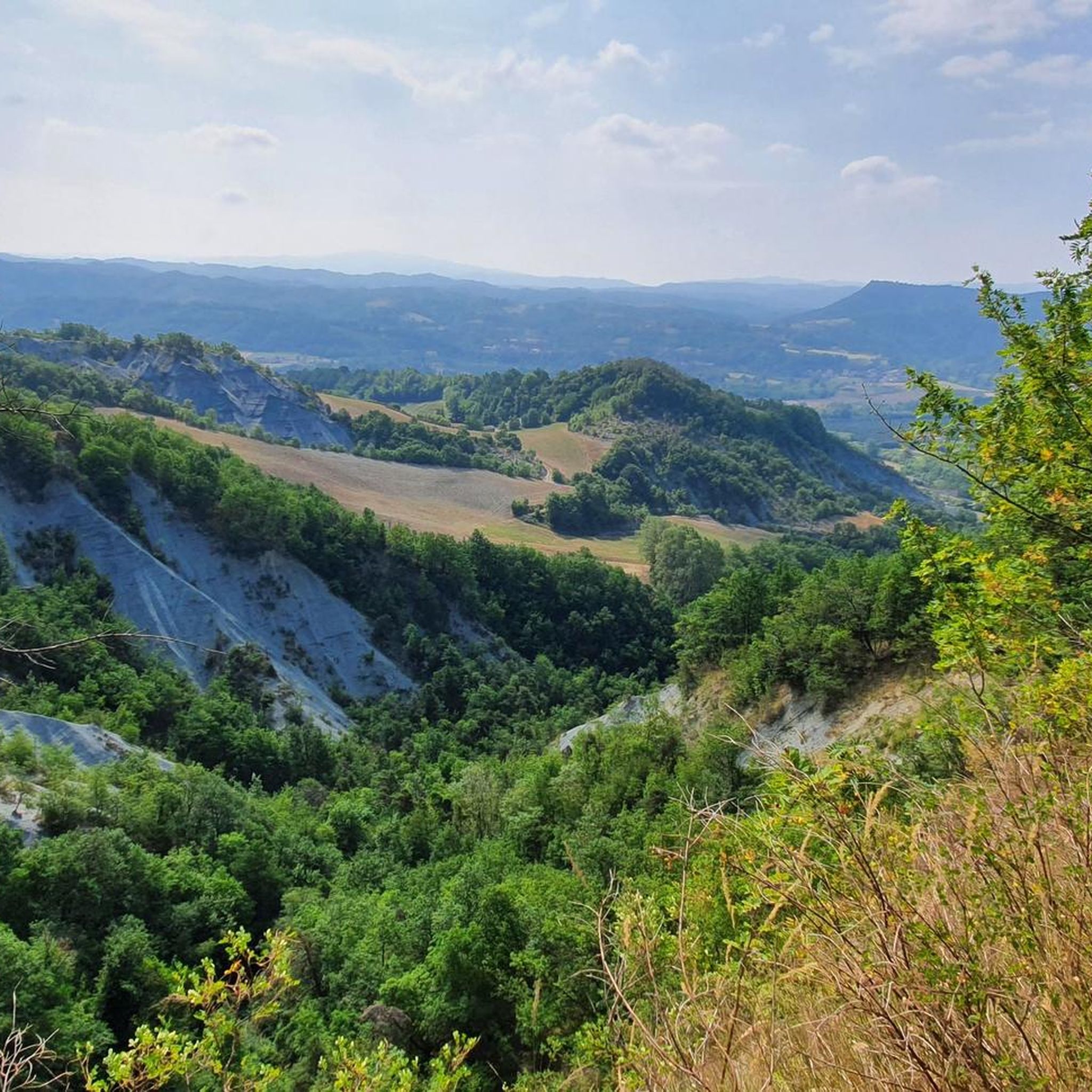

Tips from the Community

The village of Denice, in the province of Alessandria, is one of Alto Monferrato's small jewels, located at 387 m altitude on a spur overlooking the Bormida Valley. It has just over 150 inhabitants and is a very pleasant destination for a break by motorbike, car or, above all, by bike.
14
0

Roccaverano is a charming and authentic Italian municipality located in the province of Asti, in Piedmont. With an altitude of about 800 meters, it rises on the hill that divides the Bormida valleys and is the highest inhabited center in the entire Asti area. This picturesque medieval village is internationally famous for two main reasons: its rich historical heritage and the production of the renowned Robiola di Roccaverano DOP.
0
0
It is what remains of the ancient defensive system of the village. • It dates back to the medieval period (probably between the 13th and 14th centuries).
18
0
Panoramic viewpoint
5
0
Exceptional view of Roccaverano.
8
0
Ski out of traffic on good asphalt.
18
0
Beautiful vineyards. Perfect road for a relaxing ride.
11
0

Charming historic village. Places of interest include the parish church of Sant'Ambrogio and the 13th-century medieval bridge, still intact. The FFSS train station is about three kilometers from the center.
0
0
Frequently Asked Questions
How many touring cycling routes are available around Olmo Gentile?
There are nearly 80 touring cycling routes around Olmo Gentile, offering a wide range of options for exploring the Langa Astigiana region. These routes are highly rated by the komoot community, with an average score of 4.7 stars from over 85 reviews.
What is the typical difficulty level of touring cycling routes in Olmo Gentile?
Most touring cycling routes around Olmo Gentile are classified as difficult, with 71 out of 79 routes falling into this category. There are also 7 moderate routes and 1 easy route, indicating that the area generally presents a challenge with significant elevation gains.
When is the best time of year for touring cycling in Olmo Gentile?
The region's winding roads, often bordered by vineyards and hazelnut trees, are particularly enjoyable during spring and autumn when the weather is milder and the landscapes are vibrant with new growth or autumnal colors. Summer can also be pleasant, especially in the mornings or late afternoons, though it can get warm.
Are there any famous or classic touring cycling routes in the area?
Yes, a standout feature for touring cyclists is the 'Giro delle 5 Torri' (Tour of the 5 Towers). This scenic circular route winds through the hills of the Langa Astigiana, connecting Olmo Gentile with neighboring villages and their historical towers. It's renowned for its panoramic vistas and is considered a classic itinerary in the region.
What kind of terrain can I expect on touring cycling routes around Olmo Gentile?
You can expect picturesque hilly terrain, characterized by extensive vineyards, hazelnut groves, and ancient rural settlements. The routes feature winding roads, often bordered by forests, and offer expansive views of the distant Alpine Massif. You'll also encounter well-preserved rural architecture, including stone farmhouses and dry stone walls.
Are there any circular touring cycling routes available?
Yes, many of the touring cycling routes around Olmo Gentile are loops. For example, the Vengore Tower – Tower of Roccaverano loop from Roccaverano is a popular option, connecting several historical towers. Another challenging loop is the Tower of Roccaverano – Torre di San Giorgio Scarampi loop from San Giorgio Scarampi, offering panoramic vistas across the rolling hills.
What are some notable landmarks or attractions I can see along the touring cycling routes?
The routes often pass through charming villages and offer views of historical sites. You might encounter highlights such as the ancient tower of Olmo Gentile, the historical defensive towers of the 'Giro delle 5 Torri', and small parish churches. Specific points of interest include Monastero Bormida, Roccaverano, and the Vengore Tower.
Are there any family-friendly touring cycling routes in Olmo Gentile?
While most routes in Olmo Gentile are classified as difficult due to significant elevation gain, there is at least one easy route available. For families, it's advisable to check the specific route details on komoot for distance and elevation profiles to ensure it matches your family's cycling ability.
What are some of the longer touring cycling routes in the area?
One of the longer routes is the Vengore Tower – Tower of Roccaverano loop from Roccaverano, which spans 51.8 km (32.2 miles) and involves over 1100 meters of elevation gain. Another substantial option is the Church of Piana Crixia – Ascent to Serole from Spigno loop from Serole, covering 41.5 km (25.8 miles).
What local delicacies can I discover while cycling in the Olmo Gentile region?
The region is known for its culinary offerings, including the famous 'Robiola di Roccaverano' cheese. This local specialty, made from goat's milk, can be a delightful discovery during your cycling tours, offering a taste of the local gastronomic heritage.
Are there any routes that offer views of the Alpine Massif?
Yes, Olmo Gentile's elevated position on a hilltop provides expansive views of the majestic Alpine Massif, including Monte Viso. Many touring cycling routes in the Langa Astigiana region will offer impressive panoramic vistas of these distant mountains, especially on clear days.
What is the average elevation gain on the more challenging routes?
The more challenging routes around Olmo Gentile typically feature significant elevation gains. For instance, the Vengore Tower – Tower of Roccaverano loop from Roccaverano has over 1100 meters of ascent, and the Bergolo – Prunetto loop from Cortemilia includes over 830 meters of climbing. Cyclists should be prepared for undulating terrain.
Most popular attractions around Olmo Gentile

Get inspired with the komoot mobile app


Explore more
Browse the best Cycling routes in other regions.
