Attractions and Places To See around Mombercelli - Top 20
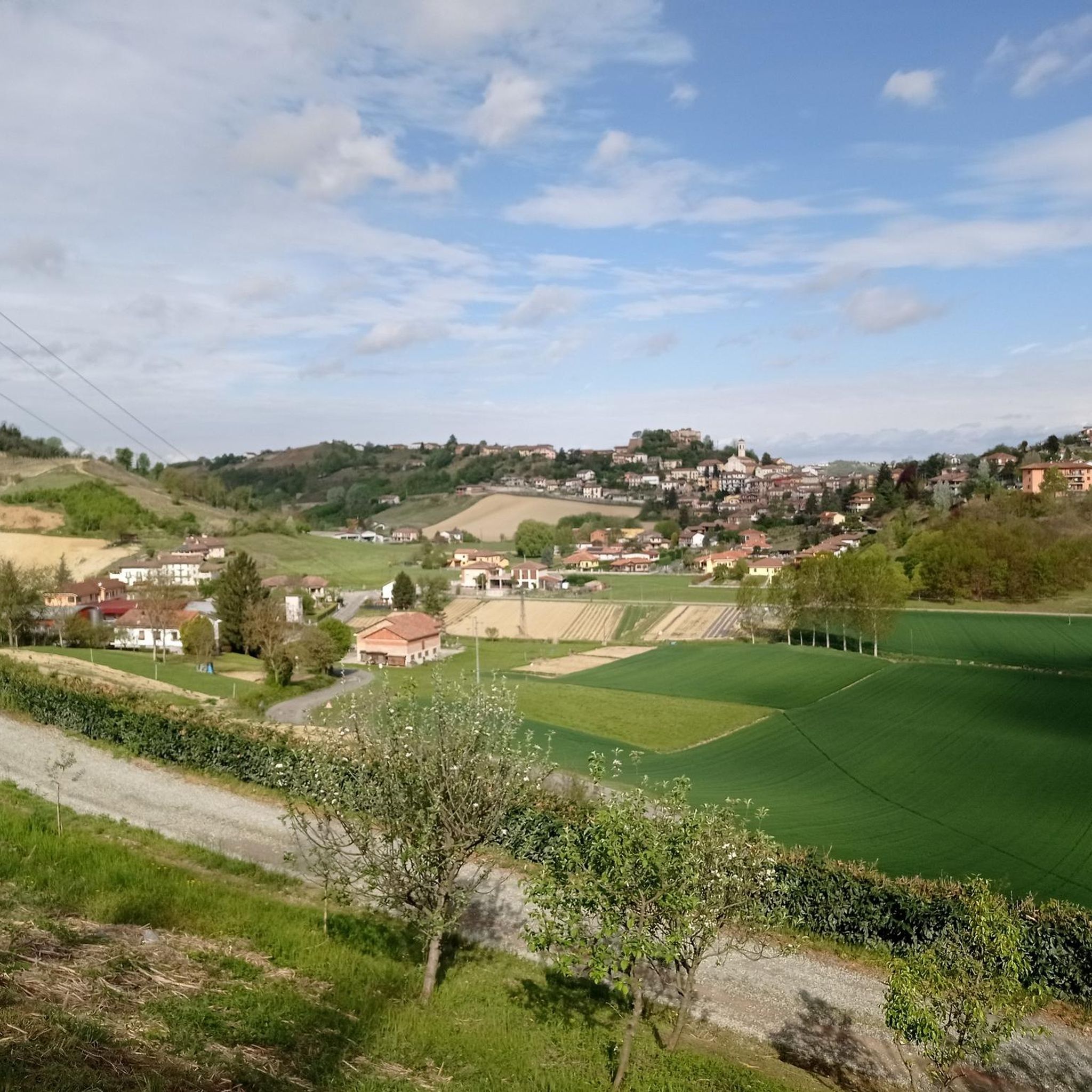
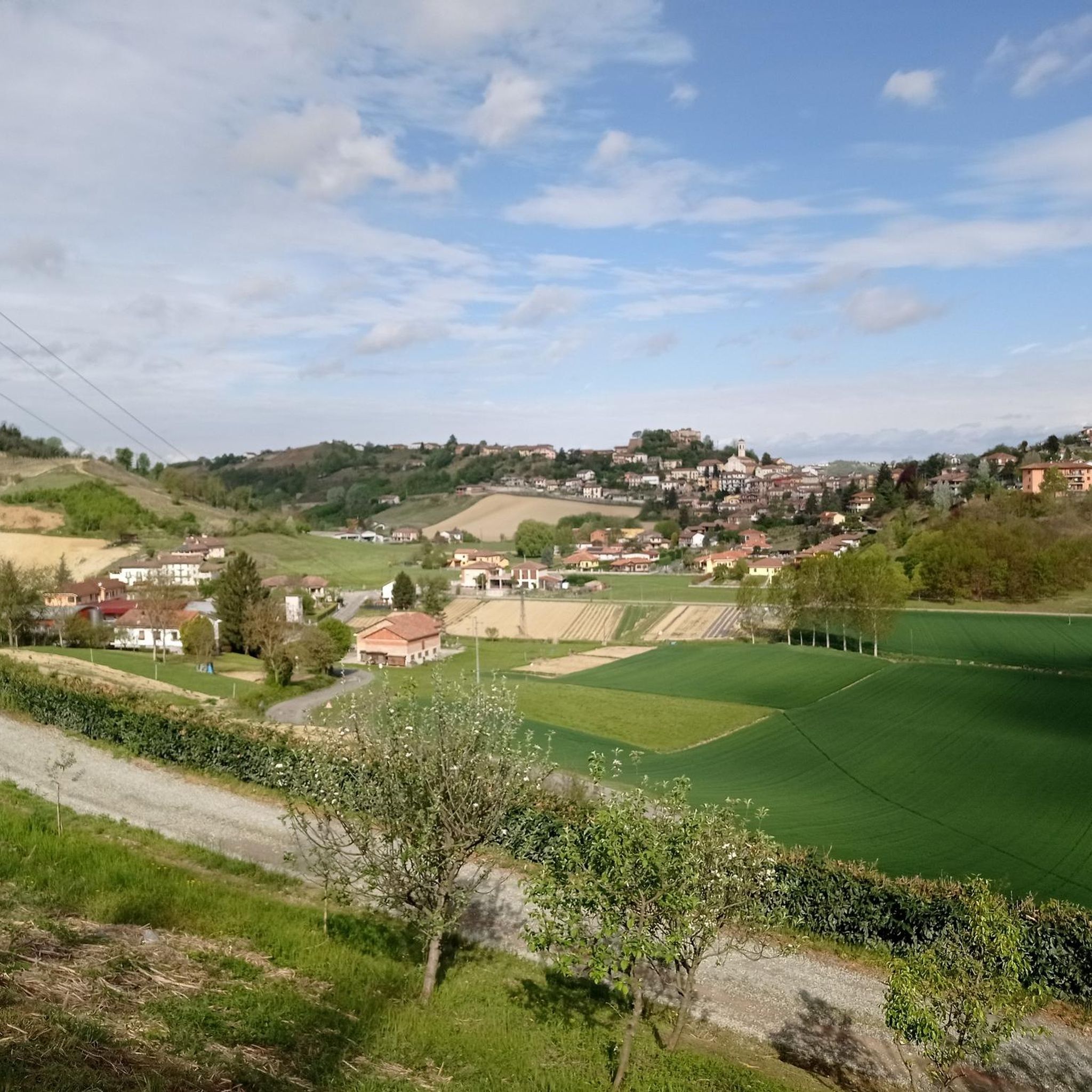
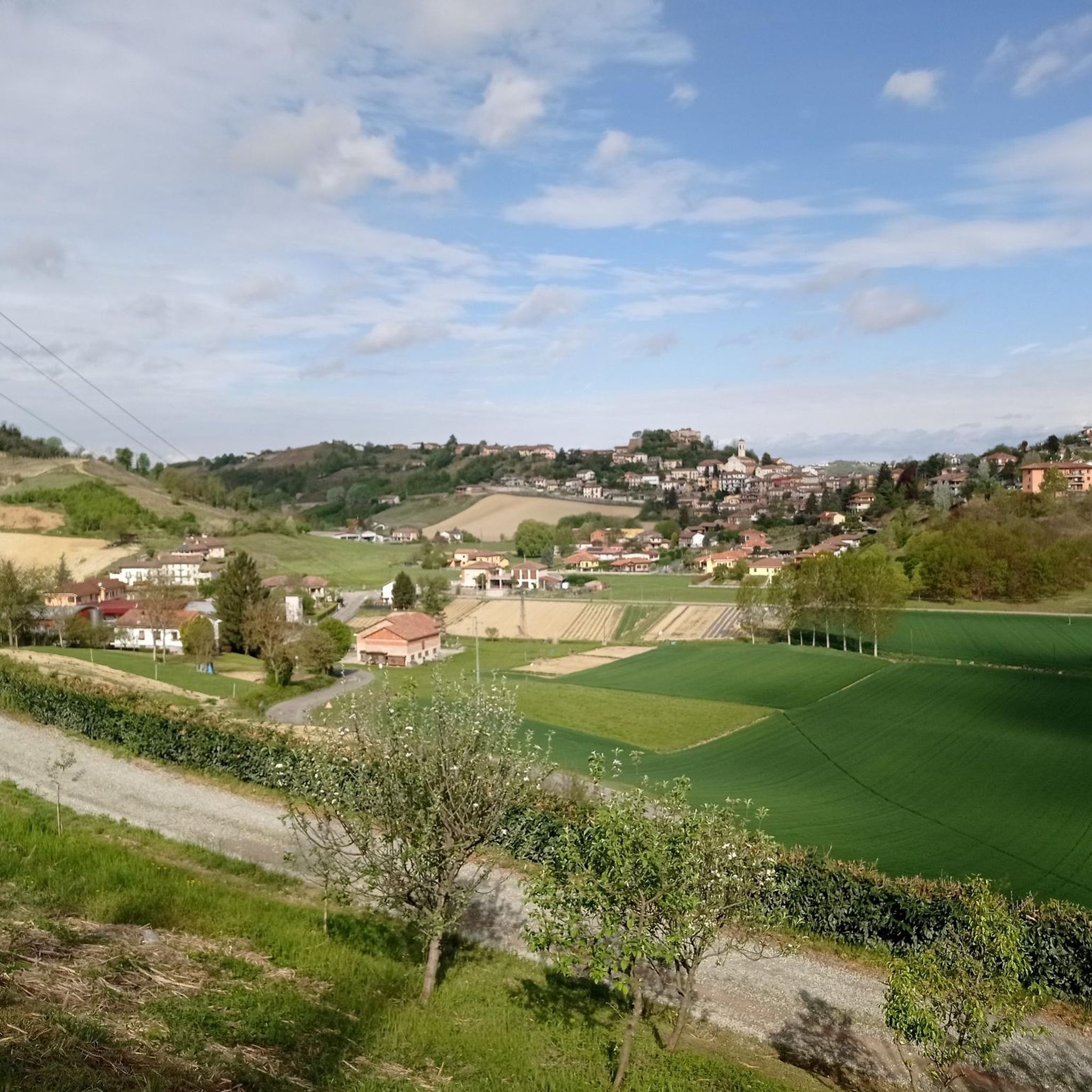
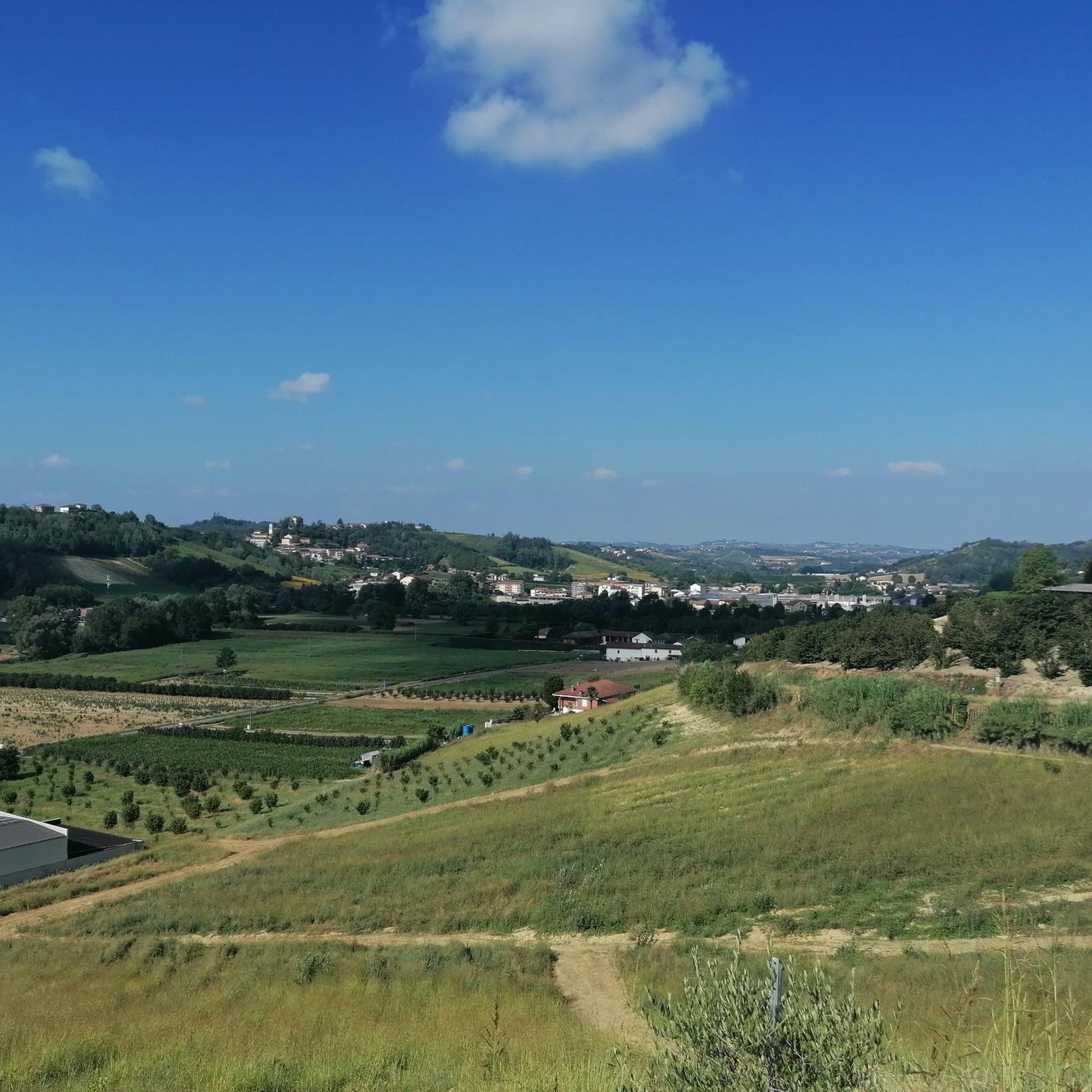
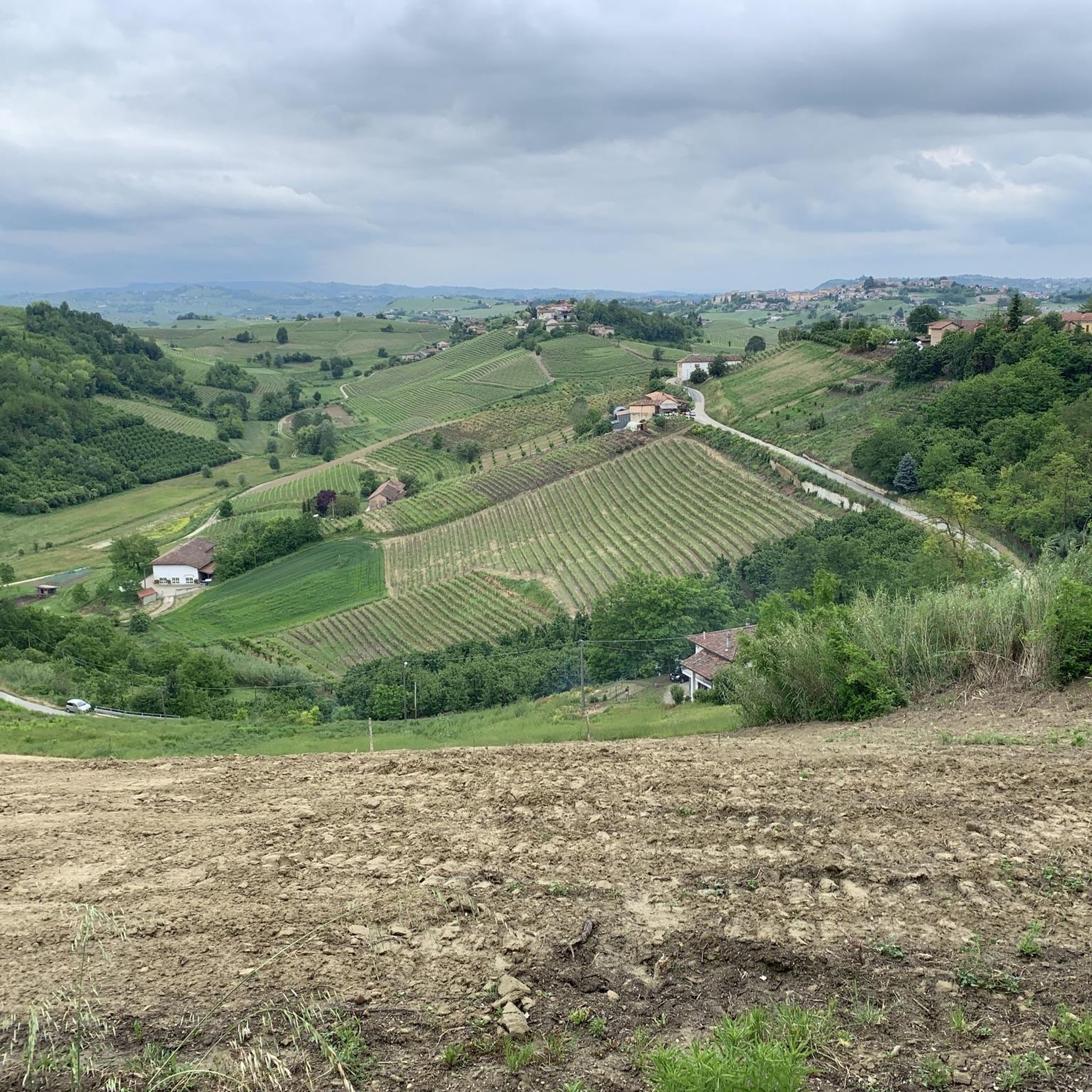
Best attractions and places to see around Mombercelli are found in this comune in Italy's Piedmont region, known for its winemaking tradition and picturesque hilly landscape. Located southeast of Asti, Mombercelli offers a blend of historical landmarks, cultural sites, and natural beauty. The area is characterized by gentle hills covered with vineyards and hazelnut groves, providing scenic views and varied terrain for exploration.
Best attractions and places to see around Mombercelli
- The most popular attractions is Costigliole d'Asti Castle,…
Last updated: October 11, 2026
Costigliole d'Asti Castle
Highlight • Castle
Translated by Google •
Tip by

Main Square of Castelnuovo Calcea
Highlight • Settlement
cittaecattedrali.it/it/bces/313-chiesa-di-s-stefano-castelnuovo-calcea-at
Translated by Google •
Tip by

Sign up now to discover places like this
Get recommendations on the best single tracks, peaks, & plenty of other exciting outdoor places.
Collegiate Church of Saint Secondo
Highlight • Religious Site
Translated by Google •
Tip by

Church of Saint Catherine
Highlight • Religious Site
Translated by Google •
Tip by

Cathedral of Asti
Highlight • Religious Site
A rich spiritual history is displayed inside. This place has closing time in the afternoon. Check the opening hours in advance and be amazed.
Translated by Google •
Tip by
Sign up for free to discover even more attractions around Mombercelli.
Already have an account?
Start today with a free account
Your next adventure awaits.
Tips from the Community

Castelnuovo Calcea, located in the heart of the Monferrato Astigiano, has ancient origins linked to the Ligurian Statielli, Celts, and Gauls, before Roman colonization (Castrum Novum ad Calcea). The medieval village, known for its castle, destroyed several times starting in 1155, was a fiefdom of the Marquises of Incisa, the Trotti family, and finally the Savoy family in 1735.
1
0

Divided into three naves by twelve pillars supporting arches and cross vaults on a Latin cross plan, the church contains works of great artistic value by painters of the 16th and 17th centuries. Of note are the carved choir and wooden lectern, commissioned by Bishop Innocenzo Migliavacca at the end of the 17th century. At the end of the nave is the Chapel of San Secondo, built between 1772 and 1789 to a design by Bernardo Antonio Vittone.
8
0

With a plaque for the "Martyrs of Freedom": Ferrero Domenico Ferruccio from Castelnuovo was a partisan in the Giustizia & Liberta formations, killed in action on March 26, 1945, during the fighting in Agliano, not far from here. http://intranet.istoreto.it/partigianato/dettaglio.asp?id=35746 Bianco Luigi Loris was a farmer from Castelnuovo and a partisan in an autonomous unit. He was captured during a clearing operation on December 6, 1944, and deported to Germany. He died during the death march from Flossenbürg to Dachau. https://israt.it/banche-dati/deportati-politici-astigiani.html https://www.pietredellamemoria.it/pietre/monumento-ai-caduti-di-castelnuovo-calcea/
0
0

Place of worship and prayer Piazza Cattedrale, SNC, 14100 Asti AT http://www.asti.chiesacattolica.it/wd-annuario-enti/cattedrale-s-maria-assunta-300/ 0141592924
2
0
Place of worship and prayer Corso Vittorio Alfieri, 424, 14100 Asti AT http://www.santacaterina.asti.it/index.php 0141592428
1
0

Church with a particular shape with a rounded plan, a facade that recalls classical forms and a bell tower obtained from what was one of the two towers of the Roman gate of the city (in the style of the Porta Palatina of Turin). Located in the extreme part of Corso Alfieri.
0
0

The castle, configured in a single and imposing square volume, reveals evident architectural stylistic differences, originating from the layout choices undertaken in the 17th century by the legitimate owners. Starting from 1625, the Asinari nobles shared the rank of "counts of Costigliole" with the noble Verasis family. This complex was therefore divided between two feudal lords, who, with autonomous determination, gave rise to transformations and embellishments on subjective bases. The northern part of the manor, pertaining to the Asinari, retains the appearance derived from the interventions of the second half of the eighteenth century, duly inspired by the architectural canons propagated by Benedetto Alfieri. At the same time, the external aspect of the southern part, pertaining to the Verasis, constitutes an interesting example of neo-medieval stylistic re-proposition, dating back to the first decades of the 19th century.
5
0
The castle of Costigliole d'Asti, built in medieval times and subject to restoration over the centuries, is an important stage in the "Castelli Aperti" circuit of Lower Piedmont. In 1041, Arrigo III officially conferred possession on the Church of Asti. Subsequently, the castle passed under the authority of Bonifacio del Vasto. In 1198, it was Asti that took possession of the castle, establishing statutory regulations. Built on top of the Costigliole fortress, this mighty quadrangular castle, with a base of 60 meters on each side and a height of 25 meters, is one of the grandest in the Asti area.
8
0
Frequently Asked Questions
What historical landmarks can I explore in and around Mombercelli?
Mombercelli and its surroundings are rich in history. You can visit the impressive Costigliole d'Asti Castle, a mighty quadrangular fortress with origins dating back to the Middle Ages. The town itself has historical roots as a fortified Lombard village from the 10th century. Additionally, the Monument to the Unification of Italy serves as a significant memorial to historical events and sacrifices.
Are there any significant religious sites to visit near Mombercelli?
Yes, the area features notable religious architecture. The Collegiate Church of Saint Secondo is one of the oldest Gothic churches in Asti, featuring a Latin cross plan, three naves, and valuable artworks from the 16th and 17th centuries. Another important site is the Baroque Church of Santa Caterina, rebuilt in 1773 on the foundation of an 11th-century structure, retaining an old tower as its bell tower.
What kind of natural landscapes can I expect to see around Mombercelli?
Mombercelli is nestled in Italy's Piedmont region, characterized by a picturesque hilly landscape. You'll find gentle hills covered with extensive vineyards and hazelnut groves, offering scenic views. The region is part of the renowned Monferrato area, a UNESCO World Heritage site known for its distinct wine production and varied terrain, ideal for outdoor exploration.
Can I find opportunities for cycling or hiking near Mombercelli's attractions?
Absolutely! The hilly terrain around Mombercelli is well-suited for outdoor enthusiasts. There are numerous routes for cycling, gravel biking, road cycling, and mountain biking. For cycling adventures, you can explore routes like the 'Piazza San Secondo – Monument to King Umberto I loop' or 'Nizza Monferrato Town Square loop'. You can find more details on these and other routes in the Cycling around Mombercelli guide.
Are there family-friendly attractions suitable for children?
Many attractions around Mombercelli are suitable for families. Historical sites like Costigliole d'Asti Castle and the Monument to the Unification of Italy can be engaging for older children. The Main Square of Castelnuovo Calcea also offers a pleasant spot for a family stroll. The natural landscape with its vineyards and hills provides ample space for outdoor activities and exploration.
What is the best time of year to visit Mombercelli for sightseeing?
The best time to visit Mombercelli for sightseeing and outdoor activities is typically during the spring (April to June) and autumn (September to October). During these seasons, the weather is pleasant for exploring historical sites, walking through vineyards, and enjoying cycling routes. Autumn is particularly beautiful with the changing colors of the vineyards and is also harvest season for grapes and hazelnuts.
Are there any lesser-known or 'hidden gem' attractions worth discovering?
Beyond the main highlights, the charm of Mombercelli lies in its scattered hamlets and the picturesque views from its hilly territory. Exploring the smaller villages and their local churches, or simply wandering through the extensive vineyards and hazelnut groves, can reveal many hidden gems and provide a deeper appreciation for the region's authentic character.
Where can I experience the local winemaking culture?
Mombercelli is a local hub for wine production within the renowned Piedmont region. The entire area is famous for its vineyards, particularly on the gentle hills of Valtiglione. You can experience the winemaking culture by visiting local wineries for tastings, exploring the numerous vineyard-lined walking and cycling routes, and enjoying the regional cuisine that often features local wines.
What makes the <a href="https://www.komoot.com/highlight/4506303" target="_blank" rel="noopener">Collegiate Church of Saint Secondo</a> notable?
The Collegiate Church of Saint Secondo is notable for being one of Asti's oldest Gothic churches. It boasts a Latin cross plan with three naves and houses significant artworks by 16th and 17th-century painters. Of particular interest are its carved choir, a wooden lectern from the late 17th century, and the Chapel of San Secondo, designed by Bernardo Antonio Vittone and built between 1772 and 1789.
Are there any trails suitable for gravel biking near Mombercelli?
Yes, the varied terrain around Mombercelli is excellent for gravel biking. You can find routes that take you through vineyards and wooded areas. For example, consider routes like the 'View of Montegrosso (AT) loop' or the 'Vinchio and Its Vineyards loop'. More gravel biking options are available in the Gravel biking around Mombercelli guide.
Can I visit a castle in the Mombercelli area?
Yes, the most prominent castle in the area is Costigliole d'Asti Castle. It's a grand quadrangular castle, one of the largest in the Asti area, with origins dating back to the Middle Ages. It has been subject to various transformations and embellishments over the centuries, reflecting different architectural styles.
What is the significance of the <a href="https://www.komoot.com/highlight/4526803" target="_blank" rel="noopener">Monument to the Unification of Italy</a>?
The Monument to the Unification of Italy is a significant memorial commemorating the sacrifices made during Italy's unification. It serves as a powerful reminder of historical events and the people who contributed to the nation's formation. Such memorials are important for remembering the past and promoting peace for future generations.
Are there any central town squares or points of interest to visit?
Yes, the Main Square of Castelnuovo Calcea is a notable central point. It features the Town Hall and the 17th-century Parish Church of Santo Stefano. This square also holds historical significance with plaques commemorating local partisans from World War II, offering a glimpse into the region's more recent history.
Most popular routes around Mombercelli
Most popular attractions around Mombercelli

Get inspired with the komoot mobile app


Explore more
Still not found the Highlight you’re looking for? See guides of the top attractions in other regions:
