Attractions and Places To See around Moasca - Top 20
Best attractions and places to see around Moasca include historical landmarks, cultural sites, and natural landscapes within the Monferrato Astigiano region. This charming comune in the province of Asti, Italy, is part of a UNESCO World Heritage site known for its rolling hills and extensive vineyards. Visitors can explore medieval castles, ancient sanctuaries, and picturesque settlements. The area offers opportunities for walks and cycling amidst serene natural beauty.
Best attractions and places to see around Moasca
- The most popular attractions…
Last updated: August 17, 2026
Costigliole d'Asti Castle
Highlight • Castle
Translated by Google •
Tip by

Chapel of St. Mary the Virgin
Highlight • Religious Site
Translated by Google •
Tip by

Sign up now to discover places like this
Get recommendations on the best single tracks, peaks, & plenty of other exciting outdoor places.
Sign up for free
Main Square of Castelnuovo Calcea
Highlight • Settlement
cittaecattedrali.it/it/bces/313-chiesa-di-s-stefano-castelnuovo-calcea-at
Translated by Google •
Tip by

San Michele (hamlet of Costigliole)
Highlight • Settlement
Translated by Google •
Tip by

Cesare Pavese Literary Panel, Piazza, Santo Stefano Belbo
Highlight • Monument
Translated by Google •
Tip by
Sign up for free to discover even more attractions around Moasca.
Sign up for free
Already have an account?
Start today with a free account
Your next adventure awaits.
Login or Signup
Tips from the Community

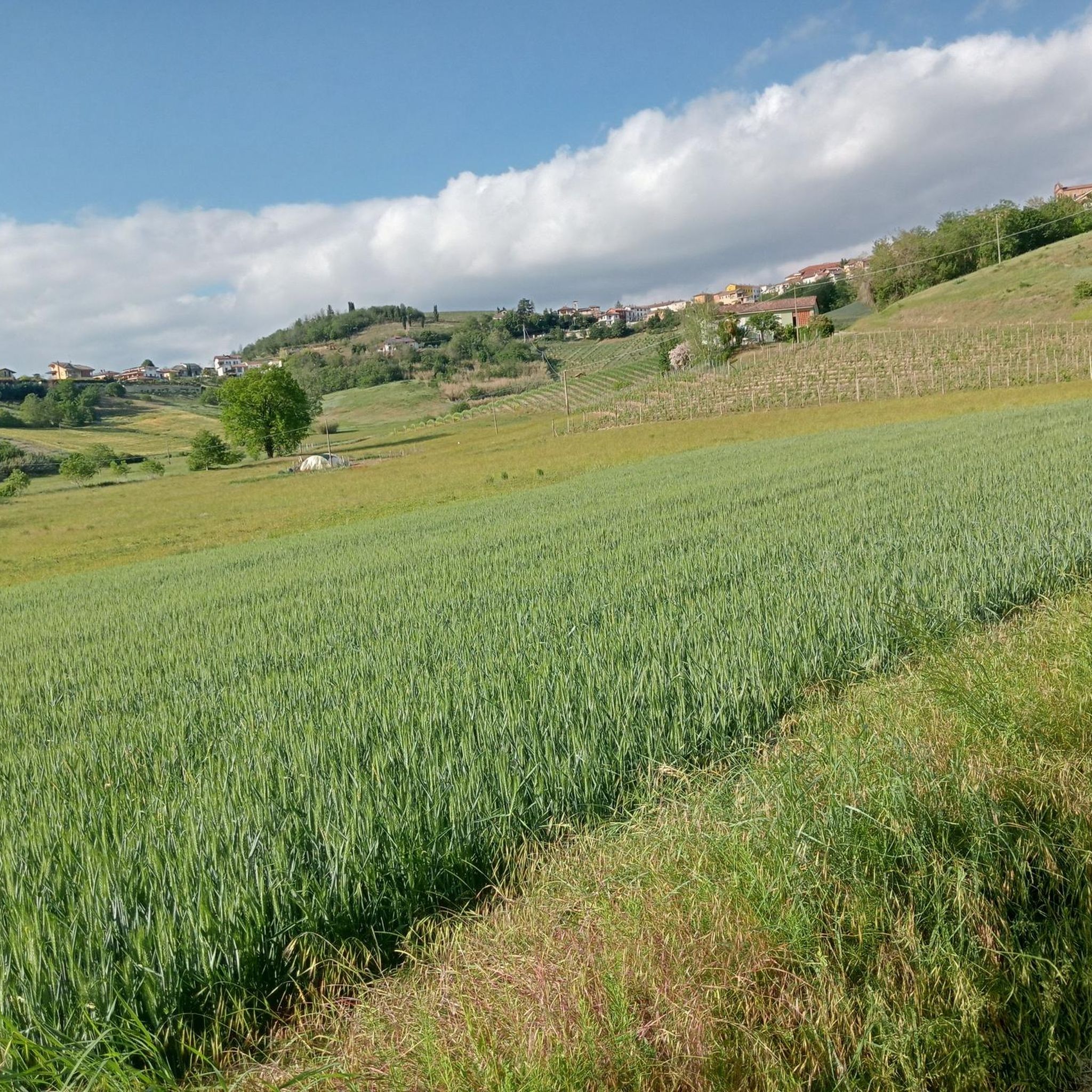
Castelnuovo Calcea, located in the heart of the Monferrato Astigiano, has ancient origins linked to the Ligurian Statielli, Celts, and Gauls, before Roman colonization (Castrum Novum ad Calcea). The medieval village, known for its castle, destroyed several times starting in 1155, was a fiefdom of the Marquises of Incisa, the Trotti family, and finally the Savoy family in 1735.
0
0
Santo Stefano Belbo was immortalized by the writing of Cesare Pavese, an intellectual who, through his works, particularly The Moon and the Bonfires, narrated the history and traditions of a town, immortalizing its people and making its places legendary. A poet, translator, editor, and writer, he is considered one of the greatest and most important Italian intellectuals of the 20th century.
4
0

With a plaque for the "Martyrs of Freedom": Ferrero Domenico Ferruccio from Castelnuovo was a partisan in the Giustizia & Liberta formations, killed in action on March 26, 1945, during the fighting in Agliano, not far from here. http://intranet.istoreto.it/partigianato/dettaglio.asp?id=35746 Bianco Luigi Loris was a farmer from Castelnuovo and a partisan in an autonomous unit. He was captured during a clearing operation on December 6, 1944, and deported to Germany. He died during the death march from Flossenbürg to Dachau. https://israt.it/banche-dati/deportati-politici-astigiani.html https://www.pietredellamemoria.it/pietre/monumento-ai-caduti-di-castelnuovo-calcea/
0
0

in the square there is a beautiful panel which tells the story of Pavese in summary and with fragments taken from his works: it is worth a short stop and then perhaps going deeper by visiting the various places located in the surrounding area "He didn't envy cars, he knew that in a car you travel through but you don't know a land. On foot, ..you really go into the countryside, take paths and skirt the vineyards, see everything. It's the same difference as looking at water and jumping into it. Cesare Pavese - The beautiful summer
1
0
Very well cared for church.
22
0

It is also called the Tremlett church in honor of the British artist who repainted and embellished it taking inspiration from the colors of the Coazzolo hill. David Tremlett who also helped repaint the Barolo chapel in La Morra which attracts many tourists
0
0

The road goes up and from the town leads to this hillside hamlet which dominates the surrounding area. At the crossroads you can choose: on the right you go towards the amphitheater and the dirt road to Santo Stefano Canetto while on the left towards Repergo.
0
0

The castle, configured in a single and imposing square volume, reveals evident architectural stylistic differences, originating from the layout choices undertaken in the 17th century by the legitimate owners. Starting from 1625, the Asinari nobles shared the rank of "counts of Costigliole" with the noble Verasis family. This complex was therefore divided between two feudal lords, who, with autonomous determination, gave rise to transformations and embellishments on subjective bases. The northern part of the manor, pertaining to the Asinari, retains the appearance derived from the interventions of the second half of the eighteenth century, duly inspired by the architectural canons propagated by Benedetto Alfieri. At the same time, the external aspect of the southern part, pertaining to the Verasis, constitutes an interesting example of neo-medieval stylistic re-proposition, dating back to the first decades of the 19th century.
5
0
Frequently Asked Questions
What historical landmarks can I explore around Moasca?
The region is rich in history. You can visit the impressive Costigliole d'Asti Castle, a mighty quadrangular structure with a long history of transformations. Also, explore the remains of Moasca Castle for panoramic views, or the 14th-century Santuario Beata Vergine del Portone. For a deeper dive into history, consider the 13th-century Palazzo Gazelli di Rossana in nearby Asti, known for its original furnishings and frescoes.
Are there any religious sites of interest near Moasca?
Yes, several religious sites offer historical and architectural value. The Chapel of St. Mary the Virgin, built in the late 17th century, provides wonderful panoramic views over the Moscato hills. Another notable spot is the San Pancrazio Sanctuary (Vinchio AT), a small and beautiful sanctuary located next to the social winery of Vinchio Vaglio Serra, offering a peaceful stop.
What natural features and scenic viewpoints can I enjoy in the Moasca area?
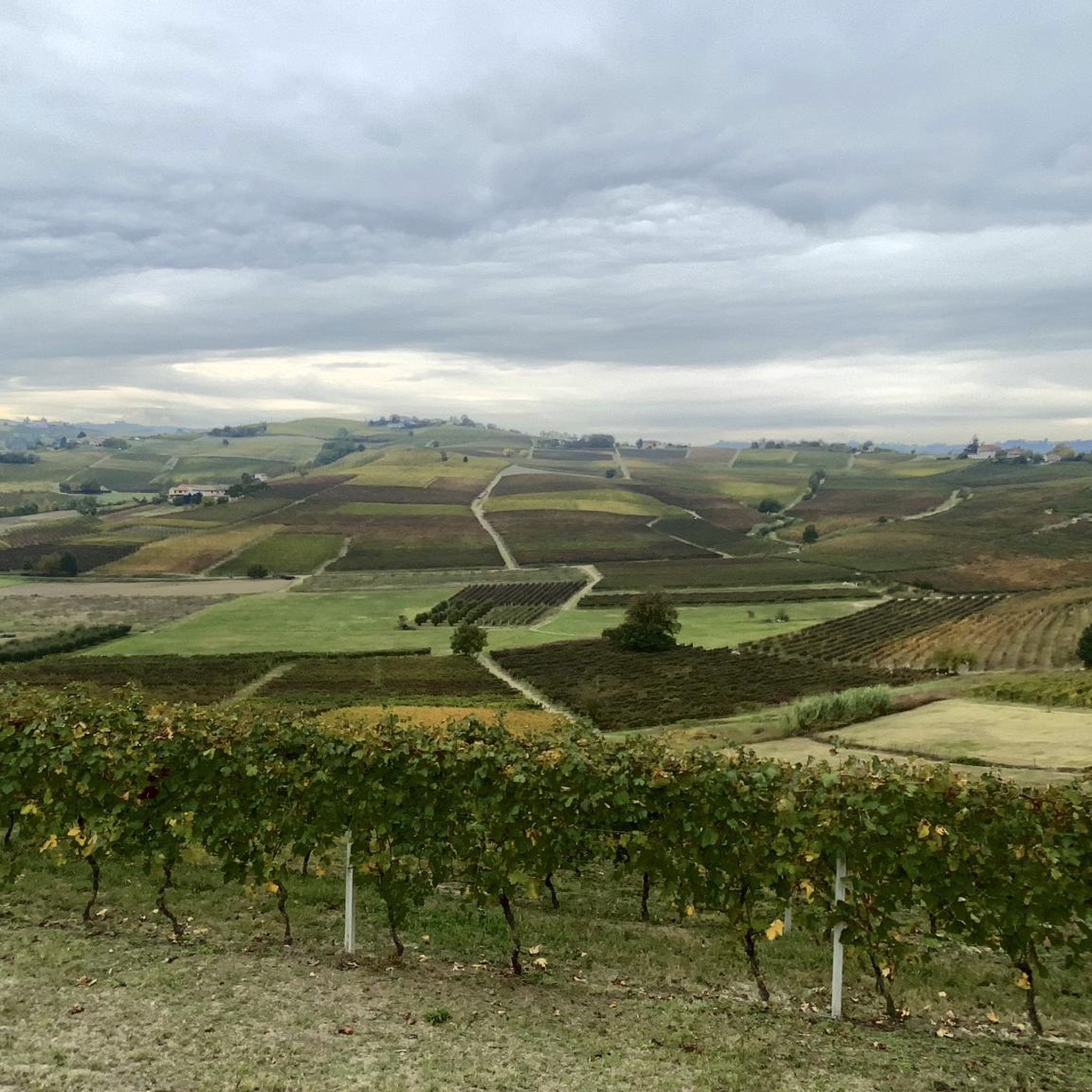
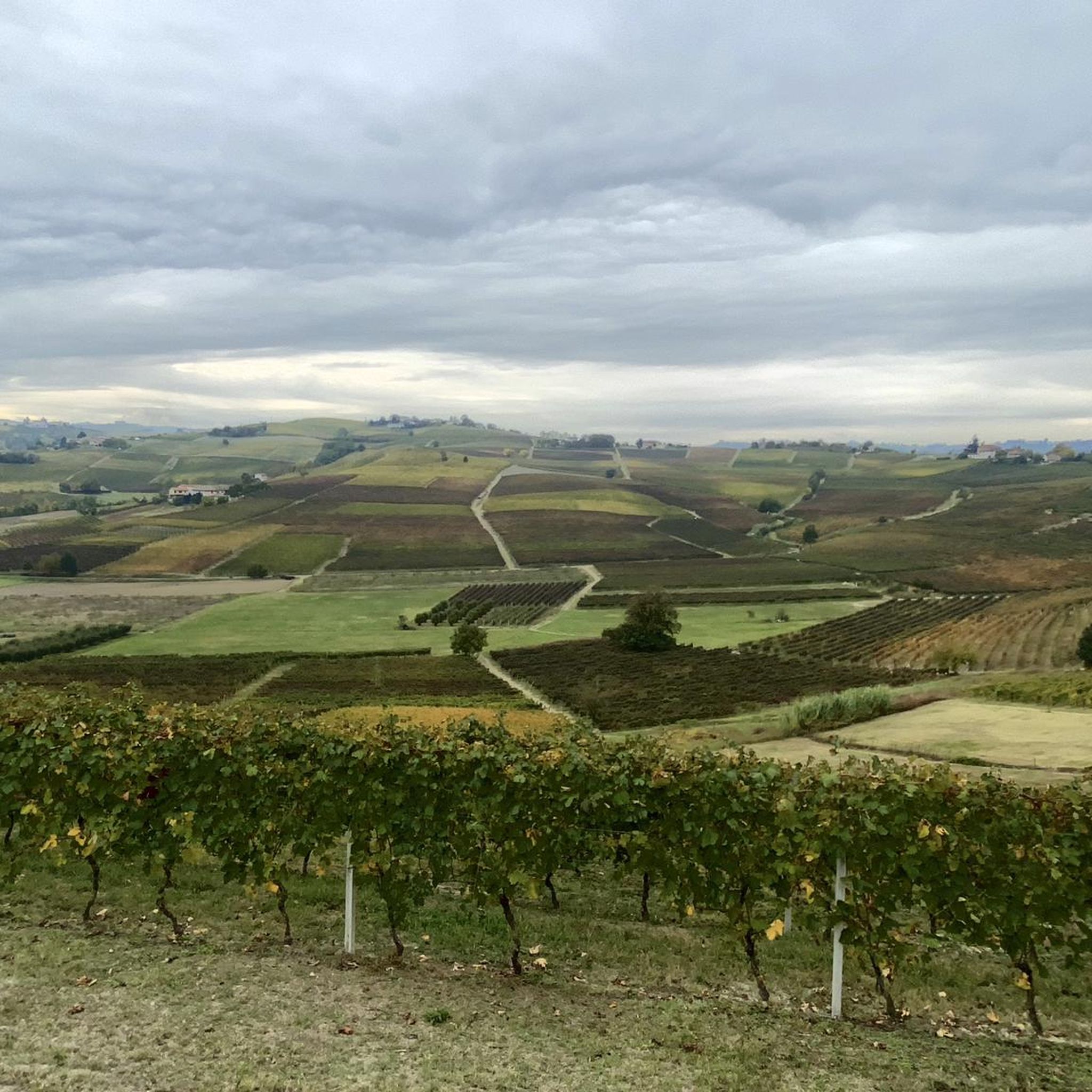
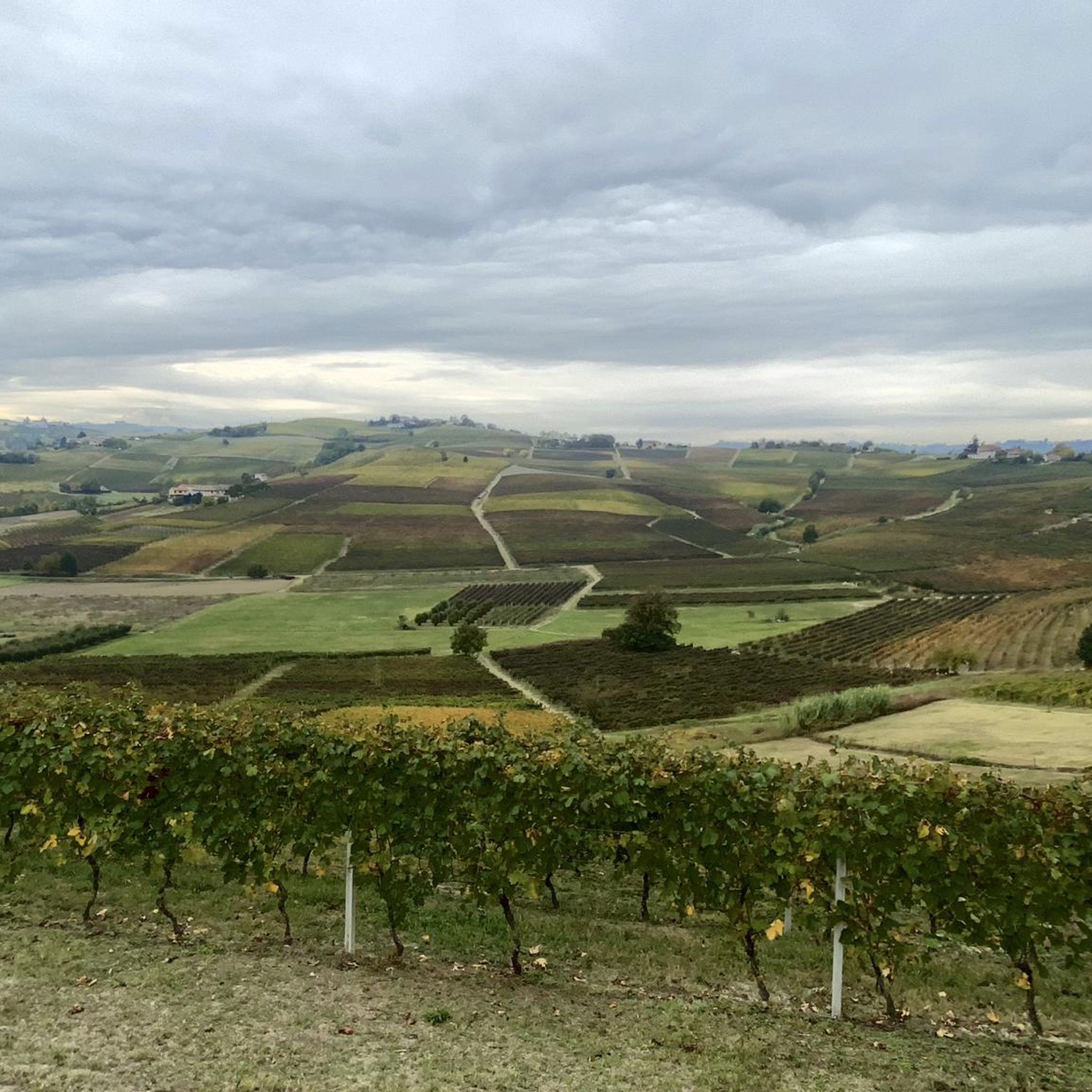
Moasca is nestled within the picturesque Monferrato region, characterized by rolling hills and extensive vineyards. You can find excellent viewpoints at the Chapel of St. Mary the Virgin and from the historic Moasca Castle ruins. The hamlet of San Michele (hamlet of Costigliole) also offers commanding views of the town and its castle.
What cycling opportunities are available around Moasca?
The area is ideal for cycling, with numerous routes winding through vineyards and scenic landscapes. You can find various touring bicycle routes in the Cycling around Moasca guide, including moderate to difficult loops connecting to towns like Canelli and San Marzano Oliveto. For off-road adventures, explore the gravel biking options in the Gravel biking around Moasca guide.
Are there hiking trails or walking routes near Moasca?
Yes, Moasca and its surroundings offer beautiful trails for walking and hiking. You can explore easy routes like 'Walking through the vineyards from San Marzano Oliveto' or 'Calosso countryside trail'. For a moderate challenge, try the 'Castle Square, Moasca – Big Bench loop from Castelnuovo Calcea'. Find more options in the Hiking around Moasca guide.
What cultural experiences, such as wine tourism, are available?
Moasca is at the heart of a renowned wine-producing region. You can enjoy cycling among the UNESCO-recognized vineyards of Astigiano, Langhe, and Monferrato. Many local wineries offer tours and tastings. Additionally, the Museo Bocchino e Cantine Contratto provides insight into the history of grappa production.
Are there any family-friendly attractions or activities in the Moasca area?
Many attractions around Moasca are suitable for families. Historical sites like Costigliole d'Asti Castle and religious buildings such as the Chapel of St. Mary the Virgin and San Pancrazio Sanctuary (Vinchio AT) are categorized as family-friendly. The 'Giant Bench' of Moasca also offers a unique and fun perspective on the landscape for all ages.
What is the best time of year to visit Moasca?
The Monferrato region, including Moasca, is particularly beautiful during spring and autumn. Spring offers lush green vineyards and pleasant temperatures for outdoor activities, while autumn brings stunning fall foliage and harvest festivals, making it an ideal time for wine tourism and scenic drives.
Where can I experience local cuisine and dining in Moasca?
The region is known for its excellent food. You'll find restaurants, often located near historical sites like the castle remains, that offer opportunities to savor local culinary delights. The Main Square of Castelnuovo Calcea is also a good spot to find local amenities.
What do visitors enjoy most about the attractions around Moasca?
Visitors frequently appreciate the blend of historical significance, cultural insights, and the stunning natural beauty of the Monferrato Astigiano region. The panoramic views from various points, the peaceful atmosphere of the sanctuaries, and the charm of the medieval castles are often highlighted. The community has shared over 40 photos and given more than 100 upvotes to the attractions, indicating a high level of enjoyment.
Are there any unique or quirky attractions to see?
Yes, Moasca is home to one of the 'Giant Benches' found across the Piedmont region. This oversized bench offers a unique and playful way to experience the scenic landscape and is a popular spot for photos.
Most popular attractions around Moasca

Get inspired with the komoot mobile app


Explore more
Still not found the Highlight you’re looking for? See guides of the top attractions in other regions:
