Attractions and Places To See around Calosso - Top 20
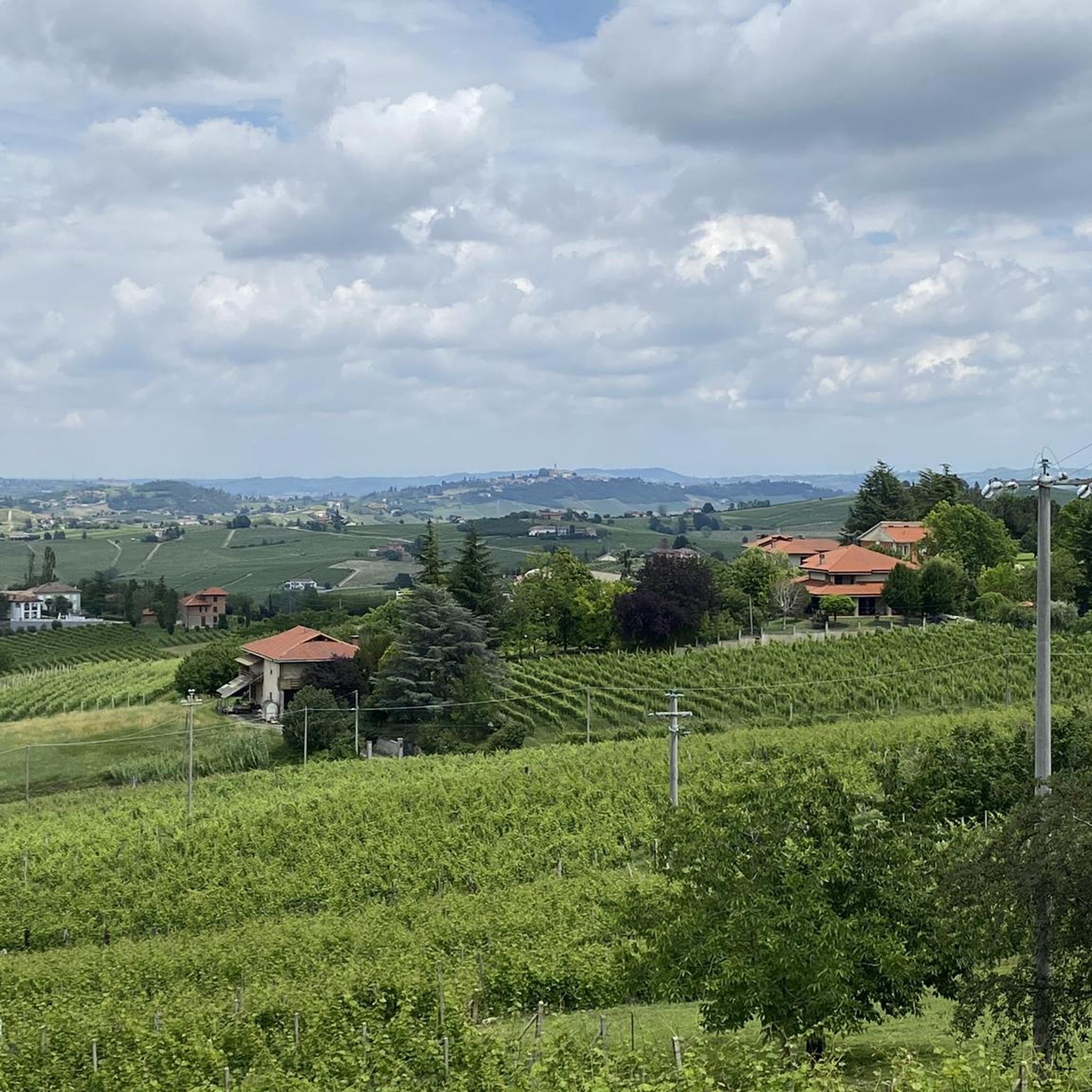
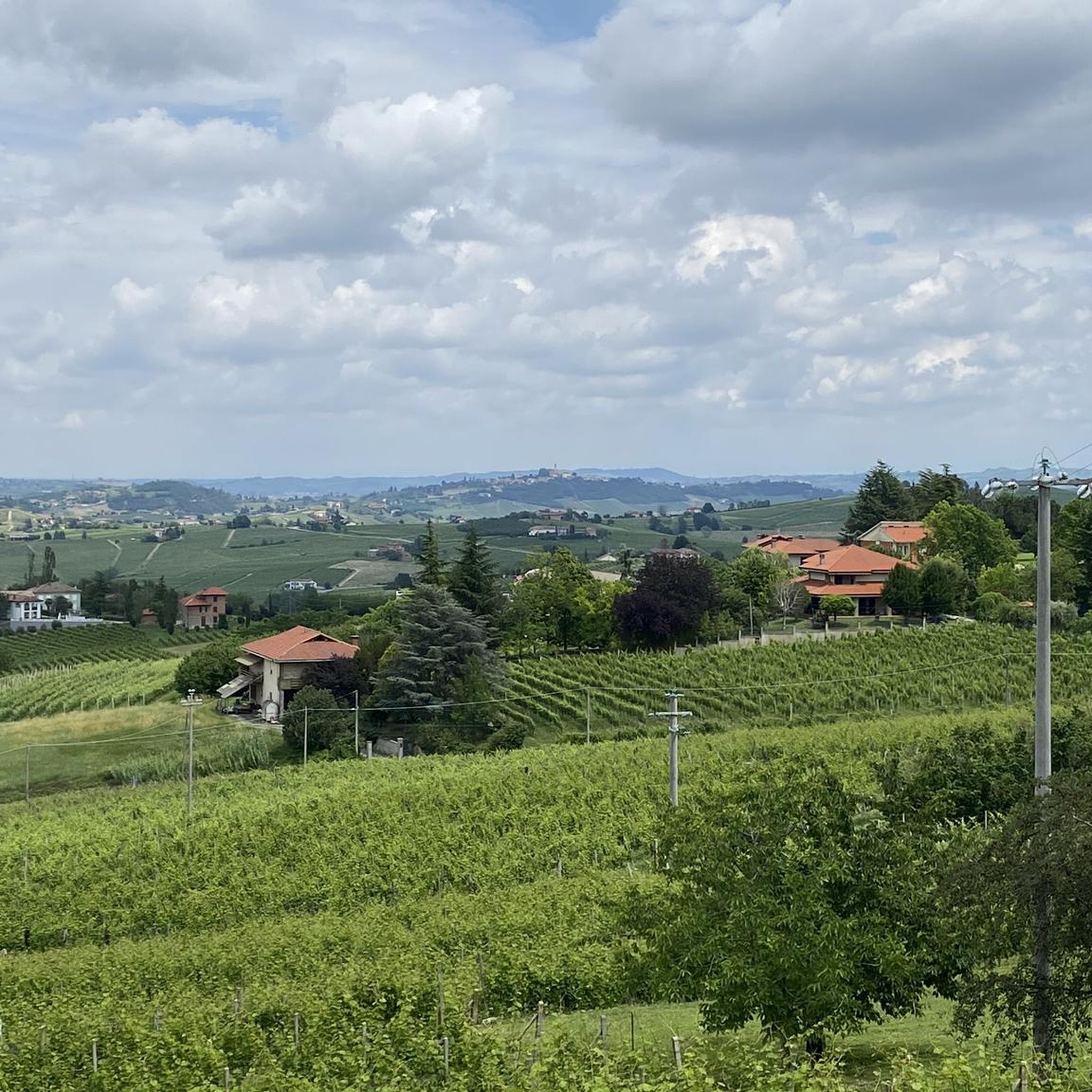
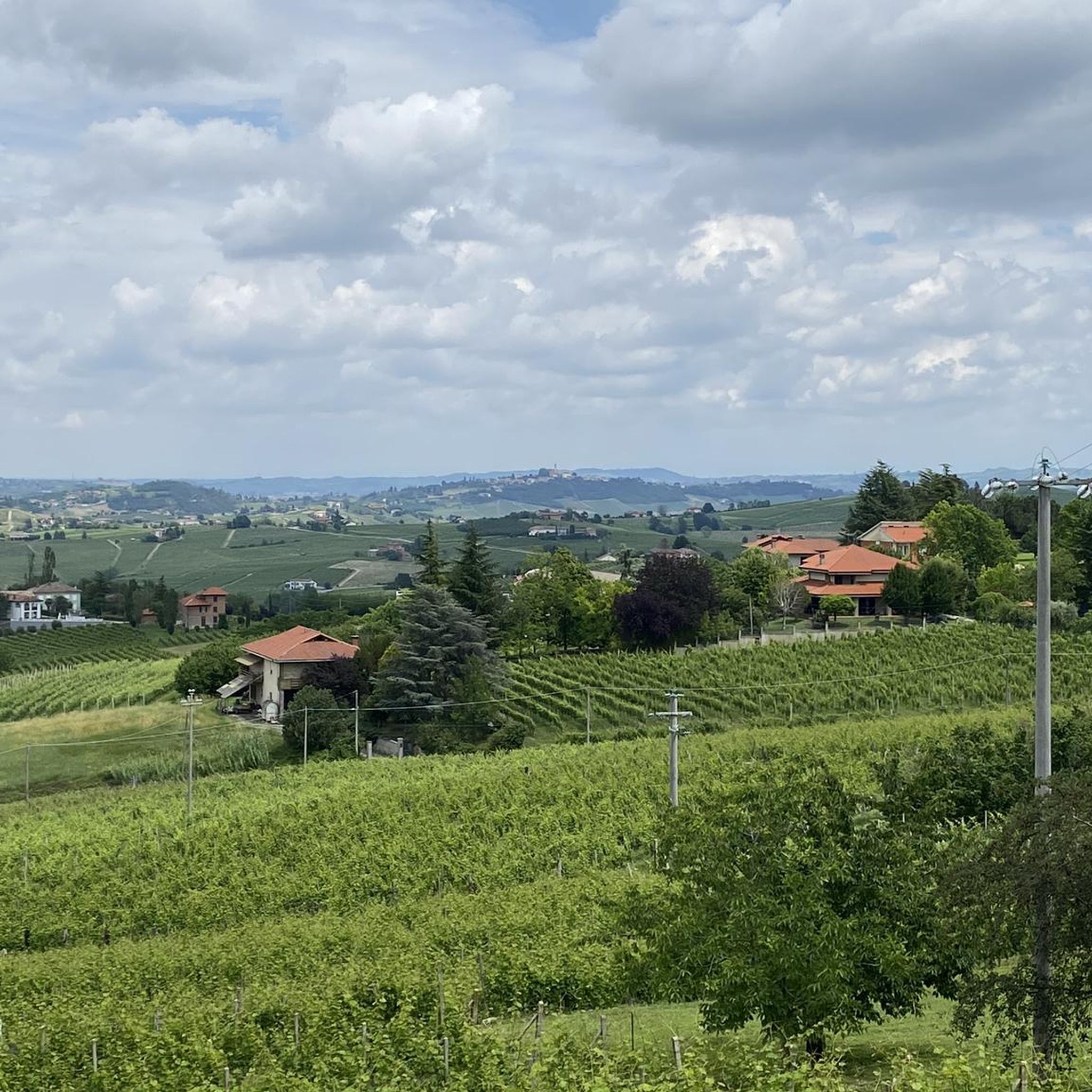
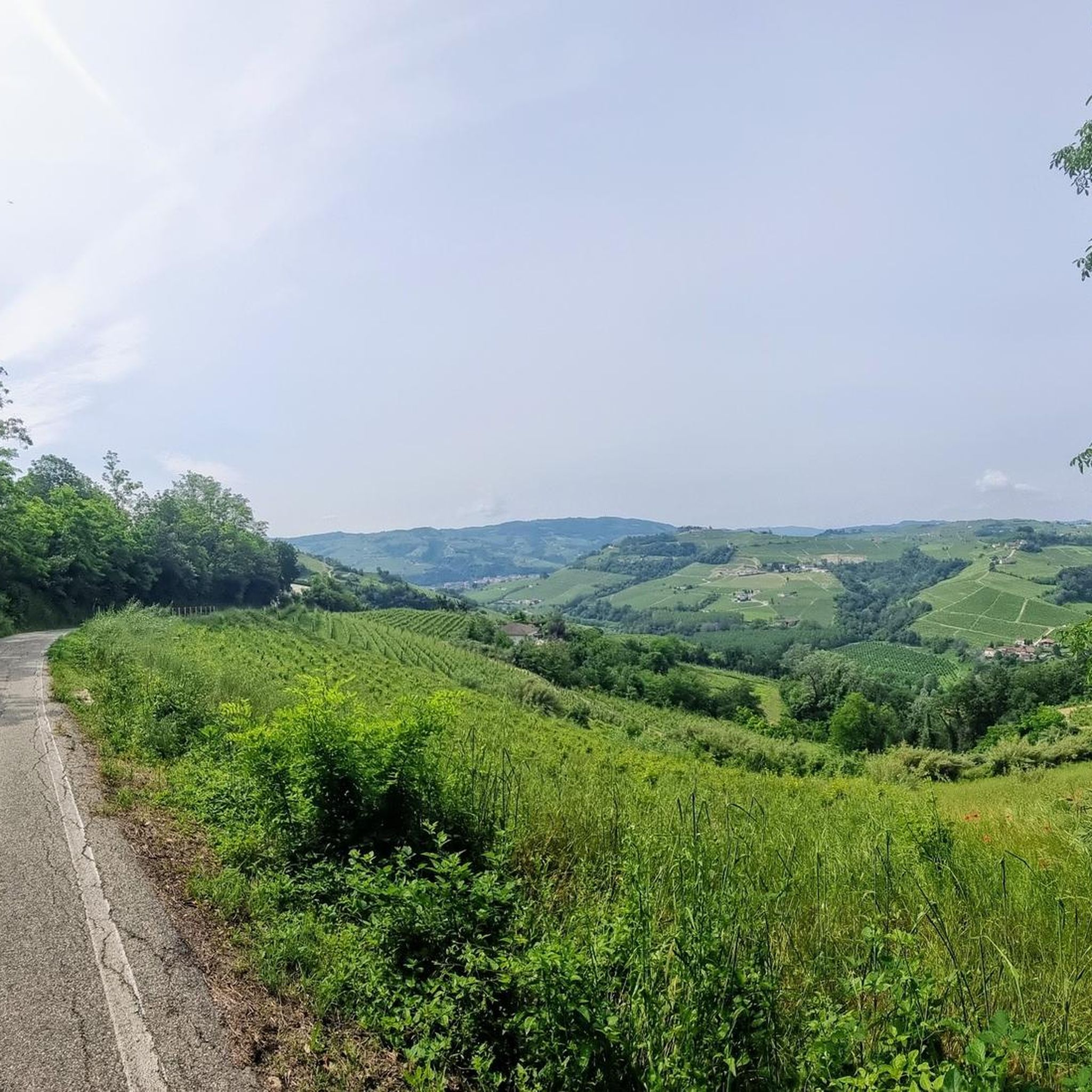
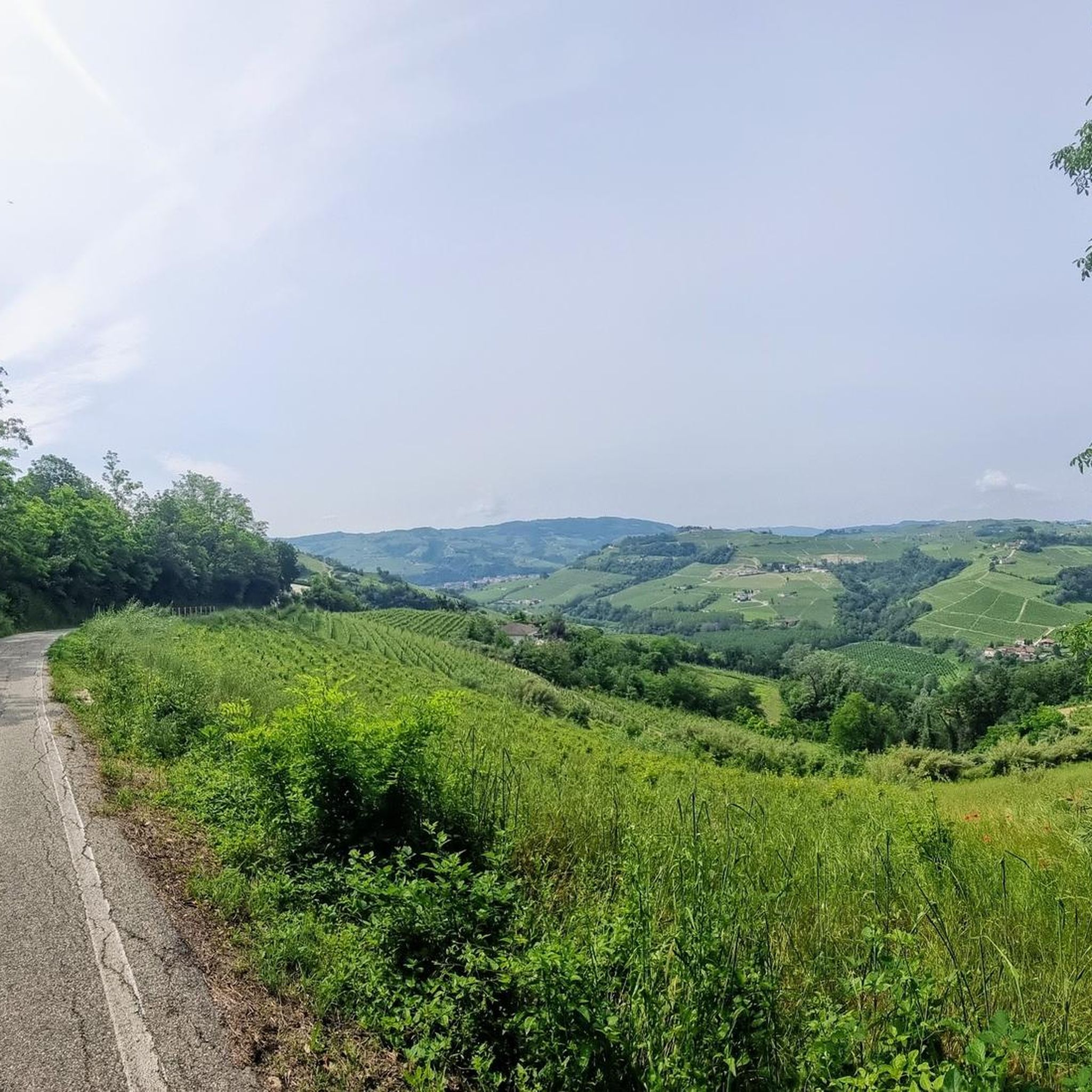
Best attractions and places to see around Calosso are found in this village nestled in the hilly landscape between the Tanaro and Belbo rivers in Italy's Piedmont region. Situated on the borders of the Monferrato and Langhe wine regions, Calosso offers a blend of historical landmarks, natural beauty, and cultural experiences. The area is characterized by expansive vineyards and picturesque hills, forming part of the UNESCO World Heritage cultural landscapes.
Best attractions and places to see around Calosso
- The most popular attractions is Costigliole d'Asti Castle, a castle that reveals architectural stylistic differences from 17th-century transformations. This quadrangular castle, with a base of 60 meters on each side and a height of 25 meters, is one of the grandest in the Asti area.
- Another must-see spot is Chapel of St. Mary the Virgin, a religious building constructed in the late 17th century. Visitors can expect panoramic views over the Moscato hills, reaching towards Monviso.
- Visitors also love Church of Saints Peter and Paul (Chiesa dei Santi Pietro e Paolo), Neive, a place of worship first mentioned in 1145. This church features neoclassical forms and houses various artworks, with its bell tower located at the back.
- Calosso is known for its historical sites, religious buildings, and natural landscapes. The region offers a variety of attractions to see and explore, from ancient castles to picturesque vineyards.
- The attractions around Calosso are appreciated by the komoot community, with more than 100 upvotes and over 40 photos.
Last updated: August 16, 2026
Costigliole d'Asti Castle
Highlight • Castle
Translated by Google •
Tip by

Chapel of St. Mary the Virgin
Highlight • Religious Site
Translated by Google •
Tip by

Sign up now to discover places like this
Get recommendations on the best single tracks, peaks, & plenty of other exciting outdoor places.
Sign up for free
Church of Saints Peter and Paul (Chiesa dei Santi Pietro e Paolo), Neive
Highlight • Religious Site
History: The place of worship was first mentioned in 1145, remembered as being associated with the presbytery of the Holy Cross in Mortara and remained so until 1263. In 1325, according to the changed ecclesiastical jurisdiction, it became part of the diocese of Alba and this caused a contradiction between Mortara and Alba over who would be the beneficiary of the tithe. In 1474 the matter was resolved with the assignment of the church to the presbytery of Santa Maria Nova in Asti, linked to the Lateran canons.
Monsignor Vincenzo Marino's pastoral visit in 1576 described it as inadequate for the needs of the population. Other pastoral visits followed in 1577 and 1644. In 1648, Giovanni Battista Farriano enriched the altar of the Most Holy Rosary with his frescoes.
In the second half of the seventeenth century and at the beginning of the following century, the building was the subject of two major restoration operations, during which it was also almost completely rebuilt. Around 1729, only the bell tower was built on a project by Francesco Gallo, while the rest of the structure was still in a precarious state. The situation was rectified by the intervention of Vittorio Amedeo II of Savoy and by the middle of the century the new church was almost complete. When the work was finished, the altars were assigned to different communities and companies and were also decorated with polychrome stucco.
In 1816 the building was again restored and modified in its forms. The following year, after the phase of the Napoleonic suppression, the church was reincorporated into the Diocese of Alba. The wooden and fabric decorations of the altar canopy were made by the sculptor Conti and the weaver Colombier. In 1859 a new renovation was carried out and in 1878 the interiors were enriched with other decorations. The organ was built in 1887. The last cycle of works was carried out in the 1950s.
Translated by Google •
Tip by

Main Square of Castelnuovo Calcea
Highlight • Settlement
cittaecattedrali.it/it/bces/313-chiesa-di-s-stefano-castelnuovo-calcea-at
Translated by Google •
Tip by

San Michele (hamlet of Costigliole)
Highlight • Settlement
Translated by Google •
Tip by

Sign up for free to discover even more attractions around Calosso.
Sign up for free
Already have an account?
Start today with a free account
Your next adventure awaits.
Login or Signup
Tips from the Community

Castelnuovo Calcea, located in the heart of the Monferrato Astigiano, has ancient origins linked to the Ligurian Statielli, Celts, and Gauls, before Roman colonization (Castrum Novum ad Calcea). The medieval village, known for its castle, destroyed several times starting in 1155, was a fiefdom of the Marquises of Incisa, the Trotti family, and finally the Savoy family in 1735.
0
0

With a plaque for the "Martyrs of Freedom": Ferrero Domenico Ferruccio from Castelnuovo was a partisan in the Giustizia & Liberta formations, killed in action on March 26, 1945, during the fighting in Agliano, not far from here. http://intranet.istoreto.it/partigianato/dettaglio.asp?id=35746 Bianco Luigi Loris was a farmer from Castelnuovo and a partisan in an autonomous unit. He was captured during a clearing operation on December 6, 1944, and deported to Germany. He died during the death march from Flossenbürg to Dachau. https://israt.it/banche-dati/deportati-politici-astigiani.html https://www.pietredellamemoria.it/pietre/monumento-ai-caduti-di-castelnuovo-calcea/
0
0
Very well cared for church.
22
0

It is also called the Tremlett church in honor of the British artist who repainted and embellished it taking inspiration from the colors of the Coazzolo hill. David Tremlett who also helped repaint the Barolo chapel in La Morra which attracts many tourists
0
0

The road goes up and from the town leads to this hillside hamlet which dominates the surrounding area. At the crossroads you can choose: on the right you go towards the amphitheater and the dirt road to Santo Stefano Canetto while on the left towards Repergo.
0
0

The castle, configured in a single and imposing square volume, reveals evident architectural stylistic differences, originating from the layout choices undertaken in the 17th century by the legitimate owners. Starting from 1625, the Asinari nobles shared the rank of "counts of Costigliole" with the noble Verasis family. This complex was therefore divided between two feudal lords, who, with autonomous determination, gave rise to transformations and embellishments on subjective bases. The northern part of the manor, pertaining to the Asinari, retains the appearance derived from the interventions of the second half of the eighteenth century, duly inspired by the architectural canons propagated by Benedetto Alfieri. At the same time, the external aspect of the southern part, pertaining to the Verasis, constitutes an interesting example of neo-medieval stylistic re-proposition, dating back to the first decades of the 19th century.
5
0
At the end of a short stretch, if you leave Costigliole behind you, you reach the chapel of San Grato and a crossroads: on the right you go towards Santo Stefano Canetto by means of a road which at a certain point becomes a dirt road and passes into among the vineyards while if you go left you reach Repergo via the Lazzaretto road.
0
0
The castle of Costigliole d'Asti, built in medieval times and subject to restoration over the centuries, is an important stage in the "Castelli Aperti" circuit of Lower Piedmont. In 1041, Arrigo III officially conferred possession on the Church of Asti. Subsequently, the castle passed under the authority of Bonifacio del Vasto. In 1198, it was Asti that took possession of the castle, establishing statutory regulations. Built on top of the Costigliole fortress, this mighty quadrangular castle, with a base of 60 meters on each side and a height of 25 meters, is one of the grandest in the Asti area.
8
0
Frequently Asked Questions
What historical landmarks can I explore in and around Calosso?
Calosso is rich in history. You can visit the impressive Calosso Castle, which has evolved from a 13th-century defensive structure into a noble residence. Other notable historical sites include the Church of San Martino, located within the ancient fortified city walls, and the Church of San Giovanni Battista, a beautiful example of Baroque architecture. Additionally, the nearby Costigliole d'Asti Castle is one of the grandest in the Asti area, revealing architectural styles from 17th-century transformations.
Are there opportunities to experience the natural beauty and vineyards of Calosso?
Absolutely. Calosso is nestled in a hilly landscape between the Tanaro and Belbo rivers, surrounded by expansive vineyards. This area is part of the UNESCO World Heritage cultural landscapes of Langhe-Roero and Monferrato, offering picturesque views and excellent opportunities for hiking and cycling through the scenic hills and vineyards.
What kind of outdoor activities, like hiking or cycling, are available near Calosso?
The region around Calosso is ideal for outdoor enthusiasts. You can find numerous routes for various activities. For gravel biking, explore routes like the 'Historic Center of Alba' or 'View of Montegrosso'. Road cyclists can enjoy challenging routes such as 'Castino – Cortemilia' or 'San Martino Alfieri Castle – Mango'. If you prefer running, there are trails like the 'Running loop from Santo Stefano Belbo' or the 'Olympic Trail'. You can find more details on these and other routes in the Gravel biking around Calosso, Road Cycling Routes around Calosso, and Running Trails around Calosso guides.
Are there any family-friendly attractions or activities in the Calosso area?
Many attractions in the Calosso area are considered family-friendly. Historical sites like Costigliole d'Asti Castle and religious buildings such as the Chapel of St. Mary the Virgin offer engaging visits for all ages. Exploring the picturesque vineyards and hills also provides a great outdoor experience for families. The Museo del Combattente, with its military exhibits, can also be an interesting visit for older children.
What is the best time of year to visit Calosso for sightseeing and outdoor activities?
Calosso is beautiful throughout the year, but for sightseeing and outdoor activities like hiking and cycling, spring (April-June) and autumn (September-October) are generally ideal. The weather is pleasant, and the landscapes are particularly stunning, especially during the grape harvest season in autumn, which is celebrated during the Fiera del Rapulé.
Can I visit local wineries or experience traditional food and wine events in Calosso?
Yes, Calosso is located in a prime wine-producing region, offering numerous wineries for tours and tasting experiences. The village even has its own appellation, Calosso DOC, known for the rare Gamba di Pernice grape. You can also experience the annual Fiera del Rapulé in autumn, a traditional fair celebrating the grape harvest with local food and wine products, often including visits to the unique 'crutin'.
What are 'Crutin' and can I visit them in Calosso?
Crutin are ancient cellars dug into tuff and vaulted with bricks, traditionally used for storing wine bottles and foodstuffs. Many houses in Calosso's old town feature these unique underground spaces, some dating back to the 18th and 19th centuries. While many are privately owned, some crutin associated with small wineries are accessible to visitors, offering a glimpse into local traditions.
Where can I learn about the military history of the region?
To delve into the military history of the region, you can visit the Museo del Combattente (Fighter Museum). Housed on the ground floor of the Town Hall, this museum displays uniforms, weapons, and various objects from the First and Second World Wars, offering insights into military life during those periods.
Are there any religious sites of interest around Calosso?
Yes, Calosso and its surroundings feature several significant religious buildings. Within Calosso, you can find the Church of San Martino and the 17th-century Baroque Church of San Giovanni Battista. Nearby, the Chapel of St. Mary the Virgin offers panoramic views over the Moscato hills, and the Church of Saints Peter and Paul (Chiesa dei Santi Pietro e Paolo), Neive, first mentioned in 1145, showcases neoclassical forms and various artworks.
What do visitors particularly enjoy about the attractions near Calosso?
Visitors appreciate the blend of historical richness and natural beauty. Highlights like Costigliole d'Asti Castle are admired for their grandeur and historical significance. The Chapel of St. Mary the Virgin is loved for its well-cared-for appearance and the wonderful panoramic views it offers. The entire region is praised for its picturesque landscapes, perfect for cycling and hiking, and the charm of its ancient villages and vineyards.
Is Calosso part of any UNESCO World Heritage sites?
Yes, Calosso is situated within the UNESCO World Heritage cultural landscapes of Langhe-Roero and Monferrato. This recognition highlights the area's exceptional natural beauty, characterized by its unique hilly terrain and extensive vineyards, which are central to its cultural and economic identity.
Are there any notable towers or viewpoints offering panoramic views?
Yes, the Tower of Marcoratto is considered one of Piedmont's best-preserved medieval towers and offers splendid panoramic views of the surrounding area. Additionally, the Chapel of St. Mary the Virgin provides wonderful panoramic views over the Moscato hills, reaching towards Monviso, making it another excellent spot for scenic vistas.
Most popular routes around Calosso
Most popular attractions around Calosso

Get inspired with the komoot mobile app


Explore more
Still not found the Highlight you’re looking for? See guides of the top attractions in other regions:
