Attractions and Places To See around Cortemilia - Top 20
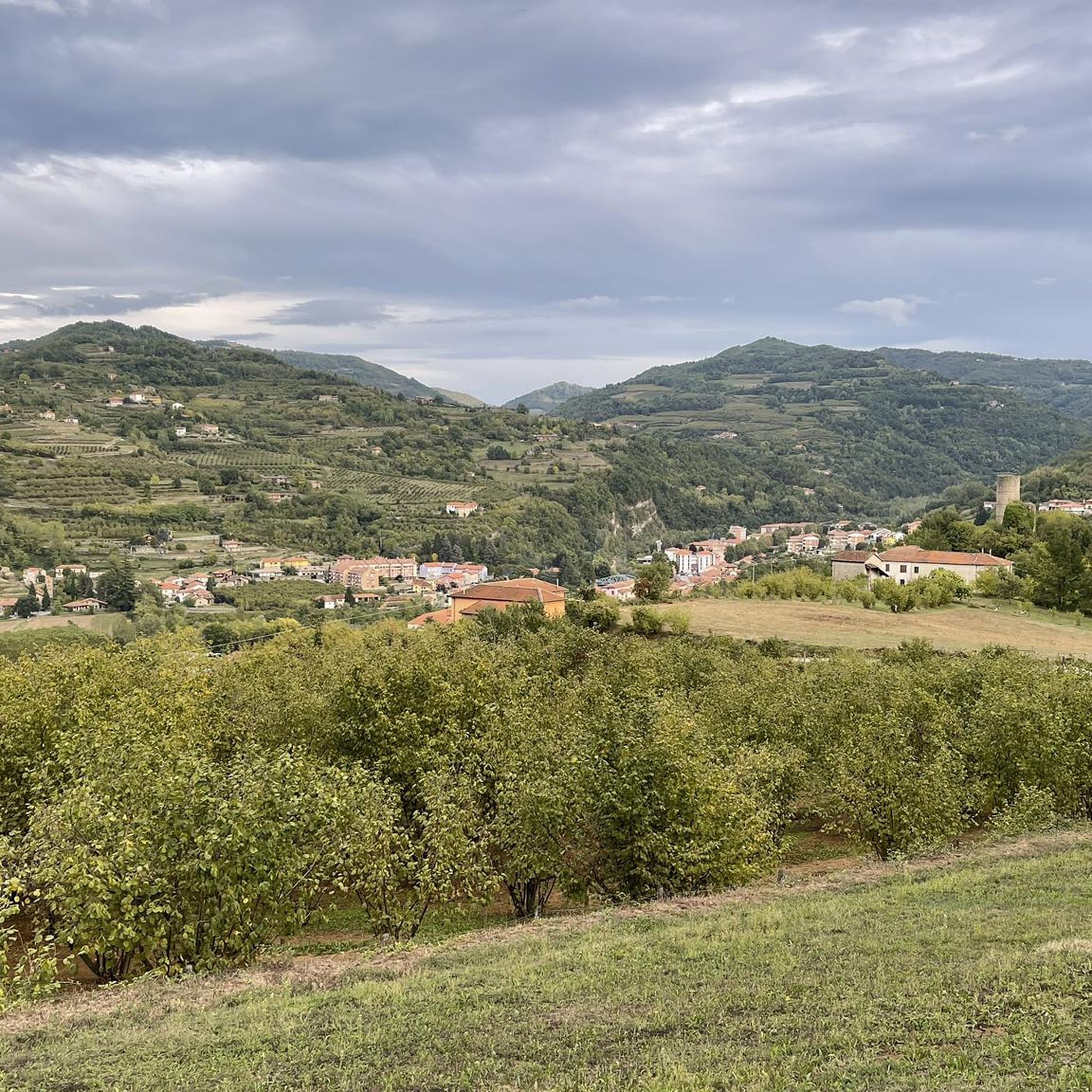
Best attractions and places to see around Cortemilia include historical landmarks, cultural sites, and natural features within the Upper Langhe. The town is bisected by the Bormida river, forming the distinct quarters of San Michele and San Pantaleo. Situated within a natural amphitheater of Langhe hills, the area is characterized by vineyards and terraced walls. Cortemilia is also known as the "hazelnut capital" due to its production of the "Tonda Gentile di Langa" hazelnut.
Best attractions and places to see around Cortemilia
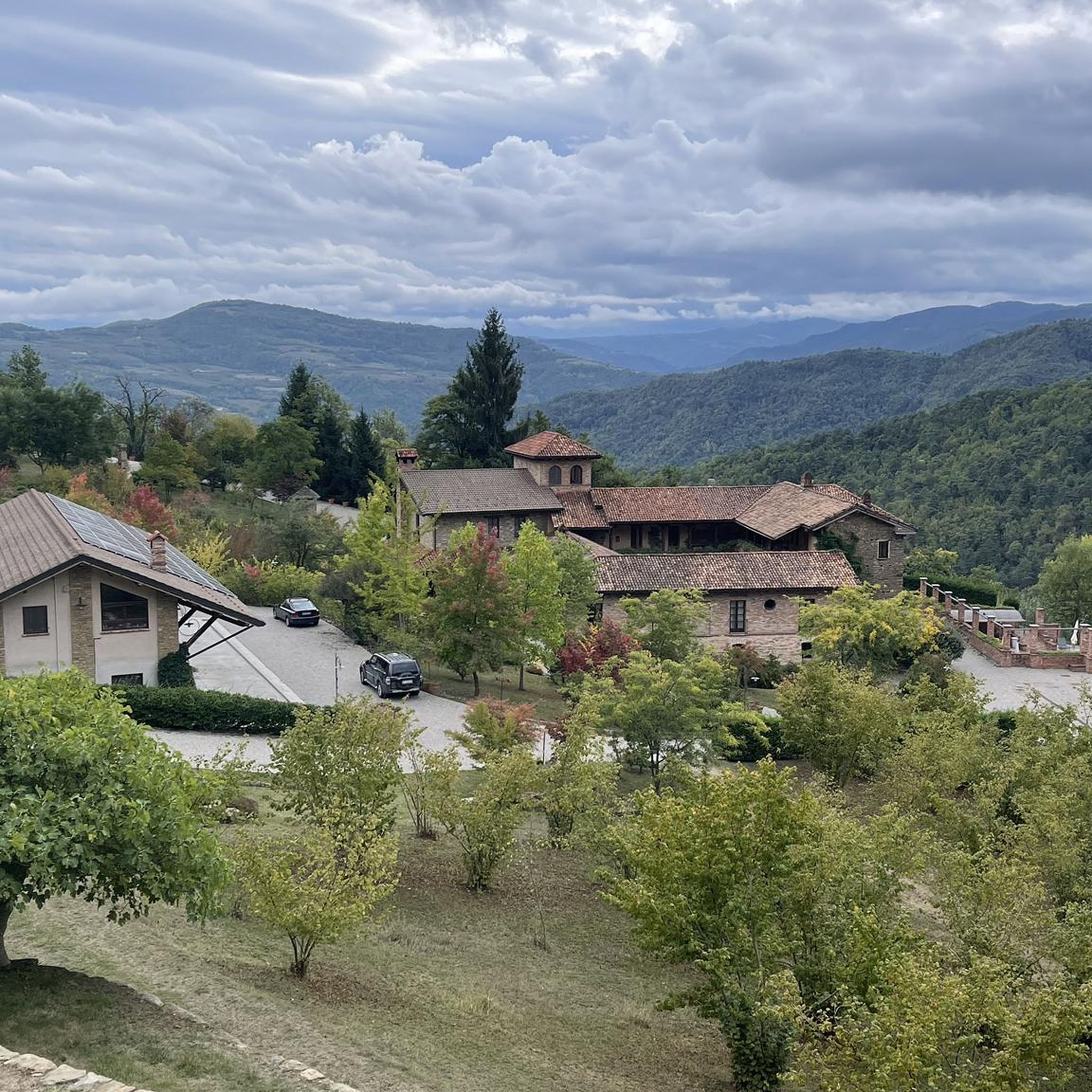
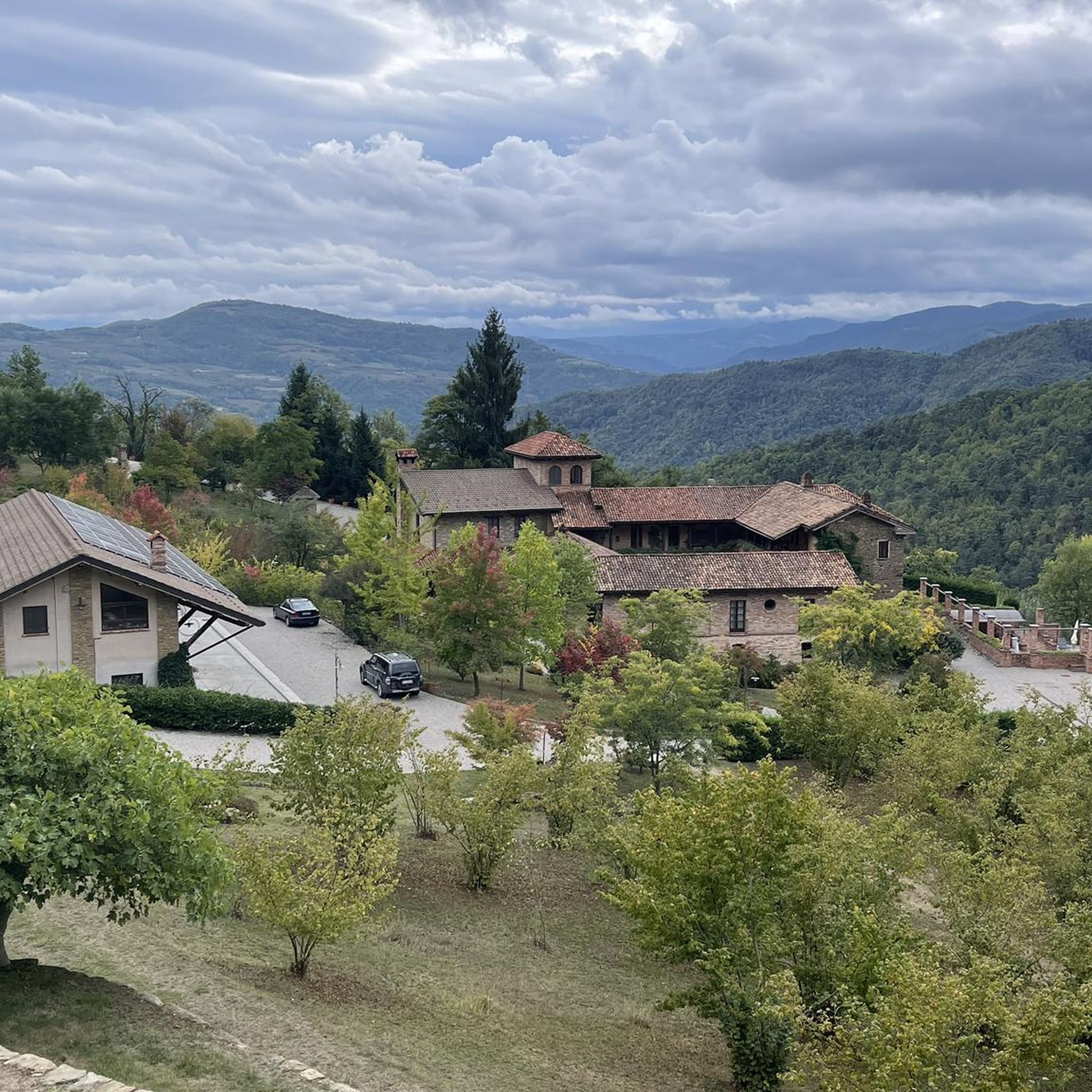
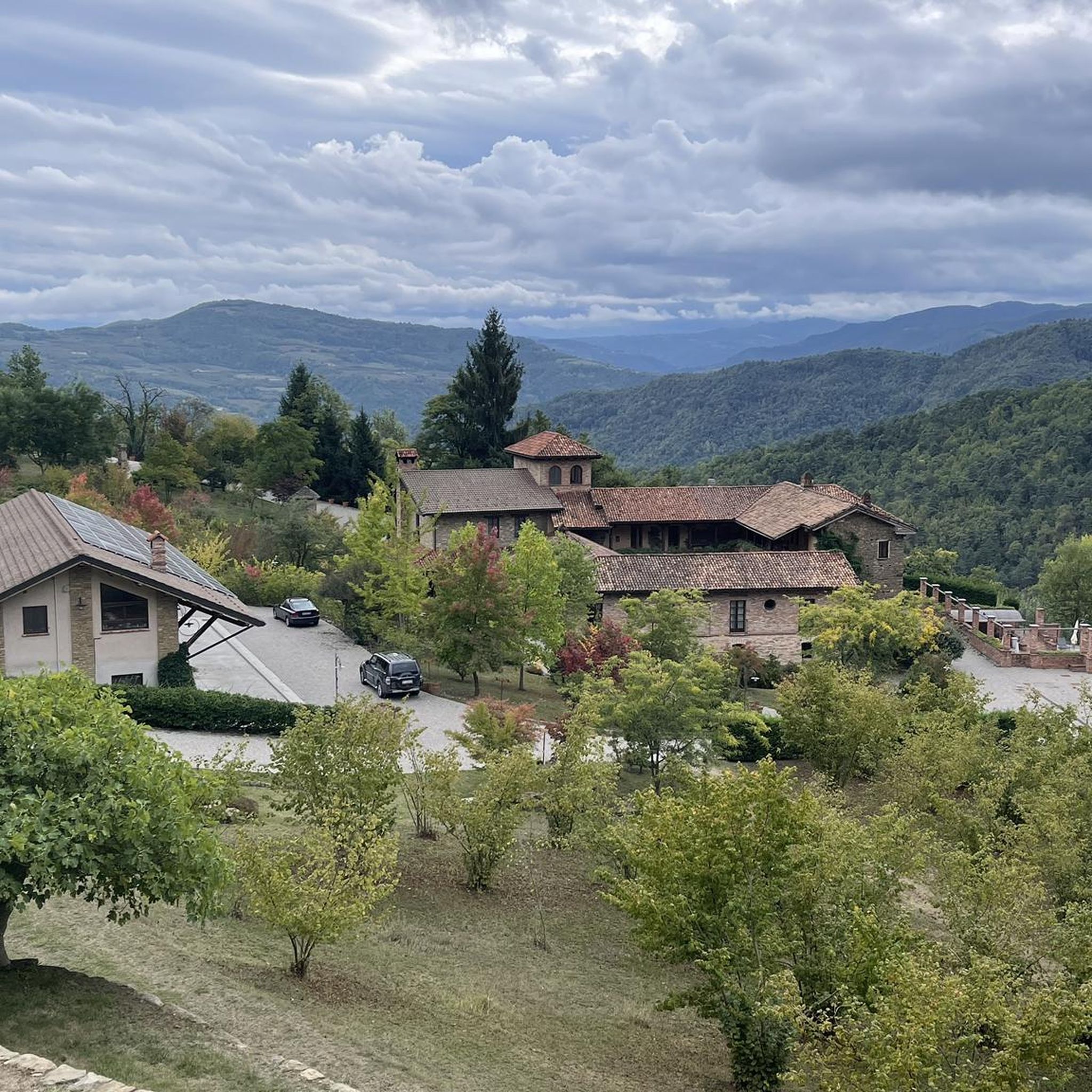
- The most popular attractions is Roccaverano, a settlement known for its high elevation. From this town, visitors can experience a 360° panorama of the surrounding hills and the Alpine arc.
- Another must-see spot is Cortemilia, a settlement with historical significance. The town features remnants of a medieval fortress, including portions of its walls and a cylindrical tower, and is divided by the Bormida river into two distinct districts.
- Visitors also love The Champions' Climb "Marco Pantani", a challenging climb dedicated to the cyclist. This 6.8 km route has an average gradient of 5.6% and offers a scenic journey through woods.
- Cortemilia is known for its historical sites, religious buildings, and scenic viewpoints. The region offers a variety of attractions to see and explore, from ancient structures to panoramic vistas.
- The attractions around Cortemilia are appreciated by the komoot community, with 30 upvotes and 5 photos shared by visitors.
Last updated: August 30, 2026
Roccaverano
Highlight • Settlement
Translated by Google •
Tip by

Cortemilia
Highlight • Settlement
Translated by Google •
Tip by

Sign up now to discover places like this
Get recommendations on the best single tracks, peaks, & plenty of other exciting outdoor places.
Sign up for free
Bergolo
Highlight • Settlement
Translated by Google •
Tip by
Santuario del Todocco
Highlight • Religious Site
Translated by Google •
Tip by

Sanctuary of Madonna dei Monti
Highlight • Religious Site
Translated by Google •
Tip by
Sign up for free to discover even more attractions around Cortemilia.
Sign up for free
Already have an account?
Start today with a free account
Your next adventure awaits.
Login or Signup

Tips from the Community

Roccaverano is a charming and authentic Italian municipality located in the province of Asti, in Piedmont. At about 800 meters above sea level, it stands on the hill that divides the Bormida valleys and is the highest inhabited center in the entire Asti region. This picturesque medieval village is internationally famous for two main reasons: its rich historical heritage and the production of the renowned Robiola di Roccaverano DOP
0
0

In a splendid panoramic location, built of Langa stone, it is notable for the Baroque-style decoration of its brick façade. The building's design is attributed to Francesco Gallo, who worked in the Cuneo and Mondovì areas in the first half of the 18th century. The interior retains no decoration. The altar is noteworthy, the last vestige of the pre-existing building. This is evidenced by the fresco depicting the Madonna enthroned breastfeeding the Child, with Saint George, patron saint of Niella Belbo, at her side, dating to the late 15th century. (Quote from the lovelanghe website)
0
0

Roccaverano is one of the highest elevations in the area, from the town you can enjoy a 360° panorama of both the surrounding hills and the mountains of the Alpine arc (guaranteed view, in good weather, from Monte Rosa to the Maritime Alps!) The road that goes up from Vesime is quite regular, with gradients that almost never exceed 9%, furthermore I found it pleasantly free of traffic (I went up on a Saturday) The central square is very beautiful, dominated by the remains of the castle and the eighteenth-century church, the bar/restaurant is also strategic, perfect for a beer or a snack. An ideal place for a stop, before taking the road back.
1
0

The Sanctuary is dedicated to the Mother of Divine Grace and stands where the Madonna appeared to a young deaf and dumb shepherdess, healing her. The beautiful church is also immersed in a fascinating landscape, it is worth a visit.
4
0

Great picnic spot. there is also a fountain.
4
0

A climb that always deserves, wherever you tackle it
3
0
The sanctuary, of origin prior to 1400, is built in Baroque style with materials from the surroundings (Langa stone). Despite being a rather bare construction (even the interior is devoid of decorations), it is notable for its splendid panoramic position, clearly visible from afar both coming from Mombarcaro and climbing from Niella Belbo. It deserves a stop, both to enjoy the 360 ° panorama (in good light conditions both the Maritime Alps are visible and, to the north, good portions of the Alps), and to enjoy the shade guaranteed by leafy trees. The only drawback, there are no fountains!
1
0

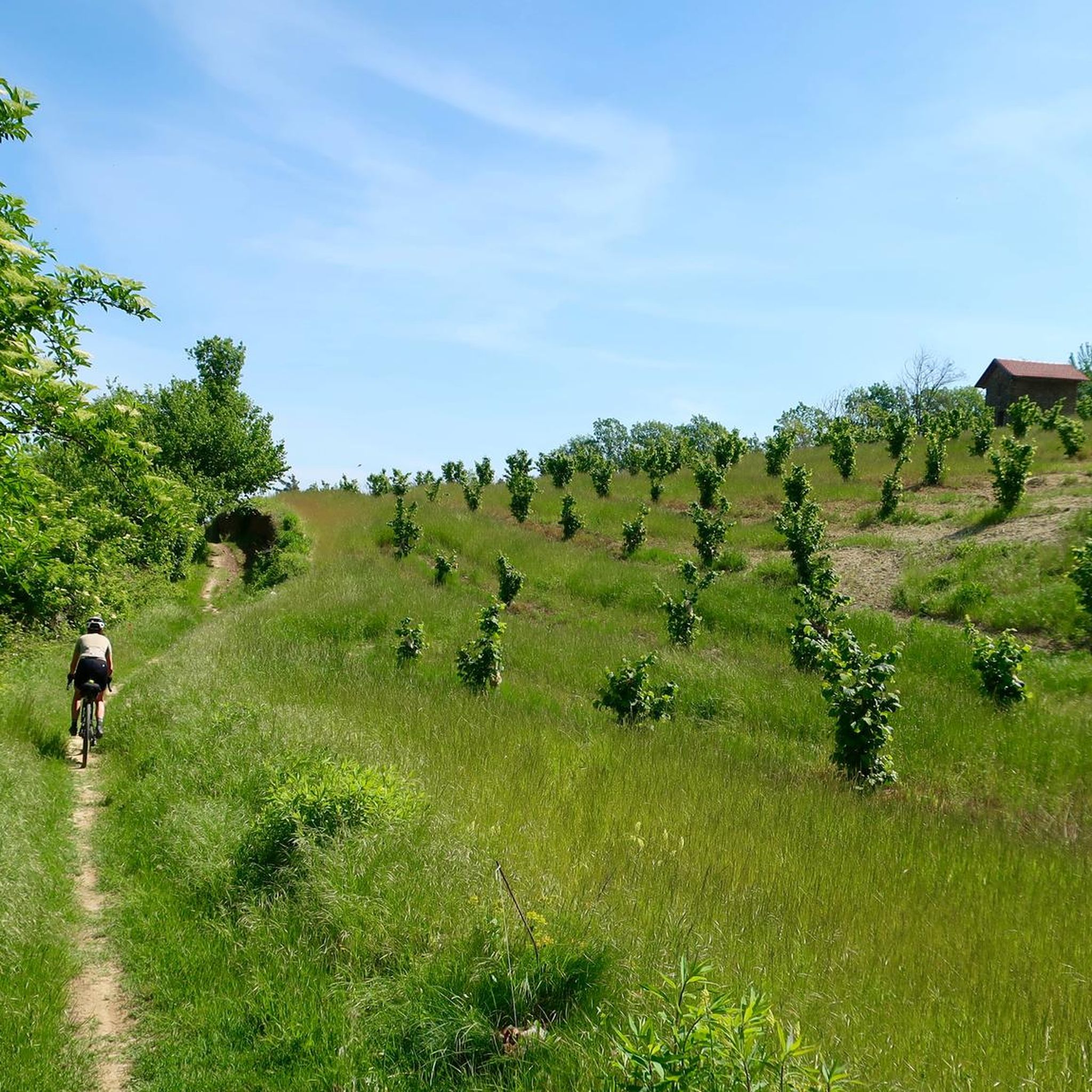
Small medieval village in the heart of the Alta Langa, a stone's throw from Alba, immersed in the green hills, among hazelnut groves and vineyards, the ideal place for those who love outdoor sports, contact with nature, good food and good wine.
27
0
Frequently Asked Questions
What historical sites can I visit in Cortemilia?
Cortemilia is rich in history. You can explore the remnants of its medieval castle and its circular tower, which dominate the town. The settlement of Cortemilia itself is divided by the Bormida river into two historic districts, San Michele and San Pantaleo, each with its own character. Other notable sites include the Pieve di Santa Maria, the Torre Sineo, and the Church of San Domenico. The former Franciscan Convent is also a significant point of interest.
Are there any natural attractions or scenic viewpoints around Cortemilia?
Yes, Cortemilia is nestled in a beautiful natural amphitheater formed by the Langhe hills, characterized by vineyards and terraced walls. The town is situated at the confluence of the Uzzone and Bormida di Millesimo rivers. For panoramic views, visit Roccaverano, one of the highest elevations in the area, offering a 360° panorama of the surrounding hills and the Alpine arc. The Monteoliveto Promontory, above the Pieve di Santa Maria, also offers scenic vistas.
What outdoor activities, like hiking or cycling, are available near Cortemilia?
The area around Cortemilia is excellent for outdoor activities. Cyclists can challenge themselves on The Champions' Climb "Marco Pantani", a 6.8 km route with an average gradient of 5.6%. For more options, you can find various routes for cycling, gravel biking, and running. Explore these activities further on the Cycling around Cortemilia, Gravel biking around Cortemilia, and Running Trails around Cortemilia guide pages.
Are there family-friendly attractions in Cortemilia?
Many attractions around Cortemilia are suitable for families. The settlement of Cortemilia itself, with its historic quarters and porticoed streets, offers a pleasant exploration for all ages. Religious sites like Santuario del Todocco and Sanctuary of Madonna dei Monti are also considered family-friendly and often have picnic spots.
What is Cortemilia known for culturally or gastronomically?
Cortemilia is renowned as the "hazelnut capital" due to its production of the prestigious "Tonda Gentile di Langa" hazelnut. You can learn more about this at Palazzo Rabino. The town also hosts the "Sagra Della Nocciola" (Hazelnut Fair) in late August and "Profumi Di Nocciola," a festival of hazelnut desserts and Langa wines. The Diocesan Museum, housed in the Confraternital Church of Santissima Trinità, preserves objects of popular worship and devotion, including the Holy Thorn.
When is the best time to visit Cortemilia for sightseeing and outdoor activities?
The Langhe region, including Cortemilia, is beautiful throughout the year. For outdoor activities like hiking and cycling, spring (April-May) and autumn (September-October) offer pleasant temperatures and stunning landscapes, especially during the grape harvest. Summer (June-August) is ideal for enjoying festivals and the vibrant atmosphere, though it can be warmer. Even in summer, the Santuario del Todocco area can be cool, so be prepared for varied weather.
Where can I learn more about the medieval history and fortifications of Cortemilia?
Cortemilia has a rich medieval past. You can explore the remains of its 12th-century castle and its tall, circular tower, which underwent significant defensive modifications in the 13th century. The Torre Sineo, a 12th-century tower, also showcases well-preserved medieval arcades. For more detailed information on the fortifications, you can visit the Langhe Medievale website.
What are the distinctive features of Cortemilia's landscape?
Cortemilia's landscape is defined by the picturesque confluence of the Uzzone and Bormida rivers and the surrounding Langhe hills. These hills are characterized by extensive vineyards and unique terraced walls made of Langa stone, which were recognized as a UNESCO intangible heritage in 2018. This terraced landscape supports the region's viticulture and creates a stunning visual backdrop.
Are there any local festivals or cultural events in Cortemilia?
Yes, Cortemilia hosts several notable events. The town celebrates its famous hazelnut with the "Sagra Della Nocciola" (Hazelnut Fair) during the last week of August. Following this, the "Profumi Di Nocciola" festival, dedicated to hazelnut desserts and Langa wines, takes place on the last weekend of August. In September, Cortemilia also hosts the international "Premio Vittoria Caffa Righetti" music competition.
What is the Ecomuseum of Terraces and Grapevines?
The Ecomuseum of Terraces and Grapevines is located in a 15th-century tower-house, which was formerly the magistrate's court. This museum is dedicated to highlighting the region's agricultural heritage, particularly the traditional terraced cultivation methods and viticulture that define the Langhe landscape around Cortemilia.
What is the Cortemilia Museo Aperto?
The Cortemilia Museo Aperto is a cultural itinerary that transforms the village into an open-air museum. From July to September, it invites visitors to explore Cortemilia's art, architecture, and history through contemporary art exhibitions and various cultural events, offering a unique way to experience the town.
Most popular attractions around Cortemilia

Get inspired with the komoot mobile app


Explore more
Still not found the Highlight you’re looking for? See guides of the top attractions in other regions:
