Attractions and Places To See around Deximumannu/Decimomannu - Top 20
Best attractions and places to see around Deximumannu/Decimomannu include a blend of historical sites, cultural landmarks, and natural areas. This region, located in the Metropolitan City of Cagliari, Sardinia, has a history dating back to Roman times. Visitors can explore a variety of landscapes, from protected natural reserves to significant religious buildings and ancient structures. The area offers diverse points of interest for those seeking to discover its heritage and natural beauty.
Best attractions and places to see around Deximumannu/Decimomannu
…Last updated: July 7, 2026
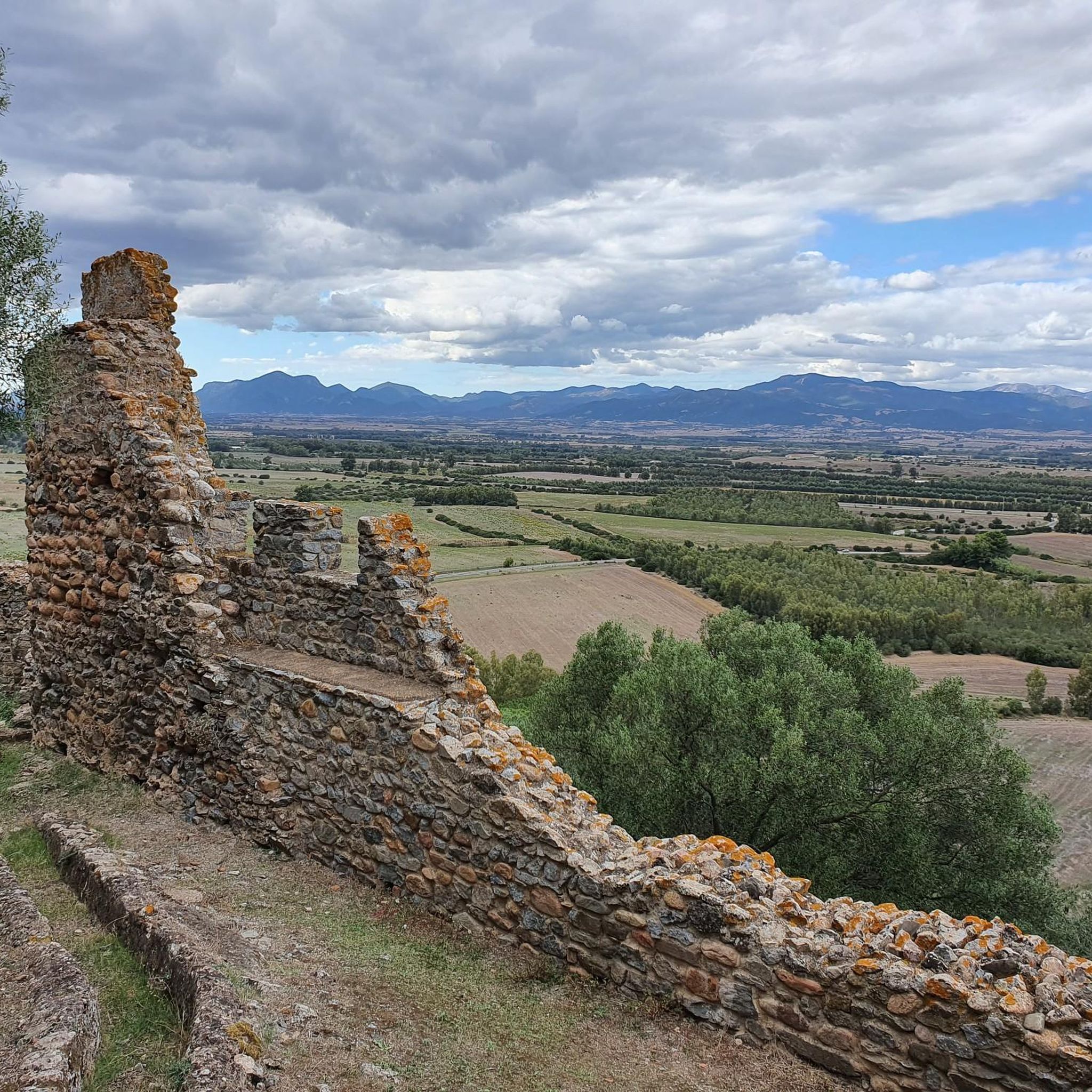
Church of Santa Lucia of Uta
Highlight • Religious Site
Translated by Google •
Tip by

Oasi del Cervo e della Luna – Monte Arcosu Wildlife Sanctuary
Highlight • Natural Monument
Landscape & Flora
Translated by Google •
Tip by

Sign up now to discover places like this
Get recommendations on the best single tracks, peaks, & plenty of other exciting outdoor places.
Sign up for free
Murals of San Sperate
Highlight • Monument
Translated by Google •
Tip by

Paradiso Gravel along the SP1 in Gutturu Mannu Park
Highlight (Segment) • Trail
Translated by Google •
Tip by

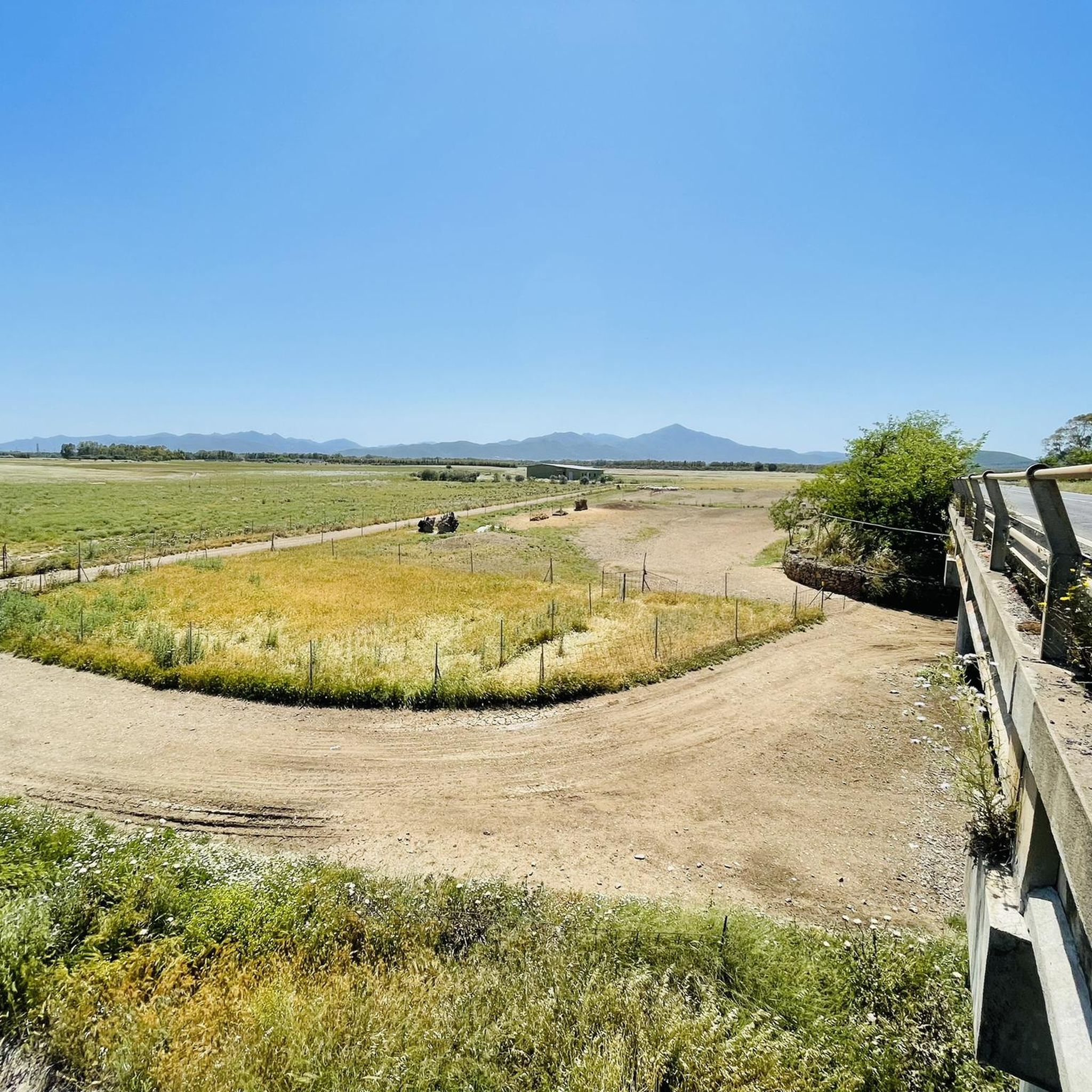
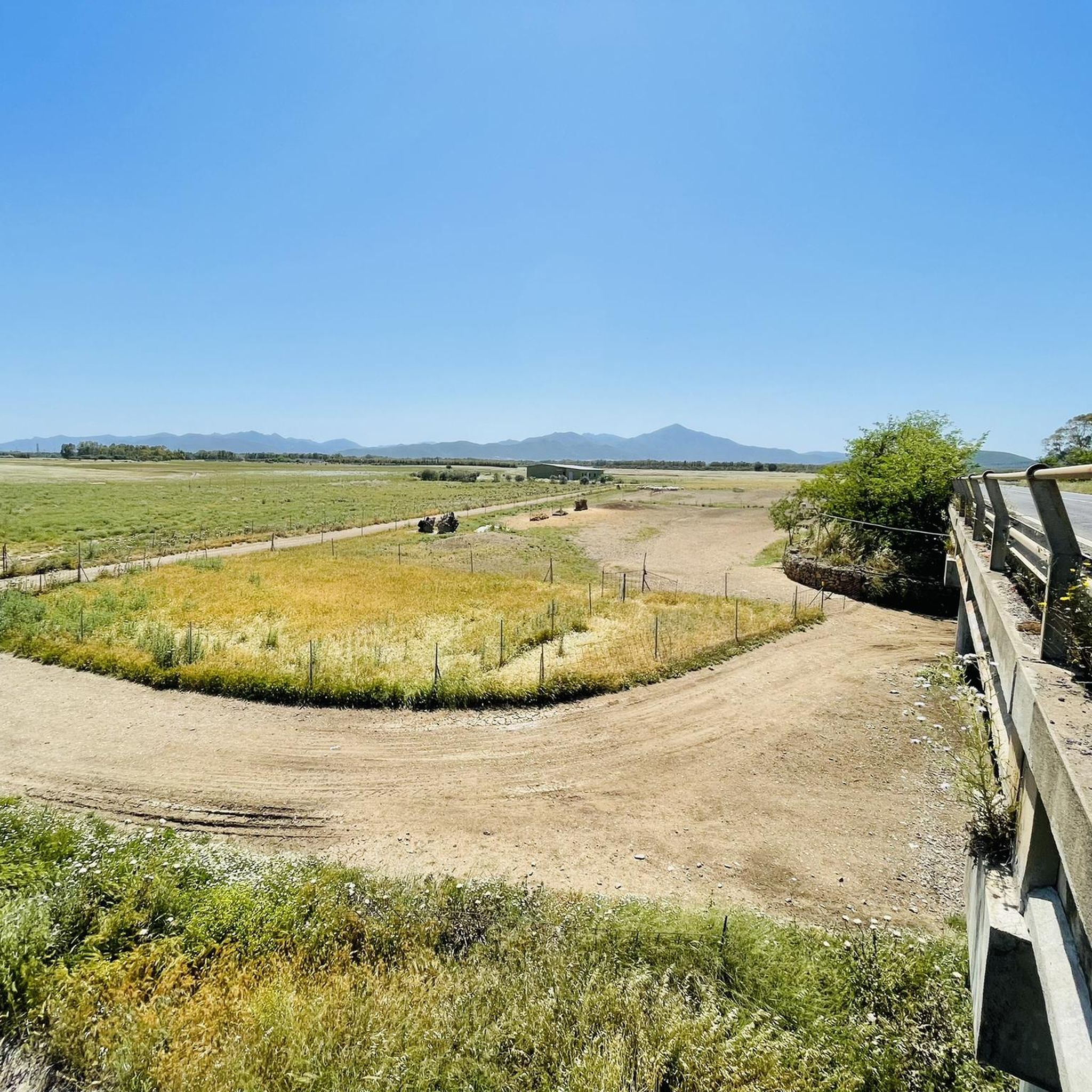
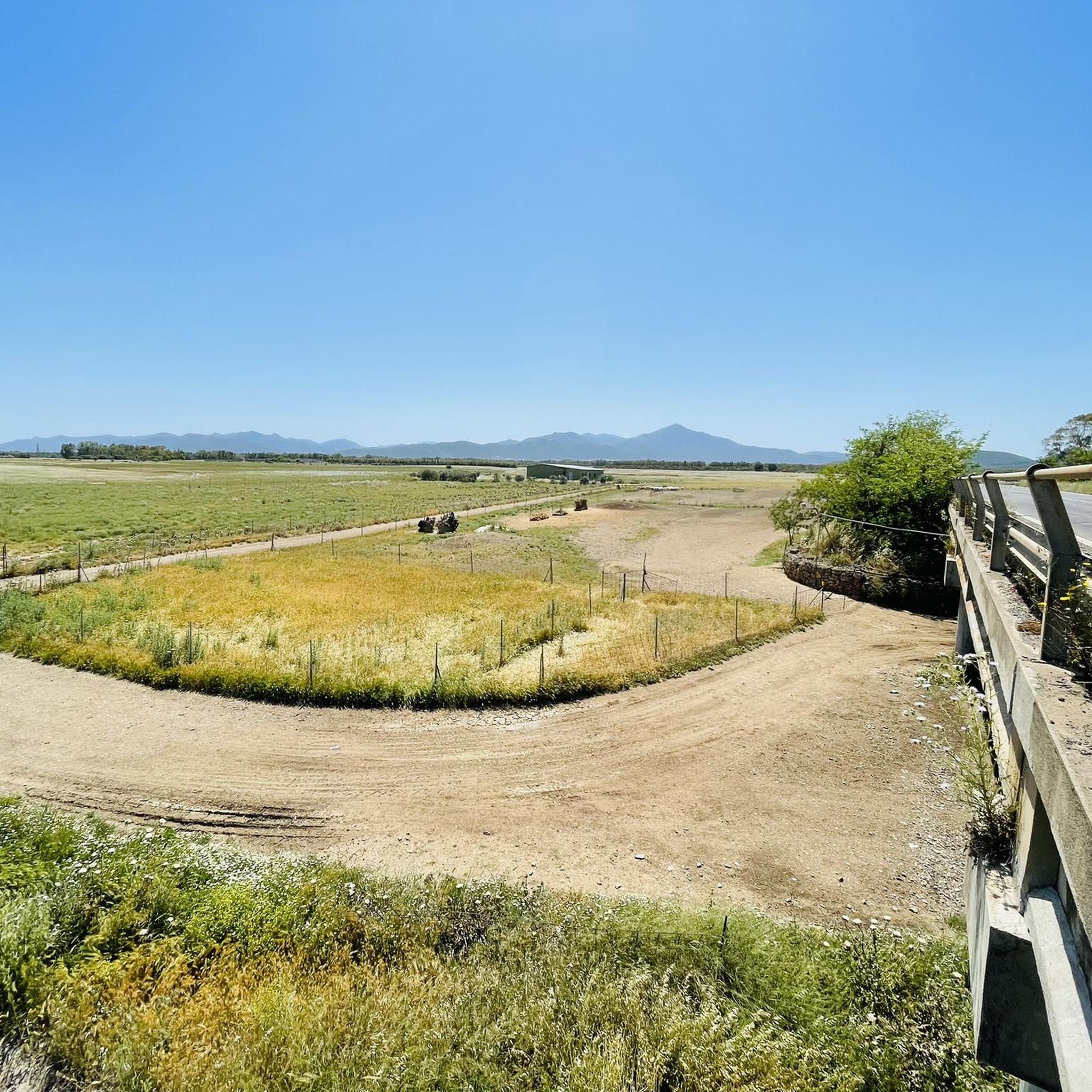
Flood-Damaged Road at Riu Guttureddu
Highlight • Structure
Translated by Google •
Tip by

Sign up for free to discover even more attractions around Deximumannu/Decimomannu.
Sign up for free
Already have an account?
Start today with a free account
Your next adventure awaits.
Login or Signup

Tips from the Community

Many paths begin from this church
4
0

A really nice little place where Murali (wall paintings) play a big role. The houses are lovingly decorated with flowers and other accessories. Otherwise the place offers nothing. So if you don't like wall paintings, you don't need to make a detour here
0
0

The Church of Santa Lucia is a small rural church (located on the Capoterra-Santadi provincial road). The structure is located near Sulcis Park, just a few kilometers from the WWF Monte Arcosu Nature Reserve and the Gutturu Mannu State Forest. Thanks to this privileged location, completely immersed in the beauty of the Sardinian landscape, it has always been a popular destination for out-of-town excursions organized by the residents of neighboring towns such as Uta, Capoterra, Assemini, Elmas and Cagliari. The original church was further forward than the current one and consisted of rough bricks and a loggia. Unfortunately, poor maintenance due to the progressive removal of these rural areas caused the church to fall into disrepair and as early as 1965 it was decided to proceed with the construction of the current one (inaugurated two years later). The foundations were dug by hand, the labor was free and the tiles were donated by a local company: the facade was built of cement bricks plastered on the outside, giving it an overall modest and sober appearance, typical of small rural communities. But it is only on August 20th of each year that the church of Santa Lucia shines again in all its splendour: on this day there are actually three days of celebration in which the population pays homage to the saint, with parties, sounds, dances and parades of the best Sardinian folk tradition. Source: https://monumentiaperti.com/it/monumenti/chiesa-di-santa-lucia-11/
0
0

Discover the WWF Nature Reserve Monte Arcosu: the largest Maccia Mediterranea forest in the Mediterranean, located in Uta, Assemini and Siliqua. This 3,700 hectare reserve is part of the Gutturu Mannu regional park, established in 2014. Landscape & Flora Embedded in the 35,000 hectare Monte Arcosu-Piscinamanna forest complex, the picture is characterized by steep valleys and elevations over 1,000 meters high. In addition to oaks, cork oaks and myrtle, you will find 46 endemic plant species and 20 orchid species. A highlight: the endemic mushroom Ramaria arcosuensis. wildlife The protected area is home to the Sardinian deer, which was saved from extinction in the 1980s, as well as wild cats, Sardinian geotritons and rare birds such as the Sardinian goshawk. social commitment The “Oasi del Cervo e della Luna” project, launched in 2020, promotes social integration in cooperation with the Domus de Luna Foundation. The project offers work and support to disadvantaged people. Visits Organized by "Oasi del Cervo e della Luna", the reserve opens on Saturdays, Sundays and public holidays. Winter: 9:00 a.m. - 5:00 p.m.; Summer: 9:00 a.m. - 7:00 p.m. You can find more highlights and tours in and around Cagliari here: https://www.komoot.de/collection/2433150/-cagliari
2
0

Excellent starting point for a round trip with a gravel bike. Ample parking space, always open.
2
0

The WWF area is a few km away. In the past a poaching area. Also great for mushrooms.....
1
0
Little traffic, all dirt and very close to the WWF area.
0
0

Contrary to the definition of provincial road, this stretch of road is completely unpaved. Fund never too difficult and average slopes around 3%. excellent for reaching Santadi completely out of motorized traffic.
1
0
Frequently Asked Questions
What natural attractions can I explore near Decimomannu?
You can discover the Oasi del Cervo e della Luna – Monte Arcosu Wildlife Sanctuary, a vast protected area known for its Mediterranean maquis forest, Sardinian deer, and over 1000 plant species. Another unique natural spot is Stagno di Stani Saliu, a salty pond that attracts flamingos and other lake fauna during wet seasons.
Are there historical sites to visit in Decimomannu?
Yes, Decimomannu boasts a rich history. You can visit the 16th-century Gothic-Catalan style Parish Church of Sant'Antonio Abate, or the ancient Church of Santa Greca, revered for 1700 years. Don't miss the Roman or medieval Ponte de Su Tiaulu, and look for other Roman remnants like an aqueduct and necropolis. The Sarcophagus of Violante Carroz in the village cemetery also offers a glimpse into the Aragonese period.
What religious buildings are notable in the area?
Beyond the Parish Church of Sant'Antonio Abate and the Church of Santa Greca, you can also visit the Church of Santa Lucia of Uta. This small country church is a significant religious building and serves as an excellent starting point for various paths and cycling routes.
What outdoor activities can I do near Decimomannu's attractions?
The area around Decimomannu is excellent for outdoor activities. You can find numerous routes for mountain biking, gravel biking, and running. For example, the MTB Trails around Deximumannu/Decimomannu offer challenging rides, while Gravel biking around Deximumannu/Decimomannu provides scenic routes like the Paradiso Gravel along the SP1 in Gutturu Mannu Park. There are also Running Trails around Deximumannu/Decimomannu for joggers.
Are there any museums in or near Decimomannu?
Yes, you can visit the Museo di Storia Naturale "Aquilegia" on the outskirts of Decimomannu, which features botanical, geological, and zoological exhibits. While not directly in Decimomannu, the Museo delle Ferrovie della Sardegna in nearby Cagliari offers a collection detailing the history of Sardinian railways.
When is the best time to visit the natural attractions?
For the Stagno di Stani Saliu, it's best to visit during the wet seasons to see flamingos and other lake fauna, though it's explorable when dry. The Monte Arcosu Wildlife Sanctuary is open on Saturdays, Sundays, and public holidays, with winter hours from 9:00 a.m. - 5:00 p.m. and summer hours from 9:00 a.m. - 7:00 p.m.
Can I spot wildlife in the Decimomannu area?
Absolutely. The Oasi del Cervo e della Luna – Monte Arcosu Wildlife Sanctuary is a prime location to spot the Sardinian deer, wild cats, Sardinian geotritons, and rare birds like the Sardinian goshawk. The Stagno di Stani Saliu is also known for attracting flamingos and other lake fauna during its wet seasons.
What kind of terrain can I expect on cycling trails near Decimomannu?
Trails vary, but for gravel biking, you might encounter unpaved sections. For instance, the Paradiso Gravel along the SP1 in Gutturu Mannu Park is completely unpaved, with average slopes around 3%, making it excellent for gravel bikes. Some routes, like those around Church of Santa Lucia of Uta, offer a mix of terrain suitable for various cycling disciplines.
Are there any family-friendly activities or attractions?
The Oasi del Cervo e della Luna – Monte Arcosu Wildlife Sanctuary offers a chance for families to explore nature and spot wildlife. The Church of Santa Lucia of Uta is also listed as family-friendly, providing a pleasant stop or starting point for walks.
What should I know about visiting the Monte Arcosu Wildlife Sanctuary?
The Oasi del Cervo e della Luna – Monte Arcosu Wildlife Sanctuary is the largest Mediterranean maquis forest in the region. It's open on Saturdays, Sundays, and public holidays. Visitors recommend bringing enough drinking water as there are no bars or kiosks. There are nine different hiking trails of varying lengths and difficulties starting from the visitor center. Note that a section of the road to the visitor center was flood-damaged, so parking is now a little further east towards Cagliari.
What is the significance of the Church of Santa Greca?
The Church of Santa Greca holds deep historical and religious significance in Decimomannu and Sardinia, with reverence dating back 1700 years. A relic from the 4th or 5th century is preserved there, and the current church, built in 1777, stands on an older structure. It's a particularly important site during the annual feast in her honor in early October, which draws many visitors.
Are there any unique historical remnants from Roman times?
Decimomannu's name itself, meaning 'the biggest town located ten miles from Cagliari,' points to its Roman origins. Beyond the Ponte de Su Tiaulu, evidence of Roman presence includes an aqueduct and a necropolis discovered in 1879-80, where Punic bronze coins were found, highlighting the area's ancient past.
Most popular routes around Deximumannu/Decimomannu
Most popular attractions around Deximumannu/Decimomannu

Get inspired with the komoot mobile app


Explore more
Still not found the Highlight you’re looking for? See guides of the top attractions in other regions:
