The best walks and hikes around U Pàize/Carloforte
4.6
(130)
626
hikers
68
hikes
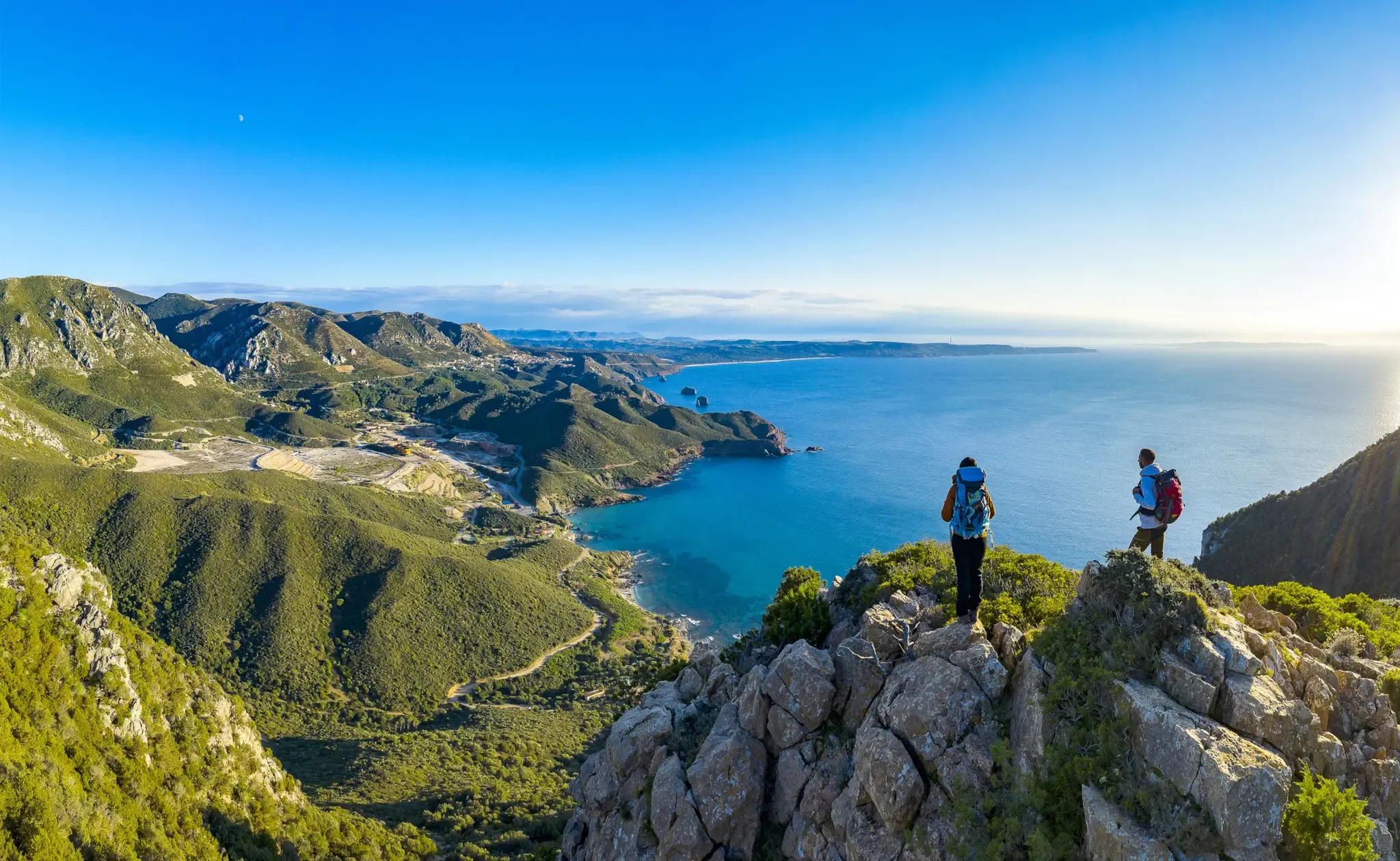
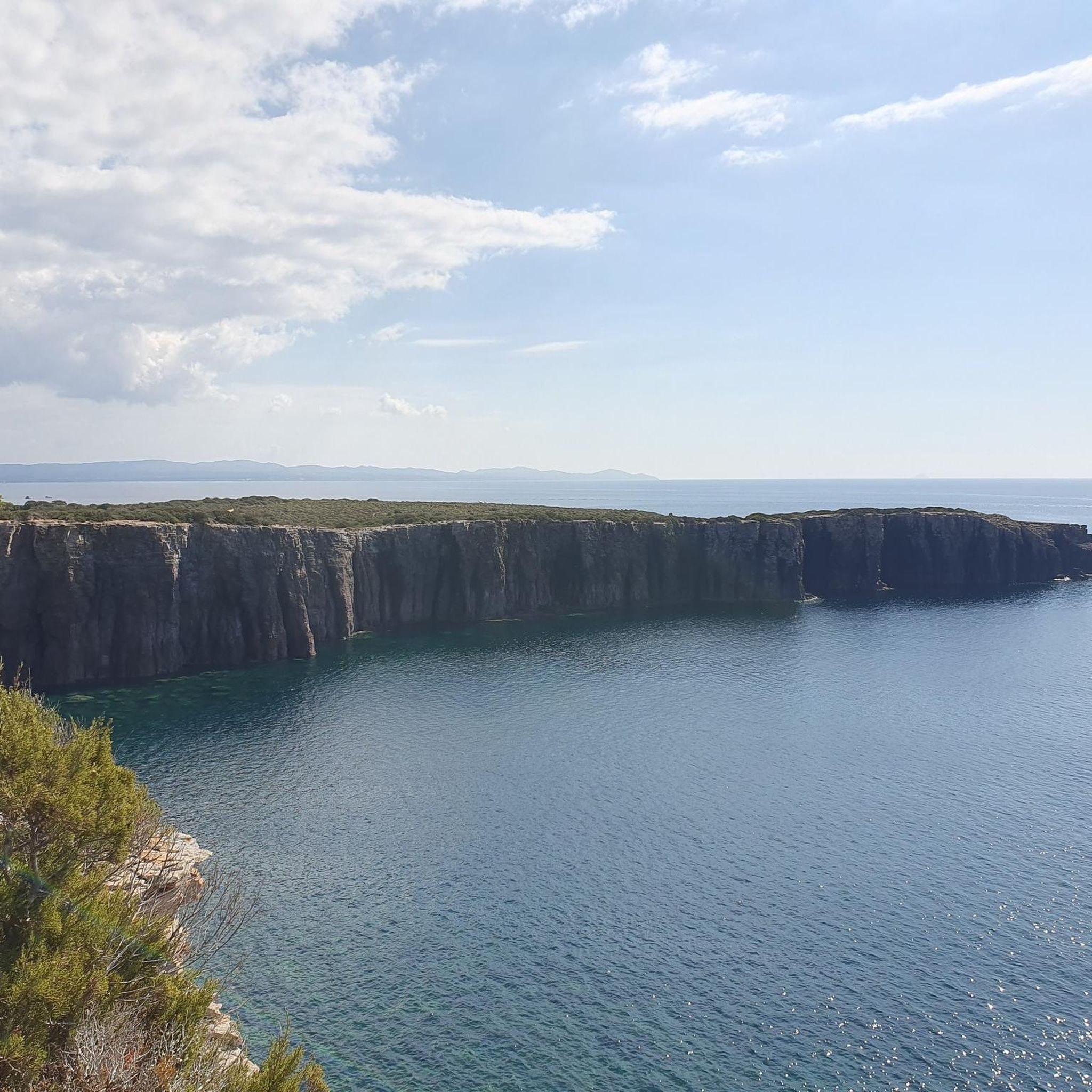
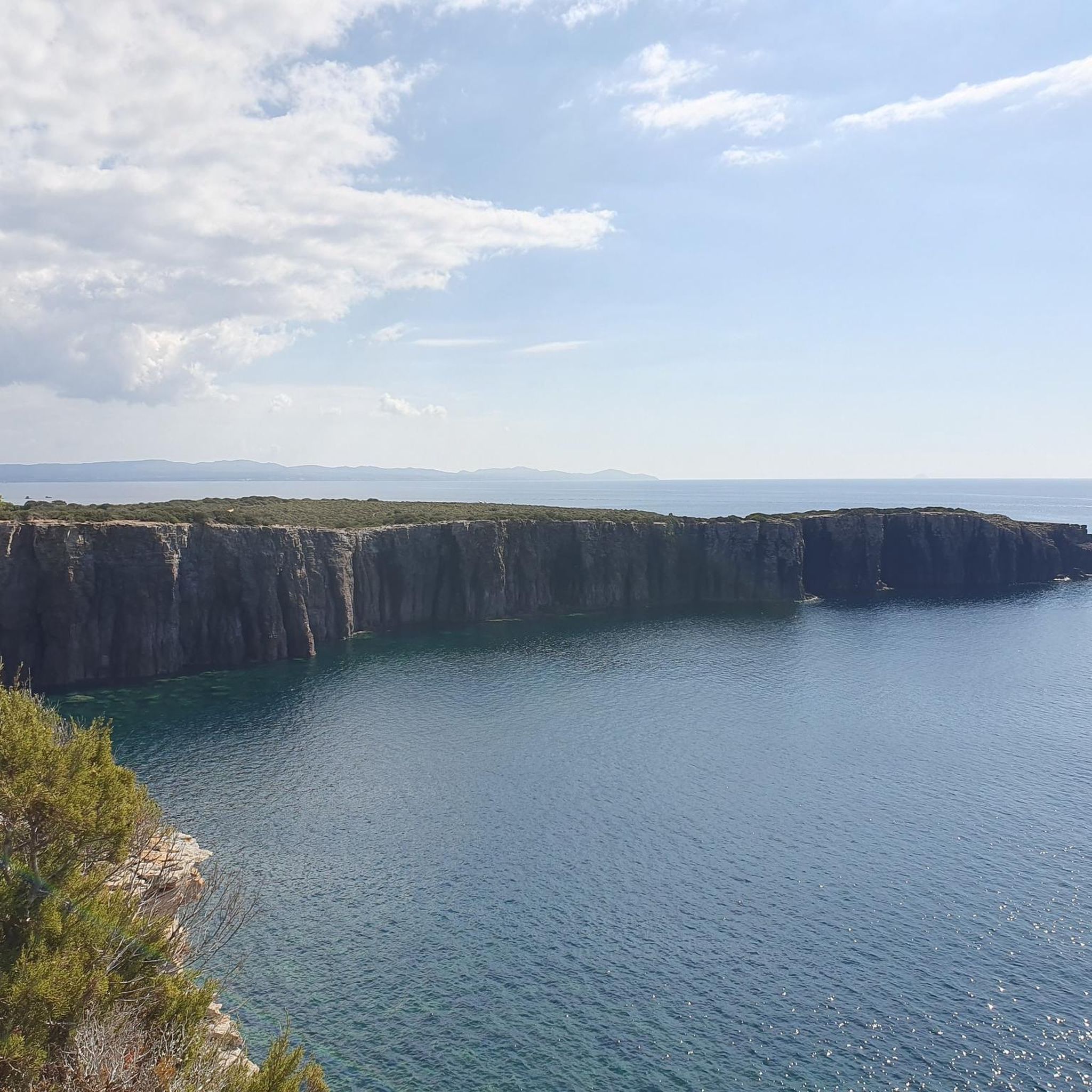
Hiking around U Pàize/Carloforte offers diverse landscapes across San Pietro Island, characterized by high, rocky coasts with inlets and sandy coves. The island's interior features hilly terrain, plains, and ancient mule tracks winding through pine groves and Mediterranean scrub. Notable natural features include the Saltworks, which host various bird species, and dramatic sea stacks like "Le Colonne." This varied topography provides a range of hiking experiences.
Best hiking trails around U Pàize/Carloforte
- The most popular hiking route is Cammino Tabarchino: Capo Sandalo Loop, a 3.0 miles (4.8 km) trail that takes 1 hour 27 minutes to complete. This route leads to Capo Sandalo Lighthouse, offering panoramic views of the Mediterranean Sea.
- Another top favourite among local hikers is Arch of Via Solferino – Republic Square, Carloforte loop from Pàize/Carloforte, an easy 4.8 miles (7.7 km) path. This trail explores the town's historical elements and central areas.
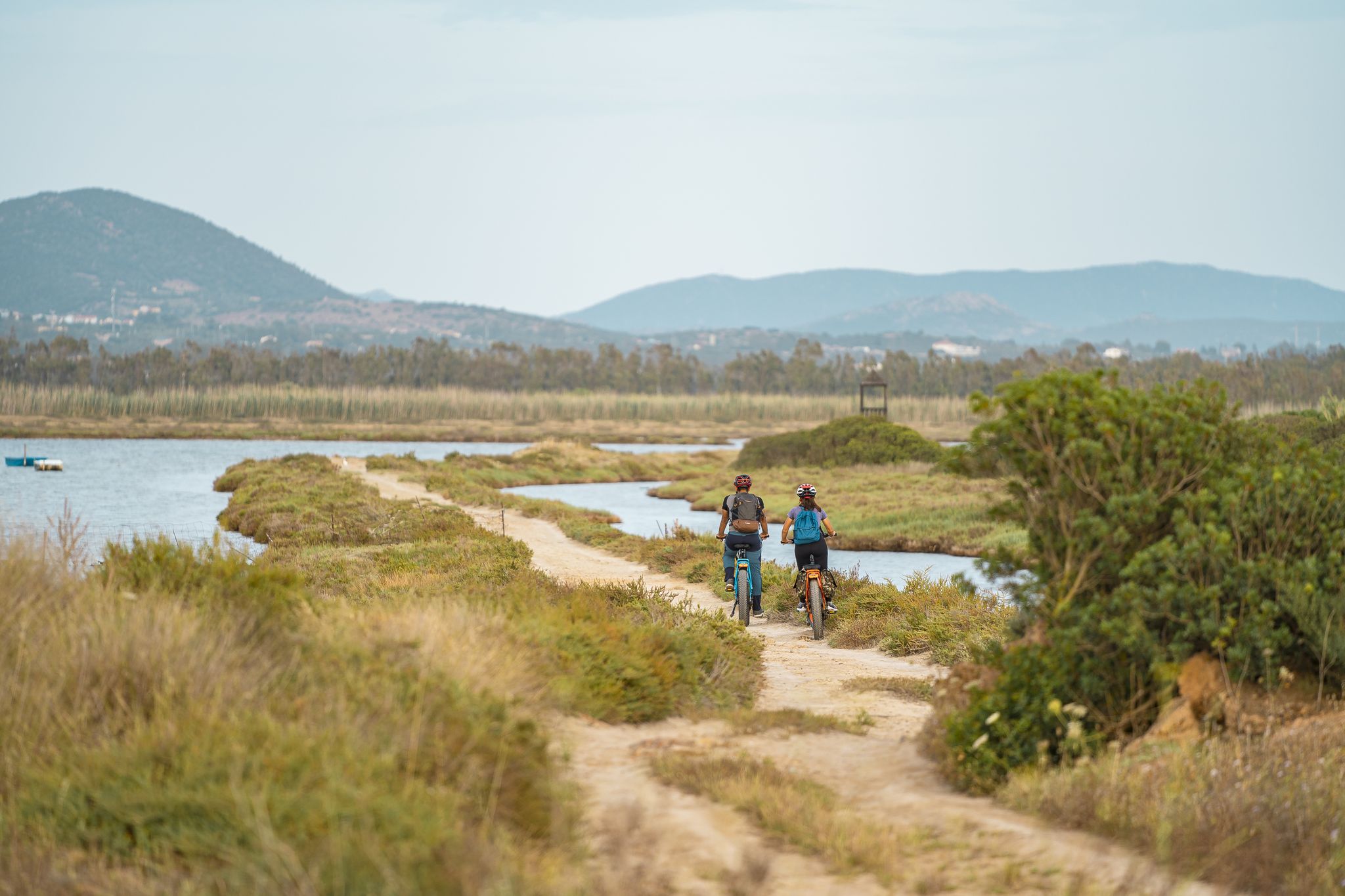
- Local hikers also love the Carloforte Salt Pans – San Vittorio Tower loop from Stagno dei Muggini, a 4.1 miles (6.6 km) trail leading through the Saltworks, often completed in about 1 hour 41 minutes.
- Hiking around U Pàize/Carloforte is defined by rocky coastal paths, hilly inland trails, and Mediterranean scrubland. The network offers options for different ability levels, from easy walks to more challenging routes.
- The routes in U Pàize/Carloforte are highly rated by the komoot community with an average score of 4.6 stars from over 100 reviews. More than 400 hikers have used komoot to explore U Pàize/Carloforte's varied terrain.
Last updated: July 7, 2026
4.8
(4)
20
hikers
4.79km
01:28
130m
130m
Hard hike. Great for any fitness level. Sure-footedness, sturdy shoes and alpine experience required.
4.2
(6)
40
hikers
Easy hike. Great for any fitness level. Easily-accessible paths. Suitable for all skill levels.

Sign up for free
4.5
(6)
38
hikers
Easy hike. Great for any fitness level. Easily-accessible paths. Suitable for all skill levels.
5.0
(8)
21
hikers
10.1km
03:02
210m
210m
Moderate hike. Good fitness required. Mostly accessible paths. Sure-footedness required.
4.0
(3)
23
hikers
Moderate hike. Good fitness required. Easily-accessible paths. Suitable for all skill levels.
Get access to more routes and recommendations from other explorers.
Sign up for free
Already have an account?
Our route recommendations are based on thousands of hikes, rides, and runs completed by other people on komoot.
Start today with a free account
Your next adventure awaits.
Login or Signup

Tips from the Community

The Carloforte salt pans, just outside the town, are a natural area of great interest, now classified as a Site of Community Importance (SCI). Their origins date back to the Phoenician-Punic era, but actual industrial activity began in 1770 by decision of the Kingdom of Sardinia and continued until 1998. Today, among the lakes and ancient basins, it is possible to observe greater flamingos, black-winged stilts, and numerous other aquatic species.
0
0

The original stone tower was built in 1864. It is an active aid to navigation at sea and in aviation. The focal plane is 134 metres (433 ft) high, perched on a cliff, and emits four white flashes in a 20-second period, visible to a distance of 24 nautical miles (44 km). The tower itself is 30 metres (98 ft) high, with lantern and gallery, attached to the front of a two-story stone keeper's house. To this day, the lighthouse remains a beautiful structure of unpainted stone with a grey metallic lantern dome. The lighthouse is now automated, and a lighthouse keeper lived on the site until recently. Chart references: ARLHS SAR-018; Admiralty E1090; NGA 8432. French Charts 7332. The lighthouse is connected to the main town of Carloforte on the island of San Pietro by a well-paved road.
2
0
The Capo Sandalo Lighthouse (Italian: Faro di Capo Sandalo) is a prominent lighthouse on the westernmost point of the island of San Pietro, marking the southwestern corner of Sardinia, Italy.
2
0
The language of the Tabarchians essentially corresponds to the Ligurian language of the 15th century. Through personal and trade connections - both from Tunisia and from the island of San Pietro - it has developed just as much as the actual Ligurian and Genoese languages. Due to its geographical location, the port of Carloforte was of considerable importance in shipping and as a transshipment point for medium tonnage until the beginning of the 19th century. Carlofortine Ligurian preserves some nouns and rare grammatical forms that only occur in the outdated Genoese. It does not contain any Gallicisms that Genoese has adopted in recent centuries; for example, the accent (còccina) is typical of Pegli and not of pure Genoese. Only a few nouns from Sardinian, Arabic and Tuscan can be identified as external influences. More than 80 percent of the population still speak this dialect in everyday life today. The architecture, culture, customs and traditions of Carloforte still correspond to those of Liguria. Because of its historical, economic and cultural ties with the Ligurian capital, and in particular with Pegli, Carloforte was recognized as an honorary municipality of the province of Genoa on 10 November 2004. In 2006, the neighboring municipality of Calasetta received the same honor. Carloforte celebrates twin festivities with Pegli every year.
1
0
The population, also known as Tabarchini because of their origins, united the towns of Carloforte on the island of San Pietro and the neighbouring municipality of Calasetta on the nearby island of Sant'Antioco. A small number of the emigrants from Tabarca headed towards the Spanish coast in Alicante and founded the town of Nueva Tabarca. This colony has retained some of the original surnames, but has been absorbed by the Spanish-speaking community in terms of language and customs. The Tabarchini are scattered all over the world, mainly in Genoa, on the Ligurian coast, in Gibraltar, in Boca near Buenos Aires and in other port cities. They are estimated to number 18,000 people in total.
1
0
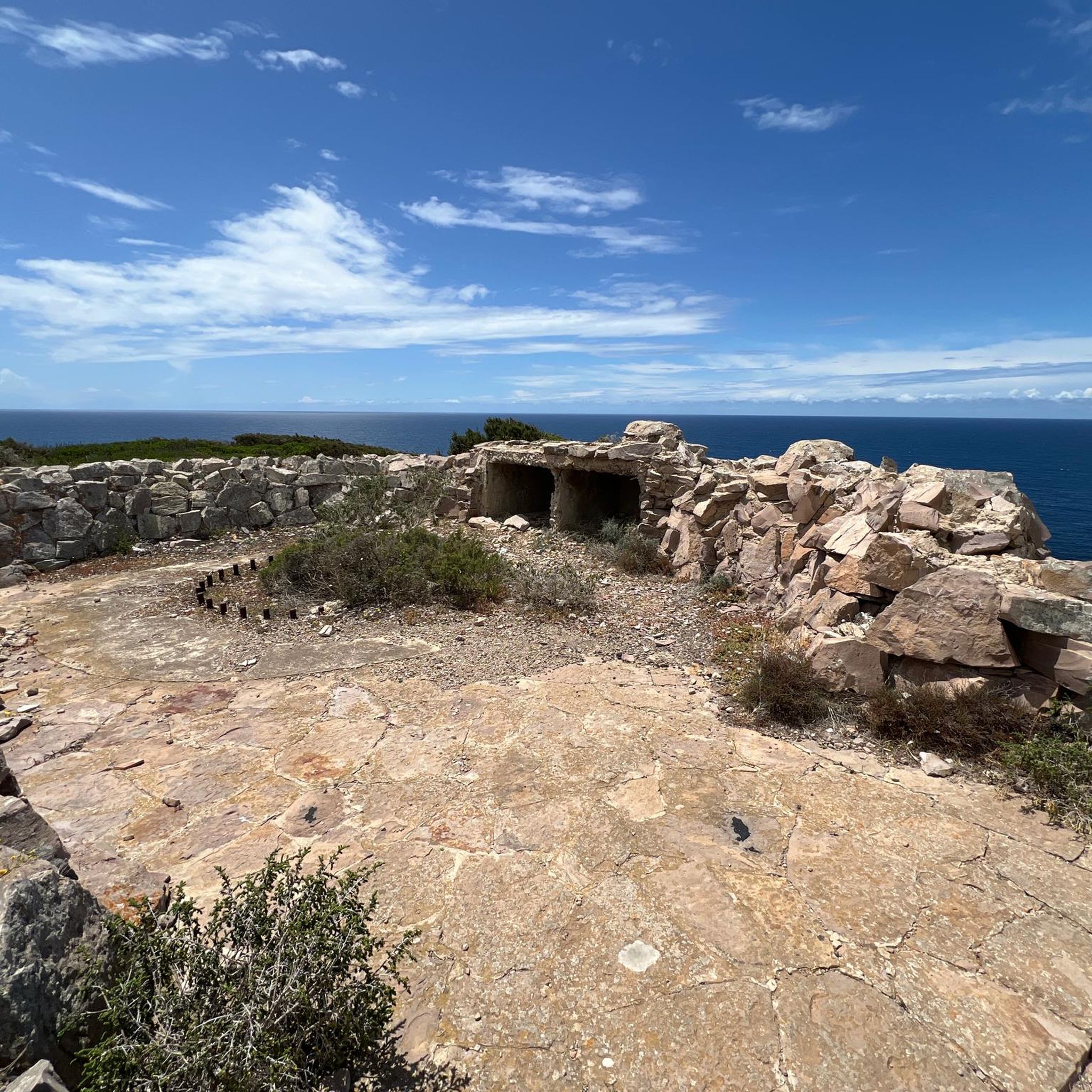
In 1542, the inhabitants of Pegli and the neighbouring communities left their home on the Ligurian coast in the wake of the Lomellini, a powerful trading family from Pegli and Genoa, and settled on the island of Tabarca off the coast of Tunisia, where they dived for coral until 1735. When coral mining and thus the tribute to the Lomellini continued to decline and was no longer profitable for all sides, and the conflicts with the Muslims intensified, King Charles Emmanuel III of Savoy, on the initiative of the Piedmontese architect Augusto de la Vallée, made the offer to settle the still uninhabited island of San Pietro. A part of the Tabarchini under the leadership of Agostino Tagliafico accepted the offer and settled on the island off Sardinia in 1738. In honour of the king, they named the new place Carloforte ("Charles the Strong"). Over time, other emigrant families arrived directly from Liguria and helped to strengthen the small, emerging community. In 1798, Carloforte was attacked by pirates and around 900 inhabitants were captured and held as slaves in Tunis; one of them became the mother of Bey Ahmad I al-Husain. After five years, they were finally able to be ransomed. The parts of the old city wall and the fortress that are still preserved today are evidence of this barbarian invasion.
1
0
In 1542, the inhabitants of Pegli and the neighbouring communities left their home on the Ligurian coast in the wake of the Lomellini, a powerful trading family from Pegli and Genoa, and settled on the island of Tabarca off the coast of Tunisia, where they dived for coral until 1735. When coral mining and thus the tribute to the Lomellini continued to decline and was no longer profitable for all sides, and the conflicts with the Muslims intensified, King Charles Emmanuel III of Savoy, on the initiative of the Piedmontese architect Augusto de la Vallée, made the offer to settle the still uninhabited island of San Pietro. A part of the Tabarchini under the leadership of Agostino Tagliafico accepted the offer and settled on the island off Sardinia in 1738. In honour of the king, they named the new place Carloforte ("Charles the Strong"). Over time, other emigrant families arrived directly from Liguria and helped to strengthen the small, emerging community. In 1798, Carloforte was attacked by pirates and around 900 inhabitants were captured and held as slaves in Tunis; one of them became the mother of Bey Ahmad I al-Husain. After five years, they were finally able to be ransomed. The parts of the old city wall and the fortress that are still preserved today are evidence of this barbarian invasion.
1
0
The language of the Tabarchians essentially corresponds to the Ligurian language of the 15th century. Through personal and trade connections - both from Tunisia and from the island of San Pietro - it has developed just as much as the actual Ligurian and Genoese languages. Due to its geographical location, the port of Carloforte was of considerable importance in shipping and as a transshipment point for medium tonnage until the beginning of the 19th century. Carlofortine Ligurian preserves some nouns and rare grammatical forms that only occur in the outdated Genoese. It does not contain any Gallicisms that Genoese has adopted in recent centuries; for example, the accent (còccina) is typical of Pegli and not of pure Genoese. Only a few nouns from Sardinian, Arabic and Tuscan can be identified as external influences. More than 80 percent of the population still speak this dialect in everyday life today. The architecture, culture, customs and traditions of Carloforte still correspond to those of Liguria. Because of its historical, economic and cultural ties with the Ligurian capital, and in particular with Pegli, Carloforte was recognized as an honorary municipality of the province of Genoa on 10 November 2004. In 2006, the neighboring municipality of Calasetta received the same honor. Carloforte celebrates twin festivities with Pegli every year.
1
0
Frequently Asked Questions
What kind of terrain can I expect on hiking trails around U Pàize/Carloforte?
Hiking around U Pàize/Carloforte offers a diverse landscape. You'll find high, rocky coastal paths with dramatic inlets and sandy coves, as well as hilly inland trails that wind through pine groves and fragrant Mediterranean scrub. Some areas feature ancient mule tracks, plains, and gullies, providing varied experiences from rugged coastal walks to shaded forest paths.
Are there family-friendly hiking options in U Pàize/Carloforte?
Yes, U Pàize/Carloforte offers several easy hiking options suitable for families. Many paths are mostly flat and accessible. For example, the Arch of Via Solferino – Republic Square, Carloforte loop from Pàize/Carloforte is an easy route that explores the town's historical elements and central areas, perfect for a leisurely family walk.
Can I hike with my dog in U Pàize/Carloforte?
While specific regulations for dogs on trails can vary, generally, dogs are welcome on many of the island's hiking paths, especially those away from protected bird nesting areas or crowded beaches. It's always advisable to keep your dog on a leash and ensure you clean up after them. The natural environment, particularly the inland paths and coastal trails, can be enjoyable for both you and your canine companion.
What natural features and landmarks can I see while hiking in U Pàize/Carloforte?
The region is rich in natural beauty and historical landmarks. You can explore dramatic rock formations like "Le Colonne" (sea stacks), the steep cliffs of "Scogliera del bue marino," and the protected Cala Fico Oasis. The Capo Sandalo Lighthouse offers breathtaking panoramic views. Don't miss the Saltworks, famous for pink flamingos, or the unique, moon-like landscape of the Natural Pools of Nasca.
Are there circular hiking routes available in U Pàize/Carloforte?
Yes, there are several excellent circular routes. A popular choice is the Cammino Tabarchino: Capo Sandalo Loop, which takes you to the westernmost point of Italy. Another option is the Carloforte Salt Pans – San Vittorio Tower loop from Stagno dei Muggini, offering a chance to observe diverse birdlife.
When is the best time of year to go hiking in U Pàize/Carloforte?
The best times for hiking in U Pàize/Carloforte are typically spring (April to June) and autumn (September to October). During these seasons, the weather is mild and pleasant, ideal for outdoor activities. Spring brings blooming wildflowers, while autumn offers comfortable temperatures. Summers can be very hot, making early morning or late afternoon hikes preferable, and winters are generally mild but can be rainy.
How many hiking trails are there in U Pàize/Carloforte?
There are over 50 hiking trails available around U Pàize/Carloforte, offering a wide range of experiences. These include 21 easy routes, 25 moderate routes, and 12 more challenging options, ensuring there's something for every fitness level and preference.
What do other hikers enjoy most about hiking in U Pàize/Carloforte?
The area is highly rated by the komoot community, with an average score of 4.6 stars from over 100 reviews. Reviewers often praise the stunning coastal views, the unique natural features like the Saltworks and sea stacks, and the variety of terrain that caters to different abilities. The sense of discovering a unique island environment is frequently highlighted.
Are there opportunities for wild swimming along the hiking trails?
Absolutely! The island's high, rocky coasts are punctuated by fantastic inlets and sandy coves with incredibly clear waters, perfect for a refreshing dip. Cala Fico Oasis, for example, is known for its steep cliffs and pristine waters, offering excellent spots for swimming and exploring after a hike.
What historical elements can be found along the hiking routes?
Hiking trails on San Pietro Island often integrate historical points of interest. You can discover ancient mule tracks, old military roads, remnants of farmhouses, threshing floors, and ancient wells. The old city walls of Carloforte also provide an interesting walk, adding a cultural dimension to your outdoor experience.
Is public transport or parking available for accessing trailheads?
While specific public transport options to all trailheads might be limited, Carloforte itself is well-connected by ferry. For accessing trails further afield on the island, having a car is often convenient, and parking is generally available in and around the town and at popular starting points for hikes. It's advisable to check local transport schedules if relying on buses.
Are there any less-known or 'hidden gem' hikes in the area?
Beyond the popular routes, the island's interior offers many ancient mule tracks and pedestrian paths that wind through pine groves and Mediterranean scrub, providing a more secluded experience. The "Canale del Bacciu," a deep gully rich in vegetation, is a less-trafficked area offering a shaded and diverse hiking experience away from the main coastal trails.
Most popular attractions around U Pàize/Carloforte

Get inspired with the komoot mobile app


Explore more
Browse the best Hikes in other regions.
