The best road cycling routes around Schweighofen
4.5
(297)
4,776
riders
243
rides
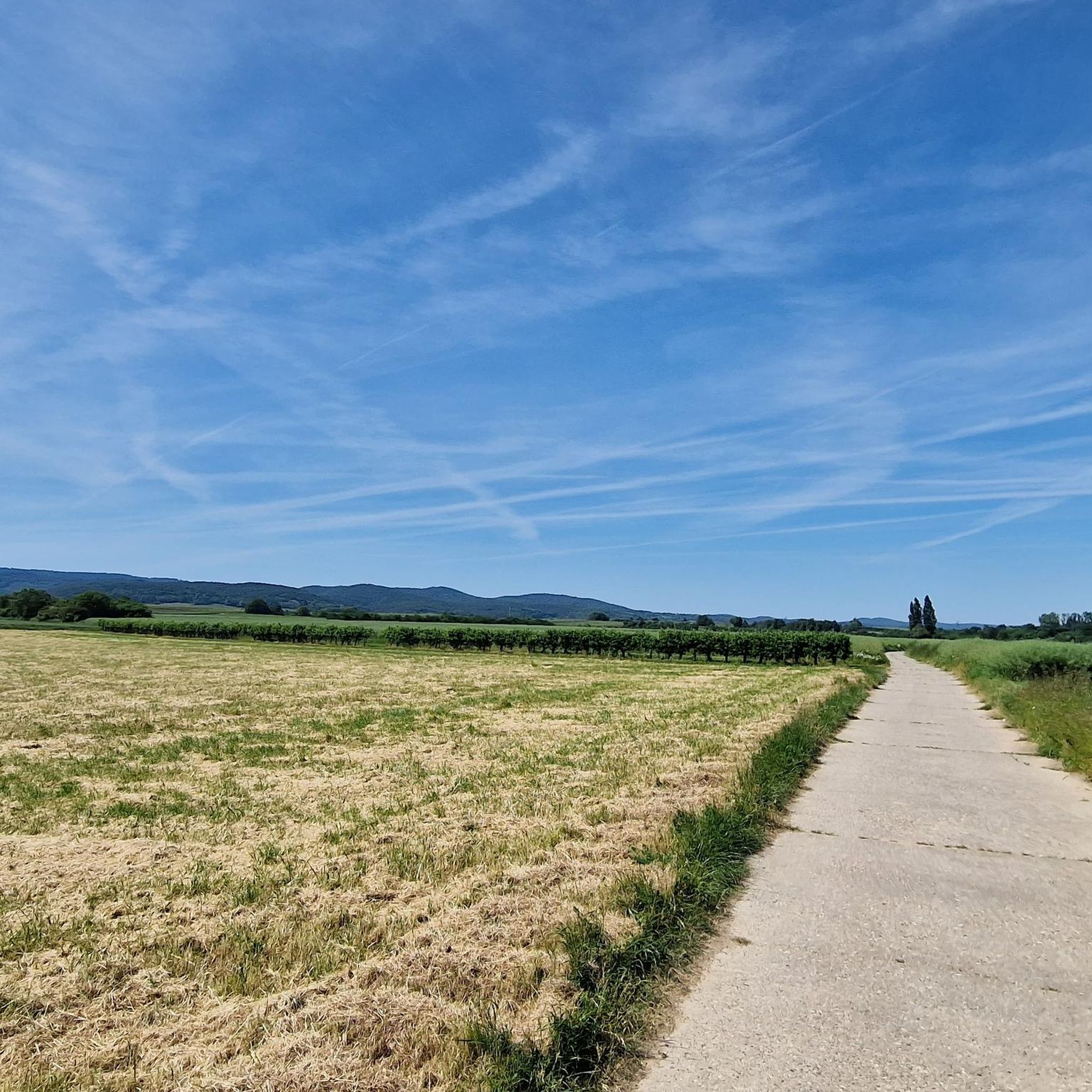
Road cycling routes around Schweighofen traverse a landscape characterized by the transition from the Rhine plain to the Palatinate Forest. The region features rolling hills, vineyards, and dense woodlands, offering varied terrain for road cyclists. Routes often include sections through agricultural areas and along river valleys, with some climbs leading to scenic viewpoints. This area provides a mix of flatter stretches and more challenging ascents suitable for different fitness levels.
Best road cycling routes around Schweighofen
- The most popular road…
Last updated: July 8, 2026
5.0
(4)
80
riders
41.8km
01:55
430m
430m
Moderate road ride. Good fitness required. Mostly well-paved surfaces and easy to ride.
5.0
(2)
65
riders
75.8km
03:38
1,030m
1,030m
Hard road ride. Very good fitness required. Mostly well-paved surfaces and easy to ride.

Sign up for free
55
riders
16.9km
00:43
120m
120m
Easy road ride. Great for any fitness level. Mostly well-paved surfaces and easy to ride.
5.0
(2)
26
riders
65.5km
02:40
170m
170m
Moderate road ride. Good fitness required. Some segments of this route may be unpaved and difficult to ride.
26
riders
Easy road ride. Great for any fitness level. Mostly well-paved surfaces and easy to ride.
Get access to more routes and recommendations from other explorers.
Sign up for free
Already have an account?
Our route recommendations are based on thousands of hikes, rides, and runs completed by other people on komoot.
Start today with a free account
Your next adventure awaits.
Login or Signup
Tips from the Community

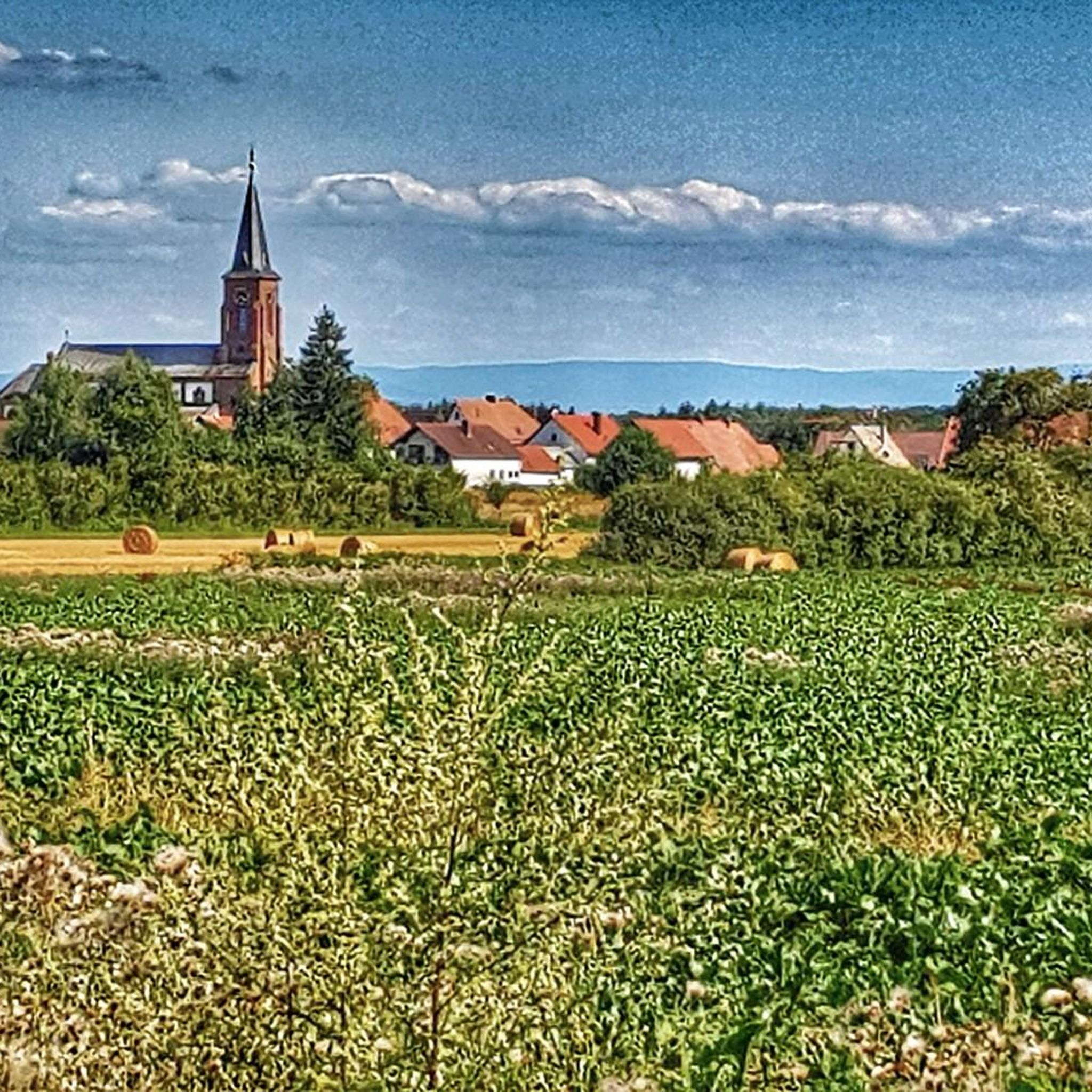
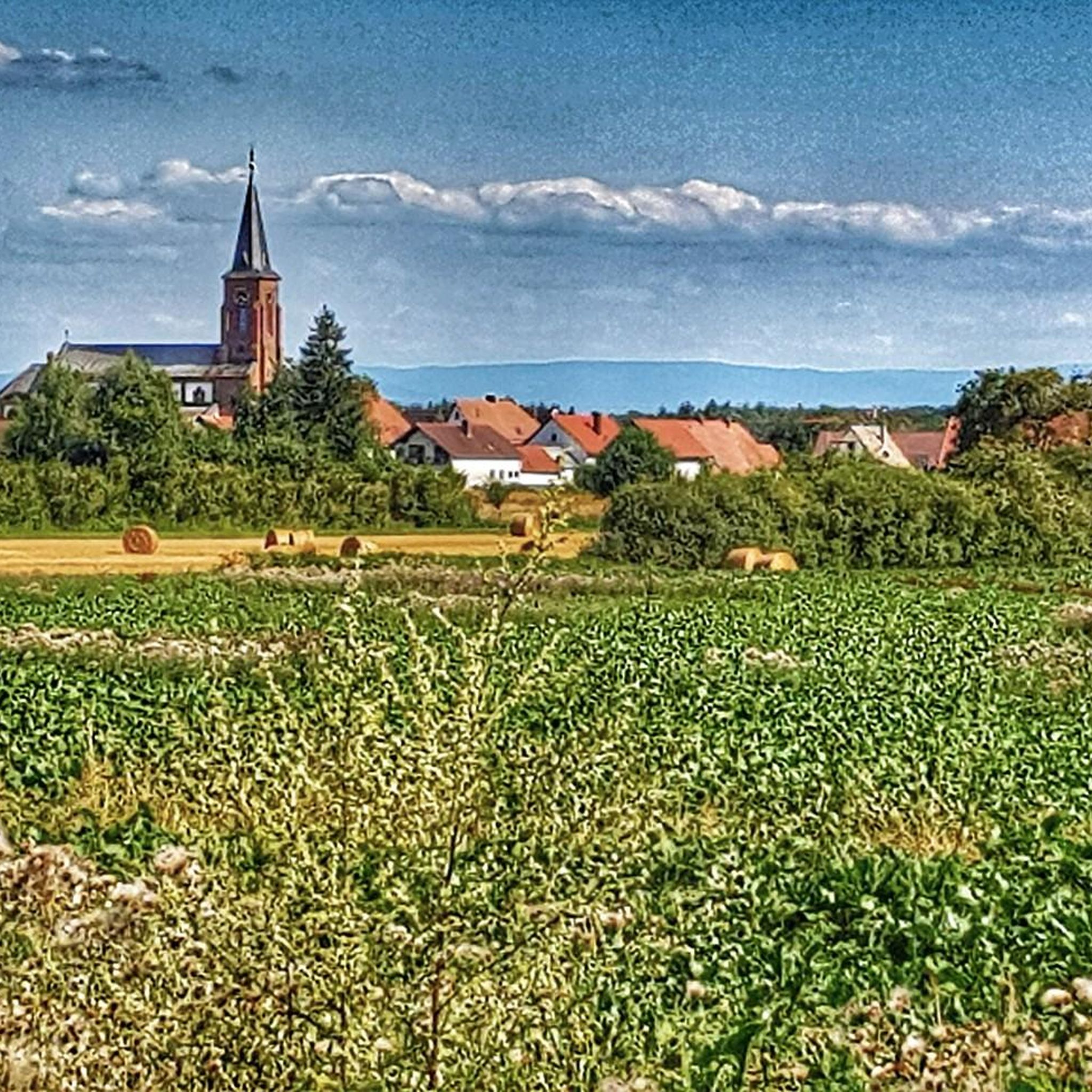
https://www.pfarrei-bad-bergzabern.de/pfarrei/gemeinden-und-kirchen/oberotterbach/?L=0 The history of the place Oberotterbach can be traced back to the year 760. A church is first documented for the year 1084, as it was confirmed by a papal document. Around 1300, worship was celebrated in a church built of stone, which was dedicated to St. George. For the year 1502, a St. Barbara altar is mentioned. In the course of the major upheavals of the Reformation, the church was rededicated as a Lutheran parish church in 1550 and later used by both denominations as a so-called "simultaneous church". Two bells call to prayer from the church tower: The 422 kg Christ King bell with the striking tone a', cast in 1955 by the Hamm bell foundry in Frankenthal. It bears the inscription "O Rex Gloriae Christe veni cum Pace" – "O King of Glory, Christ, come with Peace!". The second voice of the peal is a 212 kg bell without a name with the striking tone c'', cast in 1927 by the same company.
2
0

Simple, beautiful church, which was destroyed in World War II and rebuilt in 1949.
0
0

The Wieslauter Cycle Path takes you many kilometers close to the border. A small bridge is all it takes to cross the country.
3
0


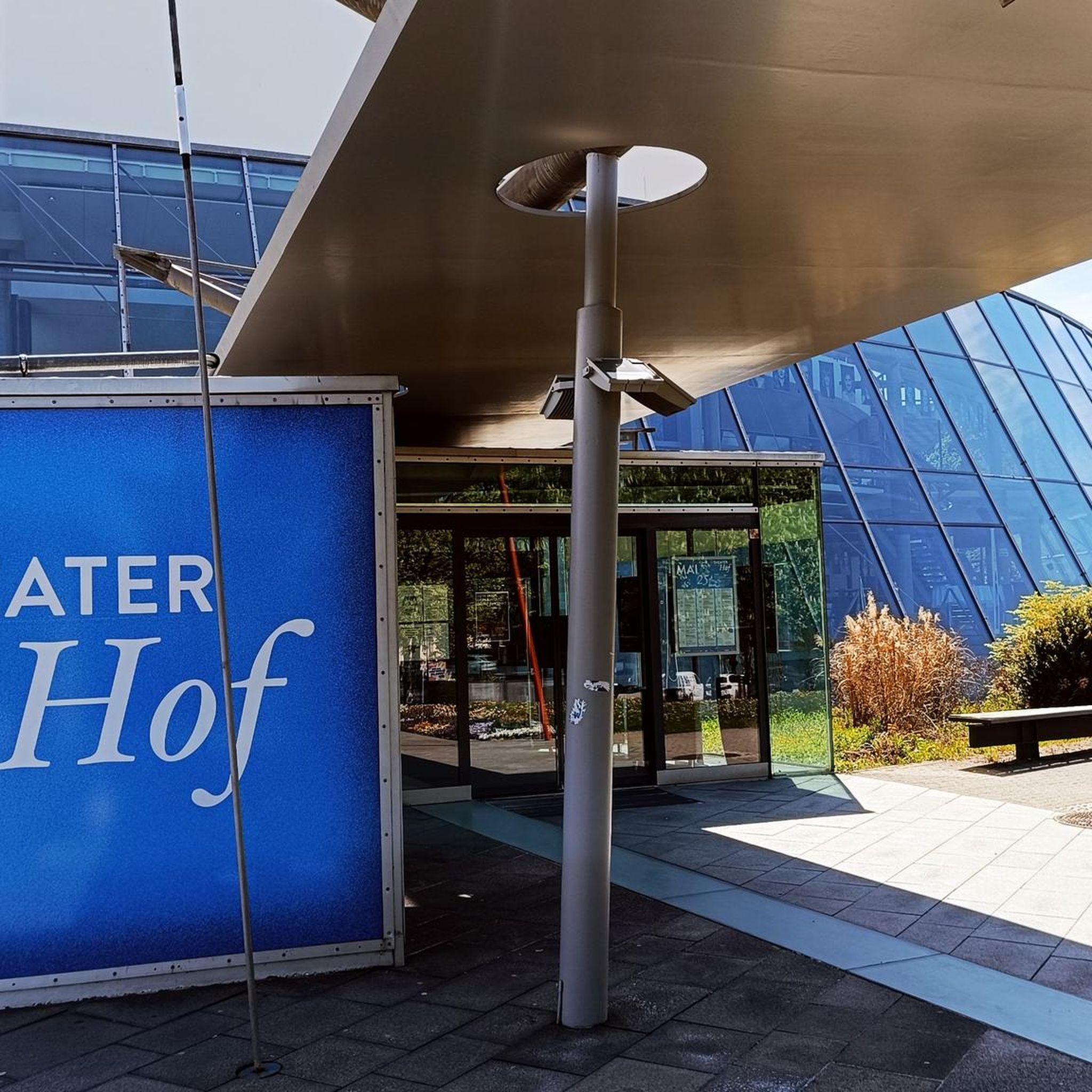
In the old town of Wissembourg you can get good coffee and here and there a quiche
1
0

Here and elsewhere you can stock up on healthy food.
2
0

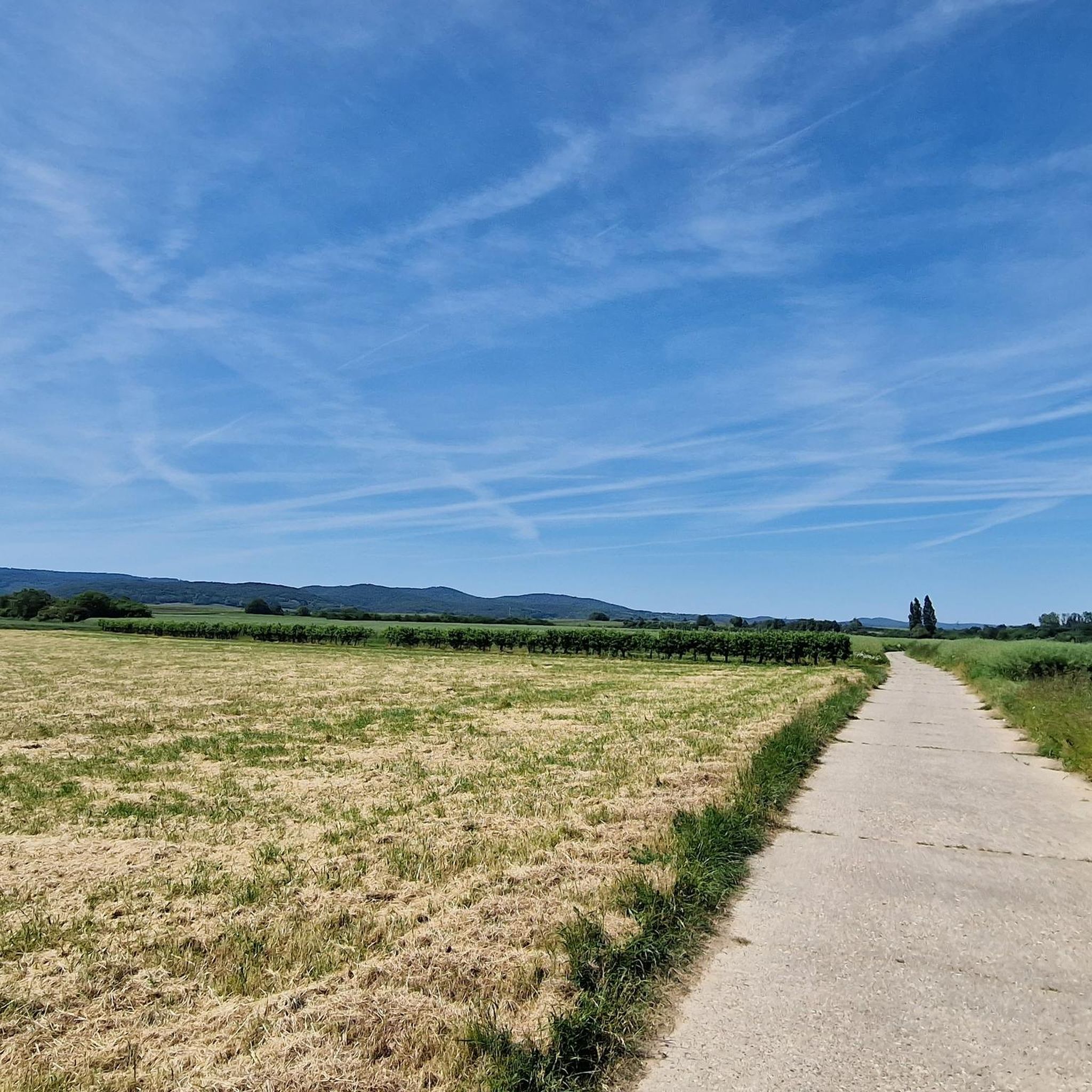
There is almost no traffic here on Sundays. The road surface is very smooth.
2
0
Frequently Asked Questions
How many road cycling routes are available around Schweighofen?
There are over 250 road cycling routes around Schweighofen, offering a wide range of options for different skill levels and preferences. You'll find everything from easy, flat rides to challenging routes with significant elevation gain.
Are there easy road cycling routes suitable for beginners in Schweighofen?
Yes, Schweighofen offers numerous easy road cycling routes perfect for beginners. Approximately 50 routes are classified as easy, such as the German Wine Gate – Abandoned House in Südpfalz loop from Schweigen-Rechtenbach, which is about 12 miles (19 km) long and takes less than an hour to complete, winding through the Südpfalz wine region.
What are the typical lengths and durations of road cycling routes in this region?
Route lengths vary significantly. You can find shorter loops like the German Wine Gate – Abandoned House in Südpfalz loop at 12 miles (19 km) taking about 50 minutes, up to longer, more challenging rides such as the Pfaffenschlick Pass – Col du Pigeonnier loop from Kapsweyer, which is 47 miles (75 km) and can take over 3.5 hours.
Are there any circular road cycling routes around Schweighofen?
Many of the road cycling routes in Schweighofen are designed as loops, allowing you to start and end at the same point. Examples include the popular Lauter – Ancien lavoir loop from Kapsweyer and the Bienwaldmühle – Bienwald Road loop from Kapsweyer.
What kind of terrain can I expect on road cycling routes near Schweighofen?
The terrain around Schweighofen is diverse, transitioning from the flat Rhine plain to the rolling hills of the Palatinate Forest. You'll encounter sections through vineyards, agricultural areas, dense woodlands, and river valleys. Some routes include challenging climbs leading to scenic viewpoints, while others offer flatter stretches.
What can I see along the road cycling routes in Schweighofen?
Road cycling routes often pass by interesting sights. You might cycle past historical points in the Lauter valley, or through the Südpfalz wine region. Nearby attractions include natural monuments like Landeck Castle and viewpoints such as Stäffelsberg Tower. There are also several lakes like Seehofweiher that can be explored.
Are there scenic viewpoints accessible by road bike in the Schweighofen area?
Yes, the region's rolling hills and transition to the Palatinate Forest offer several scenic viewpoints. Routes with significant elevation gain, such as the Pfaffenschlick Pass – Col du Pigeonnier loop, often reward cyclists with expansive views. Notable viewpoints include the Stäffelsberg Tower and the White Rock Viewpoint.
What do other road cyclists enjoy most about road cycling in Schweighofen?
The komoot community highly rates road cycling in Schweighofen, with an average score of 4.5 stars from over 260 reviews. Cyclists often praise the varied terrain, which includes vineyards, forest roads, and rolling hills, as well as the well-maintained network of routes suitable for different ability levels.
Is there parking available near the road cycling routes in Schweighofen?
Yes, many starting points for road cycling routes in and around Schweighofen, including villages like Kapsweyer and Schweigen-Rechtenbach, offer designated parking areas. It's advisable to check the specific route details on komoot for parking information at the trailhead.
Are there options for refreshments or cafes along the road cycling routes?
Given the region's focus on wine and tourism, particularly in the Südpfalz, many routes pass through villages and towns where cafes, restaurants, and wineries offer opportunities for refreshments. The German Wine Gate loop, for example, goes through a wine region where such stops are common.
What is the best time of year for road cycling in Schweighofen?
The spring and autumn months generally offer the most pleasant conditions for road cycling in Schweighofen, with mild temperatures and beautiful scenery, especially during the grape harvest season in the vineyards. Summer can also be good, though it can get warm, while winter cycling is possible but may require more preparation for colder weather.
Are there any less crowded road cycling routes for a more peaceful experience?
While popular routes can see more traffic, the extensive network of over 250 routes means you can often find quieter options. Exploring routes that venture deeper into the Palatinate Forest or less-traveled agricultural roads can provide a more serene cycling experience away from the main tourist paths. Routes like the Wissembourg Old Town – Lauter loop might offer a good balance of scenery and tranquility.
Most popular routes around Schweighofen
Most popular attractions around Schweighofen

Get inspired with the komoot mobile app


Explore more
Browse the best Road cycling routes in other regions.
