Attractions and Places To See around Bobadri/Baradili - Top 20
Best attractions and places to see around Bobadri/Baradili include a blend of historical sites, natural landscapes, and cultural points of interest. This region in Sardinia is characterized by its ancient traditions and scenic environment, nestled within the Marmilla hills. Visitors can explore archaeological remains, observe unique natural features, and experience local heritage. The area offers a tranquil setting for discovering Sardinia's past and natural beauty.
Best attractions and places to see around Bobadri/Baradili
- The most popular attractions is Pinnettas Shepherd…
Last updated: July 2, 2026
Pinnettas Shepherd Huts
Highlight • Mountain Hut
Translated by Google •
Tip by

Su Nuraxi Archaeological Site
Highlight • Historical Site
PS. In addition to the area with the same ticket (15 €) you can visit the Casa Zappata museum
Translated by Google •
Tip by

Sign up now to discover places like this
Get recommendations on the best single tracks, peaks, & plenty of other exciting outdoor places.
Sign up for free
Bruncu Madugui village and nuraghe
Highlight • Historical Site
The main building is of considerable architectural importance, …
Translated by Google •
Tip by

Pauli Maiori Wetland
Highlight • Lake
Tip by

Giara Plateau Park
Highlight • Natural Monument
Translated by Google •
Tip by

Sign up for free to discover even more attractions around Bobadri/Baradili.
Sign up for free
Already have an account?
Start today with a free account
Your next adventure awaits.
Login or Signup


Tips from the Community

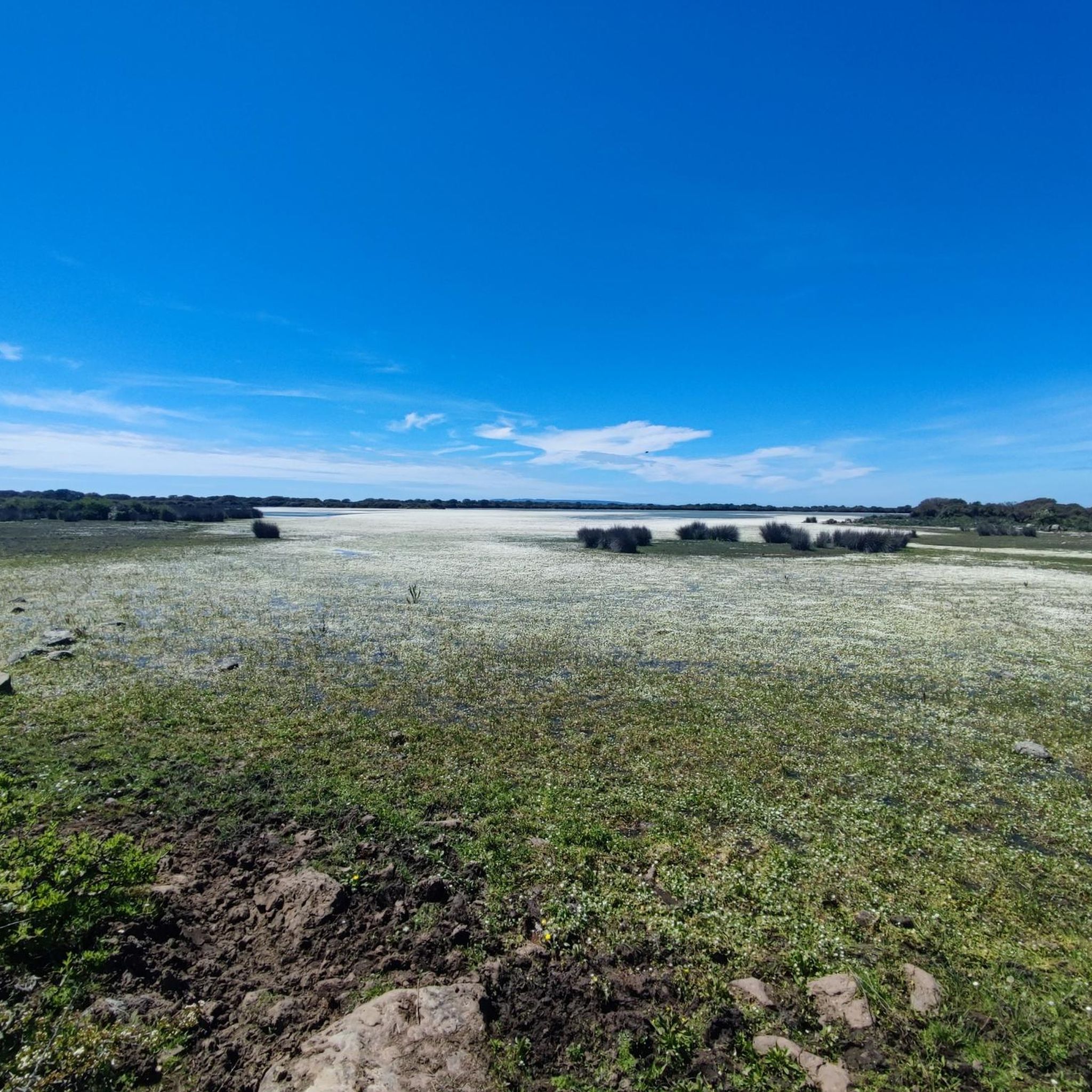
In summer the lake is dry, but there is a good chance of seeing wild horses at the nearby springs.
0
0

The German-language television series “Treasures of the World – Heritage of Humanity” – which I can recommend without reservation – devotes a quarter-hour report to the UNESCO World Heritage Site of the “NURAGHI” in Sardinia and the traditional shepherds’ song known there as “Canto a Tenore”. The accompanying text to the programme states: “Over seven thousand round towers made of stone blocks weighing several tons are scattered all over Sardinia. Often only the stumps of these megalithic buildings, called nuraghi, remain. The first were built around 1400 BC. Small stones were placed between the mighty blocks, a construction method that made the stone towers safe from collapse." This article (episode 413 of the series) can be accessed in the ARD media library at the following link => https://www.ardmediathek.de/video/schaetze-der-welt/sardinien/3sat/Y3JpZDovL3N3ci5kZS8xNTg4MzM5MA
1
0

Here you can see wild horses and lots of insects. We saw the horses at the lake, it was really magical 🤩
1
0
There is a documentary about the model for this modern, but reminiscent of ancient models, documentation - which in my opinion is fully recommended: The German-language television series "Treasures of the World - Heritage of Humanity" is dedicated to the UNESCO world cultural heritage of the "NURAGHI" in Sardinia and a fifteen-minute contribution to the traditional shepherd's song known there as “Canto a Tenore”. The text accompanying the program says “Over seven thousand round towers made of stone pieces weighing tons are scattered all over Sardinia. Often only the stumps of these megalithic buildings, called nuraghi, remain. The first were around 1400 BC. Built. Small stones were placed between the mighty blocks, a construction method that made the stone towers collapse-proof.” This article (episode 413 of the series) is available in the ARD media library under the following link: https://www.ardmediathek.de/video/schaetze-der-welt/sardinien/3sat/Y3JpZDovL3N3ci5kZS8xNTg4MzM5MA
3
0

You can find detailed information about this archaeological highlight at: https://virtualarchaeology.sardegnacultura.it/index.php/de/archaeologe-fundplatz/periodo-nuragico/villaggio-nuragico-di-su-nuraxi Quite impressive. You should invest the 15 EUR.
0
0
You can find detailed information about this archaeological highlight at: https://virtualarchaeology.sardegnacultura.it/index.php/de/archaeologer-fundplatz/periodo-nuragico/villaggio-nuragico-di-su-nuraxi Brochure with 3D reconstruction: https://virtualarchaeology.sardegnacultura.it/images/guide/Campidano/Medio-Campidano_Tedesco.pdf Quite impressive. You should invest the 15 EUR.
1
0

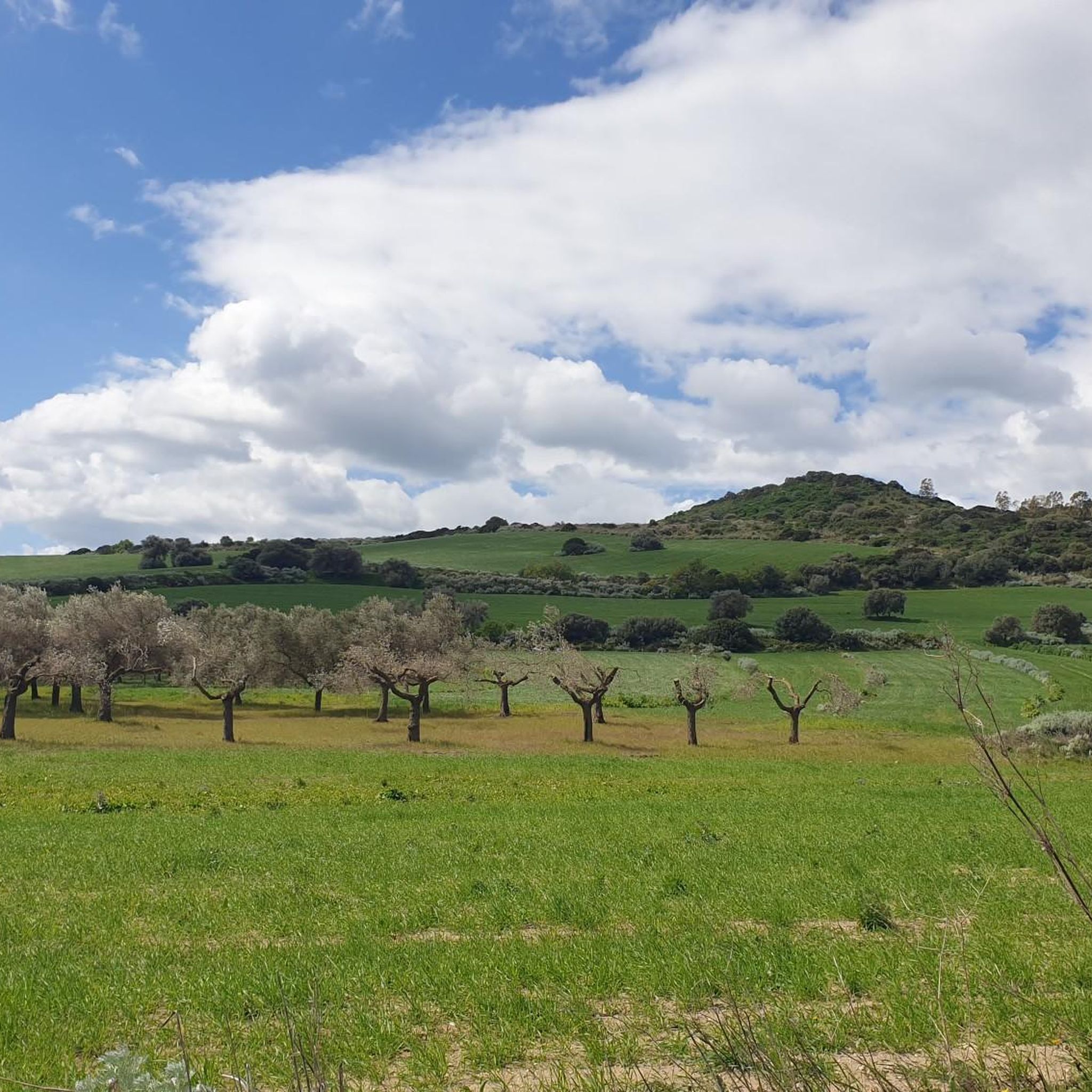
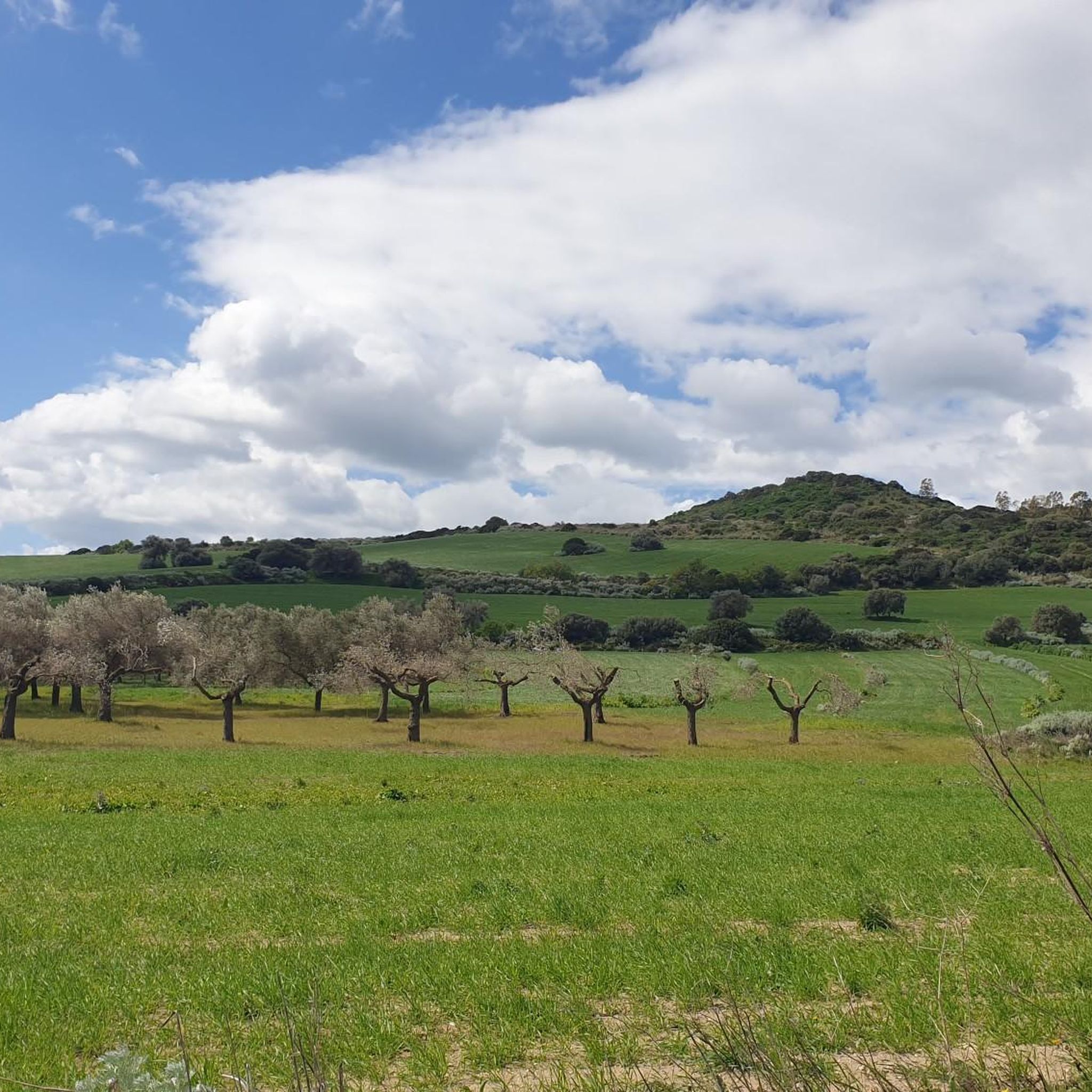
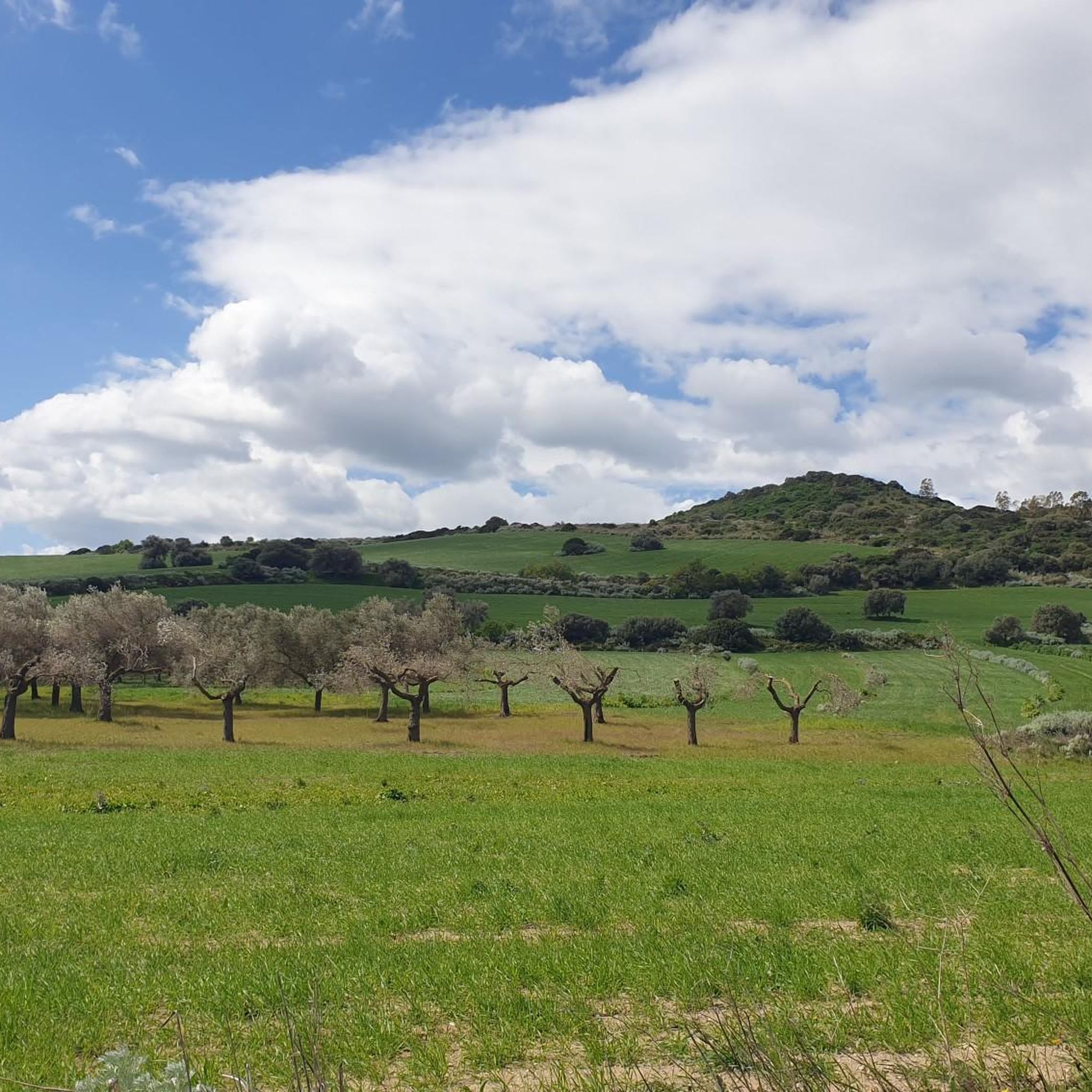
The complex overlooks the edge of the Giara, a basaltic plateau on the border between the regions of Marmilla, Sarcidano and Arborea. The main building is of considerable architectural importance, as it belongs to the type of protonuraghi or "corridor" nuraghi. It is a mighty construction in the Cyclopean work of irregular blocks of basalt. source Sardinia Culture
1
0

Near the Giara plateau, in the central-southern part of Sardinia, rises the symbol par excellence of the Nuragic culture, the only Sardinian cultural site included in the UNESCO World Physical Heritage List. There is a very special atmosphere in Barumini: since prehistory, the current town has been a center of power and an important reference point for a rich and fertile land, the Marmilla. As a testament to this stands Su Nuraxi, the most imposing (and best preserved of thirty nuragic sites in the Barumini area and the most important legacy left to us by the Torre culture. The archaeological area includes a nuragic complex and a vast village of huts, a unique place declared a World Heritage Site by UNESCO in 1997. The impressive site was unearthed during the mid-20th century excavations led by Giovanni Lilliu.The cultural center is named after the "father" of Sardinian archaeology, and is just a few steps from the Nuraghe is located. Su Nuraxi is built of basalt, a volcanic rock from the nearby Giara Natural Park. It shows an over the course of two thousand years, from the 16th century BC. to 7th century AD, material was layered on top of each other. Source: https://www.sardegnaturismo.it/en/discover/su-nuraxi The facility can only be visited as part of a guided tour. Guided tours are offered in Italian and English. More information can be found here: http://www.fondazionebarumini.it/it/area-archelogica-su-nuraxi/
0
1
Frequently Asked Questions
What historical sites can I explore in the Bobadri/Baradili region?
The region is rich in history, offering several significant archaeological and historical sites. You can visit the UNESCO World Heritage site of Su Nuraxi Archaeological Site, which is the largest Nuragic archaeological area in Sardinia. Another notable site is the Bruncu Madugui village and nuraghe, an impressive protonuraghe overlooking the Giara plateau. Additionally, the Pinnettas Shepherd Huts offer a glimpse into traditional pastoral life, mirroring ancient Nuragic construction methods.
Where can I experience nature and see wildlife around Bobadri/Baradili?
For nature enthusiasts, the Giara Plateau Park is a must-visit. It's famous for its unique landscape of cork oaks and Mediterranean maquis, and is home to the rare 'Cavallini della Giara' wild horses. You can also find wild horses and enjoy incredible views at the Pauli Maiori Wetland, a beautiful lake and viewpoint.
Are there family-friendly attractions in the Bobadri/Baradili area?
Yes, several attractions are suitable for families. The Giara Plateau Park and Pauli Maiori Wetland are excellent for families, offering opportunities to spot wild horses and enjoy the natural environment. The Pinnettas Shepherd Huts also provide an interesting historical experience that can be engaging for all ages, with a picnic area nearby.
What kind of outdoor activities can I do near these attractions?
The region offers various outdoor activities, especially cycling. You can find numerous routes for road cycling, mountain biking, and touring. For example, there are moderate road cycling routes like the 'Su Nuraxi - Marmilla Loop' and 'Ring tour in the Marmilla subregion'. Mountain bikers can explore easy trails like 'Giardino botanico Morisia — giro ad anello nel Parco della Giara' or moderate ones like 'Il parco naturale della Giara - giro ad anello'. Touring cyclists can enjoy easy routes such as 'Giara ponies – Giara di Gesturi Plateau loop from Giauni/Genuri'. You can find more details and routes in the dedicated guides for Road Cycling, MTB Trails, and Cycling around Bobadri/Baradili.
What is the best time to visit Bobadri/Baradili?
While specific seasonal recommendations aren't provided for all attractions, the region's natural beauty, especially the Giara Park, is often best enjoyed in spring when the landscape is lush and water levels are higher, increasing the chances of seeing wild horses. The annual Ravioli Food Festival in July offers a vibrant cultural experience. For archaeological sites, pleasant weather in spring or autumn would be ideal for exploration.
Are there any cultural events or local traditions in Baradili?
Baradili is known for its rich cultural traditions. A highlight is the annual Ravioli Food Festival (Sagra del Raviolo) held in July, celebrating local culinary heritage with handmade ravioli and other cultural activities. The village also hosts an annual exhibition of Sardinian sartorial art, often combined with gastronomic initiatives, showcasing local craftsmanship and flavors.
What are the unique features of the Nuragic sites in this area?
The Nuragic sites, such as Su Nuraxi Archaeological Site and Bruncu Madugui village and nuraghe, are significant for their ancient Bronze Age architecture. Su Nuraxi is the largest Nuragic archaeological area in Sardinia, featuring complex megalithic structures. Bruncu Madugui is an example of a 'protonuraghe' or 'corridor' nuraghe, built with massive, irregular basalt blocks, showcasing the impressive engineering of the Nuragic civilization.
Can I see wild horses in the Bobadri/Baradili region?
Yes, the region is famous for its wild horses. You have a good chance of spotting them in the Giara Plateau Park, which is a protected area for these rare 'Cavallini della Giara'. They can also be seen around the Pauli Maiori Wetland, especially when the river is full.
What are the main characteristics of Baradili village itself?
Baradili, despite being Sardinia's smallest village, retains the charm of a medieval village with numerous ancient 'a corte' houses like Monte Granatico, Casa Usai, and Casa Lavra. It also features the 18th-century Santa Margherita Martire Parish Church, which houses precious wooden statues. Traces of Roman origins can also be found, particularly at Cibixia.
What do visitors enjoy most about the attractions around Bobadri/Baradili?
Visitors particularly appreciate the blend of historical depth and natural beauty. Many are captivated by the ancient Nuragic sites, finding them quite impressive and worth the exploration. The opportunity to see wild horses in their natural habitat at the Giara Park and Pauli Maiori Wetland is also a highlight, often described as an 'incredible view' and a 'fantastic experience'.
Are there any unique local culinary experiences in the area?
Beyond the Ravioli Food Festival, Baradili is home to Pizzeria Sa Scolla, renowned for having some of the best pizza on the island. This establishment also functions as a food academy (Casa Puddu), highlighting the region's commitment to culinary excellence and traditional flavors. The surrounding Marmilla hills also contribute to local wines, olive oils, and sweets.
What is the significance of the Pinnettas Shepherd Huts?
The Pinnettas Shepherd Huts are significant as they represent the last huts of shepherds from the 1960s, built in a style that mirrors ancient Nuragic construction. They offer a unique insight into historical building methods and the traditional pastoral life of Sardinia, connecting visitors to the island's deep-rooted heritage.
Most popular routes around Bobadri/Baradili
Most popular attractions around Bobadri/Baradili

Get inspired with the komoot mobile app


Explore more
Still not found the Highlight you’re looking for? See guides of the top attractions in other regions:
