Attractions and Places To See around Àllai/Allai - Top 20
Attractions and places to see around Àllai/Allai, a village in Sardinia, Italy, are characterized by a blend of historical sites, cultural landmarks, and natural features. The area is situated amidst three plateaus, offering a distinct geographical setting. Visitors can explore ancient Roman structures, traditional Sardinian architecture, and significant religious buildings. The region provides insights into its past through archaeological findings and preserved historical sites.
Best attractions and places to see around Àllai/Allai
- The most popular attractions is Fordongianus Roman Baths…
Last updated: June 24, 2026
Fordongianus Roman Baths
Highlight • Historical Site
Translated by Google •
Tip by

Casa Aragonese
Highlight • Historical Site
Translated by Google •
Tip by

Sign up now to discover places like this
Get recommendations on the best single tracks, peaks, & plenty of other exciting outdoor places.
Sign up for free
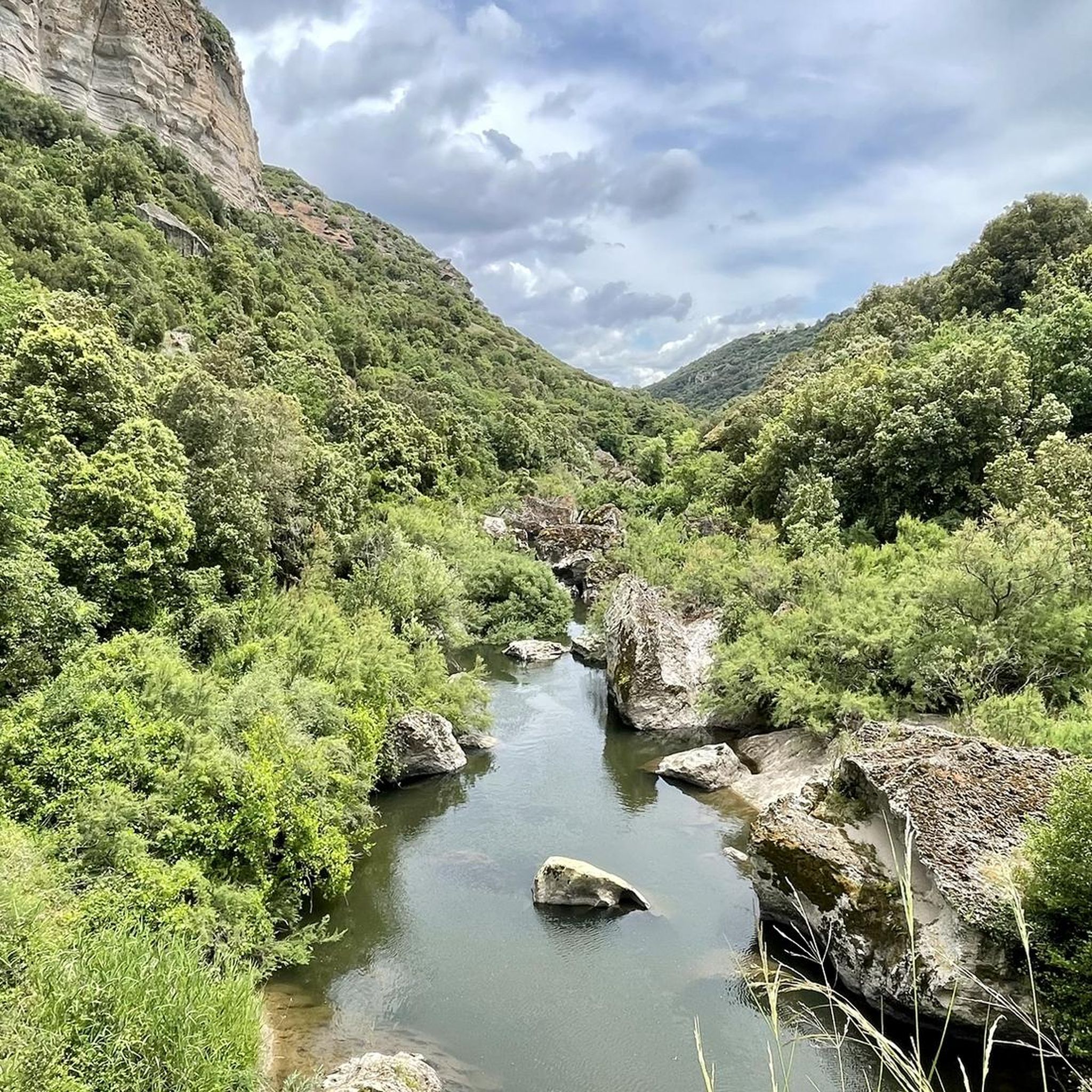
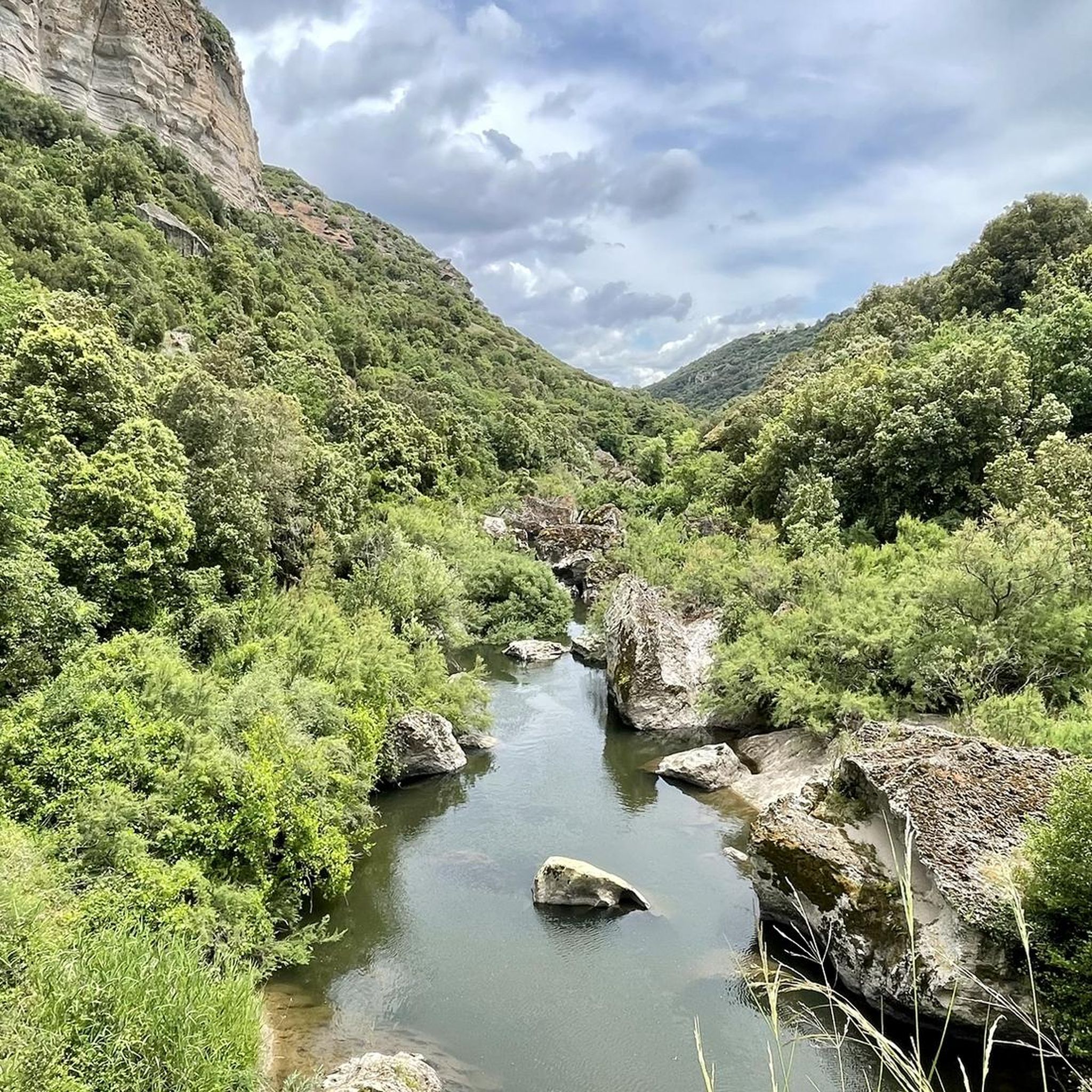
Tirso River and Stone Bridge in Fordongianus
Highlight • River
It rises as Riu de su Campo north of Bitti, in the province of Nuoro on the east side of the island, …
Translated by Google •
Tip by

Church of San Lussorio
Highlight • Religious Site
Translated by Google •
Tip by

San Pietro Apostolo Church, Fordongianus
Highlight • Religious Site
Translated by Google •
Tip by
Sign up for free to discover even more attractions around Àllai/Allai.
Sign up for free
Already have an account?
Start today with a free account
Your next adventure awaits.
Login or Signup

Tips from the Community

It's worth a visit, the architecture is interesting and the audio guide gives you detailed information about what you see. Entrance to the baths is included in the price (or vice versa). So if you see one you can also see the other as they are just a few minutes drive or probably 5-10 minutes walk away
1
0
A beautiful church, a must if you are traveling through Fordongianus.
1
0
The Tirso is the longest river in Sardinia. It rises as Riu de su Campo north of Bitti, in the province of Nuoro on the east side of the island, flows through the Lago Omodeo reservoir and flows into Oristano on the west side of the island. In the middle reaches it is spanned by the Ponte Ezzu, an old Roman bridge, near Illorai. It is 150 km long and is only navigable in the last few kilometers. The fertile plain north of Oristano through which it flows is called the Tirso plain.
1
0

The pretty church was built from red trachyte. It is named after San Lussorio, a Roman soldier who was converted to Christianity. He suffered his martyrdom here during the persecution of Christians under Diocletian. In the 4th century, an underground tomb was built in his honor, which today forms the church's crypt. The Romanesque-style church was built in the 12th century by Vittorini monks who made it their mission to enhance the sites of martyrs. The church was actually closed, but after a call a nice lady came by and opened the small area for us.
0
0

The Aragonese House is a splendid example of stately architecture dating back to around the 16th-17th century. The house is divided into two parts and one of these houses a museum. Not far from here stands the church of San Pietro Apostolo.
1
0
The pretty Casa Aragonese is a typical residence of the country gentry and was built in the 16th century from red trachyte stone. The windows and door frames built in the Spanish-Aragonese style, which also gave the house its name, are striking. Admission to Casa Aragonese is included in the Roman Baths ticket. Attention: closed on Mondays! Current information is available here: https://www.forumtraiani.it/casa-aragonese/
0
0
The pretty parish church dates from the 16th century and was built of red trachyte stone.
0
0
The thermal baths are managed by the Cooperative Forum Traiani. Current opening times can be found here: https://www.forumtraiani.it/what-to-see/?lang=en
0
0
Frequently Asked Questions
What historical sites are a must-see around Àllai/Allai?
You can explore several significant historical sites. Don't miss the ancient Fordongianus Roman Baths, where warm waters still flow naturally into the river. Another highlight is Casa Aragonese, a splendid example of 16th-17th century stately architecture that now houses a museum. The village of Allai itself features a 16th-century church and the Church of the Holy Spirit dating back to 1503, along with a Civic Museum (CiMA) showcasing artifacts from prehistoric to medieval times.
Are there any unique natural features or landmarks to visit in Àllai/Allai?
Yes, Àllai/Allai is known for its distinct natural setting amidst three plateaus. A unique landmark is the Tree House, located along the Rio Massari, which offers panoramic views and is considered a symbol of the village. You can also see the ancient Roman Bridge, about 500 meters from the historic center, which symbolizes Allai's historical role as a land of passage.
What are the main religious buildings to visit near Àllai/Allai?
The area boasts several notable religious buildings. The Church of San Lussorio, built from red trachyte, is particularly interesting for its Romanesque style and the underground tomb of San Lussorio. In Fordongianus, you can also visit the beautiful San Pietro Apostolo Church, a parish church from the 16th century, also constructed with red trachyte stone. Within Allai village, there's a 16th-century church and the Church of the Holy Spirit from 1503.
What outdoor activities can I do near Àllai/Allai?
The region around Àllai/Allai offers various outdoor activities, especially cycling. You can explore numerous routes for mountain biking, road cycling, and touring. For mountain biking, consider routes like the 'Truzzulla Lookout – Roman Bath Hot Spring loop from Fordongianus'. Road cyclists might enjoy the 'Land of Roman baths and vineyards' route. For a more relaxed touring experience, try 'The dams on the Tirso River and Lake Omodeo – ring tour from Fordongianus'. You can find more details on these and other routes in the MTB Trails, Road Cycling Routes, and Cycling around Àllai/Allai guides.
Is the Tirso River accessible for visitors, and what can I see there?
Yes, the Tirso River, Sardinia's longest river, flows near Àllai/Allai. You can visit the section in Fordongianus where it flows under a picturesque bridge made of reddish trachyte blocks. A short path in the river valley leads to the center of Fordongianus, offering an idyllic view even in summer when it still carries water.
Are there family-friendly attractions around Àllai/Allai?
Many of the attractions are suitable for families. The Casa Aragonese, with its museum, offers an engaging historical experience. The San Pietro Apostolo Church and the Tirso River and Stone Bridge are also listed as family-friendly. Exploring the historic center of Allai with its charming squares and mural depicting daily life can also be an enjoyable activity for all ages.
What is the best way to experience the local culture and history of Allai?
To immerse yourself in the local culture and history, start by exploring Allai's historic center. Its charming squares, like Piazza Falò and Piazza Sant'Isidoro, are adorned with items reflecting rural life. Visit the Civic Museum of Allai (CiMA) to see artifacts from prehistoric to medieval times. Don't miss the mural illustrating daily life in the village, which adds to the cultural fabric and showcases local traditions.
What do visitors enjoy most about the attractions near Àllai/Allai?
Visitors particularly appreciate the rich historical context and the well-preserved ancient sites. For instance, the Fordongianus Roman Baths are loved for their ancient remains and the natural warm waters. The Casa Aragonese is praised for its interesting architecture and the detailed information provided by its museum. The scenic beauty of the Tirso River and Stone Bridge also receives high remarks for its idyllic setting.
Are there any specific architectural styles or materials common in the region's historical buildings?
Yes, a prominent architectural feature in the region is the use of red trachyte stone. This material is notably used in the construction of the Church of San Lussorio and the San Pietro Apostolo Church in Fordongianus. The Tirso River and Stone Bridge also features this distinctive reddish stone, adding to the regional character.
Can I find information about the ancient Roman presence in the area?
Absolutely. The most significant evidence of Roman presence is the Fordongianus Roman Baths, which were once part of Forum Traiani, an important Roman city. The archaeological site includes two facilities with remnants of porticoed swimming pools and changing rooms, showcasing Roman engineering and their appreciation for the local thermal waters. The ancient Roman Bridge in Allai also signifies the village's historical importance as a Roman passage.
What is the significance of the Rio Massari in Allai?
The Rio Massari is a prominent natural feature in Allai, and it's particularly significant as the location of the unique Tree House. This public structure, the only one of its kind in Italy, offers an unusual vantage point to view the surrounding landscape, making the Rio Massari an integral part of Allai's distinctive charm and natural appeal.
Most popular routes around Àllai/Allai

Get inspired with the komoot mobile app


Explore more
Still not found the Highlight you’re looking for? See guides of the top attractions in other regions:
