Attractions and Places To See around Busache/Busachi - Top 20
Best attractions and places to see around Busache/Busachi, a town in central-western Sardinia, offers a range of historical, cultural, and natural sites. The area is characterized by its distinctive pink stone houses, ancient archaeological sites, and a landscape that includes the Tirso valley and Montiferru hills. Busachi provides insights into Sardinian heritage through its traditional crafts and well-preserved historical structures.
Best attractions and places to see around Busache/Busachi
- The most popular attractions is Fordongianus Roman Baths, a historical site…
Last updated: July 7, 2026
Fordongianus Roman Baths
Highlight • Historical Site
Translated by Google •
Tip by

Nuraghe Santa Cristina Archaeological Site
Highlight • Historical Site
Translated by Google •
Tip by

Sign up now to discover places like this
Get recommendations on the best single tracks, peaks, & plenty of other exciting outdoor places.
Sign up for free
Casa Aragonese
Highlight • Historical Site
Translated by Google •
Tip by

Santuario Nuragico
Highlight • Historical Site
Source: de.wikipedia.org/wiki/Santa_Cristina_(Brunnenheiligtum)
Translated by Google •
Tip by

Santa Cristina Country Church
Highlight • Religious Site
Translated by Google •
Tip by

Sign up for free to discover even more attractions around Busache/Busachi.
Sign up for free
Already have an account?
Start today with a free account
Your next adventure awaits.
Login or Signup
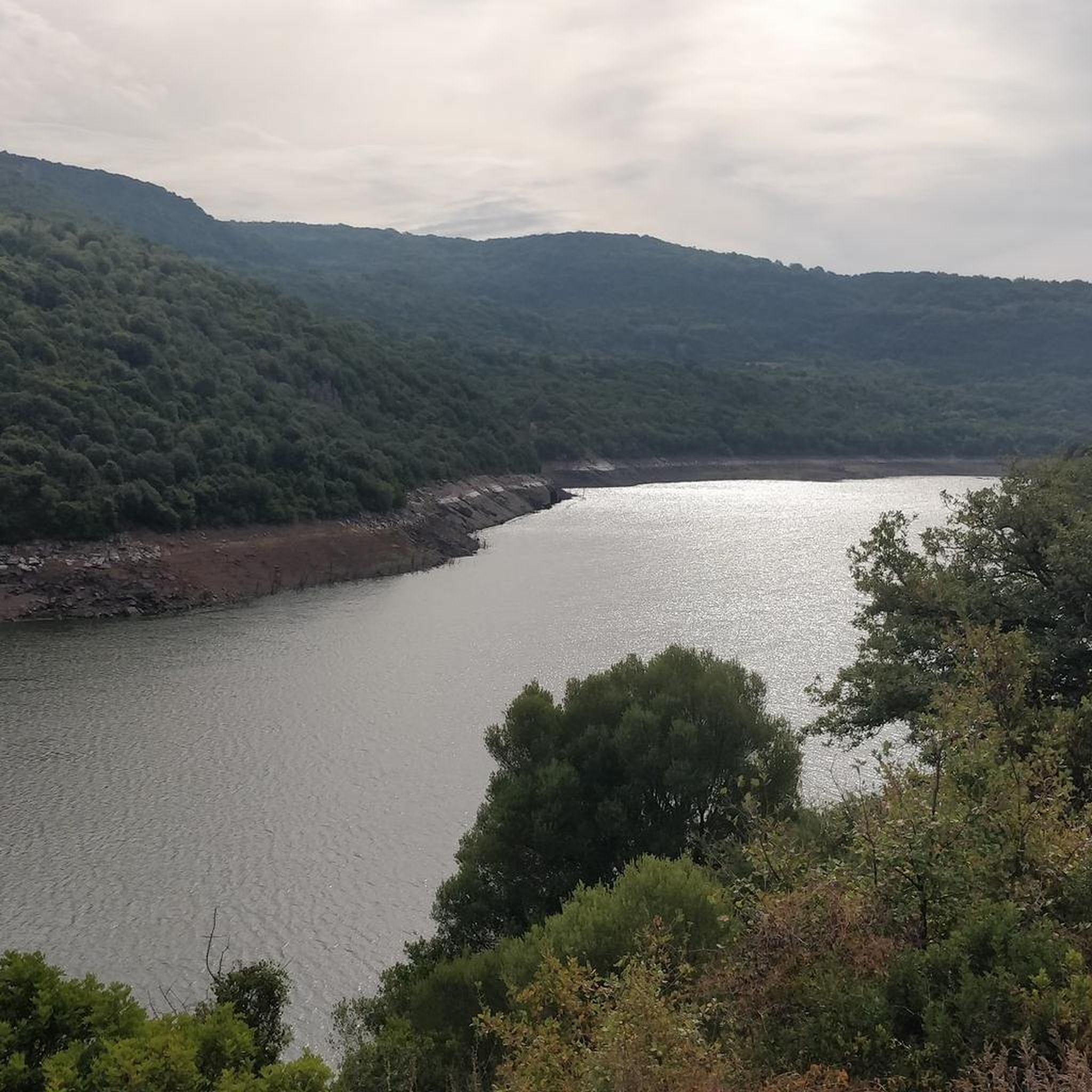
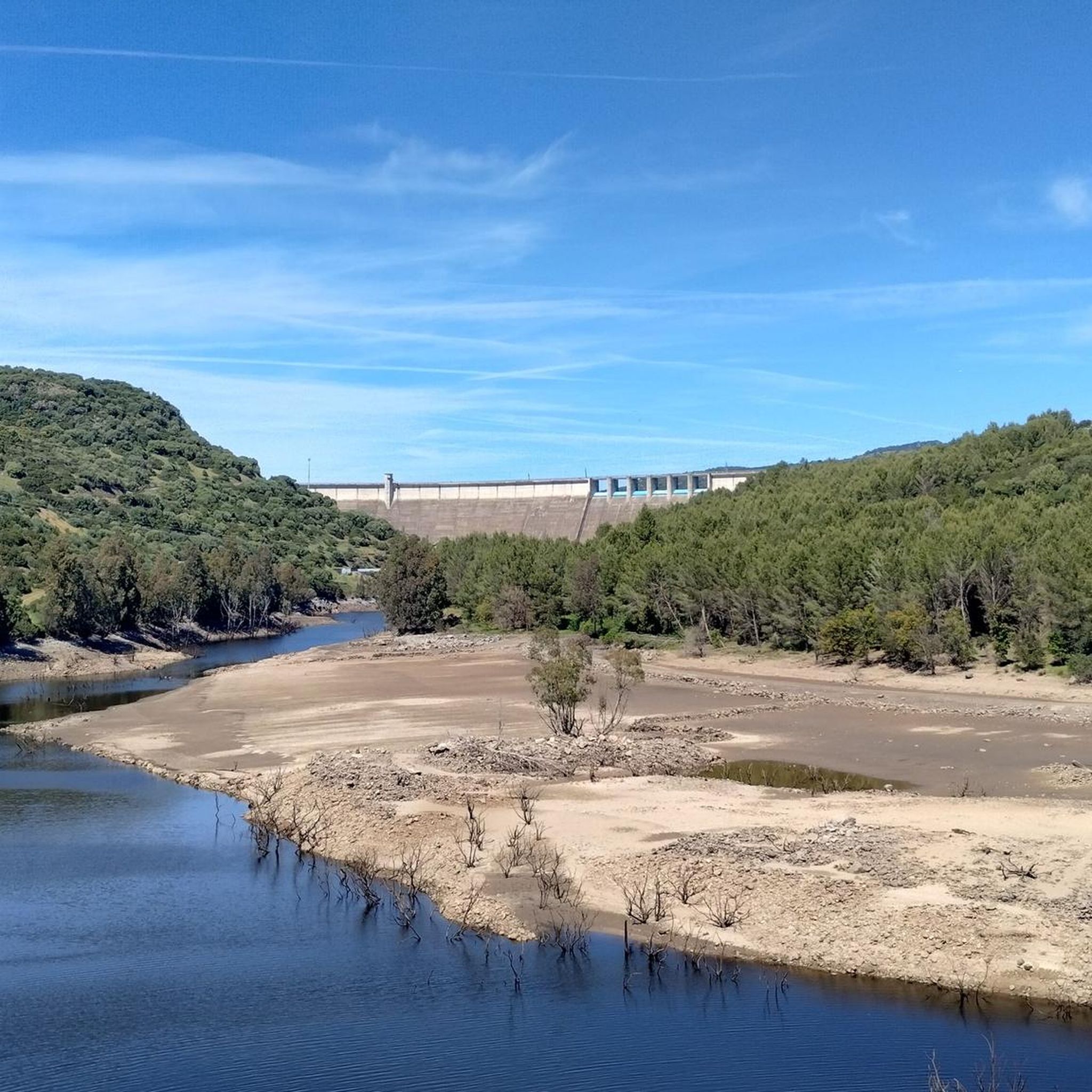
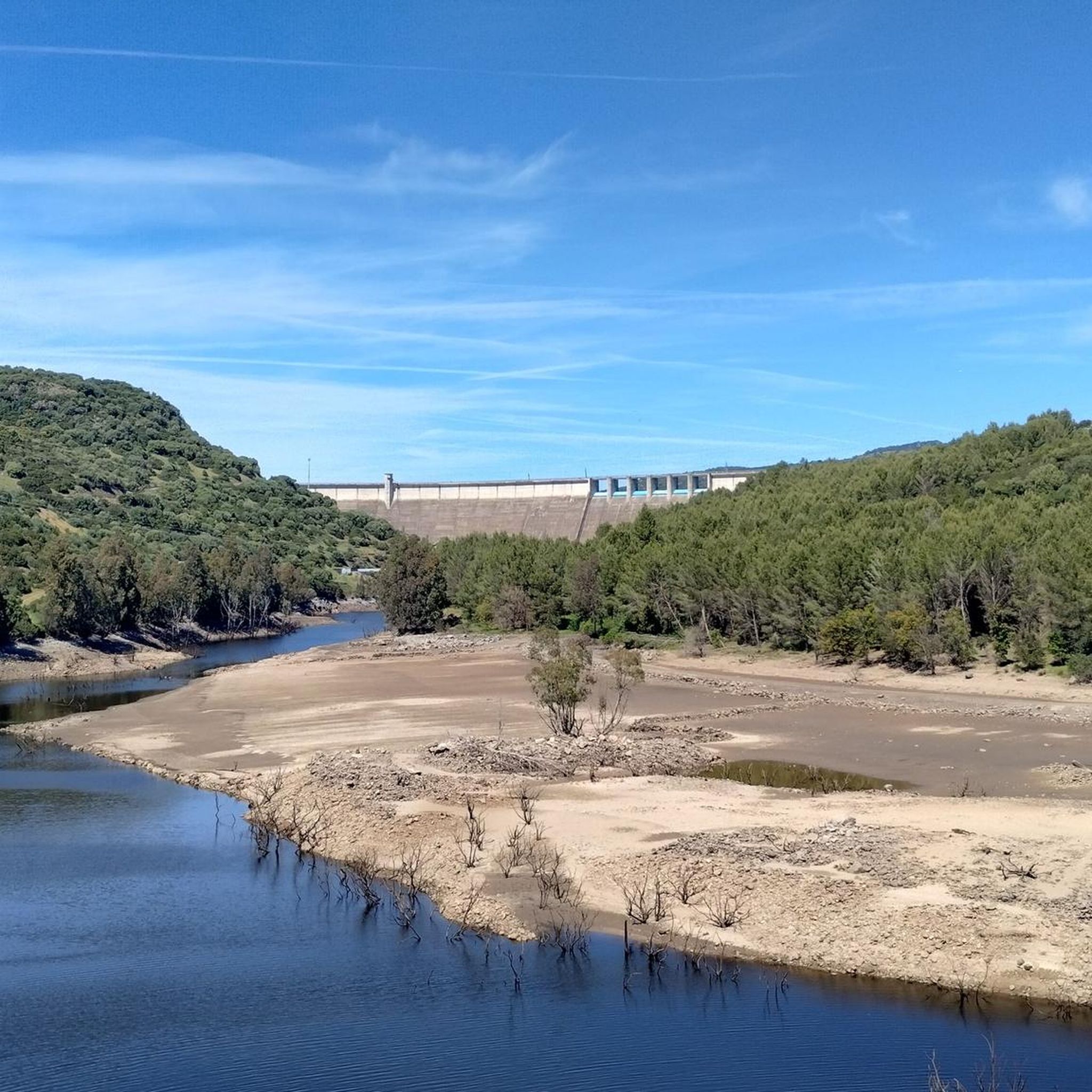
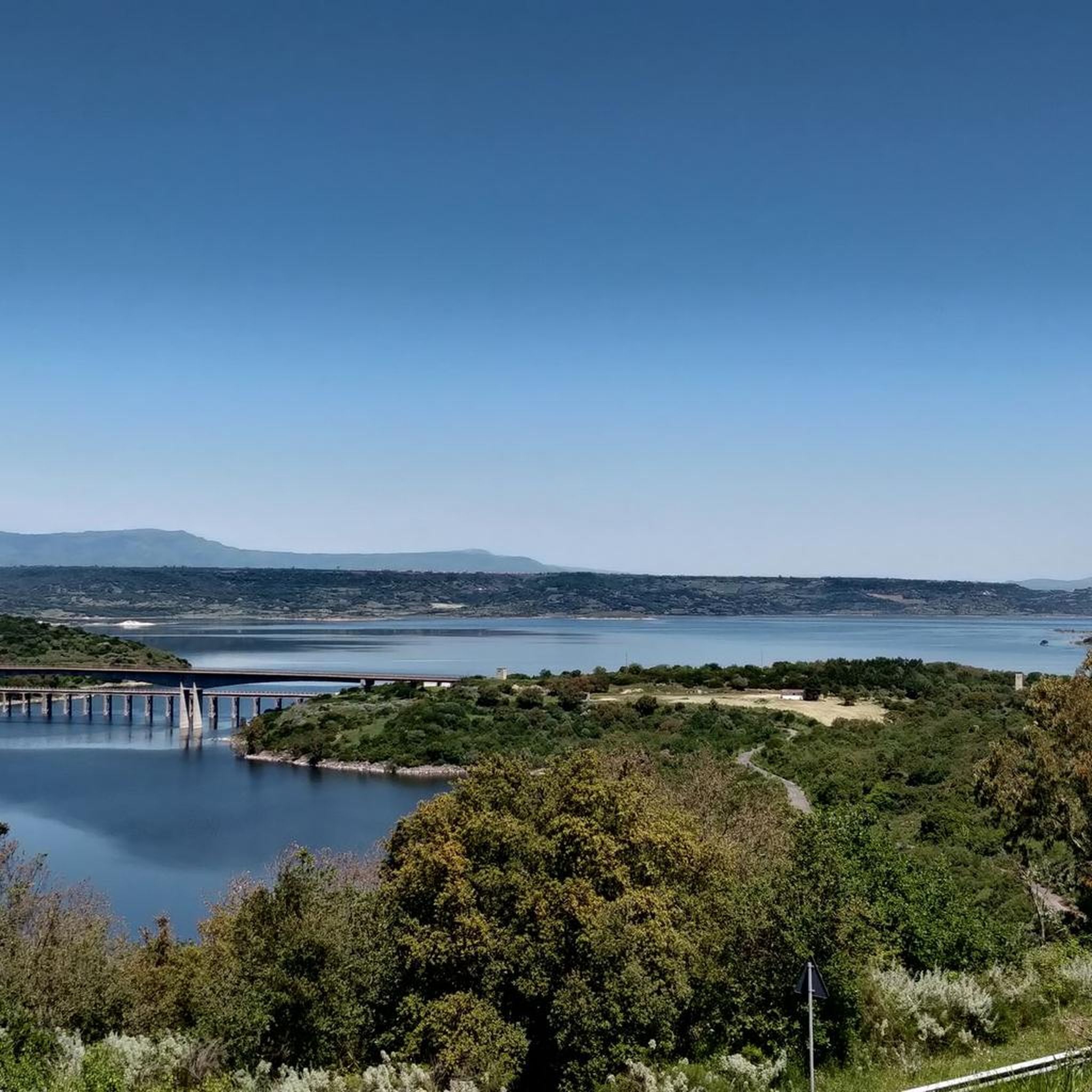

Tips from the Community

In 1857, Giovanni Spano published an article that included a graphic overview of the monument. The Canon describes and interprets the sacred well in a rather convoluted way: he classifies it as a nuragic structure but is unable to discern its true function, mistaking it for a prison due to its similarity to other finds. In 1860, La Marmora, in his Itinéraire, praised the monument and compared it "to the Treasury of Atreus in Mycenae, Greece, described and illustrated by James Stuart." In the early years of the 20th century, other sacred wells in Sardinia were investigated: Antonio Taramelli, an archaeologist of the first half of the 20th century, finally surmised their function. His work is complemented by Raffaele Pettazzoni, who, in his book on the beliefs of the ancient Proto-Sardinians, describes the cult of water, also drawing on comparisons from outside the island.
1
1
In 1857, Giovanni Spano published an article that included a graphic overview of the monument. The canon describes and interprets the sacred well in a rather convoluted manner: it classifies it as a nuragic structure, but is unable to identify its true function, considering it a prison due to its similarity to other findings. In 1860, La Marmora, in his Itinéraire, praised the monument and compared it "to the Treasury of Atreus at Mycenae, Greece, described and illustrated by James Stuart." In the early years of the 20th century, other sacred wells in Sardinia were investigated: Antonio Taramelli, an archaeologist of the first half of the 20th century, finally divined their function. His work is rounded out by Raffaele Pettazzoni, who, in his book on the beliefs of the ancient Proto-Sardinians, describes the cult of water, also drawing comparisons outside the island.
2
0
«The country church of St. Christina, located in the territory of Paùli-Latìno, a quarter (4 km) from this town, also belongs to this priory (of Bonarcado), while it is two hours from Bonarcado. Nearby there are some casipole for the novenanti who compete there on the first of May. The main festival falls with great frequency on the 10th of the same and a pious procession to the fountain named after the saint, which has a peculiar shape and structure. On July 24th there is a memorial day on which the glorious death of the same is commemorated.»
2
0
«The country church of St. Christina, located in the territory of Paùli-Latìno, a quarter (4 km) from this town, also belongs to this priory (of Bonarcado), while it is two hours from Bonarcado. Nearby there are some casipole for the novenanti who compete there on the first of May. The main festival falls with great frequency on the 10th of the same and a pious procession to the fountain named after the saint, which has a peculiar shape and structure. On July 24th there is a memorial day on which the glorious death of the same is commemorated.»
1
1
In 1860, La Marmora, in his Itinéraire, praised the monument, comparing it "to the Treasury of Atreus at Mycenae, Greece, described and illustrated by James Stuart". In the early years of the 20th century, other sacred wells were investigated in Sardinia: Antonio Taramelli, an archaeologist of the first half of the 20th century, finally guessed their function. His work is completed by Raffaele Pettazzoni, who, in his book on the beliefs of the ancient proto-Sardinians, describes the cult of water, also referring to comparisons outside the island. Despite the importance of the monument and its excellent state of preservation, it was necessary to wait until 1953 for the first excavations and restorations, which then continued with the Athnitzi campaigns of 1967-73 and 1977-83. [9] The last excavation campaigns were carried out by Bernardini in 1989-90 and by Arnold Lebeuf between 2005 and 2010. Further research is planned, focusing mainly on the area of the Nuragic village (which, however, had not yet been carried out as of 2012).
1
1
In 1860, La Marmora, in his Itinéraire, praised the monument, comparing it "to the Treasury of Atreus at Mycenae, Greece, described and illustrated by James Stuart". [4] In the early years of the 20th century, other sacred wells were investigated in Sardinia: Antonio Taramelli, an archaeologist of the first half of the 20th century, finally guessed their function. [5][6][7] His work is completed by Raffaele Pettazzoni, who, in his book on the beliefs of the ancient proto-Sardinians[8], describes the cult of water, also referring to comparisons outside the island. Despite the importance of the monument and its excellent state of preservation, it was necessary to wait until 1953 for the first excavations and restorations, which then continued with the Athnitzi campaigns of 1967-73 and 1977-83. [9] The last excavation campaigns were carried out by Bernardini in 1989-90 and by Arnold Lebeuf[10] between 2005 and 2010. Further research is planned, focusing mainly on the area of the Nuragic village[1] (which, however, had not yet been carried out as of 2012).
1
0
In 1841, Angius published a first summary description of the monumental complex in the Angius-Casalis dictionary:[2] «The country church of St. Christina, located in the territory of Paùli-Latìno, a quarter (4 km) from this town, also belongs to this priory (of Bonarcado), while it is two hours from Bonarcado. Nearby there are some casipole for the novenanti who compete there on the first of May. The main festival falls with great frequency on the 10th of the same and a pious procession to the fountain named after the saint, which has a peculiar shape and structure. On July 24th there is a memorial day on which the glorious death of the same is commemorated."
1
0
The site is essentially composed of two parts: the first, the best known and best studied, consists of the Well Temple, a sacred well of the nuragic period, to which are attached structures: a meeting hut, a perimeter enclosure and other smaller huts. The second part of the complex, about two hundred meters to the southwest, consists of a single-tower nuraghe, some elongated stone huts of unknown date and a nuragic village that has yet to be excavated and of which few illuminating elements are visible[1]. Although of limited archaeological interest, the Christian devotional area of the Church and Novenum of St. Christina integrates the complex, intended as a place where the novena is celebrated in honor of the saint.
1
0
Frequently Asked Questions
What historical sites can I explore in Busachi?
Busachi offers a rich array of historical sites. You can visit the 17th-century Church of Sant'Antonio da Padova, the 16th-century Church of San Bernardino, and the Gothic-style Church of Santa Susanna, built on pagan temple remains. The Jesuit Collegiu from 1577 is also a significant landmark. For a deeper dive into the past, explore the Fordongianus Roman Baths, an ancient Roman city with naturally flowing warm waters.
Are there any ancient archaeological sites to visit near Busachi?
Yes, the area is rich in prehistoric and archaeological sites. You can explore the Nuraghe Santa Cristina Archaeological Site, which features a well-preserved Nuraghe and other structures. The Campu Maiore Necropolis is home to 24 'domus de Janas' (chamber tombs), with Tomb IV being particularly noteworthy. Other necropolises with 'domus de Janas' include Maniere, Cronta, su Cantaru, and Grugos. Additionally, numerous Nuragic structures like Tadone, Pranu Nurache, and su Liggiu Nuraghes are open to visitors.
Where can I learn about Busachi's traditional crafts and culture?
The Museum of Traditional Costume and Linen Processing (Museo del Costume Tradizionale e della Lavorazione del Lino) is housed in the former Church of San Domenico. This museum showcases Busachi's renowned linen production and traditional hand-embroidered garments, illustrating the journey from cultivation to finished fabrics and traditional clothing.
What natural features characterize the Busachi area?
Busachi is known for its distinctive houses and buildings made of pink trachyte stone, which glows reddish in the sun. The town is built on a slope, offering amphitheater-like views of the Tirso valley and the Montiferru hills. The region is also surrounded by mountains such as Monte Corteianas, Monte Tusorgia, Monte Paentinos, and Monte Lotzi. Lago Omodeo is approximately 11 km away, offering scenic views.
Are there family-friendly attractions in Busachi?
Families can enjoy exploring the historical sites, such as the Casa Aragonese, a 16th-17th century stately architectural example that also houses a museum. The various archaeological sites, like the Nuraghes and Domus de Janas, can also be fascinating for older children. The town's unique architecture and traditional clothing worn by local women offer a cultural experience for all ages.
What outdoor activities are available near Busachi?
The area around Busachi is excellent for outdoor enthusiasts. You can find a variety of activities including hiking, cycling, and mountain biking. For detailed routes and guides, explore the Hiking around Busache/Busachi, Cycling around Busache/Busachi, and MTB Trails around Busache/Busachi guides.
Are there hiking trails around Busachi?
Yes, there are several hiking trails suitable for various skill levels. For example, you can take an easy 6.4 km loop from Fordongianus that includes the Casa Aragonese and the Roman Baths. Moderate trails include a 14.15 km loop from Fordongianus and a 13.79 km loop to the Sa Crabarissa Rock Formation. You can find more options in the Hiking around Busache/Busachi guide.
Can I go cycling or mountain biking near Busachi?
Absolutely. The region offers diverse terrain for both cycling and mountain biking. Cycling routes include a moderate 24.87 km tour of the dams on the Tirso River and Lake Omodeo from Fordongianus, and a difficult 35.63 km loop around the Santa Chiara Dam from Busachi. Mountain bikers can tackle challenging routes like the 49.44 km 'Da Nughedu Santa Vittoria tra corbezzoli, nuraghe e la roccia “Sa Crabarissa”' loop. More routes are available in the Cycling around Busache/Busachi and MTB Trails around Busache/Busachi guides.
What is the significance of the Santa Cristina sites?
The Santa Cristina area is home to important archaeological and religious sites. The Nuraghe Santa Cristina Archaeological Site features a well-preserved Nuraghe. Nearby, you'll find the Santuario Nuragico, a unique well temple from the Nuragic culture. The Santa Cristina Country Church, located in the same archaeological area, adds to the historical and cultural depth of the site.
What local traditions or festivals are celebrated in Busachi?
Busachi is known for its vibrant traditions and festivals. The town celebrates the Sagra de Su Succu on the fourth Sunday of June, featuring a procession of girls in traditional costumes and an ancient marriage ritual involving bread and pastries. Other traditions include the Fuochi di Sant'Antonio Abate in mid-January and various Holy Week rituals. You might also see local women wearing the distinctive, hand-embroidered traditional clothes during a stroll through the town.
What is unique about Busachi's architecture?
Busachi is distinctive for its houses and buildings constructed from local pink trachyte stone. This material gives the town a unique aesthetic, especially when the stone takes on a reddish glow in the sun. The town's layout, built on a slope, resembles an amphitheater, providing picturesque views of the surrounding landscape.
Most popular attractions around Busache/Busachi

Get inspired with the komoot mobile app


Explore more
Still not found the Highlight you’re looking for? See guides of the top attractions in other regions:
