Attractions and Places To See around Sèdilo/Sedilo - Top 20
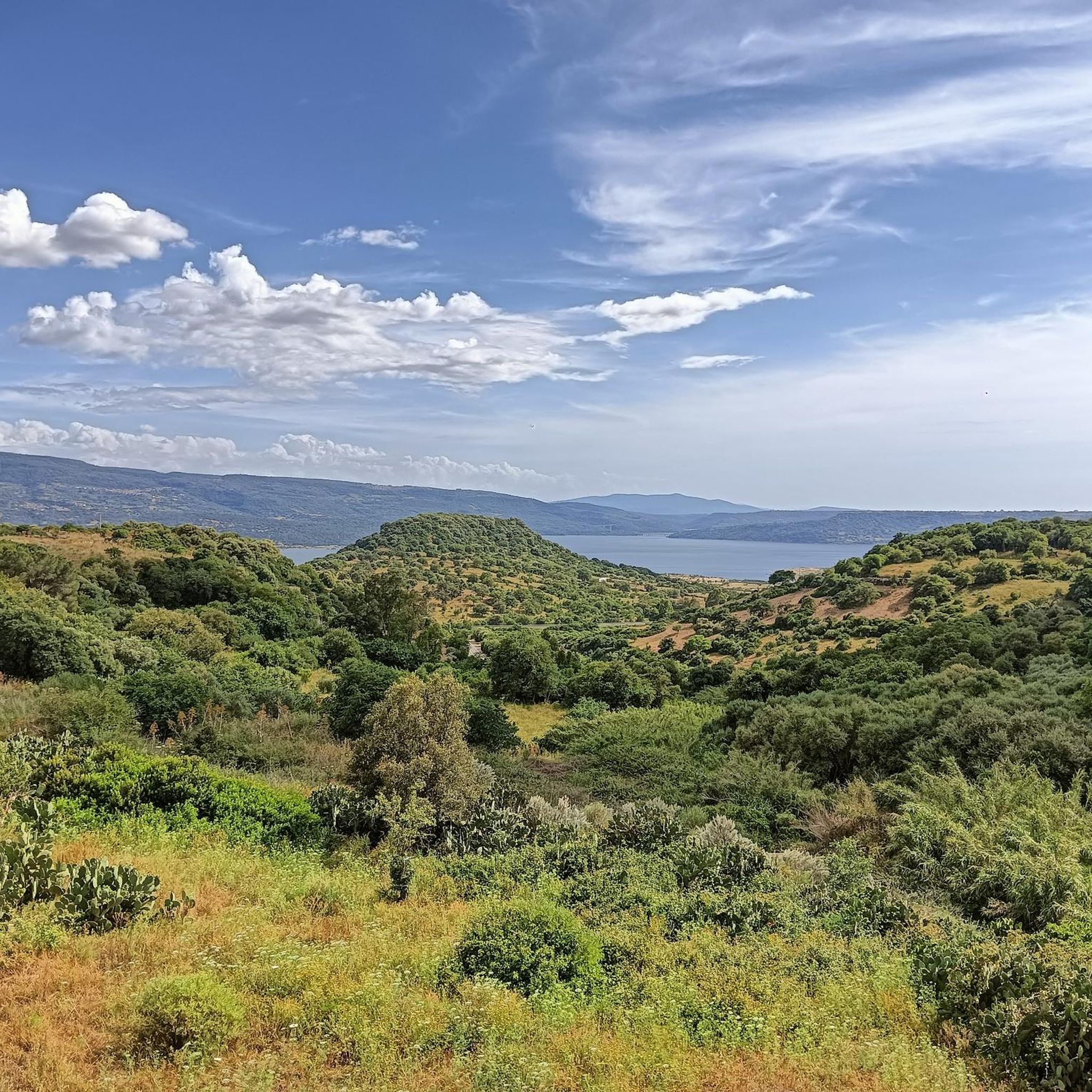
Attractions and places to see around Sèdilo/Sedilo are concentrated in a historic village in central Sardinia, situated on the Abbasanta plateau. The area features the artificial Lake Omodeo and is traversed by the Tirso River, Sardinia's longest. This region offers a blend of ancient archaeological sites, notable landmarks, and natural landscapes. Visitors can explore a variety of historical and natural points of interest.
Best attractions and places to see around Sèdilo/Sedilo
- The most popular attractions is Nuraghe Losa, a…
Last updated: June 23, 2026
Nuraghe Losa
Highlight • Historical Site
Translated by Google •
Tip by

Santa Chiara Dam and Lake Omodeo Road
Highlight (Segment) • Cycleway
Translated by Google •
Tip by

Sign up now to discover places like this
Get recommendations on the best single tracks, peaks, & plenty of other exciting outdoor places.
Sign up for free
Sa Crabarissa Rock Formation
Highlight • Natural Monument
Translated by Google •
Tip by

Nuraghe Ponte
Highlight • Historical Site
The nuraghe …
Translated by Google •
Tip by

Church and Novenary of San Serafino
Highlight • Religious Site
The mountain landscapes and Lake Omodeo are …
Translated by Google •
Tip by
Sign up for free to discover even more attractions around Sèdilo/Sedilo.
Sign up for free
Already have an account?
Start today with a free account
Your next adventure awaits.
Login or Signup
Tips from the Community

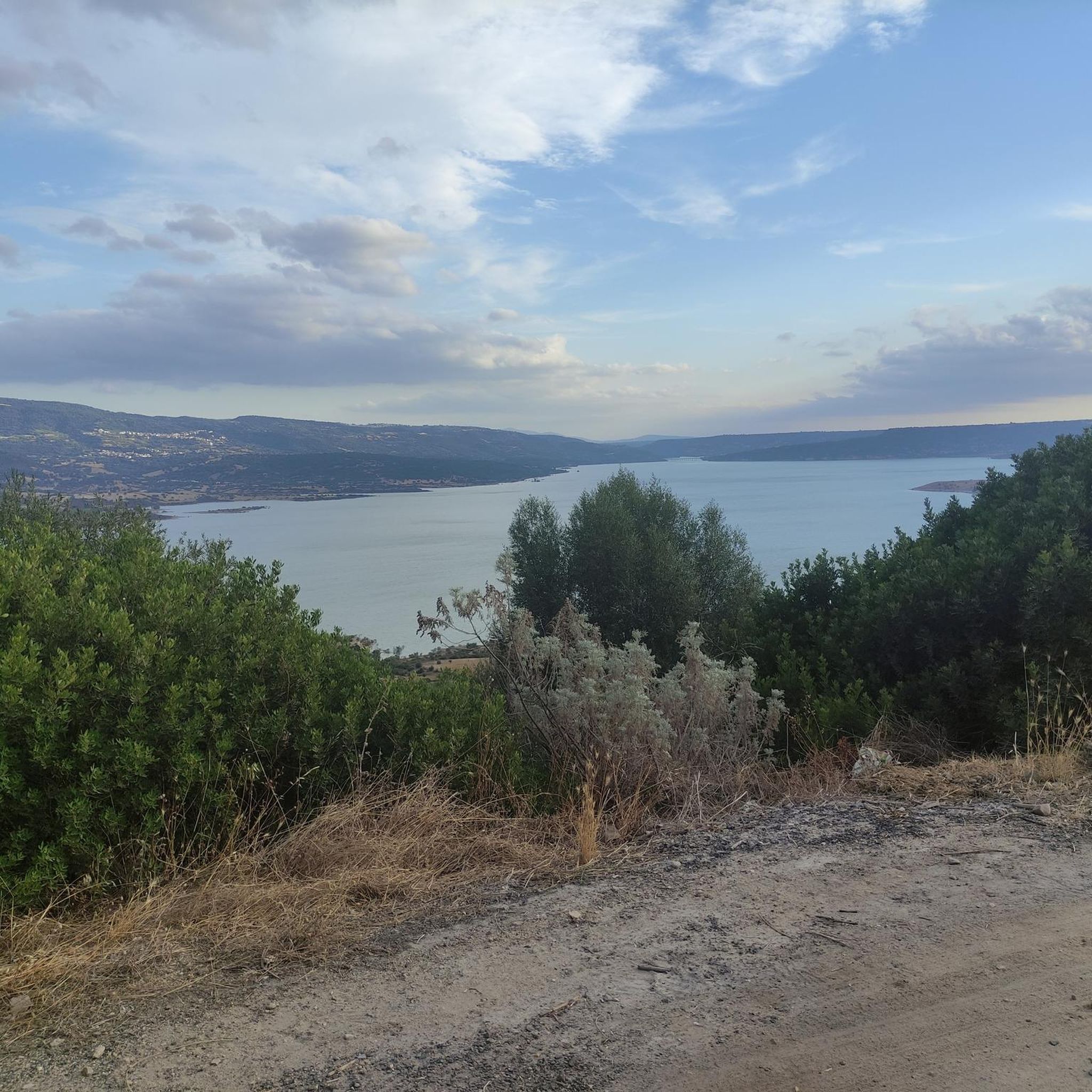
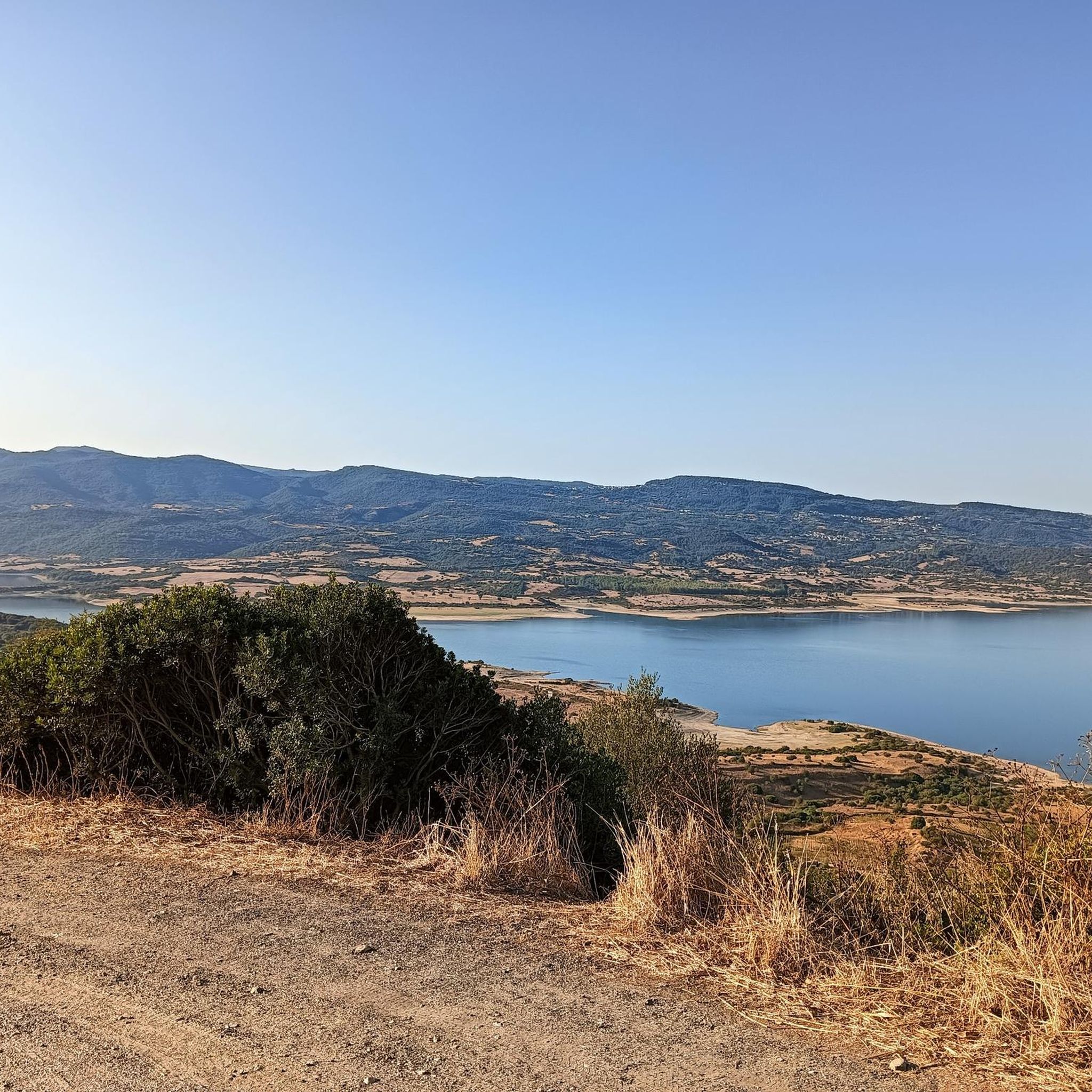
Very nice lakeside road, shame about the potholes in the asphalt
0
0

one of the most beautiful Nuraghe in Sardinia
0
0

"Sa Crabarissa" (Campidanese woman in Sardinian costume with a handkerchief on her head) for the shape of the rock and the legend that belongs to it
0
0

The Nuraghe Losa cult site is located on the Italian island of Sardinia near the municipality of Abbasanta on the SS 131 (“Carlo Felice”). It can be reached via a separate exit at kilometer 123.
2
0

There are a variety of unusual rock formations here, the most interesting being Sa Crabarissa
2
0

The German-language television series “Treasures of the World – Heritage of Humanity” – which I fully recommend in my opinion – devotes a quarter of an hour to the UNESCO world cultural heritage of the “NURAGHI” in Sardinia and the traditional shepherd’s song there, known as “Canto a Tenore”. The text accompanying the program says “Over seven thousand round towers made of stone pieces weighing tons are scattered all over Sardinia. Often only the stumps of these megalithic buildings, called nuraghi, remain. The first were around 1400 BC. Built. Small stones were placed between the mighty blocks, a construction method that made the stone towers collapse-proof.” This article (episode 413 of the series) is available in the ARD media library under the following link: https://www.ardmediathek.de/video/schaetze-der-welt/sardinien/3sat/Y3JpZDovL3N3ci5kZS8xNTg4MzM5MA
3
0

After crossing the high threshold, three corridors lead to as many chambers covered with tholos (mock domes). The mastio, still 13 meters high today but originally higher, has a "classic" structure: large main chamber with three niches arranged in the shape of a cross. A spiral staircase that once went to the top leads clockwise to the upper small chamber. All around are the three small towers with high, narrow chambers connected to each other by the masonry that surrounds the whole structure. It also includes three wells that were used to store food reserves or other materials. The main tower and the triangular bastion are surrounded by a long, massive oval wall with doors and two cantilevered small towers, the walls of which are interrupted by notches. The outer masonry extends north and west at the back and is also provided with a narrow passage. At the base of the small western tower is a cistern. In front of the entrance to the facade, on the other hand, an imposing round building can be viewed, which probably fulfilled important functions - perhaps it was the assembly hut - as two opposite entrances, two large niches, four lockers and five notches suggest. Only a small part of the extensive surrounding settlement, which covers 3.5 hectares, has been excavated. In various places there are still remains of Nuragic dwellings and especially houses from the late Punic period, the period of the Roman Republic and the Empire as well as the late Roman and Byzantine periods. Source: https://www.sardegnaturismo.it/en/discover/nuraghe-losa
0
0
The original name Nurache ‘e losas means “nuraghe of tombs” and refers to the Roman burial urns carved into the rock on the edge of this site. The unmistakable outlines of the Nuraghe Losa stand out on the basaltic plateau of Abbasanta, five kilometers from the small town in the Oristano area. Strolling around the massive, solid, flat structure, whose plan is in the form of an equilateral triangle, perspectives that seem like the front part of a ship's prow catch the eye. It is one of the most impressive and striking symbols of Nuragic architecture... It is distinguished by its articulated design, compact volume and fine masonry technique. The remains of an extensive settlement embedded in the green Mediterranean maquis have been preserved around the nuraghe. It bears testimony to the millenary history of this site, from the Nuragic period to the Roman era and, when it was used as a burial place, to the High Middle Ages (7th-8th centuries). The complex, built entirely of large blocks of basalt, consists of a trefoil nuraghe dating from the Middle Bronze Age (15th-14th centuries BC), a protective masonry and the remains of a village with round huts dating from the Late Bronze Age to the Iron Age were erected (13th-9th centuries BC). At the entrance one notices that this huge compact mass - the secret of good construction - also has large spaces. But not the uncovered courtyard, so characteristic of most complex nuraghi, but which has probably been replaced in function by outdoor spaces. The nuraghe is accessed via two elevated entrances compared to the surrounding land, and via a straight corridor to the original central tower (mastio) in the shape of a truncated cone, as well as to the two side towers. The rear tower, on the other hand, is accessible via a secondary entrance. You will walk through the chiaroscuro of the corridors, breathe in the smell of the moss-covered stones and immerse yourself in the mythical Nuragic age.
0
0
Frequently Asked Questions
What are the most significant historical and archaeological sites to visit around Sèdilo/Sedilo?
The region is rich in ancient history. You can explore the impressive Nuraghe Losa, a trefoil nuraghe dating from the Middle Bronze Age, known for its distinctive architecture. Another important site is the Nuraghe Ponte. Additionally, the Iloi Park features a significant Nuragic complex with a trilobed nuraghe, a village, and two Tombs of Giants, while the Ispiluncas Necropolis offers dozens of ancient "domus de janas".
Are there any notable natural landmarks or viewpoints near Sèdilo/Sedilo?
Yes, the area boasts beautiful natural features. The Sa Crabarissa Rock Formation is a unique natural monument with unusual rock shapes, one resembling a woman in traditional clothing. The village also overlooks the stunning artificial Lake Omodeo, and the surrounding landscape offers elevations covered in holm oaks, oaks, and Mediterranean scrub, providing scenic views and natural beauty.
What cultural and religious landmarks are prominent in Sèdilo/Sedilo?
Sèdilo/Sedilo is known for its deep-rooted traditions and religious sites. The Sanctuary of San Costantino on Monte Isei hill is a significant pilgrimage site, especially during the S'Ardia festival. The Church of San Giovanni Battista serves as the parish seat, and the Church and Novenary of San Serafino, located on the slopes of Lake Omodeo, offers both historical interest and scenic surroundings.
What is the S'Ardia festival, and when does it take place?
The S'Ardia festival is a centuries-old equestrian ritual for which Sedilo is most famous. Held annually on July 6th and 7th, this thrilling horse race commemorates Emperor Constantine's victory at the Battle of Milvian Bridge. It's a powerful display of faith, courage, and tradition, attracting many visitors and emigrants back to their hometown.
Are there opportunities for cycling around Sèdilo/Sedilo?
Absolutely! The area around Sèdilo/Sedilo offers various cycling routes. You can find options for road cycling, general cycling, and mountain biking. Popular routes include loops around Lake Omodeo and tours on the Abbasanta plateau. For detailed routes and difficulties, you can explore the Road Cycling Routes around Sèdilo/Sedilo, Cycling around Sèdilo/Sedilo, and MTB Trails around Sèdilo/Sedilo guides.
What kind of outdoor activities can I do near the attractions?
Beyond exploring historical sites, the natural surroundings of Sèdilo/Sedilo are ideal for outdoor activities. The region's landscape, with its holm oaks and Mediterranean scrub, offers numerous itineraries for walking, cycling, or horseback riding. Lake Omodeo can also be explored by canoe. You'll find many trails suitable for various sports.
Are there any museums in Sèdilo/Sedilo?
Yes, Sèdilo/Sedilo has a couple of museums that offer insight into the local culture and history. The Museum of the Ardia is dedicated to the famous S'Ardia event, providing a deeper understanding of this unique tradition. Additionally, the Territorial Museum houses artifacts from Sedilo's archaeological sites and offers information on the local environment.
What is the best time of year to visit Sèdilo/Sedilo?
The best time to visit depends on your interests. If you wish to experience the vibrant S'Ardia festival, plan your visit for early July (July 6th and 7th). For outdoor activities like cycling and walking, spring and autumn offer pleasant temperatures. Summer can be warm, but the natural beauty of Lake Omodeo and the surrounding areas remains appealing.
Are there family-friendly attractions around Sèdilo/Sedilo?
Many of the historical and natural sites can be enjoyed by families. The Church and Novenary of San Serafino is noted as family-friendly, offering scenic views and a peaceful environment. Exploring the ancient Nuragic sites like Nuraghe Losa can also be an educational and engaging experience for older children.
What do visitors enjoy most about the attractions around Sèdilo/Sedilo?
Visitors particularly appreciate the blend of ancient history, deep-rooted traditions, and beautiful natural surroundings. The impressive Nuragic architecture, like that found at Nuraghe Losa, is a highlight. The unique Sa Crabarissa Rock Formation and the scenic views around Lake Omodeo and the Church and Novenary of San Serafino are also highly regarded.
Can I find Roman-era remains in the Sèdilo/Sedilo area?
Yes, the area around Sèdilo/Sedilo has a long history that extends to the Roman period. You can find memorial stones, urns, and even a stretch of paved road from the Roman era, reflecting its continuous historical significance.
Most popular attractions around Sèdilo/Sedilo

Get inspired with the komoot mobile app


Explore more
Still not found the Highlight you’re looking for? See guides of the top attractions in other regions:
