Attractions and Places To See around Aristanis/Oristano - Top 20
Best attractions and places to see around Aristanis/Oristano, a city on Sardinia's west coast, offer a blend of historical sites and natural beauty. The region is characterized by its coastal landscapes, including the Sinis Peninsula, and significant archaeological remains. Visitors can explore ancient ruins, unique beaches, and diverse wetlands. This area provides opportunities to experience Sardinia's history and natural environment.
Best attractions and places to see around Aristanis/Oristano
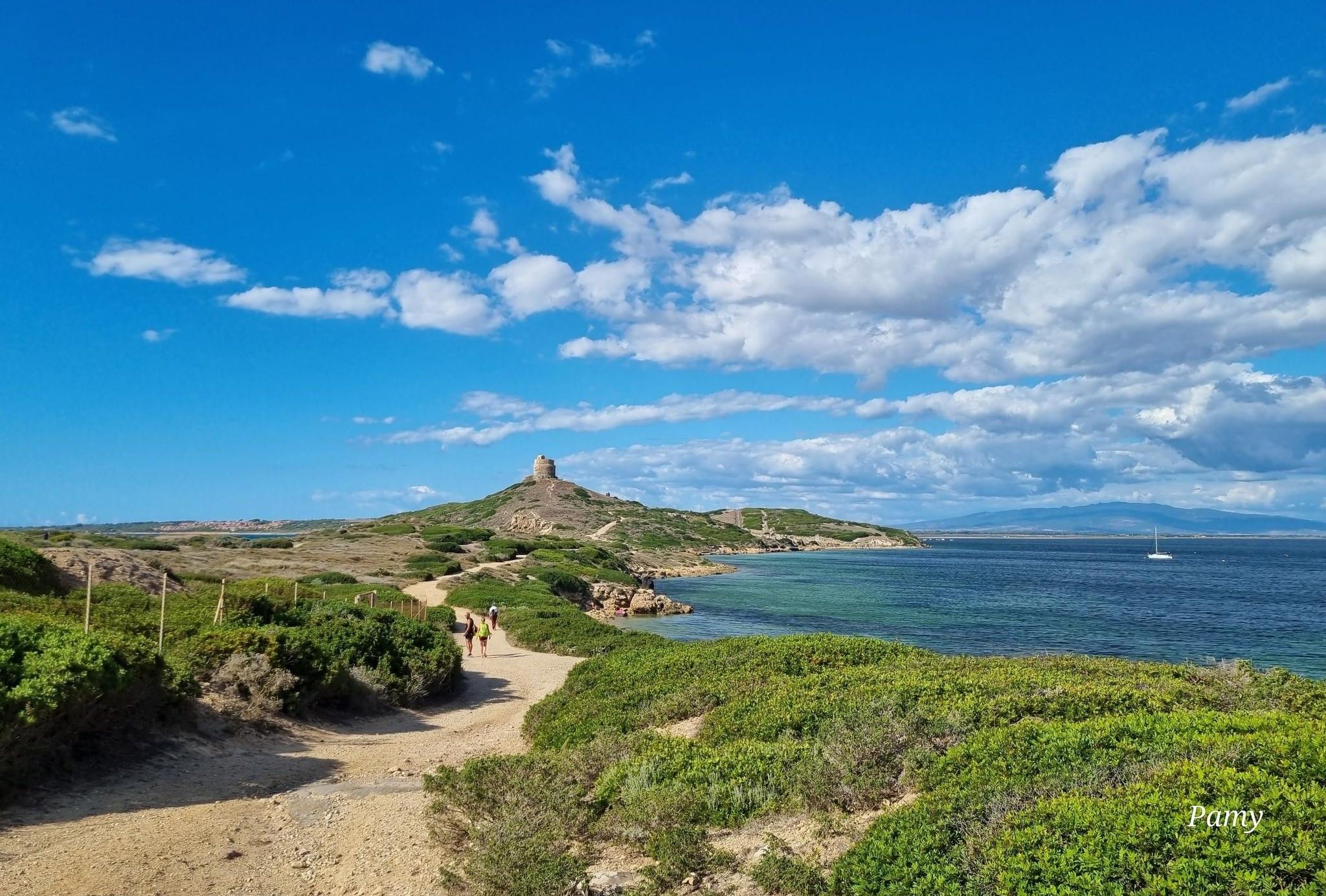
- The most popular attractions is St. John's Tower, a man-made monument that was built between the 16th and 17th centuries. This defensive structure overlooks the archaeological area of Tharros and the Gulf of Oristano.
- Another must-see spot is Church of St. John of Sinis, a religious building. This ancient Catholic church, with parts dating back to the 6th century, is one of Sardinia's oldest Byzantine churches.
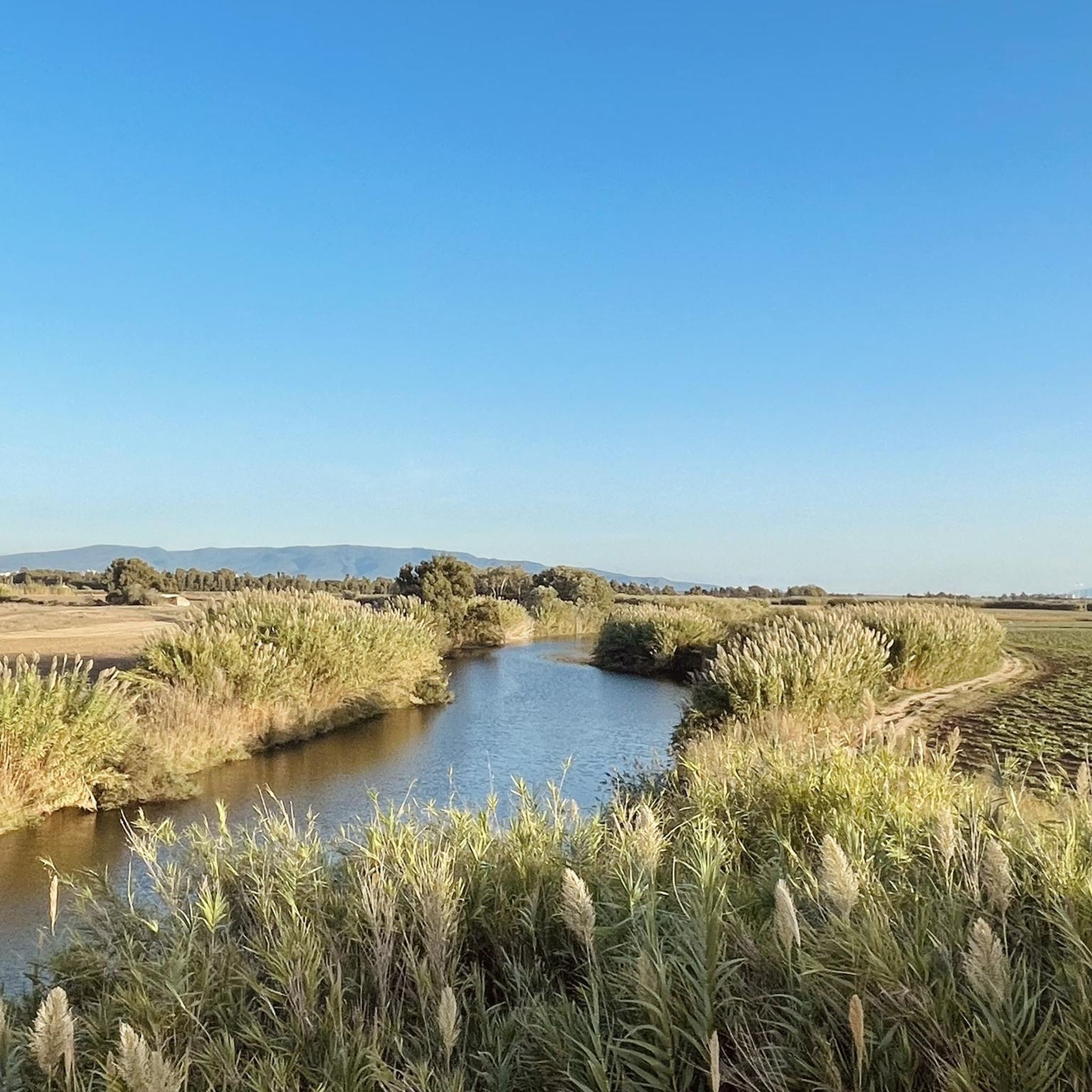
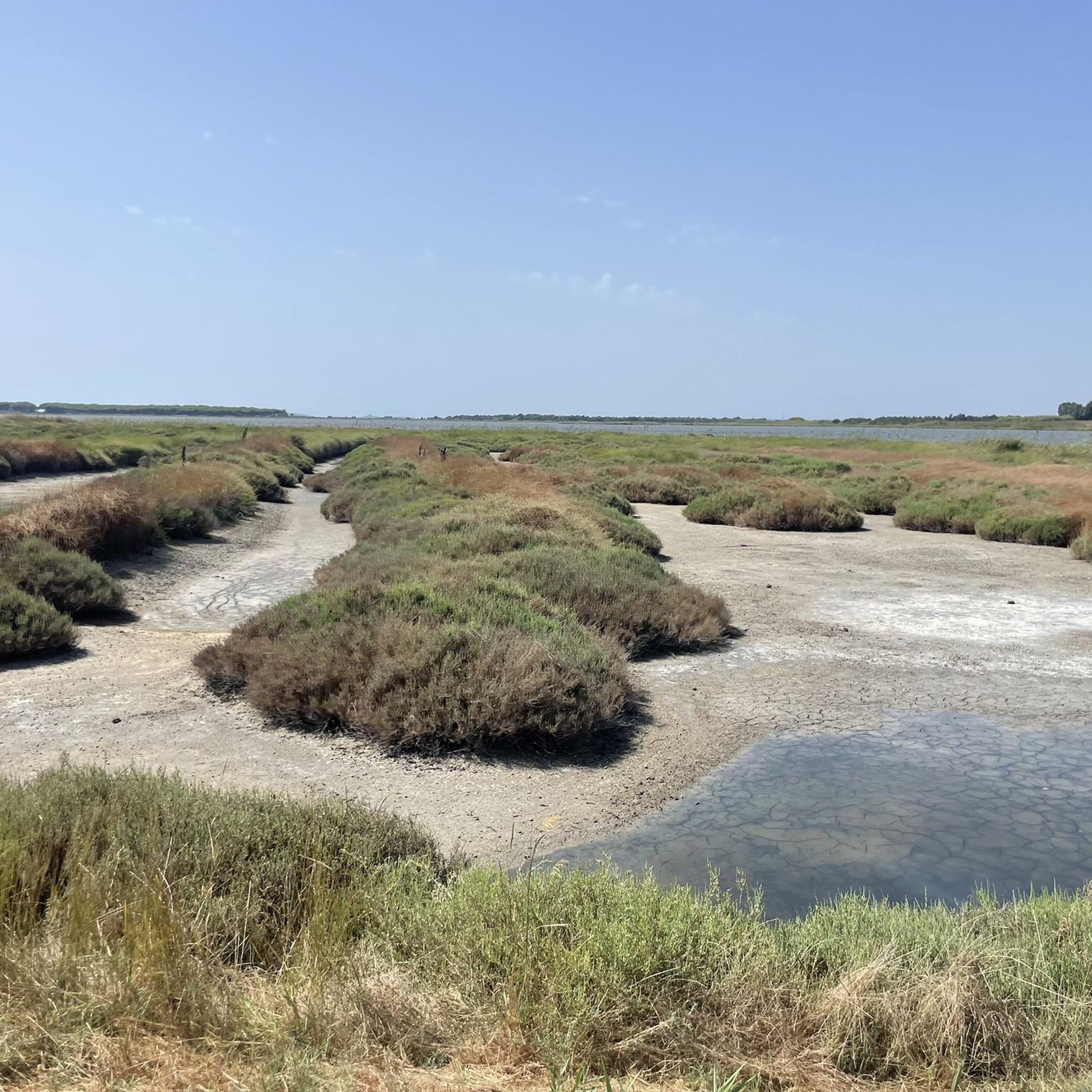
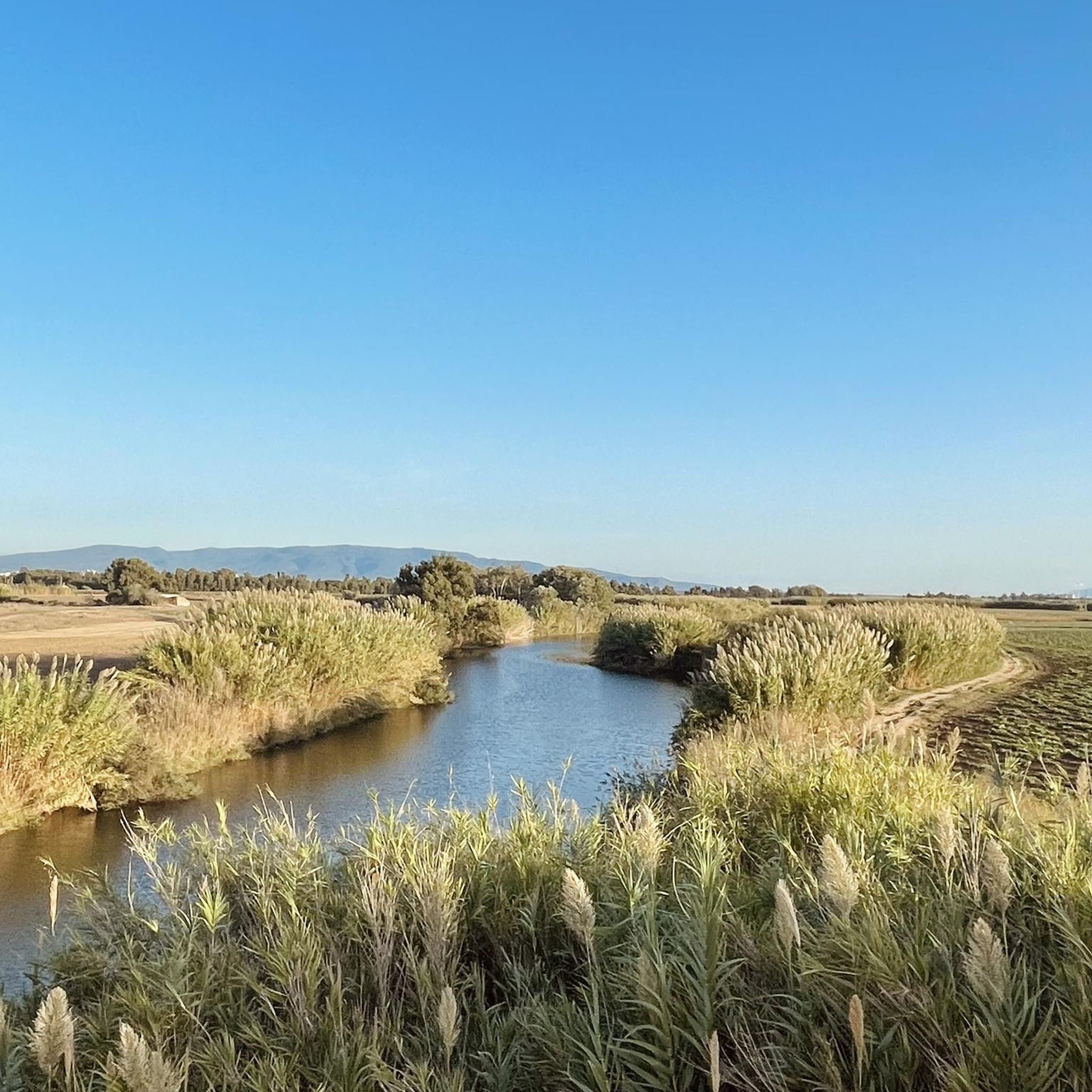
- Visitors also love The S'Ena Arrubia Pond, a lake. This wetland is a Site of Community Interest, known for its biodiversity and as a habitat for aquatic birds like the pink flamingo.
- Aristanis/Oristano is known for ancient archaeological sites, unique quartz beaches, and significant wetlands. The region offers a variety of historical landmarks, natural features, and cultural experiences to explore.
- The attractions around Aristanis/Oristano are appreciated by the komoot community, with 94 upvotes and 30 photos shared.
Last updated: October 9, 2026
Tower of Saint John of Sinis
Highlight • Monument
Translated by Google •
Tip by

St. John's Tower
Highlight • Monument
Translated by Google •
Tip by

Sign up now to discover places like this
Get recommendations on the best single tracks, peaks, & plenty of other exciting outdoor places.
Tharros Archaeological Site and Tower of San Giovanni di Sinis
Highlight • Historical Site
Translated by Google •
Tip by
Church of St. John of Sinis
Highlight • Religious Site
Translated by Google •
Tip by

Capo San Marco Lighthouse
Highlight • Monument
Translated by Google •
Tip by

Sign up for free to discover even more attractions around Aristanis/Oristano.
Already have an account?
Start today with a free account
Your next adventure awaits.
Popular around Aristanis/Oristano
Other adventures around Aristanis/Oristano

Tips from the Community

the 2 seas of the Tharros peninsula
0
0

The first 9 km are a bit boring, but the rest is fun and technical.
0
0

The archaeological area of Tharros represents one of the most precious testimonies of ancient Sardinian history. Among the necropolises and Nuragic, Phoenician and Punic remains, the tower of San Giovanni stands out. This coastal tower, built between the 16th and 17th centuries, was built to defend the coast from the incursions of pirates and Barbary corsairs.
2
0
The lighthouse of Capo San Marco stands majestically on the tip of the Sinis promontory, overlooking the ancient ruins of Tharros. Still in operation, the lighthouse and its surroundings were the setting for the film "A Small Southern Business" by Rocco Papaleo. From this elevated position, the views are enchanting and breathtaking.
1
0

Very simple inside, but nonetheless very impressive. The thick walls tell of a long history.
1
0

The early Christian Chiesa di San Giovanni di Sinis was built in the area of a Punic necropolis. The Romanesque - Byzantine three-aisled building with a central dome over the transept has its origins in the 6th century and was renovated in the X./XI. Its current form in the 19th century makes it one of the oldest places of worship in Sardinia. The building was restored in 2010/12.
1
0
The Capo San Marco Lighthouse is an active lighthouse located on the Capo San Marco promontory at the tip of the Sinis Peninsula overlooking the ruins below Tharros. The structure is located in the municipality of Cabras, in the west of the island on the sea of Sardinia.
2
0
The tower is located on the Sinis peninsula on the west coast of Sardinia in the province of OristanoSan Giovanni di Sinis is a small town.
1
1
Frequently Asked Questions
What historical and archaeological sites can I explore around Aristanis/Oristano?
The region is rich in history. You can visit the ancient Phoenician-Roman city of Tharros Archaeological Site, which includes the St. John's Tower and the ancient Church of St. John of Sinis. Other significant sites include the Nuraghe Losa in Abbasanta, the Fordongianus Roman Archaeological Site with its ancient baths, and the sacred Well of Santa Cristina, a Nuragic site.
Where can I find unique beaches in the Aristanis/Oristano area?
The Sinis Peninsula is home to several distinctive beaches. Is Arutas is famous for its 'rice grain' quartz pebbles. Other beautiful quartz beaches include Mari Ermi and Maimoni Beach. For a more romantic setting, visit San Giovanni di Sinis Beach.
Are there family-friendly attractions in Aristanis/Oristano?
Yes, many attractions are suitable for families. The unique quartz beaches like Is Arutas are great for children. Exploring the Tharros Archaeological Site can be an engaging educational experience, and the Church of St. John of Sinis is also considered family-friendly. The Antiquarium Arborense Museum and the Archaeological Museum of Cabras, where you can see the Giants of Mont'e Prama, offer fascinating insights into ancient history for all ages.
What natural features and viewpoints should I visit?
The Sinis Peninsula offers incredible landscapes and wildlife. Don't miss the picturesque rocky arch of S'Archittu. For panoramic views, head to Capo San Marco. The St. John's Tower also provides excellent vistas over the archaeological area and the Gulf of Oristano.
What outdoor activities can I do near these attractions?
The region is excellent for outdoor enthusiasts. You can enjoy cycling on the relatively flat plains around Oristano and Cabras, with routes like the 'Stagno di Cabras Loop' or the 'Tharros Archaeological Site – White Road to Is Arutas loop'. For hiking, explore trails like 'The center of Oristano' or 'Torre Grande loop'. Find more options in the Cycling around Aristanis/Oristano and Hiking around Aristanis/Oristano guides.
Where can I go birdwatching in the Aristanis/Oristano area?
The region is a paradise for birdwatchers, especially for spotting flamingos. The Stagno di Cabras (Cabras Pond) and The S'Ena Arrubia Pond are significant wetlands vital for biodiversity, hosting pink flamingos, sultana hens, and various other aquatic birds.
What is the best time of year to visit Aristanis/Oristano?
Oristano offers attractions year-round. For pleasant weather ideal for exploring archaeological sites and beaches, spring (April-May) and early autumn (September-October) are excellent. If you wish to experience the unique Sartiglia Festival, plan your visit for February or early March.
Are there any unique cultural experiences or events in Oristano?
Yes, if you visit in late winter, you might witness the breathtaking Sartiglia Festival, a medieval jousting tournament that transforms the city. Additionally, wandering through Oristano's historic center, with its narrow streets, artisan shops, and local cafes, offers a charming cultural experience.
What museums are available to learn about the region's history and art?
The Antiquarium Arborense Museum in Oristano is the most important, showcasing archaeological finds from Tharros and the Nuragic period. The Archaeological Museum of Cabras displays the impressive Giants of Mont'e Prama statues. You can also visit the Carlo Contini Art Gallery for Sardinian art and the Diocese Museum for religious treasures.
Can I find less crowded beaches in the Oristano region?
While popular, beaches like Mari Ermi and Maimoni, with their unique quartz sands, tend to be less crowded than some of Sardinia's more famous coastal spots, especially outside of peak summer months. The Sinis Peninsula generally offers a more tranquil beach experience.
What local delicacies should I try in Oristano?
When in Oristano, be sure to taste local specialties such as Bottarga (cured fish roe), often referred to as 'Sardinian caviar,' and Vernaccia wine, a distinctive regional white wine.
Are there any natural parks or reserves nearby for nature lovers?
Absolutely. Monte Arci Natural Park, a few miles from Oristano, is recommended for nature lovers and walks. Further east, the Giara Natural Reserve is home to the last wild horses in Europe, known as Sardinian Giara horses, offering a unique wildlife viewing opportunity.
Most popular routes around Aristanis/Oristano
Most popular attractions around Aristanis/Oristano

Get inspired with the komoot mobile app


Explore more
Still not found the Highlight you’re looking for? See guides of the top attractions in other regions:
