Attractions and Places To See around Fucecchio - Top 20
Best attractions and places to see around Fucecchio include a blend of historical landmarks, cultural sites, and significant natural areas. Located in the Metropolitan City of Florence, Tuscany, the town offers insights into medieval heritage and Renaissance history. The region is characterized by its historic structures and the extensive Fucecchio Marsh, Italy's largest inland marsh. Visitors can explore a variety of sites that reflect both human history and natural biodiversity.
Best attractions and places to see around Fucecchio
- The most…
Last updated: October 10, 2026
The Witches' Oak
Highlight • Natural Monument
Showing Translation
Tip by

Vitruvian Man Sculpture, Vinci
Highlight • Monument
Translated by Google •
Tip by

Sign up now to discover places like this
Get recommendations on the best single tracks, peaks, & plenty of other exciting outdoor places.
Leonardo da Vinci's Birthplace (Casa Natale di Leonardo)
Highlight • Historical Site
Interesting exhibitions, you shouldn't let yourself go.
Translated by Google •
Tip by

Medici Bridge at Ponte a Cappiano
Highlight • Bridge
The Medici Bridge of Cappiano on the Usciana canal, emissary of the Fucecchio Marshes, had in the past an …
Translated by Google •
Tip by
Leonardo Museum in Vinci
Highlight • Historical Site
Translated by Google •
Tip by

Sign up for free to discover even more attractions around Fucecchio.
Already have an account?
Start today with a free account
Your next adventure awaits.
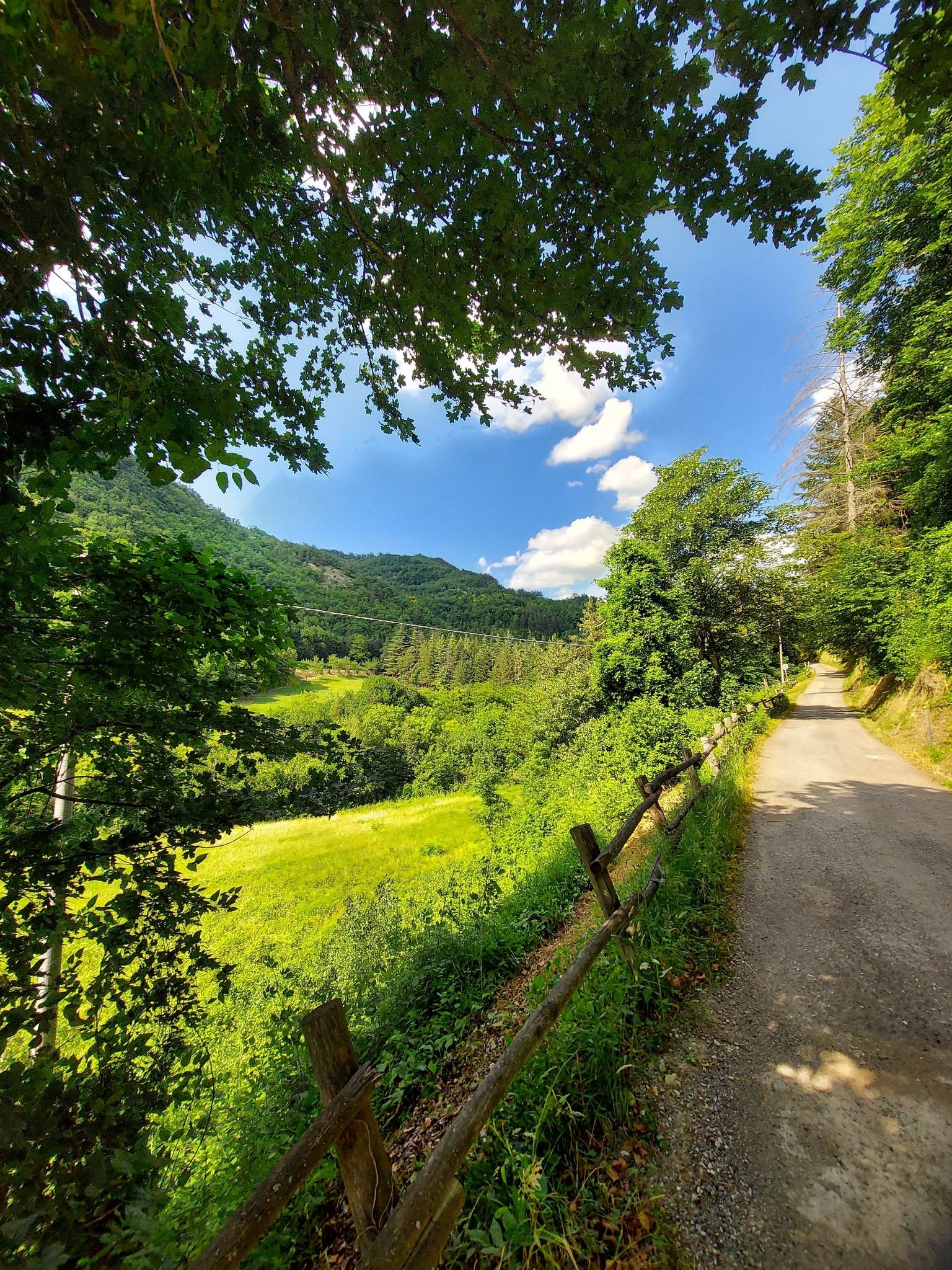
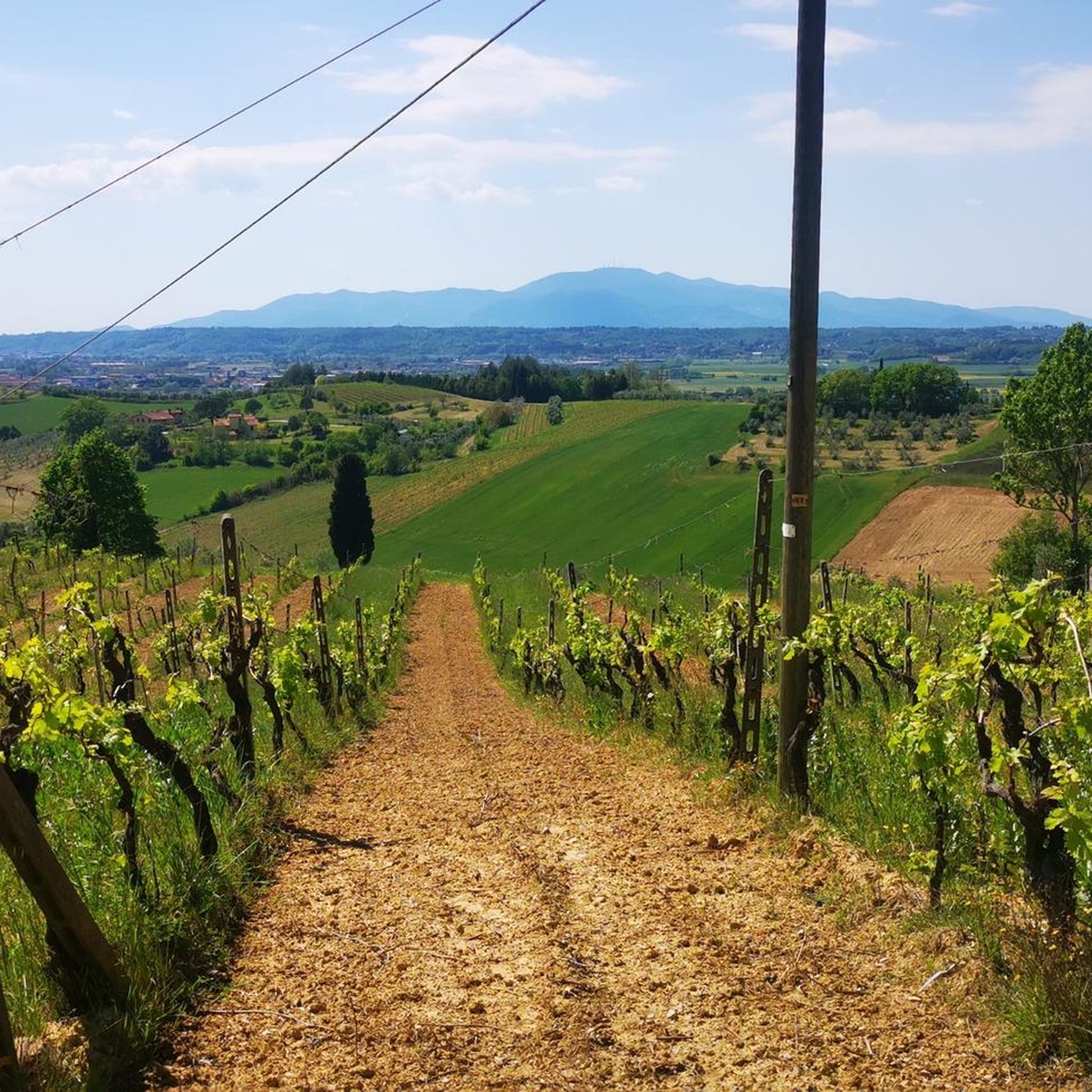
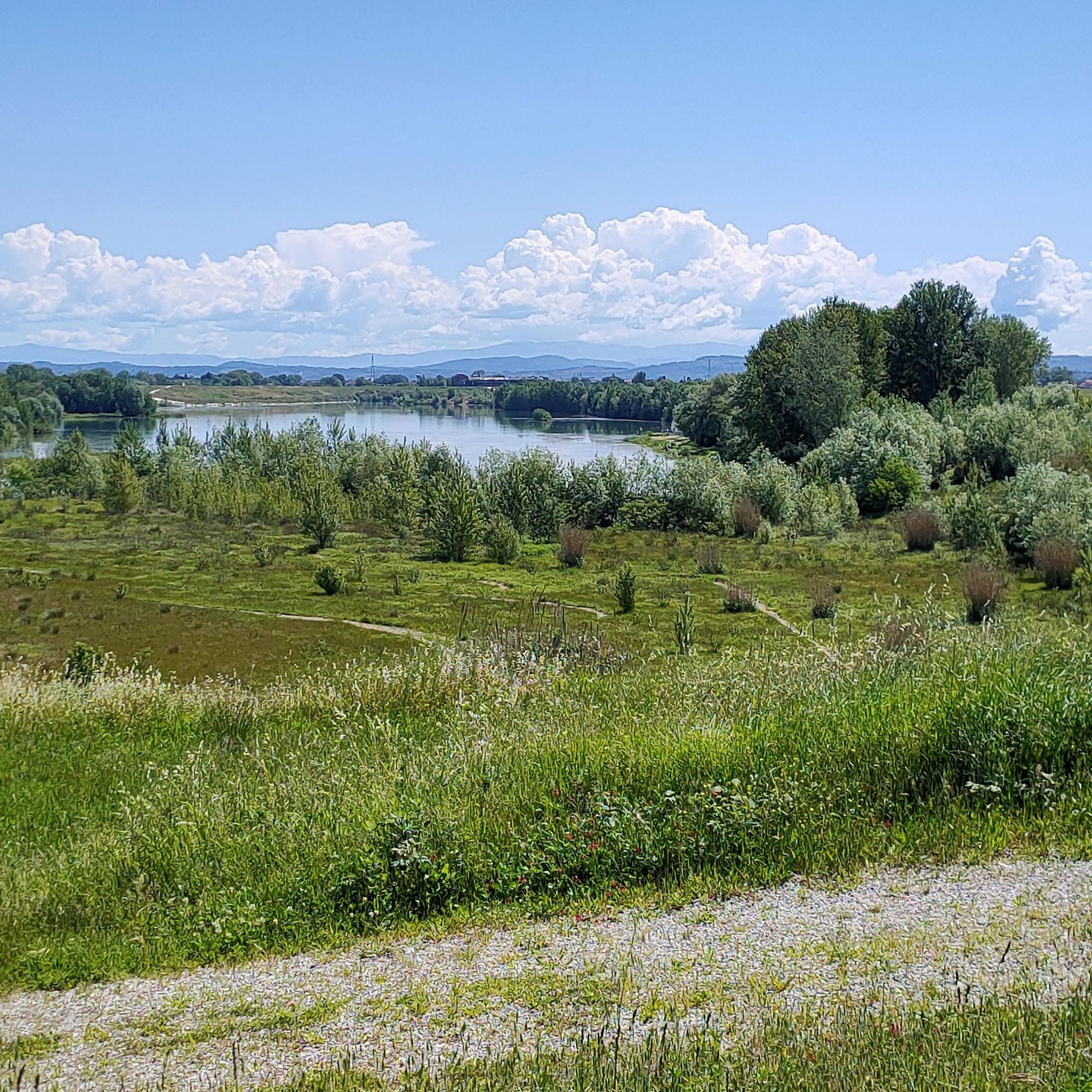
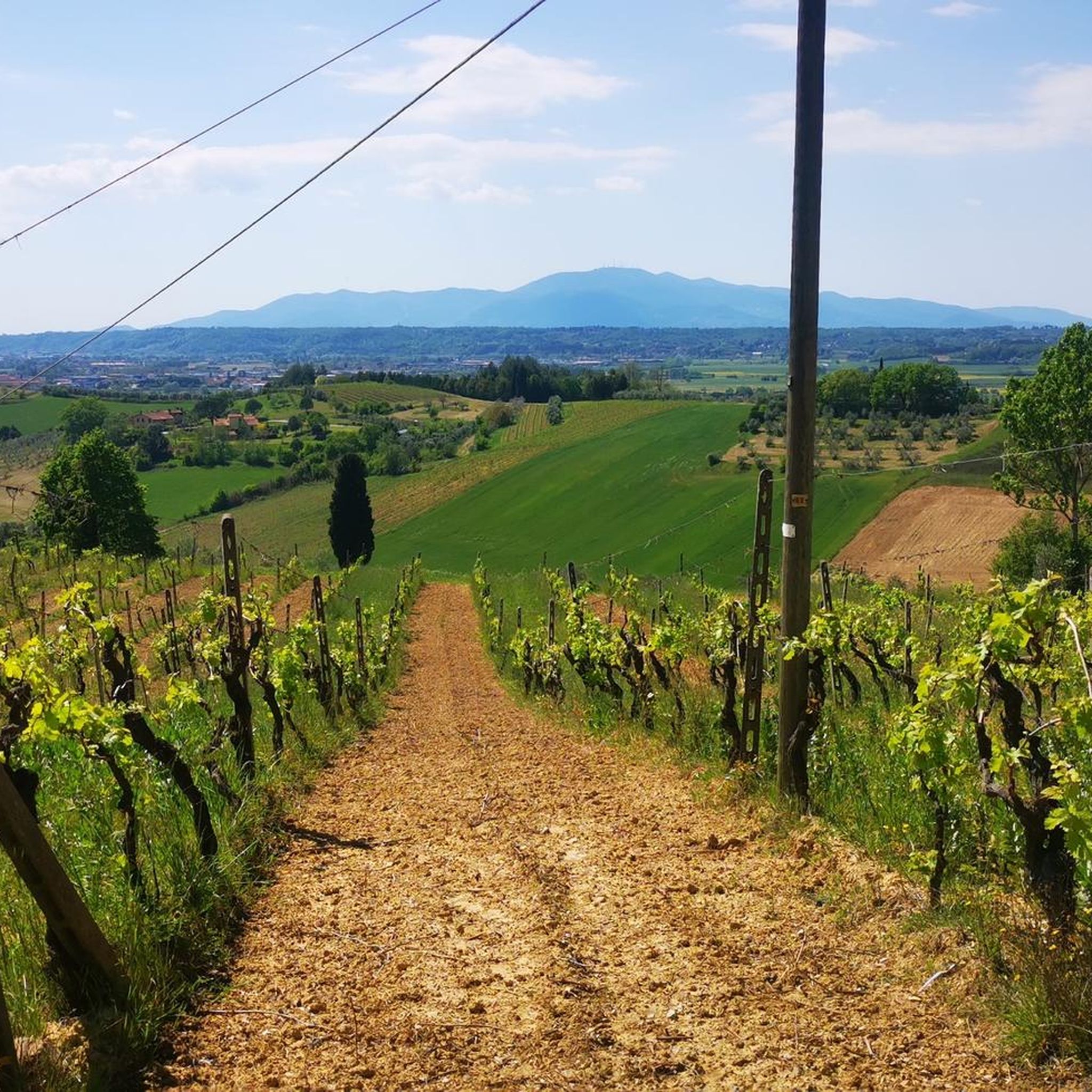

Other adventures around Fucecchio

Tips from the Community

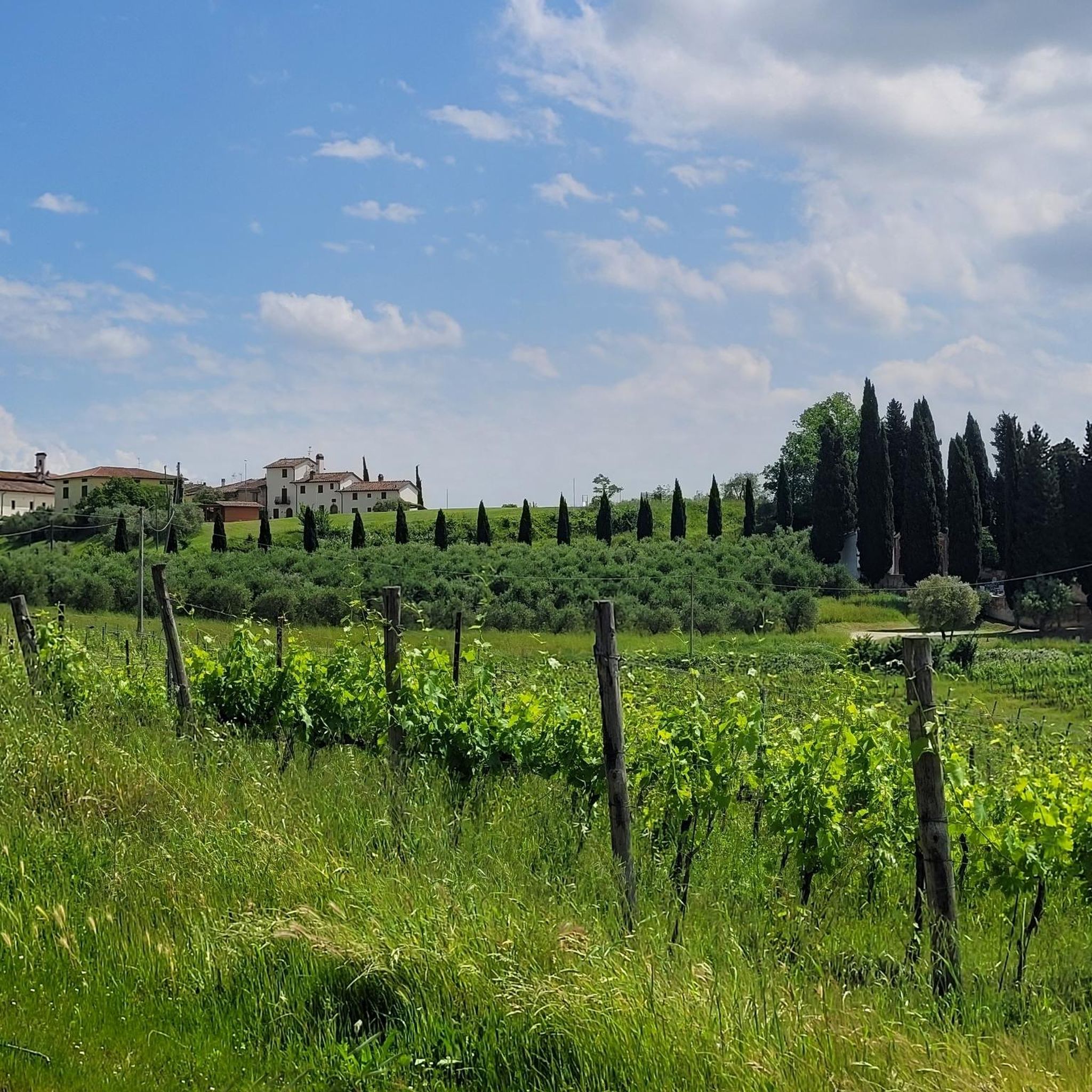
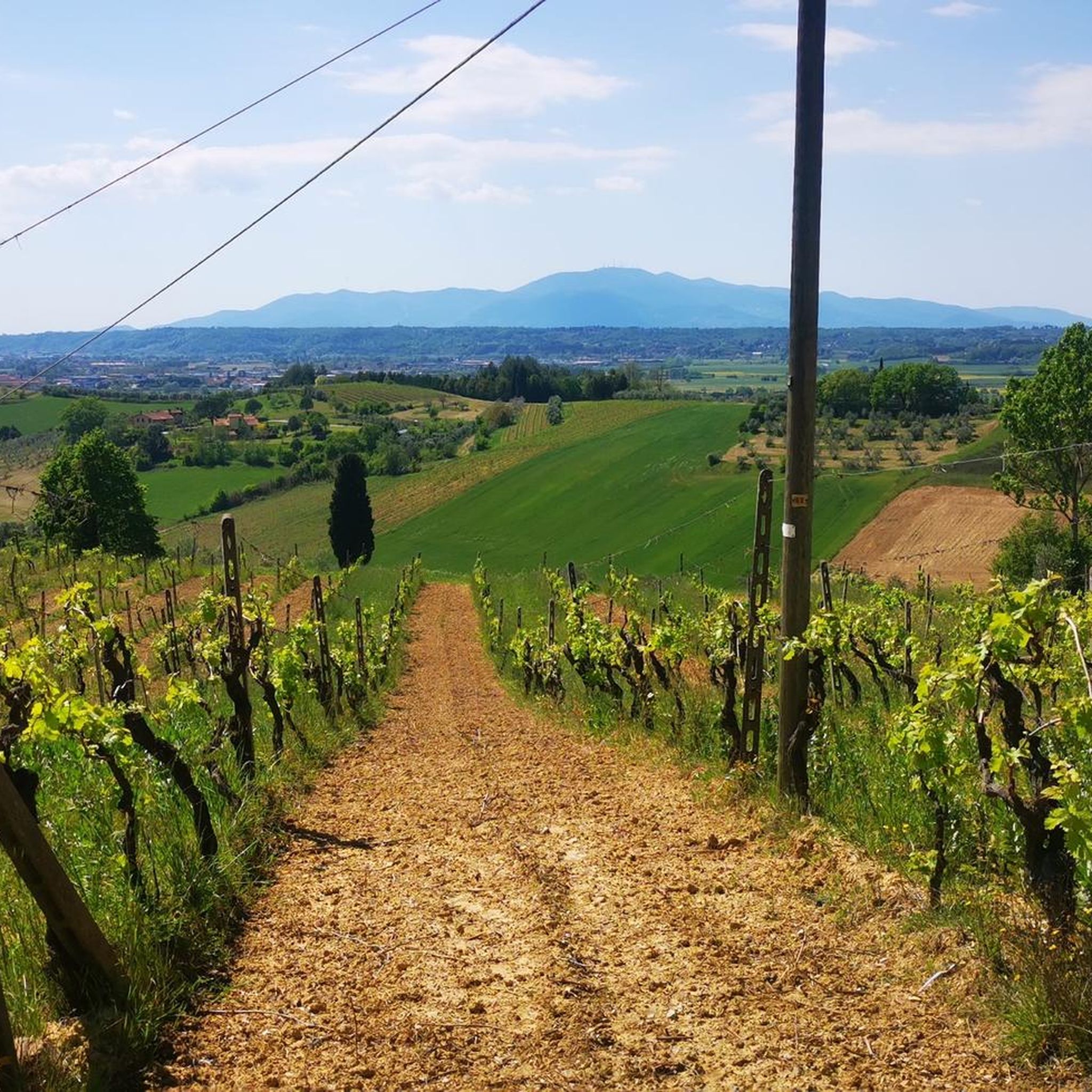
Vinci is an Italian municipality of about 14,500 inhabitants located in the metropolitan city of Florence, in Tuscany. The village is world-famous for being the birthplace of Leonardo da Vinci, the undisputed genius of the Renaissance. The town develops as a true open-air museum dedicated to the scientist and artist, nestled among the hills of Montalbano, amidst centuries-old olive groves and vineyards.
0
0

Rest stop along the Via Francigena
2
0

Piazza dei Guidi, designed by Mimmo Paladino in 2006, reorganizes the urban space with stone slabs arranged in a geometric grid. The surfaces are engraved with motifs typical of his artistic universe, recalling symbols and archetypes. The work seeks to create a dialogue between contemporary and traditional, transforming the square into a place of reflection and encounter, where everyday space also becomes an aesthetic experience.
1
0
The Castle of the Guidi Counts has dominated Vinci since the Middle Ages. With its walls and stone tower, it retains traces of its defensive history and today houses the Leonardo Museum, with models of Leonardo's machines and studies.
0
0
In Piazza Guido Masi, beneath Vinci Castle, stands a wooden sculpture depicting the Vitruvian Man in three dimensions. It was created by Mario Ceroli in 1967, titled Squilibrio (Imbalance), and donated to the Municipality twenty years later. The work does not faithfully reproduce Leonardo's drawing: the figure is inserted into a cube and a sphere, but the proportions are not perfect. Ceroli thus sought to evoke the gap between the ideal harmony of the Renaissance and the uncertainty of the contemporary world.
1
0

Impressive place and beautiful hike from the city of Vinci along the "Strada Verde" hiking trail.
1
0

It's very beautiful here.
0
0
You have to have been there at least once.
2
0
Frequently Asked Questions
What historical sites can I visit in Fucecchio?
Fucecchio is rich in history. You can explore the Collegiate Church of San Giovanni Battista, an 11th-century structure with Neo-Classicist elements, or the Abbey of San Salvatore, founded in 1001. The Medici Bridge at Ponte a Cappiano is another significant historical landmark, crucial to the ancient Via Francigena. Additionally, the Palazzo Corsini, which houses the Fucecchio Museum, offers a deep dive into the town's past.
Are there any significant natural attractions in the Fucecchio area?
Absolutely. The most prominent natural attraction is the Fucecchio Marsh (Padule di Fucecchio), Italy's largest inland marsh. It's a paradise for birdwatchers, home to over 200 species of birds, and offers a network of paths for hiking and bike tours. Another unique natural monument is The Witches' Oak, a majestic 700-year-old oak tree with wide branches.
Can I find family-friendly attractions around Fucecchio?
Yes, several attractions are suitable for families. Leonardo da Vinci's Birthplace (Casa Natale di Leonardo) offers interesting exhibitions that can engage children and adults alike. The Witches' Oak is also a fascinating natural monument for all ages. The Fucecchio Marsh provides opportunities for easy walks and birdwatching, which can be enjoyable for families.
What kind of outdoor activities, like hiking or cycling, are available near Fucecchio?
Fucecchio is an excellent base for outdoor activities. You can find numerous hiking trails, such as the 'Panoramic Cypress-Lined Path loop from Fucecchio' or 'Reflections in the Marsh Pools loop from Fucecchio'. For cyclists, there are routes like the 'Panoramic Terrace of Montaione loop' or the 'Arno Cycle Path'. Gravel biking options are also available, including challenging routes like 'View of the Calanchi di Toiano'. You can explore more options on the dedicated guides for hiking, cycling, and gravel biking around Fucecchio.
Where can I learn more about Leonardo da Vinci near Fucecchio?
You can visit Leonardo da Vinci's Birthplace (Casa Natale di Leonardo) in Anchiano, a short distance from Fucecchio. This site offers exhibitions about his life and work. Additionally, the Leonardo Museum in Vinci, located in his hometown, showcases models and machinery based on his technical sketches and inventions.
What is the Fucecchio Marsh known for?
The Fucecchio Marsh (Padule di Fucecchio) is renowned as Italy's largest inland marsh and a significant natural treasure. It's particularly famous for its exceptional biodiversity, especially as the most important heron reproduction zone in central and southern Italy. It hosts over 200 species of birds, including cranes and black storks, making it a prime destination for birdwatching. The marsh also features a rich variety of plant life and a unique micro-climate.
Are there any viewpoints offering scenic views in the Fucecchio area?
Yes, for scenic views, you can visit the Poggio Salamartano, a panoramic square located between the Collegiate Church and the Abbey. It offers expansive views of the valley. Many of the hiking and cycling routes in the surrounding hills also provide beautiful vistas of the Tuscan landscape.
What is the best time of year to visit Fucecchio for outdoor activities?
The spring and autumn months are generally ideal for outdoor activities in Fucecchio. During these seasons, the weather is pleasant for hiking, cycling, and exploring the marsh without the intense heat of summer. Spring brings blooming flora to the marsh, while autumn offers comfortable temperatures and beautiful fall colors.
What cultural institutions are there in Fucecchio?
Fucecchio boasts several cultural institutions. The Fucecchio Museum (Civic and Diocesan Museum), located within Palazzo Corsini, offers a comprehensive journey through the town's history, art, and nature, including archaeological findings and sacred art. The Palazzo Montanelli Della Volta and the Montanelli Bassi Foundation are dedicated to preserving the memory and work of the renowned journalist Indro Montanelli, a native of Fucecchio.
What is the historical significance of the Medici Bridge at Ponte a Cappiano?
The Medici Bridge at Ponte a Cappiano holds significant historical importance. It was a crucial strategic crossing point along the River Usciana and played a vital role in the ancient Via Francigena, an important medieval pilgrimage route. Originally administered by the Knights Hospitaller, its current elaborate form was built in the 16th century by Cosimo I de' Medici, and it once served as a hospice for pilgrims.
What do visitors particularly enjoy about the attractions around Fucecchio?
Visitors frequently appreciate the blend of history and nature. For instance, the Witches' Oak is often described as a 'fantastic day nice place to see' and a 'beautiful 700 year old oak'. The historical sites, like Leonardo da Vinci's Birthplace, are valued for their 'interesting exhibitions'. The overall appeal lies in the opportunity to immerse oneself in both the rich heritage and the unique natural environment of Tuscany.
Are there any accessible attractions in Fucecchio?
Yes, some attractions offer accessibility. Leonardo da Vinci's Birthplace (Casa Natale di Leonardo) is noted as wheelchair accessible, making it an option for visitors with mobility needs. When planning your visit, it's always advisable to check specific accessibility details for other sites directly.
Most popular routes around Fucecchio
Most popular attractions around Fucecchio

Get inspired with the komoot mobile app


Explore more
Still not found the Highlight you’re looking for? See guides of the top attractions in other regions:
