Attractions and Places To See around Dicomano - Top 20
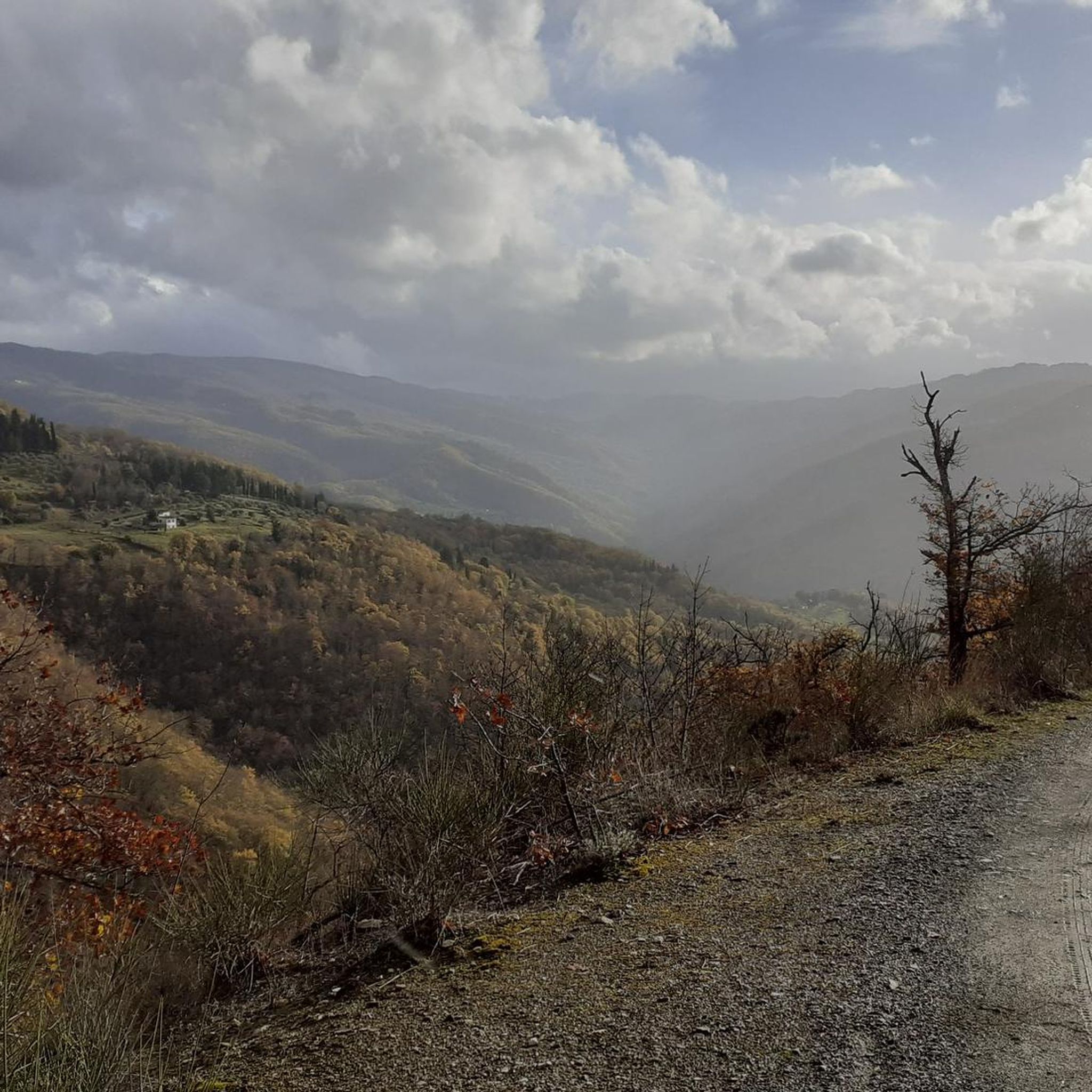
Best attractions and places to see around Dicomano, a town in Tuscany, are found at the crossroads of the Mugello, Casentino, and Valdisieve valleys. This region features a blend of historical, cultural, and natural attractions, reflecting its significance since Etruscan and Roman times. The landscape is characterized by hills, mountains, and rivers, offering diverse natural settings.
Best attractions and places to see around Dicomano
- The most popular attractions is View of Acquacheta Waterfall, a waterfall that features a drop of over 70 meters. The waters descend and branch out onto a rocky outcrop with stratified steps.
- Another must-see spot is Mount Falco, a summit known as the "Roof of the Casentinesi Forests." At 1,658 meters, it is the highest peak in the Tuscan-Romagnolo Apennines.
- Visitors also love Sanctuary of Our Lady of the Rock, a Marian shrine dating back to the 15th century. It was built on the site of a pre-existing medieval monastic oratory and offers panoramic views of the valley.
- Dicomano is known for its waterfalls, mountain summits, and historical religious sites. The area offers a variety of natural and cultural attractions to see and explore.
- The attractions around Dicomano are appreciated by the komoot community, with more than 245 upvotes and 196 photos shared.
Last updated: August 16, 2026
View of Acquacheta Waterfall
Highlight • Waterfall
The evocative beauty of the Acquacheta waterfall is due to the spectacular drop and the particular arrangement of the waters, which descend and branch out onto an imposing rocky outcrop with stratified steps with a succession of small waterfalls and steep slides.
Even the Lavane waterfall which is located immediately after 100 meters from the Acquacheta waterfall is an evocative sight: the water falls, flowing swooping down a smooth rock face, into an almost circular body of water, very deep and colorful bright green, bordered by rocks creating a spectacular natural swimming pool.
Translated by Google •
Tip by

Mount Falco
Highlight • Summit
Translated by Google •
Tip by

Sign up now to discover places like this
Get recommendations on the best single tracks, peaks, & plenty of other exciting outdoor places.
Sign up for free
Burraia Meadows
Highlight • Viewpoint
Translated by Google •
Tip by

Sanctuary of Our Lady of the Rock
Highlight • Religious Site
It was later expanded in subsequent centuries, reaching its current 19th-century structure.
Beautiful view of the valley below.
Translated by Google •
Tip by

Arno Source (Capo d'Arno)
Highlight • River
Translated by Google •
Tip by

Sign up for free to discover even more attractions around Dicomano.
Sign up for free
Already have an account?
Start today with a free account
Your next adventure awaits.
Login or Signup

Tips from the Community

If you want to get there with your gravel bike, the last section get off the bike and push it!
0
0

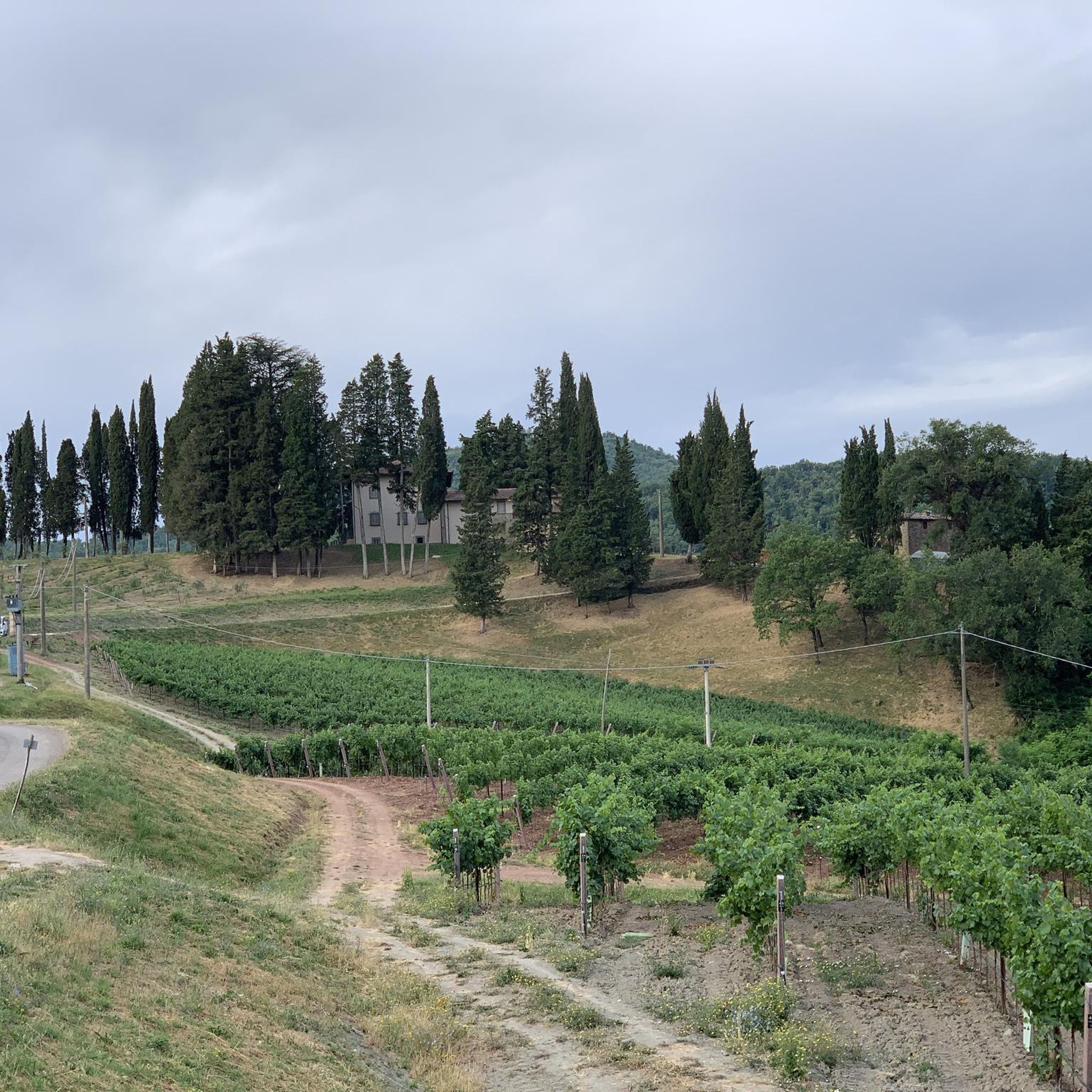
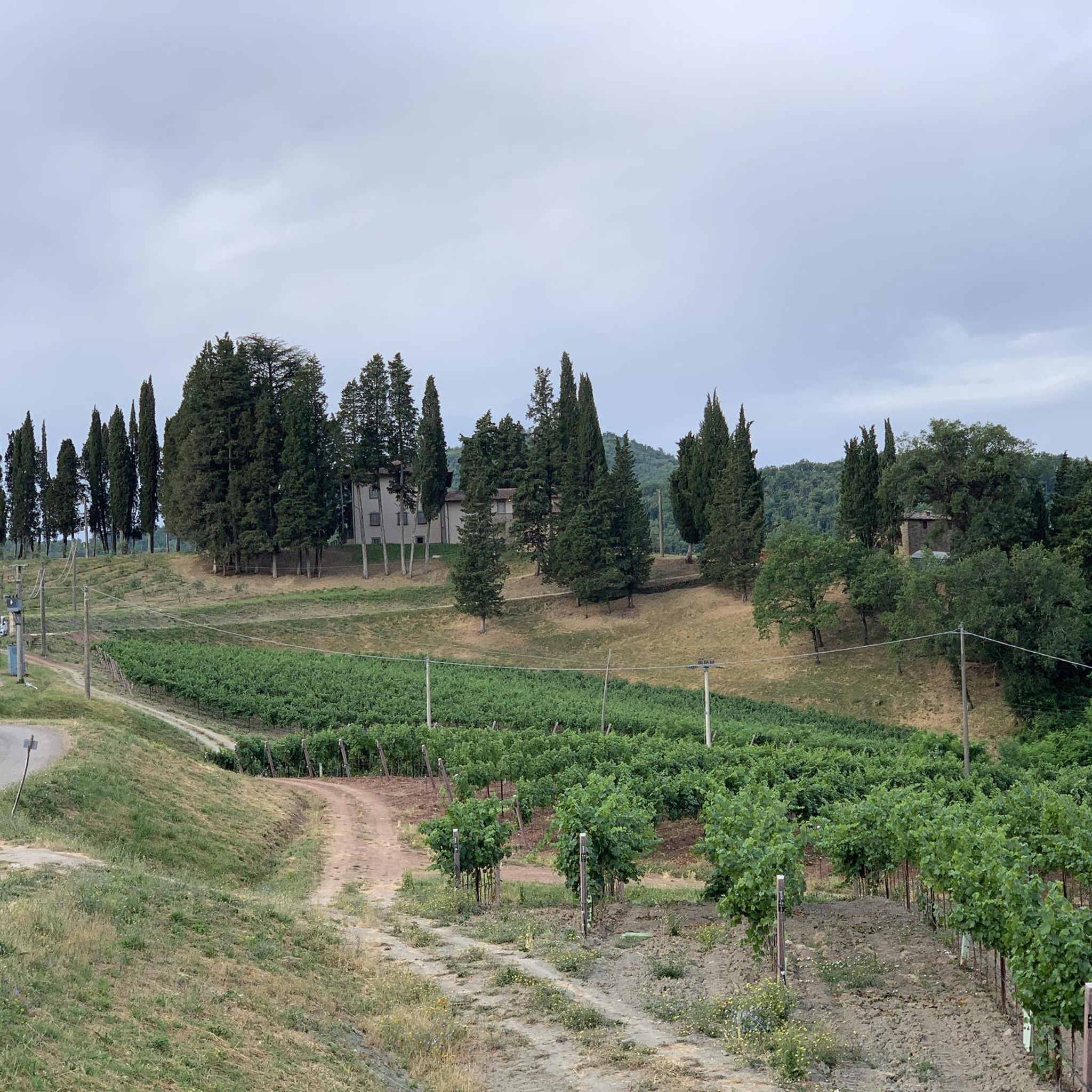
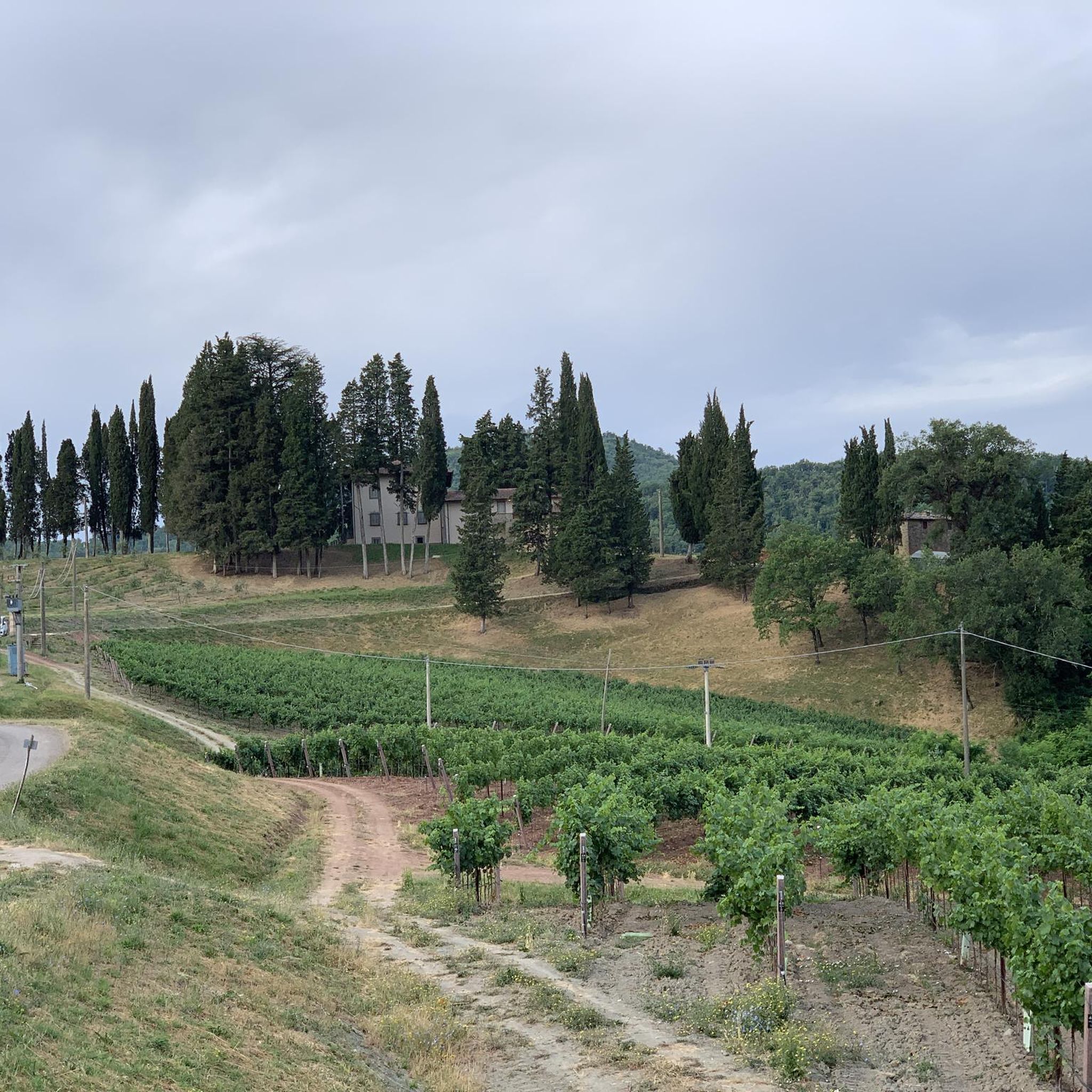
Marian shrine dating back to the 15th century, built on the site of a pre-existing medieval monastic oratory from the 10th/11th centuries. It was later expanded in subsequent centuries, reaching its current 19th-century structure. Beautiful view of the valley below.
11
0
Among the sources of Italy's major rivers, I missed visiting the Po, the Arno, and the Tiber at the beginning of the year. Given that I've reached the source of the Po (Pian del Re at Monviso) and, now, the Arno, to complete the whole thing, all I need now is the Tiber. (Ticino: Novena Pass (CH); Adda: Alpisella Valley; Brembo: Diavolo di Tenda Pass; Serio: Monte Torena; Adige: Resia Pass; Dora Baltea: Ferret Valley; Dora Riparia: Monginevro Pass; Piave: Monte Peralba; Oglio: Ponte di Legno through the confluence of the Oglio Frigidolfo from Gavia Pass and the Oglio Narcanello from the Mandrone Glacier) God willing, and if my health continues to hold out, we'll see if we can reach that one too next year. A difficult sentence to give!
9
0

The spring itself is not spectacular, but the route here (from the south) is very varied.
1
0

A particularly beautiful destination in winter 🥰
1
0

April is a great time to see the crocuses in bloom.
0
0

With a steep climb you quickly reach this beautiful sanctuary located in a panoramic position over the Sieve valley. The Sanctuary of Santa Maria delle Grazie al Sasso is part of the Parish of Lubaco - Diocese of Fiesole - and is located above the town of S. Brigida, Municipality of Pontassieve. On 2 July 1484 the Madonna appeared with Baby Jesus in the arms of two little sisters named Ricovera, on the rock adjacent to a tabernacle near a hermit settlement (later incorporated into the Sanctuary), which was the refuge and oratory of Saint Andrew of Scotland (actually of Ireland, also called Andrea Scoto), brother of Saint Brigid of Ireland, the Saint who chose as a place of hermitage a cave not far away, about 2 km, where the town that will take the name of Santa Brigida will later arise. Between 1484 and 1485, the Madonna appeared several times to the Ricovera shepherdesses, asking that a church be built in that same place because, she told the two Ricovera shepherdesses: "Here I like to be venerated and from here to pour out graces on those who ask me for them". But it was the great apparition of the Madonna with the Baby Jesus in her arms in front of all the people, several hundred people who were gathered there to pray on 22 August 1485, that definitively resolved the doubts about the previous apparitions and gave the final push to the construction of the Sanctuary, which was completed in 1504. Between 1615 and 1675, the large portico facing the facades was also built, so that the numerous pilgrims could find refuge there in case of bad weather.
2
0

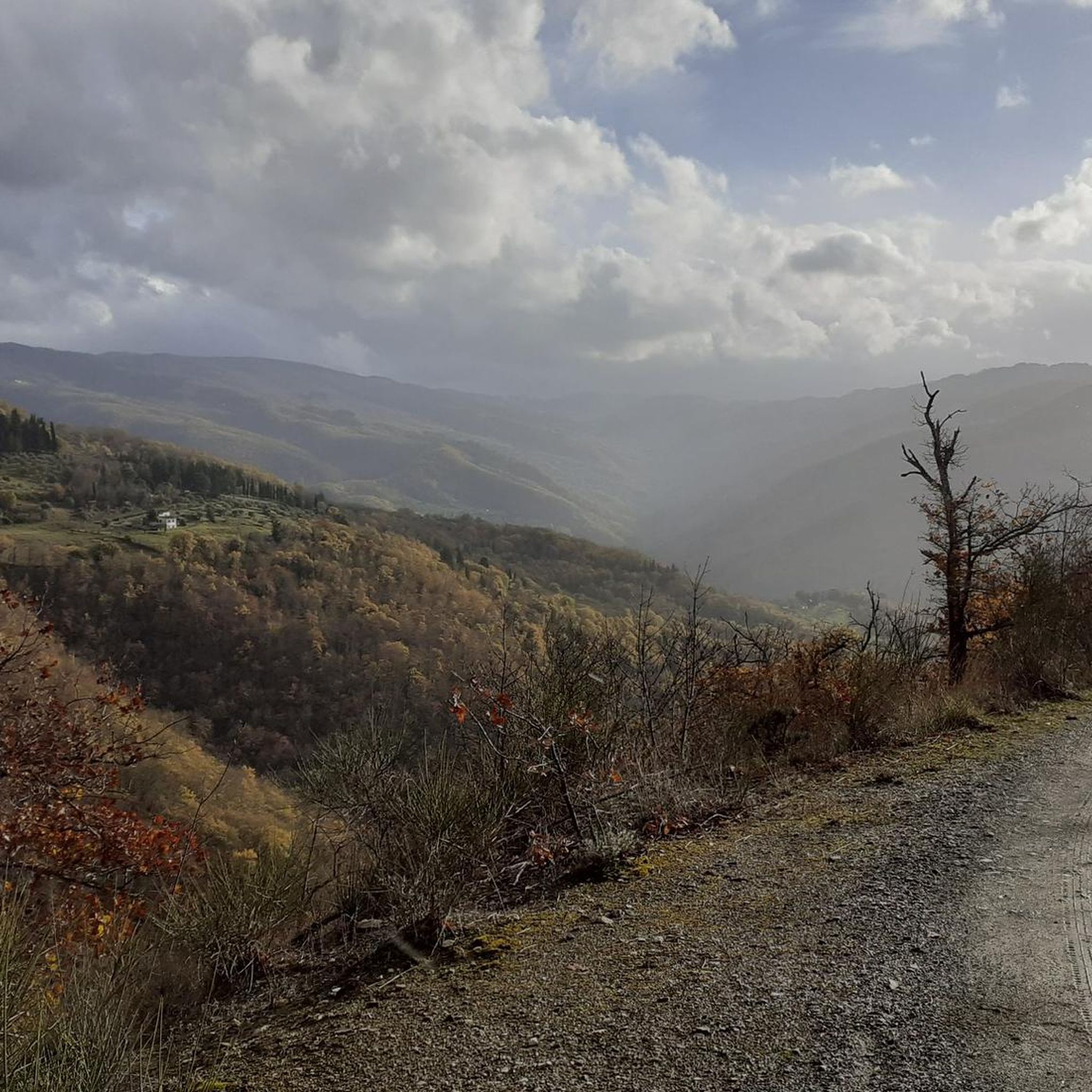
Mount Falco stands on the border between Arezzo and Florence and is also known as the "Roof of the Casentinesi Forests". With its 1,658 meters of altitude, it is the highest peak in the Tuscan-Romagnolo Apennines, exceeding the adjacent Mount Falterona by just four metres. To protect the alpine and subalpine vegetation present here, which is rare for these areas, an integral nature reserve has been established in this area.
3
0
Frequently Asked Questions
What are some notable historical and cultural sites to visit in Dicomano?
Dicomano offers a rich history. You can explore the ancient Pieve di Santa Maria, a 12th-century Romanesque church with significant artworks. The Oratorio di Sant'Onofrio showcases neoclassicism, while the Museo Archeologico Comprensiorale di Dicomano, located in the Town Hall, traces the region's history from prehistory to the Renaissance. Don't miss the Villa Pecori Giraldi, home to the Museo della Manifattura Chini, dedicated to the Chini family's ceramic work.
Are there any significant archaeological sites near Dicomano?
Yes, the Archaeological site of Frascole, located near Dicomano, features Etruscan remains from the 4th century B.C. Excavations have uncovered foundations of an ancient Romanesque church and an Etruscan defensive fortification. The site is open to the public upon request.
What natural attractions are there for outdoor enthusiasts around Dicomano?
The area boasts several natural highlights. You can visit the impressive View of Acquacheta Waterfall, known for its 70-meter drop and natural swimming areas. Explore Mount Falco, the highest peak in the Tuscan-Romagnolo Apennines, or Monte Falterona, famous as the source of the Arno River. The Burraia Meadows offer breathtaking views and are an important open ridge area within the national park.
What kind of outdoor activities can I do near Dicomano?
Dicomano is an excellent base for various outdoor activities. You can find numerous trails for mountain biking, cycling, and running. For specific routes, check out the MTB Trails around Dicomano, Cycling around Dicomano, and Running Trails around Dicomano guides.
Are there any family-friendly attractions or activities in Dicomano?
While specific family-friendly attractions are not detailed, the Museo Archeologico Comprensiorale di Dicomano includes educational rooms designed for younger visitors. Additionally, the Giardini Pubblici Dicomano in the town center provide a pleasant space for a stroll, and the natural areas like the Acquacheta Waterfall can be an exciting destination for families who enjoy nature.
What are the best places for panoramic views around Dicomano?
For stunning panoramic views, consider visiting the Sanctuary of Our Lady of the Rock, which offers beautiful vistas of the Sieve valley. Both Mount Falco and Monte Falterona provide breathtaking views of the surrounding valleys and mountains. The Burraia Meadows also offer expansive views, even reaching the sea on clear days.
Can I go hiking or walking in the Dicomano area?
Absolutely. The surrounding hills and mountains, including Mount Giovi, are ideal for walking and hiking. The Running Trails around Dicomano guide provides various routes, some suitable for walking. The Acquacheta Waterfall is also a popular destination for excursions.
What is the best time of year to visit Dicomano for outdoor activities?
Many natural attractions, like the Acquacheta Waterfall, are beautiful in every season, as the water flow varies. Monte Falterona is particularly recommended during the Fall Foliage period for its special colors. The Burraia Meadows are stunning in late spring with bright colors and equally evocative in winter under a blanket of snow.
Are there opportunities for cycling in the Dicomano region?
Yes, the Valle del Sieve is well-suited for cycling enthusiasts, offering scenic routes through Tuscany's rolling hills. You can find detailed cycling routes in the Cycling around Dicomano guide, which includes options like the Sieve Cycle Path.
What is the <a href="https://www.komoot.com/highlight/126043" target="_blank" rel="noopener">Sanctuary of Our Lady of the Rock</a>?
The Sanctuary of Our Lady of the Rock is a Marian shrine dating back to the 15th century, built on the site of a much older medieval monastic oratory. It's known for its historical significance, beautiful architecture, and panoramic views of the valley below.
What is the significance of the River Comano in Dicomano?
Dicomano is built along the banks of the Comano River, with the Ponte Vecchio connecting its two parts. Historically, the river was crucial for transporting wood, highlighting its importance to the town's development and economy.
What is the 'Roof of the Casentinesi Forests'?
The 'Roof of the Casentinesi Forests' refers to Mount Falco. At 1,658 meters, it is the highest peak in the Tuscan-Romagnolo Apennines and is part of an integral nature reserve established to protect its rare alpine and subalpine vegetation.
Most popular attractions around Dicomano

Get inspired with the komoot mobile app


Explore more
Still not found the Highlight you’re looking for? See guides of the top attractions in other regions:
