The 6 Most Amazing Peaks around Cusano Mutri
Best mountain peaks around Cusano Mutri are found within the Matese Mountains in the province of Benevento. This region offers access to several notable peaks known for their natural landscapes and hiking opportunities. The area is characterized by rugged terrain, extensive forests, and diverse natural features. Visitors can explore a variety of mountain environments, from high summits to karst plateaus.
Best mountain peaks around Cusano Mutri
- The most popular mountain peaks is La Gallinola Summit, a summit that is…
Last updated: July 1, 2026
La Gallinola Summit
Highlight • Summit
Translated by Google •
Tip by

Mount Mutria
Highlight • Summit
Translated by Google •
Tip by

Sign up now to discover places like this
Get recommendations on the best single tracks, peaks, & plenty of other exciting outdoor places.
Sign up for free
Punta Giulia (Anticima della Gallinola)
Highlight • Summit
Translated by Google •
Tip by

Pianellone Karst Plateau
Highlight • Natural Monument
Translated by Google •
Tip by
Sanctuary of Monte Calvario with views over Cusano Mutri
Highlight • Religious Site
Translated by Google •
Tip by
Sign up for free to discover even more peaks around Cusano Mutri.
Sign up for free
Already have an account?
Start today with a free account
Your next adventure awaits.
Login or Signup



Tips from the Community

Gallinola (1,923 m above sea level) is the second highest peak in the Matese range and is located in Molise. It can be reached from Campitello Matese via a 5.5 km hike and an elevation gain of just under 500 meters. The view from the summit is spectacular, stretching from the Maiella to the Tyrrhenian Sea, clearly visible in good weather.
1
0

Challenging route with a difference in altitude of about 600m, starting from the Ecocamous refuge located in the Santa Maria valley. During the route you will encounter woods, valleys and a beautiful view of Lake Matese. The route leads to the highest peak in Campania, La Gallinola (1923m)
0
0

Getting there from the Santa Maria refuge was a slog but when you admire the view you understand that it's worth it
3
0

Monte Mutria is the highest peak of the Guardiaregia-Campochiaro Regional Reserve, with its 1823 meters of altitude. Near the top is the chapel of Sant'Antonio, built in the 1990s and a destination for summer pilgrimages. The panorama extends over the great mountains of the Apennines, and on the clearest days you can even see the sea.
2
0

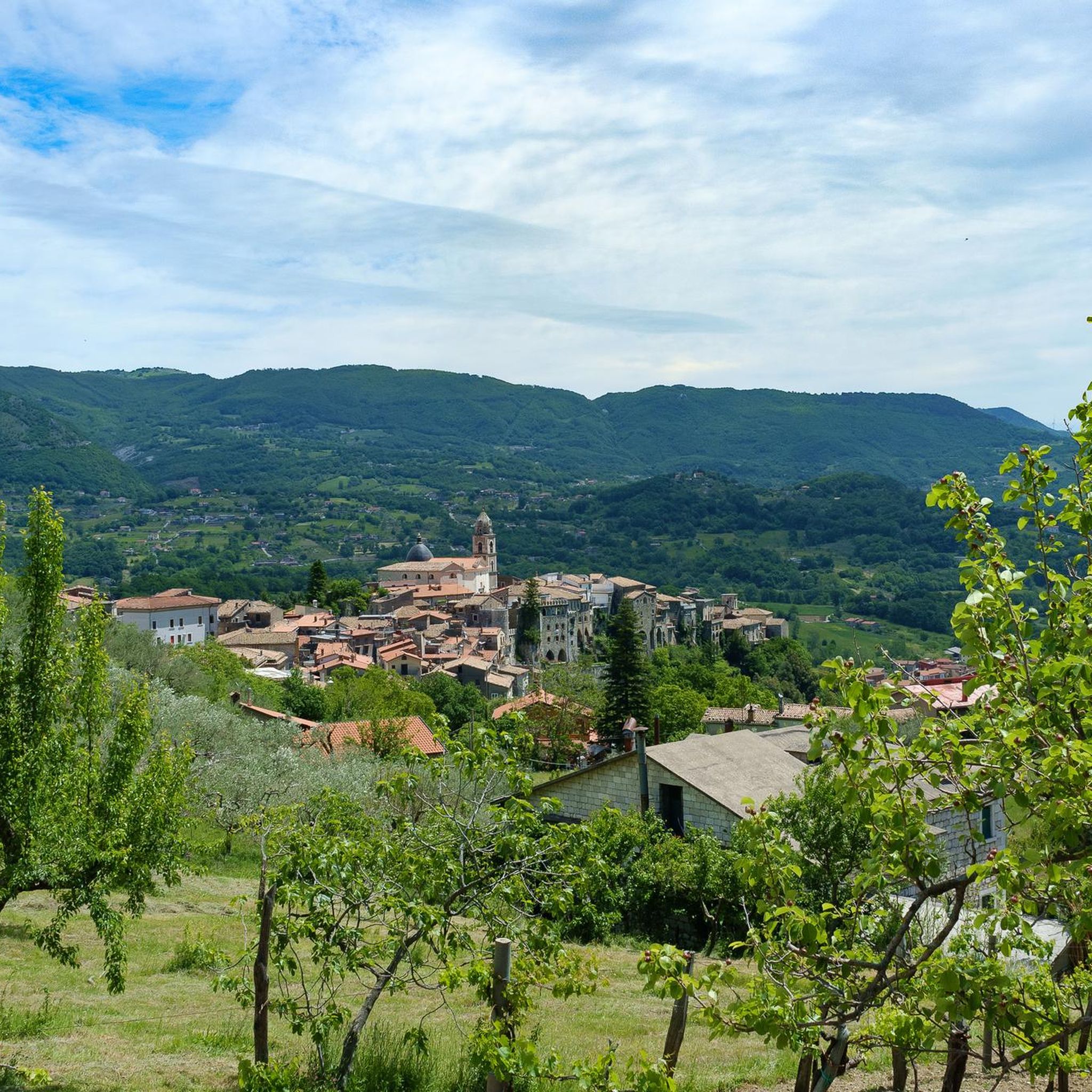
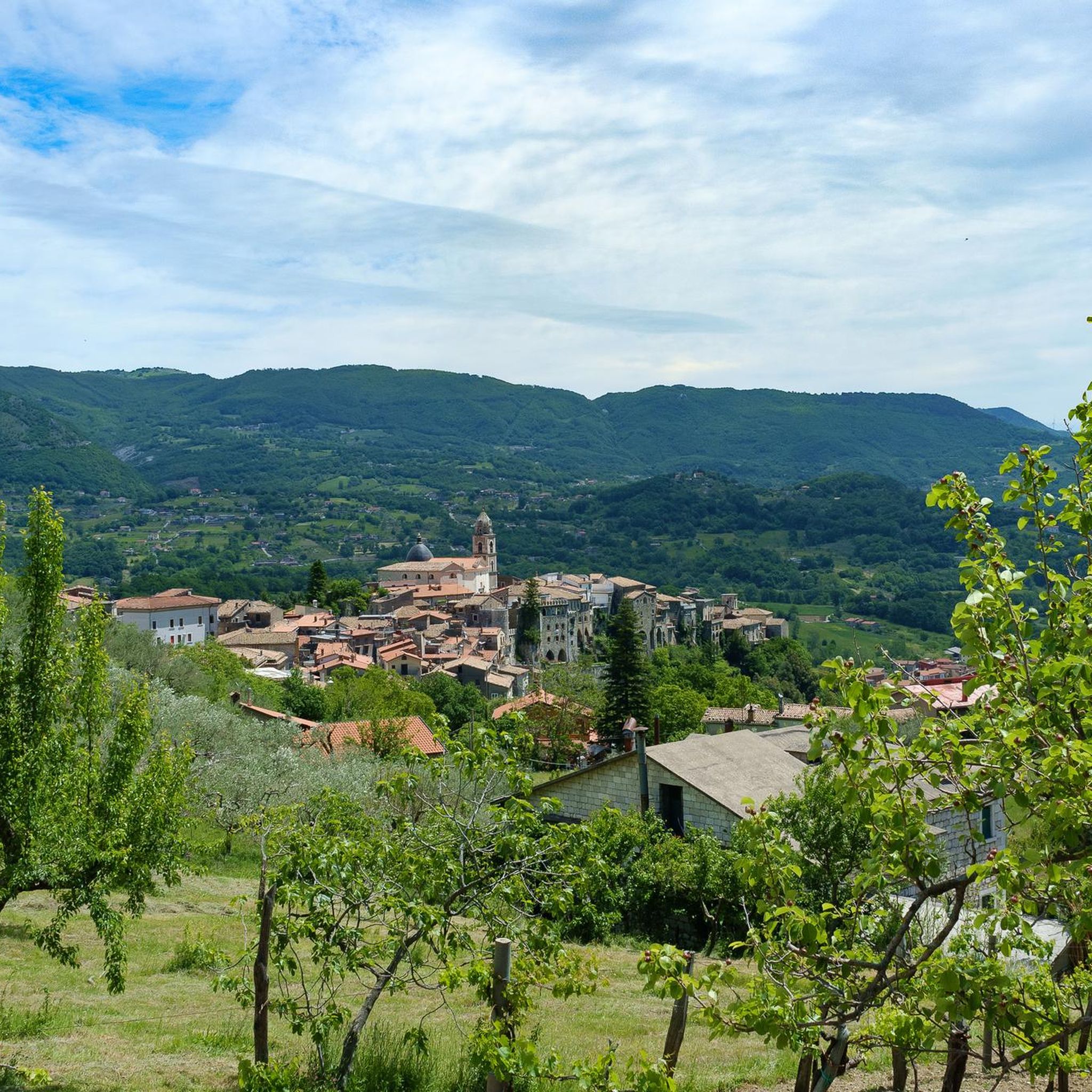
Monte Calvario is located at 545 meters and offers a beautiful view of Cusano Mutri and its surroundings.
1
0
Gallinola is part of the Matese massif, and with its 1923 meters it is the highest point in Campania. From here the breathtaking panorama is guaranteed.
4
0
The Pianellone is located at an altitude of 1390 meters. It is one of the largest karst basins in the Matese area.
1
0

Not really a place to bike but if there's no one why not :) It has a great view on top of the hill
0
0
Frequently Asked Questions
Which mountain peaks offer the most impressive panoramic views around Cusano Mutri?
For breathtaking panoramic views, consider La Gallinola Summit, which is the highest point in Campania at 1923 meters. From here, you can often see Lake Matese. Another excellent option is Mount Mutria (1823 meters), where on clear days, the panorama extends over the Apennine Mountains and even to the Tyrrhenian and Adriatic Seas. For a less strenuous climb with beautiful views of Cusano Mutri itself and the Titerno valley, Pianellone Karst Plateau also offers wide vistas.
Are there any easy or family-friendly mountain walks near Cusano Mutri?
Yes, for a less strenuous option, Monte Calvario offers a gentle ascent with a small road leading to its summit, providing beautiful panoramic views of Cusano Mutri and the surrounding valleys. While Mount Mutria is a significant peak, there is an easy 3.0-mile (4.8 km) loop trail to its summit in Matese National Park, gaining about 260 meters, which is suitable for various fitness levels and can be a good family-friendly option.
What kind of natural features can I expect to see when exploring the peaks around Cusano Mutri?
The region around Cusano Mutri, nestled within the Matese Mountains, is rich in diverse natural features. You'll encounter extensive beech forests, especially on trails leading to peaks like Mount Mutria. The area is also known for its karst landscapes, with features like the Pianellone Karst Plateau, one of the largest karst basins in the Matese area. Beyond the peaks, the Matese Regional Park features pure water springs and dramatic gorges like Gole di Caccaviola and Forre di Lavello, with sheer cliffs, waterfalls, and crystal-clear pools.
Are there any historical or cultural landmarks on or near the mountain peaks?
Yes, Mount Mutria features a chapel dedicated to Sant'Antonio near its summit, built in the 1990s, which is a destination for summer pilgrimages. On Monte Calvario, a church dedicated to the Holy Cross is located at the summit, accessible via a road marked with majolica panels depicting the stations of the cross. Additionally, Monte Acero Dry Stone Walls are notable for their three kilometers of dry stone wall at the top, dating back to the 6th century BC, and a statue dedicated to Jesus the Redeemer.
What are the difficulty levels for hiking trails to the peaks in the Matese Mountains?
Hiking trails in the Matese Mountains around Cusano Mutri vary in difficulty. Peaks like La Gallinola Summit and Punta Giulia are considered challenging, often involving significant elevation gain (around 600m for La Gallinola). Mount Mutria offers an intermediate experience, though an easier loop trail is also available. Smaller peaks like Monte Calvario provide less strenuous options suitable for a wider range of fitness levels.
What outdoor activities can I do near these mountain peaks besides hiking?
Beyond hiking, the area around Cusano Mutri offers a variety of outdoor activities. You can explore numerous cycling routes, including touring bicycle options like the 'Matese Cycle Lake' loops or the 'Titerno Bridge – Lavello Gorges loop'. For mountain biking enthusiasts, there are challenging MTB trails such as the 'Parco Regionale del Matese – giro ad anello da Bocca della Selva'. Road cycling is also popular, with routes like the 'Guardia Sanframondi – Rio Grassano loop'. You can find more details on these activities in the dedicated guides for Cycling around Cusano Mutri, MTB Trails around Cusano Mutri, and Road Cycling Routes around Cusano Mutri.
What do visitors enjoy most about the mountain peaks around Cusano Mutri?
Visitors consistently praise the stunning panoramic views from the summits, particularly the 'breathtaking panorama' from La Gallinola Summit. The authentic trekking experience amidst the silence and natural beauty of the beech forests on Mount Mutria is also highly valued. The diverse landscapes, from rugged terrain to wide karst plateaus like Pianellone Karst Plateau, also contribute to a memorable experience.
Is there parking available for hikers accessing the mountain trails?
While specific parking locations for every trailhead are not detailed, many hiking adventures in the Matese Mountains, including those to Mount Mutria, often begin from small mountain villages like Bocca della Selva, which typically offer parking facilities for visitors.
What is the best time of year to hike the mountain peaks in this region?
The Matese Mountains are generally best explored during the warmer months, from late spring through early autumn. This period offers more stable weather conditions, clear trails, and the best chances for expansive panoramic views. Summer is particularly popular for pilgrimages to the chapel on Mount Mutria. Winter hiking is possible but requires appropriate gear and experience due to potential snow and ice conditions.
Are there any specific natural monuments to look out for in the Matese area?
Yes, the Matese area is home to several natural monuments. The Pianellone Karst Plateau is a significant natural monument, being one of the largest karst basins in the region. Beyond the peaks, the Matese Regional Park also protects impressive natural formations like the Gole di Caccaviola (Caccaviola Gorges) and Forre di Lavello, which are characterized by dramatic cliffs, waterfalls, and crystal-clear pools.
How long does it typically take to hike to the summit of Monte Mutria?
Hiking to the summit of Monte Mutria can vary depending on the starting point and route. An easy 3.0-mile (4.8 km) loop trail to the summit, gaining about 260 meters, is available within Matese National Park. This loop can typically be completed in a few hours, making it a manageable day hike for many visitors.
Most popular attractions around Cusano Mutri

Get inspired with the komoot mobile app


Explore more
See even more amazing summits around Cusano Mutri with these guides:
