Attractions and Places To See around Roseto Valfortore - Top 20
Best attractions and places to see around Roseto Valfortore, a village nestled in the Daunian Mountains of Puglia, Italy, is recognized for its medieval layout and stone houses. The area offers a serene escape with a rich history and natural beauty, characterized by lush hills, forests, and the Fortore River. It provides an authentic experience of rural Puglia, combining historical significance with natural landscapes.
Best attractions and places to see around Roseto Valfortore
- The most popular attractions is Giant Bench…
Last updated: August 26, 2026
Mount Cornacchia
Highlight • Summit
The summit is easily accessible.
Translated by Google •
Tip by

Lago Pescara
Highlight • Lake
Translated by Google •
Tip by

Sign up now to discover places like this
Get recommendations on the best single tracks, peaks, & plenty of other exciting outdoor places.
Sign up for free
Gazebo with a View of the Daunia Mountains
Highlight • Structure
Translated by Google •
Tip by

Monument to the Fallen of the First World War of Roseto Valfortore
Highlight • Monument
Translated by Google •
Tip by

View of Toppo Pescara and Tavoliere
Highlight • Viewpoint
Translated by Google •
Tip by

Sign up for free to discover even more attractions around Roseto Valfortore.
Sign up for free
Already have an account?
Start today with a free account
Your next adventure awaits.
Login or Signup
Tips from the Community


Beautiful view, especially after struggling to reach the place :D
0
0

More than a refuge, it is a bivouac. It deserves to be visited for the satisfaction of reaching the highest peak in Puglia. Always a very windy spot, even in good weather.
0
0

As a memorial to the many dead, such cenotaphs or war memorials – like this “Monumento ai caduti” in Roseto Valfortore – are still very important today. “Now you, Lord, let your servant depart in peace, as you said...” it says in the so-called “Song of Simeon” (Gospel of Luke chapter 2, verse 29). However, the people who are remembered here did not die in peace, but rather became victims of war and tyranny. Many places and monuments that you encounter along the way are a testament to the horror of war and tyranny - which is still significant and relevant today. They all have, and this is new for each generation, two essential functions: -1- Commemorate and remember the victims -2- Call for the preservation of peace
0
0

In the main square there is the Monument to the fallen of the First World War, which bears the names of the war victims. It is a column monument, built in 1920 by Valentino Bozzelli.
6
0

With its 1151 m above sea level, it is the highest mountain in Puglia. At the top is a shelter completely restored in 2020. The summit is easily accessible.
2
0

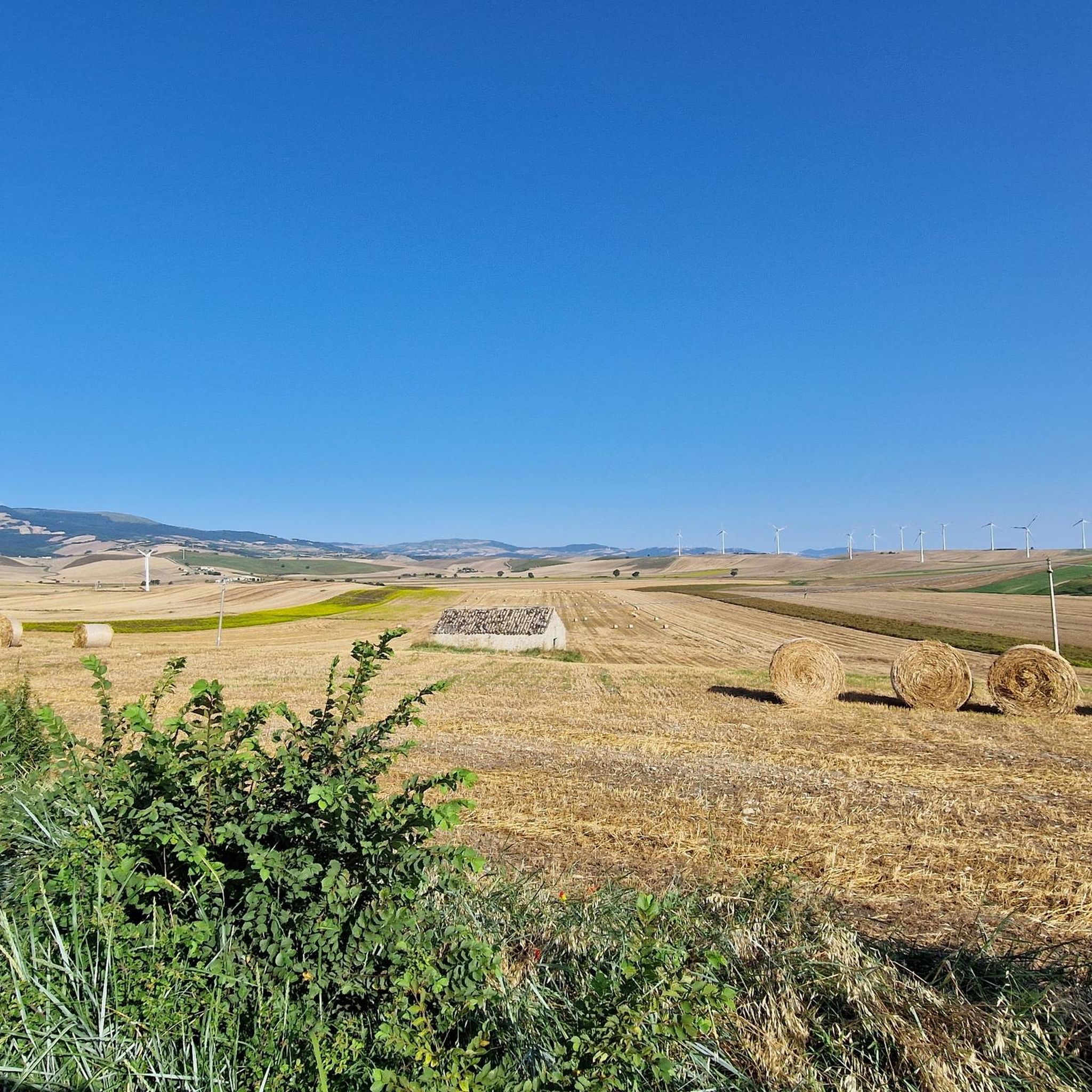
Monte Cornacchia, with its 1151 meters, is the highest mountain in Puglia. From its summit, on which a small forest refuge has been built, you can enjoy a suggestive and spectacular 360° panorama towards Irpinia, the Gargano, the Maiella and the Tavoliere. The summit of the mountain represents the ideal destination for excursions and trekking in search of uncontaminated landscapes and tranquillity. The vegetation of the mountain is characterized by the presence of vast meadows and high altitude pastures, alternating with coniferous and deciduous woods. The most important faunal presence is that of the wolf, index of the high naturalistic value of the whole area. Alongside the wolf, the presence of numerous species of birds of prey should also be noted. Monte Cornacchia can be reached via the beautiful and comfortable Sentiero Frassati di Puglia which connects Biccari, Castelluccio Valmaggiore, Celle di San Vito, Faeto and Roseto Valfortore.
1
0
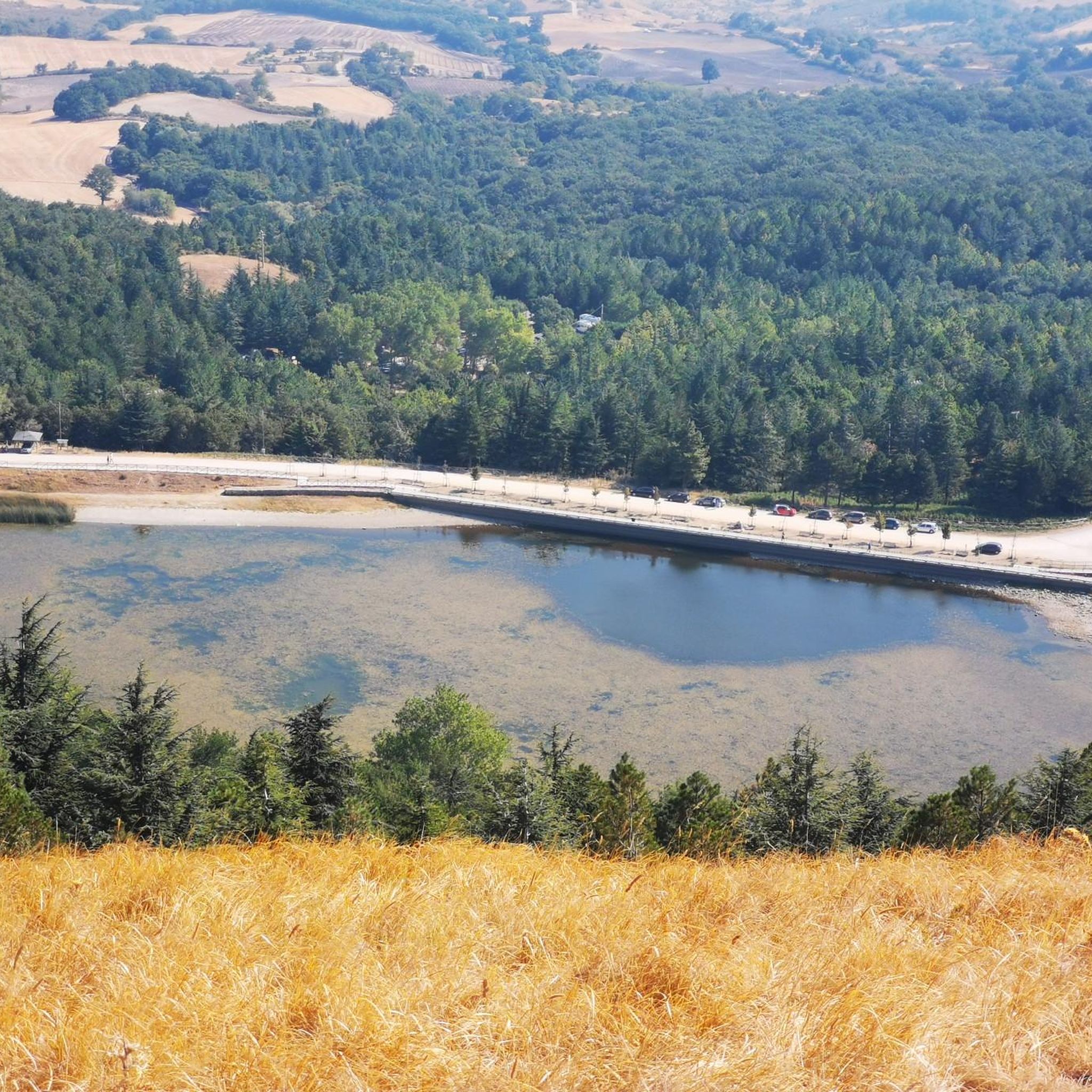
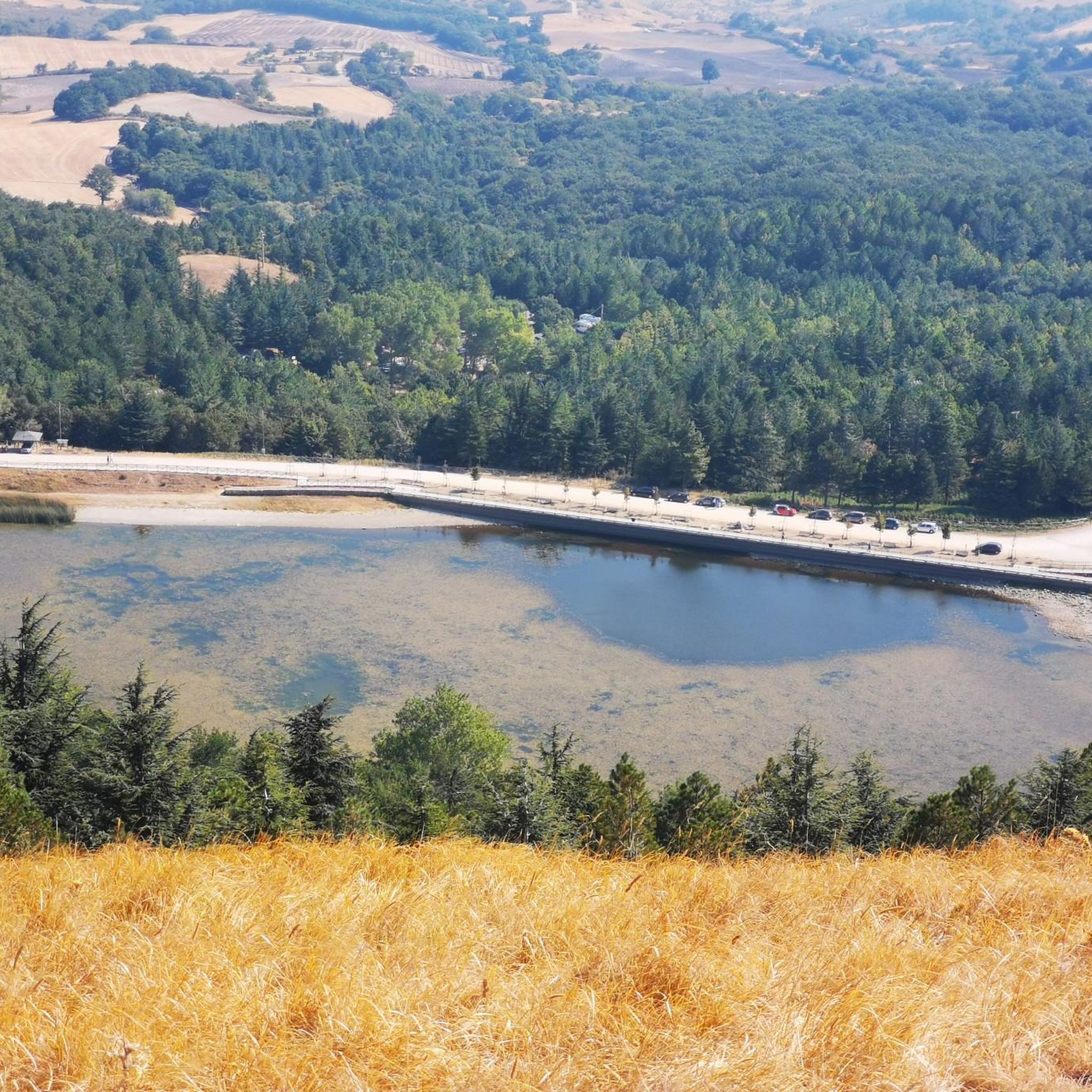
North-east of Monte Cornacchia, on the slopes of Toppo Pescara, at an altitude of 900 meters above sea level, there is a small natural lake basin called Lago Pescara. The lake extends for about three hectares with a depth which, in the center of the lake, reaches even four meters. Without natural outlets, its waters are fed by sub-lacustrine springs and streams formed after the rainfall and after the snow melted. From the top of its position it dominates the surrounding plain, with its slow decline towards the sea, interrupted on the horizon by the fortified hill of Lucera, in the center of the tableland, and by the promontory of the Gargano which is also easy to see on the clearest days. The term "Pescara" of the lake is improper and derives, perhaps, from a transcription error on toponymic maps, as the locals gave it the name of "Peschiera", attributing to the lake a certain image of goodness for fishing. The climate of the area has a mild summer and a rather harsh winter with abundant snowfalls.
0
0
Frequently Asked Questions
What natural features can I explore around Roseto Valfortore?
The area boasts diverse natural beauty. You can visit Lago Pescara, a small natural lake basin nestled north-east of Monte Cornacchia, known for its sub-lacustrine springs and views of the surrounding plain and Gargano. The Fortore River flows below the town, and the surrounding hills and woods of the Daunian Mountains are ideal for walking. Don't miss the Vestruscelli Forest, part of the larger Faeto forest, known for wild roses and truffles.
Are there any historical sites to visit in Roseto Valfortore?
Yes, Roseto Valfortore is rich in history. Explore the medieval Centro Storico with its winding streets and stone houses. You can also see the remains of the Medieval/Norman Castle, the ancient gateway Arco della Terra, and the Monument to the Fallen of the First World War in the main square.
What cultural attractions does Roseto Valfortore offer?
Beyond historical sites, you can visit the Chiesa Madre di Santa Maria Assunta, built in 1507, or the Church of San Filippo Neri. The recently restored Mulini ad Acqua di Roseto (Ancient Watermills) along the Fortore River now house a Museum of Ancient Art. The village is also known for its traditional craftsmanship, especially stonemasonry, visible in portals and bas-reliefs throughout the village.
Are there family-friendly attractions or activities in the area?
Families can enjoy the Giant Bench with View of Tavoliere delle Puglie, a unique spot offering panoramic vistas. Lago Pescara is also a great natural spot for a family outing. The ancient watermills now offer a recreational area with the 'I mulini' swimming pool, perfect for a refreshing break.
What kind of outdoor activities can I do near Roseto Valfortore?
The rolling hills of the Daunian Apennines and the Fortore River area provide numerous opportunities for outdoor activities. You can find various trails for hiking and mountain biking. For specific routes, check out the guides for Hiking around Roseto Valfortore or Cycling around Roseto Valfortore.
Are there hiking trails suitable for different skill levels?
Yes, the area offers hiking trails ranging from easy to moderate difficulty. For example, you can find moderate trails like 'Monte Cornacchia and Toppo Pescara on the roof of Puglia – ring tour' or 'House on Lake Pescara loop from Lago Pescara'. There are also easier options like 'Fontana Rangunne Furtone – Fontana dei Coppi loop from Faeto'. More details can be found in the Hiking around Roseto Valfortore guide.
Where can I find the best panoramic views in Roseto Valfortore?
For breathtaking views, head to the Giant Bench with View of Tavoliere delle Puglie, which offers expansive vistas of the Tavoliere delle Puglia up to the Gargano. Another excellent spot is the View of Toppo Pescara and Tavoliere, providing clear views of Lago Pescara and the Gargano promontory on clear days. There's also a Gazebo with a View of the Daunia Mountains offering shelter and scenic outlooks.
What is the best time of year to visit Roseto Valfortore?
Roseto Valfortore experiences mild summers, making it pleasant for exploring the historic center and natural surroundings. Winters can be rather harsh with abundant snowfalls, especially in the higher elevations of the Daunian Mountains. For outdoor activities like hiking and cycling, spring and autumn offer comfortable temperatures and beautiful scenery.
Are there any unique local points of interest or 'hidden gems'?
Beyond the main attractions, Roseto Valfortore holds charming local secrets. Look for the 'Concetta non me la fido' house in the narrow alleys of the historic center, or discover an old, still-functioning straw oven within the village, showcasing traditional practices. The stone-crafted fountains throughout the territory also highlight local artistry.
What makes Roseto Valfortore a special destination?
Roseto Valfortore is recognized as one of 'I Borghi più belli d'Italia' (Italy's Most Beautiful Villages). Its charm lies in its well-preserved medieval layout, traditional stone houses, and serene atmosphere. It offers an authentic experience of rural Puglia, blending rich history with stunning natural beauty in the Daunian Mountains.
Are there any accessible attractions in Roseto Valfortore?
The Monument to the Fallen of the First World War in the main square is listed as wheelchair accessible, providing an opportunity for all visitors to engage with the village's history.

Get inspired with the komoot mobile app


Explore more
Still not found the Highlight you’re looking for? See guides of the top attractions in other regions:
