Attractions and Places To See around Castelfranci - Top 20
Best attractions and places to see around Castelfranci include a blend of historical landmarks, cultural sites, and natural beauty. This medieval town is situated in the hills of Irpinia, overlooking the Calore river and surrounded by vineyards and olive groves. The area offers insights into its heritage through ancient buildings and religious sites, alongside opportunities to explore its scenic landscape. Visitors can discover a variety of points of interest reflecting the region's history and natural environment.
Best attractions and places…
Last updated: June 23, 2026
Monumental Complex of the Mount (Church, Monastery, and Castle of Montella)
Highlight • Historical Site
Translated by Google •
Tip by

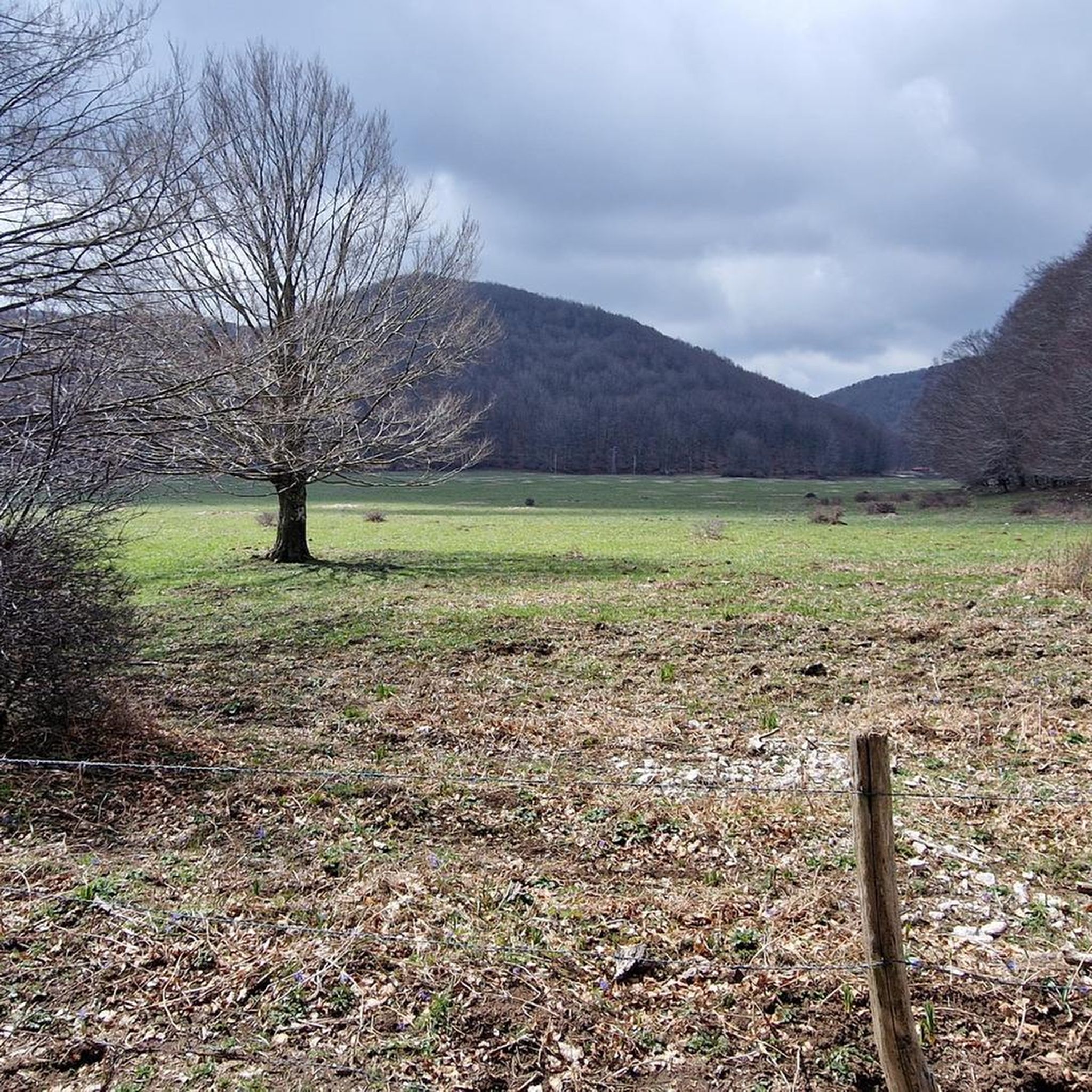
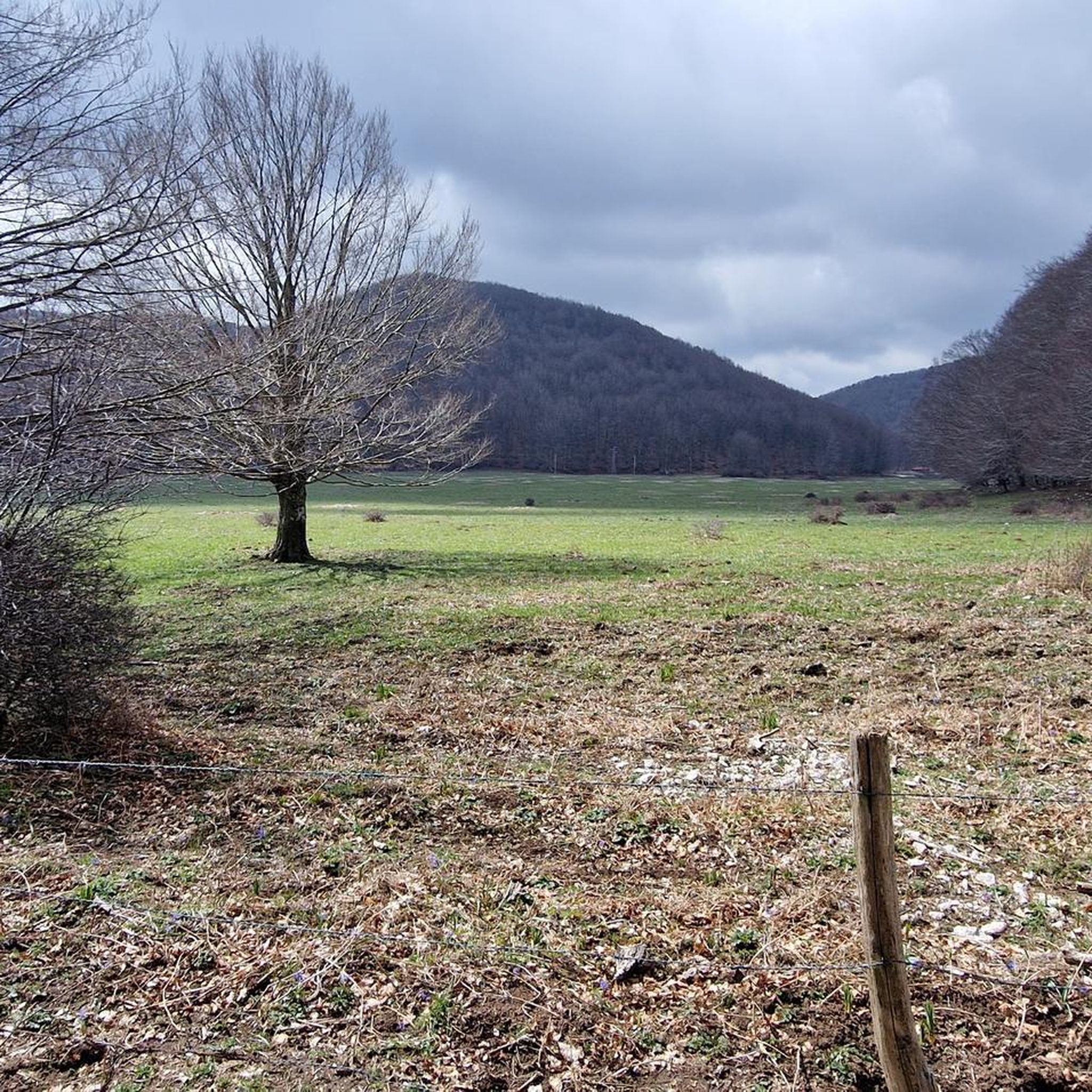
Dragon Plain
Highlight • Natural Monument
Translated by Google •
Tip by

Sign up now to discover places like this
Get recommendations on the best single tracks, peaks, & plenty of other exciting outdoor places.
Sign up for free
Abbey of Goleto
Highlight • Religious Site
it was built at the behest of San Guglielmo da Vercelli in 1133.
Translated by Google •
Tip by
Bocca del Dragone Picnic Area
Highlight • Rest Area
Translated by Google •
Tip by
Scenic Road Bagnoli Irpino – Laceno Lake
Highlight (Segment) • Trail
Translated by Google •
Tip by

Sign up for free to discover even more attractions around Castelfranci.
Sign up for free
Already have an account?
Start today with a free account
Your next adventure awaits.
Login or Signup

Tips from the Community

It can be reached either from Ofantina, from the Sant'Angelo - Industrial Area junction there is a fast-flowing road, or from the state road that connects Lioni to Sant'Angelo or Torella d.L. If you choose, coming from Lioni, the junction for Nusco-Bagnoli (turn left immediately before the petrol station) there are roads with little traffic and with the scenic complex of the Picentini mountains on the left.
0
0
A place out of time, an oasis of peace as the sign in the internal entrance says ("respect this place of peace". Entering it by bike, silent and discreet, is a gesture of respect in the wake of the pilgrims on the path of San Guglielmo, patron saint of Irpinia.
0
0

Incredibly suggestive place, it is undoubtedly worth a visit. Presence of toilets with drinking water to fill water bottles
0
0

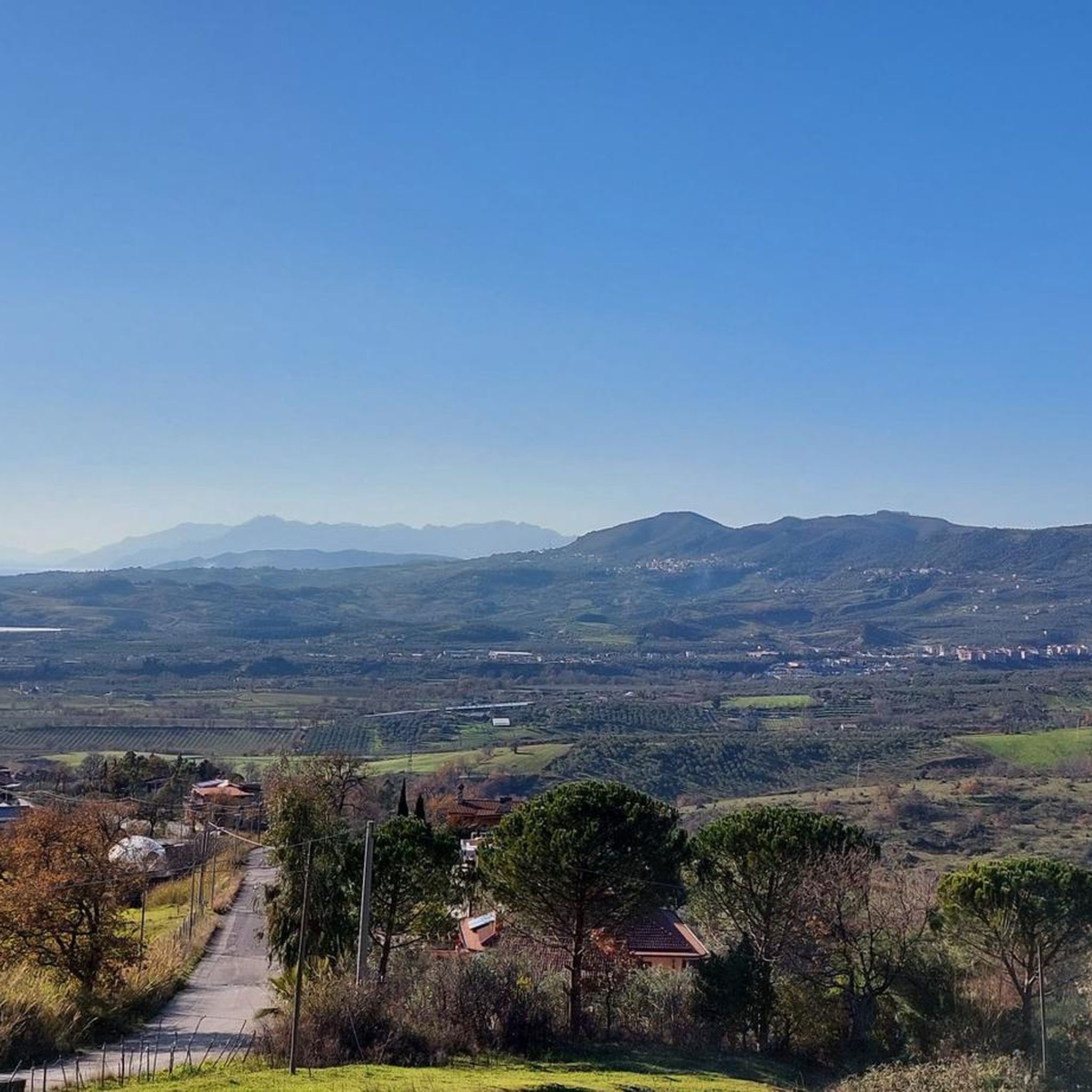
Panoramic and anything but simple if faced uphill, this road is a real must if you are passing through these parts.
1
0

It can be visited by reservation only.
5
0

Hard but beautiful climb
0
0

The monumental complex of the Monte, consisting of a church, monastery, archaeological garden and castle, rises just above Montella, a small town in the heart of the green Irpinia. Of great historical interest is the site of the 10th century Lombard castle with the adjacent settlement dating back to the 6th-7th century. Excavations conducted in the 1980s have brought to light finds from the Lombard and early medieval times, including coins and fragments of frescoes, as well as burials dating back to the same period. Today the central body (tower or donjon), the surrounding walls and the ruins of the rooms of the nobility are visible. In 1293 Charles II of Anjou confiscated the castle to make it a place for recreation. King Charles II was responsible for the construction of the cistern and the water channeling system. In the fourteenth century, at the behest of the d'Aquino, feudal lords of Montella, the twelfth-century tower was renovated and works to improve the building were carried out, with the creation of pictorial decorations. The castle was inhabited by the Cavaniglia counts in the 15th century, and during their lordship it hosted a memorable hunting expedition in 1445 in which King Alfonso the Magnanimous took part. The church has a single nave with side chapels. The wooden altars are of great value. In one of the side chapels there is an important thirteenth-century wooden altarpiece depicting the "Madonna dell'umiltà". The monastery was built between 1554 and 1586 on the pre-existing church at Monte di Pietà, by the Monte di Pietà di Montella, founded and administered by the Congrega del SS. Sacrament of Montella. It was entrusted to the Minimi Reformed Conventuals of S. Francesco replaced in 1603 by the reformed Observants. In 1613 a community of 12 fathers and several lay brothers lived in the convent. The feudal lord Antonio Grimaldi, in 1642, donated the garden adjacent to the convent, former dependence of the castle, to the Monte di Pietà. It has undergone several changes over the centuries: the structure has a square plan and the typical cloister with cross vaults frescoed in the seventeenth century by Michele Ricciardi. Completely recovered and made usable, the upper floors could be used for spiritual retreats, while it is still possible to visit the cells. The lower rooms, where the life of the friars took place, can be visited in full by taking advantage of the routes prepared also by means of illustrative panels present in each area. The convent garden is located in the open space adjacent to the castle; it has been recovered and the same crops from the Middle Ages that gave sustenance to the monks have been planted there. The entire monumental complex of the Monte, restored and open to visitors, is the property of the Santissimo Sacramento di Montella Archconfraternity
17
0

The complex of the monastic citadel of the Santissimo Salvatore al Goleto, located in Sant'Angelo dei Lombardi, in Contrada San Guglielmo, it was built at the behest of San Guglielmo da Vercelli in 1133.
5
0
Frequently Asked Questions
What historical landmarks can I explore in Castelfranci?
Castelfranci is rich in history, offering several notable landmarks. You can visit the Vittoli Palace, an aristocratic building from 1818, or the ancient Palmieri Palace, which is set to house the Museum of Wine Art and Viticulture. Don't miss the 18th-century Celli-Vinoterapia Palace, now a center for wine-based beauty treatments, or the unique 12th-century Norman Tower behind the Church of San Pietro. The Baronial Mill, an ancient feudal property, also offers a glimpse into the town's past.
Are there any significant religious sites to visit in Castelfranci?
Yes, Castelfranci features several important religious sites. The 16th-century Sanctuary of Santa Maria del Soccorso is a significant monument and a place of local worship, featuring three 18th-century stone portals and an impressive polyphonic organ. You can also visit the ancient Church of San Nicola, likely dating back to the mid-16th century, adorned with decorative tuff panels, and the Church of San Pietro, also from the 16th century.
Where can I experience the natural beauty around Castelfranci?
Castelfranci is nestled in a picturesque setting. You can enjoy splendid panoramic views of the surrounding countryside from its elevated position. The town overlooks the Calore River, and regenerating walks among the valuable vineyards and olive groves are highly recommended. For a relaxing outdoor experience, visit the "Palata" Park in Bosco Baiano, which offers a picnic area near the Calore river, or explore the Fountain of Paradise along the river's course.
What cultural events or festivals take place in Castelfranci?
Castelfranci hosts several vibrant cultural events and festivals throughout the year. These include the annual Castelfranci Wine Festival, which celebrates the region's wine and food products, and La Notte re la Focalenzia in December, featuring bonfires and local dishes. Autumn brings the Grape Harvest Festival, a three-day celebration, and the Aglianico Wine Feast, dedicated to the renowned local wine, typically held in August.
Are there family-friendly attractions near Castelfranci?
Families visiting Castelfranci can enjoy several attractions. The Abbey of Goleto, a monastic citadel built in 1133, offers a peaceful and historically rich experience suitable for all ages. Additionally, the Bocca del Dragone Picnic Area provides an equipped space to enjoy the tranquility of nature, perfect for a family outing.
What kind of outdoor activities can I do around Castelfranci?
The area around Castelfranci is ideal for various outdoor activities. You can explore a range of MTB trails, including moderate routes like the Monte Sovero Loop from Montella. For runners, there are several running trails, such as the Beautiful Rock Fountain loop. Hikers will find numerous options, with hiking routes ranging from moderate to difficult, like the Monte Tuoro loop from Castelvetere sul Calore.
Can I go hiking or walking near Castelfranci?
Absolutely! Castelfranci and its surroundings offer excellent opportunities for hiking and walking. You can find a variety of hiking trails, including a moderate Hiking loop from Montella and more challenging options like the View of Montella loop. These trails allow you to immerse yourself in the region's natural landscapes, including vineyards, olive groves, and scenic river views.
What is the best time to visit Castelfranci for attractions and outdoor activities?
Castelfranci is charming throughout the year, but the best time often depends on your interests. For enjoying outdoor activities like hiking and exploring natural features, spring and autumn offer pleasant temperatures and beautiful scenery, especially during the grape harvest season. If you're interested in cultural events, plan your visit around the various festivals, such as the Castelfranci Wine Festival or the Aglianico Wine Feast, which typically occur in summer and autumn.
Are there any archaeological sites or ancient ruins to see?
Yes, the Baiano District in Castelfranci holds archaeological finds that confirm Roman settlements in the area, offering a glimpse into its ancient past. Additionally, the Monumental Complex of the Mount, located near Montella, includes a 10th-century Lombard castle and archaeological gardens with finds from Lombard and early medieval times, providing significant historical context.
What are some unique natural features or viewpoints in the Castelfranci area?
Beyond the general panoramic views, the Castelfranci area boasts unique natural features. The Dragon Plain is an enchanting place with a suggestive legend about a three-headed dragon, featuring a karst sinkhole known as the "mouth of the dragon." For breathtaking vistas, consider the Scenic Road Bagnoli Irpino – Laceno Lake, which offers panoramic views, though it can be challenging if faced uphill.
What do visitors enjoy most about the attractions around Castelfranci?
Visitors particularly appreciate the blend of historical depth and natural beauty. The Monumental Complex of the Mount is valued for its insights into Lombard and early medieval history. The Abbey of Goleto is often described as an incredibly suggestive place and an oasis of peace. Many also enjoy the tranquility and natural setting of the Bocca del Dragone Picnic Area, perfect for experiencing the surrounding nature.
Are there opportunities for wine tasting or learning about local wines?
Yes, Castelfranci is situated amidst valuable vineyards producing renowned wines like Taurasi DOCG. The Palmieri Palace is set to house the "Museum of Wine Art and Viticulture" (MAV), aiming to be a central hub for the region's wineries. Additionally, the Celli-Vinoterapia Palace, an 18th-century building, now serves as a center that utilizes wine for beauty treatments, offering a unique experience related to local wine culture.
Most popular attractions around Castelfranci

Get inspired with the komoot mobile app


Explore more
Still not found the Highlight you’re looking for? See guides of the top attractions in other regions:
