Attractions and Places To See around Pollica - Top 20
Best attractions and places to see around Pollica include a blend of historical sites, cultural landmarks, and natural beauty within the Cilento and Vallo di Diano National Park. The region features a diverse landscape of hills and coastal areas, with its hamlets like Acciaroli and Pioppi offering unique heritage and pristine waters. Pollica provides a rich array of experiences, from ancient villages to significant historical structures.
Best attractions and places to see around Pollica
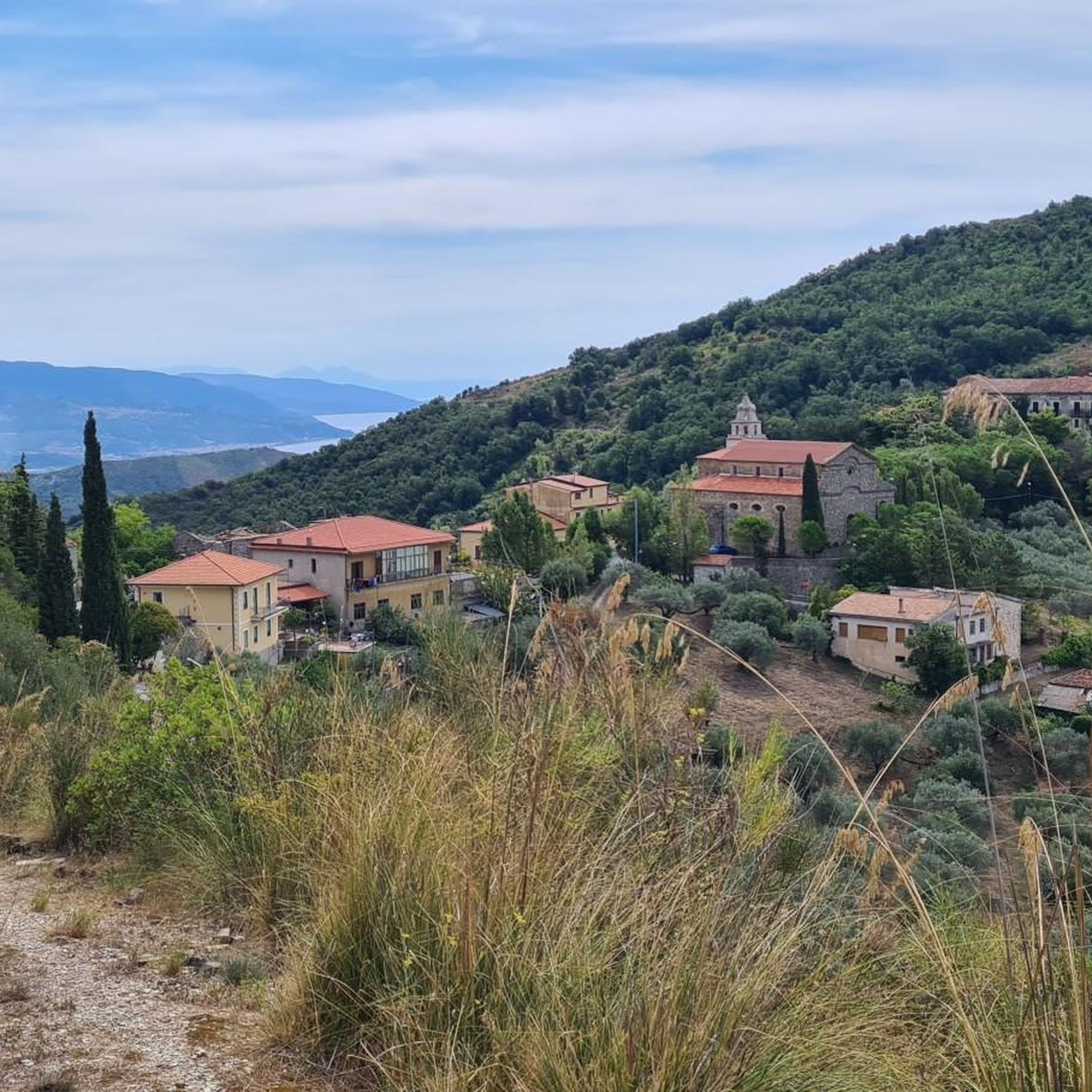
- The most popular attractions is Celso (Pollica), a settlement that retains an ancient urban structure with defensive towers and a baronial palace. This very ancient village is built entirely with local stones and features a stone church in a panoramic position.
- Another must-see spot is Pietra del Mulacchio megalith, a natural monument and historical site. This megalithic dolmen, dating back to the 25th-20th century B.C., is considered a Cilento Stonehenge due to its precise alignment with solstices.
- Visitors also love Norman Tower of Acciaroli, a man-made monument built in 1233 by Federico II. This coastal watchtower dominates the port of Acciaroli and characterizes its skyline alongside the Church of the Annunziata.
- Pollica is known for its historical buildings, ancient villages, and natural landscapes. Visitors can explore a variety of attractions, from significant cultural sites to beautiful coastal areas.
- The attractions around Pollica are appreciated by the komoot community. With 33 upvotes and 22 photos, the community has shared its experiences.
Last updated: July 6, 2026
Celso (Pollica)
Highlight • Settlement
Translated by Google •
Tip by

Pietra del Mulacchio megalith
Highlight • Natural Monument
If you do not arrive in this "Sacred Area" you cannot imagine the presence of this Cilento Stonehenge ...
Translated by Google •
Tip by

Sign up now to discover places like this
Get recommendations on the best single tracks, peaks, & plenty of other exciting outdoor places.
Sign up for free
Acropolis of Velia
Highlight • Historical Site
Sea and culture is the golden combination that every Italian town can offer and that makes a holiday in our country unique. Tourists can immerse themselves in the morning in the crystalline sea of Agropoli, Santa Maria di Castellabate, Acciaroli, Pioppi, Capo Palinuro or Marina di Camerota and in the afternoon they can relive the thrill of walking through the streets or the agora (the forum) of Velia. where certainly also great philosophers of the Eleatic school such as Parmenides, Zeno and Melisso walked. The ancient acropolis of Elea (Velia), where today an interesting medieval fortification stands, hosts very suggestive theatrical performances in the open. One of the highlights of these excavations is the famous Porta Rosa, the only example of a 4th-century Greek arch, a true architectural jewel of the time.
Continue reading on:
velia.it
Translated by Google •
Tip by
Historic Archway of San Mauro Cilento
Highlight • Historical Site
The surrounding area of San Mauro Cilento is characterized by ancient water mills, by paths immersed in the Mediterranean scrub and by olive groves. The quaint old town offers wonderful views of the sea. Every year the “Feast of the ancient flavors” is held, a characteristic convivial moment in which it is possible to taste specialties of the area based on artichokes, bacon and broad beans. The white figs are also very popular.
Translated by Google •
Tip by
Velia Archaeological Site (Ancient Elea)
Highlight • Historical Site
Translated by Google •
Tip by

Sign up for free to discover even more attractions around Pollica.
Sign up for free
Already have an account?
Start today with a free account
Your next adventure awaits.
Login or Signup
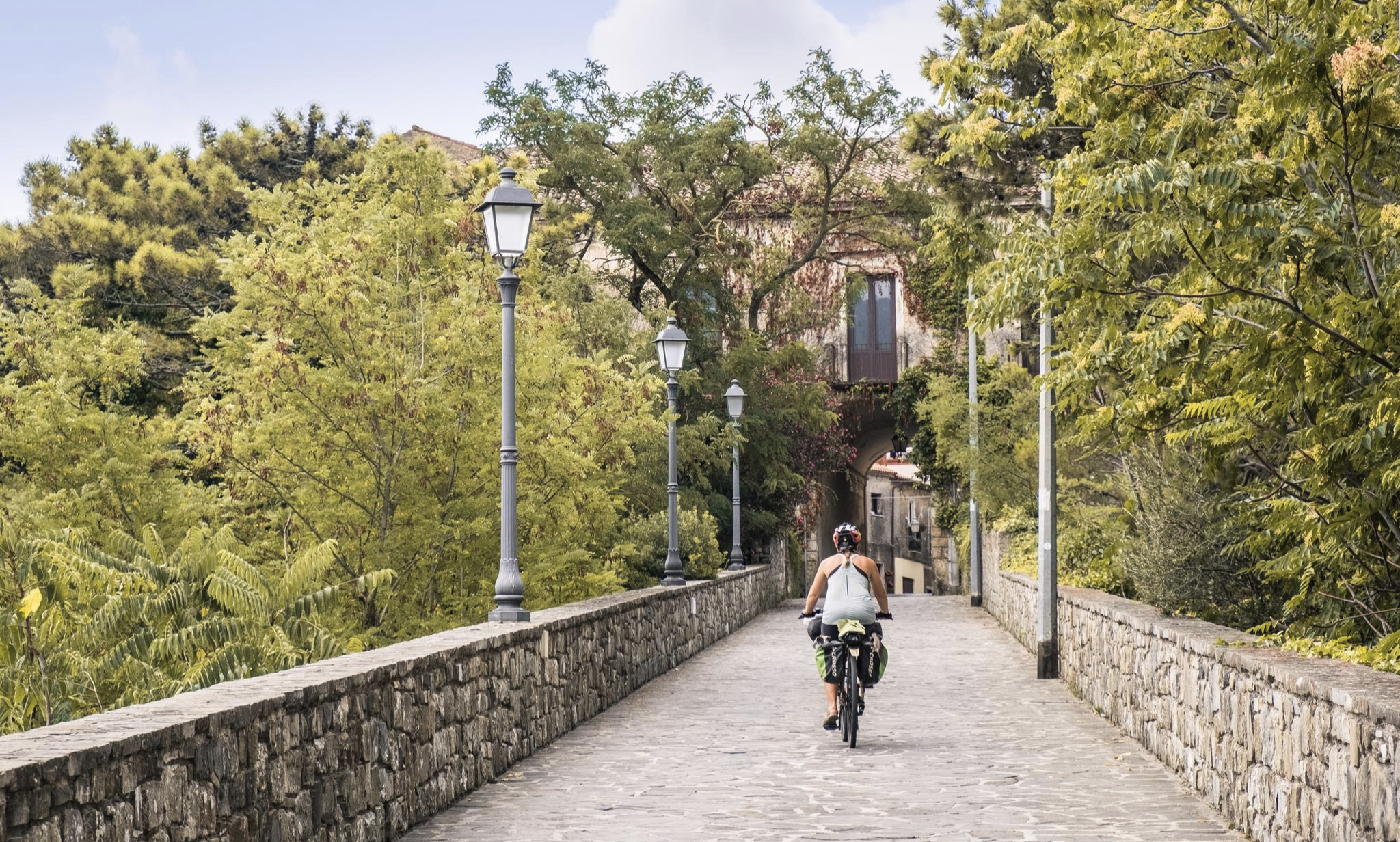
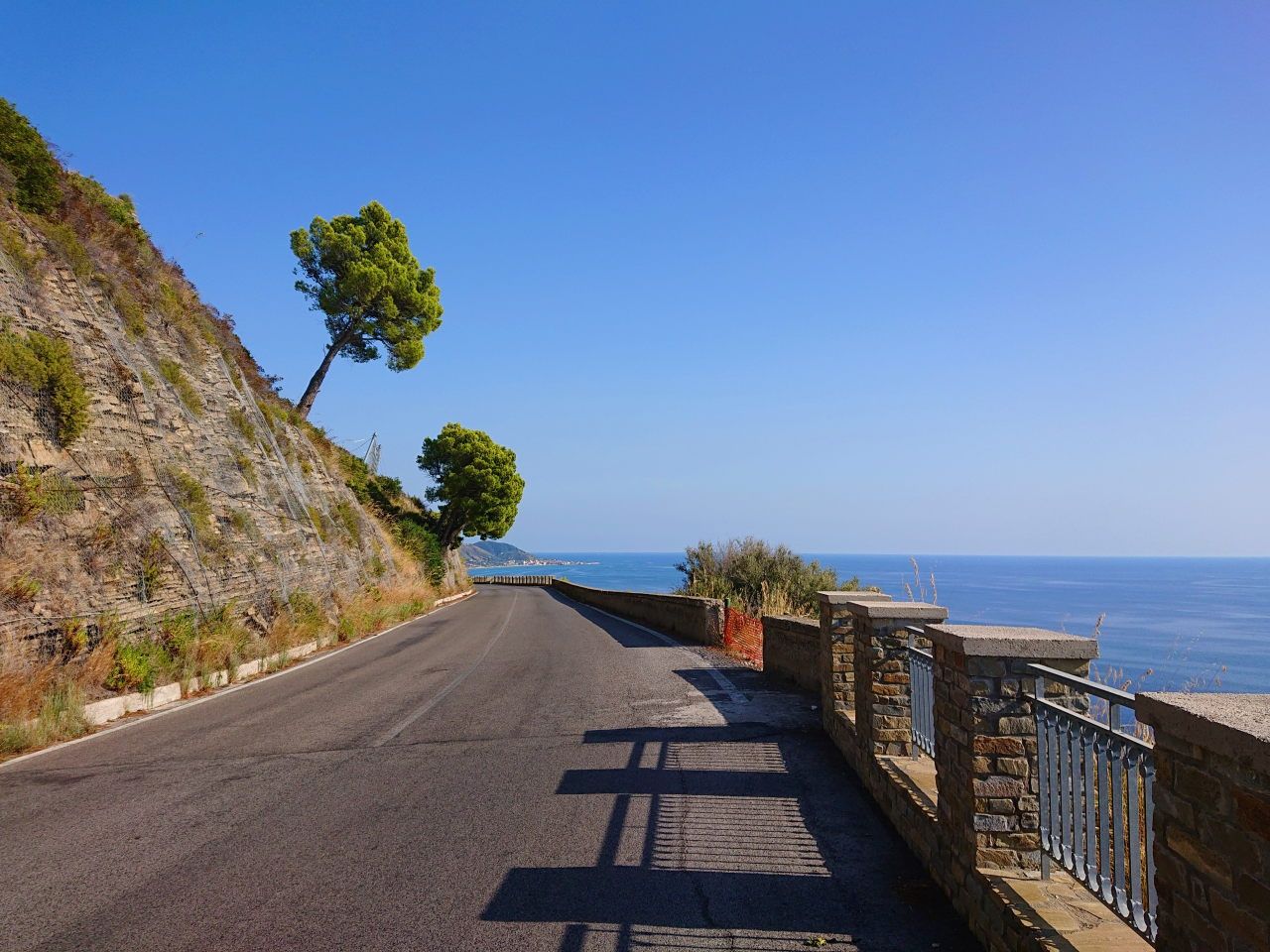
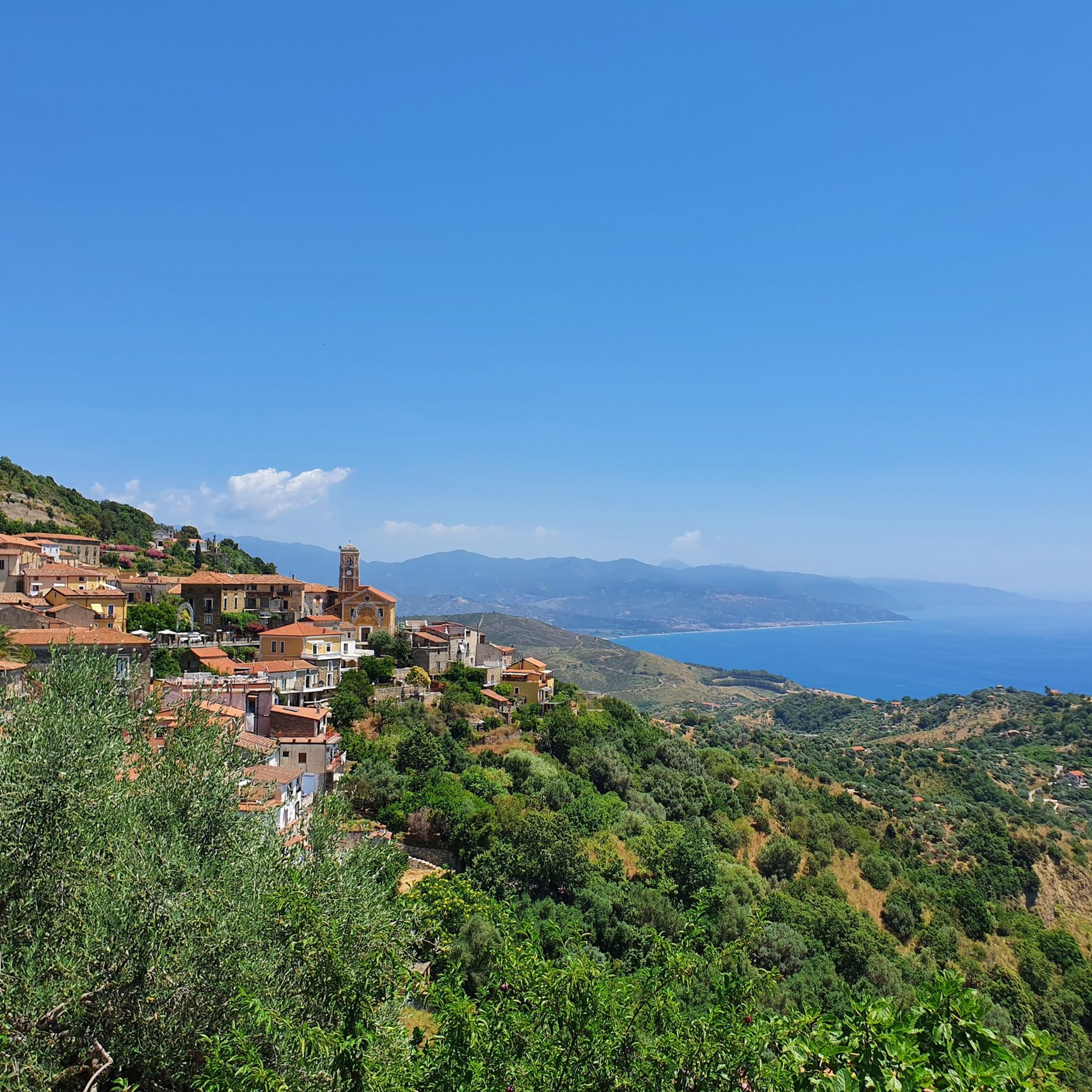
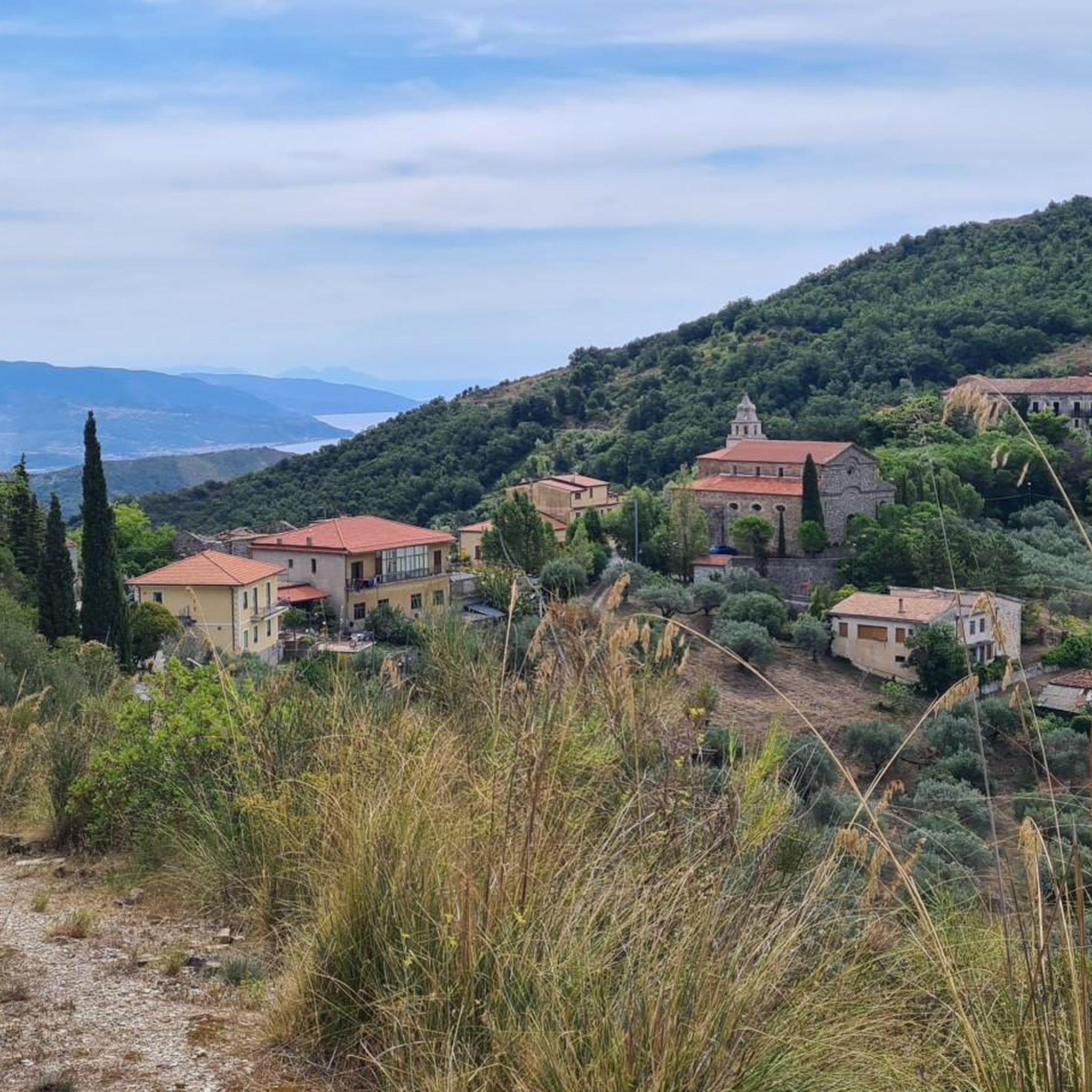


Tips from the Community

€15 ticket valid for three days to visit Velia and Paestum closing at 7.30pm
0
0

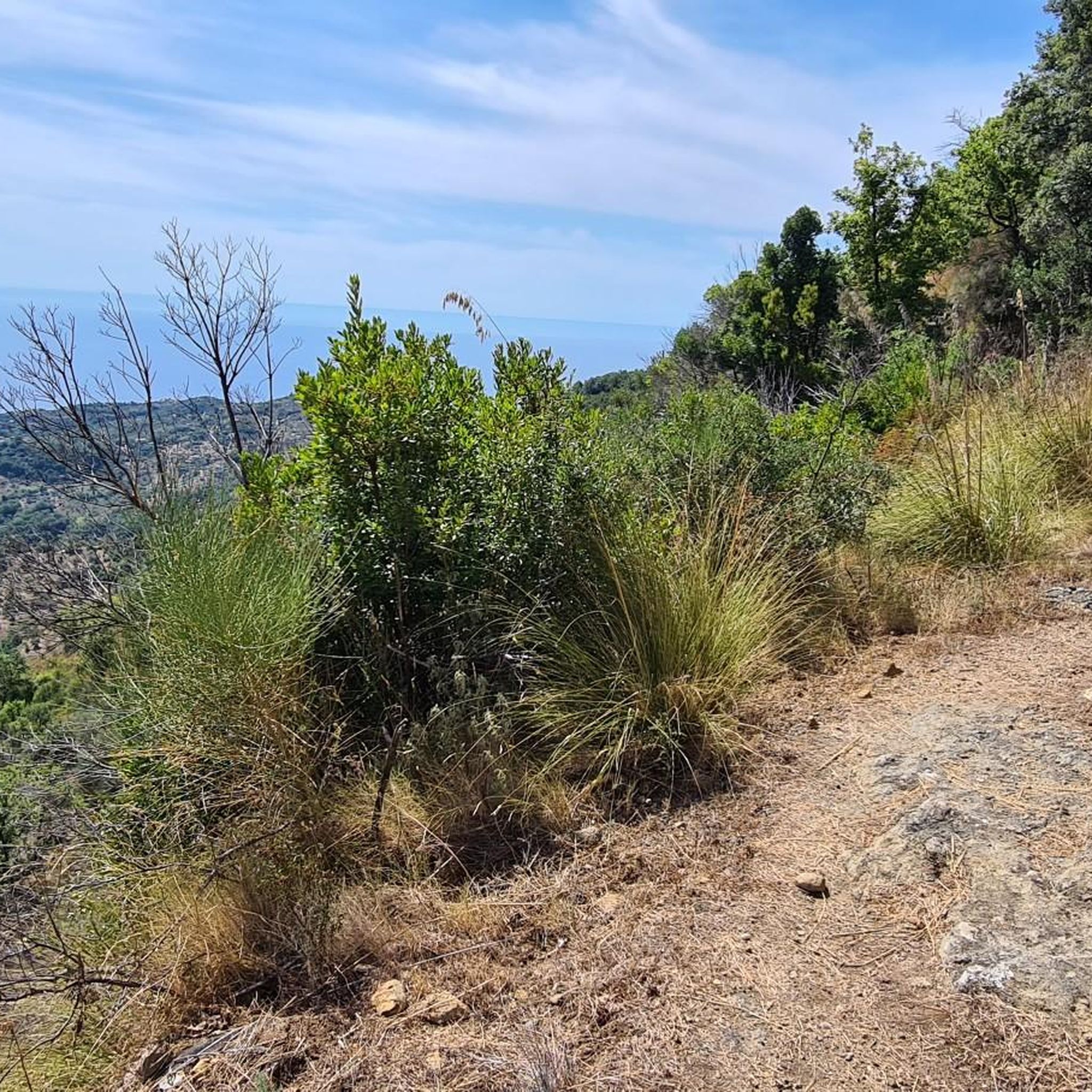
Nice to look at and good for biking
0
0
Nice to look at and good for biking
1
0

excavation site. Costs entry. In summer 13 €
1
0
Parking lot at the excavation site. Entry costs 13 euros in summer.
2
0
Nice little place with nice alleys. But not much to see
1
0

Entrance to the excavations of Velia
2
0

Velia, or ancient Elea, is a World Heritage monument. Walking among the ruins of this ancient Greek polis, it almost seems to hear Parmenides, Zeno and the great philosophers of the Eleatic school discussing the meaning of life. The view then from the medieval tower is breathtaking.
3
0
Frequently Asked Questions
What historical landmarks can I explore in Pollica and its surroundings?
Pollica is rich in history. You can visit the impressive Castello Capano, dating back to 1290, or the Convent of Santa Maria delle Grazie built in 1610. The oldest church, Church of San Pietro, from 1524, is also notable. In the hamlet of Acciaroli, the Norman Tower of Acciaroli, built in 1233, is a significant coastal watchtower. Further afield, the Acropolis of Velia offers ancient Greek and Roman ruins, including the famous Porta Rosa.
Are there any unique natural attractions or viewpoints near Pollica?
Yes, Pollica is part of the Cilento and Vallo di Diano National Park, offering diverse natural beauty. You can find panoramic views from the Mulino a Vento hill, overlooking the Gulf of Palinuro. The Pietra del Mulacchio megalith is a fascinating natural monument and historical site, sometimes referred to as a 'Cilento Stonehenge' due to its alignment with solstices. The Monte Stella and Bosco San Zaccaria forests are also great for nature exploration.
What are the best places for swimming and relaxing on the beach?
Pollica's hamlets are renowned for their beautiful beaches. Acciaroli has consistently been awarded the Blue Flag of Europe for its crystal-clear waters and charming fishing village atmosphere. Pioppi also offers golden beaches and is famous as the birthplace of the Mediterranean Diet.
What kind of outdoor activities can I do around Pollica?
The region around Pollica is excellent for outdoor enthusiasts. You can find numerous routes for cycling, gravel biking, and mountain biking. For example, there are challenging MTB trails like the "Monte Stella Loop from San Mauro Cilento" or scenic cycling routes such as the "Ripe Rosse Scenic Coastal Road – Punta Licosa loop from Acciaroli." Explore more options on the MTB Trails around Pollica, Gravel biking around Pollica, and Cycling around Pollica guide pages.
Are there any family-friendly attractions or activities in the area?
Yes, the Norman Tower of Acciaroli is considered a family-friendly historical site, offering an interesting glimpse into the region's past. The beautiful beaches of Acciaroli and Pioppi are also perfect for families to enjoy swimming and seaside activities. Exploring the ancient village of Celso (Pollica) with its unique urban structure can also be an engaging experience for all ages.
What is the best time of year to visit Pollica for outdoor activities?
The best time for outdoor activities in Pollica, especially hiking and cycling, is typically during the spring (April to June) and early autumn (September to October). During these months, the weather is pleasant, with comfortable temperatures and less intense heat than the peak summer, making it ideal for exploring the natural landscapes and historical sites.
Where can I learn about the Mediterranean Diet in Pollica?
You can learn about the Mediterranean Diet in Pioppi, one of Pollica's hamlets. It is recognized as the birthplace of this healthy eating pattern, which was extensively studied and promoted by biologist Ancel Keys, who lived there for over 40 years. The Living Sea Museum in Palazzo Vinciprova in Pioppi also provides information on marine ecosystems and biodiversity, which is closely linked to the local diet.
What is special about the village of Celso?
Celso (Pollica) is a very ancient village built entirely with local stones, retaining its original urban structure with defensive towers and a baronial palace. It offers a particularly characteristic atmosphere, especially in the districts of San Biase and Valle, and features a stone church in a panoramic position. It's a place of historical interest surrounded by beautiful nature.
Are there any ancient archaeological sites to visit?
Absolutely. The Pietra del Mulacchio megalith is a significant prehistoric site, a megalithic dolmen dating back to the 25th-20th century B.C. Additionally, the Acropolis of Velia, located in nearby Ascea Marina, features the remains of the ancient Greek city of Elea (later Roman Velia), including the unique Porta Rosa, a 4th-century Greek arch.
What are the most popular attractions according to the komoot community?
The komoot community highly appreciates the unique historical and natural sites. The ancient settlement of Celso (Pollica), with its preserved urban structure, is very popular. The Pietra del Mulacchio megalith, a fascinating natural monument, also garners significant interest. The Norman Tower of Acciaroli is another favorite, characterizing the skyline of the port.
Is there parking available at major attractions?
For the Acropolis of Velia, there is a dedicated parking lot at the excavation site. For other attractions, parking availability may vary, but generally, villages like Pollica, Acciaroli, and Pioppi offer public parking areas, though they can be busy during peak season.
Most popular attractions around Pollica

Get inspired with the komoot mobile app


Explore more
Still not found the Highlight you’re looking for? See guides of the top attractions in other regions:
