Attractions and Places To See around Salento - Top 20
Best attractions and places to see around Salento include a diverse range of historical landmarks, natural features, and cultural sites. This sub-region in southern Puglia, Italy, is characterized by its extensive coastline, ancient history, and unique architecture. Visitors can explore both rocky Adriatic shores and sandy Ionian beaches, alongside protected natural parks. The area offers a blend of historical sites and natural beauty for exploration.
Best attractions and places to see around Salento
- The most popular attractions is Celso (Pollica), a settlement known for its ancient urban structure. It features defensive towers and a baronial palace, retaining its historical character.
- Another must-see spot is Pietra del Mulacchio megalith, a natural monument. This megalithic dolmen is considered a Cilento Stonehenge, with boulders forming a structure calibrated to the sun's position.
- Visitors also love Acropolis of Velia, a historical site. These ancient city remains include the famous Porta Rosa, a 4th-century Greek arch, and an interesting medieval fortification.
- Salento is known for its historical landmarks, pristine beaches, and natural parks. The region offers a variety of attractions, from ancient Roman amphitheatres and Baroque architecture to coastal grottoes and protected natural reserves.
- The attractions around Salento are appreciated by the komoot community, with 33 upvotes and 22 photos shared by visitors.
Last updated: June 23, 2026
Celso (Pollica)
Highlight • Settlement
Translated by Google •
Tip by

Pietra del Mulacchio megalith
Highlight • Natural Monument
If you do not arrive in this "Sacred Area" you cannot imagine the presence of this Cilento Stonehenge ...
Translated by Google •
Tip by

Sign up now to discover places like this
Get recommendations on the best single tracks, peaks, & plenty of other exciting outdoor places.
Sign up for free
Acropolis of Velia
Highlight • Historical Site
Sea and culture is the golden combination that every Italian town can offer and that makes a holiday in our country unique. Tourists can immerse themselves in the morning in the crystalline sea of Agropoli, Santa Maria di Castellabate, Acciaroli, Pioppi, Capo Palinuro or Marina di Camerota and in the afternoon they can relive the thrill of walking through the streets or the agora (the forum) of Velia. where certainly also great philosophers of the Eleatic school such as Parmenides, Zeno and Melisso walked. The ancient acropolis of Elea (Velia), where today an interesting medieval fortification stands, hosts very suggestive theatrical performances in the open. One of the highlights of these excavations is the famous Porta Rosa, the only example of a 4th-century Greek arch, a true architectural jewel of the time.
Continue reading on:
velia.it
Translated by Google •
Tip by
Historic Archway of San Mauro Cilento
Highlight • Historical Site
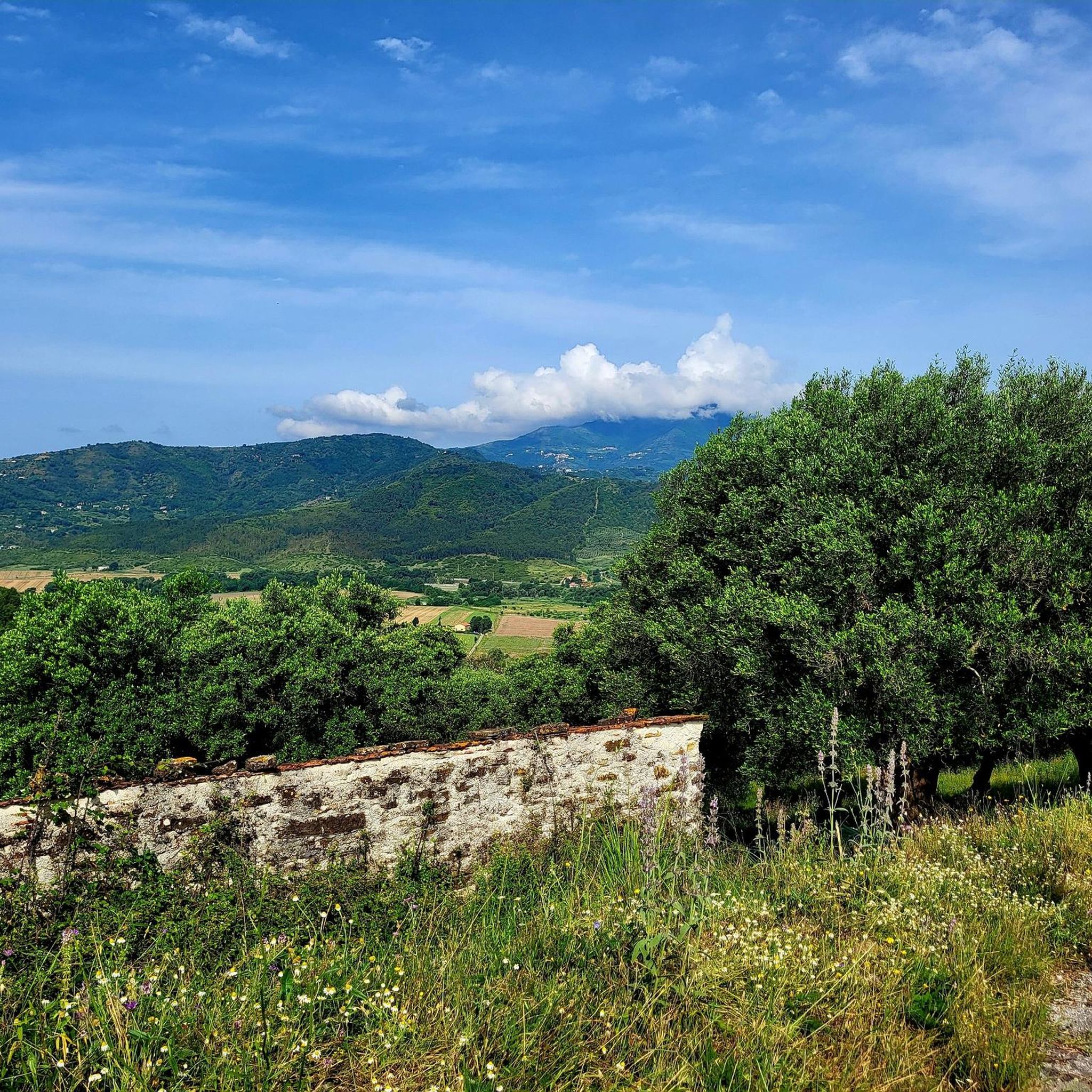
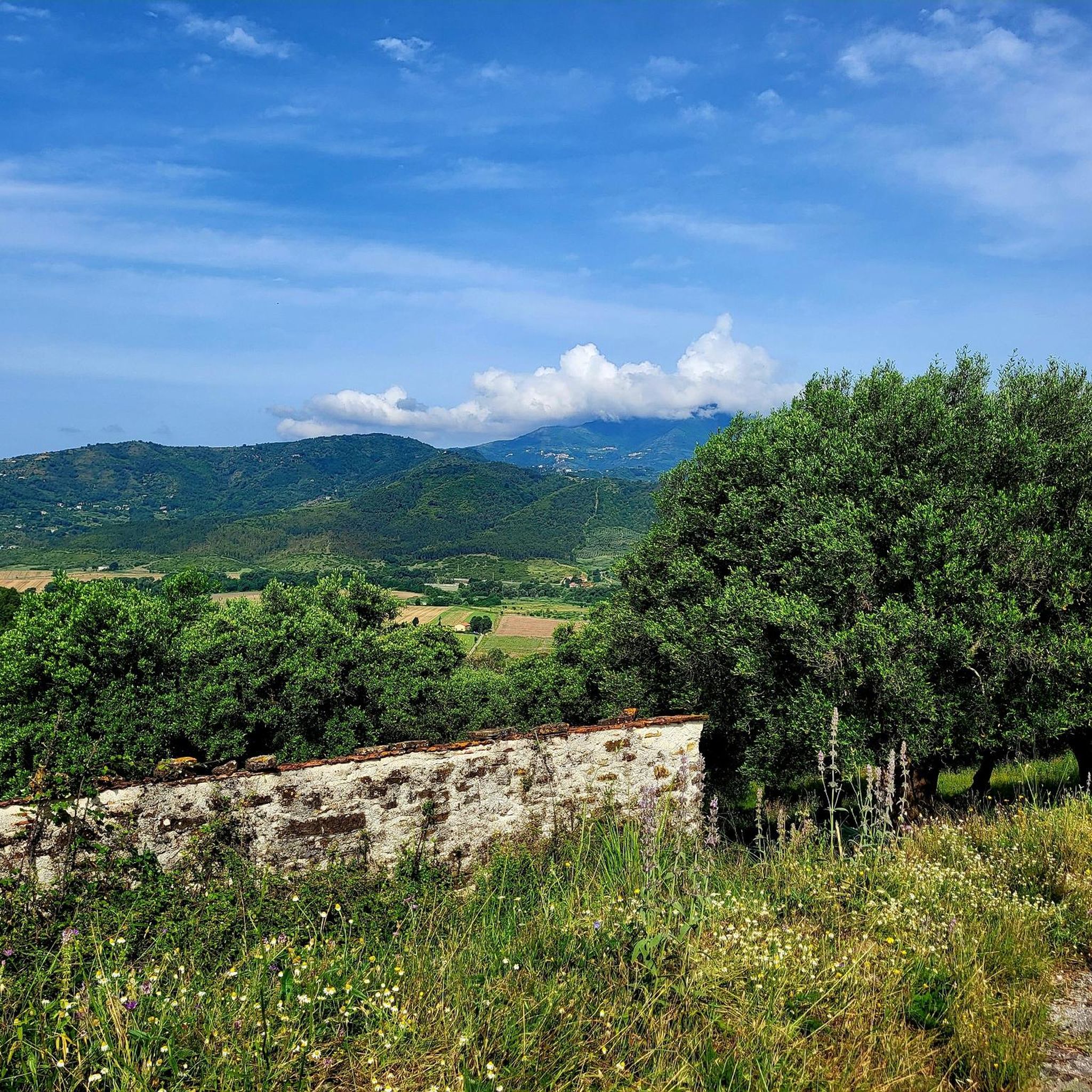
The surrounding area of San Mauro Cilento is characterized by ancient water mills, by paths immersed in the Mediterranean scrub and by olive groves. The quaint old town offers wonderful views of the sea. Every year the “Feast of the ancient flavors” is held, a characteristic convivial moment in which it is possible to taste specialties of the area based on artichokes, bacon and broad beans. The white figs are also very popular.
Translated by Google •
Tip by
Fountain on Via Pisacane, Ceraso
Highlight • Rest Area
And it is not to be excluded that some of them, in search of good wood to feed the shipyard of Velia, stopped, and then held back, on the large river terrace (river Palisco = mountain, today Palistro) at the mouth of which it was the northern port of Velia. A place that appeared to them very charming, seen from the top of the Tempe, rich as it was in cherry trees of the genus prunus. A terrace surrounded by long-standing tall trees.
They certainly stayed there when the locality became an important road junction. In fact, the fluvial road, the road along the Palistro, reached it; a short distance from that place passed the road to the Terre Rosse; from there the easy way started which, by today's Coste delle monache, led to the Alfa pass (Cannalonga) and from there into the Vallo di Diano.
However, it is certain that in the early Middle Ages the inhabited area in the place must have been particularly flourishing if in ancient documents it was indicated to locate nearby settlements.
A parchment dated 6 May 1149 by Pope Eugene III recognizes the monastery of Santa Barbara as “ubi Cerasus dicitur” (where it is called Ceraso) to the abbey of Cava. News confirmed by another of Pope Alexander II a few years later in January 1168.
The inhabited area also expanded due to its happy geographical position, in the center of the towns that were then to build its hamlets in the Napoleonic era, when the town was chosen as the capital of the Municipality. An important agricultural center, due to its very fertile alluvial soils, the town continued to develop gradually, achieving a singular building increase in recent years. This was determined by the improved economic conditions of the population which allowed not only the renovation of the old houses, equipping them with useful modern structures, but also allowed the construction of new housing, especially single-family homes.
Translated by Google •
Tip by
Sign up for free to discover even more attractions around Salento.
Sign up for free
Already have an account?
Start today with a free account
Your next adventure awaits.
Login or Signup
Tips from the Community

€15 ticket valid for three days to visit Velia and Paestum closing at 7.30pm
0
0

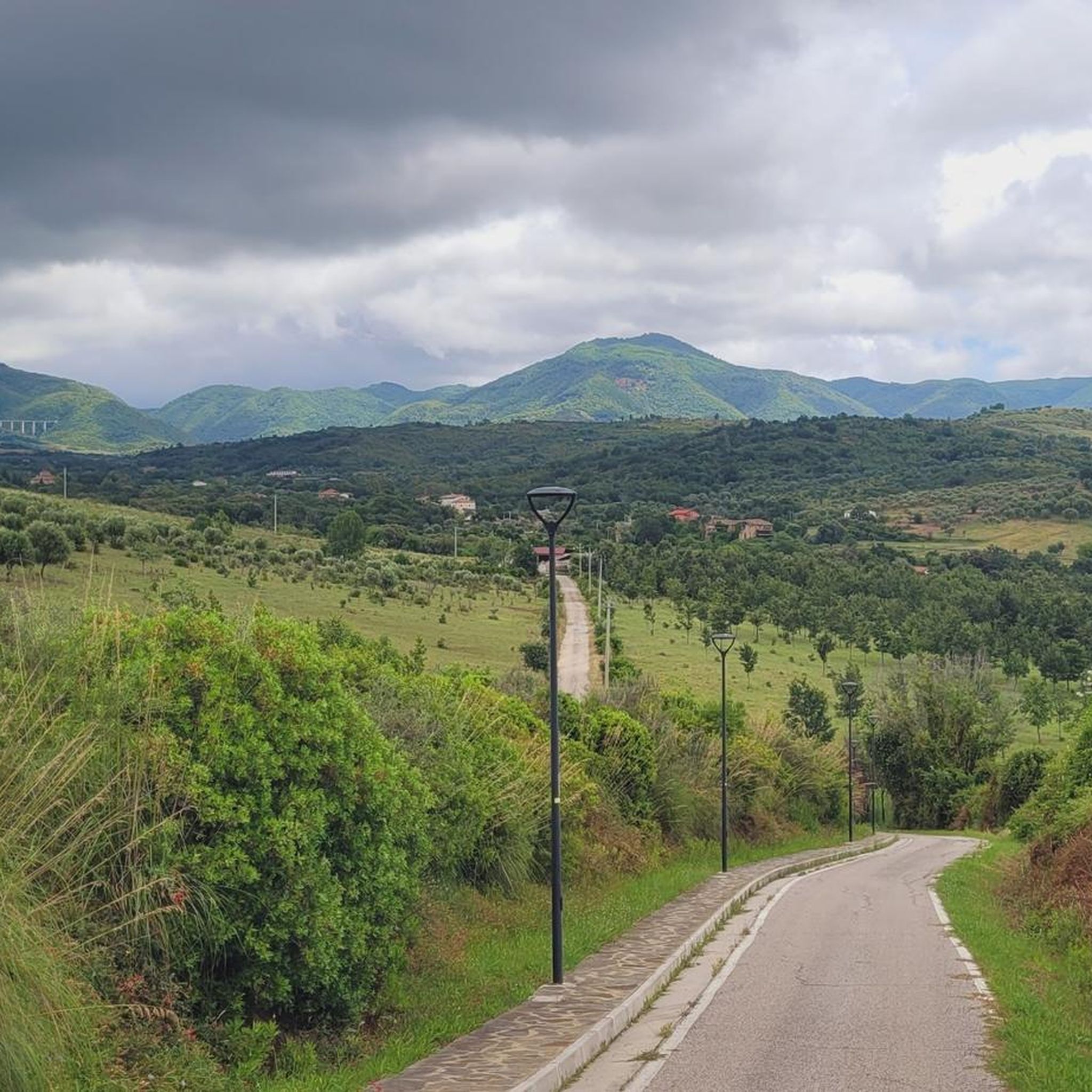
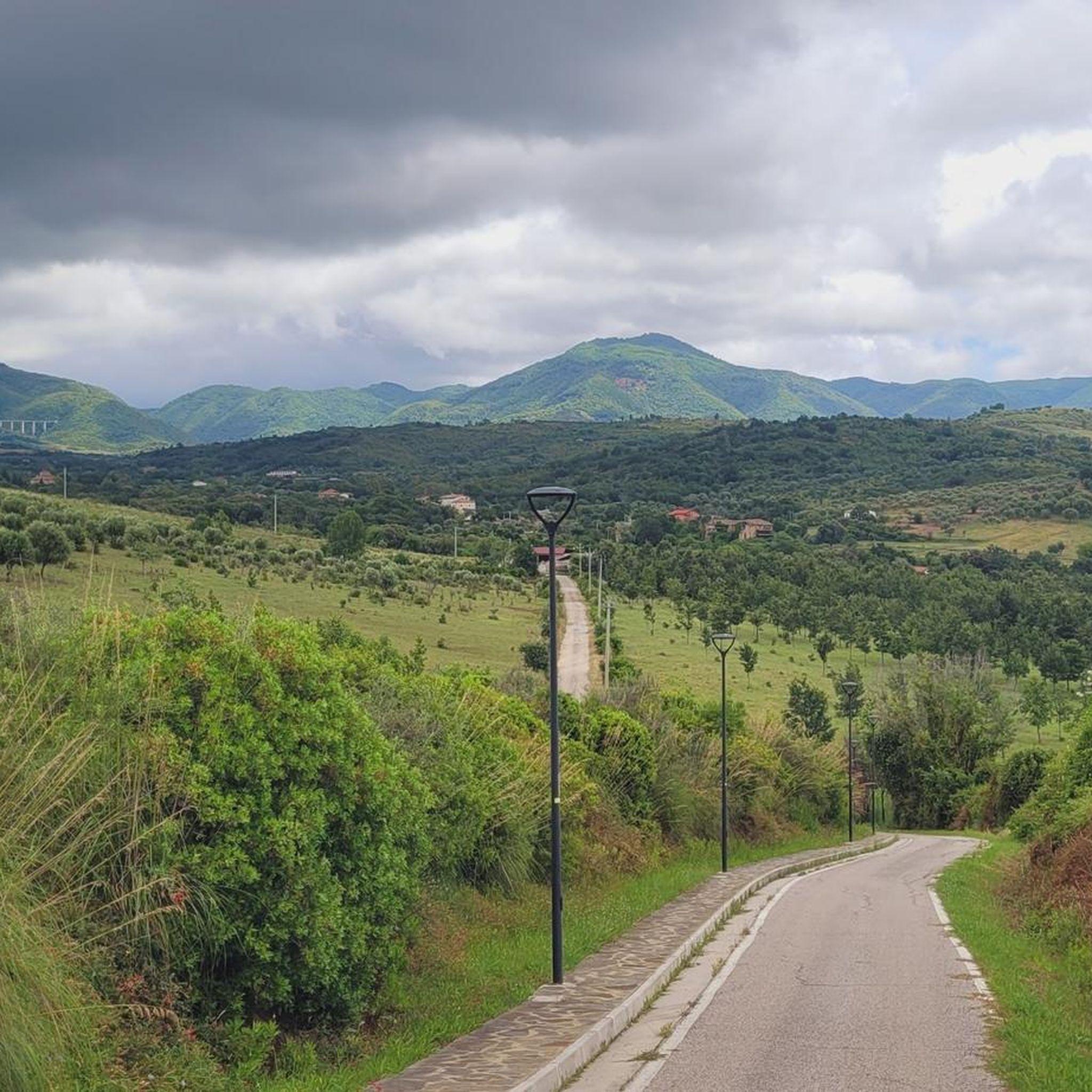
Nice to look at and good for biking
1
0
Very practical for filling water
2
0

Parking lot at the excavation site. Entry costs 13 euros in summer.
2
0
Nice little place with nice alleys. But not much to see
1
0

Entrance to the excavations of Velia
2
0

The Mulacchio stone is a prehistoric megalith on Monte Stella which probably served as a solar calendar and place of fertility for the ancient Cilento populations. With a ladder you can climb to the top and admire the 360 degree panorama.
3
0

beautiful to look at, these old dolmens.
1
0
Frequently Asked Questions
What historical and architectural marvels can I explore in Salento?
Salento is rich in history and unique architecture. Lecce, often called the "Florence of the Baroque," is a must-visit for its elaborate Baroque buildings crafted from local "Pietra Leccese" stone. Key sites include the Basilica di Santa Croce and the Lecce Cathedral. You can also find ancient Roman remains like the Roman Amphitheatre in Piazza Sant'Oronzo. Other notable historical sites include the Acropolis of Velia, featuring the ancient Porta Rosa, and the Pietra del Mulacchio megalith, a fascinating prehistoric stone calendar.
Where can I find stunning coastal scenery and beaches in Salento?
Salento boasts over 250 km of diverse coastline. The Adriatic side is known for its rocky shores and dramatic cliffs, while the Ionian coast offers flatter, white sandy beaches. Highlights include the iconic stone arch of Torre Sant'Andrea, the natural swimming pool of Grotta della Poesia in Roca Vecchia, and the beautiful Zinzulusa Grottoes near Castro. For sandy stretches, consider Baia dei Turchi, Pescoluse (often called the "Maldives of Salento"), or the beaches around Punta Prosciutto and Porto Cesareo.
Are there any natural parks or reserves worth visiting in Salento?
Yes, Salento is home to several protected natural areas. The Porto Selvaggio Regional Natural Park offers beautiful beaches and pine forests. The Regional Natural Park Costa Otranto – Santa Maria di Leuca and Bosco di Tricase protects ecologically important sites like the Zinzulusa Cave. You can also explore the Palude del Conte and Duna Costiera Nature Reserve near Porto Cesareo, or the WWF-protected Le Cesine Nature Reserve, rich in flora and fauna. The Alimini Lakes are also a great spot for birdwatching amidst pine forests.
What are some unique cultural experiences available in Salento?
Beyond the major cities, Salento offers unique cultural insights. The Grecìa Salentina is a cluster of towns, including Corigliano d'Otranto and Martano, that preserve Greek language, traditions, and customs. In Galatina, the Basilica of Santa Caterina is renowned for its entirely frescoed interior, a significant artistic treasure. The historic center of Celso (Pollica) also retains an ancient urban structure with defensive towers and a baronial palace, offering a glimpse into traditional village life.
What outdoor activities can I do near Salento's attractions?
Salento offers a variety of outdoor activities. For road cycling, you can explore routes like "The Silent Way: Monte Gelbison Loop" or "From Castelnuovo Cilento to Ascea and Ceraso." Mountain biking enthusiasts can tackle trails such as the "Church by the Harbor – Acropolis of Velia loop" or the "Marina di Casal Velino – Ascea Seafront Promenade loop." Gravel biking options include the "Celso (Pollica) – View of Pollica loop." You can find more details on these and other routes in the Road Cycling Routes around Salento, MTB Trails around Salento, and Gravel biking around Salento guides.
Are there any family-friendly attractions in Salento?
Many of Salento's natural attractions are suitable for families. The sandy beaches like Pescoluse or Baia dei Turchi are perfect for children. Exploring the Aragonese Castle in Otranto or the Castello Angioino in Gallipoli can also be an exciting historical adventure for kids. Boat tours to the Zinzulusa Grottoes from Castro offer a memorable experience for all ages.
What is the best time of year to visit Salento for outdoor activities?
The best time to visit Salento for outdoor activities and enjoying its natural beauty is typically during the spring (April to June) and early autumn (September to October). During these months, the weather is pleasantly warm, ideal for hiking, cycling, and exploring coastal areas, without the intense heat and crowds of the peak summer season.
Where can I find unique viewpoints or natural formations in Salento?
Salento offers several unique natural formations and viewpoints. The iconic stone arch of Torre Sant'Andrea provides a stunning coastal vista. The "Due Sorelle" (Two Sisters) rock formations near Torre dell'Orso are also a popular sight. For a truly unique landscape, visit the abandoned Bauxite Quarry near Otranto, which now features a striking red landscape surrounding a small lake. The southernmost tip, Santa Maria di Leuca, offers panoramic views where the Adriatic and Ionian Seas meet, marked by its historic lighthouse.
Are there any hidden gems or less-known spots in Salento?
Beyond the main tourist hubs, Salento holds several hidden gems. The small fjord of Acquaviva di Marittima is known for its cold water springs and clean waters, offering a refreshing escape. The town of Nardò encapsulates many facets of Salento with its lush nature and historical treasures, often overlooked by visitors. The Historic Archway of San Mauro Cilento is another precious Cilento jewel worth visiting for its quaint old town and views.
What do visitors enjoy most about Salento?
Visitors to Salento particularly appreciate its blend of ancient history, stunning natural beauty, and vibrant culture. The komoot community has shared 22 photos and given 33 upvotes to attractions around Salento, highlighting the region's diverse appeal. Many enjoy exploring the ancient urban structures of villages like Celso (Pollica), the unique megalithic sites such as Pietra del Mulacchio, and the historical significance of places like the Acropolis of Velia. The region's pristine beaches and protected natural parks are also highly valued for their beauty and outdoor opportunities.
Can I find wild swimming spots in Salento?
Salento offers several fantastic wild swimming opportunities. The Grotta della Poesia (Cave of Poetry) in Roca Vecchia is a famous natural swimming pool with crystal-clear turquoise water. The Zinzulusa Grottoes near Castro also provide clear deep blue water, popular for swimming and deep-sea diving. Additionally, the small fjord of Acquaviva di Marittima is recognized for its clean, cold spring waters, offering a unique and refreshing swimming experience.
Are there any accessible attractions for wheelchair users in Salento?
While many historical sites in Salento may have uneven terrain, some areas and facilities are more accessible. For example, the Fountain on Via Pisacane, Ceraso is noted as wheelchair accessible. When planning your visit, it's advisable to check specific accessibility details for individual attractions or contact local tourist information centers for the most up-to-date information on accessible routes and facilities.
Most popular attractions around Salento

Get inspired with the komoot mobile app


Explore more
Still not found the Highlight you’re looking for? See guides of the top attractions in other regions:
