Attractions and Places To See around Castellabate - Top 20
Best attractions and places to see around Castellabate are located on the Cilento coast, within the Cilento, Vallo di Diano and Alburni National Park. This area, recognized as a UNESCO World Heritage Site, offers a diverse range of historical landmarks, natural features, and cultural sites. Visitors can explore its medieval hilltop center and coastal villages.
Best attractions and places to see around Castellabate
- The most popular attractions is Celso (Pollica), a settlement that retains its ancient urban structure with…
Last updated: October 9, 2026
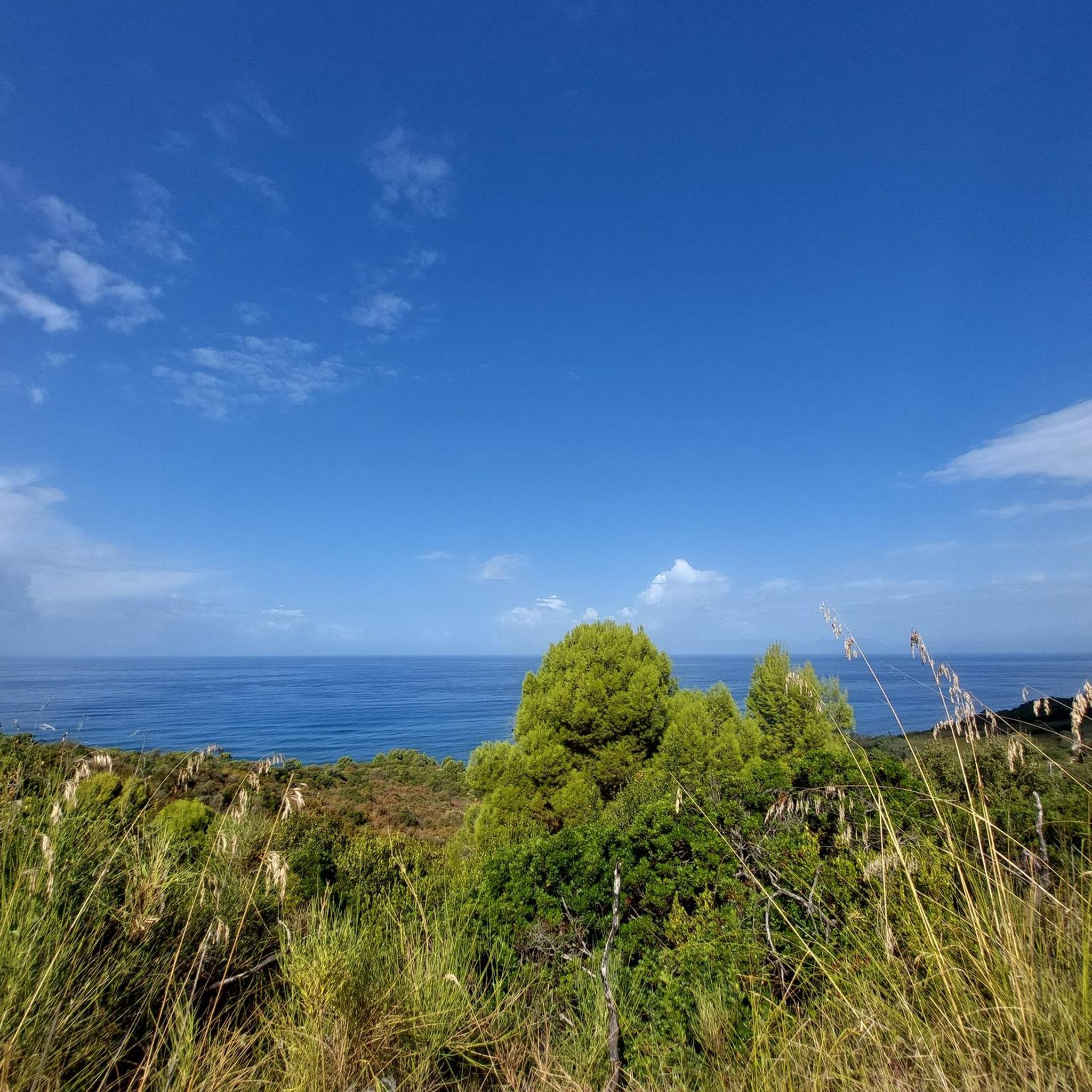
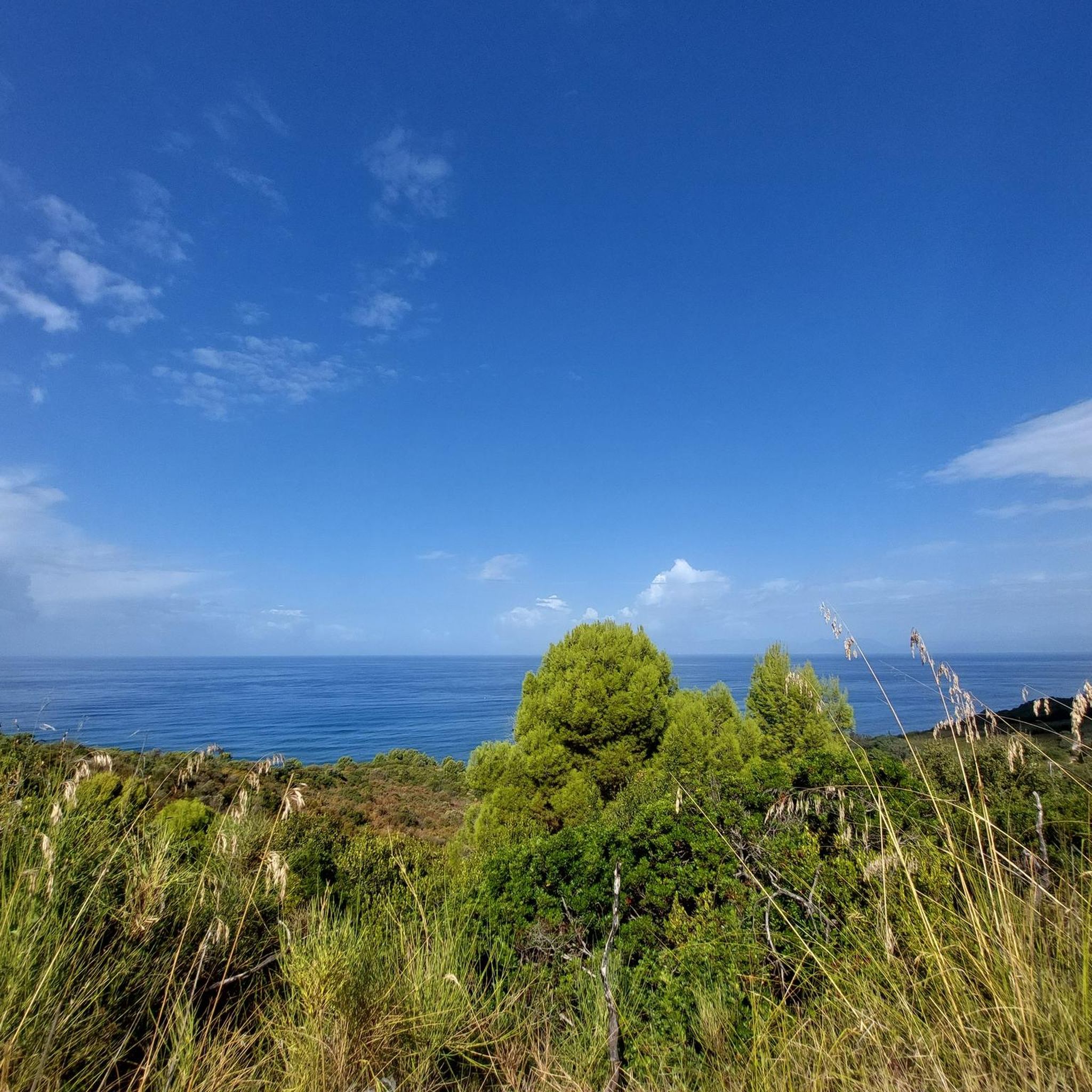
Costabile Viewpoint of Castellabate
Highlight • Viewpoint
Translated by Google •
Tip by

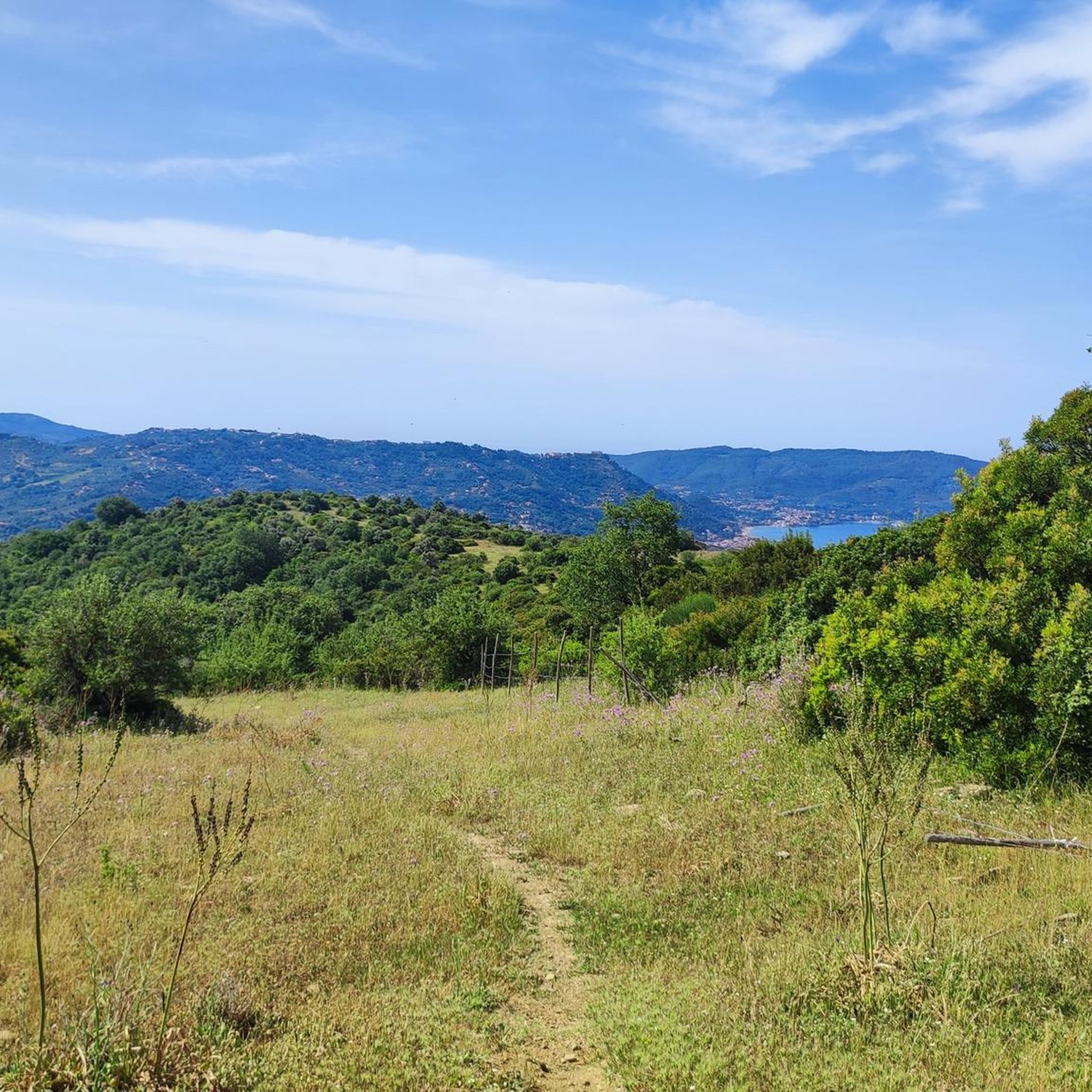
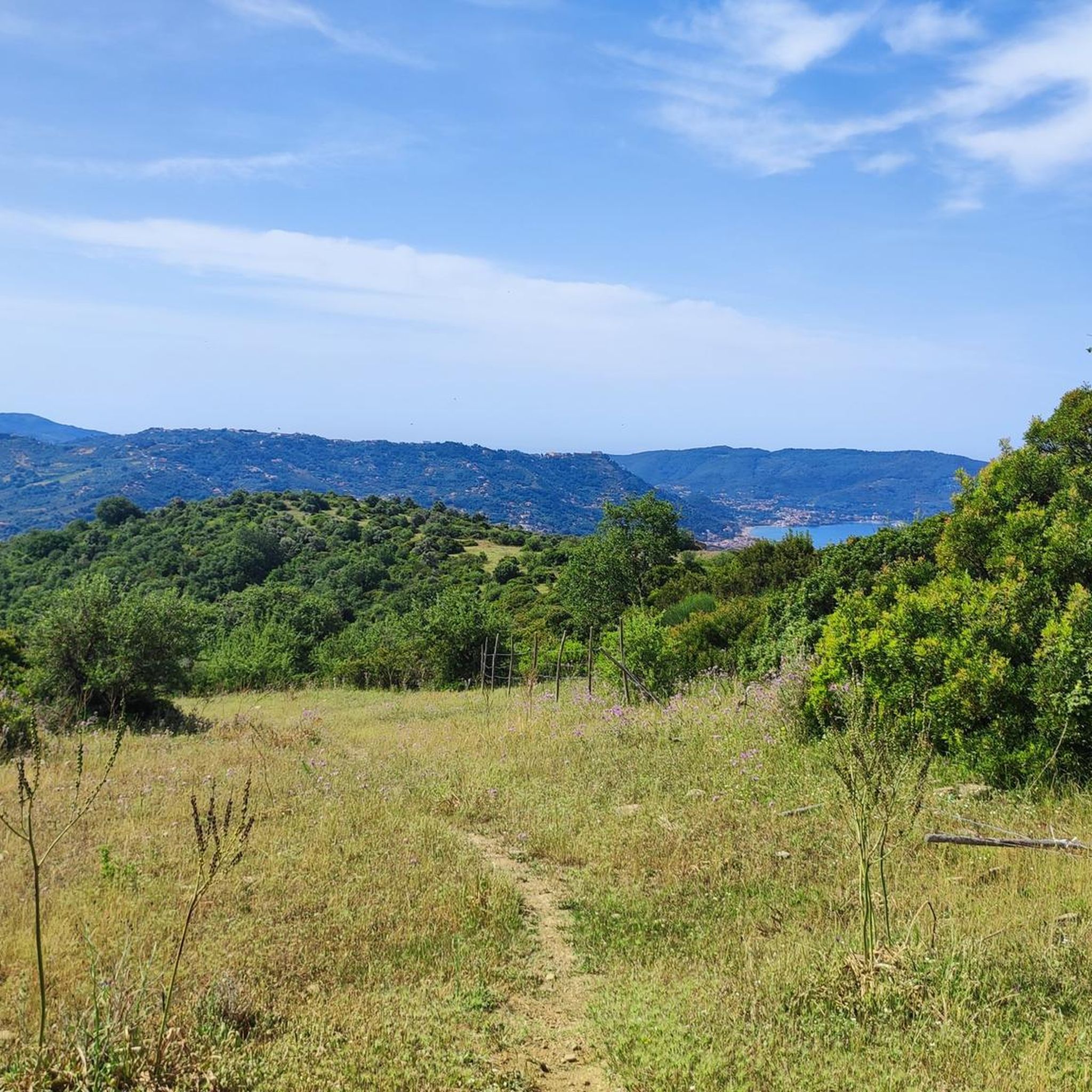
Section of Trail 700 with scenic viewpoints
Highlight (Segment) • Viewpoint
Translated by Google •
Tip by

Sign up now to discover places like this
Get recommendations on the best single tracks, peaks, & plenty of other exciting outdoor places.
Old village to discover
Highlight • Historical Site
fondoambiente.it/luoghi/villaggio-abbandonato-di-tresino?ldc
Translated by Google •
Tip by
Celso (Pollica)
Highlight • Settlement
Translated by Google •
Tip by

Pietra del Mulacchio megalith
Highlight • Natural Monument
If you do not arrive in this "Sacred Area" you cannot imagine the presence of this Cilento Stonehenge ...
Translated by Google •
Tip by

Sign up for free to discover even more attractions around Castellabate.
Already have an account?
Start today with a free account
Your next adventure awaits.
Tips from the Community

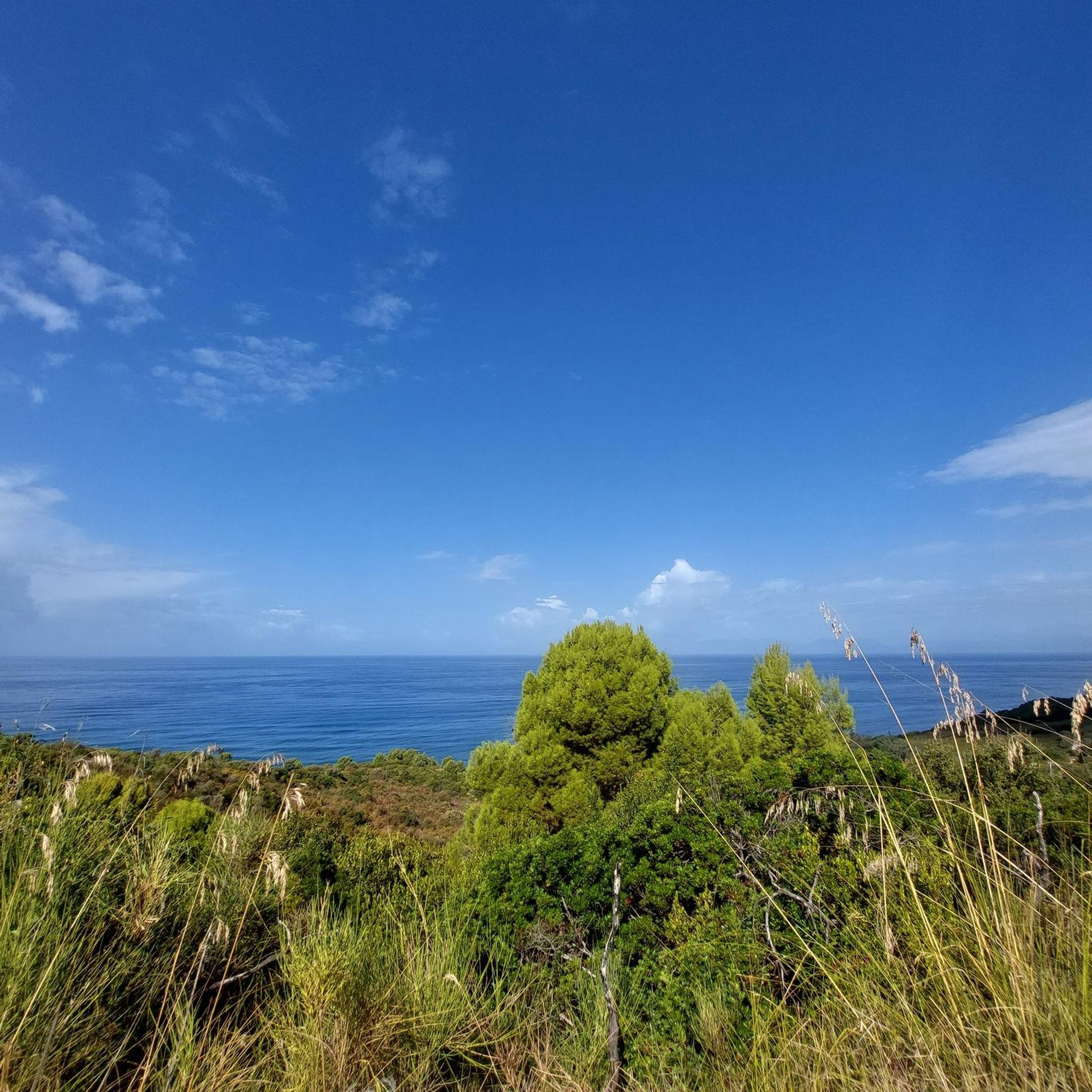
If you're cycling from north to south along the Cilento coast, this is the first real panoramic viewpoint. I recommend climbing up, avoiding the main road to avoid the bulk of traffic (there's a fork at the start of the climb). The view is worth the effort: beautiful.
0
0

a breathtaking view of the Almafi and Capri coast to enjoy your snack before going back down
0
0

Nice little place with nice alleys. But not much to see
1
0

Castellabate is a special corner of Campania located in the province of Salerno in the heart of the Cilento National Park. The town is an ancient village of medieval origins which is not only included in the ranking of the "most beautiful villages in Italy", but which is also considered a UNESCO World Heritage Site. In fact, the city, located about 300 meters above sea level, is characterized by narrow cobbled streets, ancient buildings that hide elegant courtyards and terraces that can offer wonderful landscapes.
0
0

The Mulacchio stone is a prehistoric megalith on Monte Stella which probably served as a solar calendar and place of fertility for the ancient Cilento populations. With a ladder you can climb to the top and admire the 360 degree panorama.
3
0
Remains of an ancient village abandoned during the 18th century due to the greater development of nearby towns such as Castellabate and Agropoli. The church, the school, and various buildings used as homes, barns or stables can be recognized.
3
0
Path 700 starts from Trentova Bay, a pebble and sandy beach, and follows the ridge of Monte Tresino, a relief that offers breathtaking views of the Tyrrhenian Sea and the Cilento coast. From this stretch you can admire Punta Tresino.
2
0

In a ring tour in the Trentova-Tresino area I wanted to include a path with a very captivating name: "La Panoramica". Along the downhill path from Mount Tresino to Punta Tresino, the views are actually beautiful, but the path in the final part, i.e. the last 200 meters, is almost overhanging, and is decidedly "dangerous" because it is very exposed, absolutely uncared for, with vegetation obstructing the step and unstable ground. It went well but objectively it wasn't for everyone. Trekking clothing is absolutely necessary, with sturdy shoes, gloves and sufficient mountaineering experience.
5
0
Frequently Asked Questions
What historical sites can I explore in Castellabate?
Castellabate is rich in history. You can visit the 12th-century Castello dell'Abate, which once defended against Saracen attacks and now hosts cultural events. The Old village to discover, an ancient settlement abandoned in the 18th century, offers a glimpse into the past. Additionally, the settlement of Celso (Pollica) retains its ancient urban structure with defensive towers and a baronial palace.
Are there any ancient or archaeological sites in the area?
Yes, the region features the intriguing Pietra del Mulacchio megalith on Monte Stella, a prehistoric site possibly used as a solar calendar and for fertility rites by ancient Cilento populations. The coast also has natural caves with Paleolithic finds.
Where can I find beautiful beaches for swimming and relaxation?
Castellabate is known for its stunning Blue Flag beaches. In Santa Maria di Castellabate, you'll find 'Lago Beach', 'Pozzillo Beach', and 'Santa Maria Beach'. San Marco di Castellabate offers 'Pozzillo Beach' and 'Spiaggia della Grotta'. For a hidden gem, explore 'Spiaggia di Punta dell'Inferno' in Santa Maria, ideal for fine sand and deep blue waters. Ogliastro Marina also boasts an expansive beach with clear water.
Are there opportunities for snorkeling or diving in Castellabate?
Absolutely. The crystal-clear waters around Castellabate are perfect for snorkeling and diving. Punta Licosa is particularly recommended for its unspoiled nature, white sandy beaches, and vibrant underwater life. The marine environments are part of the Marine Protected Area of Santa Maria di Castellabate, preserving rich biodiversity including rare fish species and gorgonians.
What natural landscapes are unique to the Castellabate region?
Castellabate is entirely within the Cilento and Vallo di Diano National Park, a UNESCO World Heritage site. This offers diverse flora and fauna, hiking trails, and an unspoiled natural environment. The sea around Punta Licosa and Ogliastro Marina is characterized by unique 'Flysch del Cilento' rock formations, and the coast features natural caves and interesting seabeds.
Where are the best panoramic viewpoints in Castellabate?
For breathtaking views, visit the Costabile Viewpoint of Castellabate (Belvedere San Costabile). From here, you can see the sea, Santa Maria, the Gulf of Salerno, and on clear days, even Capri and Ischia islands. Another excellent spot is the Section of Trail 700 with scenic viewpoints, offering stunning coastal vistas.
What outdoor activities and trails are available near Castellabate?
The region offers a variety of outdoor activities. You can explore numerous trails within the Cilento and Vallo di Diano National Park. For specific routes, consider the Running Trails around Castellabate, which include moderate loops like 'Lungomare Bracale' and 'Punta Licosa'. There are also options for cycling and gravel biking.
Are there specific routes for running or cycling?
Yes, for runners, there are several routes, including the 'Lungomare Bracale loop' and the 'Punta Licosa loop'. Cyclists can find routes like the 'Norman Tower of Acciaroli – Castello dell'Abate loop' among the Road Cycling Routes around Castellabate. If you prefer off-road, explore the Gravel biking around Castellabate guide, featuring routes like the 'Punta Licosa – Castello dell'Abate loop'.
Are there family-friendly attractions or activities in Castellabate?
Many attractions in Castellabate are suitable for families. The beautiful beaches are perfect for children, and the historic center offers charming, car-free alleys to explore. The Costabile Viewpoint is easily accessible and offers great views for all ages. Gentle walks along the coast or easy sections of trails within the National Park can also be enjoyed by families.
What is the best time of year to visit Castellabate?
The best time to visit Castellabate is generally from late spring (May) to early autumn (September). During these months, the weather is warm and sunny, ideal for enjoying the beaches, outdoor activities, and exploring the historic sites. Spring and early autumn offer pleasant temperatures for hiking, while summer is perfect for swimming and coastal activities.
What do visitors enjoy most about Castellabate?
Visitors frequently praise Castellabate for its stunning panoramic views, particularly from the Costabile Viewpoint. The charm of the medieval hilltop village, with its narrow alleys and historic architecture, is also a highlight. The beautiful, clean beaches and the unspoiled natural environment of the Cilento National Park are highly appreciated, as is the opportunity to discover ancient sites like the Old village to discover.
Can I find cultural events or museums in Castellabate?
Yes, the restored Castello dell'Abate serves as a venue for cultural events and houses an art museum with archaeological discoveries. In Santa Maria di Castellabate, Villa Matarazzo hosts the Museo e Biblioteca del Calcio Andrea Fortunato (a football museum) and the Museo del Mare (Museum of the Sea), dedicated to the area's seafaring traditions.
Are there any unique coastal features to see?
Beyond the beaches, you can visit the Porto delle Gatte (Cat Harbour) in Santa Maria di Castellabate, an unusual arched construction historically used as warehouses. At night, its illuminated arches resemble cat's eyes. The area also features several historic Coastal Towers, like the Norman-Aragonese tower of 'Pagliarola', built to spot Saracens and communicate along the coast.
Most popular attractions around Castellabate

Get inspired with the komoot mobile app


Explore more
Still not found the Highlight you’re looking for? See guides of the top attractions in other regions:
