Attractions and Places To See around Roccapiemonte - Top 20
Best attractions and places to see around Roccapiemonte. Roccapiemonte is situated within the Valle dell'Irno, an area known for its green hills and landscapes. This town serves as a base for exploring the diverse natural features and significant historical sites of the Campania region. The surrounding area offers a blend of natural beauty and cultural landmarks for visitors to discover.
Best attractions and places to see around Roccapiemonte
- The most popular attractions is Cave of the Madonna della Pace of…
Last updated: May 4, 2026
Cappella Vecchia Trail and Wooden Sculptures (Cava de' Tirreni)
Highlight (Segment) • Trail
Translated by Google •
Tip by

Cave of the Madonna della Pace of Pietrapiana
Highlight • Cave
Translated by Google •
Tip by
Sign up now to discover places like this
Get recommendations on the best single tracks, peaks, & plenty of other exciting outdoor places.
Sign up for free
Cesare Spring
Highlight • Natural Monument
Translated by Google •
Tip by
Church of Saint Margaret of Antioch (Albori)
Highlight • Religious Site
Translated by Google •
Tip by
Abbey of the Most Holy Trinity of Cava de' Tirreni
Highlight • Religious Site
Translated by Google •
Tip by
Sign up for free to discover even more attractions around Roccapiemonte.
Sign up for free
Already have an account?
Start today with a free account
Your next adventure awaits.
Login or Signup
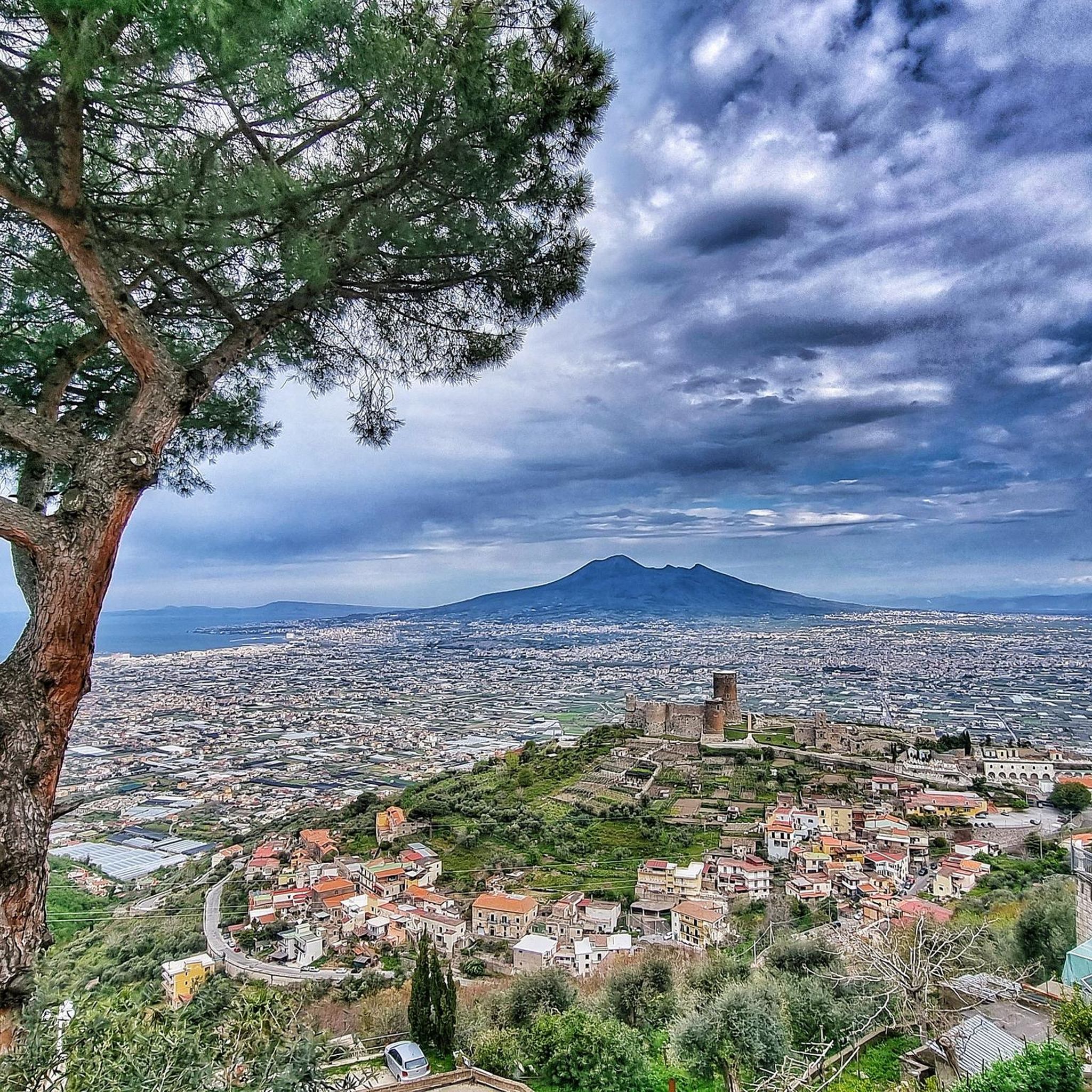
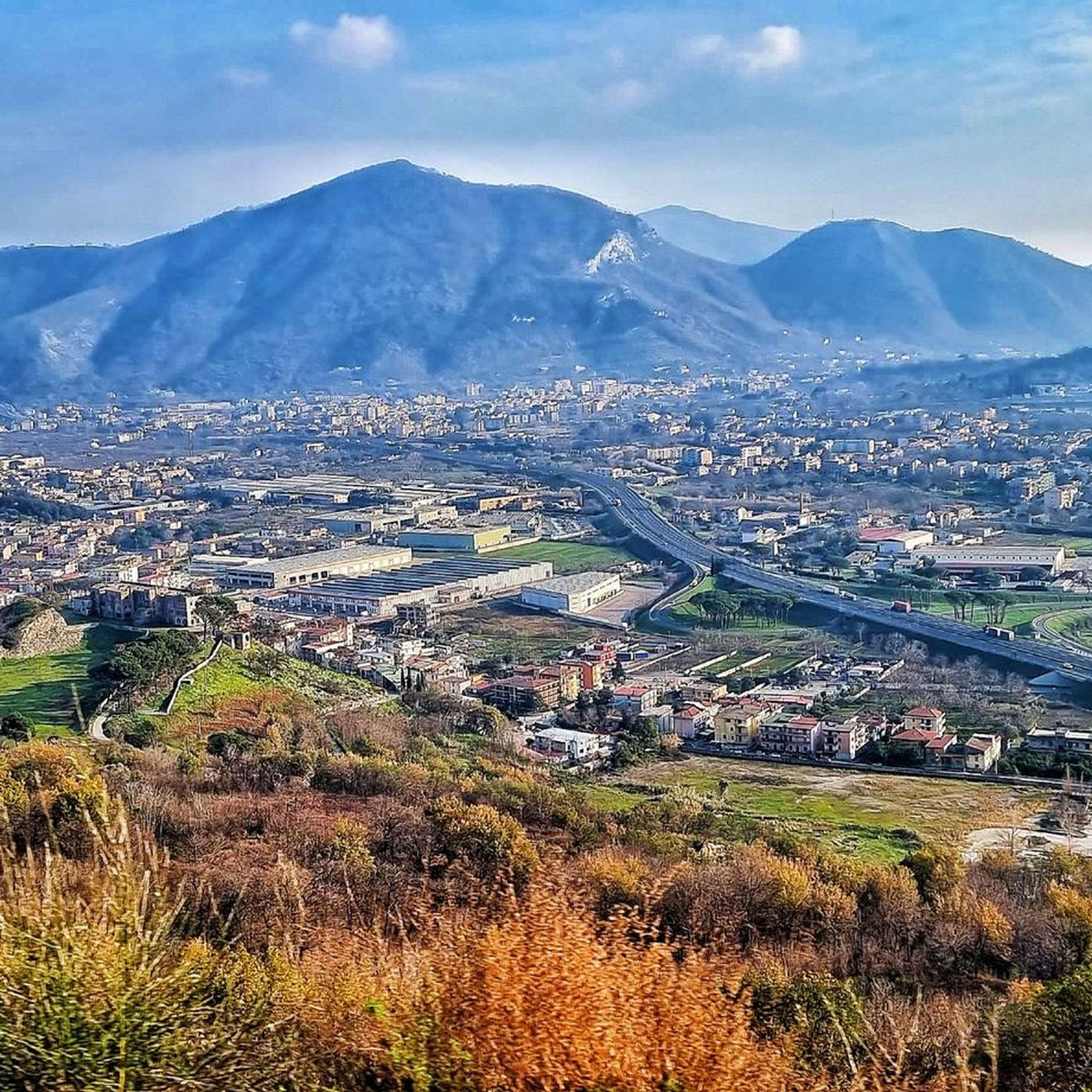
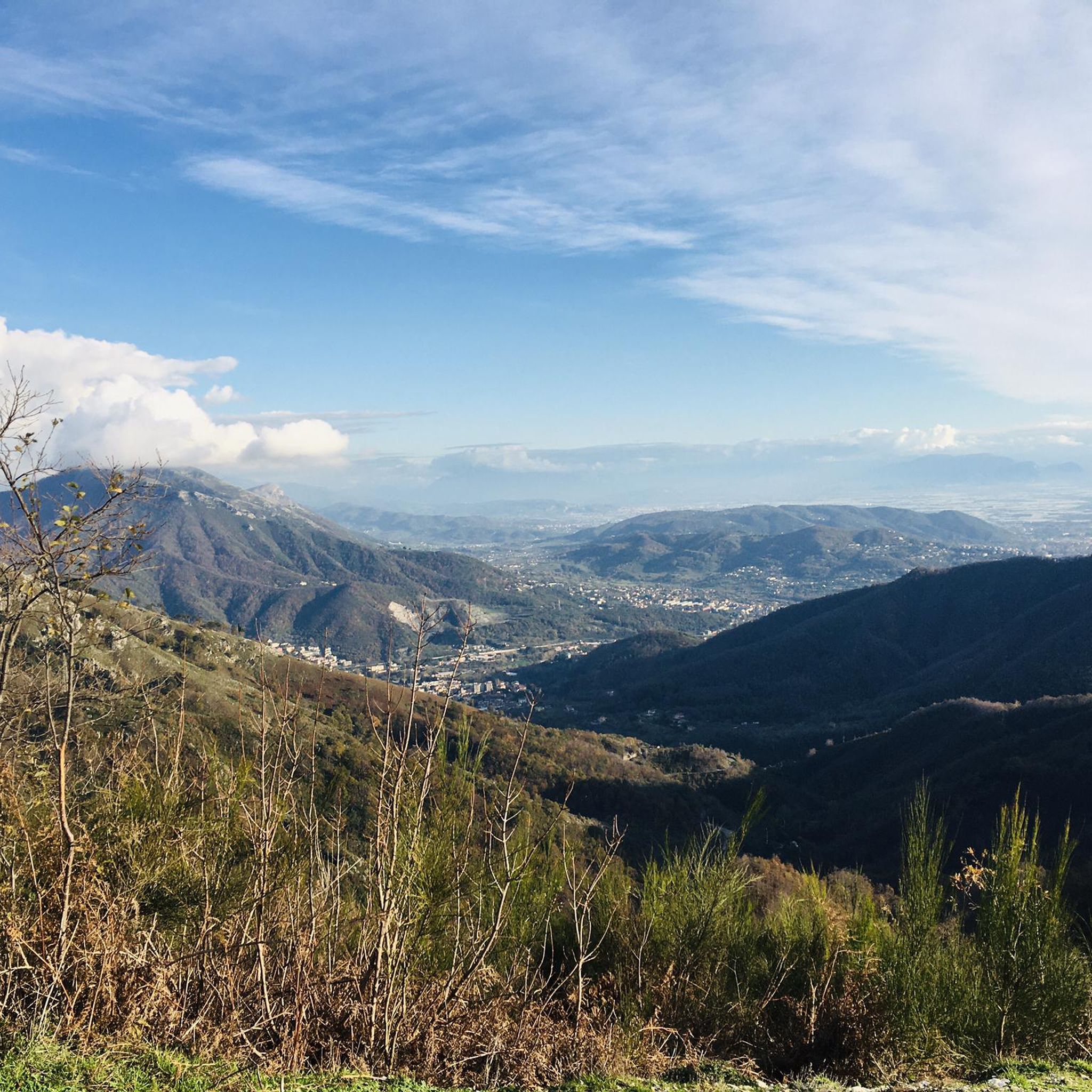
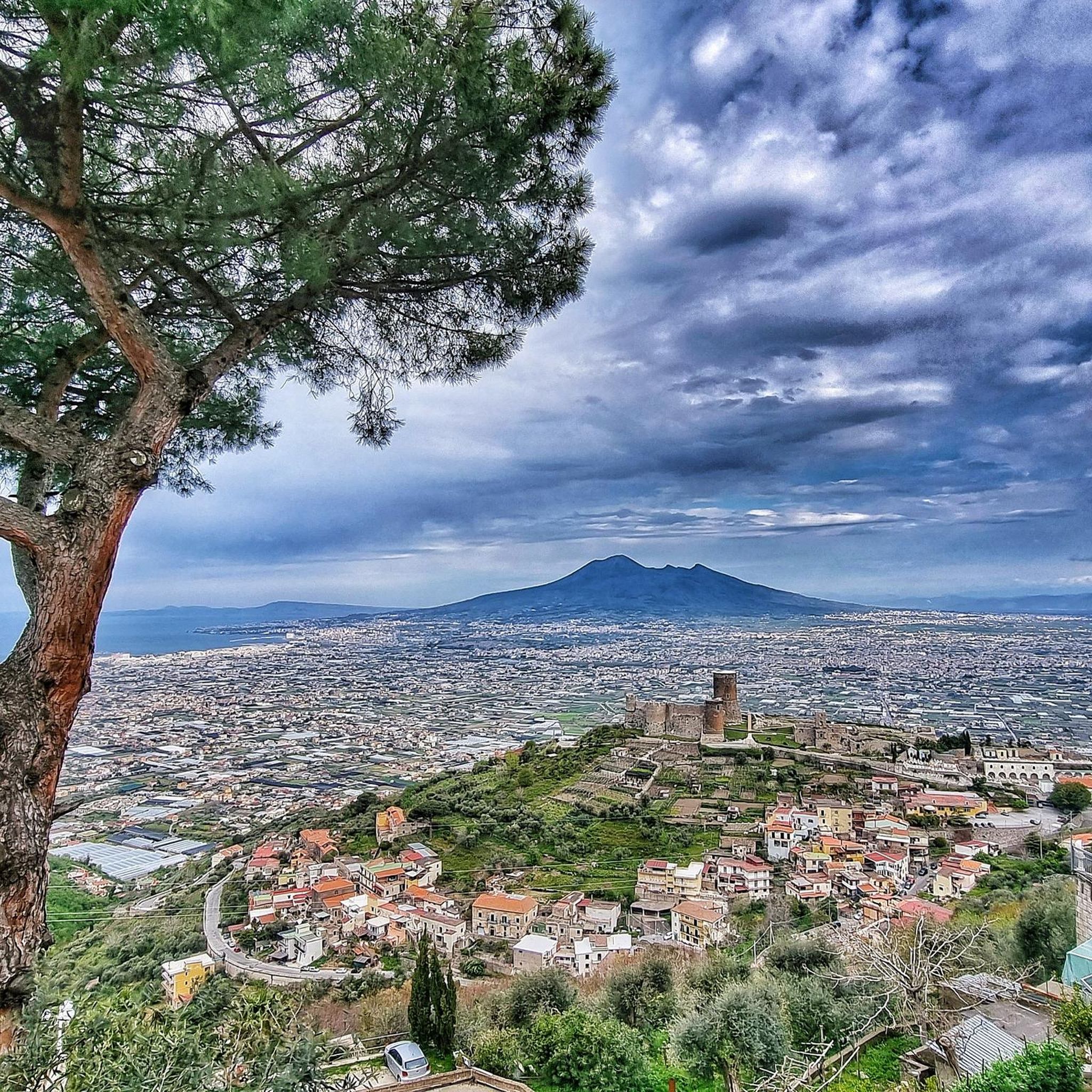


Tips from the Community


This far and no further? No way, the fun only starts at the source, because from here you can hike up to Monte Falerio (684 m), although it is also a steep climb.
0
0

From the Abbey of the Santissima Trinità to Cappella Vecchia the first part of the famous Alta Via dei Monti Lattari develops, the CAI 300 path which from Cava dei Tirreni leads to Punta Campanella and extends for over 70 KM https://www.altaviadeimontilattari .it/il-sentiero-300-cai/
5
0

The Cesare spring can be reached from Albori along path 303A. Once you reach the source, you can decide to continue on path 303A which leads to Cetara or go up the mountain, following the CAI indications, to reach the Cappella Nuova or Monte Falerio (not recommended in the summer because the thick vegetation tends to cover the paths making the excursion difficult).
21
0
Set in the delightful center of Albori, the church of Santa Margherita, patron saint of the village on the Amalfi Coast, is testimony to an ancient and profound dialogue which is linked with the East through the Baroque. The Saint lived and was martyred in Antioch, in Asia Minor. The church dedicated to her stands in the center of the town, like an important and precious luminous reference point set in that small crib which is the hamlet of Vietri sul Mare which, for some years has been included in the prestigious role of the most beautiful villages in the 'Italy. Rebuilt at the dawn of the seventeenth century, we have news of it dating back to the fourteenth century. In the 17th century it became an autonomous parish within the possessions of the Abbey of Cava de' Tirreni. The imprint that bears witness to a Greek-Oriental suggestion is very strong. Not so much in the building but in the icons that, still today, are exhibited and venerated inside the church, including that of San Nicola, Bishop of Bari whose remains rest in the cathedral dedicated to him in the Apulian capital. Its structure is divided into three naves, outside there is a porch overlooking the churchyard, which can be reached by climbing a comfortable staircase, wide (the right) where the community meets and celebrates its moments of celebration. There is also another important bond that binds the Church of Santa Margherita d'Antiochia in Albori to the world of Eastern Europe. We are talking about the painter Belisario Corenzio, active in the Kingdom of Naples between the 16th and the first half of the 17th century. Born in Greece, lived and trained in Salento and then "landed" at a very young age in Campania, we owe him many of the frescoes in the most beautiful and precious churches and convents of what was once the former Kingdom of Naples. Today he is still considered one of the most interesting exponents of the Neapolitan school. His workshop was very active and the Marian pictorial cycle frescoed on the vault of the central nave can be traced back to it. The softness and freshness of the colors speak of an artistic influence of weight. (For further information: https://ecampania.it/event/un-ponte-loriente-e-barocco-chiesa-santa-margherita-ad-albori/)
22
0

Early days. A very nice and characteristic small village
2
0

At this point, an extremely fascinating grotto invites hikers to take a little spiritual rest. In his text, Gennaro dell'Aglio vividly described the construction of this local sanctuary 35 years ago. In the rear, elevated part (which can be reached via a small ladder on the rock) there is a cross with a body. Further ahead there is a statue of the Mother of God Mary, which welcomes visitors. It has been invoked under countless titles throughout the history of the church, but especially in popular piety. Here it is the “Madonna della Pace”, or Mary as Queen of Peace.
3
0

The Santissima Trinità abbey seen from the outside is truly majestic, its interior is definitely worth a visit
5
0
Frequently Asked Questions
What natural attractions can I explore near Roccapiemonte?
Roccapiemonte is situated in the picturesque Valle dell'Irno, known for its green hills. You can visit the Cave of the Madonna della Pace of Pietrapiana, a tranquil grotto offering panoramic views of the Amalfi Coast and Gulf of Salerno. Another notable natural feature is the Cesare Spring, accessible from Albori, which features a waterfall and a refreshing fountain.
Are there good hiking opportunities around Roccapiemonte?
Yes, the region offers several scenic trails. The Cappella Vecchia Trail and Wooden Sculptures near Cava de' Tirreni provides breathtaking views of the Gulf of Salerno and the Amalfi Coast. The Valle delle Ferriere, located between Scala, Amalfi, and Agerola, is another natural paradise with woods, waterfalls, and lush vegetation, ideal for hiking. For more options, you can explore the running trails around Roccapiemonte.
What historical and cultural sites are worth visiting near Roccapiemonte?
The area boasts a rich historical and cultural heritage. A significant site is the Abbey of the Most Holy Trinity of Cava de' Tirreni, founded in 1011 and a major religious center. The charming village of Albori, part of Vietri sul Mare, is home to the Baroque Church of Saint Margaret of Antioch, known for its deep connection with Eastern traditions.
Can I visit UNESCO World Heritage sites from Roccapiemonte?
Absolutely. Roccapiemonte's strategic location provides access to several of Campania's renowned UNESCO World Heritage sites. These include the stunning Amalfi Coast, the Historic Center of Naples, the archaeological areas of Pompeii and Herculaneum, and the Royal Palace of Caserta. The Cilento and Vallo di Diano National Park, with its archaeological sites of Paestum and Velia, and the Certosa di Padula, is also within reach. You can find more information about these sites on the UNESCO website.
What outdoor activities are available besides hiking near Roccapiemonte?
Beyond hiking, the region offers various outdoor activities. You can find numerous cycling routes, including road cycling and touring bicycle options. For example, there are road cycling routes that take you through scenic landscapes with views of the Gulf of Salerno, and general cycling routes exploring areas like Vietri sul Mare and even offering views of Vesuvius.
What do visitors enjoy most about the attractions around Roccapiemonte?
Visitors particularly appreciate the breathtaking panoramic views, especially from sites like the Cave of the Madonna della Pace of Pietrapiana and the Cappella Vecchia Trail, which offer vistas of the Amalfi Coast and the Gulf of Salerno. The tranquility and spiritual reflection found at these sites are also highly valued, along with the natural beauty of the landscapes.
Are there any family-friendly attractions or activities in the area?
Yes, the Cappella Vecchia Trail and Wooden Sculptures is considered family-friendly, offering an accessible path with beautiful views. The general natural setting of the Valle dell'Irno provides opportunities for gentle walks and enjoying the outdoors with family. Many of the historical sites, such as the Abbey of the Most Holy Trinity, can also be engaging for families interested in history and culture.
Where can I find the best viewpoints near Roccapiemonte?
For stunning vistas, head to the Cave of the Madonna della Pace of Pietrapiana, which offers expansive views of the Amalfi Coast, Cava, and the Gulf of Salerno, with Vesuvius in the background. The Cappella Vecchia Trail also provides exceptional panoramic views of the Gulf of Salerno and the Amalfi Coast.
What is the best time of year to visit Roccapiemonte for outdoor activities?
The Valle dell'Irno and surrounding areas are generally pleasant for outdoor activities during spring (April-May) and autumn (September-October) when the weather is mild and the landscapes are vibrant. Summer can be warm, but early mornings or late afternoons are still suitable for exploring. Winter offers a different charm, though some higher trails might be less accessible.
Are there any hidden natural attractions or lesser-known spots?
While not entirely hidden, the Valle delle Ferriere is a less-traveled natural paradise featuring ancient ironworks, woods, and waterfalls. The WWF Oasis of Bussento Caves within the Cilento, Vallo di Diano and Alburni National Park offers unique karst phenomena and a river that disappears underground, providing a fascinating natural spectacle.
What are the Monti Lattari known for?
The Monti Lattari, which form part of the landscape around Roccapiemonte, are famous for their ancient cheesemaking traditions. This area is a testament to centuries of pastoral history and offers a glimpse into traditional local life and produce.
Most popular routes around Roccapiemonte
Most popular attractions around Roccapiemonte

Get inspired with the komoot mobile app


Explore more
Still not found the Highlight you’re looking for? See guides of the top attractions in other regions:
