Top 10 Castles around Levico Terme
Castles around Levico Terme offer insights into the region's history and strategic importance. Levico Terme is situated in the Valsugana valley, known for its lake and surrounding mountains, providing a backdrop for historical fortifications. The area features a mix of medieval castles and World War I fortresses, reflecting different eras of regional control. These sites are often located on elevated positions, providing panoramic viewpoints over the valley and lakes.
Best castles around Levico Terme
- The most popular castles is Forte…
Last updated: June 17, 2026
Pergine Castle
Highlight • Castle
Translated by Google •
Tip by

Forte di Tenna
Highlight • Historical Site
Translated by Google •
Tip by

Sign up now to discover places like this
Get recommendations on the best single tracks, peaks, & plenty of other exciting outdoor places.
Sign up for free
View of Castel Telvana
Highlight • Castle
Translated by Google •
Tip by

Fort Belvedere-Gschwent
Highlight • Historical Site
Translated by Google •
Tip by

Forte Verena
Highlight • Historical Site
Translated by Google •
Tip by

Sign up for free to discover even more castles around Levico Terme.
Sign up for free
Already have an account?
Start today with a free account
Your next adventure awaits.
Login or Signup
Popular around Levico Terme
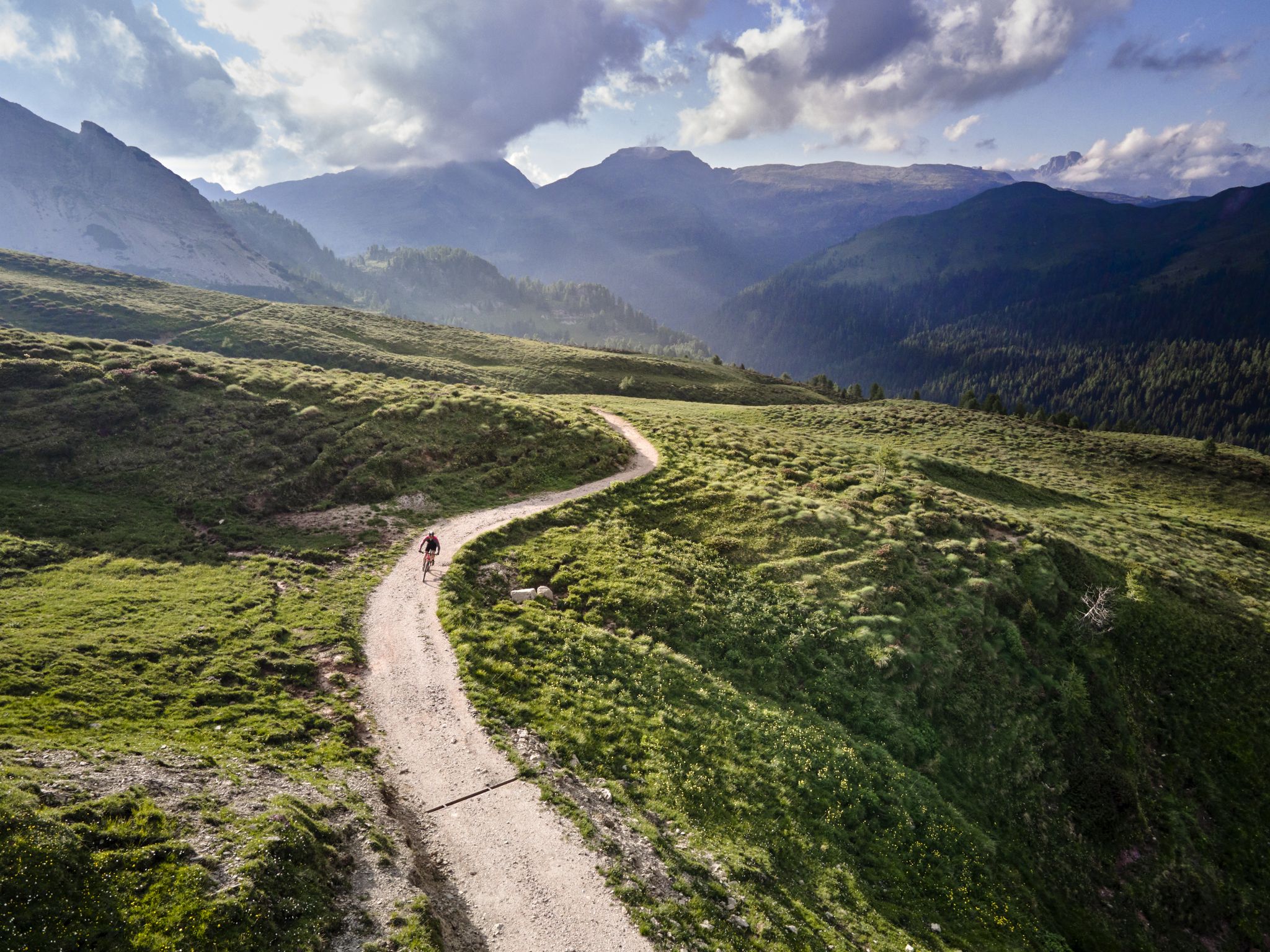
Mountain biking in the heart of the Dolomites
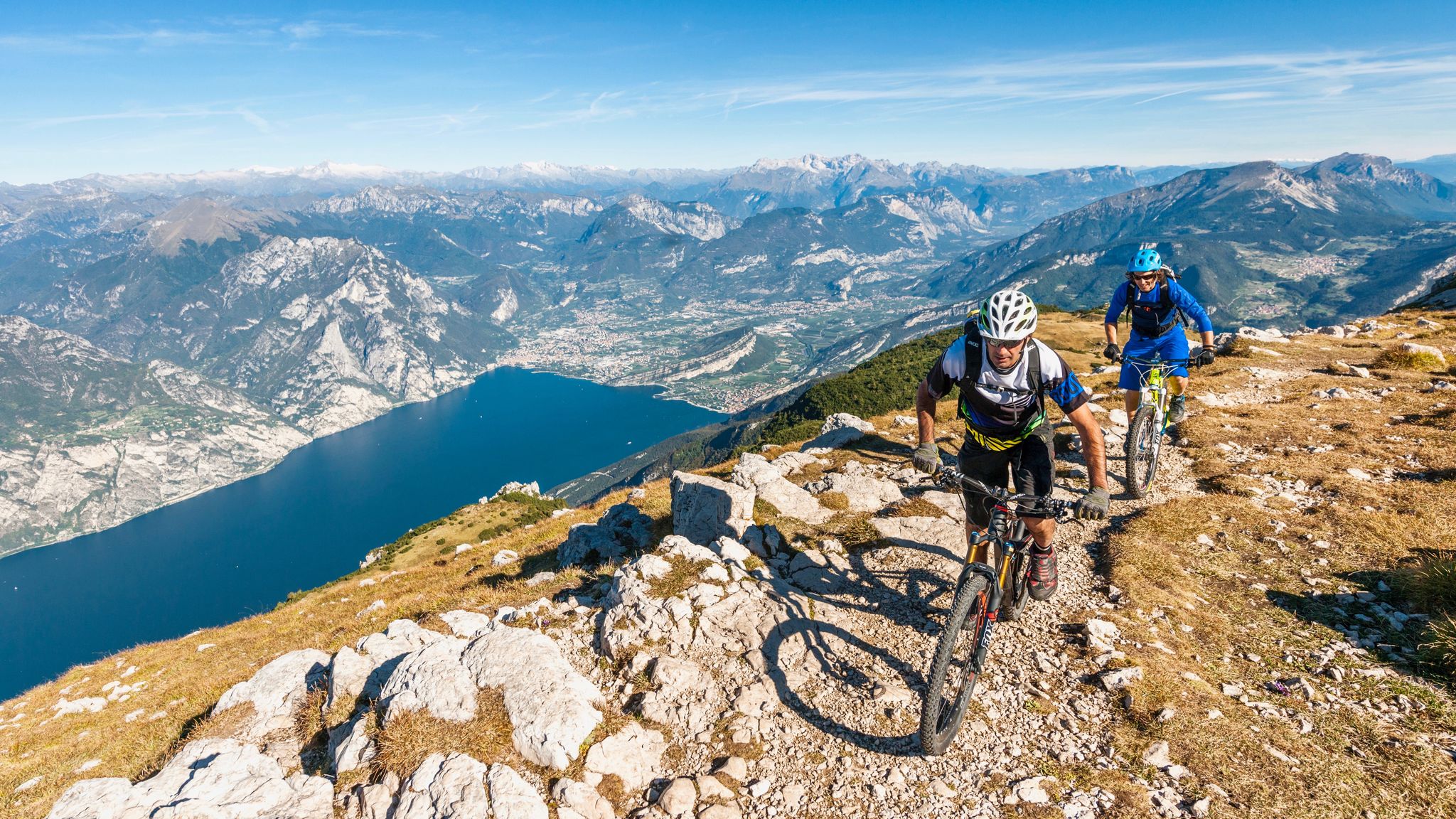
Mediterranean bike tours in alpine altitudes
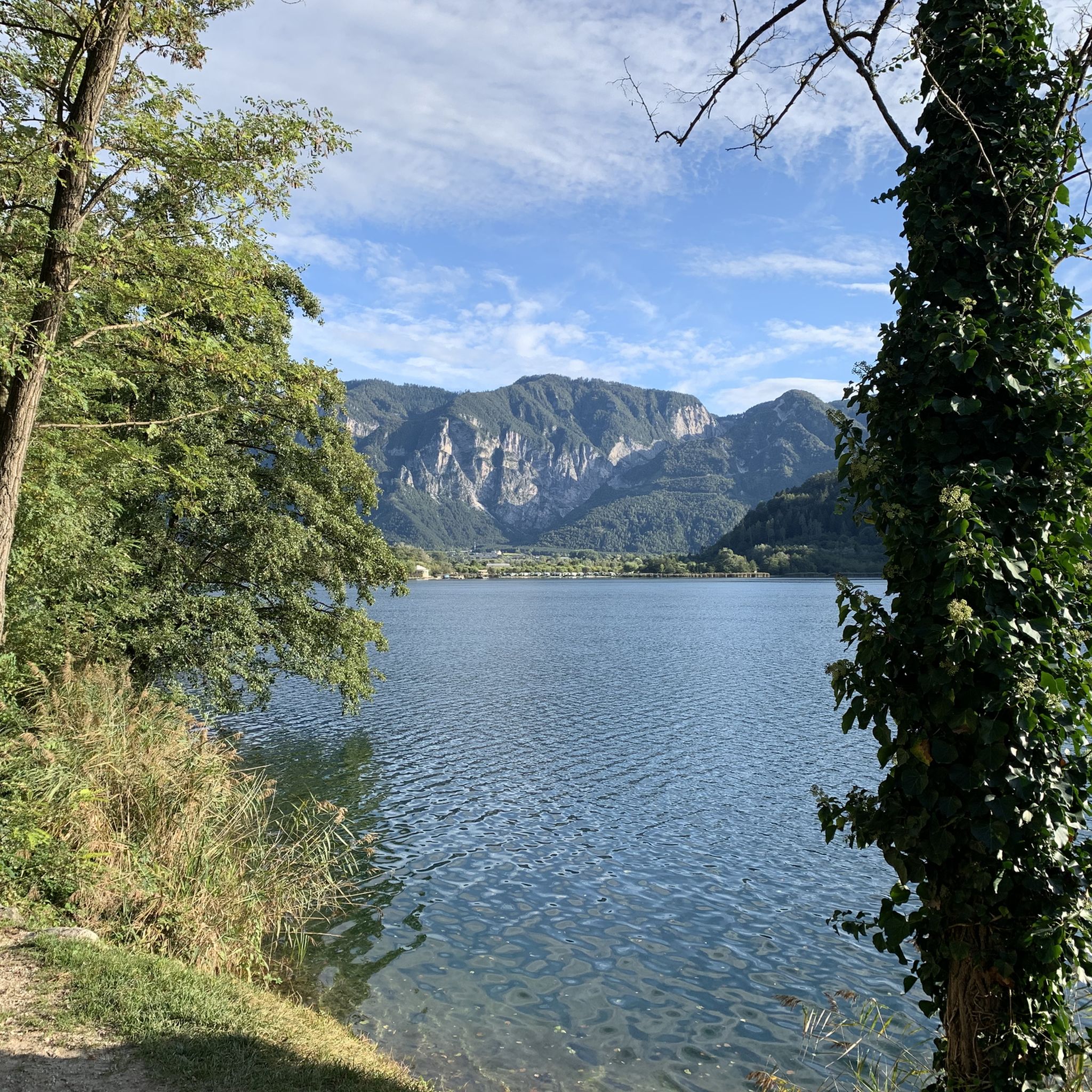
Hiking around Levico Terme
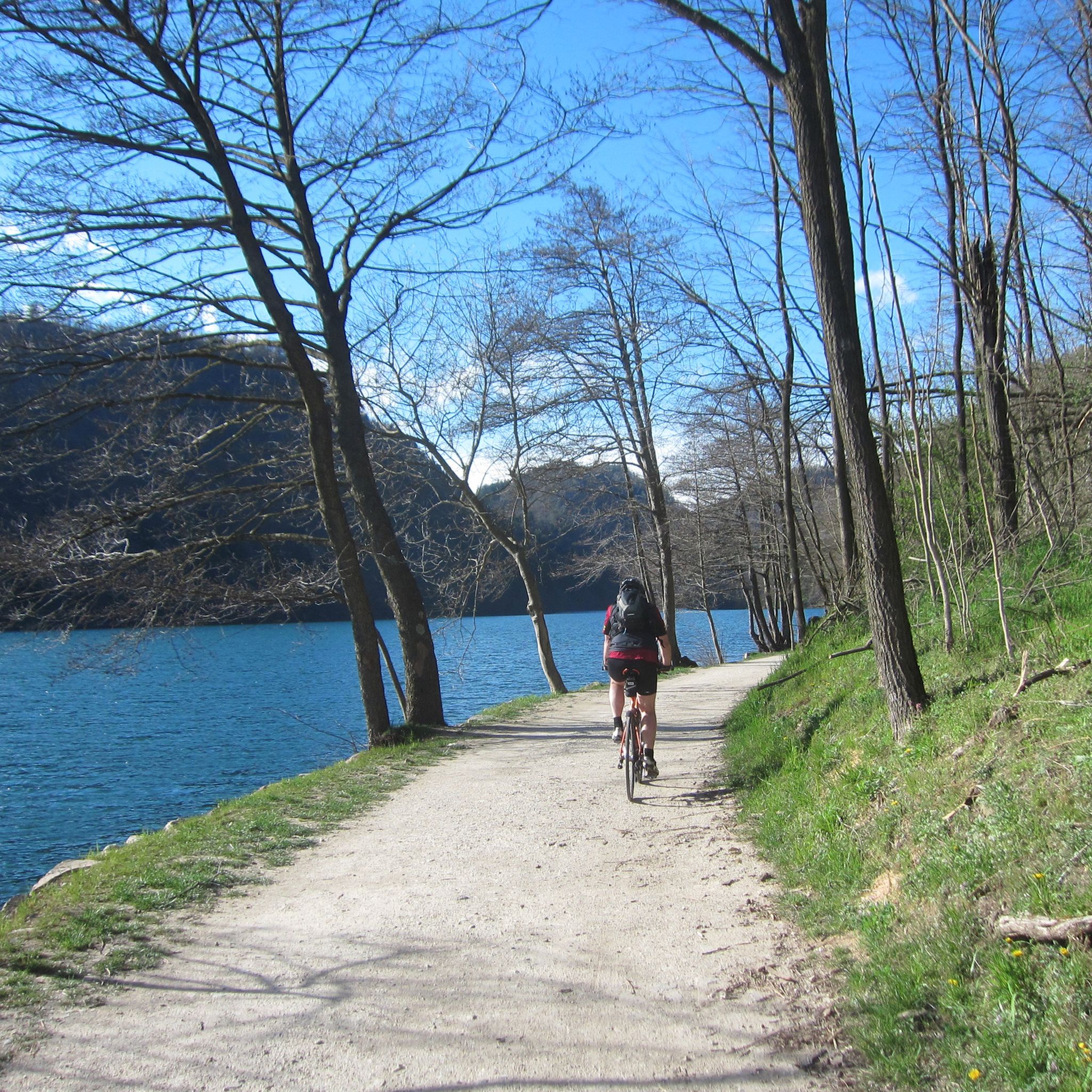
Cycling around Levico Terme
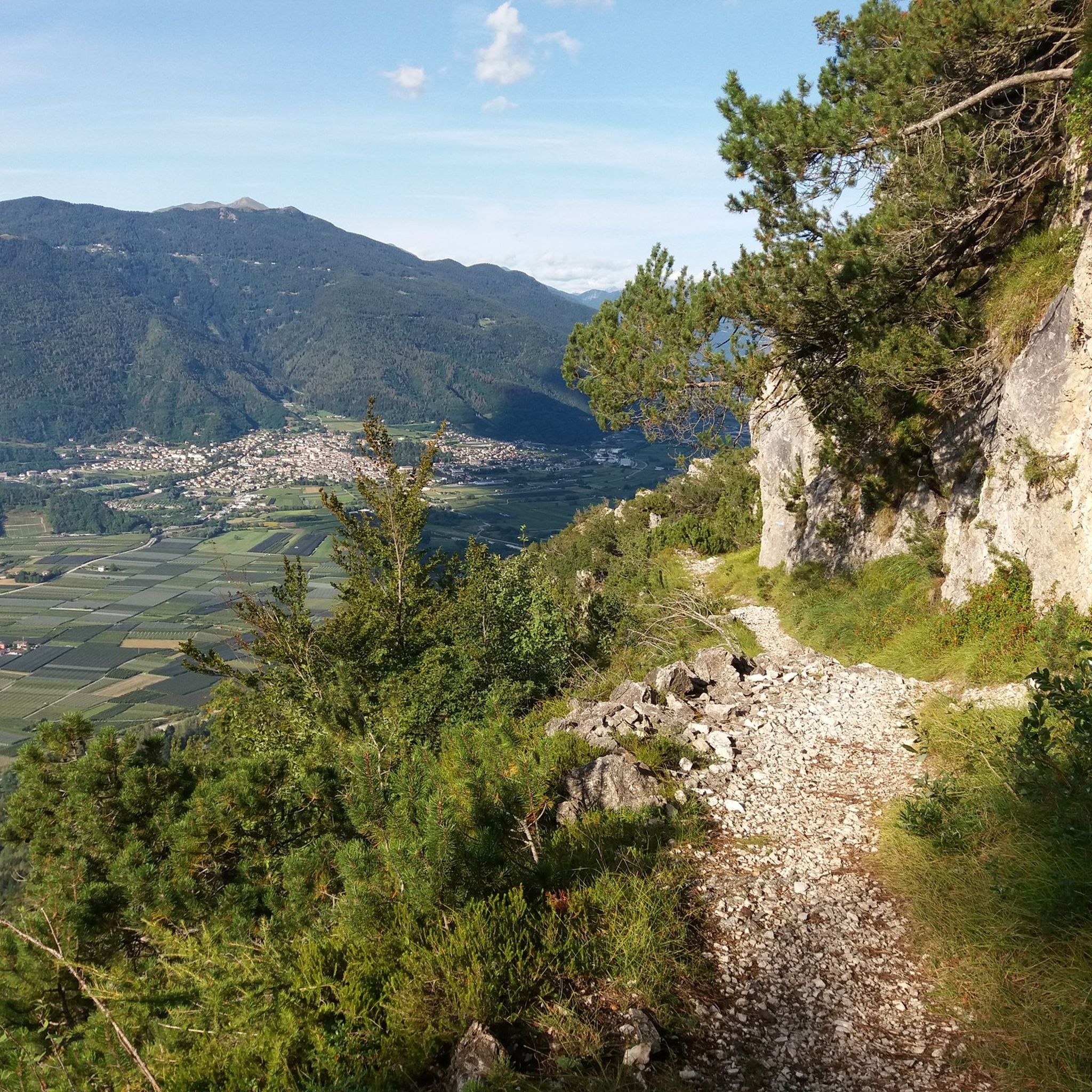
MTB Trails around Levico Terme
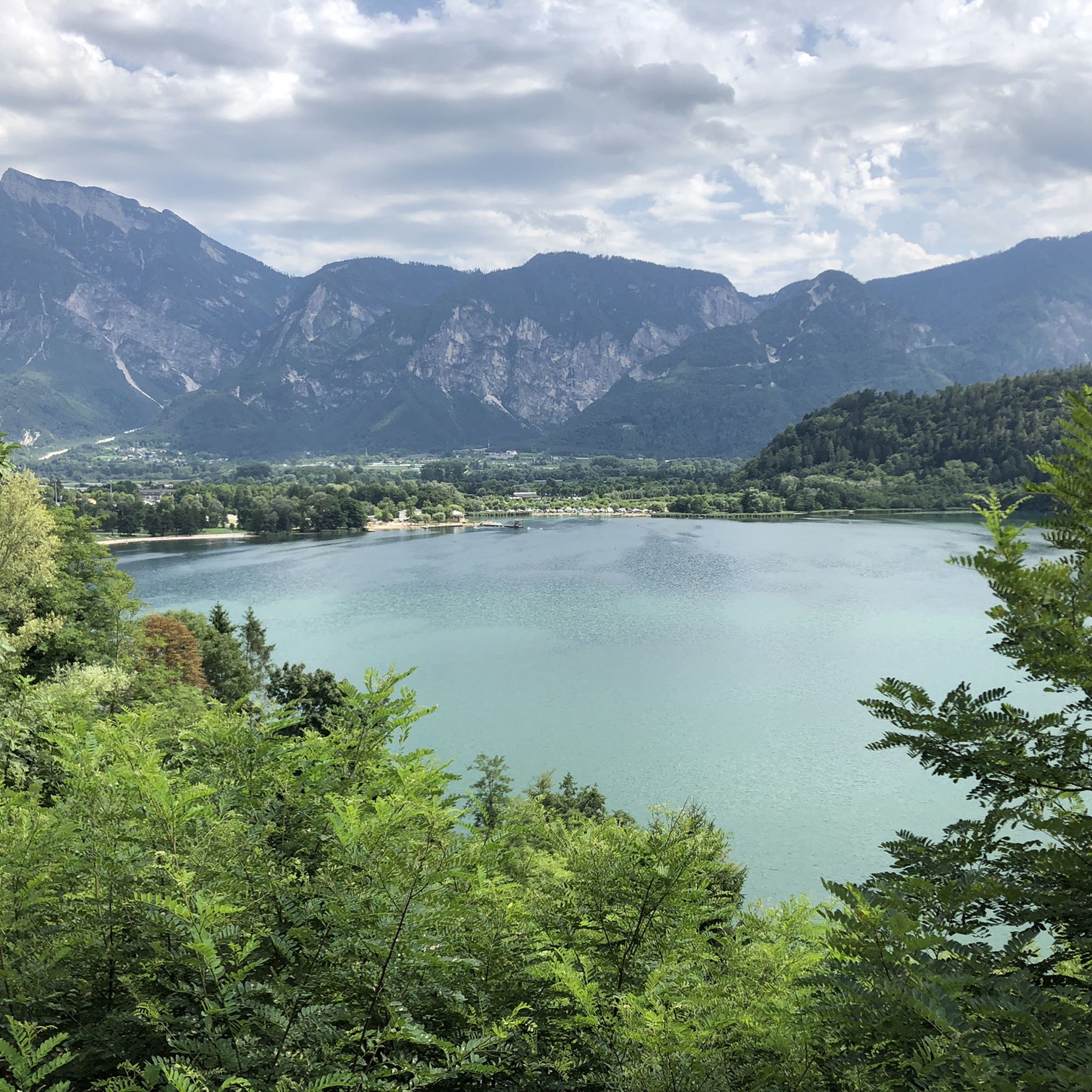
Road Cycling Routes around Levico Terme
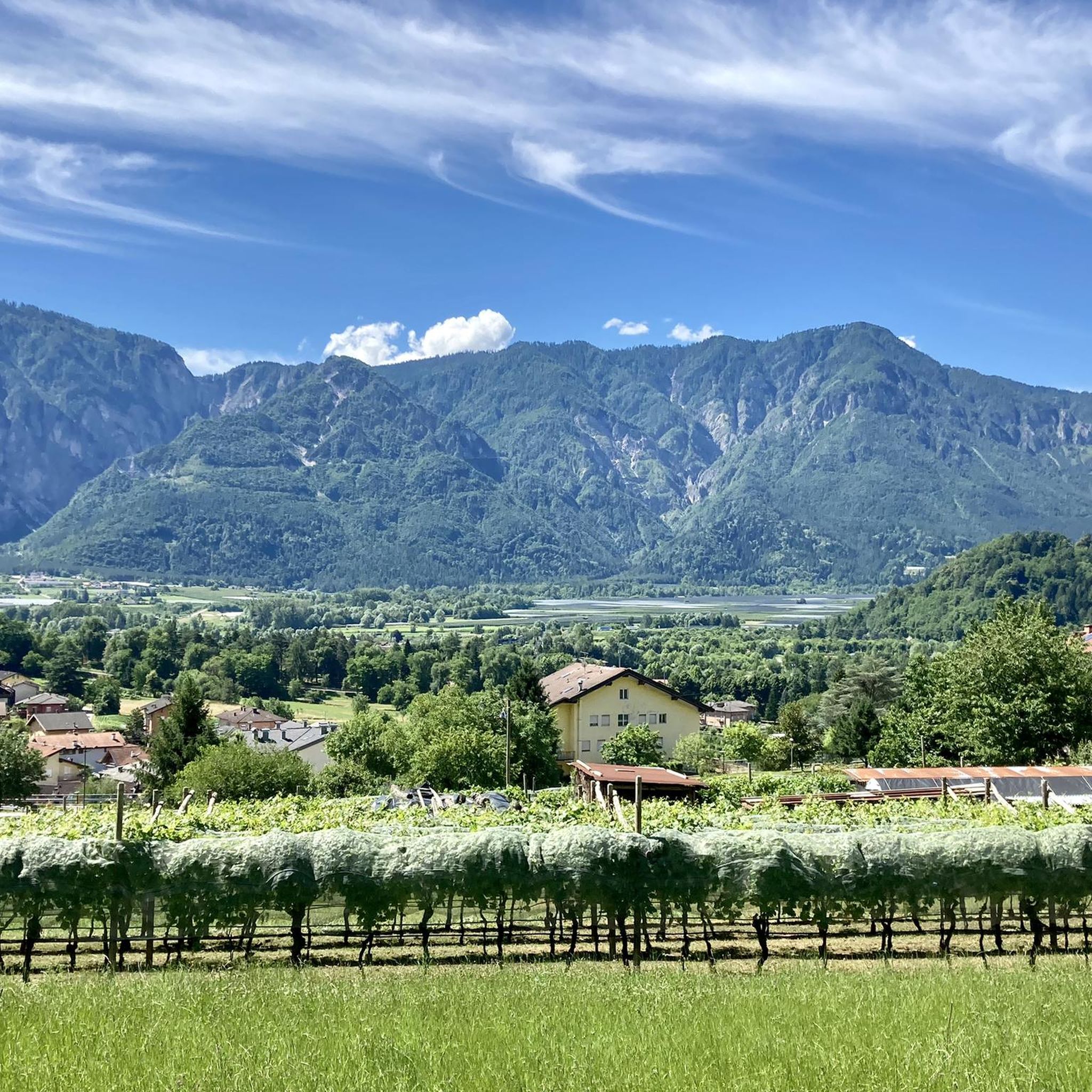
Running Trails around Levico Terme

Gravel biking around Levico Terme
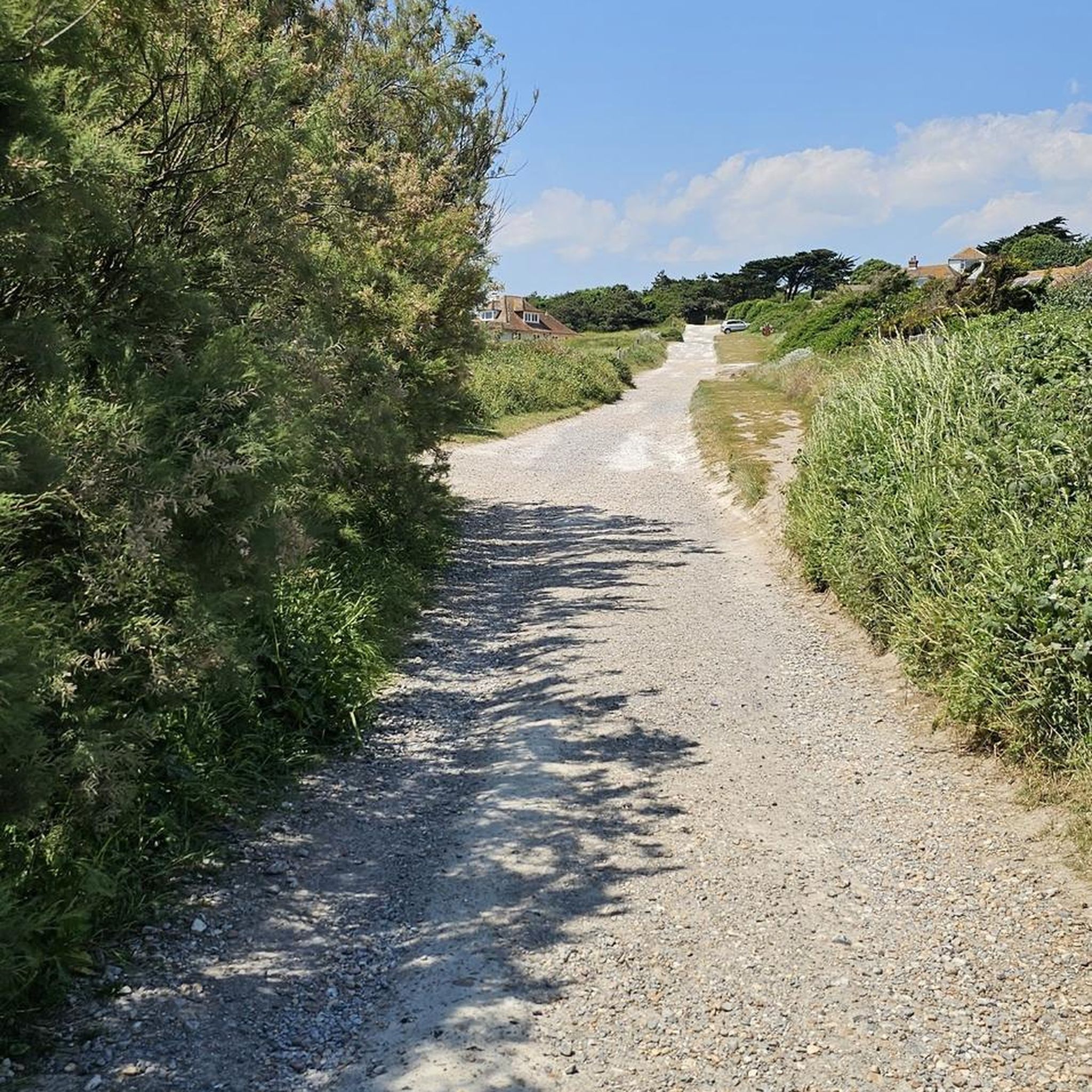
Mountain Hikes around Levico Terme


Tips from the Community

The Italian fort that seems to have fired the first cannon shot against the Habsburg army and from there the war on the plateau began. It was immediately bombarded and put out of action by the Habsburg army which bombarded it from the fort of cima Vezzena, Spitz Verle
0
0
The castle that dominates Borgo Valsugana
0
0

"...The fort was still, austere. A place that spoke of men tested by cold, fear, and anticipation. In that moment I felt small, but also strangely attuned..."
0
0

View of the Pergine Castle
0
0

The medieval castle now operates as a hotel and restaurant. You can even drive up to the castle, but the view from there is also impressive.
0
0

Just below the summit of Mount Verena is the Mount Verena fort, a defensive bastion on the plateau of the 7 municipalities.
0
0


Forte Belvedere was designed by Lieutenant Rudolf Schneider and built between 1908 and 1912, not far from the town of Óseli. Located on a spur of limestone rock at an altitude of 1,177 metres, at the time it marked the state border between the Kingdom of Italy and Austria-Hungary. In 1996 the municipality of Lavarone purchased Forte Belvedere and enhanced its structure: every year it is visited by more than 28,000 people, as can be read on the Fort's website: https://www.fortebelvedere.org.
1
0
Frequently Asked Questions
Which castles around Levico Terme are suitable for families?
Several castles in the area are considered family-friendly. Pergine Castle, Forte di Tenna, and Fort Belvedere-Gschwent are all tagged as family-friendly, offering historical insights in accessible settings.
What kind of historical sites can I expect to see near Levico Terme?
The region around Levico Terme features a diverse range of historical sites, including medieval castles and World War I fortresses. You can explore structures like Pergine Castle, a medieval stronghold, and WWI fortifications such as Forte di Tenna, Fort Belvedere-Gschwent, and Forte Verena, which offer a comprehensive look at the region's past.
Are there any castles with panoramic views around Levico Terme?
Yes, many castles and forts in the area are strategically located on elevated positions, offering excellent panoramic views. Pergine Castle is perched on a 650-meter-high hill, providing great vistas. Similarly, Forte di Tenna, Fort Belvedere-Gschwent, and Forte Verena are all noted for their viewpoint potential.
What are the opening hours for castles like Pergine Castle?
Pergine Castle is generally open from Monday to Sunday, 10 a.m. to 7 p.m., with free admission to some rooms. For Forte di Tenna, visits are possible on Saturdays from 2 p.m. It's always advisable to check the specific opening hours for each site before your visit, as they can vary.
Can I find food and drinks near the castles?
Yes, some castle sites offer amenities for visitors. Pergine Castle has a bar serving drinks and snacks. Near Forte Verena, you might find a refuge/restaurant/bar, especially during peak seasons.
Are there any museums associated with the castles or forts?
Yes, Fort Belvedere-Gschwent, a significant Austro-Hungarian defense system from WWI, includes a museum that visitors can explore to learn more about its history.
What outdoor activities can I do near the castles around Levico Terme?
The area around Levico Terme offers various outdoor activities. You can find numerous MTB trails, such as the 'I laghi di Levico e Caldonazzo — giro ad anello' or 'La Panarotta da Levico Terme — giro ad anello'. There are also hiking routes like the 'Lake Levico Loop' and 'Cima Vezzena and Forte Busa di Verle from Passo Vezzena'. For more challenging adventures, consider mountain hikes. You can explore these routes in detail on the MTB Trails around Levico Terme, Hiking around Levico Terme, and Mountain Hikes around Levico Terme guides.
Is there a scenic route that connects some of the castles or offers views of them?
Yes, the Scenic Road Between Levico Terme and Pergine Valsugana is highly recommended. It offers beautiful views, including panoramas of Lake Caldonazzo, and can be easily incorporated into a cycling trip, providing a pleasant way to travel between the towns and potentially view castles like Pergine from a distance.
What do visitors appreciate most about the castles in this region?
Visitors frequently appreciate the historical significance and the stunning viewpoints offered by these sites. The variety of structures, from medieval castles to WWI forts, provides a comprehensive look at the region's past. The komoot community has shared over 100 photos and given more than 790 upvotes, highlighting the visual appeal and historical depth of these locations.
Are there any castles that are free to visit?
Yes, some rooms at Pergine Castle are open to the public, and admission is free. This allows visitors to experience a part of the medieval castle without an entry fee.
What is the historical context of the forts around Levico Terme?
The forts around Levico Terme, such as Forte di Tenna, Fort Belvedere-Gschwent, and Forte Verena, played a crucial role during World War I. They were part of the Austro-Hungarian and Italian defense systems, marking the border and serving as strategic fortifications. These sites offer a tangible connection to the conflict and the region's military history.
How accessible are the castles for general visitors?
Accessibility varies by site. Pergine Castle has some rooms open to the public and is generally accessible. Historical forts like Forte Verena are located at higher altitudes (2,019 meters) and may require hiking to reach, making them less accessible for those with mobility challenges. It's best to check specific details for each location.
Most popular routes around Levico Terme
Most popular attractions around Levico Terme

Get inspired with the komoot mobile app


Explore more
Looking for the best castles somewhere else? Discover other guides around Levico Terme:
