Top 16 Gorges around Acqualagna
Best canyons around Acqualagna are found in a region known for its natural landscapes and historical significance. The area features impressive gorges carved by rivers through limestone rocks, creating unique geological formations. These natural features are part of a biodiverse ecosystem, offering a blend of natural beauty and historical value. The landscape includes sheer cliffs, tranquil river sections, and ancient passages.
Best canyons around Acqualagna
- The most popular canyons is Gola del Furlo Gorge, a gorge carved by the…
Last updated: August 11, 2026
Gola del Furlo Gorge
Highlight • Gorge
Translated by Google •
Tip by

Passo del Furlo
Highlight • Gorge
Translated by Google •
Tip by

Sign up now to discover places like this
Get recommendations on the best single tracks, peaks, & plenty of other exciting outdoor places.
Sign up for free
Fondarca Arch
Highlight • Natural Monument
The entrance to path no. 20 is found at the entrance to …
Translated by Google •
Tip by

Giants' Cauldrons
Highlight • Canyon
Translated by Google •
Tip by
Lower Terrace
Highlight • Viewpoint
Translated by Google •
Tip by

Sign up for free to discover even more gorges around Acqualagna.
Sign up for free
Already have an account?
Start today with a free account
Your next adventure awaits.
Login or Signup
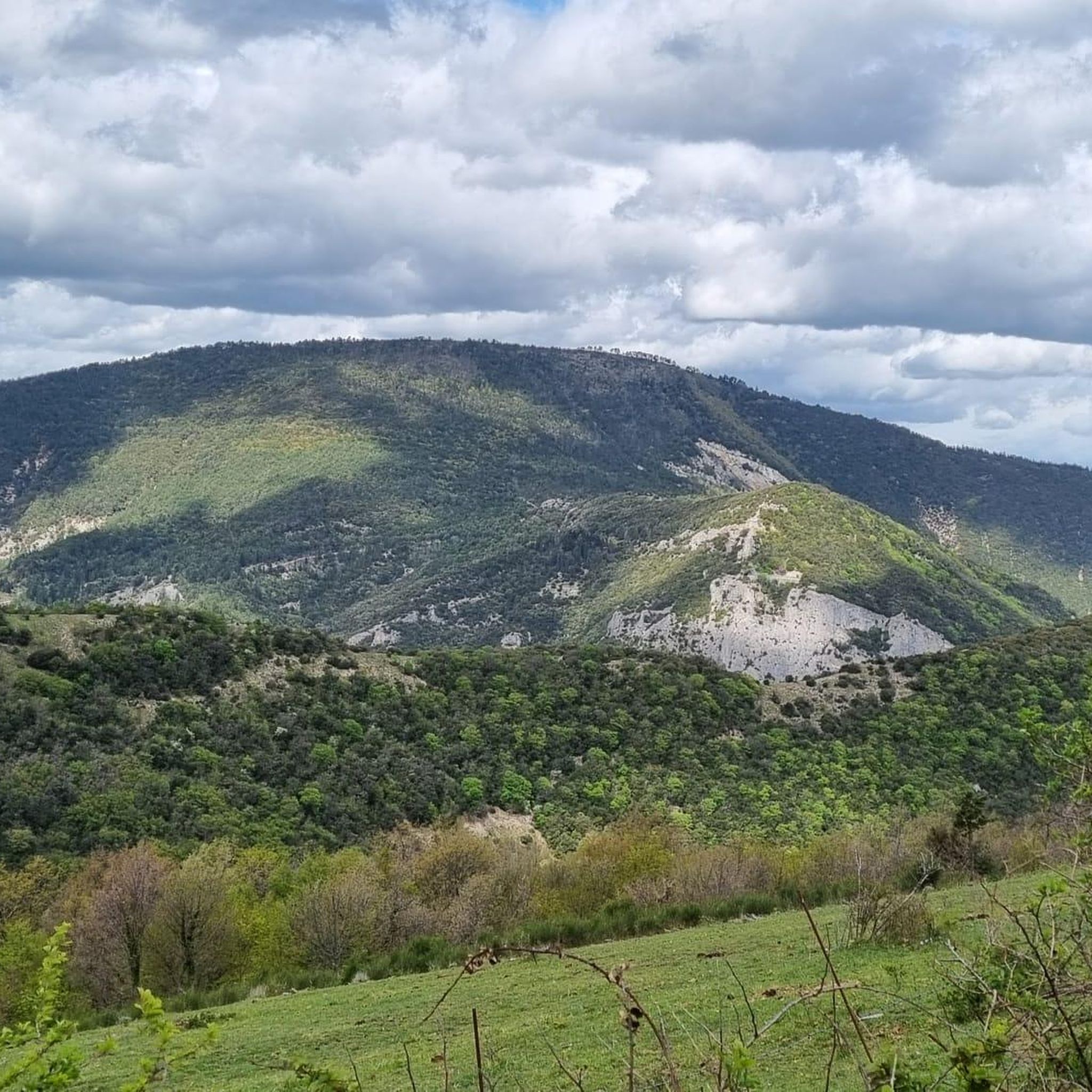
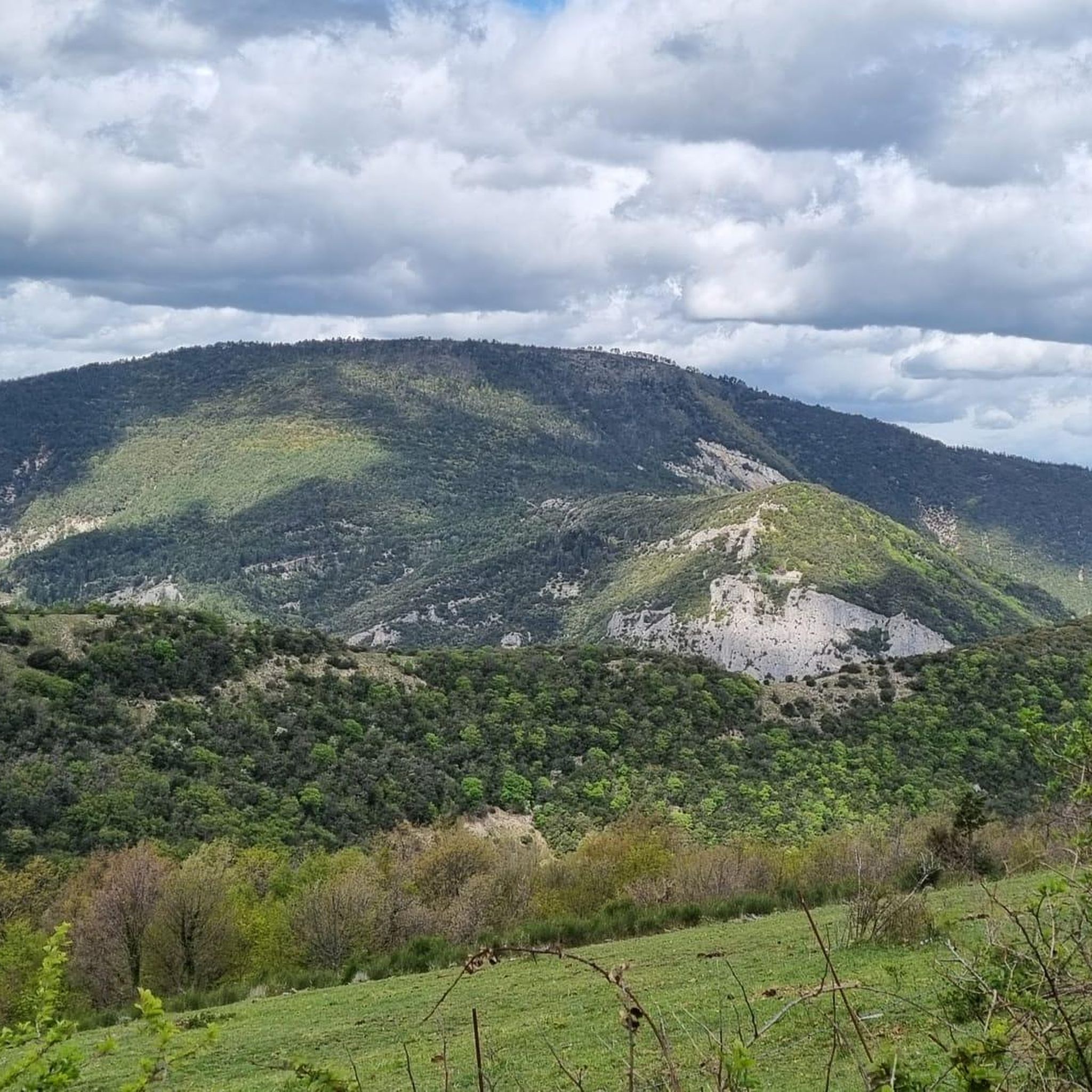
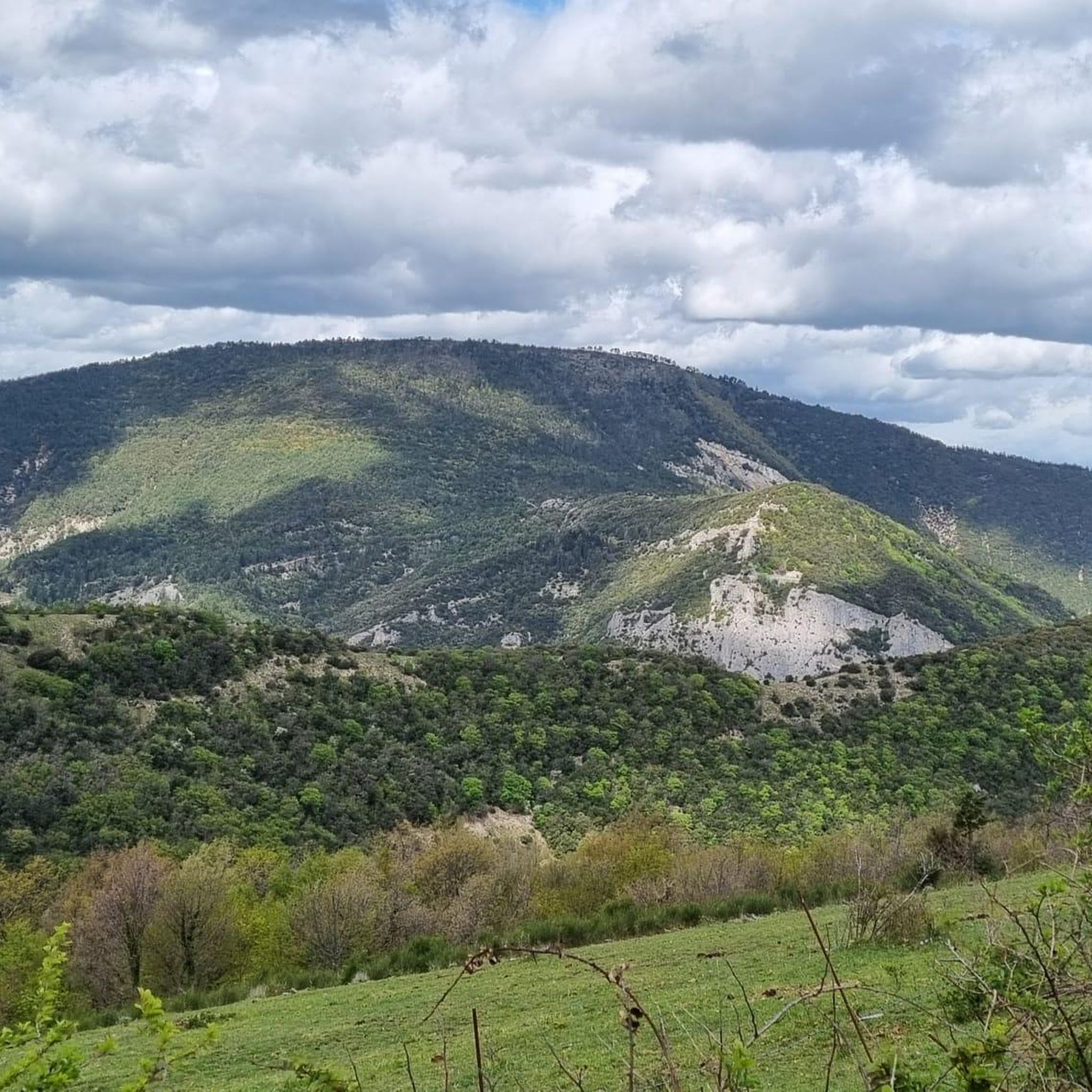
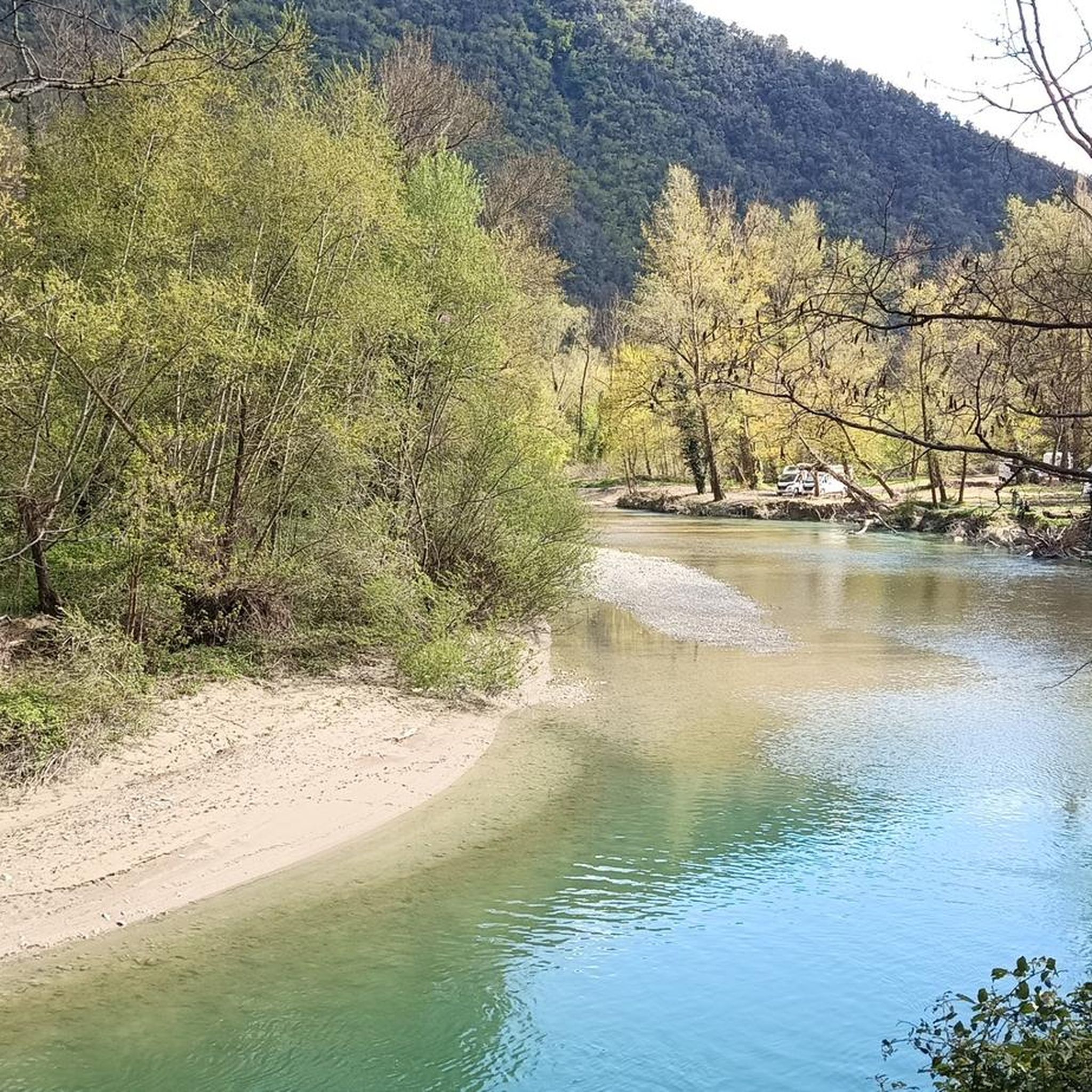

Tips from the Community

Although the lower terrace is less spectacular than the upper one, it is absolutely worth a stop, especially because from here, with a bit of luck, you might spot a family of golden eagles nesting in the area.
1
0

Simple excursion, even for beginners... 80% shaded path
0
0

Point of extreme charm. Mandatory stop!
1
0

What a natural spectacle! And also refreshing on hot days. Worth a stop.
0
0

You can see eagles, which nest in the gorge. It is advisable to bring binoculars to be able to spot them more easily.
0
0

Easy route on clean and dry paths. Enchanting views
1
0

remarkable view of the Furlo gorge and the green hills of the Marche region.
1
0

The Furlo Pass (also known as Gola del Furlo) is a gorge located in the Marche region of central Italy. This spectacular gorge is located along the ancient Via Flaminia, near the Candigliano river, a tributary of the Metauro. The Furlo gorge was formed between the Pietralata (889 m) and Paganuccio (976 m) mountains by the erosion of the Candigliano river. It has been included in a State Nature Reserve since 2001 and is often promoted to tourists in the region as the "Grand Canyon of Italy". The Roman emperor Vespasian had a tunnel built here to facilitate passage on the Via Flaminia at the narrowest point of the gorge. Next to it is a similar, but smaller tunnel dating back to Etruscan times. The Roman tunnel has a length of 38.30 meters and a height of 5.95 meters.
0
0
Frequently Asked Questions
What are the most prominent canyons around Acqualagna?
The most prominent canyon is the Furlo Gorge (Gola del Furlo), a millennial canyon carved by the Candigliano River. It's known for its sheer cliffs, emerald green waters, and rich history. Another notable natural formation is the Giants' Cauldrons, fascinating pools formed by the Metauro River.
What historical sites can be found within the canyons near Acqualagna?
The Furlo Gorge is home to the ancient Roman Tunnel of Furlo. This tunnel, ordered by Emperor Vespasian, was built to facilitate the passage of the Via Flaminia through the narrowest point of the gorge, connecting Rome and Rimini.
What kind of natural beauty and wildlife can I expect to see in the canyons?
The Gola del Furlo is part of a State Nature Reserve, protecting a delicate and biodiverse ecosystem. You can expect to see sheer cliffs, emerald green waters, and a variety of plant species. The reserve is also home to wildlife such as golden eagles, eagle owls, wolves, deer, and wild boars.
Are there family-friendly activities or trails in the canyons?
Yes, the Passo del Furlo (also known as Gola del Furlo) offers simple excursions suitable for beginners and families, with paths that are 80% shaded. The area around the Furlo Gorge provides various hiking and walking trails for different fitness levels, including easy strolls.
What outdoor activities can I do near the canyons around Acqualagna?
You can enjoy a variety of outdoor activities. Hiking is popular, with trails like the 'Abbey of San Vincenzo al Furlo loop' or the 'Gola del Furlo Gorge – Passo del Furlo loop'. For cycling enthusiasts, there are numerous MTB trails and road cycling routes, including challenging loops around Monte Paganuccio and Monte Pietralata. Canoeing is also possible in the tranquil lake formed by the dam in the Furlo Gorge, and you can swim in the ice-cold water of the Candigliano river during summer.
Are there opportunities for swimming in the canyons?
Yes, the Giants' Cauldrons feature huge pools formed by the Metauro river where swimming is possible in summer. Additionally, visitors to the Furlo Gorge can swim in the ice-cold waters of the Candigliano river, even during the summer months.
What is the best time to visit the canyons near Acqualagna?
While the canyons offer beauty year-round, visiting during summer allows for water activities like swimming and canoeing in the Candigliano River and at the Giants' Cauldrons. For hiking, spring and autumn offer pleasant temperatures. The Roman Tunnel of Furlo is best visited in the morning during summer for pleasant temperatures.
What is the Fondarca Arch?
The Fondarca Arch is a natural monument characterized by high and steep walls. It is what remains of a vast cave, transformed by ancient collapses and erosive processes, showcasing unique geological formations.
How accessible are the canyons, and is there parking?
The Gola del Furlo area is accessible by car, with exits from the A14 motorway and SS3 leading to the reserve. For the Fondarca Arch, you can drive to the small village of Pieia and park there, with the path entrance found next to the picnic area.
What do visitors enjoy most about the canyons around Acqualagna?
Visitors appreciate the blend of breathtaking natural beauty and rich history. The impressive gorges, like the Furlo Gorge, are highly rated for their environmental and natural peculiarities. The historical significance of sites like the Roman Tunnel of Furlo also adds to the appeal, offering a unique experience where millennia of history meet stunning nature.
Are there specific hiking trails to explore the canyons?
Yes, there are several hiking trails. You can find routes like the 'Passo del Furlo – View of the Furlo Gorge loop' or the 'Gola del Furlo Gorge – Furlo Gorge (Gola del Furlo) loop' which allow you to explore the natural beauty of the area. For the Fondarca Arch, path no. 20 leads to the arch, passing by the ruins of an old house and the Grotta delle Nottole.
Most popular routes around Acqualagna
Most popular attractions around Acqualagna

Get inspired with the komoot mobile app


Explore more
Already discovered everything in this region? See additional gorges around Acqualagna for your next adventure:
