Top 20 Castles around Auditore
Best castles around Auditore are primarily represented by the village's own well-preserved medieval fortifications. Auditore, nestled in Italy's Marche region, sits atop a rocky spur overlooking the Foglia valley, highlighting its strategic importance as a fortified settlement. The village is encircled by its original defensive walls, featuring corner bastions and a 15th-century hexagonal civic tower. These structures offer a tangible connection to its past as a strategic stronghold and provide panoramic views of the surrounding landscape.
Best castles around Auditore
…Last updated: October 4, 2026
Tavoleto Castle
Highlight • Castle
Translated by Google •
Tip by

Montefiore Conca
Highlight • Castle
Translated by Google •
Tip by

Sign up now to discover places like this
Get recommendations on the best single tracks, peaks, & plenty of other exciting outdoor places.
Fortezza Albornoz
Highlight • Historical Site
Translated by Google •
Tip by

San Clemente Historic Center
Highlight • Historical Site
Translated by Google •
Tip by

Saludecio
Highlight • Settlement
Translated by Google •
Tip by

Sign up for free to discover even more castles around Auditore.
Already have an account?
Start today with a free account
Your next adventure awaits.
Tips from the Community

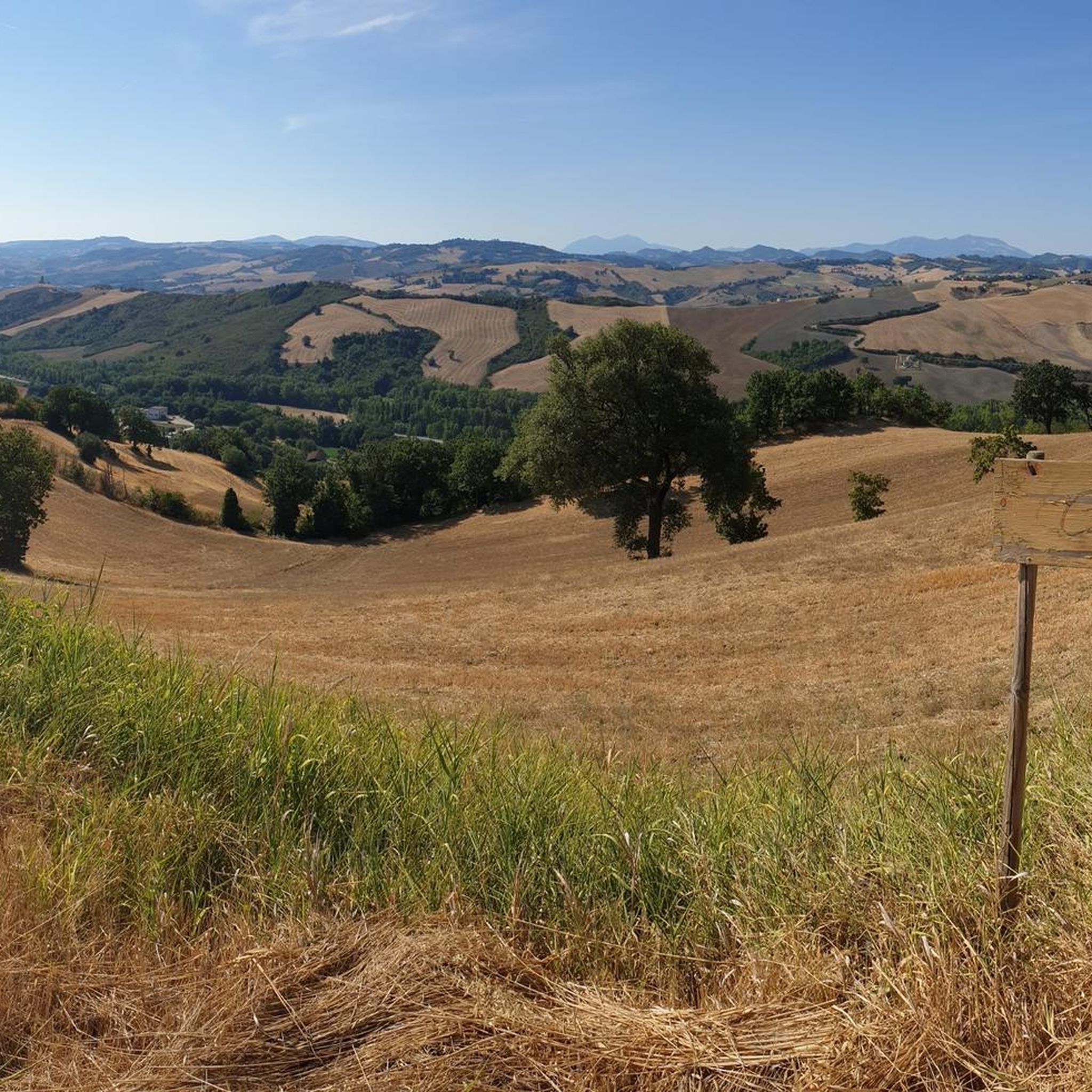
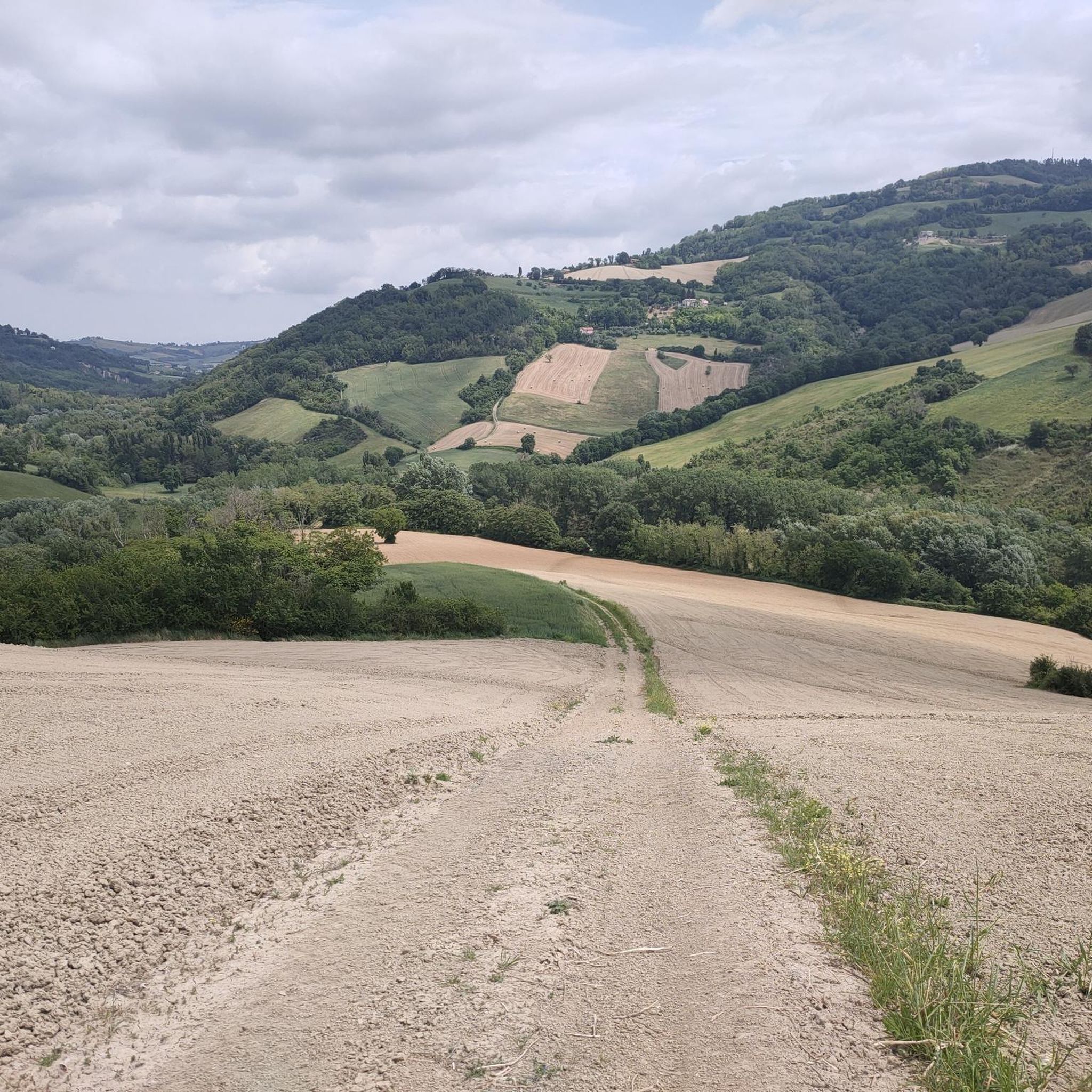
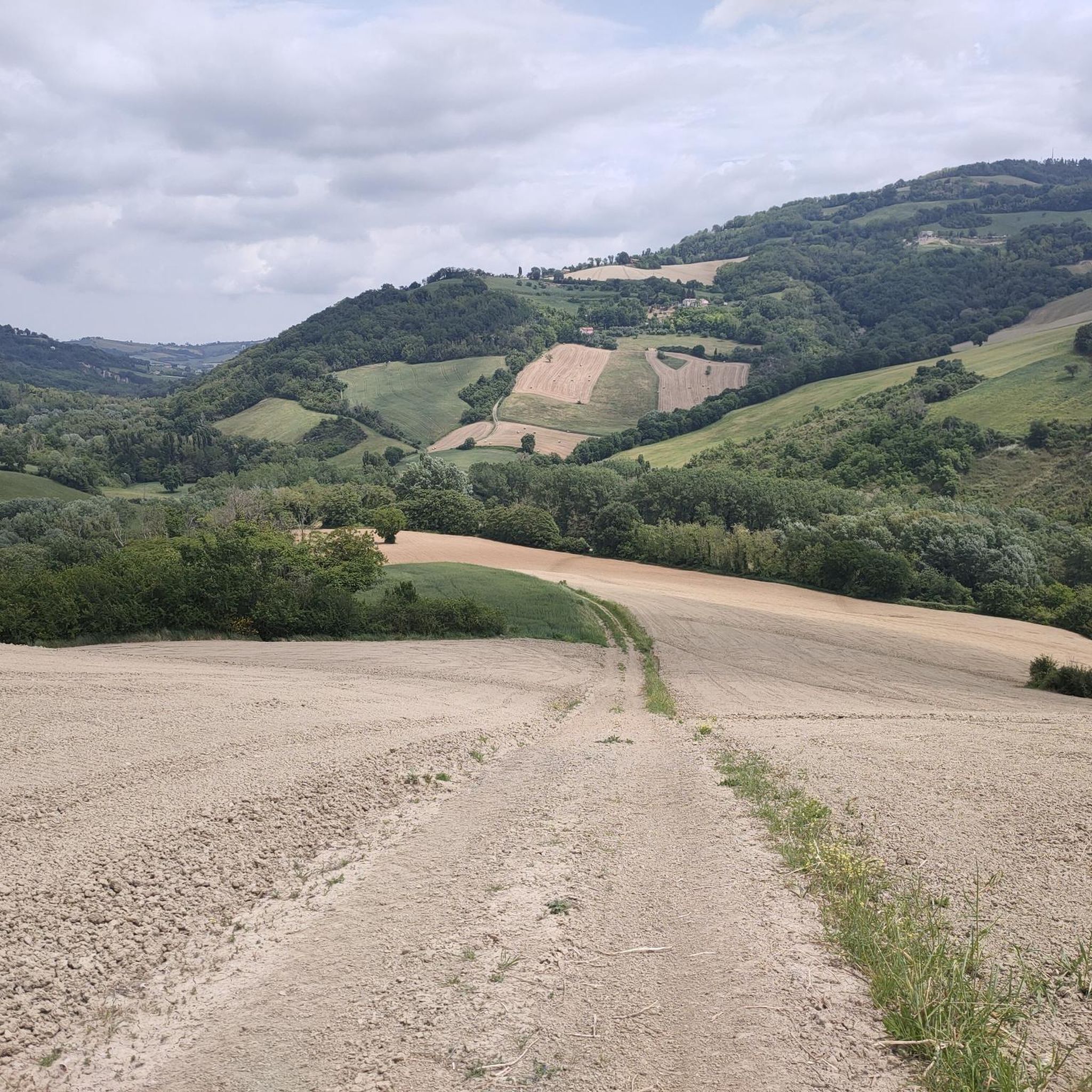
suggestive passage. I recommend the ascent from Morciano, The descent from the other side is - at times - steep but safely doable.
0
0

Urbino is a city in the Marche region, recognized as a UNESCO World Heritage site for its Renaissance-era historic center. It is located in a hilly area and is characterized by uphill streets, squares, and brick buildings. Among the main sites is the Ducal Palace of Urbino, home to the National Gallery of the Marche. Urbino is also the birthplace of Raffaello Sanzio, with a house-museum that can be visited. The city is home to the University of Urbino Carlo Bo, which contributes to the presence of students throughout the year.
0
0

Saludecio is registered in the Italian Association of Painted Villages because of the 50 splendid murals that color its streets.
0
0

Dating back to the Malatesta era and still well preserved today, the village of San Clemente is one of the best destinations in the Romagna hinterland. The walls and bastions are clearly visible, enclosing the center of the village as they once did. Not far away is also Castelleale, commissioned in 1388 by Leale Malatesta, bishop of Rimini.
0
0

Nice tour, ours was slightly longer than usual because it started from another point on the panoramic road near the Gibas restaurant and between the return journey with the muscular mountain bike there are a few km on the legs but the tour is also very nice and the visit to the castle
0
0

The village of San Clemente dates back to the Malatesta era and its origins are still clearly visible today. The walls enclose, as in the past, the heart of the historic center and the complex known as Castelleale. It is one of the rare examples remaining in the Rimini area of a building that is both a large farm and a fortified villa, built in 1388 by Leale Malatesta, bishop of Rimini.
0
0
The construction of the castle took place by the family of Sigismondo Malatesta in the early 1300s and was disputed between the Malatesta and Montefeltro families in the battles for the acquisition of the territory. It was thus lost and reconquered five times, until Federico da Montefeltro finally conquered Tavoleto in 1458. Federico ordered the demolition of the castle and then rebuilt it under the work of the architect Francesco di Giorgio Martini who finished it before 1474. In 1631 it became the direct domain of the Papacy, but in 1885 it was donated to the Lawyer Petrangolini at the same time as the assignment of the title of count and the subjugation of the surrounding territories. It was subsequently sold to a private individual who transformed it into a restaurant in the more recent 1960s and renovated it according to the standards of those years. The current owners instead purchased it with the intention of bringing it back to its origins. Today it is home to receptions and ceremonies.
1
0

Frequently Asked Questions
What kind of fortifications can I explore in Auditore itself?
Auditore is unique because the village itself functions as a well-preserved medieval fortification. You can explore its intact defensive walls, observe the corner bastions, and see the prominent 15th-century hexagonal civic tower. These structures offer a tangible connection to its past as a strategic stronghold.
Are there family-friendly castles or historical sites near Auditore?
Yes, several historical sites and fortified villages near Auditore are suitable for families. San Clemente Historic Center, Saludecio, and Mondaino are all listed as family-friendly and offer engaging historical exploration.
What are some other notable fortified villages or castles to visit in the region?
Beyond Auditore, you can visit San Clemente Historic Center, known for its well-preserved Malatesta-era walls. The city of Urbino, a UNESCO World Heritage Site, is a major Renaissance center with ancient origins. Mondaino features a significant Malatesta fortress, and Saludecio is another Malatesta stronghold with a characteristic medieval structure.
What historical significance do the fortifications around Auditore hold?
The fortifications around Auditore, including the village itself, were strategically important throughout the late Middle Ages. They were often contested between powerful families like the Malatesta of Rimini and the Montefeltro. Places like Tavoleto Castle changed hands multiple times, reflecting the region's turbulent history.
Are there any hidden historical sites or ruins near Auditore?
Approximately 20 kilometers from Urbino, in San Giovanni di Auditore, you can find the 'Grotte del Baburillo,' a subterranean complex believed to be a medieval quarry. Stone from here was used to construct two nearby castles, whose ruins, including one identified as 'Castello di/della Trappola,' are still visible, offering a glimpse into medieval archaeology.
What outdoor activities can I do near these castles?
The area around Auditore is excellent for outdoor activities. You can find numerous routes for gravel biking, mountain biking, and general cycling. For example, explore routes like the 'Tavoleto Castle – Porta Marina of Saludecio loop' or the 'Mondaino Castle and Courtyard – Tavoleto Castle loop.' You can find more details and specific routes in the Gravel biking around Auditore, MTB Trails around Auditore, and Cycling around Auditore guides.
What is the best time of year to visit the castles and fortified villages in the Auditore region?
The region is beautiful throughout the year. Spring and autumn offer pleasant temperatures for exploring the outdoor fortifications and villages. Summer can be warm but is ideal for enjoying the panoramic views. Even winter visits can be charming, with a quieter atmosphere, though some facilities might have reduced hours.
What kind of views can I expect from Auditore's fortifications?
From Auditore's defensive walls, you can enjoy panoramic views of the surrounding landscape, particularly the Foglia valley. This largely unchanged scenery adds to the evocative experience of imagining the village's past as a contested territory.
Is the 'Villa Auditore' from Assassin's Creed a real place in Auditore, Italy?
No, the 'Villa Auditore' associated with the Assassin's Creed game series is a fictional creation. While it draws inspiration from real locations, the villa itself does not exist in Auditore, Italy. Its architectural design is notably similar to the Villa di Maiano near Florence.
What do visitors enjoy most about exploring the Auditore area?
Visitors appreciate the historical significance of the well-preserved medieval fortifications and the serene atmosphere of the historic centers. The opportunity to walk along ancient walls, imagine past eras, and take in the panoramic views of the Marche region are frequently highlighted. The quiet retreat and sense of enduring heritage are also highly valued.
How long should I plan for a visit to Auditore and its nearby historical sites?
To fully appreciate Auditore's fortifications and explore its historic center, allow at least half a day. If you plan to visit nearby sites like Urbino, San Clemente, or Mondaino, a full day or even a weekend trip would be more suitable to explore the rich history and enjoy the local ambiance.
Are there opportunities for circular walks around the fortified villages?
Yes, the region offers various opportunities for circular walks and cycling routes that connect fortified villages. Many of the nearby routes mentioned in our guides, such as those for gravel biking and cycling, often feature loops that pass through or around these historic settlements, allowing for scenic exploration.
Most popular routes around Auditore
Most popular attractions around Auditore

Get inspired with the komoot mobile app


Explore more
Looking for the best castles somewhere else? Discover other guides around Auditore:
